Cry Baby Pasta
On a quiet block of South Third Street in Queen Village, Cry Baby Pasta has become a reference point for casual Italian in South Philadelphia. The restaurant occupies a neighbourhood niche where the cooking is the event, not the setting. For visitors mapping Philadelphia's food scene, it belongs on the same itinerary as the city's more decorated addresses.
Pearl is the En Primeur Club membership app — saves, bookings, and concierge access live there. Same editors, same standards.
- Address
- 627 S 3rd St, Philadelphia, PA 19147
- Phone
- +12675343076
- Website
- crybabypasta.com
- Directions
- Get directions
 Saves & bookings on Pearl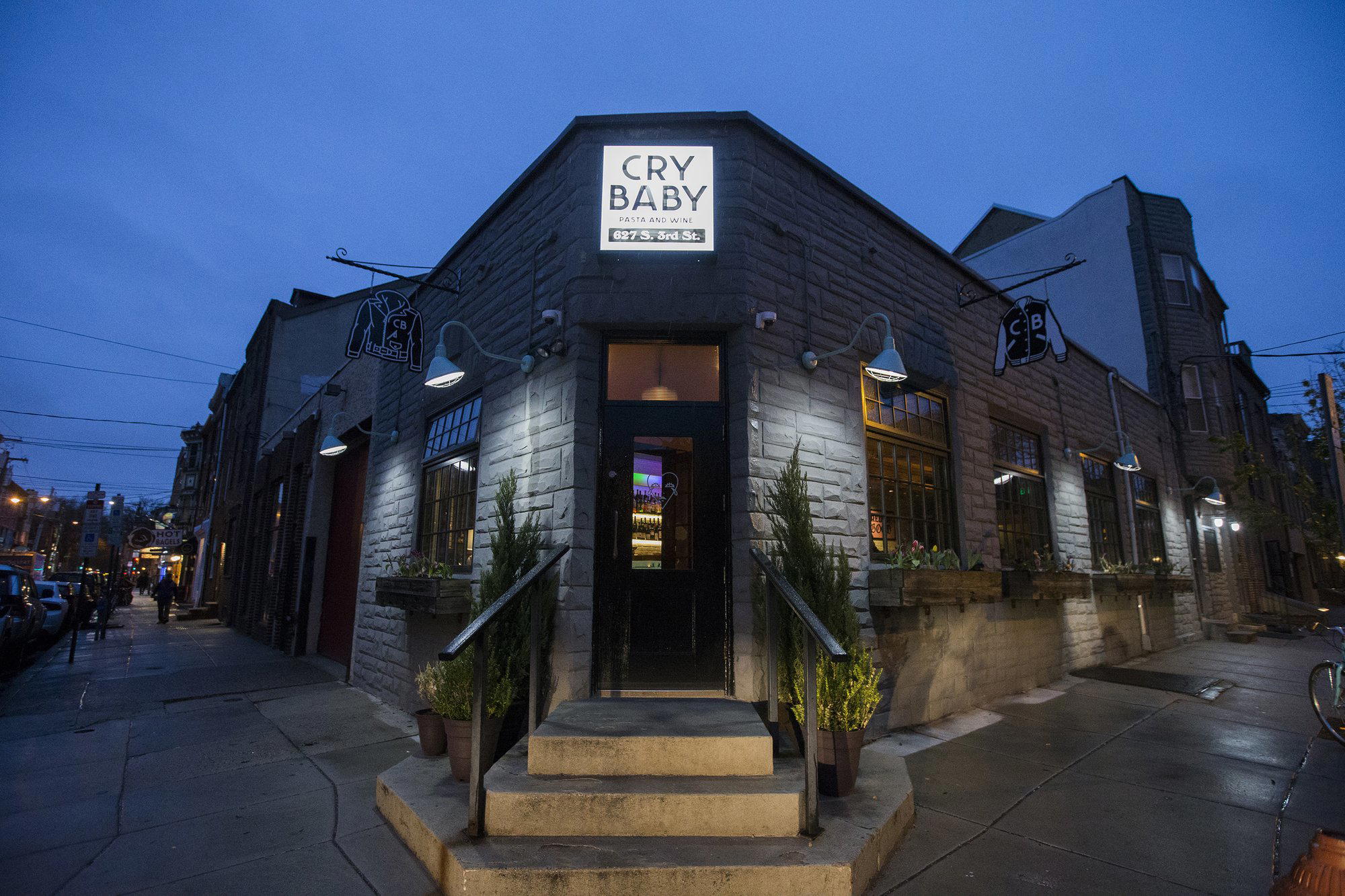
Queen Village and the Block That Shaped It
South Third Street in Queen Village sits at a particular kind of Philadelphia crossroads: close enough to South Philly's Italian-American backbone to carry that culinary gravity, but oriented toward a younger, more restless dining culture that has made this corridor one of the city's more interesting streets for food. The blocks around 627 S 3rd St tell you a lot about how Philadelphia eats now. Independent, format-confident restaurants with tight menus and strong neighbourhood loyalty have replaced the generalist trattorias and casual American spots that once defined the area. Cry Baby Pasta belongs to that newer cohort.
Queen Village itself rewards the kind of visitor who arrives on foot and lets the block decide the evening. The neighbourhood's compact scale means that walking distance from the 2nd Street corridor to South Street brings you past several small restaurants that operate with a similar logic: focused menus, no large-group theatrics, and cooking that competes on specificity rather than scope. In Philadelphia terms, this is the kind of restaurant density that puts a neighbourhood on the map.
How Pasta-Focused Restaurants Have Shifted the Mid-Tier
Across American cities over the past decade, a distinct restaurant format has gained traction: the pasta-forward independent, where the carbohydrate is the argument and everything else supports it. These are not Italian restaurants in the traditional sense, nor are they Italian-American red-sauce houses. They occupy a different register, one that draws from regional Italian traditions, sometimes from modern Rome or the Emilia-Romagna playbook, and applies that thinking to a neighbourhood format with a short wine list and a menu that changes enough to reward return visits.
Philadelphia has been receptive to this format. The city's food culture has historically valued craft and directness over spectacle, and a restaurant built around well-made pasta fits that value system precisely. Where cities like New York have dozens of entries in this category spread across multiple neighbourhoods, Philadelphia's version is more concentrated, which means individual addresses carry more weight within the scene. Cry Baby Pasta, at its Queen Village address, operates inside that compressed field.
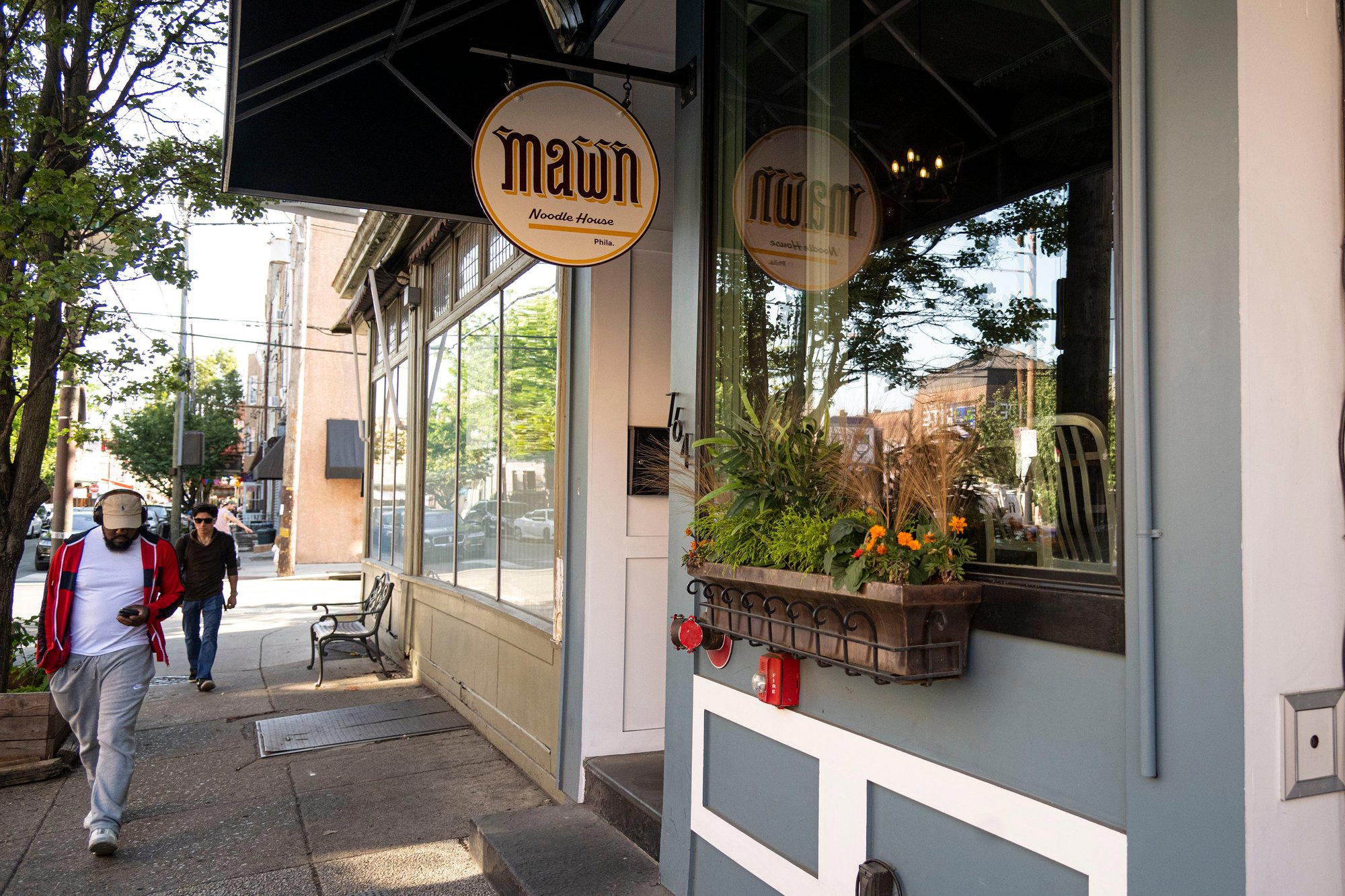
For context on how different Philadelphia's food scene looks at other price points and formats, Fork (New American) and Friday Saturday Sunday (New American) represent the city's more formally structured dining tier, where tasting menus and seasonal New American cooking set the terms. South Philly Barbacoa (Mexican) and Mawn (Cambodian, Pan-Asian) show how South Philadelphia's food energy extends well beyond Italian traditions. My Loup (French-Inspired) occupies yet another corner of the city's independent restaurant culture. Cry Baby Pasta sits comfortably in this broader picture as a neighbourhood specialist rather than a destination-dining proposition in the formal sense.
What the Setting Tells You Before You Order
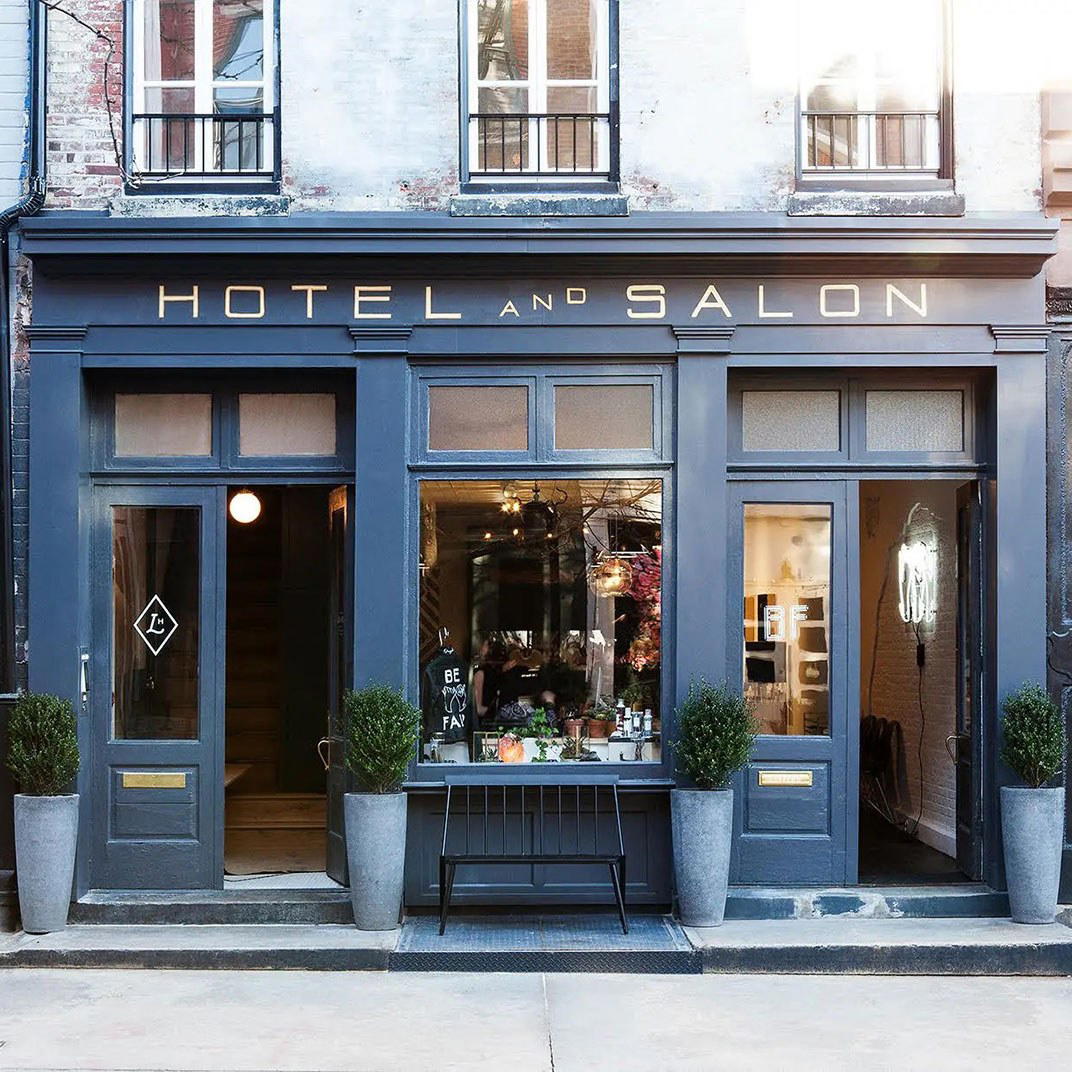
Restaurants at this address type in Philadelphia tend to share certain physical characteristics: modest frontage, interior design that signals intention without over-investing in concept, and a room scale that keeps the focus on the table rather than the performance. For a pasta-focused independent in a walkable urban neighbourhood, the setting is part of the message. You are not here for a production; you are here because someone is making pasta well and you want to eat it.
That clarity of purpose is what separates the better entries in this category from casual Italian spots that default to a broad menu and rely on familiarity rather than craft. When a restaurant narrows its scope to pasta, it is making a bet that the execution will justify the focus. In Philadelphia's Queen Village, where foot traffic is genuine and neighbourhood regulars will return or not return based on consistency, that bet has real stakes.
Philadelphia in the Wider American Dining Picture
Philadelphia is not the city that generates the most international attention among American dining destinations, but it has a food culture that holds up under scrutiny. The comparison class for serious American restaurant-going spans addresses like Le Bernardin in New York City, Lazy Bear in San Francisco, Smyth in Chicago, The French Laundry in Napa, and Blue Hill at Stone Barns in Tarrytown. Philadelphia's contribution to that conversation operates at a different register: the city's strongest argument is not in the formal tasting-menu tier but in the density of craft-forward neighbourhood restaurants that execute a specific idea with consistency.
For visitors coming from cities where the pasta-focused independent has become a familiar category, Philadelphia's version of the format will feel both familiar and specifically local. The ingredient sourcing tends to reflect mid-Atlantic geography; the price expectations track the city's more accessible cost structure relative to New York or Los Angeles; and the room atmosphere tends toward the unpretentious. Other American destinations with similar restaurant cultures include Emeril's in New Orleans and Providence in Los Angeles, though both operate at significantly higher formality levels. The neighbourhood independent in Philadelphia tends to carry less ceremony and more directness.
Internationally, the logic of the pasta-focused specialist has precedent in places like Atelier Moessmer Norbert Niederkofler in Brunico, though the comparison is more structural than stylistic: in both cases, a narrow culinary focus creates the terms by which the kitchen is judged. For the full picture of where Cry Baby Pasta sits in Philadelphia's independent restaurant scene, see our full Philadelphia restaurants guide.
Planning Your Visit
| Venue | Neighbourhood | Format | Booking | Price Tier |
|---|---|---|---|---|
| Cry Baby Pasta | Queen Village | Pasta-focused independent | Check directly | Not confirmed |
| Friday Saturday Sunday | Rittenhouse | New American | Reservations advised | Mid-to-upper |
| Fork | Old City | New American | Reservations advised | Mid-to-upper |
| South Philly Barbacoa | South Philly | Mexican specialist | Walk-in / early arrival | Accessible |
| My Loup | Center City | French-inspired | Reservations advised | Mid-to-upper |
Where It Fits
A quick peer reference to anchor this venue in its category.
| Venue | Cuisine |
|---|---|
| Cry Baby PastaThis venue — the venue you are viewing | Not listed |
| Friday Saturday Sunday | New American |
| Fork | New American |
| South Philly Barbacoa | Mexican |
| Jean-Georges Philadelphia | French |
| Helm | Filipino |
Continue exploring
More in Philadelphia
Restaurants in Philadelphia
Browse all →
Bars in Philadelphia
Browse all →
At a Glance
- Cozy
- Trendy
- Lively
- Date Night
- Casual Hangout
- Open Kitchen
- Craft Cocktails
Current opening hours
- Monday
- Closed
- Tuesday
- 4–10 PM
- Wednesday
- 4–10 PM
- Thursday
- 4–10 PM
- Friday
- 4–11 PM
- Saturday
- 4–11 PM
- Sunday
- 4–10 PM
Hours can change for holidays and private events. Last verified .
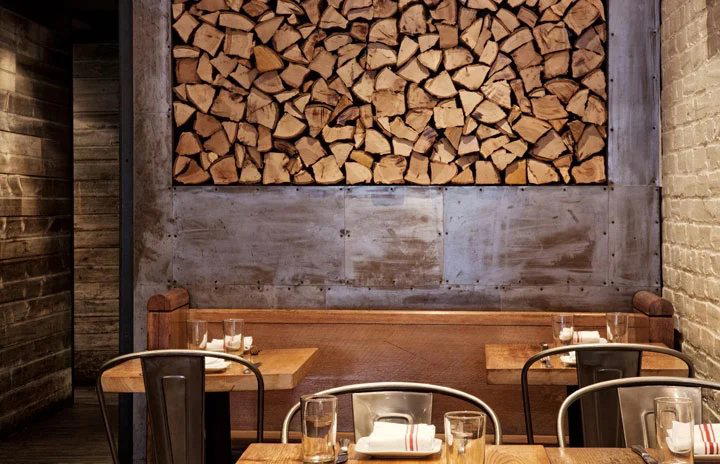
Nice and joyful atmosphere with happy crowds, featuring indoor, outdoor, and bar seating.
Know Before You Go
- Getting there
- 627 S 3rd St, Philadelphia, PA 19147