Crispy Dosa Hounslow
Crispy Dosa Hounslow sits on the High Street in TW3, serving South Indian dosa-centred cooking in a part of west London where Tamil and Telugu communities have shaped the local food culture for decades. The menu architecture reflects that community context, with fermented rice-and-lentil batters and a range of chutneys and sambar that position the dosa as a complete, considered format rather than a supporting act.
Pearl is the En Primeur Club membership app — saves, bookings, and concierge access live there. Same editors, same standards.
- Address
- 123 High St, Hounslow TW3 1QL, United Kingdom
- Phone
- +44 20 8814 1444
- Website
- crispydosa.com
- Directions
- Get directions
 Saves & bookings on Pearl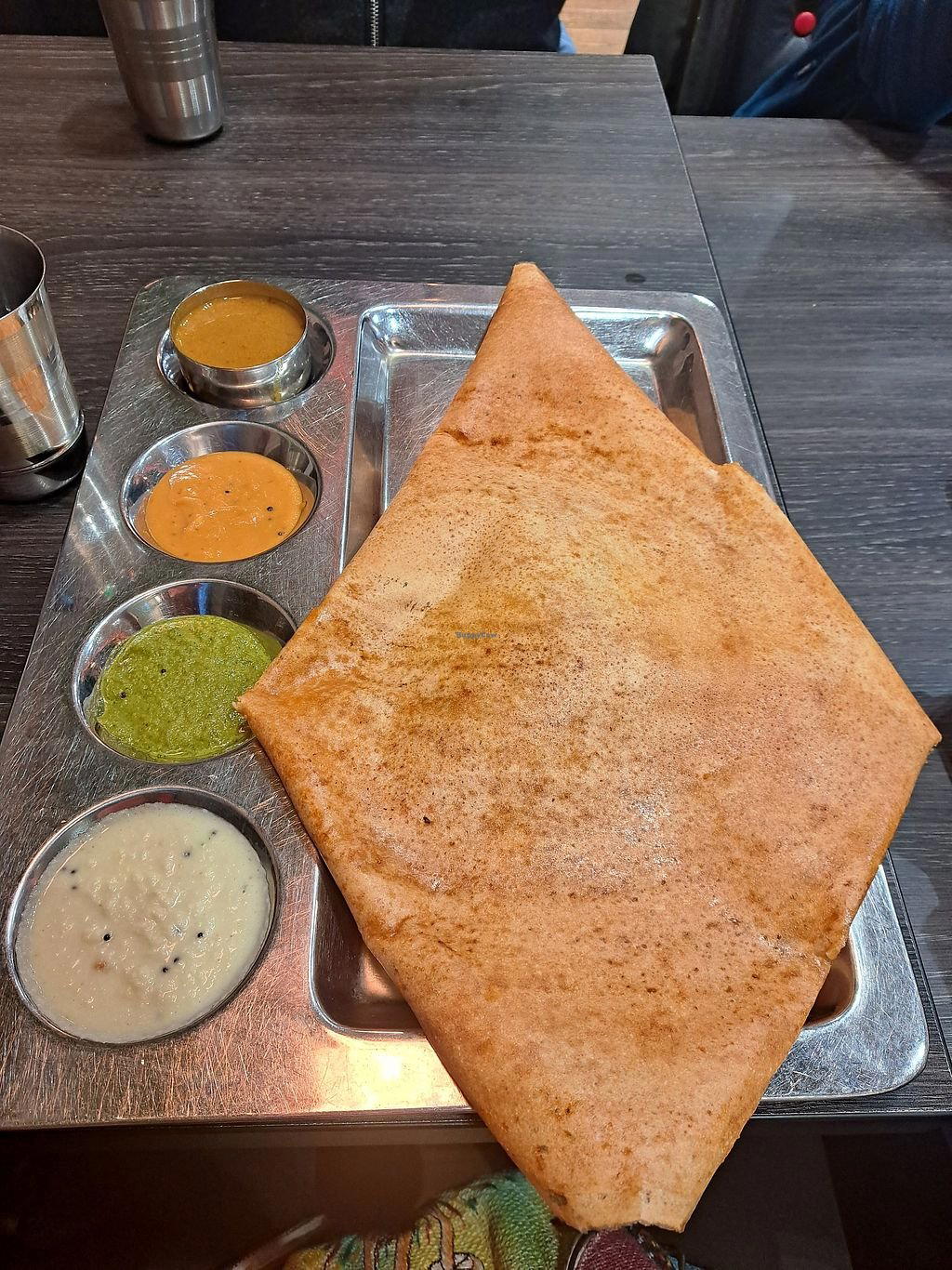
South Indian Dosa in West London: The Hounslow Context
West London's dosa belt runs through Southall, Wembley, and Hounslow, areas where South Indian and Sri Lankan Tamil communities established restaurants from the 1970s onward. That history matters when reading a place like Crispy Dosa Hounslow on the High Street. Unlike the fine dining circuit represented by venues such as CORE by Clare Smyth or Sketch, The Lecture Room and Library, this part of London's restaurant culture developed from sustained community demand and the transfer of regional cooking knowledge across generations.
Hounslow's High Street concentrates a particular kind of South Indian eating: fast-moving, communal, and organised around a few foundational preparations. The dosa is the anchor format, and in South Indian culinary tradition it earns that position. The fermented batter of rice and urad dal, left overnight to develop acidity, produces a thin, crisped crepe that functions both as bread and as a textural event. What accompanies it, the wetness of sambar, the heat differentials across three or four chutneys, is where the kitchen demonstrates range.
Menu Architecture: The Dosa as a Format, Not a Dish
South Indian menus organised around the dosa tend to reveal their kitchen's ambition through variation rather than elaboration. A short list of dosa types, each requiring the same fermented base but differing in filling, fold, and finish, is more instructive than a long menu of unrelated dishes. The masala dosa establishes the benchmark: potato-onion filling tempered with mustard seed, curry leaf, and turmeric, wrapped inside the crepe before the edges crisp. How a kitchen handles the potato filling, whether it holds texture or collapses into paste, whether the tempering is fragrant or muted, tells you most of what you need to know.
Beyond the masala variant, South Indian menus typically extend through rava dosa (semolina-based, with a lacy, more brittle texture than the fermented version), onion dosa, and cheese variations that speak to diaspora adaptation. The idli, a steamed rice cake made from the same fermented batter, occupies a different textural register: softer, denser, designed to absorb sambar rather than provide crunch. Vada, the fried lentil doughnut, completes the trifecta of fermented formats that define the breakfast and snack menu in Tamil Nadu and Karnataka, and which have been adopted wholesale in diaspora communities across the UK.
Crispy Dosa Hounslow's name is itself a menu statement. The emphasis on crispness signals an alignment with a specific preparation standard: the dosa should arrive with structural integrity, capable of being picked up without collapse, with colour at the edges that suggests adequate heat and sufficient fat on the griddle. That commitment to texture is not cosmetic. A soft dosa is a different dish from a crispy one, and kitchens that produce the latter consistently are working with better batter fermentation, hotter griddles, and more attentive timing.
The Hounslow High Street as a Culinary Reference Point
London's South Indian restaurant geography is worth mapping. The Tooting Broadway cluster, centred on Apollo Banana Leaf and its neighbours, handles a Sri Lankan Tamil inflection. The Wembley corridor skews North Indian and Gujarati. Hounslow occupies a distinct position, with sufficient South Indian population density to support restaurants that pitch to community regulars rather than curious outsiders. That audience is a more exacting one: they have reference points for the cooking, they know what a well-fermented batter produces, and they notice shortcuts.
Restaurants on this street do not benefit from the destination dining infrastructure that serves central London. The trade is local, repeat, and sustained by quality rather than novelty. The trade is local, repeat, and sustained by quality rather than novelty.
For a broader view of where South Indian and other restaurants sit within London's dining spectrum, the range runs from neighbourhood staples to three-Michelin-star counters. The contrast between Hounslow's informal dosa houses and the capital's three-star tier, which includes Restaurant Gordon Ramsay, The Ledbury, and Dinner by Heston Blumenthal, reflects the full breadth of how London eats, not a hierarchy of quality.
Outside the capital, restaurants in rural and semi-rural settings often anchor their reputations to produce-led, formally structured cooking in destination settings. The format at a Hounslow dosa house is essentially the inverse: urban, informal, low-cost, and built around ancient fermentation technique rather than contemporary tasting-menu architecture. Both approaches require skill. Only one of them feeds Hounslow at lunchtime.
Planning a Visit
Crispy Dosa Hounslow is located at 123 High Street, Hounslow TW3 1QL, in a corridor well-served by public transport. The restaurant recommends reservations, and its opening hours run Monday to Thursday from 9 a.m. to 10 p.m. Friday and Saturday to 10:30 p.m. and Sunday to 10 p.m. For those exploring further, our full London wineries guide covers the capital's wine scene if the evening calls for something more structured after a light lunch.
For international reference, the South Indian dosa format has found recognition beyond diaspora communities: venues like Atomix in New York City, which operates Korean fine dining at the highest critical level, and Le Bernardin in New York City in the French fine dining tradition, represent the formal end of what restaurant culture produces. The Hounslow dosa house represents the opposite end of the same question: what does a community actually eat, day to day, when the food is good and the price is honest.
The south-east of England also has notable neighbourhood restaurants worth comparing on a regional basis: hide and fox in Saltwood operates in a similarly informal register, though with a different culinary reference point entirely.
Cost Snapshot
Comparable venues nearby, for context on price, style, and recognition.
| Venue | Cuisine | Price | Notes |
|---|---|---|---|
| Crispy Dosa HounslowThis venue — the venue you are viewing | Hounslow, South Indian Vegetarian | $ | Not listed |
| Zan Zi Bar | Edgware, Punjabi Indian | $$ | Not listed |
| Kricket Brixton | Brixton, Modern Indian Small Plates | $$ | Not listed |
| The India - Monument | Not listed | $$ | Monument, Indian with Bangladeshi influences |
| Lahore Kebab House | Not listed | $ | Whitechapel, Traditional Punjabi Pakistani Grill |
| Himalayan Kitchen | Not listed | $$ | Penge East, Nepalese & Indian Curry House |
Continue exploring
More in London
Restaurants in London
Browse all →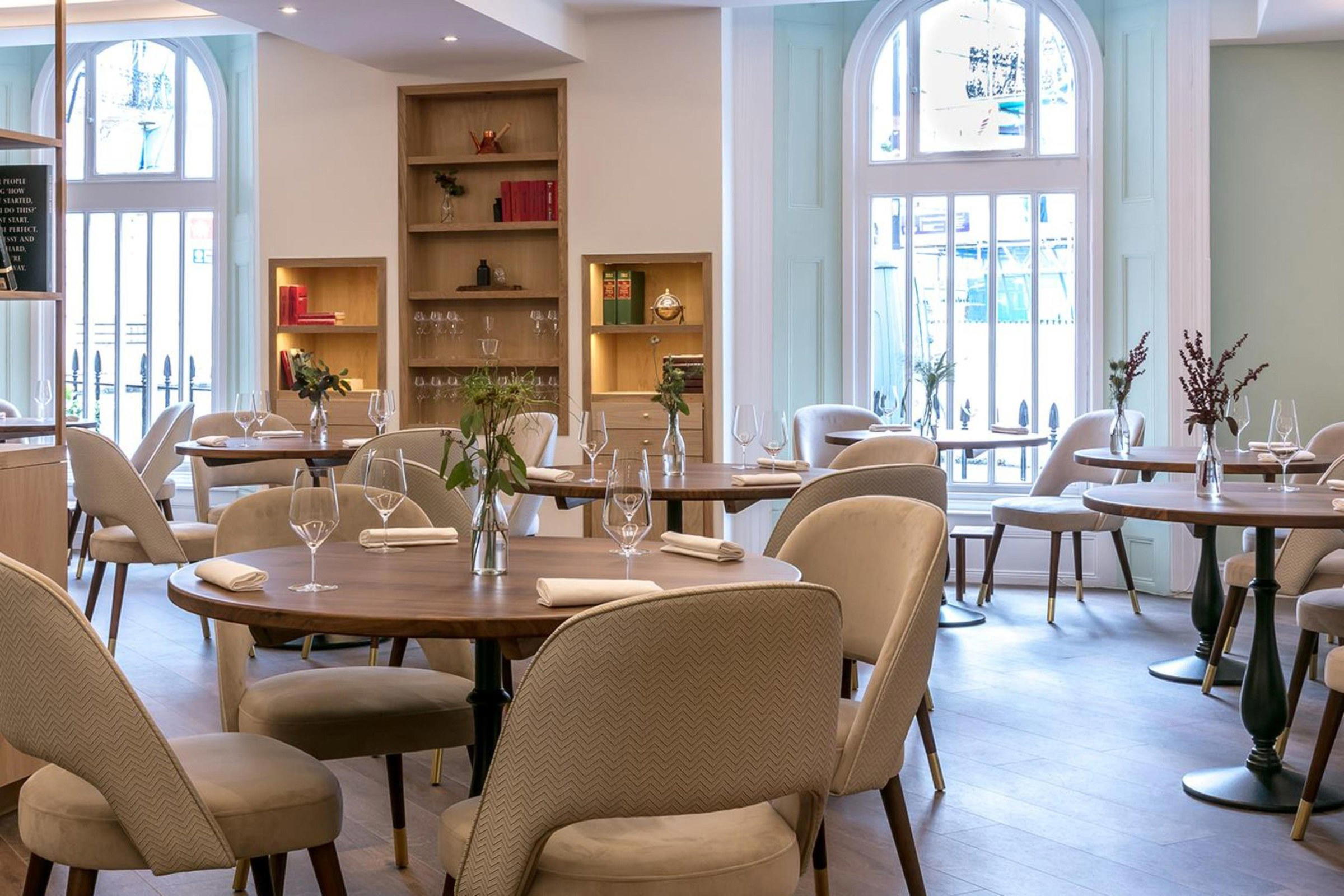
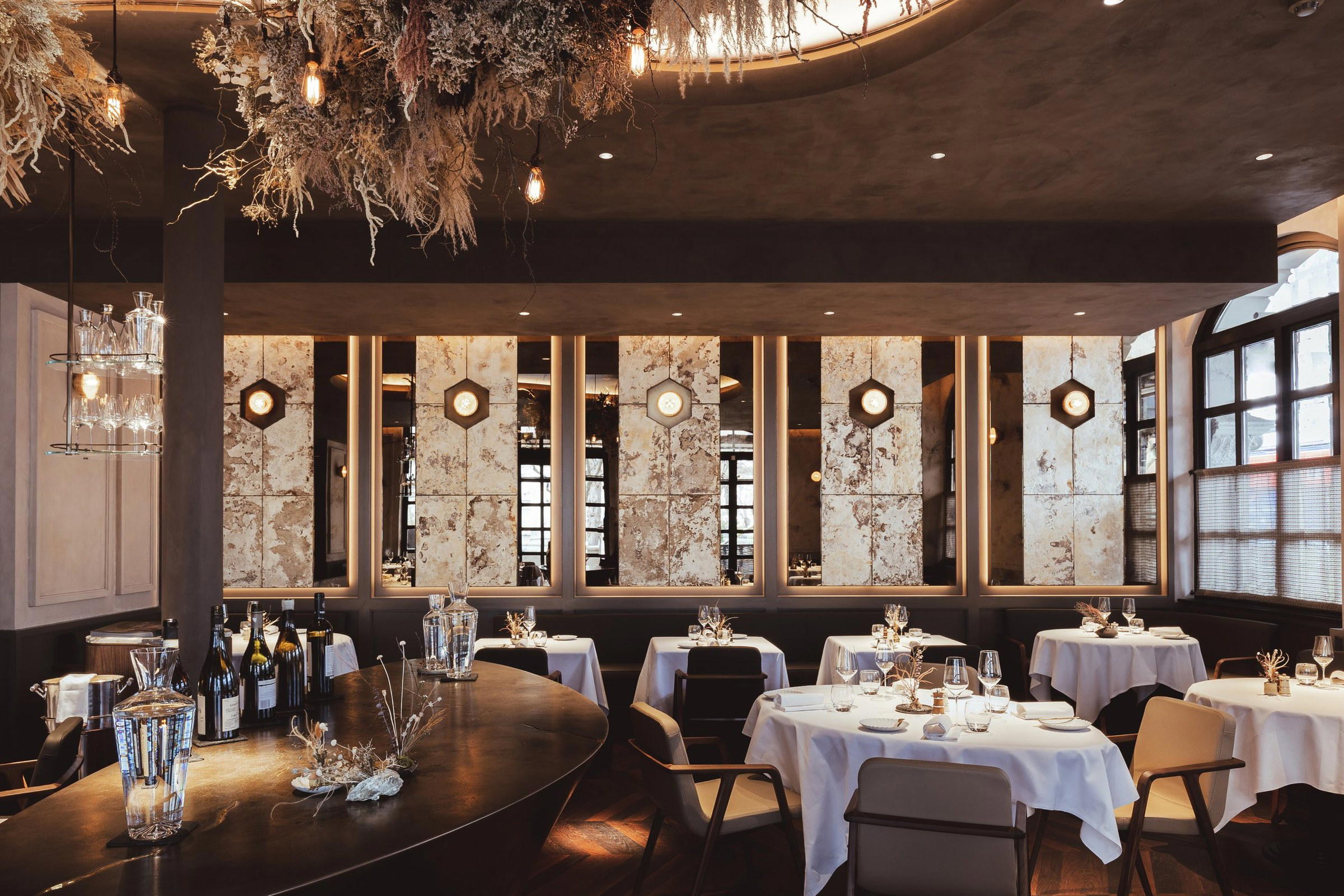
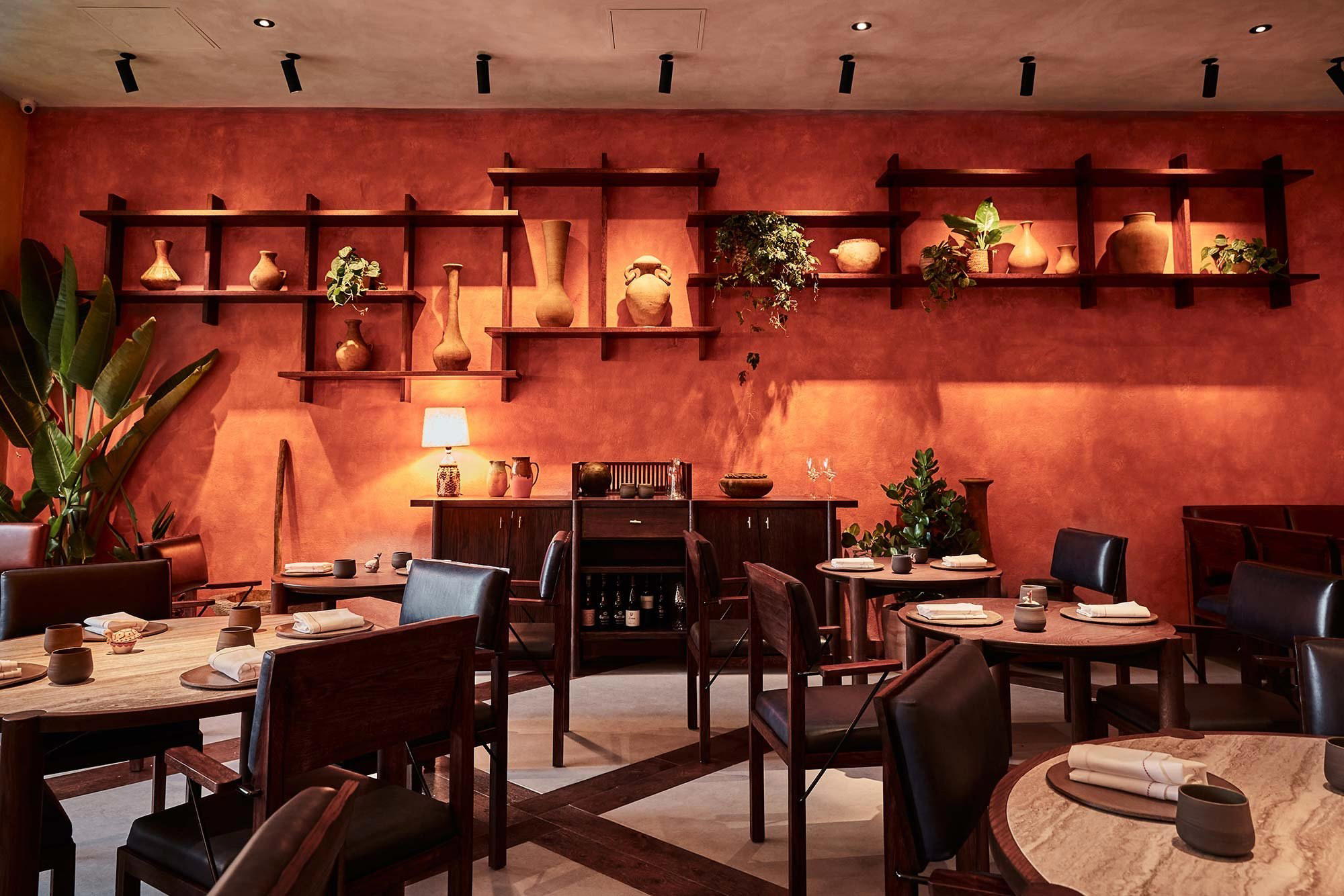
Bars in London
Browse all →
Hotels in London
Browse all →


At a Glance
- Lively
- Casual
- Family
- Group Dining
- Casual Hangout
Current opening hours
- Monday
- 9 a.m.–10 p.m.
- Tuesday
- 9 a.m.–10 p.m.
- Wednesday
- 9 a.m.–10 p.m.
- Thursday
- 9 a.m.–10 p.m.
- Friday
- 9 a.m.–10:30 p.m.
- Saturday
- 8 a.m.–10:30 p.m.
- Sunday
- 8 a.m.–10 p.m.
Hours can change for holidays and private events. Last verified .
Welcoming and lively with unfussy decor, warm family atmosphere, and constant buzz especially on weekends.