Crab Shed
On the working waterfront of Salcombe, Crab Shed occupies the kind of no-frills position that Devon's coastal seafood tradition has always demanded: proximity to the catch above all else. The format is built around what the estuary and nearby waters produce, placing it squarely in the tradition of British seaside eating that values sourcing over spectacle. For visitors to this part of South Devon, it is a reference point rather than an afterthought.
Pearl is the En Primeur Club membership app — saves, bookings, and concierge access live there. Same editors, same standards.
- Address
- Gould Rd, Salcombe TQ8 8DU, United Kingdom
- Phone
- +441548844280
- Website
- crabshed.com
- Directions
- Get directions
 Saves & bookings on Pearl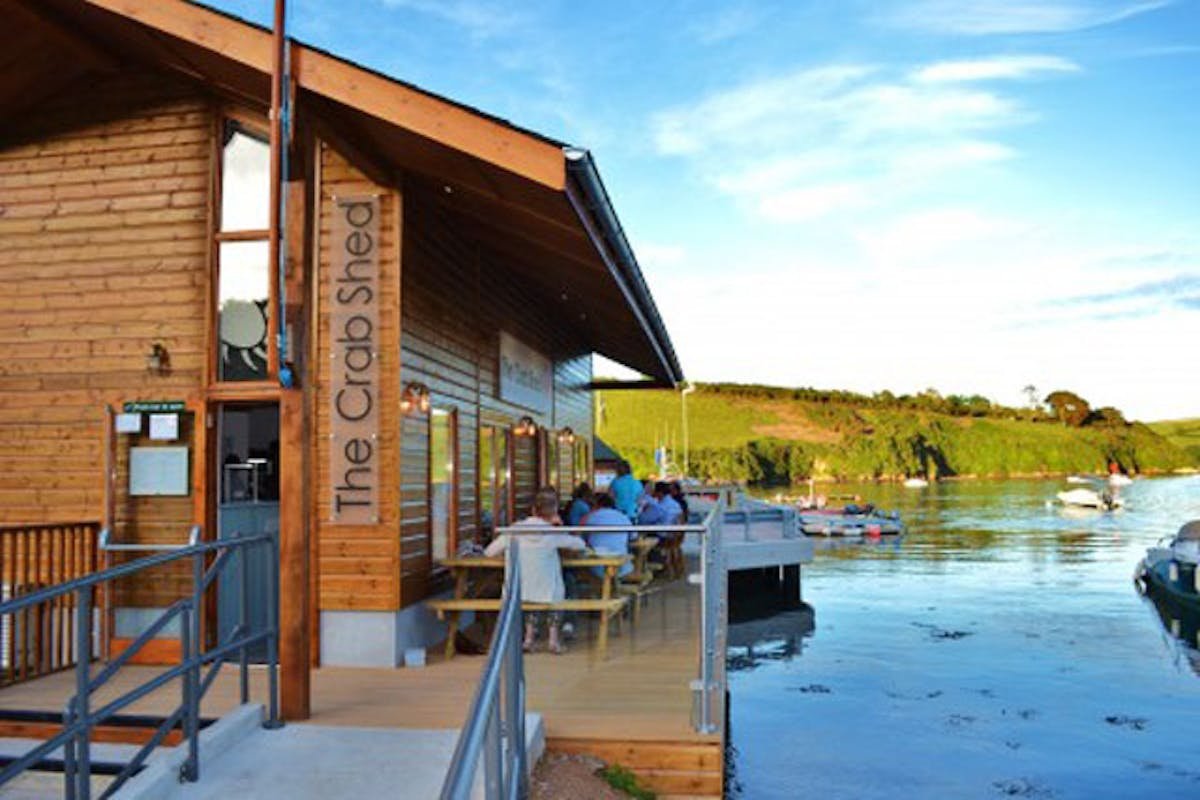
Where the Estuary Does the Work
Salcombe sits at the southern tip of a drowned river valley, and its relationship with the sea is not decorative. The harbour handles working boats alongside the sailing crowd, and the town's food has historically followed the logic of whatever comes off those boats. Crab Shed, on Gould Road, occupies that tradition directly. Arriving from the water side, the context is immediate: this is a place shaped by proximity to its ingredients, not by distance from them.
That physical closeness to the source is the defining condition of coastal Devon seafood eating at its most direct. The South Devon coast — and the waters around Salcombe's estuary in particular — produces brown crab, lobster, and a range of fin fish that have sustained local fishing communities for centuries. The best-regarded seafood spots in this part of the county tend to be the ones that keep the supply chain short and the preparation minimal, letting the quality of the raw material carry the experience. Crab Shed sits inside that pattern.
The Sourcing Logic Behind Devon Coastal Seafood
Understanding what makes a place like Crab Shed coherent requires understanding how Devon's coastal seafood supply actually works. The county's fishing ports, Salcombe, Brixham, Plymouth, and smaller landing points along the South Hams coast, operate on a daily or near-daily rhythm. Crab and lobster are potted in local waters and landed in small volumes. This is not an industrial supply chain; it is a hyperlocal one, and it places significant constraints on what a seafood operation can serve and when.
Brown crab from this stretch of coast is regarded among the finest in Britain, partly because of the cold, clean water and partly because of the hard-shell varieties that predominate in the deeper water off the headlands. The meat-to-shell ratio in South Devon brown crab is high enough that it requires little intervention to make it worth eating. Dressing it simply, with good bread, good butter, and little else, is not a creative choice; it is the appropriate response to the ingredient. The broader British coastal dining tradition, from Whitstable on the Kent coast to the fish shacks of Cornwall, has always recognised this. When sourcing is right, format recedes.
This is the philosophical position that separates serious seaside seafood from resort-town tourist food. Across Britain's more celebrated coastal dining rooms, and even within the formal, technically ambitious end of British seafood cooking, represented by places like Waterside Inn in Bray or Le Bernardin in New York City, the argument for quality consistently traces back to sourcing. At the informal end of the spectrum, the same principle applies with fewer layers of technique between the water and the plate.
Salcombe's Position in Devon's Food Culture
Salcombe has a complicated relationship with the idea of authenticity. It is one of the most expensive property markets in Britain outside London, and the town's summer population skews heavily toward second-home owners and sailing holiday visitors. The commercial strip reflects this: high-end ice cream, artisan bakeries, and upscale clothing shops compete for the same narrow lanes. Food businesses in this context face a genuine tension between serving the local fishing tradition and meeting the expectations of a transient, affluent visitor base.
The operations that tend to earn repeat visits and word-of-mouth credibility are those that resolve this tension by anchoring firmly in the sourcing side of the equation. The visitor who comes to Salcombe and eats a properly dressed local crab at a waterside setting is, in some sense, getting closer to what the place actually is than the visitor who sits in a generic brasserie with a long menu. Devon's broader food scene has moved in this direction over the past decade: Gidleigh Park in Chagford built its reputation on Devon produce long before farm-to-table became a marketing phrase, and that emphasis on regional sourcing now runs through the county's serious dining operations at multiple price points.
At the casual end, places like Crab Shed and nearby options such as Village Farm Café represent a different expression of the same value: short supply chains, local identity, and format designed around what the land or sea provides rather than what a corporate menu-planning process dictates. For a fuller picture of how Salcombe's food scene fits together, our full Salcombe restaurants guide maps the town's options across price points and meal types.
How This Compares to the Wider British Seafood Conversation
Britain's most formally recognised seafood cooking, the kind that appears in the same conversation as CORE by Clare Smyth in London, L'Enclume in Cartmel, or Moor Hall in Aughton, tends to treat seafood as one element within a broader British produce narrative. These are restaurants where technique and sourcing operate in parallel, and where the cooking adds significant intellectual and aesthetic value on top of the raw ingredient. At the other end of the spectrum, the argument is simpler: the ingredient is already doing the work, and the job of the kitchen is not to obscure that.
Crab Shed sits in the latter category. The absence of formal awards or a named chef is not a deficiency in this context; it is, in many cases, a signal that the operation has remained focused on its actual subject matter.
Planning a Visit
Crab Shed is at Gould Road, Salcombe TQ8 8DU, placing it in the lower part of town with access toward the estuary. Salcombe itself is reached most easily by car via the A381 from Totnes, with limited public transport making the final approach into town. Parking in Salcombe is constrained in summer months, and arriving early in the day is a practical advantage regardless of where you plan to eat. The town's food operations at the casual end tend to run on a first-come basis without reservations, and demand at the height of the summer season, July and August in particular, means popular spots move quickly through their daily supply. Visiting outside the peak school-holiday window, in late May, June, or September, gives a noticeably different experience of both the town and its food businesses.
How Crab Shed Salcombe compares with similar nearby venues.
| Venue | Cuisine | Price |
|---|---|---|
| Twenty Seven | Modern British | £££ |
Continue exploring
More in Salcombe
Restaurants in Salcombe
Browse all →


At a Glance
- Rustic
- Scenic
- Cozy
- Casual Hangout
- Family
- Waterfront
- Terrace
- Local Sourcing
- Sustainable Seafood
- Waterfront
Current opening hours
- Monday
- 12–2:30 PM, 6–8:30 PM
- Tuesday
- 12–2:30 PM, 6–8:30 PM
- Wednesday
- 12–2:30 PM, 6–8:30 PM
- Thursday
- 12–2:30 PM, 6–8:30 PM
- Friday
- 12–2:30 PM, 6–8:30 PM
- Saturday
- 12–2:30 PM, 6–8:30 PM
- Sunday
- 12–2:30 PM, 6–8:30 PM
Hours can change for holidays and private events. Last verified .
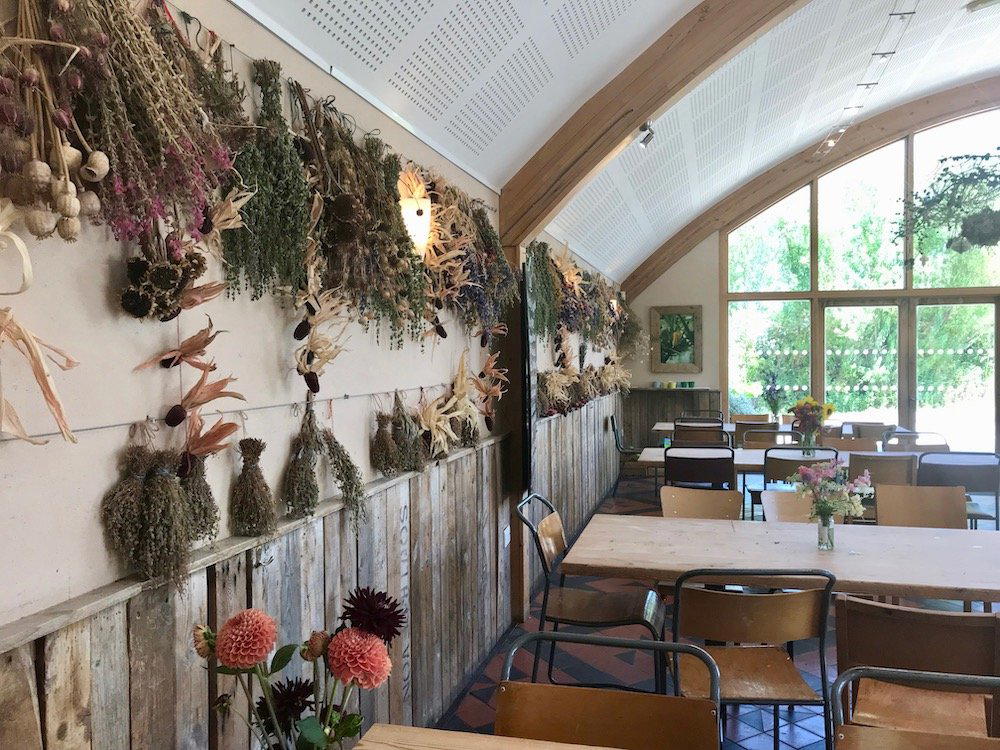
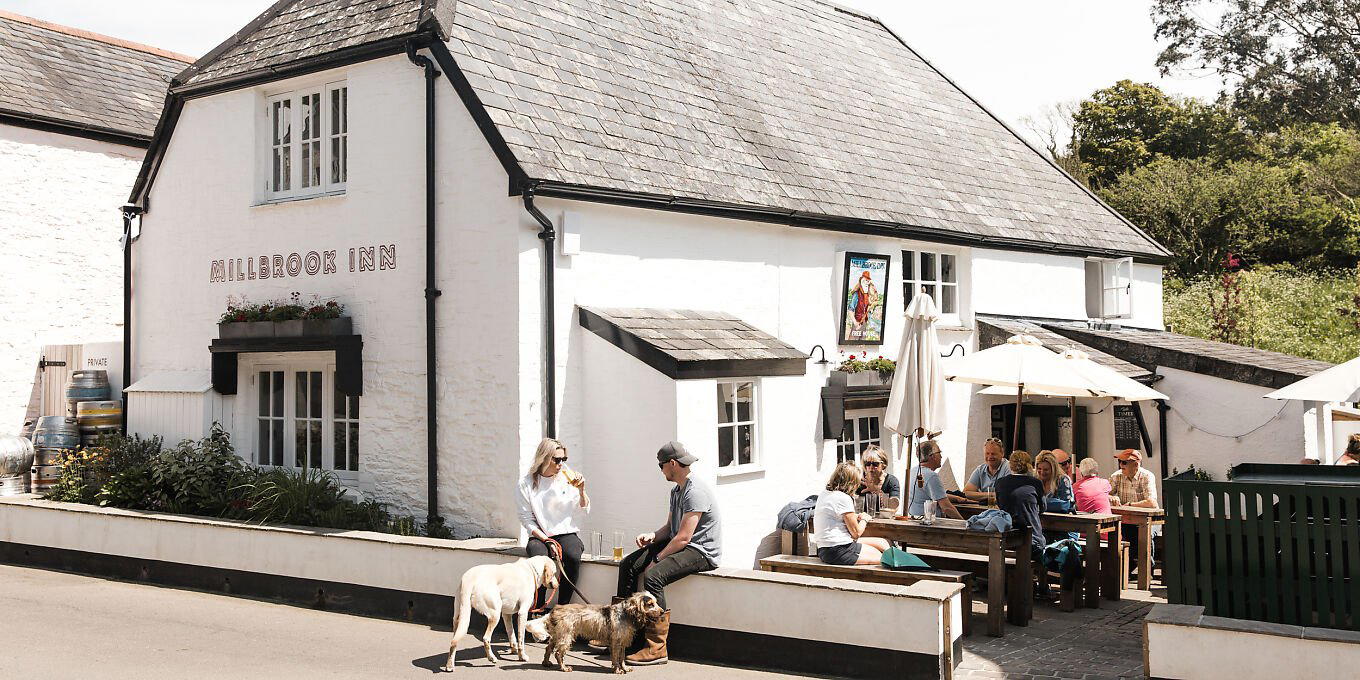
Stylish yet relaxed quayside atmosphere with harbor views, lively indoor dining, and lively outdoor terrace.
Know Before You Go
- Getting there
- Gould Rd, Salcombe TQ8 8DU, United Kingdom