Costa's Mediterranean Cafe
Costa's Mediterranean Cafe on Lorna Road brings the pantry discipline of Mediterranean cooking, olive oil, legumes, grilled proteins, and fermented dairy, to Hoover's independent dining scene. Sitting among a small cohort of category-committed neighborhood restaurants, it occupies the accessible end of a cuisine tradition where sourcing quality drives the result more than technique. Current hours and menu details are best confirmed directly with the venue.
Pearl is the En Primeur Club membership app — saves, bookings, and concierge access live there. Same editors, same standards.
- Address
- 3443 Lorna Rd, Hoover, AL 35216
- Phone
- +12059781603
- Website
- costashoover.com
- Directions
- Get directions
 Saves & bookings on Pearl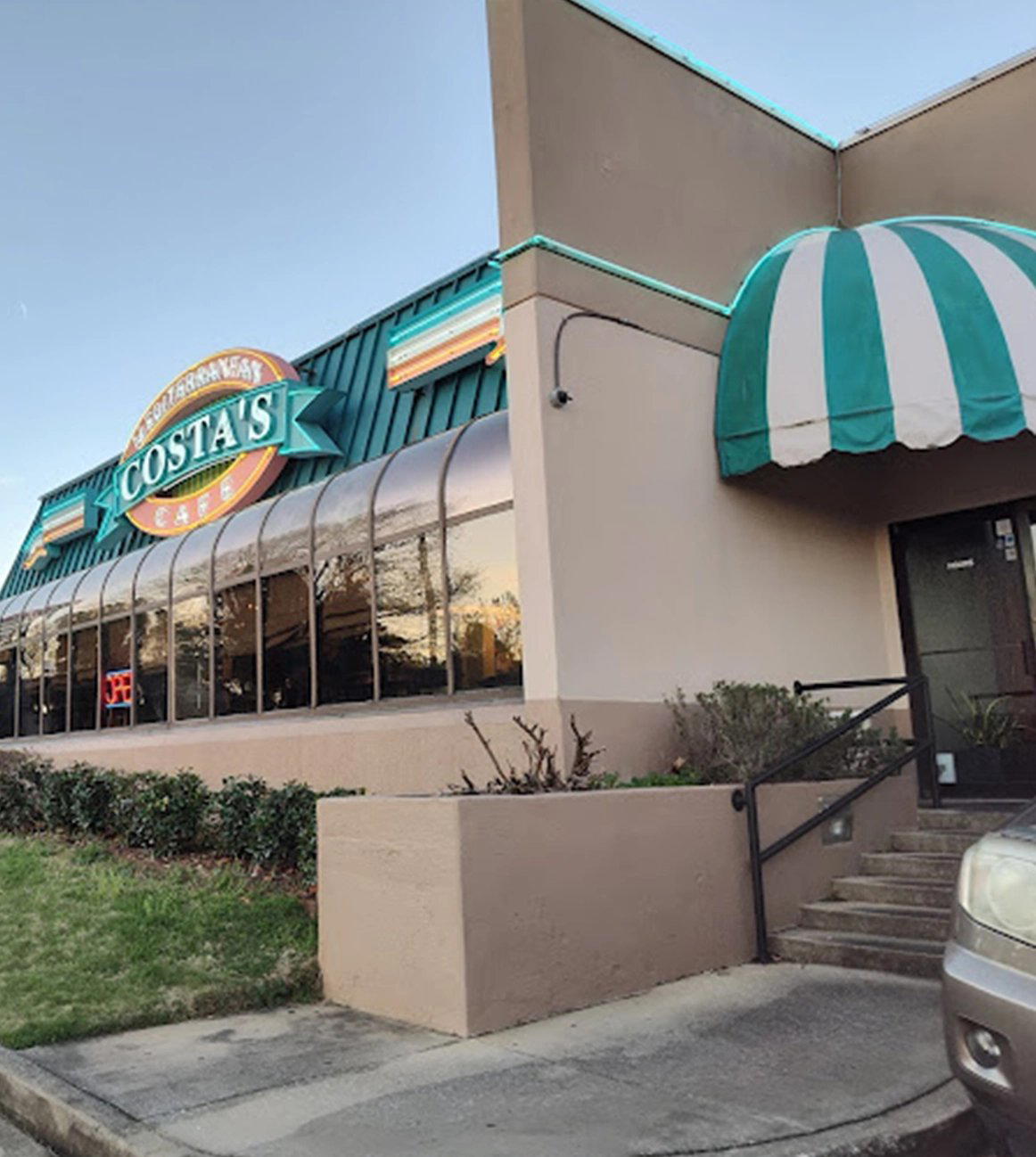
Where Lorna Road Meets the Mediterranean Shore
Costa's Mediterranean Cafe is a Greek-Italian Mediterranean restaurant at 3443 Lorna Rd, Hoover, AL 35216. Strip-mall pragmatism dominates the sightlines, and most drivers pass through without slowing. Costa's Mediterranean Cafe, at 3443 Lorna Road, occupies that kind of space, which is precisely why the contrast between the streetside setting and what Mediterranean cooking actually demands of its kitchen makes it worth examining on its own terms. Mediterranean cuisine, at its functional core, is a sourcing argument: the tradition holds that olive oil quality, the ripeness of tomatoes, the provenance of feta, and the freshness of herbs do more work than technique alone. The question any Mediterranean cafe in a mid-sized American suburb must answer is how seriously it takes that premise.
The Sourcing Case for Mediterranean Cooking in the American South
Mediterranean food has traveled poorly across the Atlantic in many of its American expressions. The category gets reduced to gyro platters and hummus tubs, the pantry swapped for commodity versions of the originals. What separates the cafes that hold their character from those that dissolve into the regional fast-casual blur is largely a sourcing question. Kalamata olives versus generic black olives. Imported tahini made from hulled sesame versus domestic approximations. High-polyphenol olive oil versus refined blends. These are not trivial distinctions; they are the difference between a dish that reads as Mediterranean and one that merely resembles it.
Hoover sits within the Birmingham metropolitan area, a food city that has developed meaningful independent restaurant depth over the past decade. The suburb's dining scene is anchored by value-oriented independents rather than high-concept destination restaurants, and in that context, a Mediterranean cafe occupies a useful position: accessible price point, dietary flexibility, and a cuisine tradition that rewards sourcing discipline at every budget level. The cafes of Hoover operate in a different register, but the underlying sourcing logic is the same, applied at community scale.
Mediterranean as a Cuisine Tradition, Not a Marketing Category
The Mediterranean basin encompasses at least a dozen distinct national traditions, and American cafes bearing the label typically draw from the eastern and central zones: Greek, Lebanese, Turkish, and occasionally Israeli or Egyptian influences folded into a single menu. That synthesis is not inauthentic by definition. Coastal trade for centuries moved ingredients and techniques across borders, and modern mezze culture already reflects that cross-pollination. A well-run Mediterranean cafe in Alabama is drawing on a cuisine tradition that was always hybrid, always adapted to available produce, always pragmatic about substitution when the ideal ingredient was unavailable.
What anchors the tradition, regardless of national sub-category, is a set of pantry commitments: legumes, olive oil, fresh vegetables, grilled proteins, and fermented dairy. When those anchors hold, the cuisine delivers what its health reputation promises and what its flavor profile demands. When they slip, the food becomes something else, still edible, but no longer carrying the sourcing argument that gives Mediterranean cooking its coherence.
Hoover's independent dining scene includes other category-specific operators worth knowing: Mr Chen's Authentic Chinese Cooking anchors the Asian end of the local independent spectrum, while Silver Coin Indian Grill represents the subcontinental side. Tortugas Homemade Pizza completes a small cohort of independents where the category noun in the name functions as a genuine commitment rather than a filing convenience. Costa's sits within that peer group: neighborhood-scale, category-specific, and positioned against the chain alternatives that surround it on Lorna Road.
Planning Your Visit
Costa's Mediterranean Cafe is located at 3443 Lorna Road, Hoover, AL 35216, accessible from the main commercial corridor and reasonably close to the major routes connecting Hoover to central Birmingham. Walk-ins are welcome. Mediterranean cafe dining in this format is generally well-suited to casual timing, and the cuisine tradition supports shared ordering across a table, which affects how party size translates to table logistics.
For readers who use Hoover as a base while visiting Birmingham's broader dining circuit, the suburb's independent restaurant cluster along and near Lorna Road offers an efficient evening alternative to driving into the urban core. Readers interested in how ingredient-sourcing translates into formal fine dining should note that the American restaurants treating provenance most seriously at the moment, properties like Smyth in Chicago, Addison in San Diego, and Providence in Los Angeles, operate at a fundamentally different price and format tier, but the underlying argument about ingredient quality runs through both ends of the spectrum. At the neighborhood cafe level, that argument is simply made with fewer courses and a shorter check.
The distance between that level and a Mediterranean cafe on Lorna Road is significant, but the cuisine logic of respecting what comes from the ground is not different in kind. It is different in degree, and that difference is mostly price.
Comparable Venues
Comparable venues nearby, for context on price, style, and recognition.
| Venue | Cuisine | Price | Notes |
|---|---|---|---|
| Costa's Mediterranean CafeThis venue — the venue you are viewing | Greek-Italian Mediterranean | $$ | Not listed |
| Tortugas Homemade Pizza | Chicago-Style Pizza | $$ | John Hawkins Parkway |
| Mr Chen's Authentic Chinese Cooking | Authentic Chinese & Taiwanese | $$ | Hoover |
| Silver Coin Indian Grill | Authentic Indian Grill | $$ | The Village on Lorna |
| Jinsei | Modern Japanese Sushi | $$$ | Homewood |
| Niki's West | Southern Meat-and-Three Cafeteria | $$ | Acipco-Finley |
Continue exploring
More in Hoover
Restaurants in Hoover
Browse all →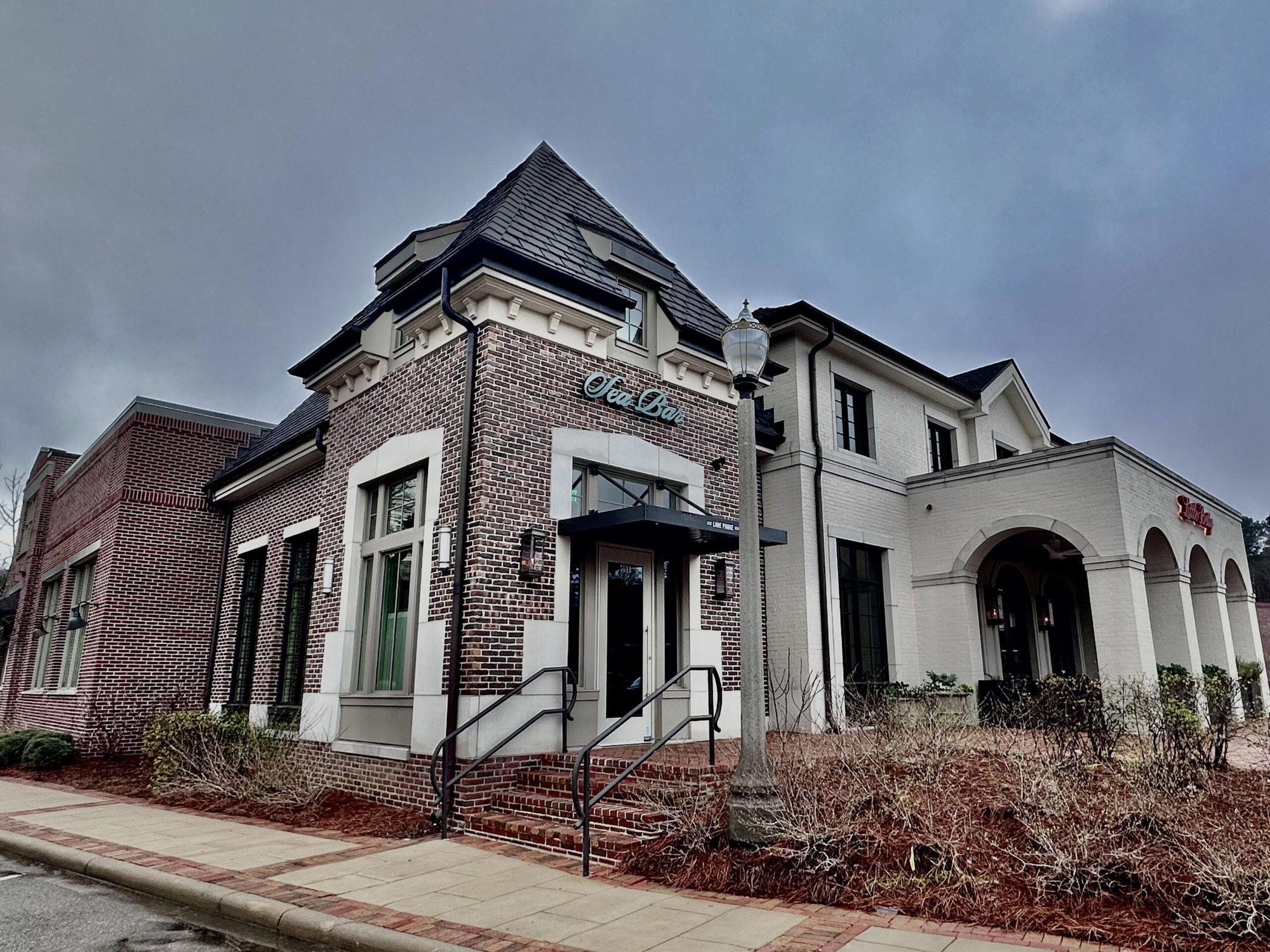
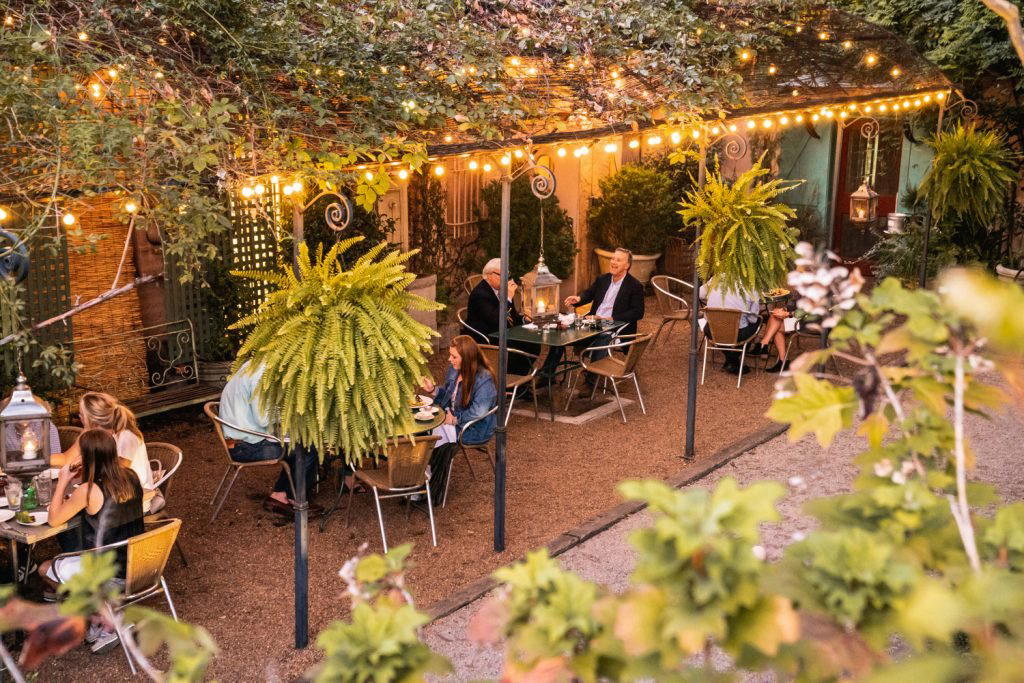
Bars in Hoover
Browse all →
Hotels in Hoover
Browse all →
At a Glance
- Cozy
- Family
- Casual Hangout
- Standalone
Current opening hours
- Monday
- 11 AM–8 PM
- Tuesday
- 11 AM–8 PM
- Wednesday
- 11 AM–8 PM
- Thursday
- 11 AM–8 PM
- Friday
- 11 AM–9 PM
- Saturday
- 11 AM–9 PM
- Sunday
- Closed
Hours can change for holidays and private events. Last verified .
Casual, family-friendly atmosphere with attentive service.