Composto restaurant
Our verdict
Composto restaurant belongs to Vila Nova de Gaia’s quieter dining map, away from the cellar-tour shorthand that often defines the city for visitors. Its interest lies in how a Gaia table can read the region through nearby markets, Atlantic fish, northern Portuguese produce, and the Douro’s wine-country gravity without needing a formal award narrative or chef-led mythology.

Pearl is the En Primeur Club membership app — saves, bookings, and concierge access live there. Same editors, same standards.
- Address
- R. de Serpa Pinto 124, 4400-307 Vila Nova de Gaia, Portugal
- Directions
- Get directions
The menu
What to order
- Arroz Cremoso de Vitela
- Tentáculo de Polvo e a sua Açorda
- Robalo ao Sal
- Cozido à Portuguesa
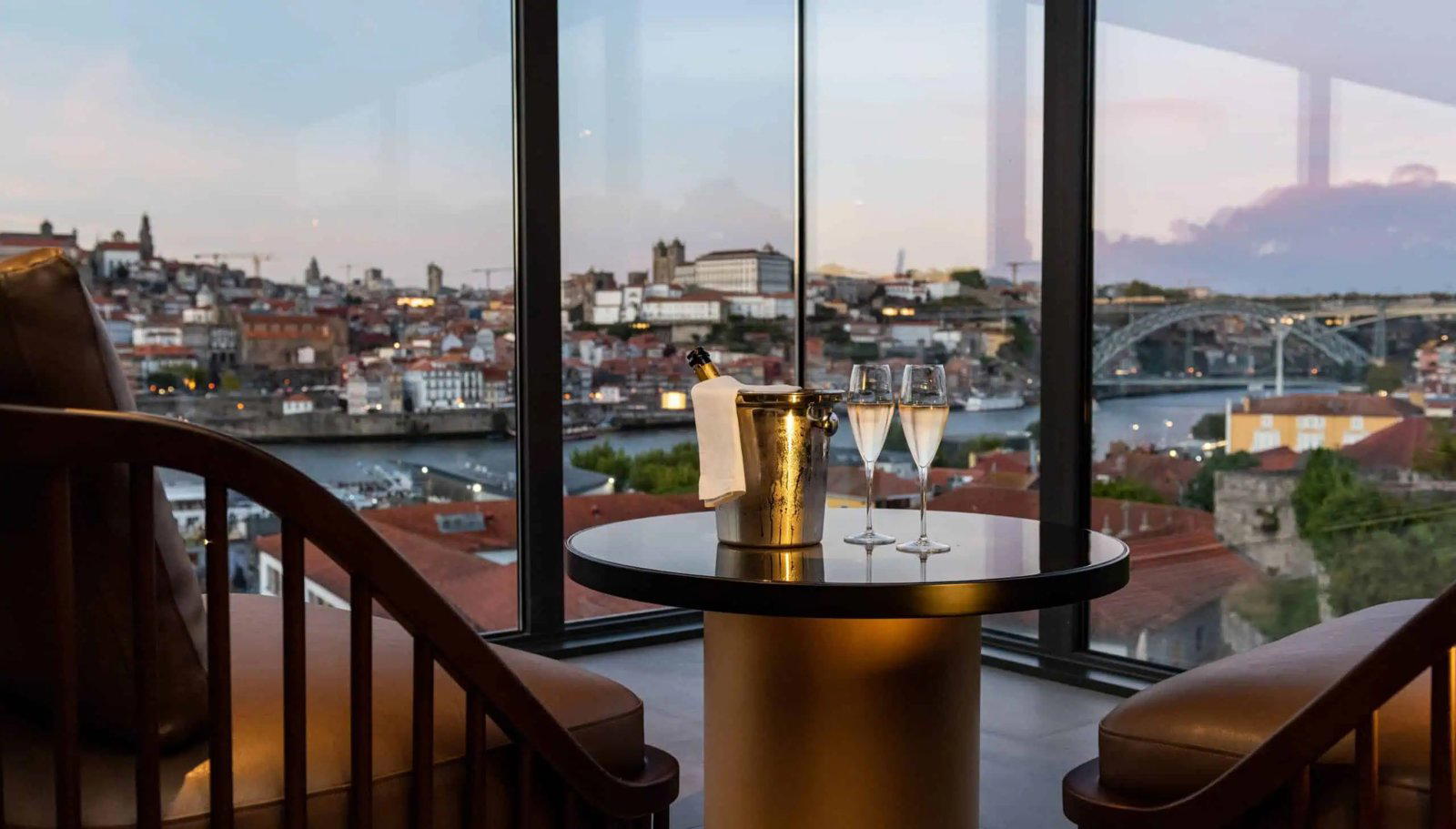
Approaching a restaurant in Vila Nova de Gaia rarely means leaving wine behind. The city’s dining rooms sit in the long shadow of the Port lodges, the riverfront, and the constant traffic between Porto’s urban appetite and the Douro’s agricultural memory. Composto restaurant fits that context better as a local table than as a destination built around spectacle: the useful question is not whether it competes with more elaborate dining rooms elsewhere, but how it sits within Gaia’s grounded relationship with produce, bread, wine, and everyday hospitality.
Gaia dining is strongest when the region stays visible on the plate
Ingredient sourcing matters in northern Portugal because geography does much of the editing. The Atlantic sits close enough to shape daily buying habits, the Douro still defines the drinking culture, and the wider north brings olive oil, greens, beans, corn bread, and cured products into the regional pantry. A Gaia restaurant does not need to announce a grand concept to participate in that system; it needs to cook with an awareness that the city is both maritime and wine-country, urban and provincial.
That is the frame in which Composto restaurant is most legible. Rather than leaning on a public persona or a heavily signposted concept, the editorial weight falls on category and context: this is part of the city’s everyday restaurant layer, where sourcing cues, portion logic, and the rhythm of service matter more than ceremony. Gaia has a growing split between river-facing visitor dining, hotel-linked formats, casual local addresses, and wine-adjacent restaurants. The more convincing meals in this tier tend to avoid over-explaining Portugal and let familiar ingredients carry the argument.
For readers mapping the city, nearby comparisons help clarify the range rather than create a ranking. 1638 Restaurant by Nacho Manzano represents a more name-led restaurant proposition in Vila Nova de Gaia, while Pot & Pan Restaurant points toward the city’s contemporary casual register. Bello Rooftop signals the view-led side of Gaia hospitality, and Pot&Pan or other dining in Vila Nova de Gaia show how broad the local field has become beyond the older cellar-focused circuit.
The useful comparison is Porto, but the better reading is Gaia
Porto often absorbs the attention, partly because its restaurant scene has denser press coverage and a wider spread of international visitors. Gaia’s counterpoint is more practical: it has the lodges, the river views, and a resident dining base that does not always behave like a weekend-break audience. Restaurants here are judged as much by repeatability as by novelty. That makes sourcing a quieter signal. A menu grounded in regional ingredients can feel more persuasive than one chasing the visual grammar of metropolitan tasting menus.
Composto restaurant should be read within that local decision tree. It is a Gaia address for diners who want the city’s food culture without making the meal entirely about Port tourism. Public-facing details do not need to fix it to a single formal cuisine label for the restaurant to be useful in the city’s map; attention can stay on fundamentals: what the kitchen foregrounds, how Portuguese categories are handled, and whether the room feels calibrated for a proper meal rather than a photo stop. In a city where wine infrastructure can dominate the visitor itinerary, that restraint has value.
The broader Portuguese map also sharpens the point. Capital-city restaurants often operate in a more theatrical register, while northern and inland dining can speak to different regional expectations around wine, comfort, and local produce. Coastal reference points sit in another Portuguese tradition again, where shoreline dining can define the meal more directly. Against that national spread, Composto restaurant is best approached through Gaia’s own habits rather than borrowed prestige signals.
How to place it in a Gaia itinerary
Gaia rewards diners who think in clusters. A meal can sit alongside cellar visits, a river walk, or a broader day built around Vila Nova de Gaia rather than being treated as an afterthought to Porto. For a wider scan of the city’s dining range, use Our full Vila Nova de Gaia restaurants guide; for the surrounding trip architecture, the relevant companions are Our full Vila Nova de Gaia hotels guide, Our full Vila Nova de Gaia bars guide, Our full Vila Nova de Gaia wineries guide, and Our full Vila Nova de Gaia experiences guide.
The editorial verdict is simple: Composto restaurant is most interesting as part of Gaia’s ingredient-led middle ground, not as a trophy booking. Readers chasing highly formal signals may find clearer cues in other formats; readers trying to understand how the city eats beyond the postcard riverfront should pay attention to places where regional sourcing, local cadence, and proximity to the Douro shape the meal without turning it into a lecture. For contrast within Vila Nova de Gaia, Wow and the city’s other dining rooms show how different the setting can feel when the meal is framed more by visitor infrastructure or hospitality design than by a straightforward local restaurant rhythm.
Frequently asked questions
Can I bring kids to Composto restaurant?
The public record provided for Composto restaurant in Vila Nova de Gaia does not specify a child policy. Family plans should be set around the restaurant’s own service terms. A direct check is the safest way to confirm for a child-led booking. Check the venue's official channels for the latest details.
What's the overall feel of Composto restaurant?
Composto restaurant is in Vila Nova de Gaia, which suggests a grounded local setting rather than a formal destination room. With no specific cuisine type or chef name provided here, the safest reading is a straightforward restaurant in the Gaia dining circuit.
What's Composto restaurant's location?
Vila Nova de Gaia.
How hard is it to get a table at Composto restaurant?
Booking friction cannot be measured from the available details. Composto restaurant in Vila Nova de Gaia should therefore be treated as a place where timing and access need confirmation before going. Check the venue's official channels for the latest details.
What has Composto restaurant built its reputation on?
What is clear is its placement in Vila Nova de Gaia, which positions it within a city dining scene that often sits in conversation with Porto across the river. Check the venue's official channels for the latest details.
Comparison Snapshot
Comparable venues by cuisine and price in the same metro.
| Venue | Cuisine | Price | Awards |
|---|---|---|---|
| Composto restaurantThis venue — the venue you are viewing | Modern Portuguese | Not listed | Not listed |
| 1638 Restaurant by Nacho Manzano | Modern Iberian fine dining tasting menu | $150–200 | Michelin Plate |
Continue exploring
More in Vila Nova de Gaia
Restaurants in Vila Nova de Gaia
Browse all →
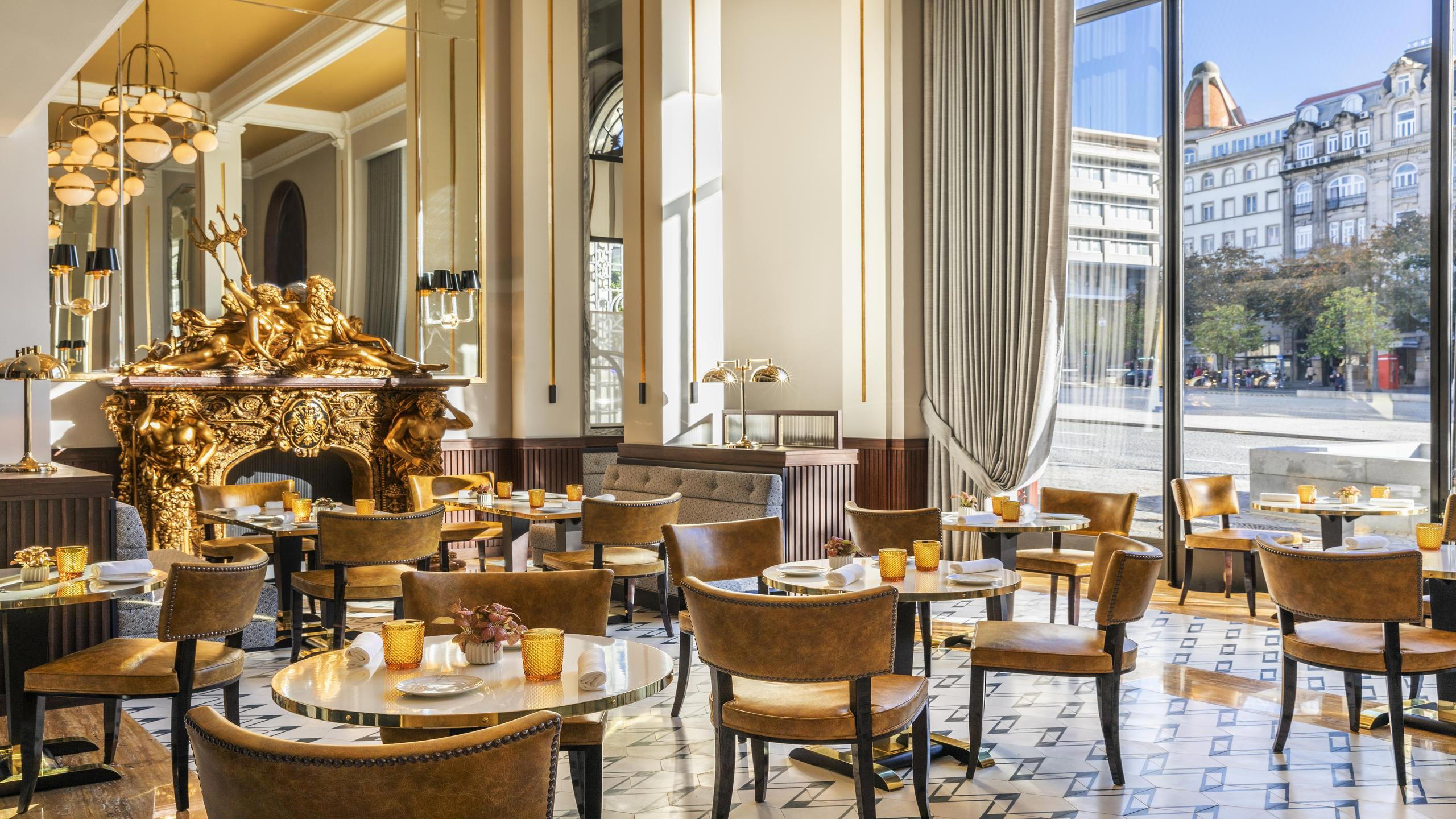
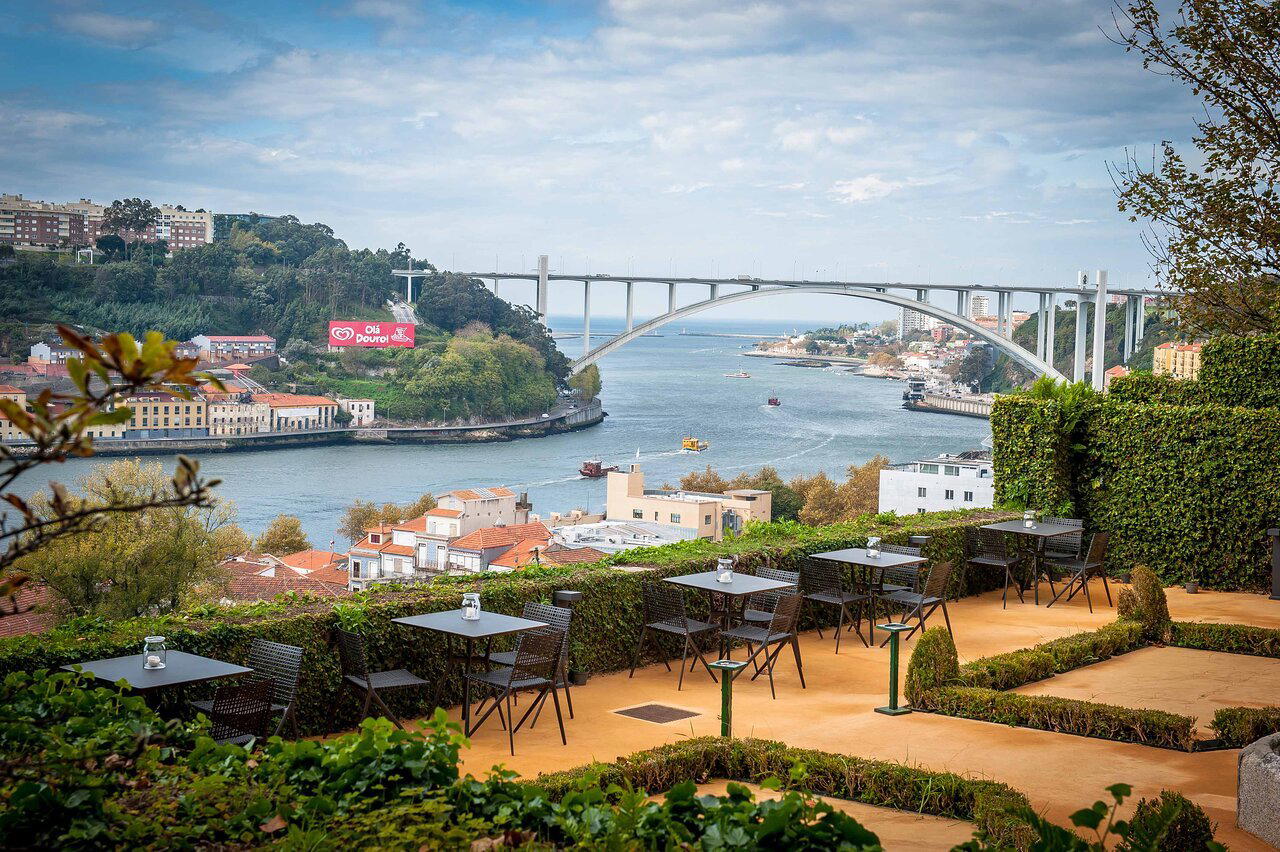
Bars in Vila Nova de Gaia
Browse all →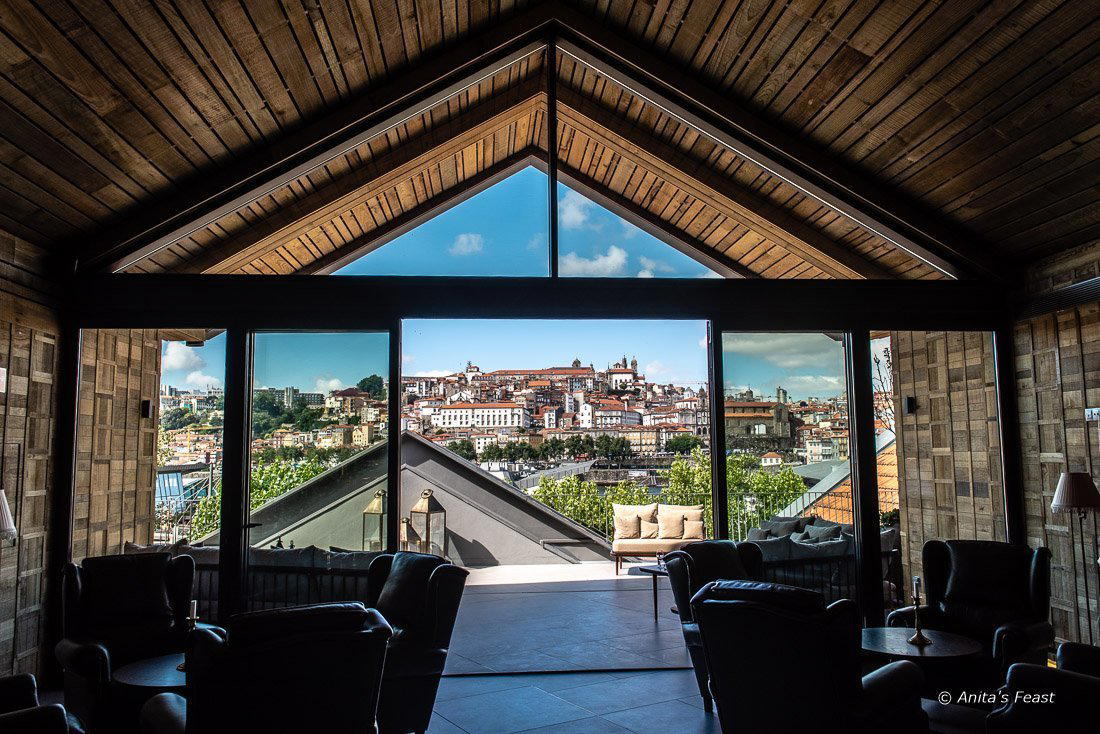
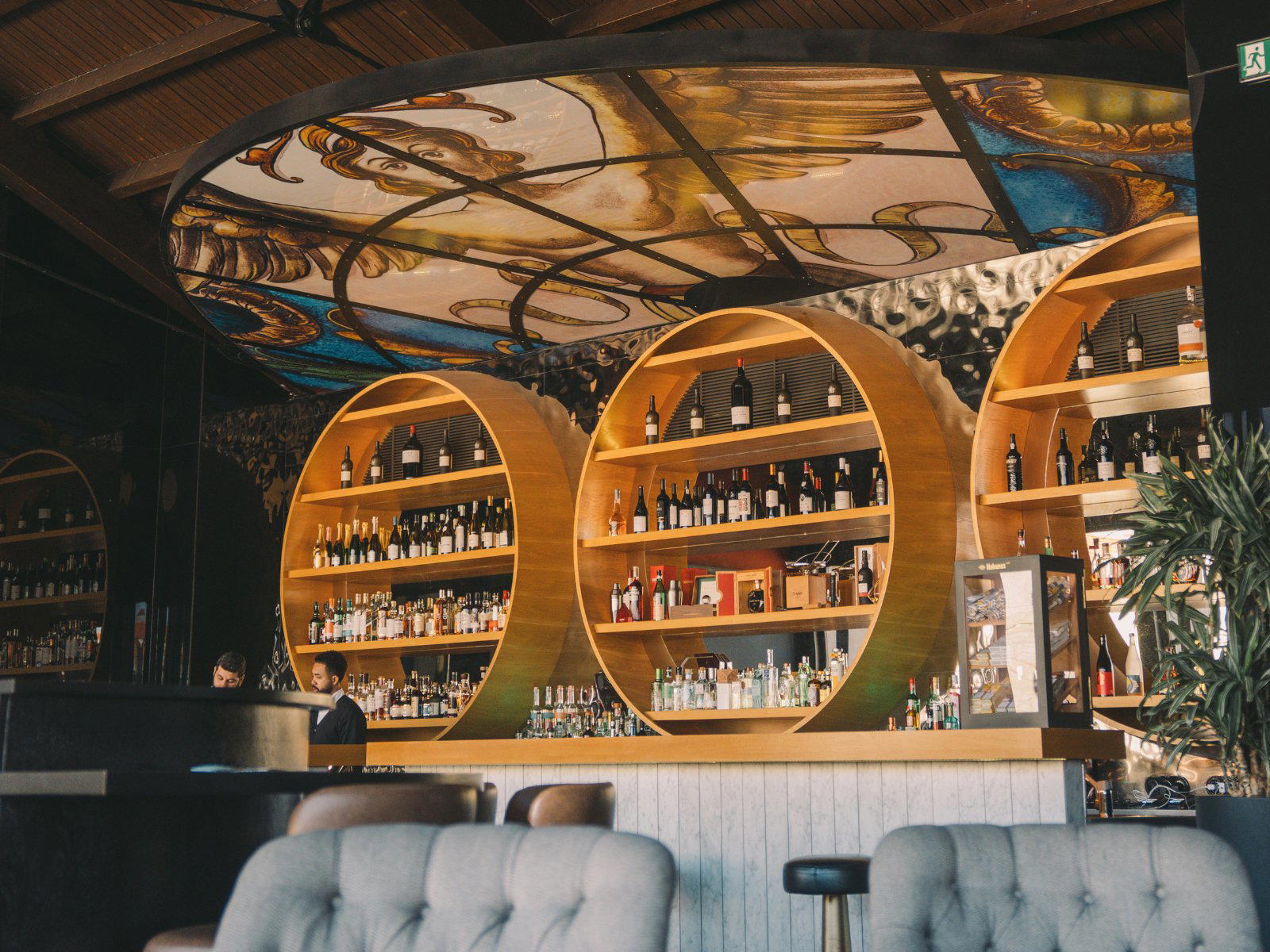
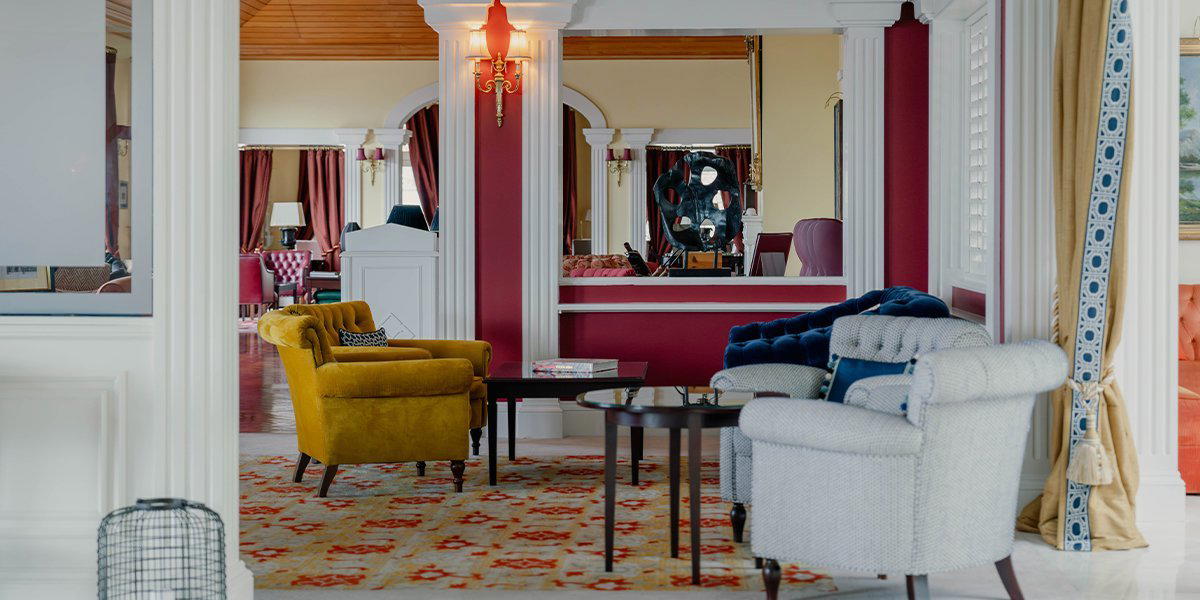
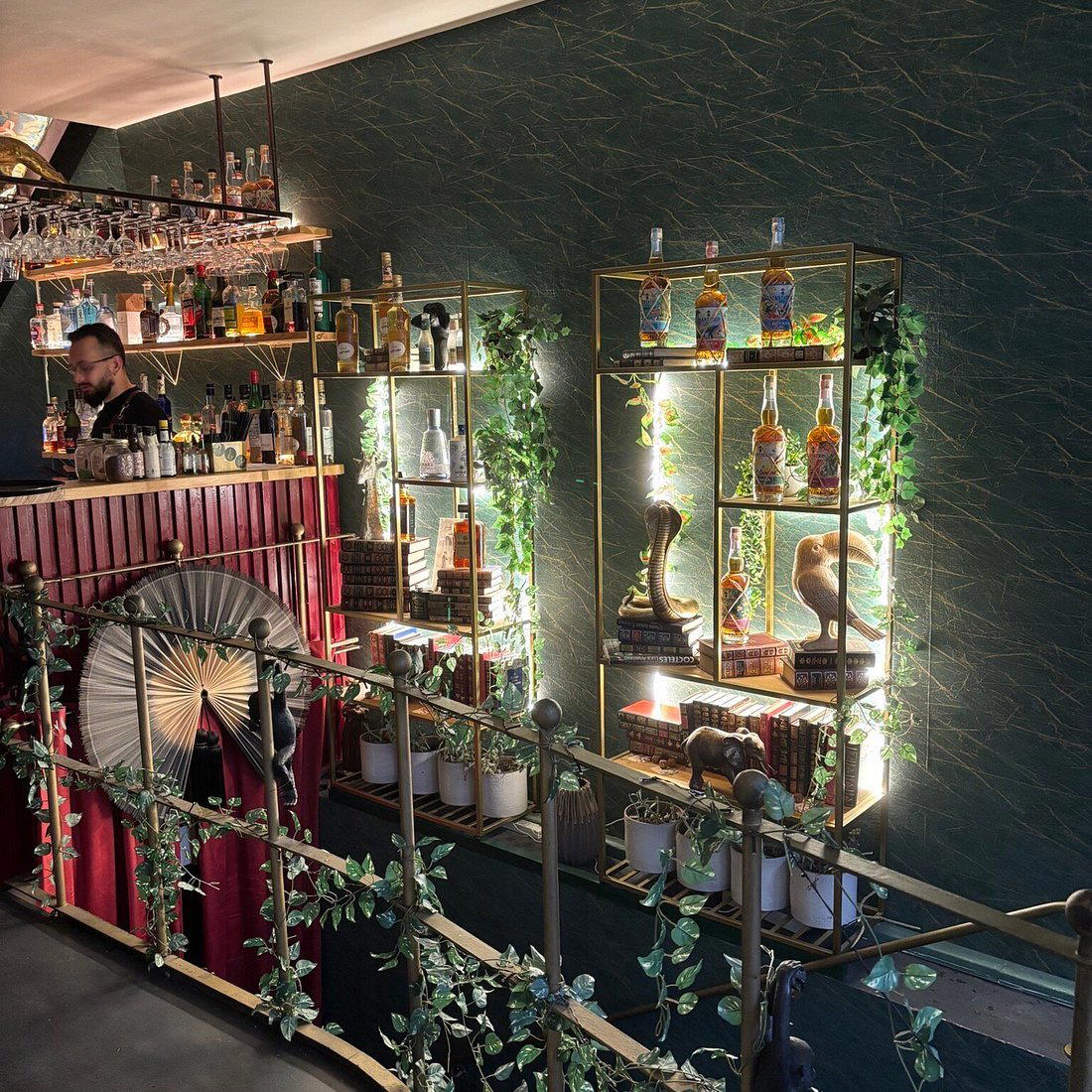
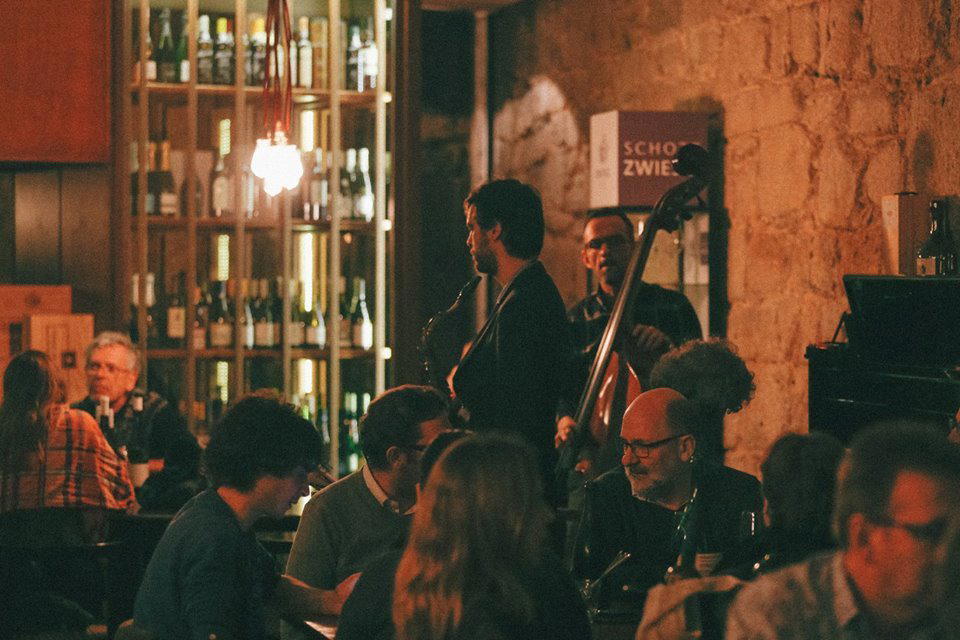
Hotels in Vila Nova de Gaia
Browse all →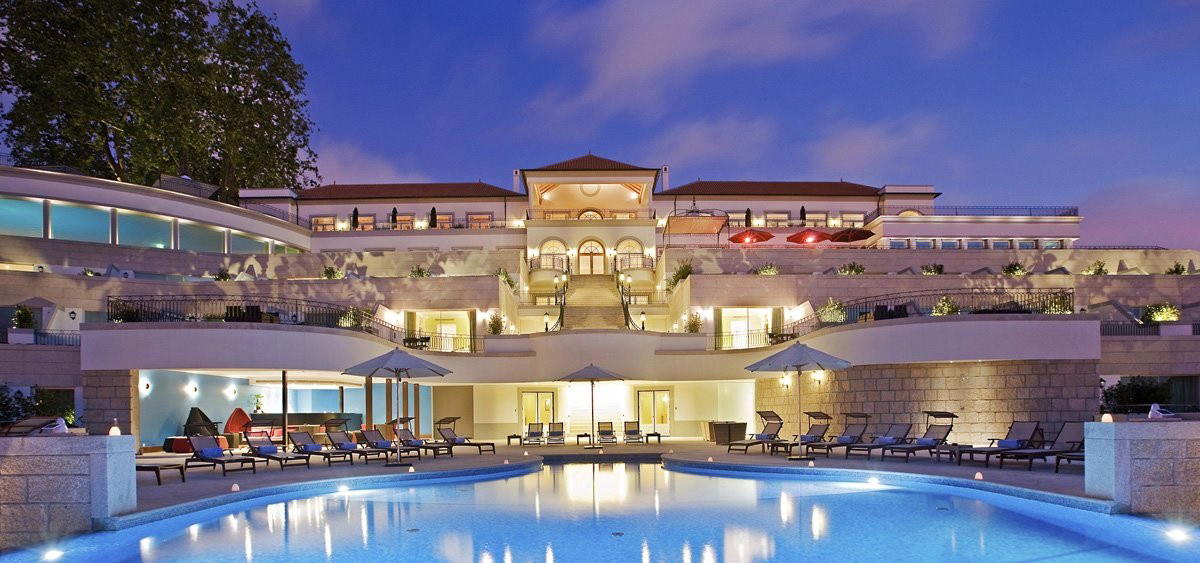
Details
- Modern
- Sophisticated
- Cozy
- Elegant
- Business Dinner
- Group Dining
- Date Night
- Family
- Casual Hangout
- Open Kitchen
- Hotel Restaurant
- Standalone
- Sommelier Led
- Local Sourcing
- A La Carte
- Set Menu
- Wine
- Vegetarian Friendly
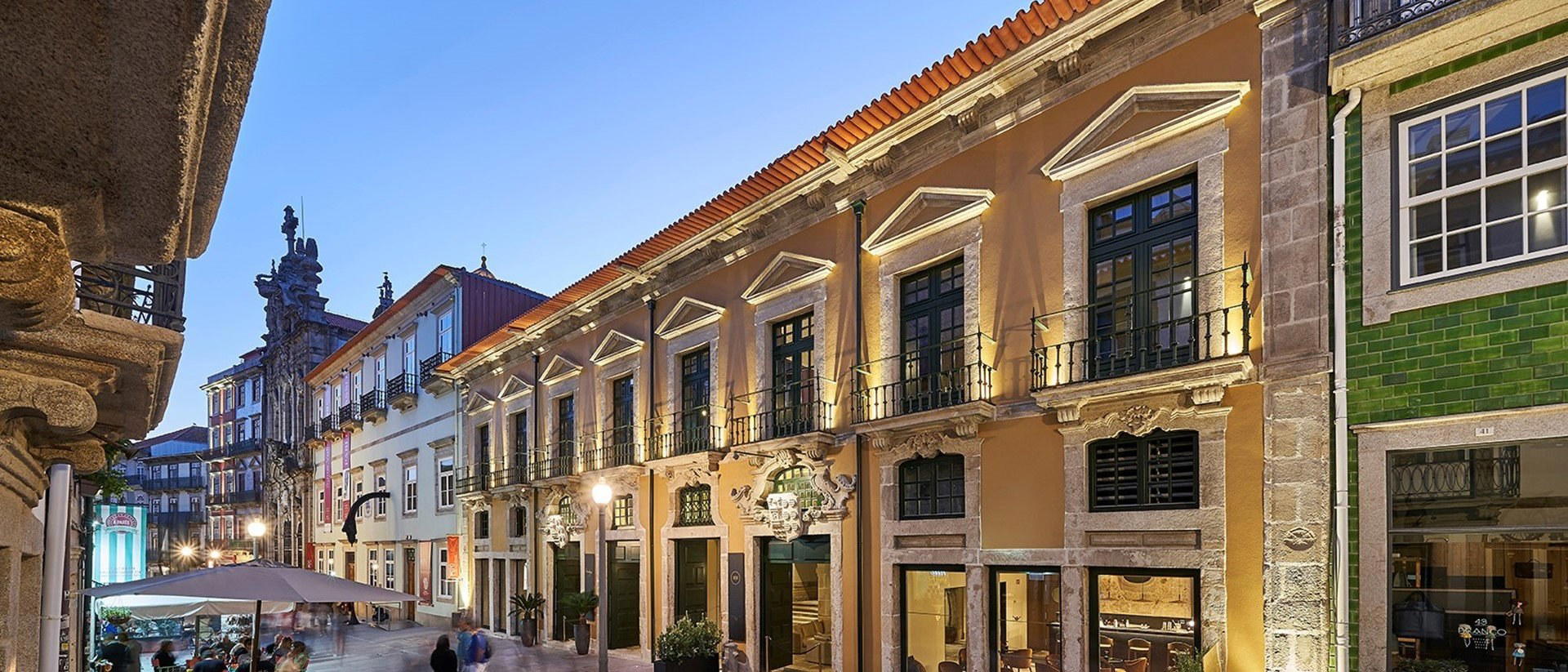
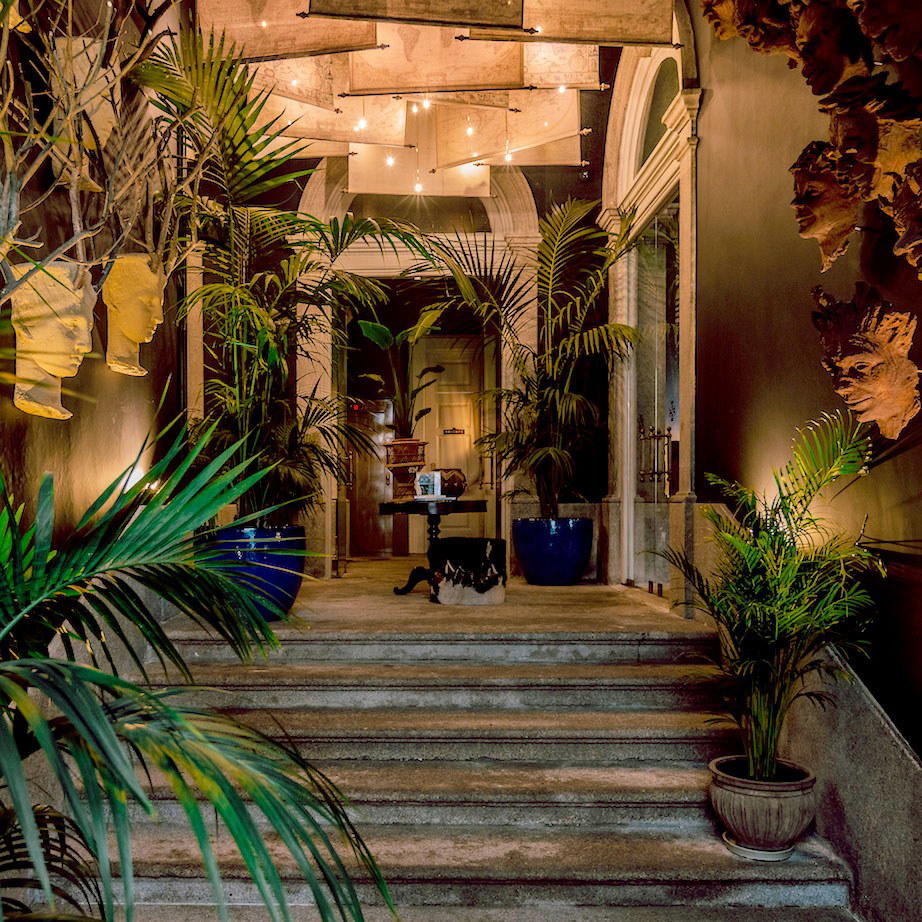
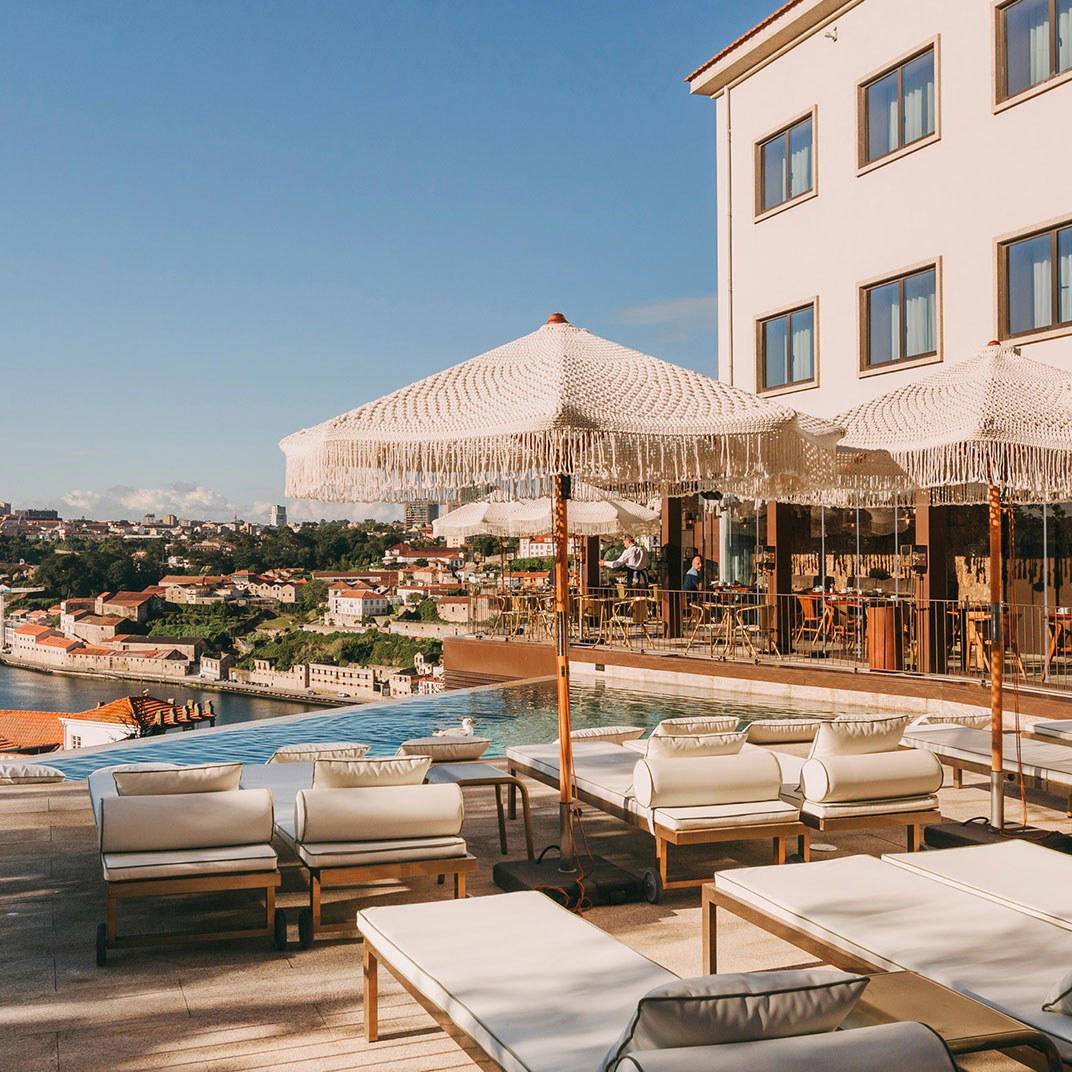
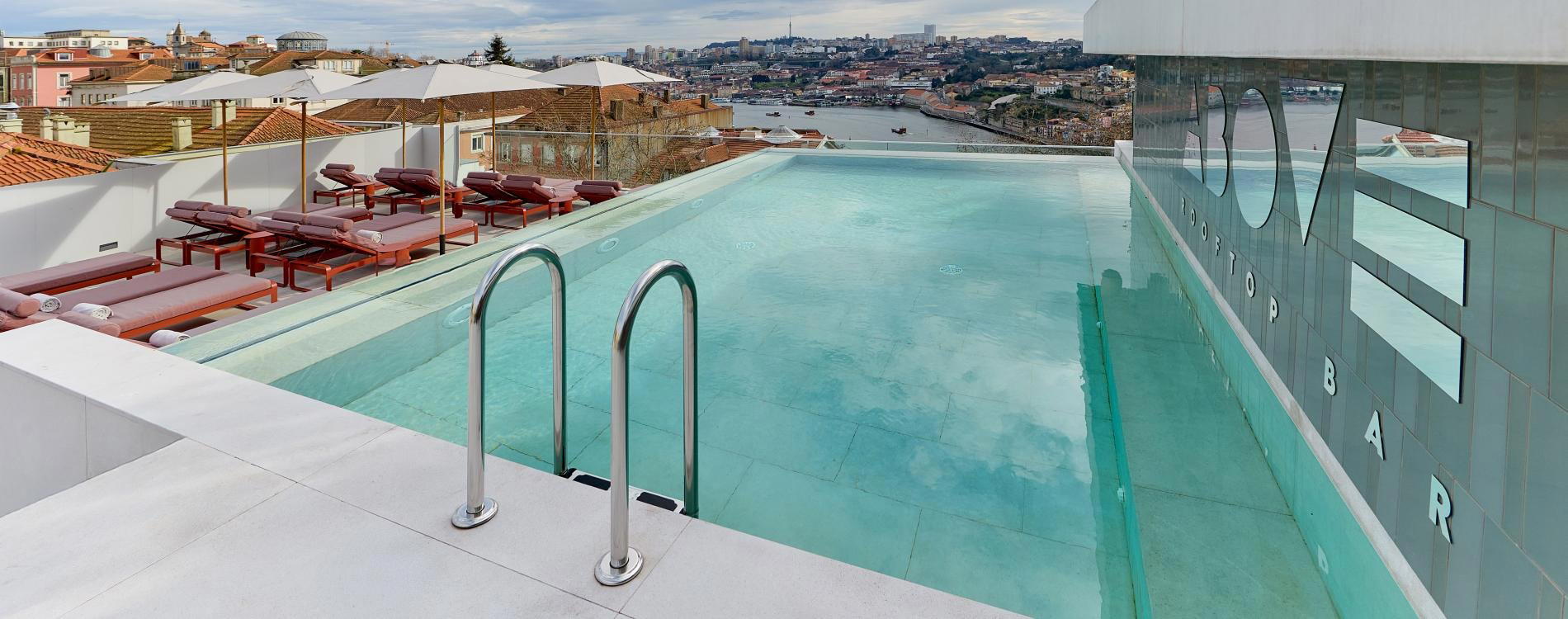
Contemporary hotel-restaurant atmosphere with open-kitchen energy, polished presentation, and a relaxed all-day dining feel.