Cometa

Cometa is a Charlotte Street venture from the team behind Carousel, bringing a produce-driven menu to Fitzrovia. The early-2026 opening extends a rotating-residency format into a permanent kitchen, with an emphasis on ingredient provenance and seasonal flexibility. Located between Goodge Street and Tottenham Court Road, the restaurant operates in one of central London's densest dining corridors.
Pearl is the En Primeur Club membership app — saves, bookings, and concierge access live there. Same editors, same standards.
- Address
- 21 Charlotte Street, Fitzrovia, London, Greater London, W1T 1RW, GBR
- Phone
- +44 20 7487 5564
- Website
- guide.michelin.com
 Saves & bookings on Pearl
Charlotte Street has long functioned as a testing ground for format experiments in central London, and Cometa enters that corridor as a 2026 addition from the operators of Carousel, a venue known for hosting rotating chef residencies. Where Carousel brought in temporary collaborators, Cometa runs its own permanent kitchen, though the team's residency background still informs the approach: menus shift according to what suppliers deliver, and the format allows for ingredient-led pivots week to week. The move away from pure residency toward a fixed culinary identity reflects a broader trend in London, where pop-up models have increasingly matured into standalone operations with their own sourcing networks and reputations. Cometa sits at the crossroads of that evolution, carrying residency discipline into a longer-term project.
Ingredient Sourcing and Menu Philosophy
The kitchen's ingredient network extends across the UK and southern Europe, with a stated focus on small-scale producers, seasonal availability, and direct farm relationships. This approach, common among London's mid-tier contemporary restaurants, requires menu agility: dishes are written around what arrives rather than fixed recipes sourced backward. In practice, that means the menu is short, changes frequently, and leans on vegetable-forward compositions with fish and meat used as accent rather than anchor. The model has precedent across Soho and Pimlico dining rooms that prioritize producer name-checks and ingredient biography over technique-driven tasting formats.
Cometa's sourcing strategy places it in the same competitive tier as venues like The Ninth and Luso, where ingredient origin is narrated as part of the value proposition. The menu does not list specific signature dishes in available records; instead, the kitchen highlights seasonal rotations and the supplier roster as the defining elements. For diners accustomed to browsing fixed menus before booking, this poses a slight friction point, you commit to the sourcing philosophy rather than a known dish. That trade-off appeals to a certain subset of London's dining audience, particularly those who value ingredient transparency and are comfortable with week-to-week variability.
The vegetable focus is deliberate and visible throughout the menu structure. Root vegetables, brassicas, and leafy greens occupy primary real estate, with protein appearing in smaller portions and fewer courses. This leans the format closer to Mediterranean and southern European traditions than to London's protein-forward bistro default. The kitchen does not identify as exclusively vegetarian, but the balance tips heavily plant-forward, and omnivores should expect lighter, vegetable-centric compositions rather than meat-focused plates. The format works well for diners seeking lower-intensity meals in a Fitzrovia context that otherwise skews toward richer French and Italian cooking.
Fitzrovia Context and Neighborhood Placement
Charlotte Street runs north from Tottenham Court Road to Goodge Street, and Cometa occupies number 21 in a stretch dense with Italian, French, and Modern European restaurants. The street has historically attracted both local office traffic and destination diners, and it remains one of London's most competitive dining corridors. Cometa shares its block with 104, Roka, and several established mid-range Italian spots, all of which compete for the same evening reservation window. The density means walk-in availability is rare during peak service, and advance booking is standard practice for most venues on the street.
Fitzrovia as a whole has seen a shift toward smaller, produce-led formats over the past five years, as rents and operating costs have pushed many operators toward tighter seat counts and higher check averages. Cometa's model aligns with that shift: the restaurant is not large, and the menu's ingredient-driven approach allows for premium pricing justified by sourcing narrative rather than scale. The neighborhood's proximity to Soho, Bloomsbury, and Marylebone draws a mixed audience, local professionals, pre-theatre diners, and visitors staying in nearby hotels, and Cometa's format serves that range without requiring deep advance planning or specialist knowledge.
Transport access is direct: Goodge Street and Tottenham Court Road stations are both within five minutes on foot, and the Charlotte Street bus routes provide additional connections. The location's centrality makes it a practical choice for anyone already in zone one, though it lacks the destination pull of venues with Michelin recognition or decade-long reputations. For now, Cometa functions as a neighborhood option with broader ingredient ambitions rather than a citywide draw.
For additional Fitzrovia and central London dining options, see 116 at The Athenaeum, 081 Pizzeria Peckham, and the broader London restaurants guide. Comparable produce-focused formats can be found at 10 Tib Lane in Manchester, 1 York Place in Bristol, and 11th and Social in Norwich, all of which share a similar ingredient-transparency ethos outside London's premium tier.
Cometa represents a pragmatic extension of the Carousel team's residency experience into a fixed-location format. The ingredient-sourcing narrative provides editorial substance, and the Fitzrovia address offers built-in foot traffic. The venue is too new to have accumulated the awards, press, or booking depth that define London's upper tier, but the sourcing discipline and seasonal menu flexibility position it as a reliable mid-tier option for diners prioritizing ingredient origin over technique spectacle. Whether that foundation matures into a destination reputation will depend on consistency, press attention, and the team's ability to sustain supplier relationships as the operation scales beyond its opening phase.
Comparable Spots, Quickly
Comparable venues by cuisine and price in the same metro.
| Venue | Cuisine | Price | Awards |
|---|---|---|---|
| Cometa | In early 2026, the owners of Carousel – a restaurant... | This venue | |
| The Ninth | French-Mediterranean, Mediterranean Cuisine | £££ | French-Mediterranean, Mediterranean Cuisine, £££ |
| Oscar Restaurant & Bar | |||
| LUSO | |||
| Lisboeta | Portugese, Portuguese | £££ | Portugese, Portuguese, £££ |
| July | Modern French | ££ | Modern French, ££ |
Recognition history
Dated appearances from independent guides and award organizations, with the underlying list record or original source where available.
Michelin Plate
Michelin · 2026 Michelin Plate
At a Glance
- Modern
- Cozy
- Intimate
- Trendy
- Elegant
- Date Night
- Special Occasion
- Celebration
- Group Dining
- After Work
- Design Destination
- Standalone
- Open Kitchen
- Beer Program
- Craft Cocktails
- Extensive Wine List
- Local Sourcing
- Sustainable Seafood
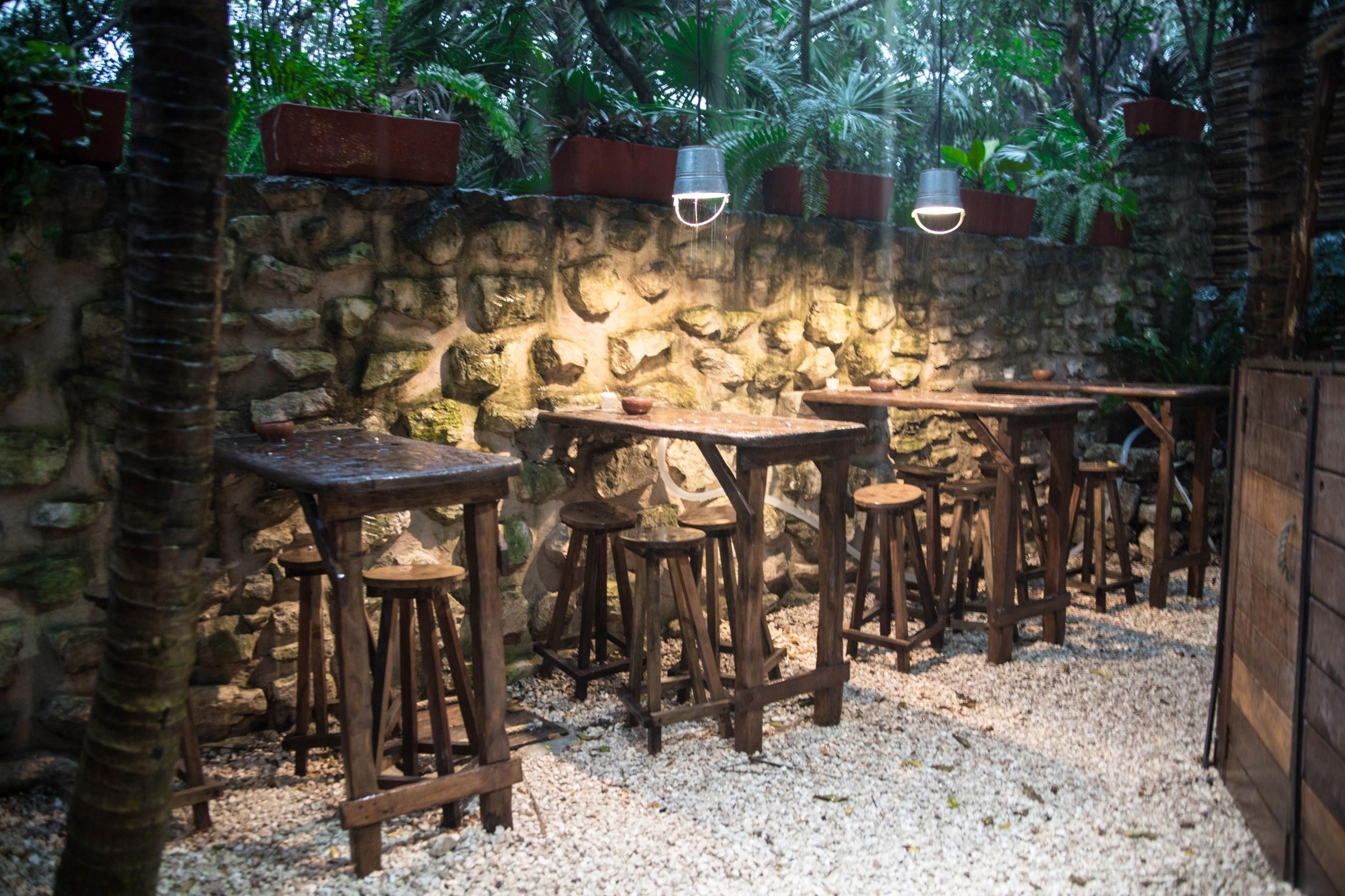
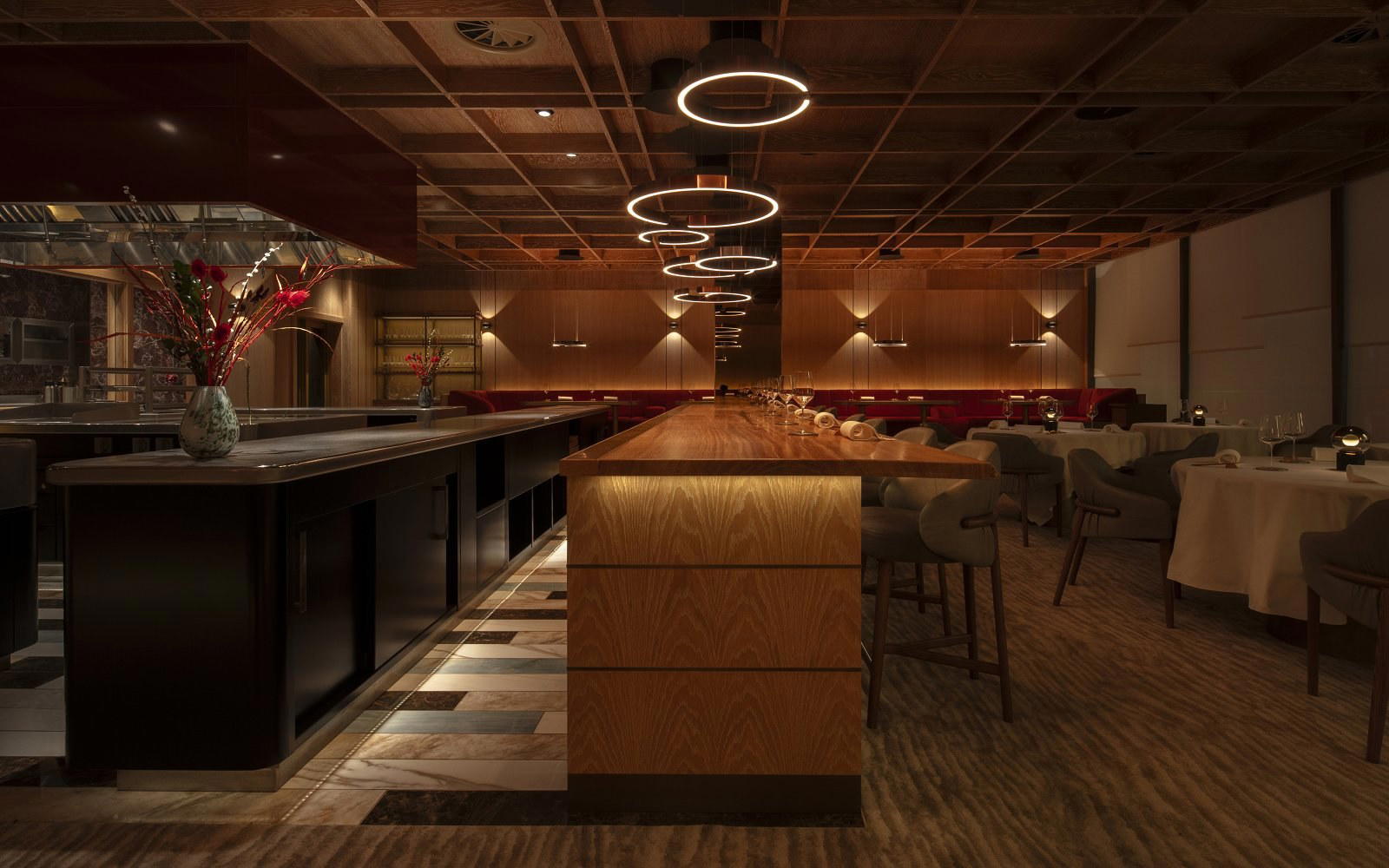
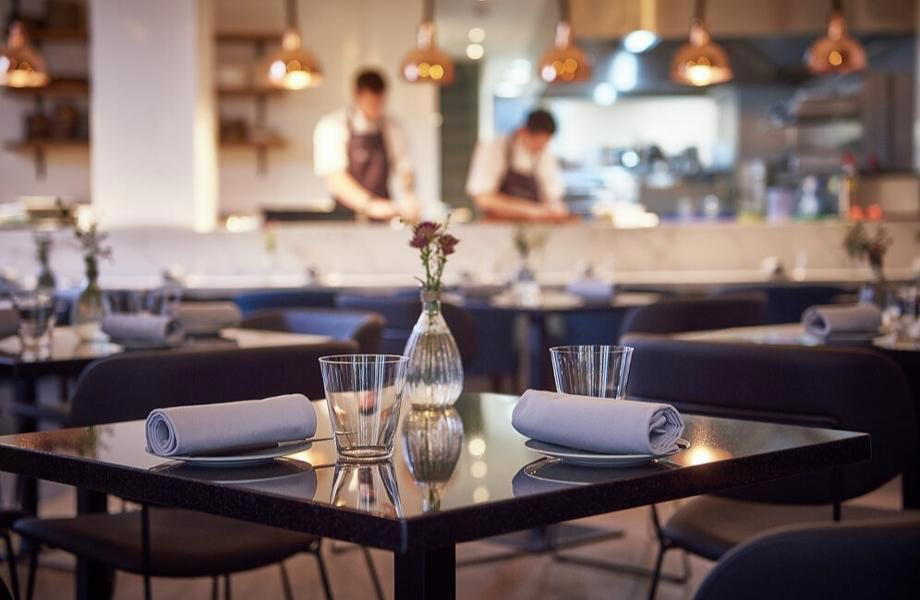
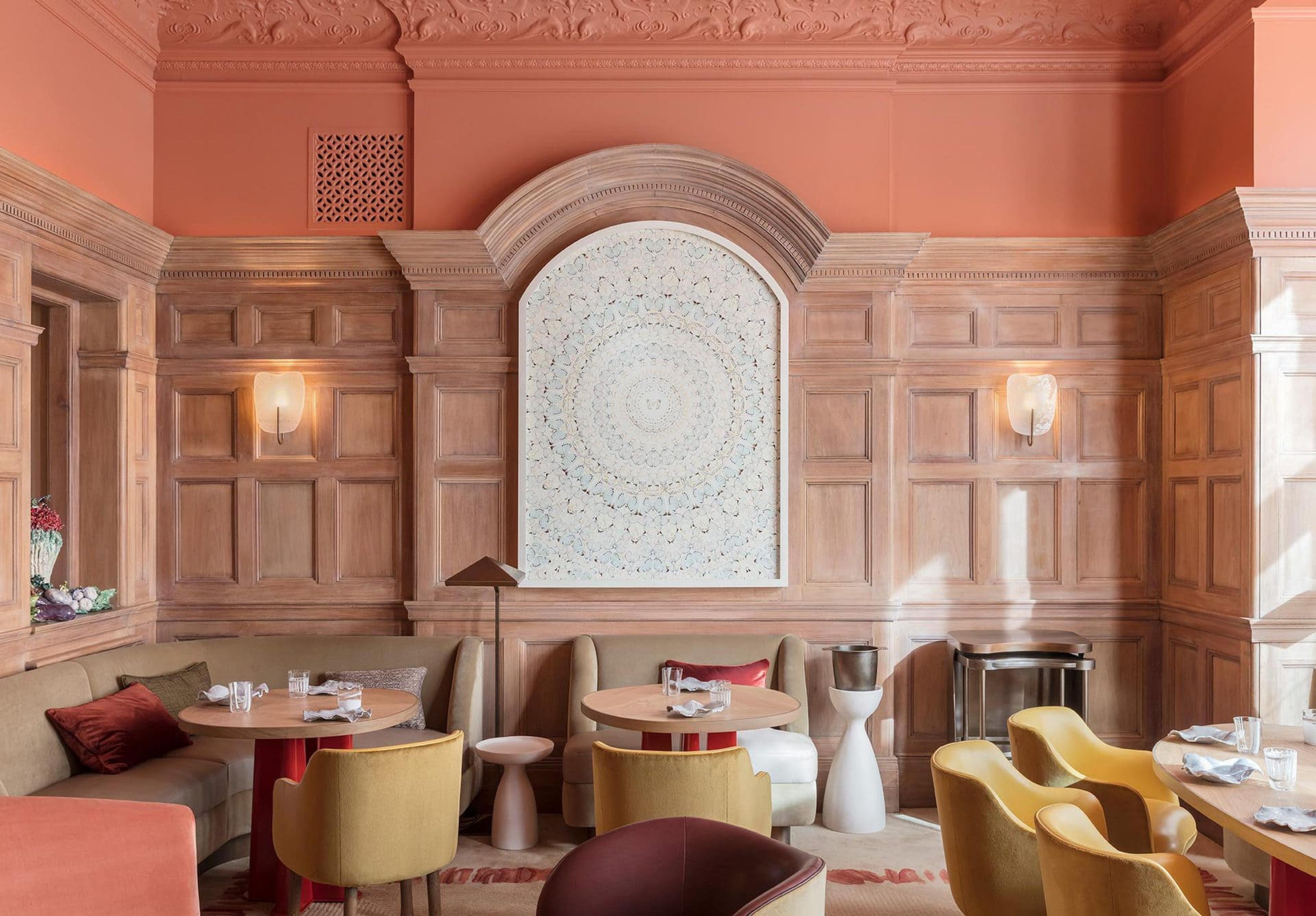
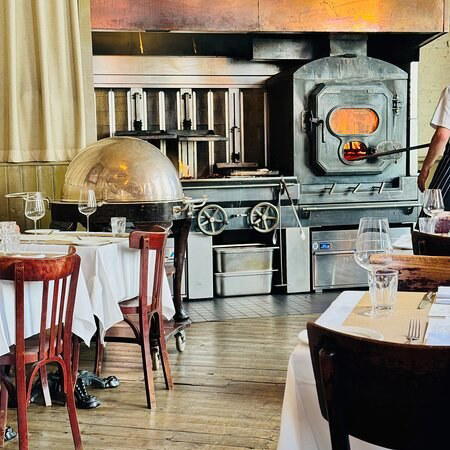
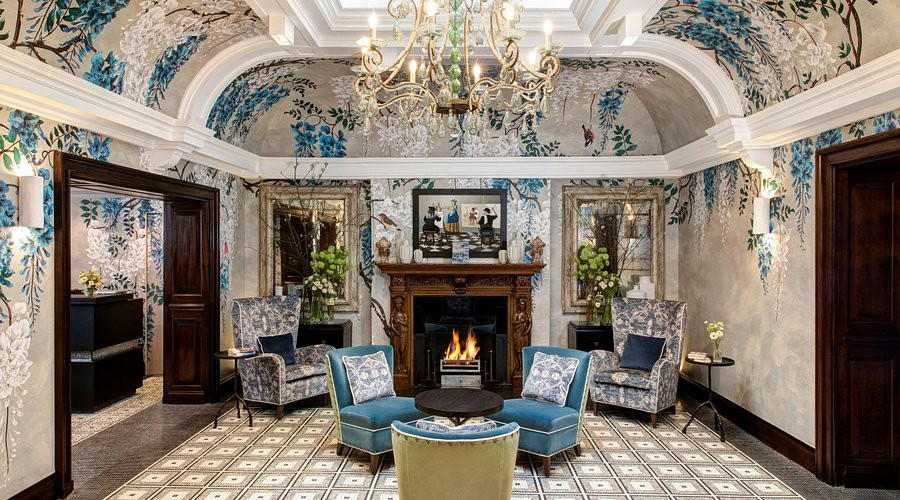
A softly lit, intimate room at the front of Carousel with a contemporary minimalist design, counter seating and a relaxed but polished feel suited to leisurely dinners and small groups.