Our verdict
On Jane Street in York, Ontario, Comal y Canela brings the smoke and spice of Latin American cooking to a neighbourhood better known for its everyday commercial strip than its dining ambition. The name, comal, the flat griddle central to Mexican and Central American cooking; canela, the softer, more aromatic Ceylon cinnamon, signals a kitchen working with tradition rather than reinventing it. A focused stop for those exploring York's quieter culinary edges.

Pearl is the En Primeur Club membership app, where members save venues, book tables and use the concierge.
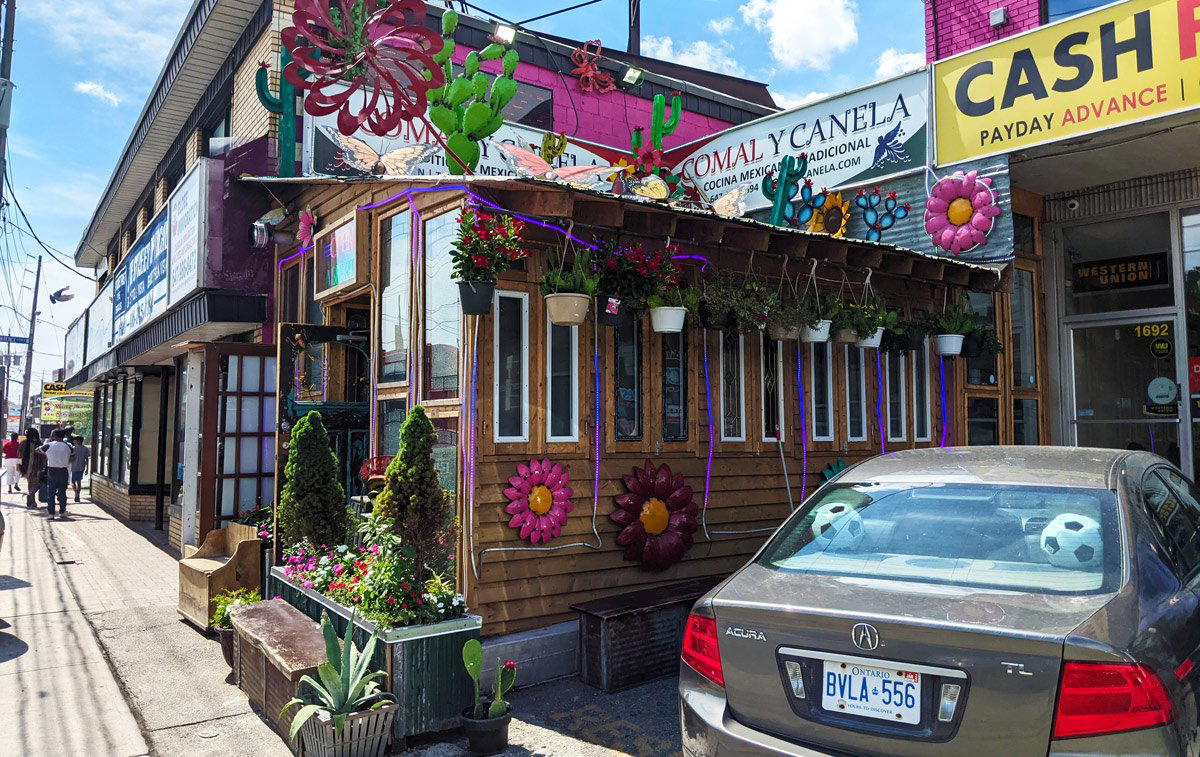
Jane Street and the Smell of the Comal
There is a particular quality to the air around a working comal. The cast iron or clay surface, dry-heated and smoke-kissed, releases a layered scent that reads as both earthy and sharp, tortillas blistering at the edges, dried chillies charring briefly before their seeds are shaken free, spices toasting until they shift from raw to rounded. At 1692B Jane Street in York, Ontario, that kind of cooking is the premise. The address itself is instructive: Jane Street, north of Bloor, is a long commercial artery that belongs firmly to working-class Toronto's western edge, a stretch shaped more by Latin American, Caribbean, and South Asian migration than by the dining circuits that cluster around King West or Ossington. Comal y Canela operates inside that context, which is part of what makes the address make sense.
The name is a small act of culinary translation. The comal is the flat, unglazed griddle, often terracotta, sometimes cast iron, that has been central to Mexican and Mesoamerican cooking for centuries. It is the surface on which corn masa becomes tortillas, on which tomatoes and garlic blacken for salsa base, on which dried chillies are briefly toasted to unlock their interior heat. Canela, by contrast, is Ceylon cinnamon: softer, more floral, and less astringent than the cassia cinnamon sold in most North American supermarkets. It is the spice that appears in Mexican hot chocolate, in mole, in rice pudding. Together, the two words describe a kitchen oriented around heat, tradition, and the specific flavour logic of Latin American cooking, not as fusion or reinvention, but as practice.
Where Jane Street Fits in the City's Dining Geography
Canadian cities with large Latin American populations have developed distinct tiers of restaurant culture. At one end sit high-concept interpretations, kitchens in the mould of Alo in Toronto or Tanière³ in Quebec City, where technique and provenance carry the editorial weight. At the other end sit neighbourhood anchors: family-run, community-facing, priced for the people who live nearby. Comal y Canela belongs to the second category, and that placement is not a qualification, it is the point. The Jane and Finch corridor and the broader York district have long supported exactly this kind of cooking, where the standard of the food is shaped by whether the community recognises it as their own, not by whether a restaurant critic from a national publication has filed a review.
This stands in useful contrast to how Latin American food is often framed in premium dining contexts. At Restaurant Pearl Morissette in Lincoln or Eigensinn Farm in Singhampton, the culinary frame is defined by terroir, restraint, and a very particular Canadian version of fine dining identity. The cooking at Comal y Canela answers a different question entirely: not what can regional Canadian ingredients do in a refined format, but what does this cuisine actually taste like when made for people who grew up eating it.
The Sensory Logic of Latin American Street Cooking
The editorial angle worth taking seriously here is what the name signals about technique. The comal is not a decorative reference. Dry-heat cooking on an ungreased surface produces a specific set of flavours that wet cooking or oven roasting cannot replicate. The Maillard reaction happens faster and more unevenly, leaving some surfaces charred and bitter while others remain soft and sweet. This is the textural language of the taco, the tlayuda, the quesadilla, foods that depend on contrast rather than uniformity. Canela, meanwhile, adds a warm aromatic note that distinguishes Mexican cinnamon-forward cooking from its European and South Asian counterparts. It is less aggressive than cassia and integrates more easily into both sweet and savoury preparations.
For anyone approaching Latin American cooking primarily through Tex-Mex references, the flavour register here is likely to read as more complex and less sweet. The dried chilli vocabulary, ancho, guajillo, pasilla, chipotle, produces earthiness and heat that varies by variety rather than by degree alone. Toasting on the comal before rehydrating is what activates those distinctions. This is not the kind of cooking that benefits from shortcuts, and neighbourhood restaurants operating within a community that grew up with these flavours are usually the last to take them.
York's dining scene sits at some distance from the critical attention paid to downtown Toronto's restaurant corridor or the internationally referenced kitchens at Fogo Island Inn or AnnaLena in Vancouver. But neighbourhood cooking in immigrant-dense districts often preserves technique and flavour detail that higher-profile restaurants translate, abstract, or gentrify away. Jane Street is that kind of street.
Planning a Visit
Comal y Canela sits at 1692B Jane Street, the 'B' unit designation suggests a secondary entrance or split-front address typical of the older commercial strip buildings along this part of Jane. The street is accessible by the Jane TTC bus from Bloor-Danforth (Line 2), making it reachable without a car from central Toronto in under thirty minutes depending on connection timing. For visitors already exploring York's corridors rather than the downtown core, this is the kind of stop that rewards arriving with an appetite and no particular agenda beyond eating well in a room that isn't performing for anyone.
Checking via Google Maps for live hours before visiting is advisable, particularly given that Jane Street operations often run on tighter schedules than destination-district restaurants.
For those building a broader picture of the York and Toronto dining terrain, our full York restaurants guide maps the wider range of options, including Arras, Bettys, Bow Room at Grays Court, Brancusi, and Black Wheat Club. Further afield in Ontario, The Pine in Creemore and Busters Barbeque in Kenora represent the range of what regional Ontario cooking looks like outside the city. For reference points in other culinary traditions worth understanding alongside Latin American cooking, Le Bernardin in New York City and Lazy Bear in San Francisco show how technique-driven cooking gets framed at the highest recognised levels, a useful comparison for understanding what neighbourhood cooking preserves that fine-dining translation often loses. Montreal's Jérôme Ferrer - Europea and Narval in Rimouski round out the Canadian context.
Frequently asked questions
How do I find Comal y Canela?
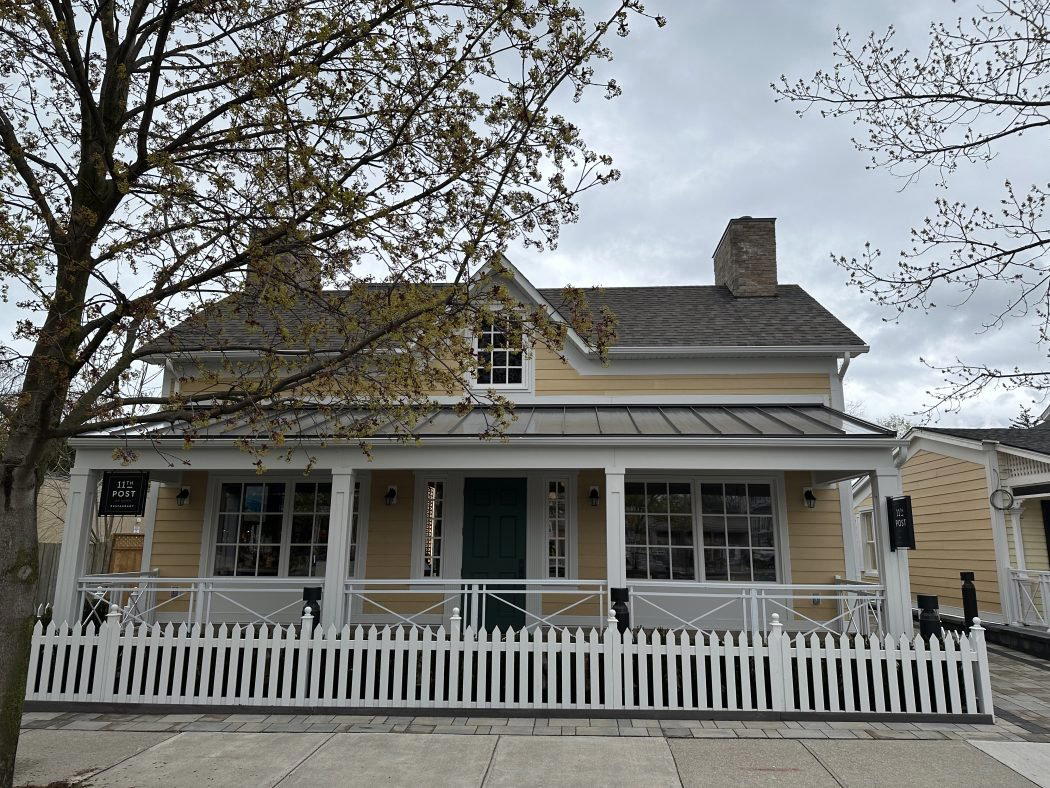
Comal y Canela is located at 1692B Jane St, York, ON M9N 2S4, Canada, York.
What makes Comal y Canela different from other Latin American restaurants on Jane Street in Toronto?
Jane Street through York carries one of the highest concentrations of Latin American communities in the greater Toronto area, which means the corridor already supports a range of home-style and regional kitchens. Comal y Canela distinguishes itself through its name alone: centering the comal as a technique, rather than a national cuisine category, positions it closer to the street-cooking tradition than to either the casual taqueria or the modern Latin dining room format.
What's the must-try dish at Comal y Canela?
Specific menu details for Comal y Canela are not published online, but the name itself is a direct signal: the comal is central to the cooking here. Dishes prepared on dry-heated cast iron or clay, tortillas, tlayudas, tostadas, are the format to seek out. Ask staff what's coming off the comal that day.
What's the best way to book Comal y Canela?
No phone number or website is currently listed for Comal y Canela at 1692B Jane Street in York. Arriving early in service is advisable for venues of this scale.
What's the defining dish or idea at Comal y Canela?
The name frames the entire operation: comal refers to the flat griddle central to Mexican and Central American cooking, and canela is the softer, more aromatic Mexican cinnamon distinct from the harder Ceylon or cassia varieties used elsewhere. Together they signal a kitchen grounded in technique and ingredient specificity rather than broad Latin fusion. That combination puts Comal y Canela in a different category from the high-concept interpretations found elsewhere in the city.
Can Comal y Canela adjust for dietary needs?
Traditional comal-based cooking is naturally suited to several dietary patterns, many preparations are gluten-free by default, built around masa, beans, and dry-heat vegetables rather than wheat. That said, no published menu or dietary policy is available for this York address. check the venue's official channels before visiting if specific requirements apply.
Comparable Options
Comparable venues nearby, for context on price, style, and recognition.
| Venue | Cuisine | Price | Awards | Notes |
|---|---|---|---|---|
| Comal y CanelaThis venue (the venue you are viewing) | Traditional Mexican | $20–30 | Not listed | Not listed |
| Churrasqueira Martins Grill House | Traditional Portuguese Churrasco Grill | $10–20 | Not listed | York |
| Porzia's | Authentic Italian Neighborhood Trattoria | $30–50 | Canada's 100 Best Recommended Restaurant #22 | York |
| Nonna Lia | Italian Pasta and Sandwiches | $20–30 | Not listed | Oakwood Village |
| Papi Chulo's | Authentic Mexican Taqueria | $20–30 | Not listed | Trinity Bellwoods |
| TacoTaco | Fusion Mexican Taqueria | $20–30 | Not listed | Harbord Village |
Continue exploring
More in Toronto
Restaurants in Toronto
All restaurants in Toronto →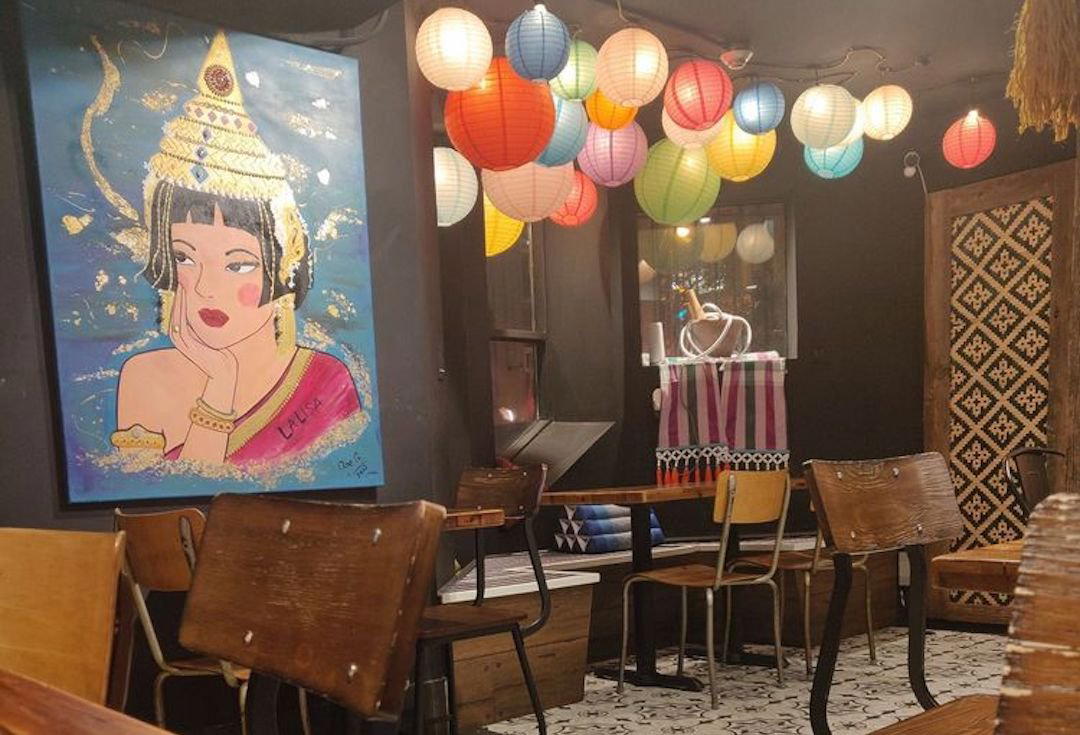
Bars in Toronto
All bars in Toronto →






Details
- Cozy
- Rustic
- Casual Hangout
- Family
- Open Kitchen
- A La Carte
- Halal
Current opening hours
- Monday
- 4–10 PM
- Tuesday
- 4–10 PM
- Wednesday
- 4–10 PM
- Thursday
- 4–10 PM
- Friday
- 4–10 PM
- Saturday
- 12–10 PM
- Sunday
- 12–10 PM
Hours can change for holidays and private events. Hours as of .
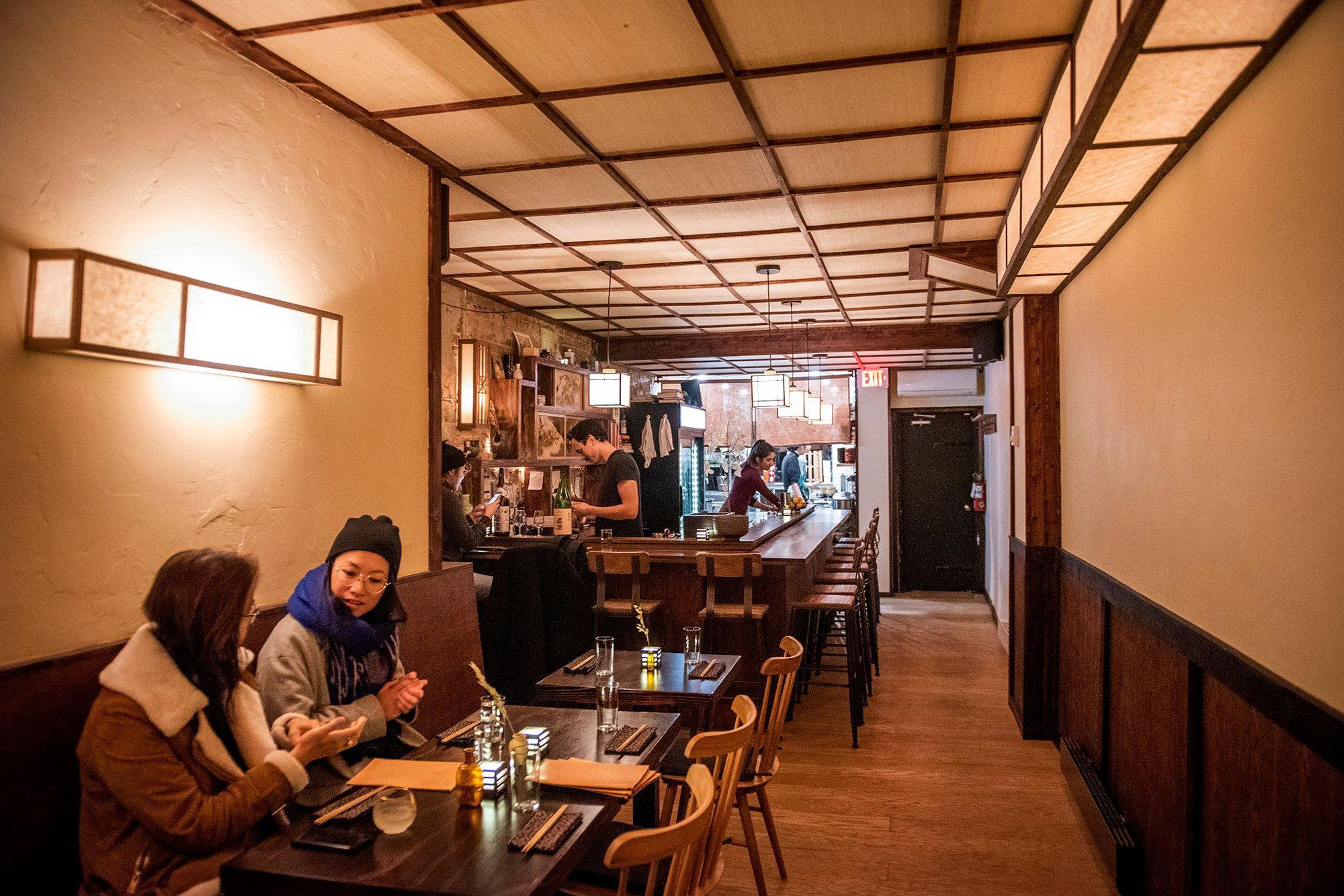
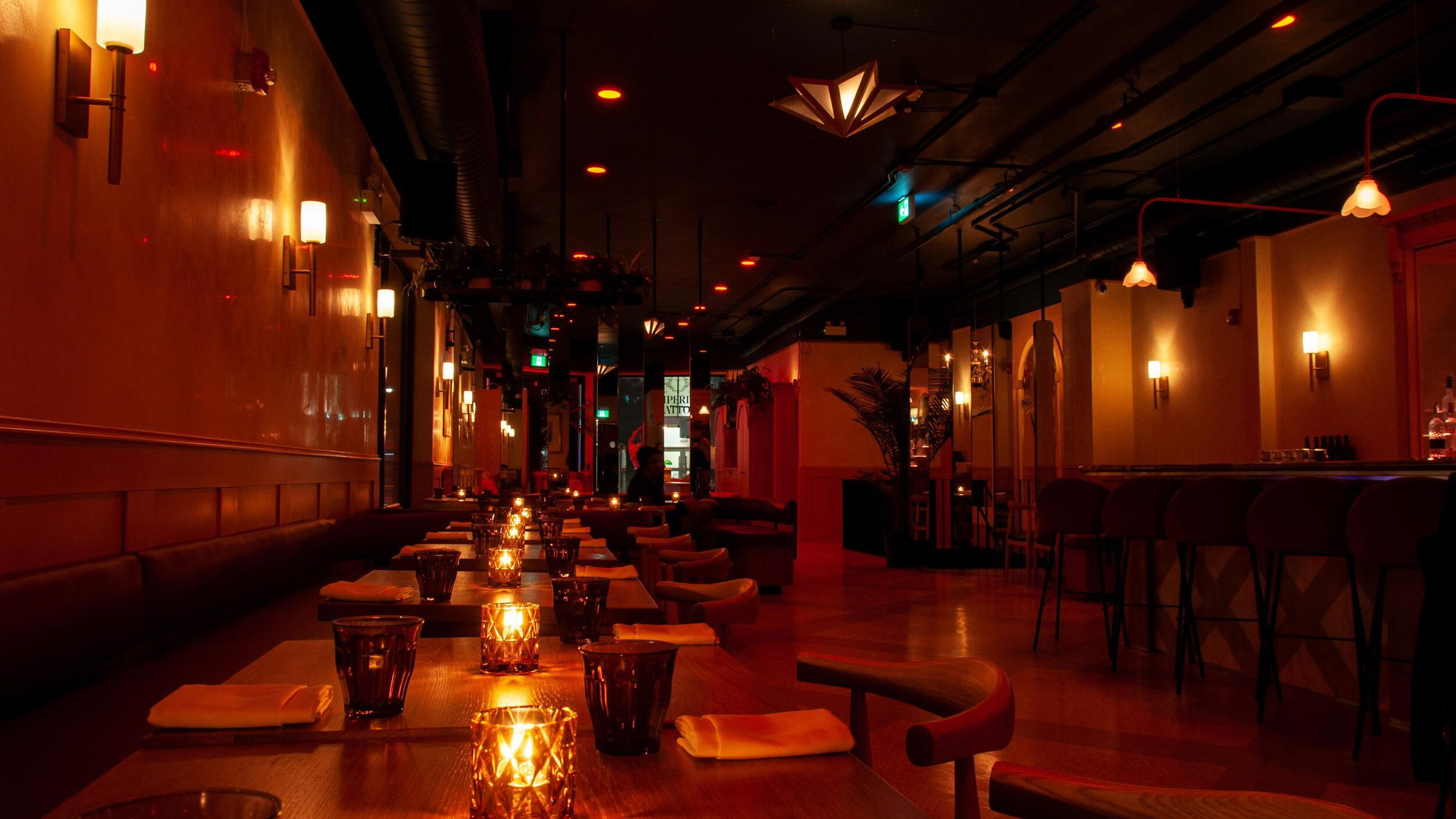
Cozy spot with colorful décor and traditional Mexican music creating a welcoming, home-like atmosphere.