Our verdict
COCO sits in Tsim Sha Tsui, a district where Hong Kong dining is shaped by hotel kitchens, mall addresses, cross-border foot traffic, and quick shifts between Cantonese, Japanese, European, and casual formats. With few public-facing details on format or pricing, the useful way to read it is through location: a Kowloon dining stop in a high-density retail corridor rather than a destination built on awards mythology.

Pearl is the En Primeur Club membership app — saves, bookings, and concierge access live there. Same editors, same standards.
The menu
What to order
- Designer cakes
- Hand-crafted chocolates
- French butter croissant
- Dirty pain au chocolat
- Guava & Grape Cold Brew Coffee
Approaching COCO means entering the compressed rhythm of Hong Kong: dense streets, mixed dining formats, visitor routines, and restaurants built for a city that eats across price points in the same evening. Hong Kong does not behave like a single dining neighbourhood. It is a transit city, a shopping city, a meeting point, and a local food culture at once, which makes sourcing and format matter more than decorative claims. In Hong Kong, a restaurant in this kind of context has to make decisions quickly: polished dining room or casual turnover, broad appeal or a tighter point of view, destination meal or convenient stop.
That context is the useful frame for COCO. The available public details do not point to a chef-led tasting-menu narrative or a clearly declared cuisine category. COCO is better understood as part of Hong Kong’s practical dining fabric, where the first question is not whether a restaurant has a grand thesis, but whether it fits the evening: an early meal, a post-shopping plan, a family dinner, a visitor-friendly stop, or a low-friction dinner in Hong Kong.
Hong Kong dining rewards clarity over mythology
Hong Kong’s restaurant culture is unusually transparent about hierarchy. The city carries plenty of expense-account energy, while also adding density, mixed formats, and a heavy reliance on dining that has to work for both locals and visitors. Hong Kong compresses that spread. A guest can move between formal rooms, counters, casual specialists, buffets, patisserie-style stops, and beverage-led dining without leaving the city. That variety is a strength, but it also means a venue needs a clear role.
COCO’s position in Hong Kong places it within a busy city dining circuit rather than a secluded destination model. Ingredient sourcing, in this setting, is rarely just a talking point. It determines whether a restaurant can hold consistency through lunch traffic, dinner peaks, visiting diners, and local repeat business. Hong Kong kitchens often work with broad supply networks and varied pantry expectations. Without a declared cuisine or named sourcing programme, the sensible reading is cautious: judge the restaurant by category fit, not by unsupported claims of rarity or craft.
For comparison within Hong Kong’s broader dining map, other formal dining rooms signal more structured lanes, while relaxed venues sit in a conversation shaped by casual pacing. In Hong Kong, the useful question is different: does the restaurant serve as a planned anchor or a convenient stop within a dense evening? COCO reads closer to the latter until stronger public markers say otherwise.
Ingredient claims matter in a city built on supply chains
Hong Kong has always been a city of supply. The dining culture depends on what can be sourced consistently, moved efficiently, and prepared with discipline in a high-demand market. That makes ingredient sourcing a serious editorial lens rather than a luxury flourish. In many Hong Kong formats, freshness, handling, pantry quality, and beverage structure reveal the seriousness of the operation before the first course is discussed.
COCO does not publish enough detail to make claims about named farms, markets, producers, or signature preparations. That restraint is useful. Hong Kong diners are familiar with restaurants that overstate provenance while operating in generic city-dining mode. A better reading is to place COCO in the city’s middle ground: a Hong Kong address where the value of the meal depends on execution, freshness, pacing, and whether the menu’s sourcing logic is visible on the plate. In this tier, overcomplication is less persuasive than disciplined buying and a menu that does not chase too many ideas at once.
The city’s comparison set is wide. Cuisine Cuisine belongs to a more formal Hong Kong dining conversation where technique and ingredient quality are inseparable. Whisk points toward a different model, where beverage structure can shape the meal as much as the kitchen. Other casual and city-specific references show how Hong Kong’s credibility can come from narrow specialization as much as polished dining rooms. COCO sits in the part of that spectrum where the reader should look for coherence rather than ceremony.
How to place COCO in a Hong Kong itinerary
The practical advantage is geography. Hong Kong works well when the evening needs flexibility: shopping, meetings, cultural time, or a plan that should not depend on a long transfer. That makes COCO relevant for travellers staying in the city and for Hong Kong residents who want a straightforward meeting point without committing to heavier dining theatre. The trade-off is that city restaurants compete on convenience as much as culinary identity, so expectations should be set accordingly.
For readers building a sharper Hong Kong dining plan, use COCO as one node rather than the headline. Pair it against more clearly defined formats across the city, from formal dining rooms and themed restaurants to casual specialists and polished city venues. For the wider city edit, see Our full Hong Kong restaurants guide, alongside Our full Hong Kong hotels guide, Our full Hong Kong bars guide, Our full Hong Kong wineries guide, and Our full Hong Kong experiences guide. For cross-city contrast, unnamed dining rooms outside Hong Kong show how tightly defined formats can travel differently in other markets.
Frequently asked questions
Can I bring kids to COCO?
The Hong Kong address makes COCO workable for families, especially at earlier dinner hours. The setting reads more urban and accessible than formal dining room, so it suits children better than a rigid fine-dining counter.
Is COCO formal or casual?
COCO reads as polished but not stiff, with its place in Hong Kong shaping the tone. In Hong Kong terms, it sits closer to smart everyday dining than a dress-code restaurant.
Where is COCO located?
COCO is located in Hong Kong.
What's the best way to book COCO?
The practical route is to book through the venue’s own listing or via appropriate concierge channels. For evenings in Hong Kong, confirming the time in advance is the sensible move.
In Context: Similar Options
Comparable venues by cuisine and price in the same metro.
| Venue | Cuisine | Price | Awards |
|---|---|---|---|
| COCOThis venue — the venue you are viewing | Modern café & patisserie | $10–20 | Not listed |
| Yamm | International Buffet | Not listed | Not listed |
| Sushi Takeshi | Edomae-style Japanese Omakase | Not listed | 1 Michelin Star |
| Tapagria | Modern Spanish Tapas & Paella | Not listed | Not listed |
| Cuisine Cuisine | Modern Cantonese | $100–150 | Michelin Plate · Star Wine List |
| Whisk | French-Japanese Fusion | $150–200 | Star Wine List · Wine Spectator Best of Award of Excellence |
Continue exploring
More in Hong Kong
Restaurants in Hong Kong
All restaurants in Hong Kong →
Bars in Hong Kong
All bars in Hong Kong →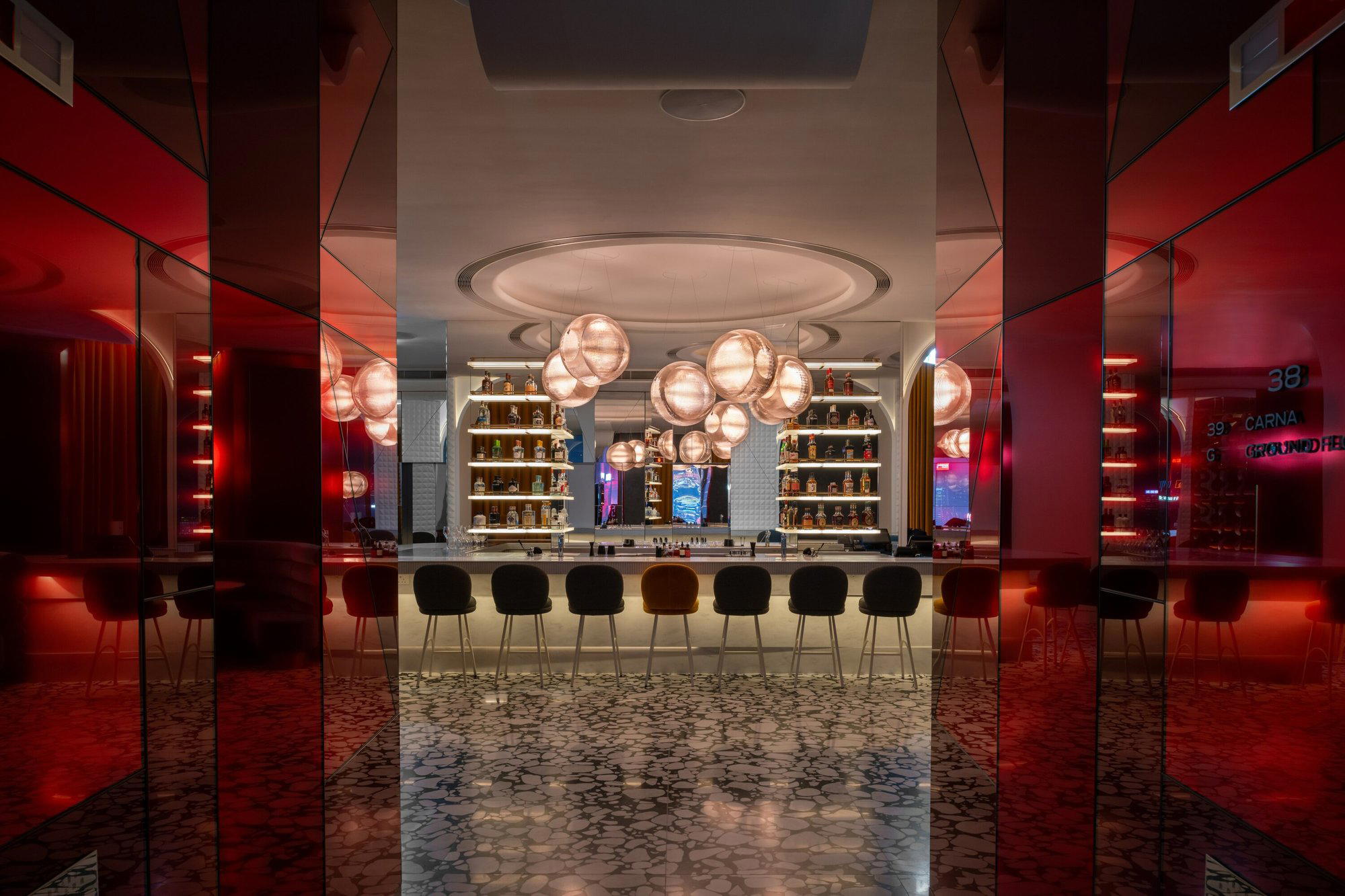
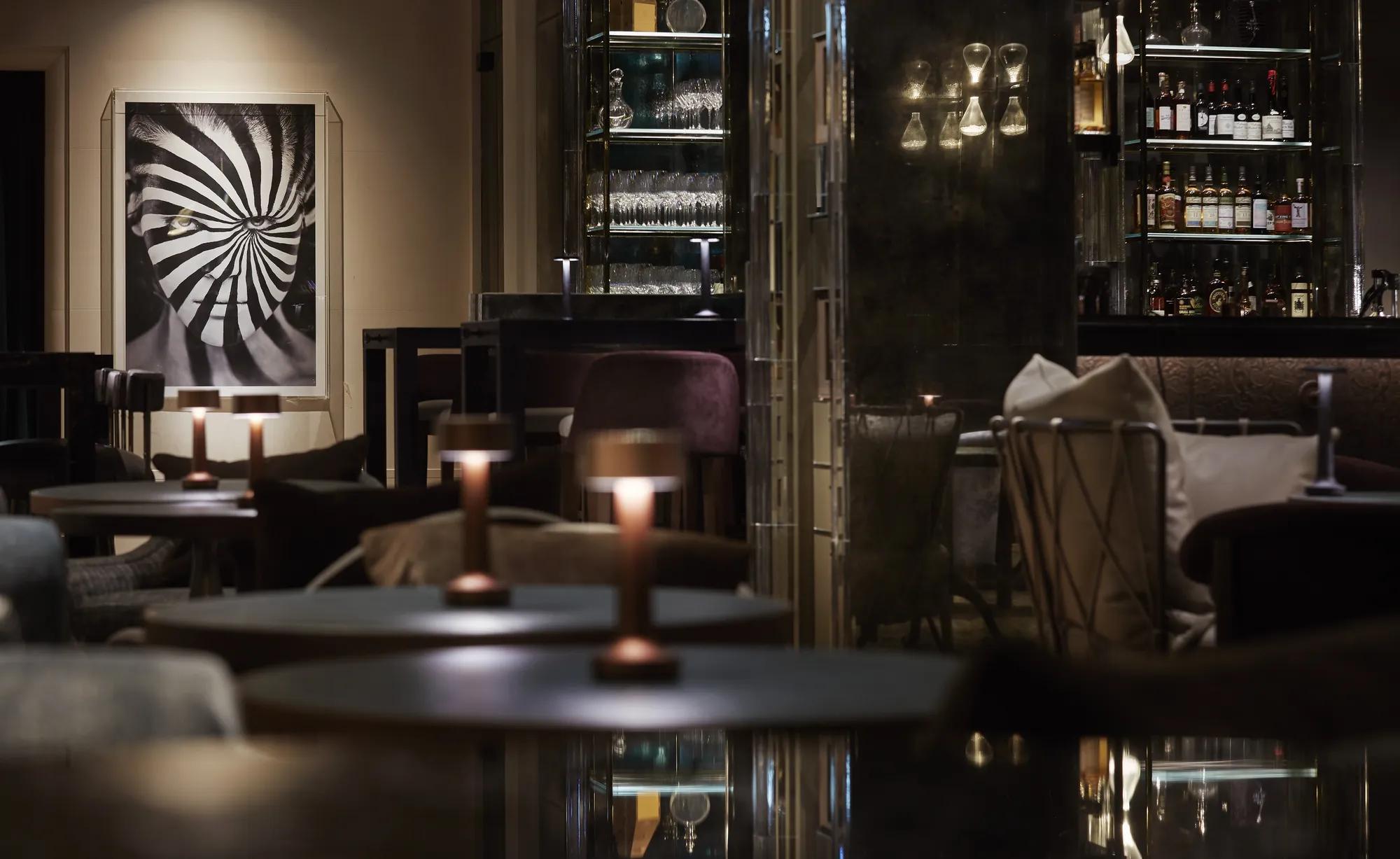
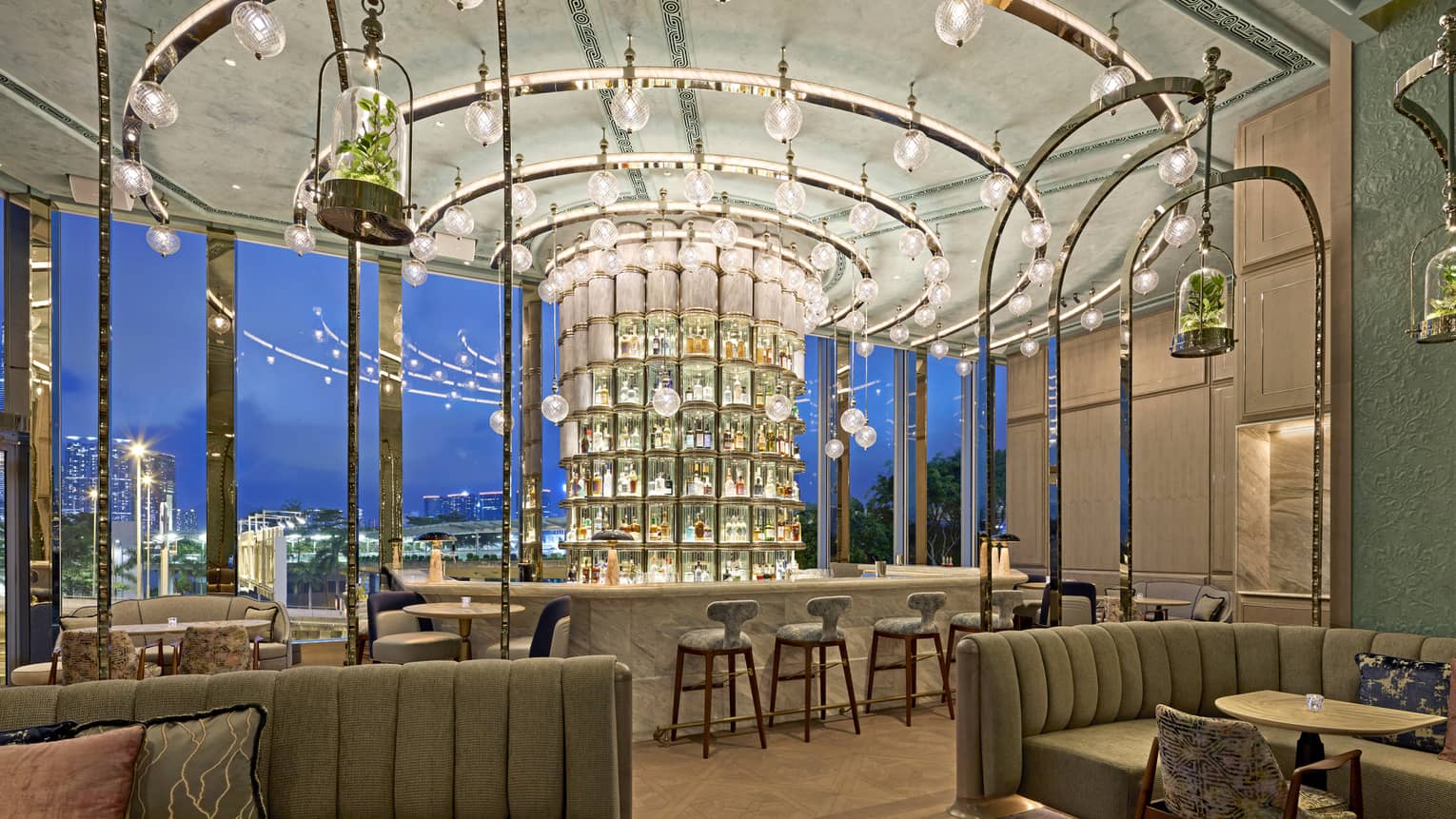
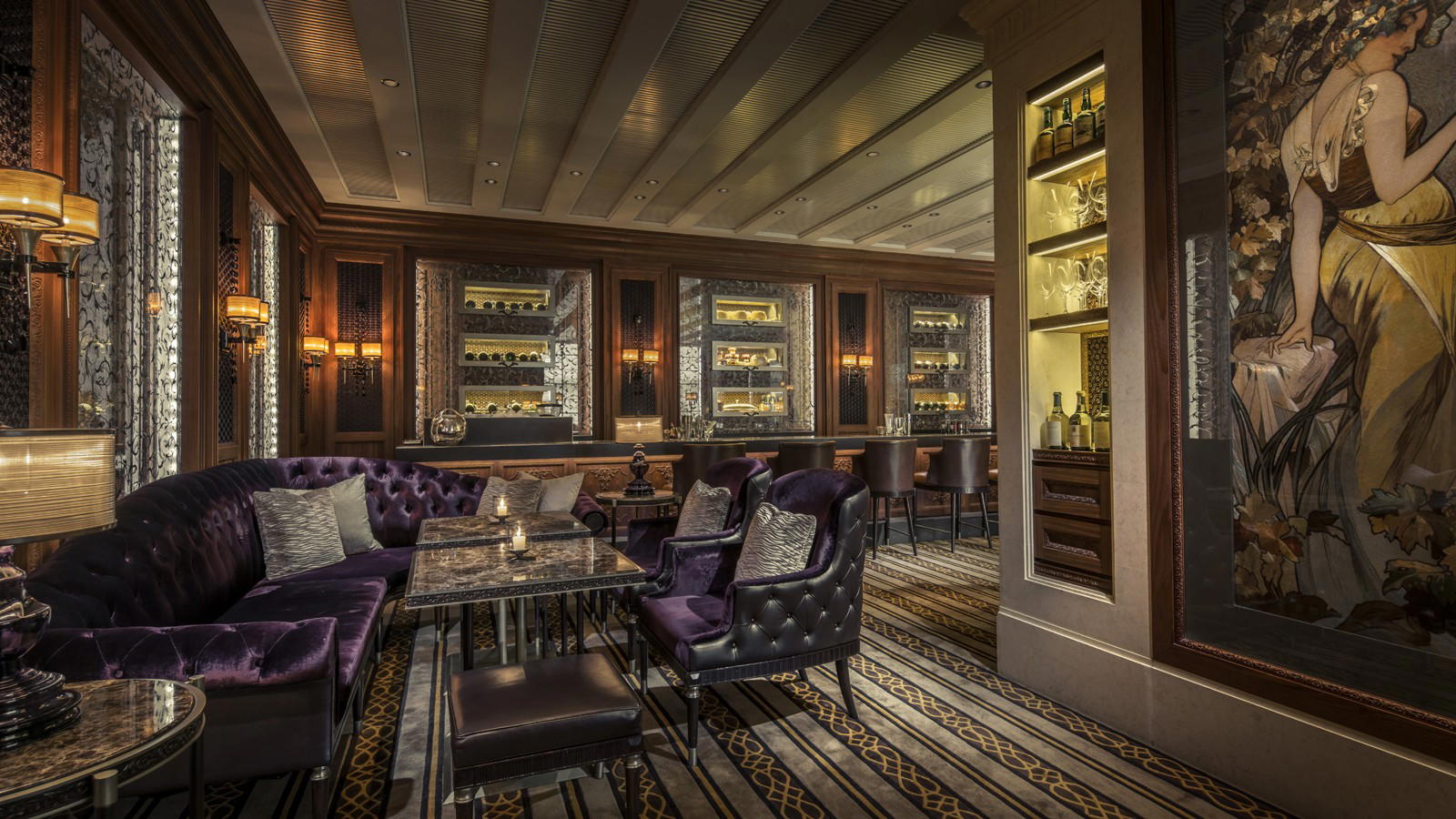
Hotels in Hong Kong
All hotels in Hong Kong →
Wineries in Hong Kong
All wineries in Hong Kong →
Details
- Modern
- Trendy
- Elegant
- Cozy
- Sophisticated
- Casual Hangout
- Solo
- After Work
- Celebration
- Brunch
- Design Destination
- Hotel Restaurant
- Zero Proof
- Street Scene
- A La Carte
- Coffee
- Tea
- Non Alcoholic Drinks
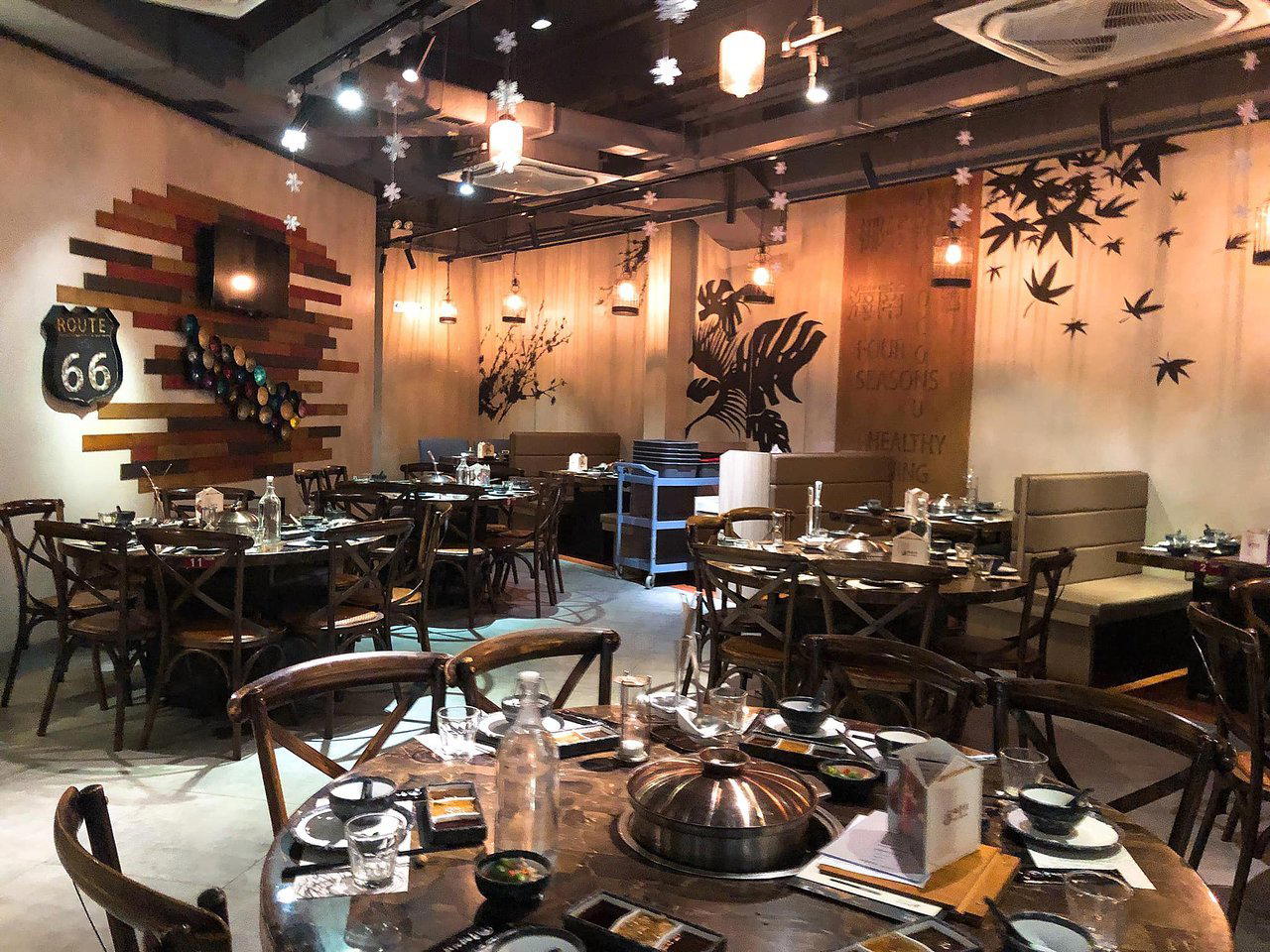
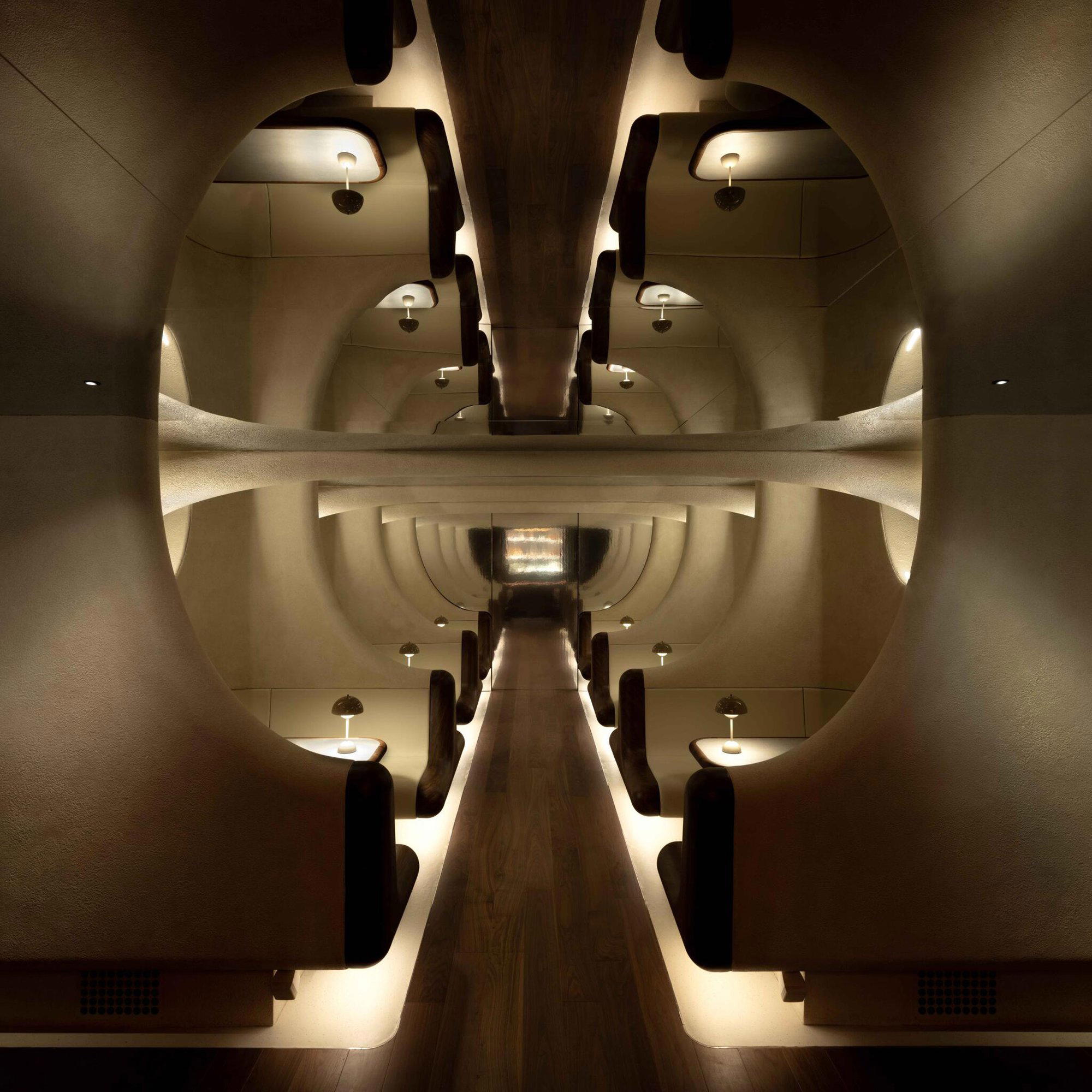
Set within the chic lobby of The Mira Hong Kong, COCO has a sleek, fashion-forward feel with reflective jet-black walls, mirror table tops, and jewel box pastry displays, creating a glamorous yet relaxed café atmosphere ideal for people-watching and sweet breaks.