Our verdict
Coccinella sits in M'diq's coastal dining orbit, where the stronger meals tend to follow the day’s produce and the seafood traffic of the northern Moroccan shore rather than a chef-driven tasting-menu script. Its appeal is practical and local in tone: a place to read through the rhythm of Tamuda Bay dining, especially for travellers comparing M'diq with nearby Fnideq and the wider Moroccan restaurant circuit.

Pearl is the En Primeur Club membership app — saves, bookings, and concierge access live there. Same editors, same standards.
- Address
- 203 Route de Fnideq, M'diq 93200, Morocco
- Phone
- +212 5 38 10 02 00
- Hours
- Daily 8–11 AM, 12–4 PM, 7:30–10:30 PM
- Website
- royalmansour.com
- Directions
- Get directions
The menu
What to order
- Risotto à la courge des domaines
- Poulet rôti au parmesan
- Pâtes fraîches maison
- Aubergines alla parmigiana
- Glaces artisanales
Approaching the dining scene in M'diq means reading the coast before reading the menu. The town sits between larger urban centres and resort-facing travel patterns, so restaurants here often work in a hybrid register: part local daily table, part holiday dining room, part practical stop for travellers moving along the northern shore. Coccinella belongs to that rhythm. The useful way to understand it is not through trophy language or chef mythology, but through the everyday logic of the area: a meal that fits the coast, the town, and the kind of mixed groups that often gather around a M'diq table.
That place-first lens matters because M'diq is not one of Morocco’s larger dining capitals. The city does not depend on grand dining rooms to make its case. It depends on proximity: to the coast, to nearby travel routes, to resort demand, and to the broader northern Moroccan hospitality pattern that makes the local table feel more direct than the shorthand often attached to Moroccan dining abroad. In that context, Coccinella is better read as part of a coastal category than as a destination restaurant in isolation.
Coastal Moroccan dining without the tasting-menu theatre
Northern Moroccan restaurant culture often rewards directness. Straightforward ordering, simple preparations, and flexible meals can make more sense here than long scripted menus. When a restaurant in M'diq works well, the signal is usually restraint: food that suits the setting, service that can work for families and mixed groups, and a room that can handle both local routines and seasonal visitors. Coccinella’s value sits in that middle ground, especially for diners who want the area’s coastal identity without turning dinner into a formal occasion.
The comparison inside M'diq is useful. Le Méditerranée points by name toward a coastal register, while Coccinella fits the broader everyday-resort category: flexible, less ceremony-led, and easier to fold into a day in town. Travellers mapping the area should use Our full M'diq restaurants guide for the wider dining read, then cross-reference Our full M'diq hotels guide if dinner plans depend on where they are staying in M'diq.
Local context is the quiet story across this stretch of Morocco. The best way to read a M'diq table is often through setting, timing, and the kind of meal a group actually needs, rather than through imported fine-dining assumptions. That does not require a restaurant to publish a manifesto. It shows up in what the town asks of a dining room: clear hospitality, adaptable pacing, and the ability to serve different appetites at one table without making the evening feel overproduced.
Where M'diq sits in the Moroccan restaurant circuit
Morocco’s stronger dining cities now divide into clear lanes. Larger destinations have the international-design restaurant, the heritage dining room, and the metropolitan all-day address. M'diq is different: smaller, seasonal, coastal, and more dependent on the practical pleasures of where dinner happens and how smoothly the room fits a traveller’s day. That makes the town easier to understand on its own terms than through comparisons with high-profile restaurants elsewhere.
That also makes comparisons with resort and beach addresses more revealing than comparisons with palace-style restaurants inland. Azura and Bahia Vista Beach Bar & Grill sit in the same northern-coast conversation, where setting, group usability, and seaside expectations shape the meal. Other dining in northern Morocco may carry a larger-city rhythm, while other coastal towns elsewhere in the country produce a different mood altogether.
Coccinella therefore works as a M'diq choice when the reader’s priority is not a named chef or heavy ceremony, but a coastal meal that fits the town’s pace. The available recognition record for Coccinella is best treated as listing-level context rather than a reason to overstate the restaurant’s profile. In smaller Moroccan resort towns, the more useful test is whether a dining room can serve local families, visiting hotel guests, and day-trippers while staying aligned with the practical rhythm of the coast. That is the competitive frame to use.
How to read the table before ordering
The smarter move in M'diq is to order with the place rather than against it. Follow the categories that make sense for the room on the day: fresh-looking plates, simple cooking when that appears to be the strength, and familiar local staples when the kitchen seems built for them. This is not the city for forcing a global fine-dining checklist onto the table. It is the city for judging how cleanly a restaurant handles the expectations of a northern coastal stop.
Travellers building a wider Morocco itinerary can place Coccinella between more defined regional formats. Mountain and countryside dining carries one kind of logic; surf-town dining behaves differently; and quick-service formats in other countries underline the point by contrast: format defines expectations before a dish arrives. M'diq’s format is coastal, informal, and place-led.
For planning around the wider town, the restaurant decision should sit alongside the rest of the trip rather than dominate it. Our full M'diq bars guide helps with the after-dinner read, while Our full M'diq wineries guide and Our full M'diq experiences guide frame how limited or broad the local hospitality offer feels beyond restaurants. Coccinella is at its strongest when treated as part of that coastal pattern: a practical M'diq table for diners who care less about ceremony and more about how a northern Moroccan seaside town works at mealtime.
Frequently asked questions
Is Coccinella good for families?
Coccinella’s setting in M'diq makes it a practical option to consider for family meals, especially for groups looking for a straightforward coastal dining stop rather than a formal dining room.
Is Coccinella formal or casual?
It reads as casual rather than formal. The better expectation is an easygoing meal in M'diq, not a staged tasting-menu experience.
When can I go to Coccinella?
Check directly with Coccinella before you go, as opening times can change by season, day, and local demand in M'diq.
What's the address for Coccinella?
Coccinella is located in M'diq.
What makes Coccinella worth seeking out?
Its appeal is location and access: Coccinella is a M'diq dining option that fits the town’s coastal rhythm. In a seaside destination, that kind of practical usefulness can matter more than theatrics.
Is Coccinella good for vegetarians?
There is no specific cuisine type provided for Coccinella, so vegetarian diners should check the current menu and ask at the table. In M'diq, keeping the meal flexible is the safest approach.
How far ahead should I plan for Coccinella?
Plan ahead if you are aiming for a busier meal period, especially during peak travel times in M'diq. For quieter periods, a simpler same-day check may be enough.
Comparison Snapshot
Comparable venues by cuisine and price in the same metro.
| Venue | Cuisine | Price | Awards |
|---|---|---|---|
| CoccinellaThis venue — the venue you are viewing | Italian Trattoria | Not listed | Not listed |
| Le Méditerranée | Mediterranean Spanish Seafood | $30–50 | Not listed |
| Saffron | Japanese-style Western hamburger steak (yoshoku) | $10–20 | Tabelog 100 #70 |
Details
- Elegant
- Scenic
- Romantic
- Sophisticated
- Classic
- Brunch
- Family
- Celebration
- Group Dining
- Waterfront
- Terrace
- Open Kitchen
- Hotel Restaurant
- Local Sourcing
- Waterfront
- A La Carte
- Prix Fixe
- Coffee
- Tea
- Fresh Juices
- Cocktails
- Vegetarian Friendly
Current opening hours
- Monday
- 8–11 AM, 12–4 PM, 7:30–10:30 PM
- Tuesday
- 8–11 AM, 12–4 PM, 7:30–10:30 PM
- Wednesday
- 8–11 AM, 12–4 PM, 7:30–10:30 PM
- Thursday
- 8–11 AM, 12–4 PM, 7:30–10:30 PM
- Friday
- 8–11 AM, 12–4 PM, 7:30–10:30 PM
- Saturday
- 8–11 AM, 12–4 PM, 7:30–10:30 PM
- Sunday
- 8–11 AM, 12–4 PM, 7:30–10:30 PM
Hours can change for holidays and private events. Last verified .
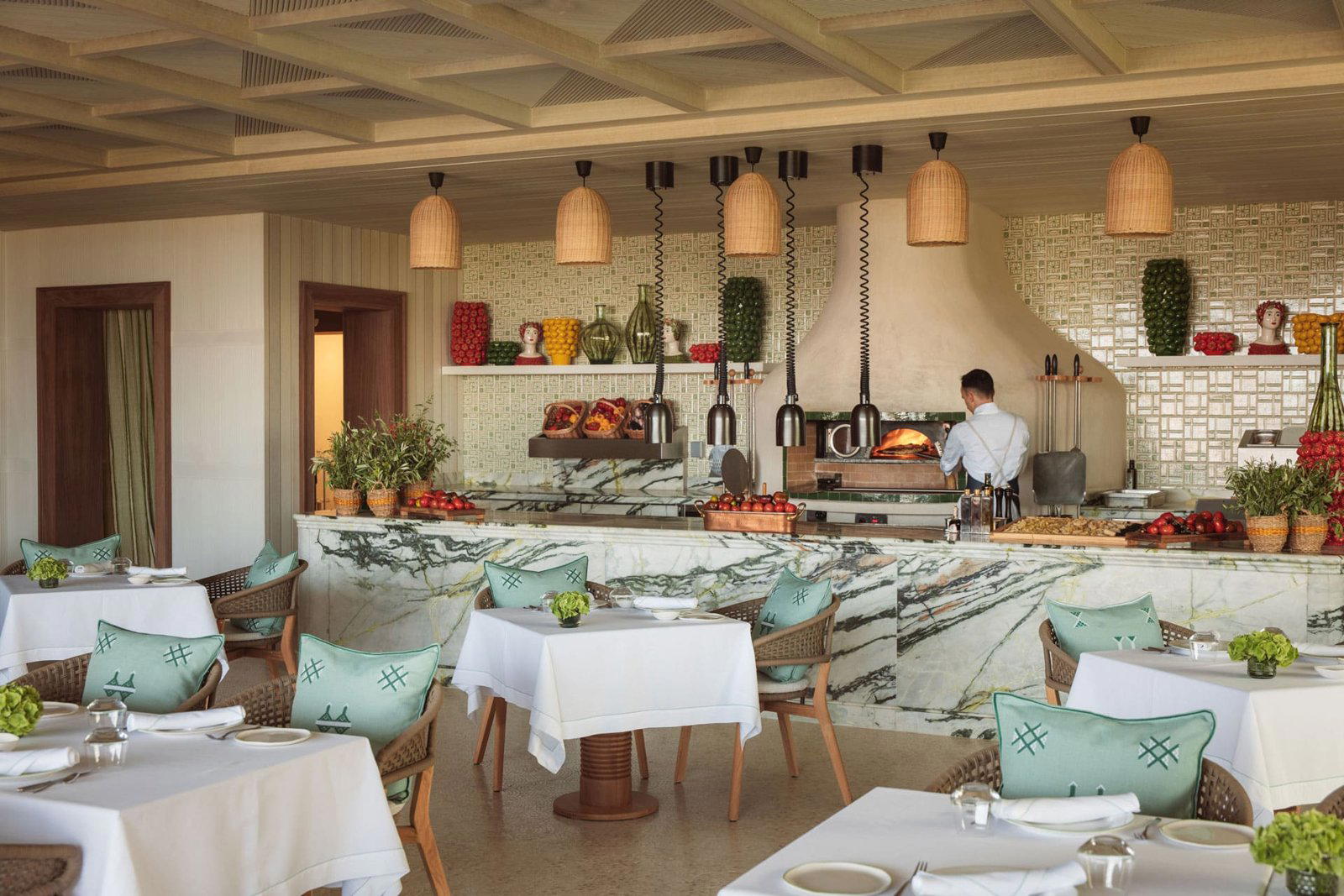
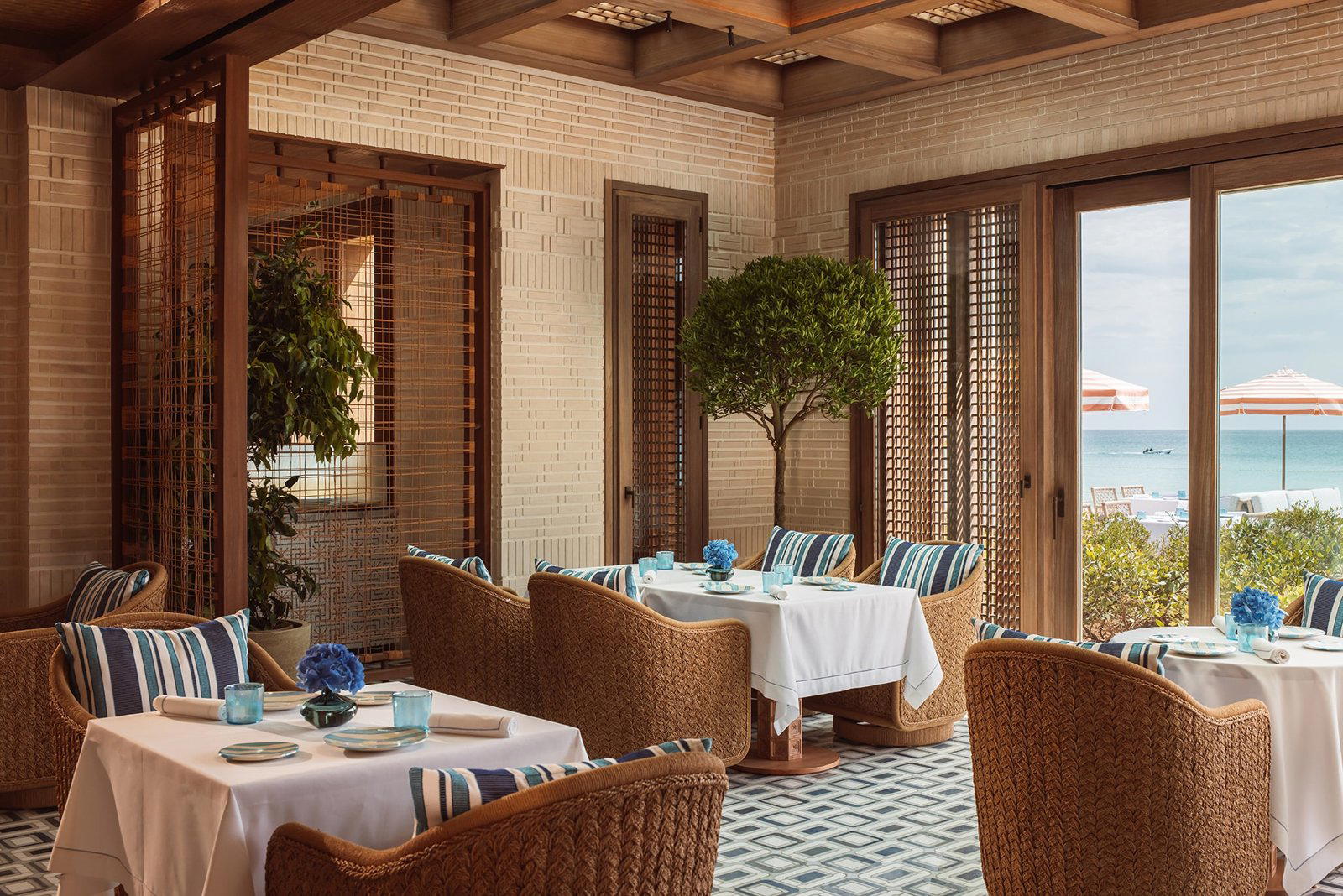
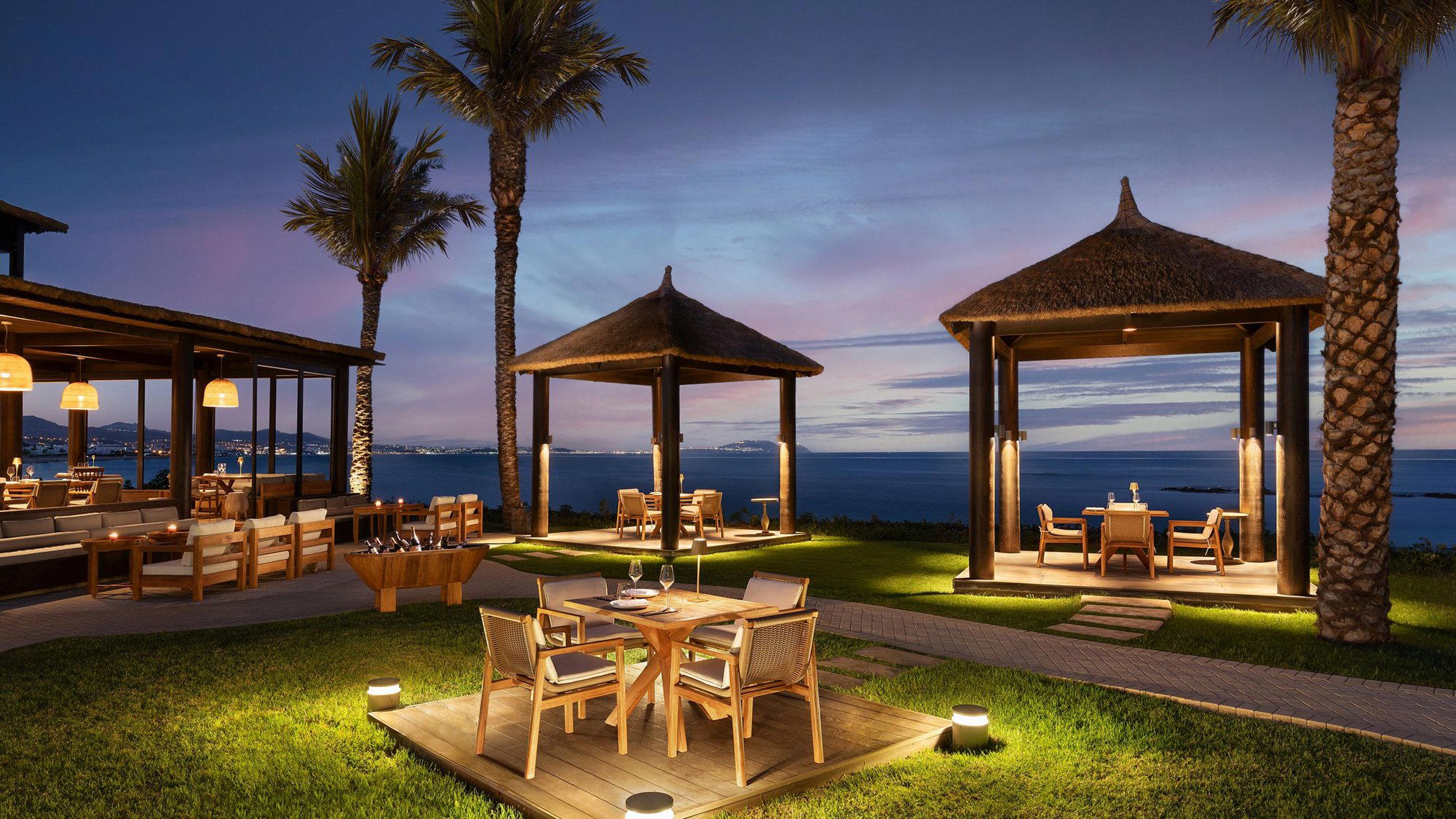
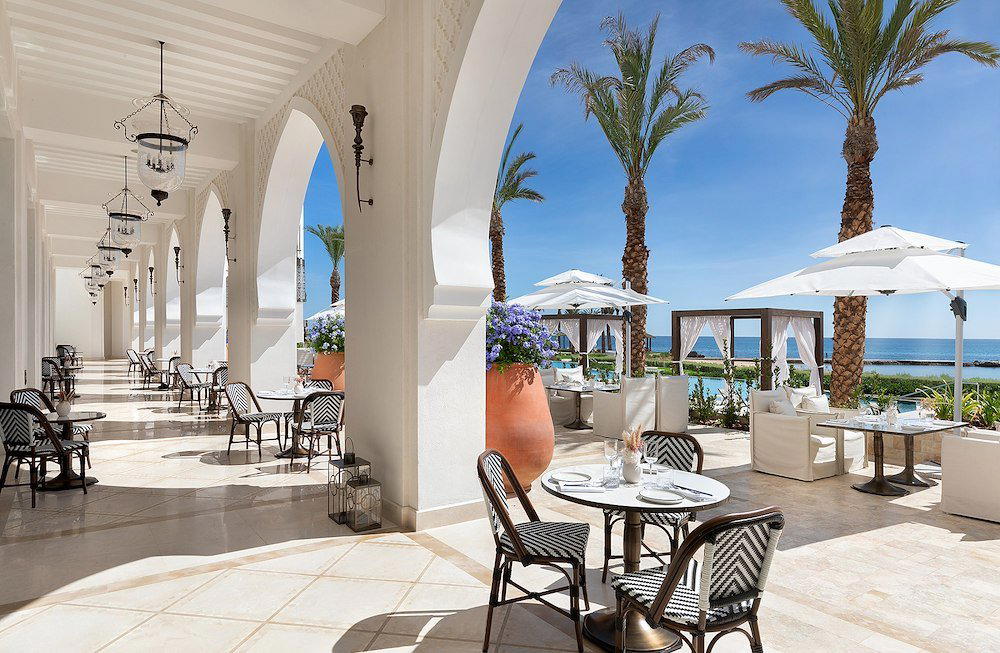
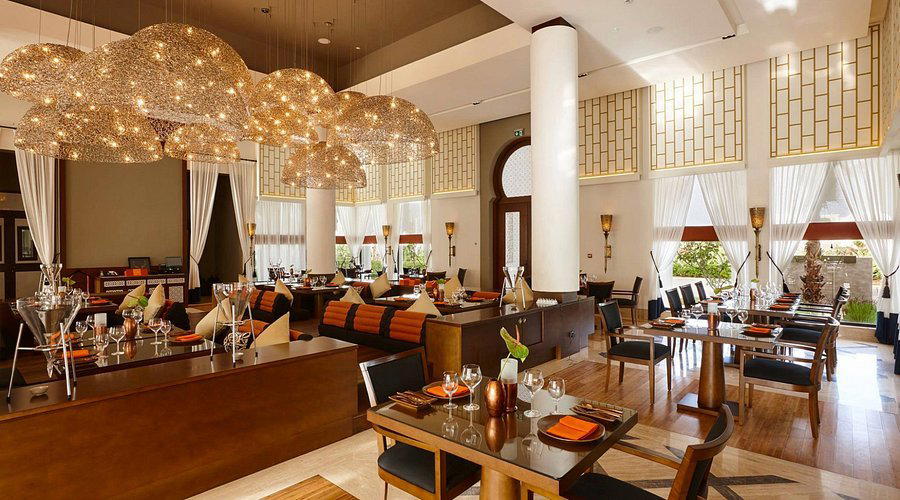
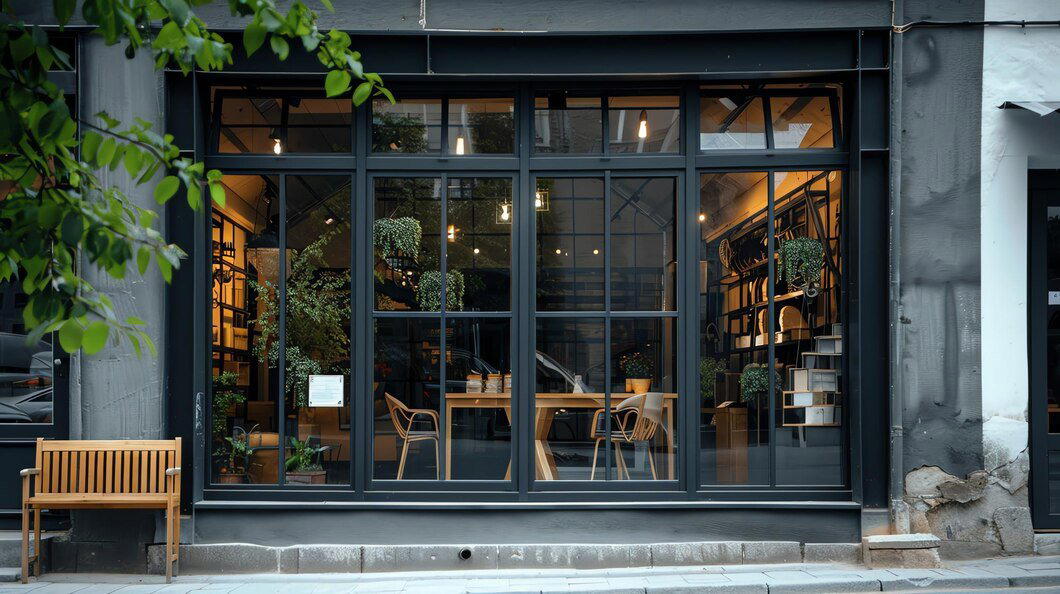
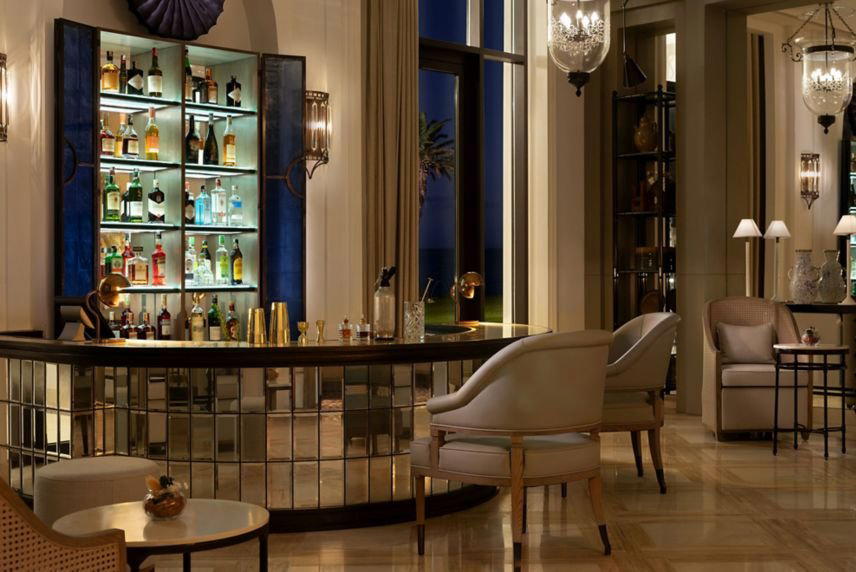
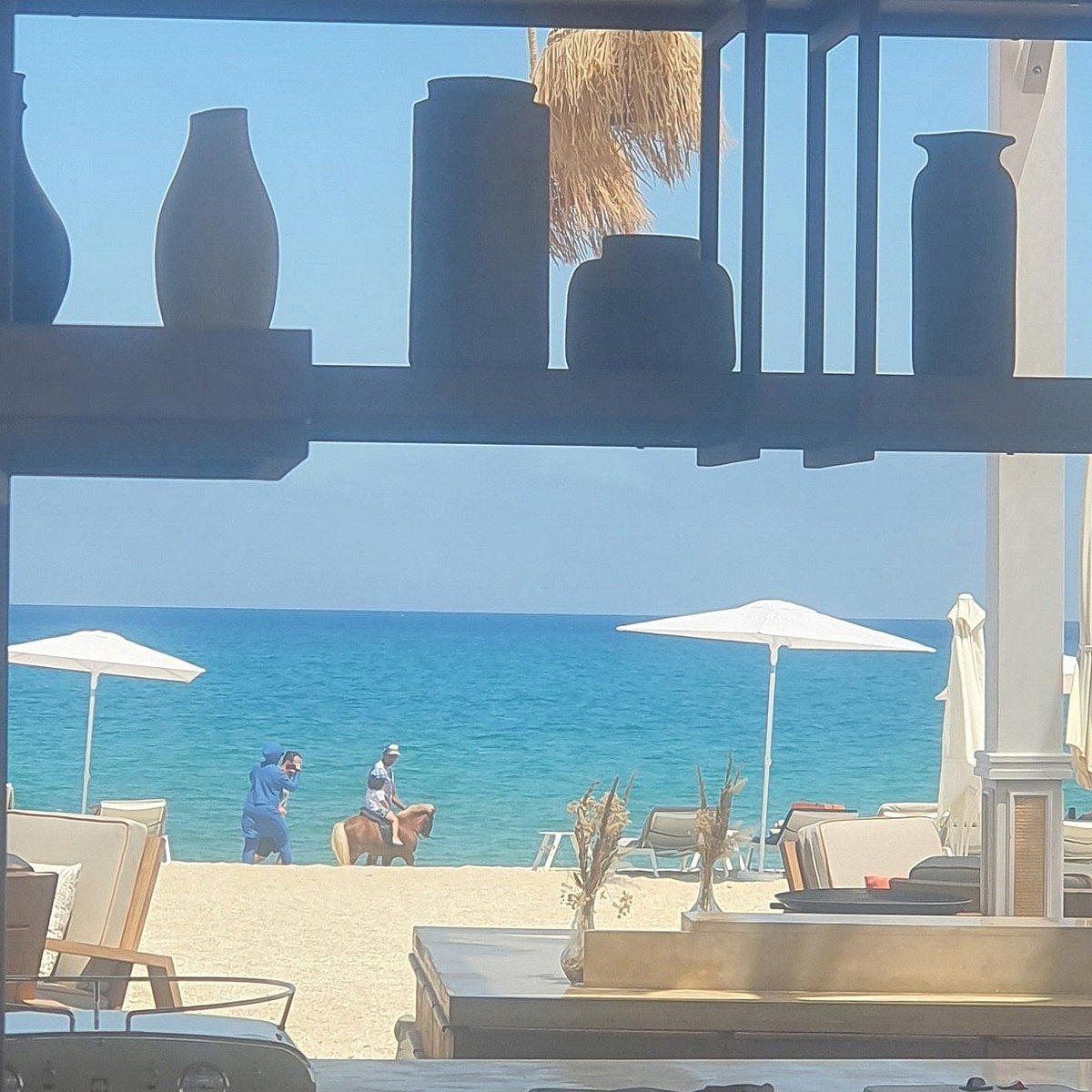
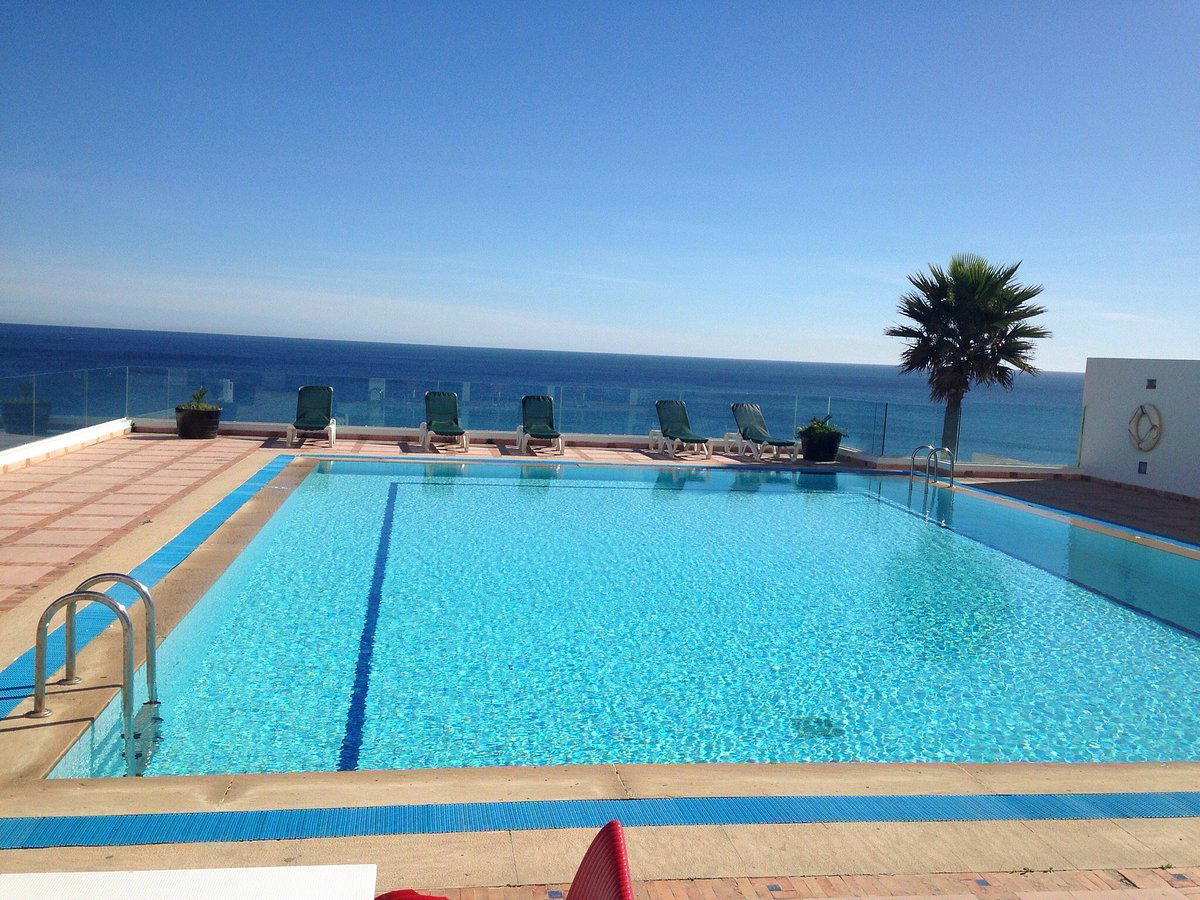
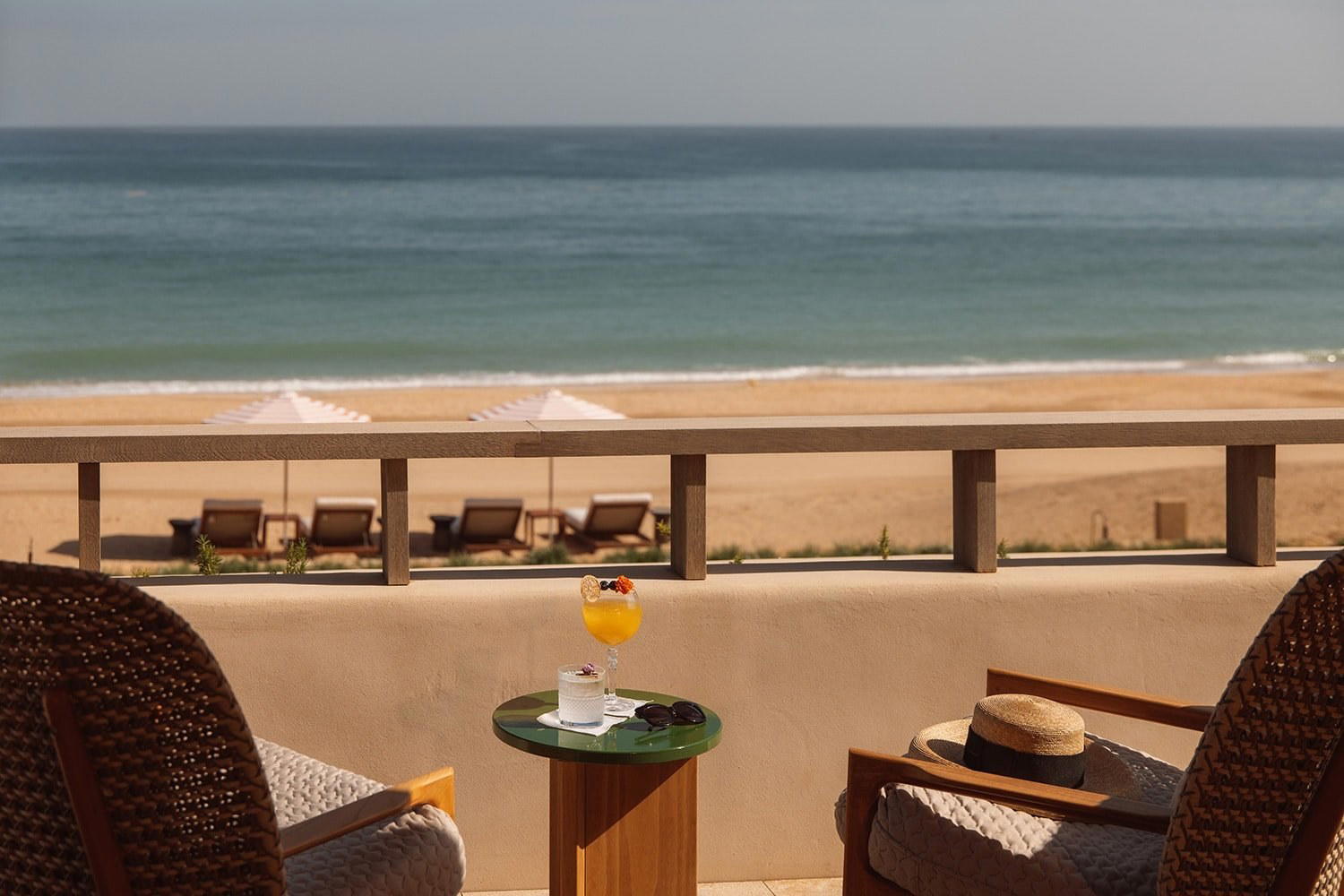
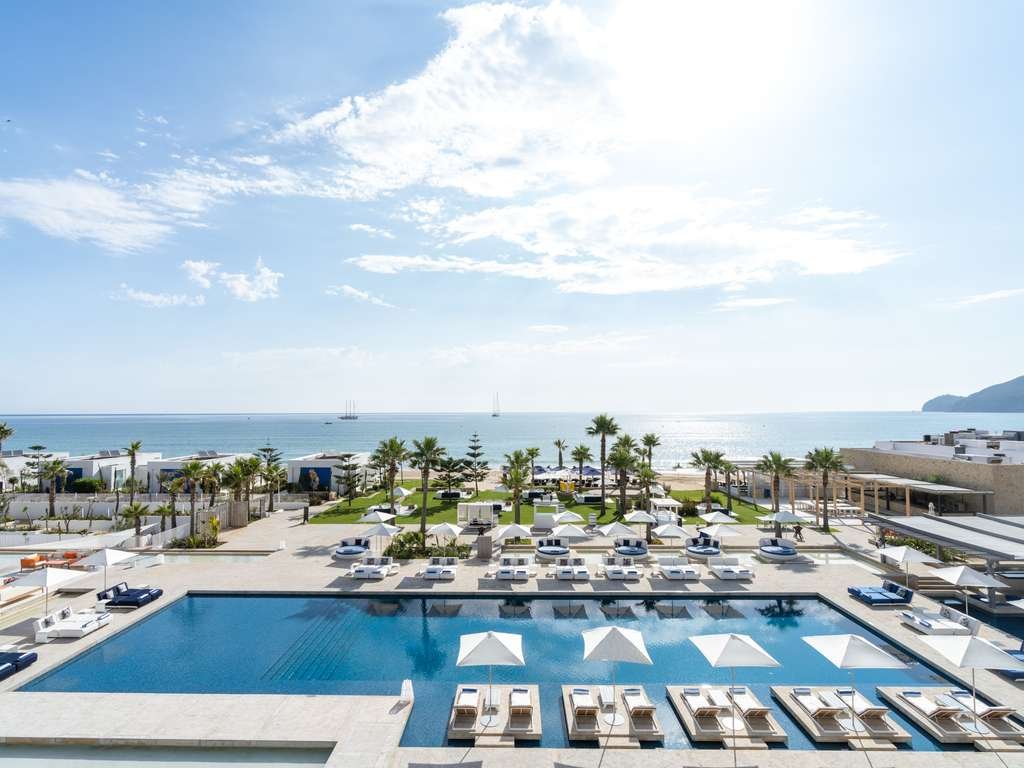
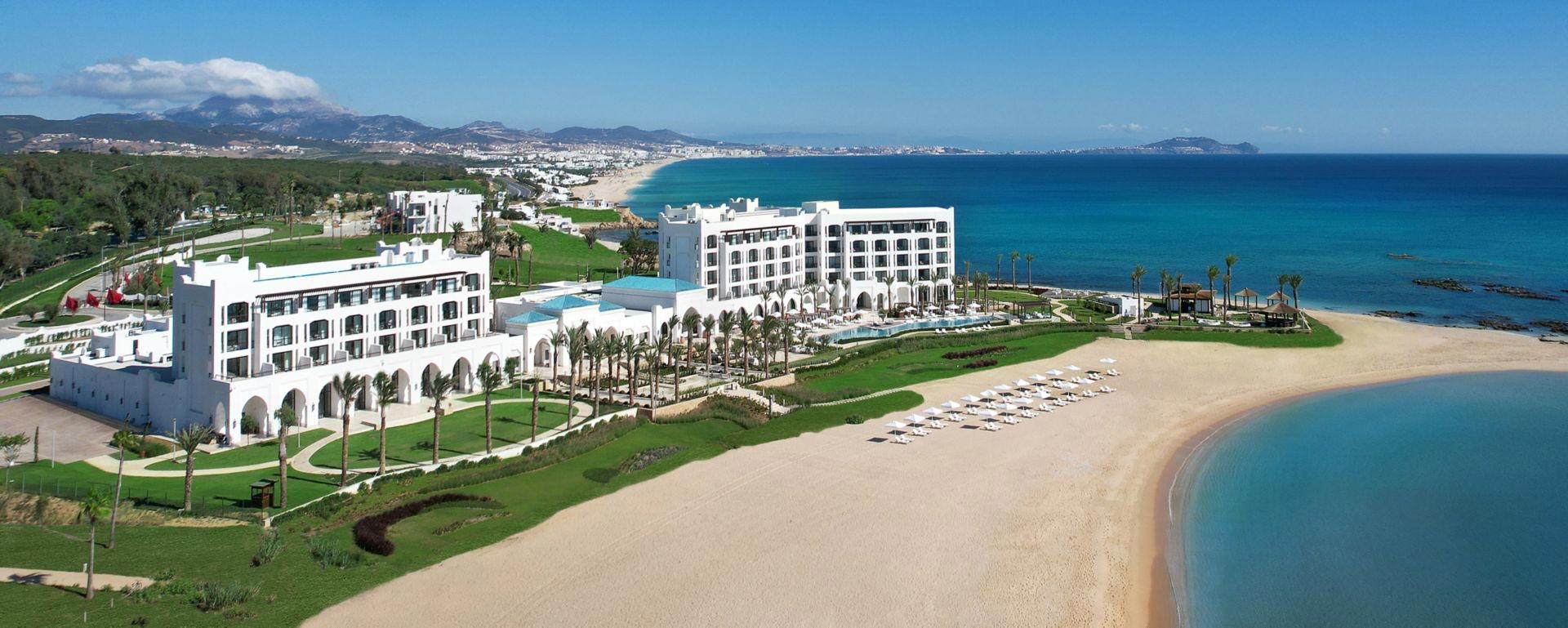
Refined and romantic, with a cream-colored building set in lush greenery, marble details, emerald and sandy tones, and open views over the Mediterranean.