Our verdict
Azura sits in Fnideq, where Moroccan coastal dining is shaped by proximity to the Strait, Spanish influence, and produce moving between mountain markets and fishing towns. With no public awards or chef-led tasting format attached, it reads less as destination theatre and more as a local address to judge by sourcing, setting, and how the kitchen handles seafood, bread, herbs, citrus, and spice.

Pearl is the En Primeur Club membership app — saves, bookings, and concierge access live there. Same editors, same standards.
- Address
- Route Nationale 13 Oued Negro, Fnideq 93100, Morocco
- Phone
- +212 5 39 66 99 99
- Website
- banyantree.com
- Directions
- Get directions
The menu
What to order
- Refined Mediterranean seafood dishes
- Freshly baked flatbreads
Approaching Fnideq from the national road, the dining mood changes quickly: the sea is close, the Rif foothills sit behind the town, and cross-border movement has left its mark on how people eat, shop, and linger. This is not the Morocco of palace dining rooms and long-form tasting menus. It is a border-coast table culture, where freshness matters more than ceremony and the day’s ingredients carry more authority than a formal restaurant narrative.
Azura belongs to that context. Its place in Fnideq situates it in the practical geography of northern Morocco, where beach traffic, market runs, and cross-border movement shape dining rhythms. In this part of the country, ingredient sourcing is not a decorative talking point. Coastal produce, market staples, grilled breads, preserved elements, and Spanish-facing habits all sit within easy reach, and a restaurant’s credibility depends on whether it treats those materials with restraint rather than excess.
Fnideq's coastal table is built on proximity, not performance
The northern Moroccan coast rewards restaurants that understand short supply lines. The Strait of Gibraltar, the Mediterranean edge, and the market routes around the region create a food culture where coastal ingredients can matter without needing luxury signalling. The cooking tends to make sense when it stays close to the region: direct preparations, bright seasoning, bread, salads, and local table habits rather than imported theatre.
That is the useful lens for reading Azura. Rather than measuring it against Morocco’s destination dining rooms, the better question is whether the meal fits the ingredient grammar of Fnideq. In a city where proximity to the water and mountains should matter, confidence comes from sourcing discipline: ingredients that do not need heavy masking, vegetables that hold their texture, and seasoning that supports rather than covers.
Within Fnideq itself, Saffron and Tingitana give the local restaurant scene a tighter reference point than national comparisons can. For broader planning, Our full Fnideq restaurants guide is the better starting map, while Our full Fnideq hotels guide, Our full Fnideq bars guide, Our full Fnideq wineries guide, and Our full Fnideq experiences guide help place dinner inside the wider stay.
The better order is the one that follows the coast
Moroccan restaurant culture often gets flattened into shorthand, but Fnideq needs a more coastal reading. Here, the Spanish-facing north has a different tempo from Morocco’s inland city tables: more sea air, more coastal logic, more casual dining, and a stronger case for ordering around what appears fresh rather than chasing a fixed idea of the cuisine.
Azura is strongest as a decision for diners who care about that regional fit. Without needing a personality-led story to frame the room, the editorial weight falls on category and place: a northern coastal restaurant should be assessed by the quality of its raw materials, the directness of its cooking, and whether the kitchen resists turning local ingredients into overworked plates. In Fnideq, that restraint is not minimalism; it is respect for supply.
Morocco’s dining range is wide enough that comparisons across cities can mislead unless the format is clear. Other restaurants in larger cities, surf towns, and resort zones each belong to different travel patterns. Read against those broader formats, Fnideq’s appeal is narrower and more immediate: coastal access, road-trip practicality, and a table culture that should privilege produce over spectacle.
Use it as a northern Morocco meal, not a trophy booking
The smarter way to plan Azura is to treat it as part of a Fnideq day rather than the sole reason for a trip. The town works for travellers moving through northern Morocco and the nearby coast, and restaurants here are often judged by timing as much as ambition. Lunch suits the coast; dinner suits travellers staying nearby. Either way, expectations should stay grounded in local sourcing and ease rather than ceremony.
That distinction matters in 2026, when Moroccan dining is increasingly split between design-led destination rooms and ingredient-led regional addresses. The latter category is less photogenic on paper but often more revealing. A meal in Fnideq can explain the north better than a polished room far from the water, provided the order follows what the region naturally supplies.
For readers building a wider Morocco route, the contrast is useful. Resort-side service at Bahia Vista Beach Bar & Grill, the local frame of Baie Blanche Brasserie, the familiar appeal of Le Méditerranée, and other unnamed dining rooms around the country all answer different travel needs. Azura’s case is simpler: judge it through Fnideq, the coast, and the quality of what reaches the kitchen from nearby land and sea.
Frequently asked questions
Does Azura work for a family meal?
Azura can suit a family meal because it is in Fnideq, a location that works well for travellers moving along the northern Moroccan coast. Plan it as a practical local table rather than a highly formal dining room.
What is the atmosphere like at Azura?
Expect a coastal stop in Fnideq rather than a destination room built around ceremony. Its Fnideq setting places Azura within the flow of northern Morocco travel.
Where do I go for Azura?
Fnideq.
Do they take walk-ins at Azura?
Walk-in access should be confirmed directly with Azura before you go. Its Fnideq setting makes it a natural candidate for a casual coastal stop, but opening times and booking details can change.
What has Azura built its reputation on?
Azura’s main editorial context is its location in Fnideq, which places it inside a coastal dining corridor rather than a dense urban restaurant district. That positioning matters here because it ties the restaurant to the practical rhythms of northern Morocco travel.
What if I have allergies at Azura?
If you have allergies or dietary restrictions, check directly with Azura before visiting and ask again at the table. Confirm ingredients and preparation carefully, especially for serious allergies.
How It Stacks Up
Comparable venues by cuisine and price in the same metro.
| Venue | Cuisine | Price | Awards |
|---|---|---|---|
| AzuraThis venue — the venue you are viewing | Seaside Mediterranean Restaurant | $50–100 | Not listed |
| Saffron | Japanese-style Western hamburger steak (yoshoku) | $10–20 | Tabelog 100 #70 |
Details
- Romantic
- Scenic
- Elegant
- Sophisticated
- Date Night
- Business Dinner
- Group Dining
- Family
- Celebration
- Special Occasion
- Waterfront
- Terrace
- Panoramic View
- Design Destination
- Hotel Restaurant
- Craft Cocktails
- Extensive Wine List
- Waterfront
- A La Carte
- Wine
- Cocktails
- Vegetarian Friendly
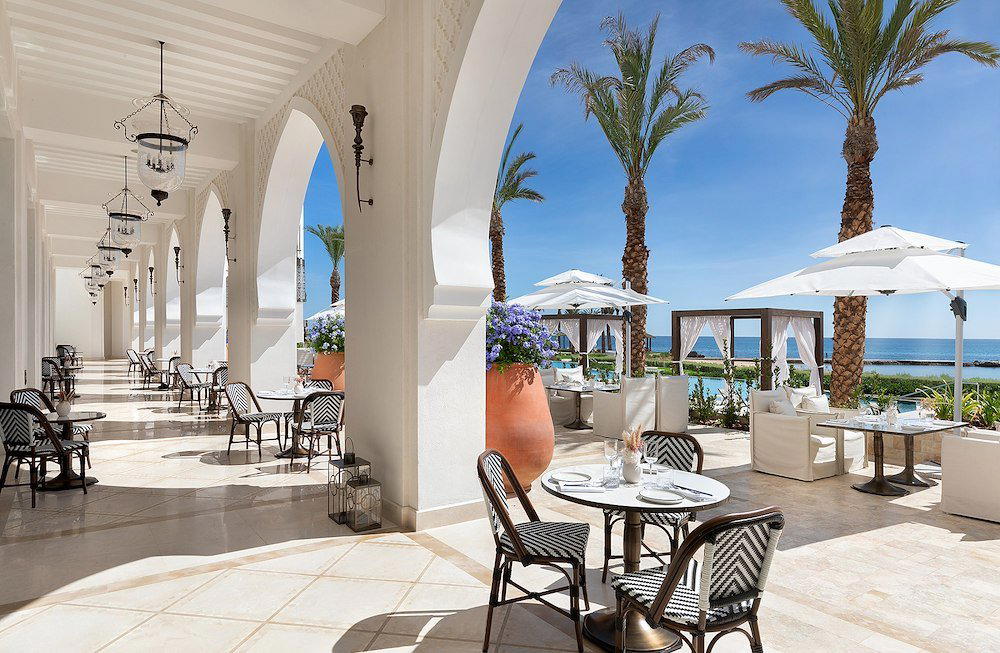
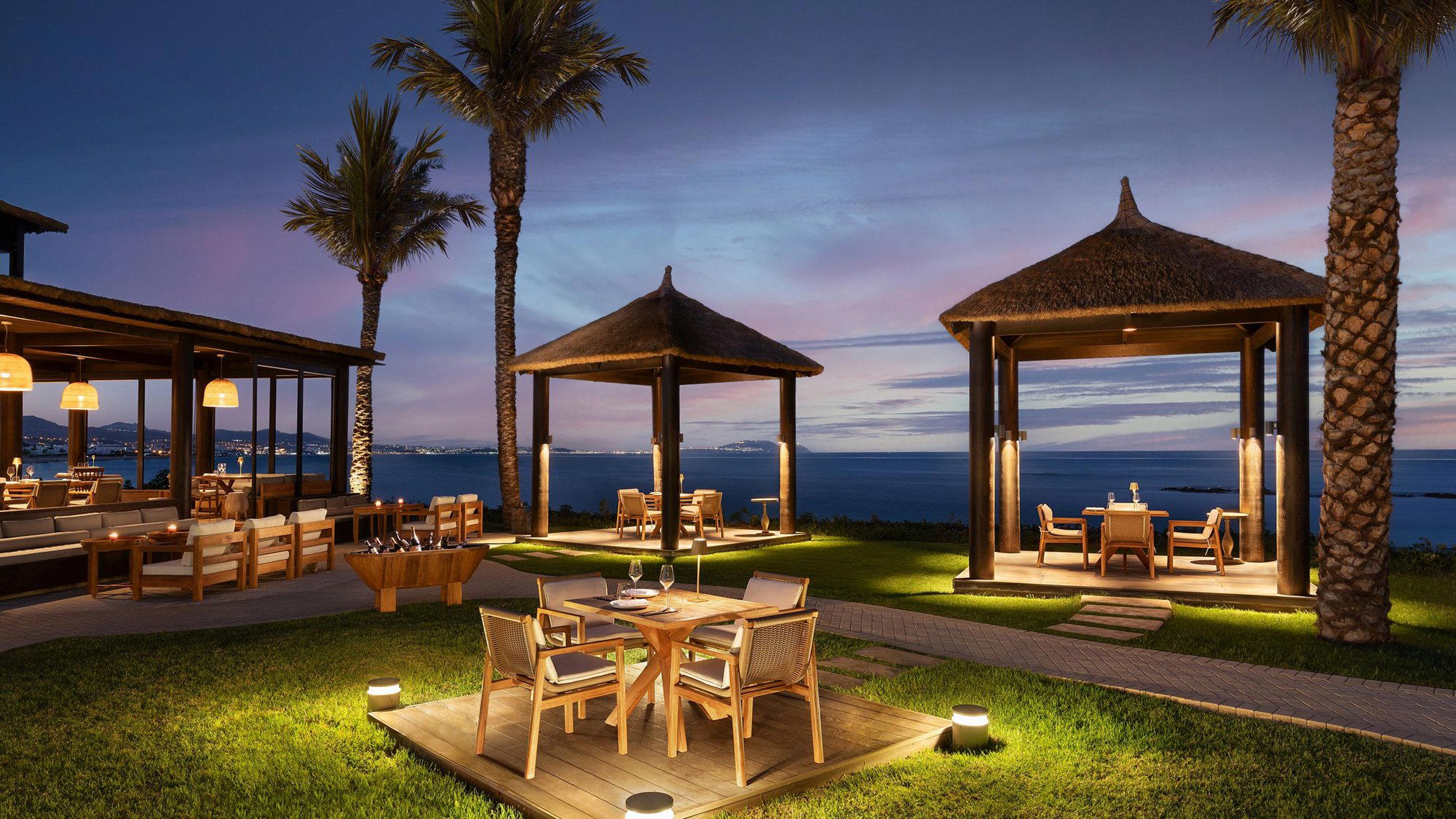
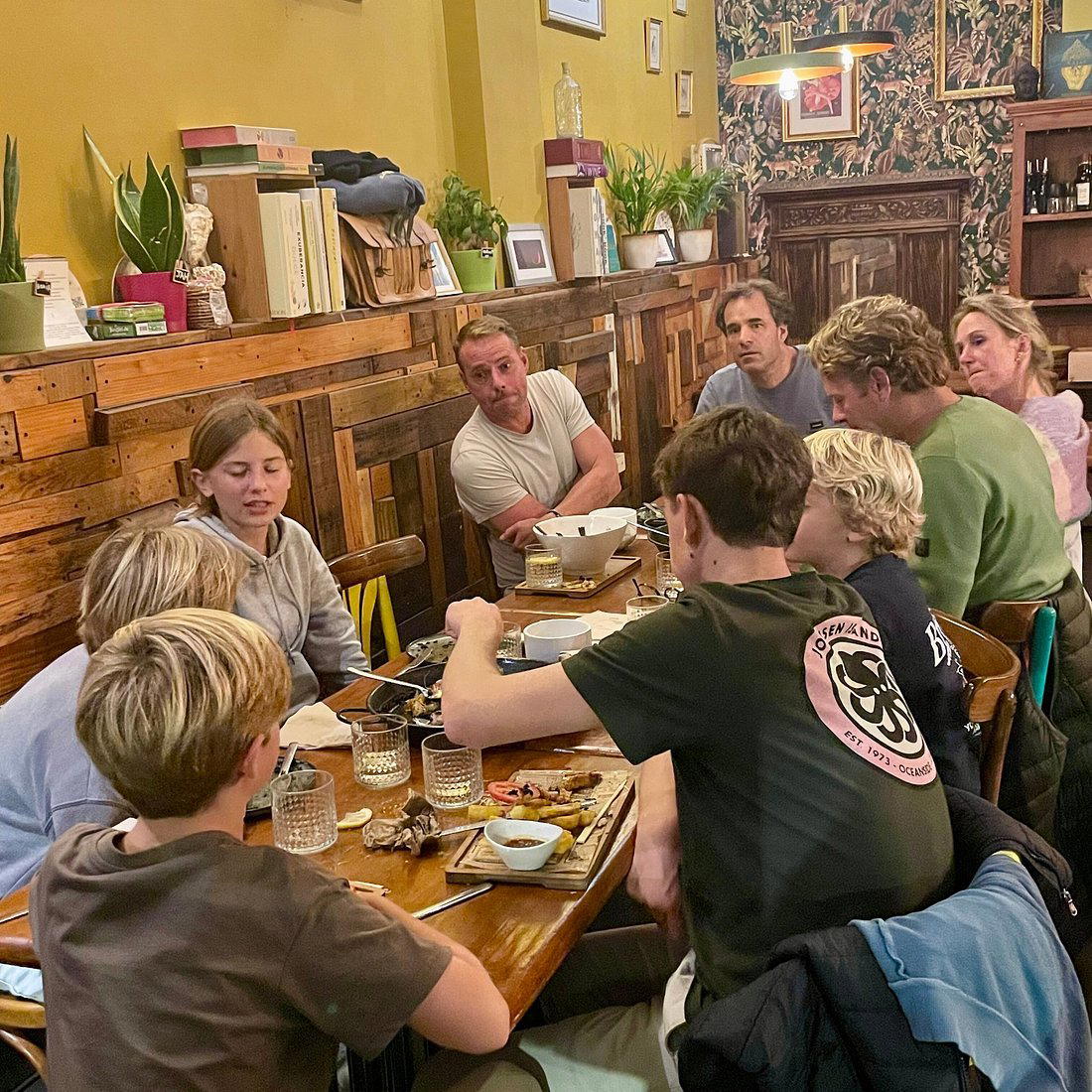
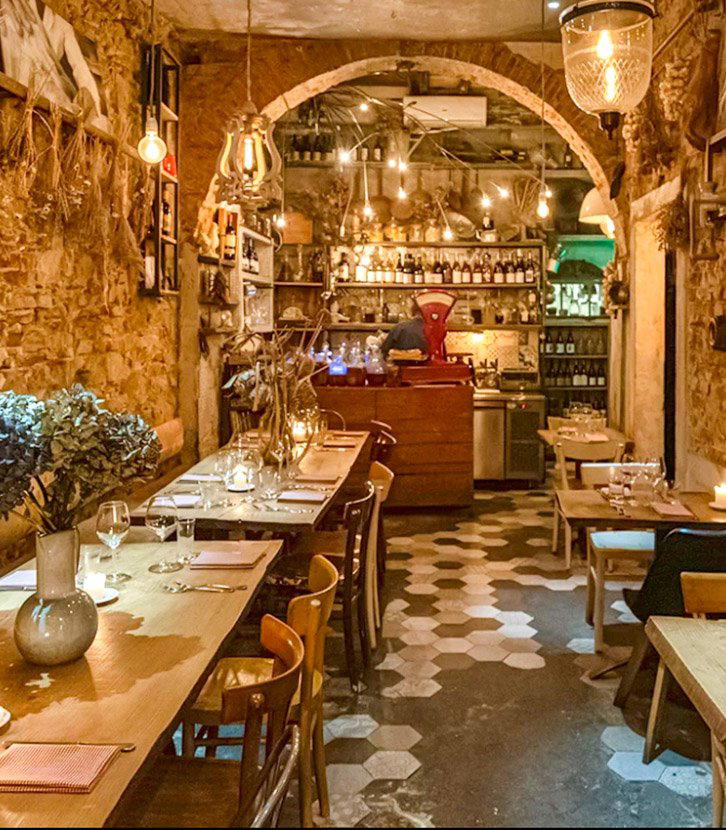
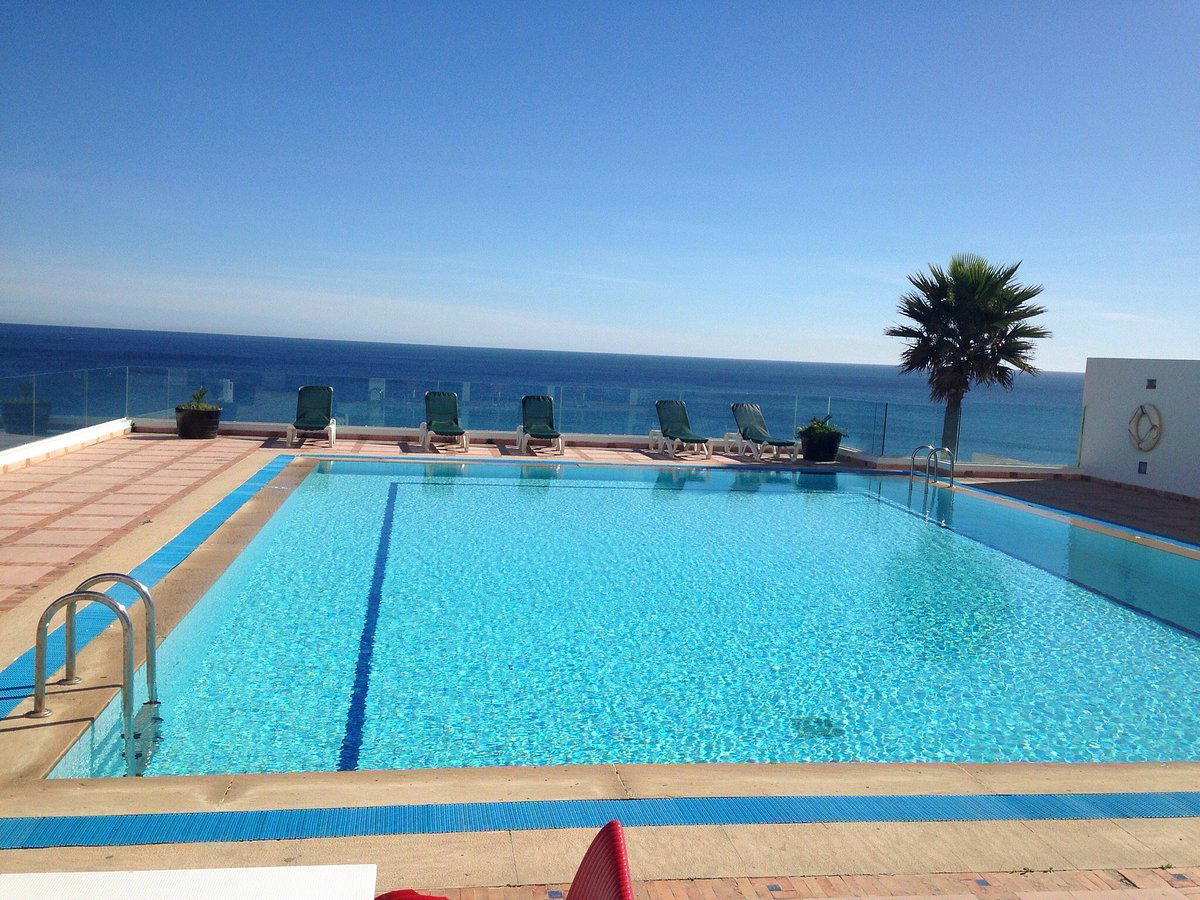
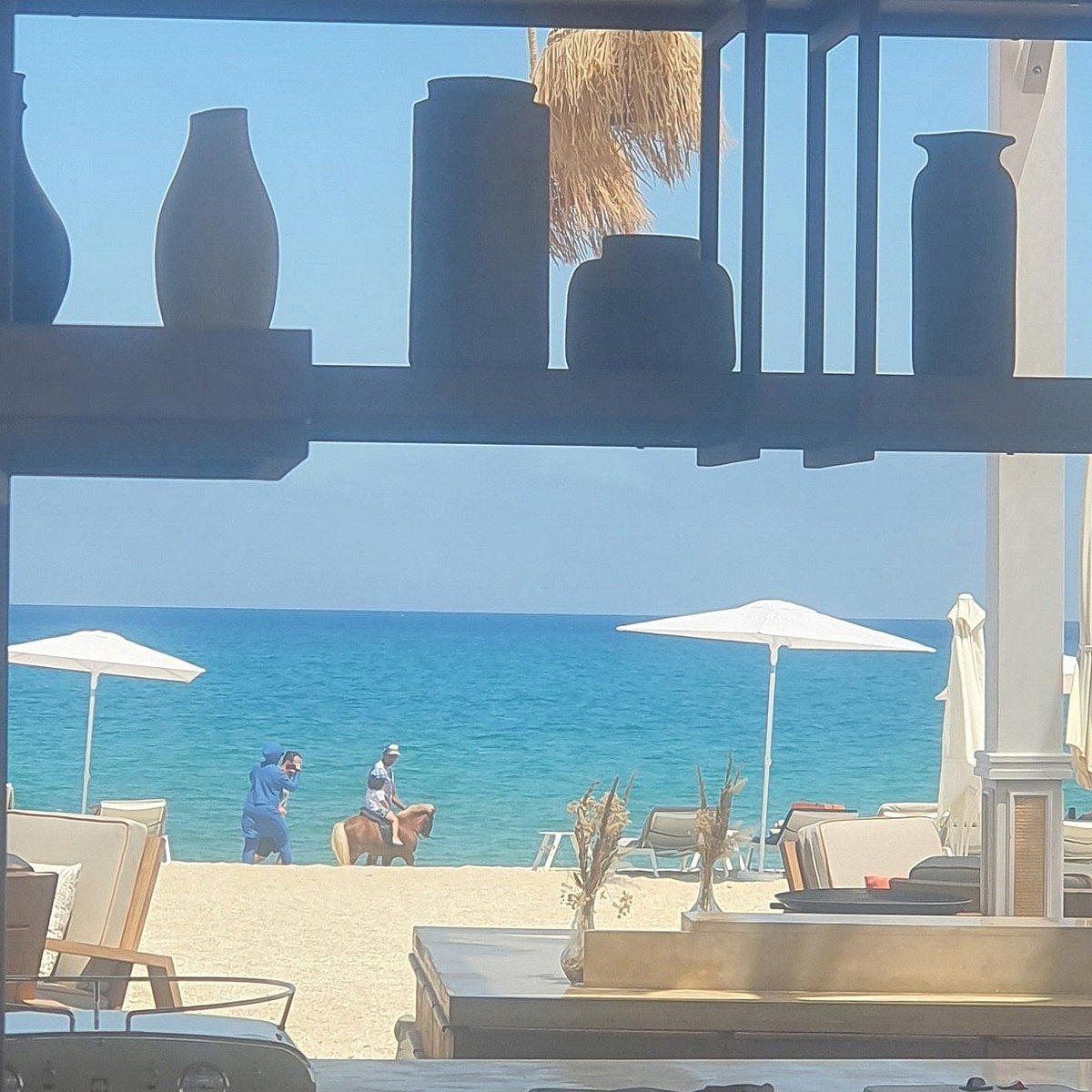
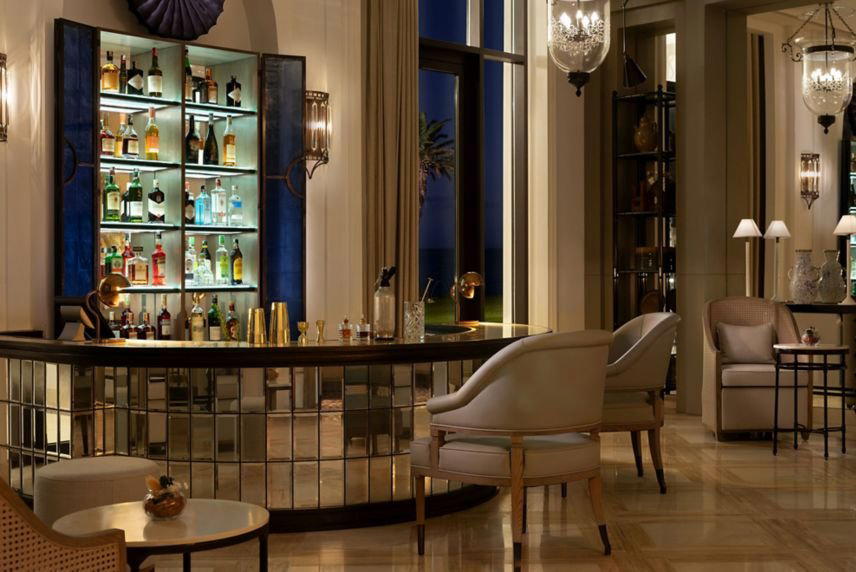
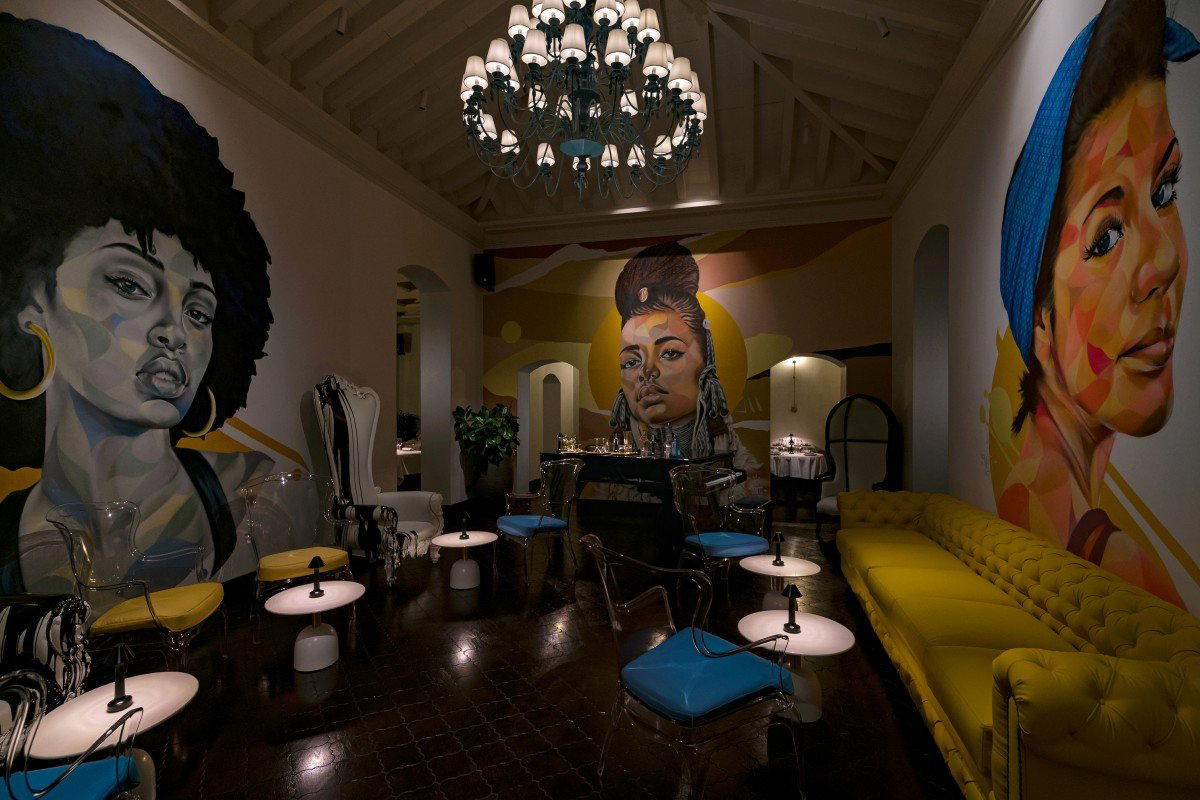
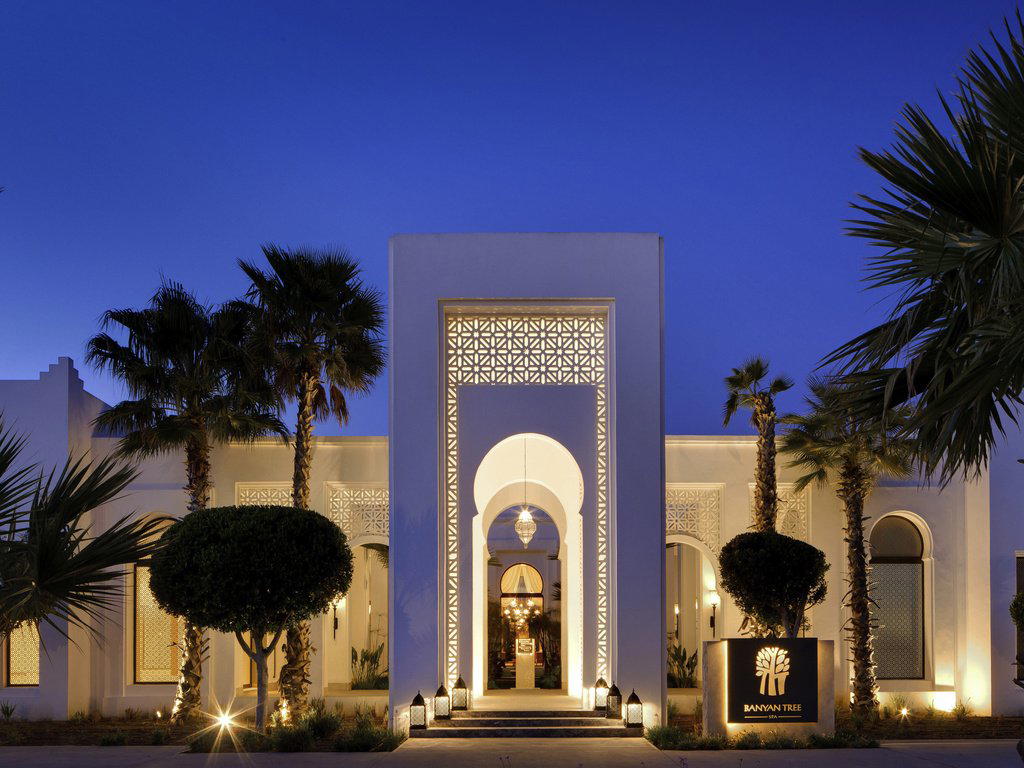
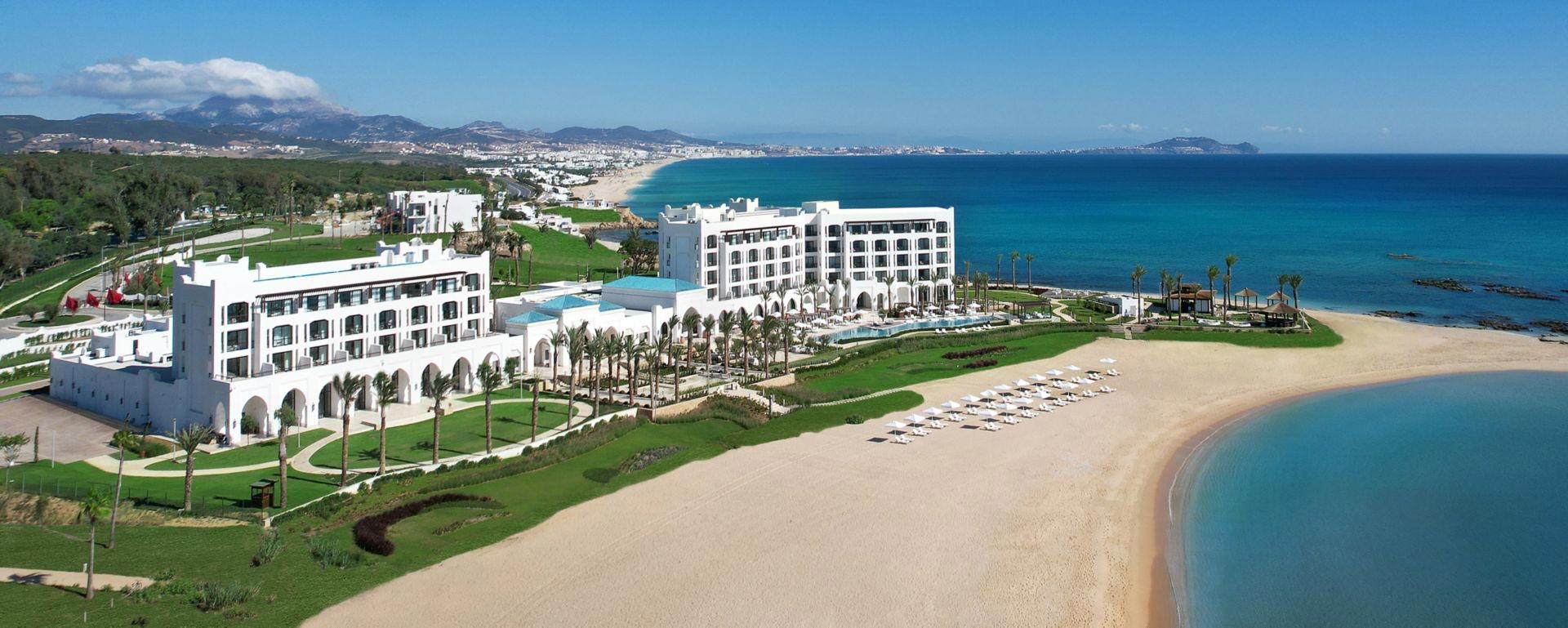
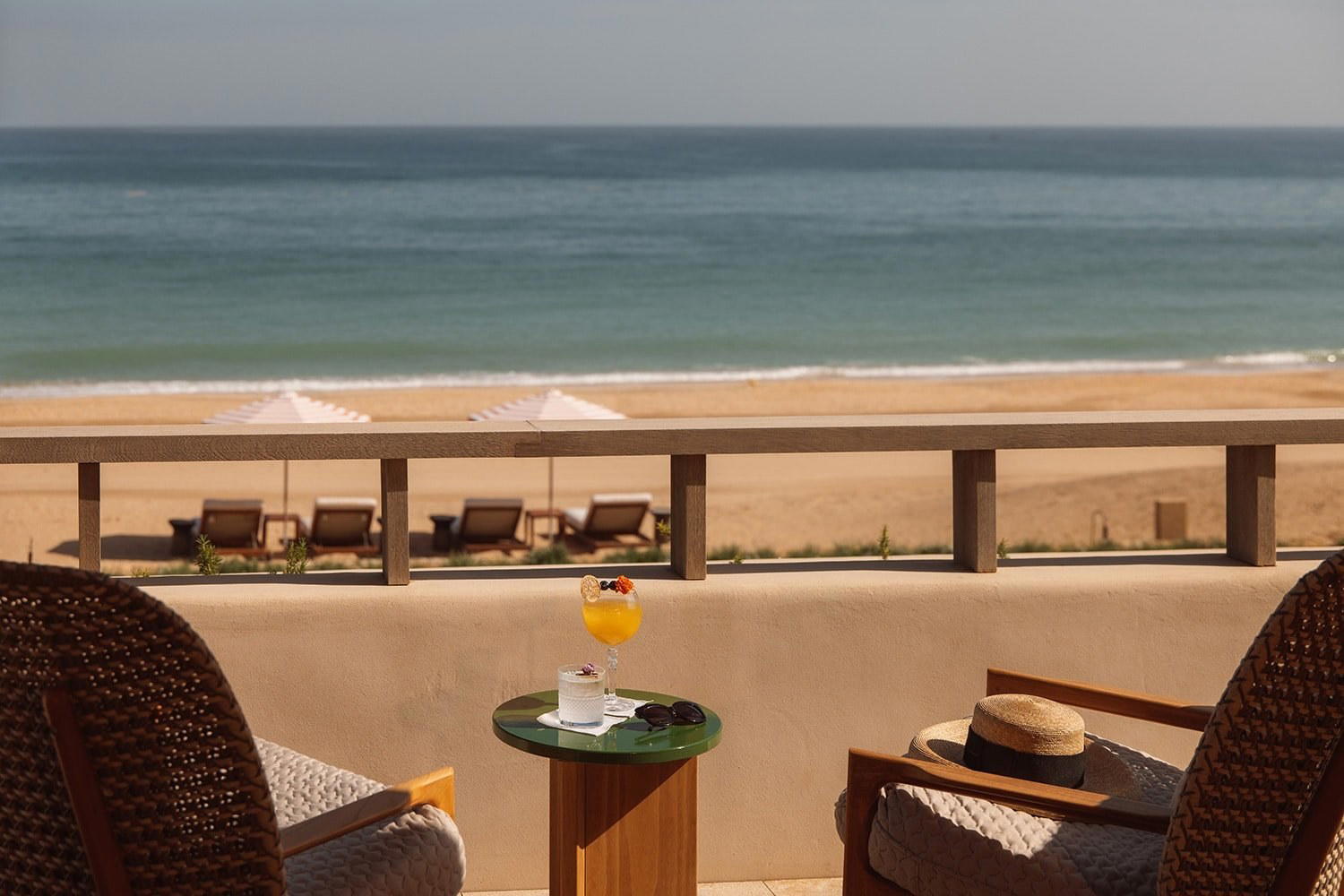
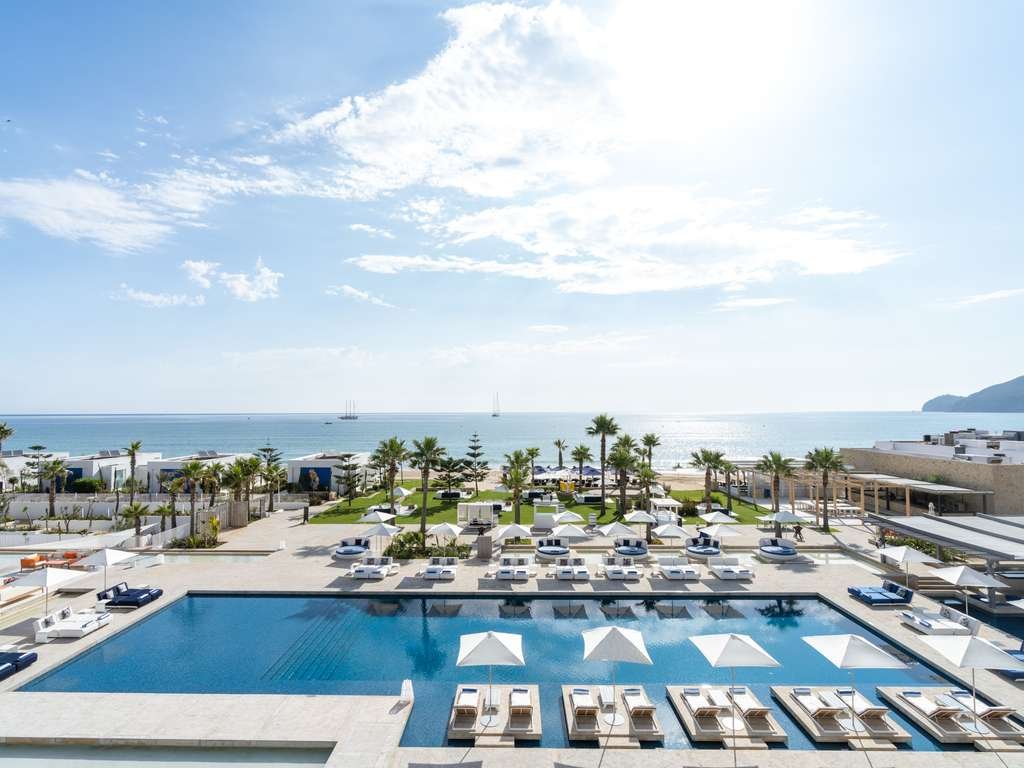
Elegant, resort-style beachfront setting with romantic seaside views, softly lit evening service, and a relaxed yet sophisticated hotel-restaurant atmosphere typical of a luxury all-pool-villa resort.