Club 104
Our verdict
Club 104 belongs to Los Angeles’s flexible dining tier: chef residency, pop-up room, and collaborative platform rather than fixed restaurant template. The appeal is less about a single house canon and more about how a city built on producers, cooks, and borrowed spaces keeps turning temporary formats into serious dining occasions.

Pearl is the En Primeur Club membership app — saves, bookings, and concierge access live there. Same editors, same standards.
- Address
- Los Angeles, United States
The menu
What to order
- Fried chicken wings
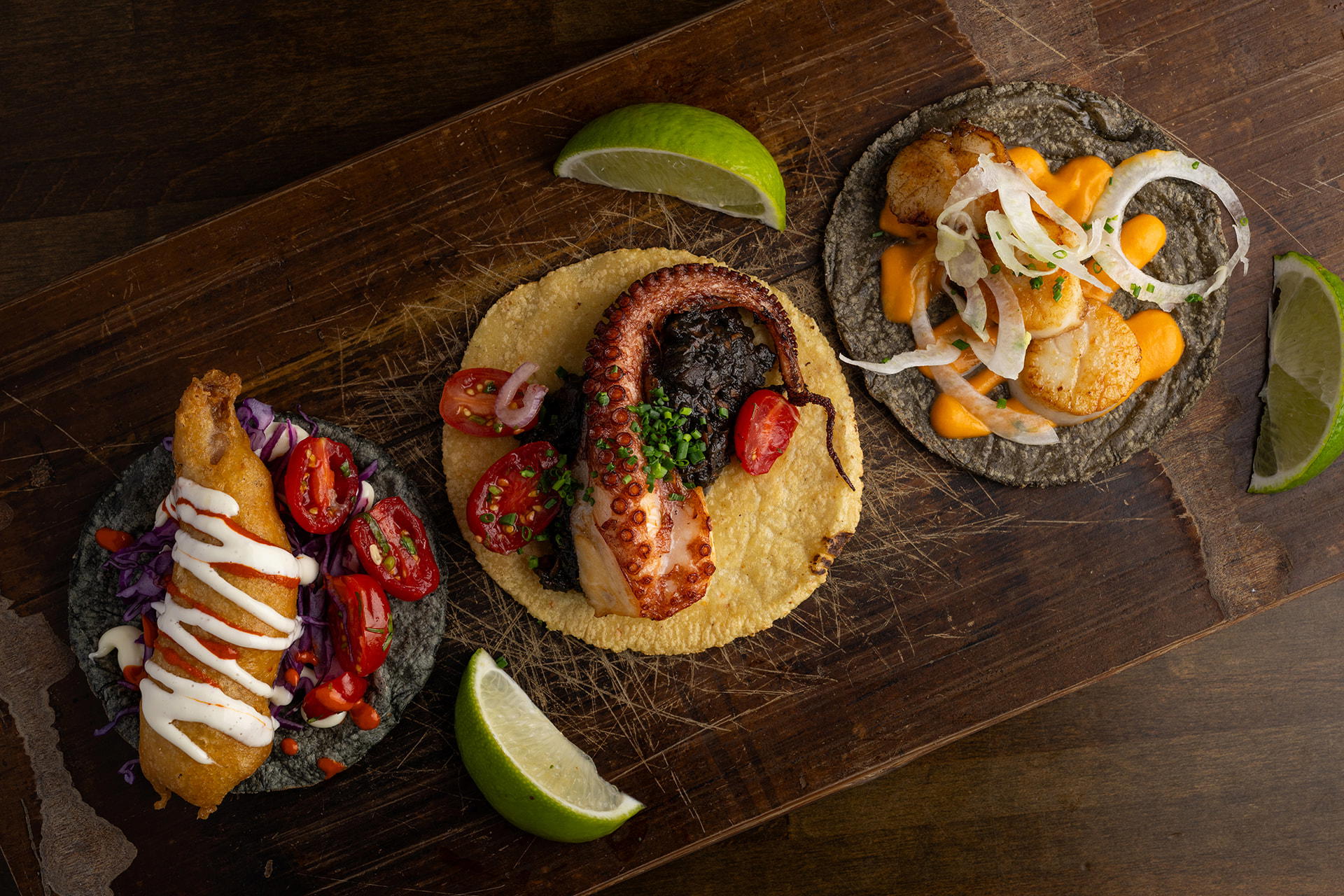
- Tacos (by rotating residents)
In Los Angeles, some of the city’s more interesting meals begin without the usual signals of permanence: no grand dining room mythology, no fixed chef narrative, no tidy category for the reservation app. Club 104 sits in that chef-residency and pop-up space tier, where the room functions as a stage for rotating talent and the experience depends on coordination between kitchen, service, and whoever is shaping the night’s point of view.
A residency format built for a city that eats in motion
Los Angeles has long treated temporary dining as a serious format rather than a side act. Food trucks, ticketed dinners, chef collaborations, and short-run residencies all fit a city where talent often appears before capital, and where diners are used to crossing town for a specific night rather than a permanent address. Club 104 belongs to that pattern. Its category matters: a chef residency or pop-up space asks the diner to read the event as much as the venue.
That makes the team dynamic central. In a fixed restaurant, repetition can smooth out the edges; in a residency room, the kitchen, floor, and beverage service have less time to find rhythm. The better versions of this format succeed when the handoff is clean: pacing does not feel improvised, the room understands the menu’s logic, and hospitality translates a visiting chef’s language without turning dinner into a lecture. Club 104’s relevance in Los Angeles rests on that collaborative challenge more than on a static cuisine label.
For readers mapping the city’s broader dining spread, the format sits apart from fixed-menu restaurant browsing in our full Los Angeles restaurants guide. Other Los Angeles dining rooms, counters, bars, and category-driven restaurants often read through established expectations, whether the pull is seafood, burgers, Japanese cooking, New American menus, or pizza. A residency space is more elastic: the category is the platform, and the specific program determines how the night should be understood.
Why the room depends on coordination, not just cooking
Pop-up dining often gets discussed through chefs, but the stronger editorial question is operational. Who explains the format? Who keeps the night from dragging? Who decides whether wine, sake, cocktails, or nonalcoholic pairings support the menu rather than distract from it? In Los Angeles, where diners move easily between tasting counters, hotel restaurants, bar-led food programs, and cultural events, a residency has to feel intentional from arrival to final course.
The chef may supply the reason for the booking, but front-of-house determines whether the idea lands. That is especially true when the cuisine changes by residency, because the room cannot rely on a single familiar script. Service has to give enough context to make the meal legible without flattening the visiting team’s voice. Beverage work matters for the same reason: a flexible room needs pairings and pours that can adapt across styles instead of forcing every menu into one house identity.
This is where Los Angeles is unusually well suited to the model. The city’s dining culture already accepts movement between formats: a serious night can happen in a hotel dining room, a small counter, a bar, a producer-led event, or a temporary collaboration. Readers planning around the wider city can cross-reference our full Los Angeles hotels guide, our full Los Angeles bars guide, our full Los Angeles wineries guide, and our full Los Angeles experiences guide to understand how dining now overlaps with travel, drinking, and cultural programming.
How to read Club 104 before committing
The practical move is to treat Club 104 as an event-led dining choice. Before choosing a date, read the announced residency, the menu format, and the collaboration details with care. A pop-up space can shift tone from casual to highly structured depending on who is cooking and how the service is arranged. That variability is part of the attraction, but it also means the name on the door tells only part of the story.
Los Angeles diners who enjoy format-specific meals will understand the appeal quickly. The city already rewards close reading, from compact specialist counters to beverage-focused rooms and temporary collaborations. Beyond Los Angeles, EP Club’s wider restaurant archive shows how specific formats define expectations in different markets, reinforcing the same lesson: the format is not background information, but part of what a diner is choosing.
The verdict is format-driven. Club 104 makes sense for diners who follow chefs, residencies, and collaborative nights rather than those seeking a fixed house menu. In a city comfortable with temporary rooms and serious experiments, that is a credible lane, provided the announced team and format match the night a diner wants.
Frequently asked questions
Would Club 104 be comfortable with kids?
Club 104 is a chef residency / pop-up space in Los Angeles, so the fit for kids depends on the specific residency and start time. The format tends to suit older diners better than a long, fixed-service dinner.
What is the atmosphere like at Club 104?
Expect an event-led room shaped by the current residency rather than a permanent restaurant format. In Los Angeles, that usually means a more flexible setting, with the tone changing from one chef program to the next.
What cuisine category does Club 104 fall under?
Club 104 is categorized as a chef residency / pop-up space.
Do they take walk-ins at Club 104?
With a chef residency / pop-up space like Club 104, planning ahead is the safer approach. The Los Angeles format is built around scheduled dining events, so walk-in availability should not be assumed.
Reputation & Price
Comparable venues nearby, for context on price, style, and recognition.
| Venue | Cuisine | Price | Notes |
|---|---|---|---|
| Club 104This venue — the venue you are viewing | Rotating comfort-food stall in a modern food hall | $20–30 | Not listed |
| Beachwood Cafe Hollywood | Farm-fresh American Cafe | $20–30 | Beachwood Canyon, Farm-fresh American Cafe |
| Stamp Proper Foods | Healthy American Cafe | Not listed | Los Feliz, Healthy American Cafe |
| Verve Coffee Roasters | Not listed | Not listed | Beverly Grove, Specialty Coffee Roasters & Cafe |
| Tart | Cozy American Comfort | Not listed | Beverly Grove, Cozy American Comfort |
| A Votre Santé | Healthy California Global | $20–30 | Brentwood, Healthy California Global |
Continue exploring
More in Los Angeles
Restaurants in Los Angeles
Browse all →
Bars in Los Angeles
Browse all →

Hotels in Los Angeles
Browse all →
Wineries in Los Angeles
Browse all →
Details
- Lively
- Trendy
- Energetic
- Modern
- Casual Hangout
- After Work
- Group Dining
- Late Night
- Standalone
- Design Destination
- A La Carte
- Counter Dining
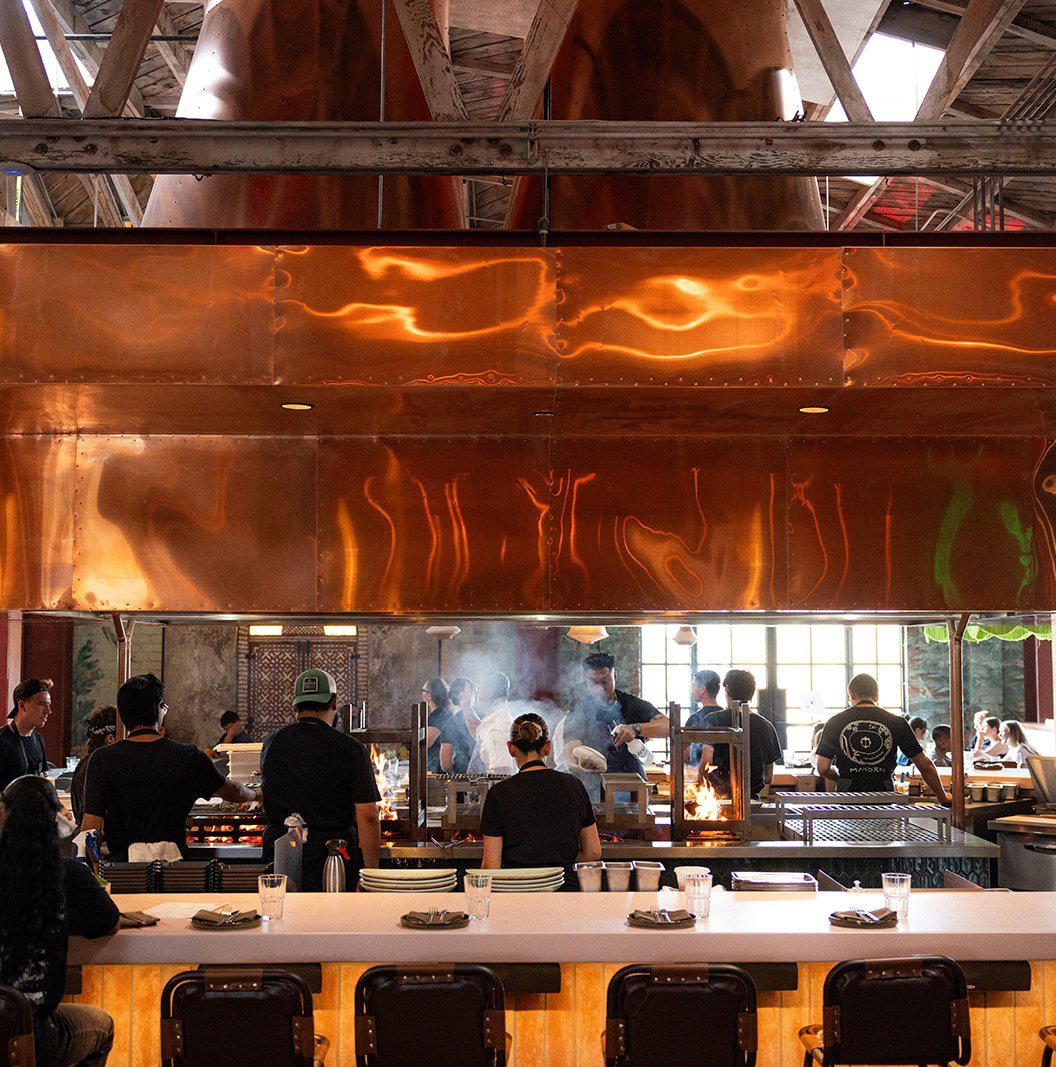
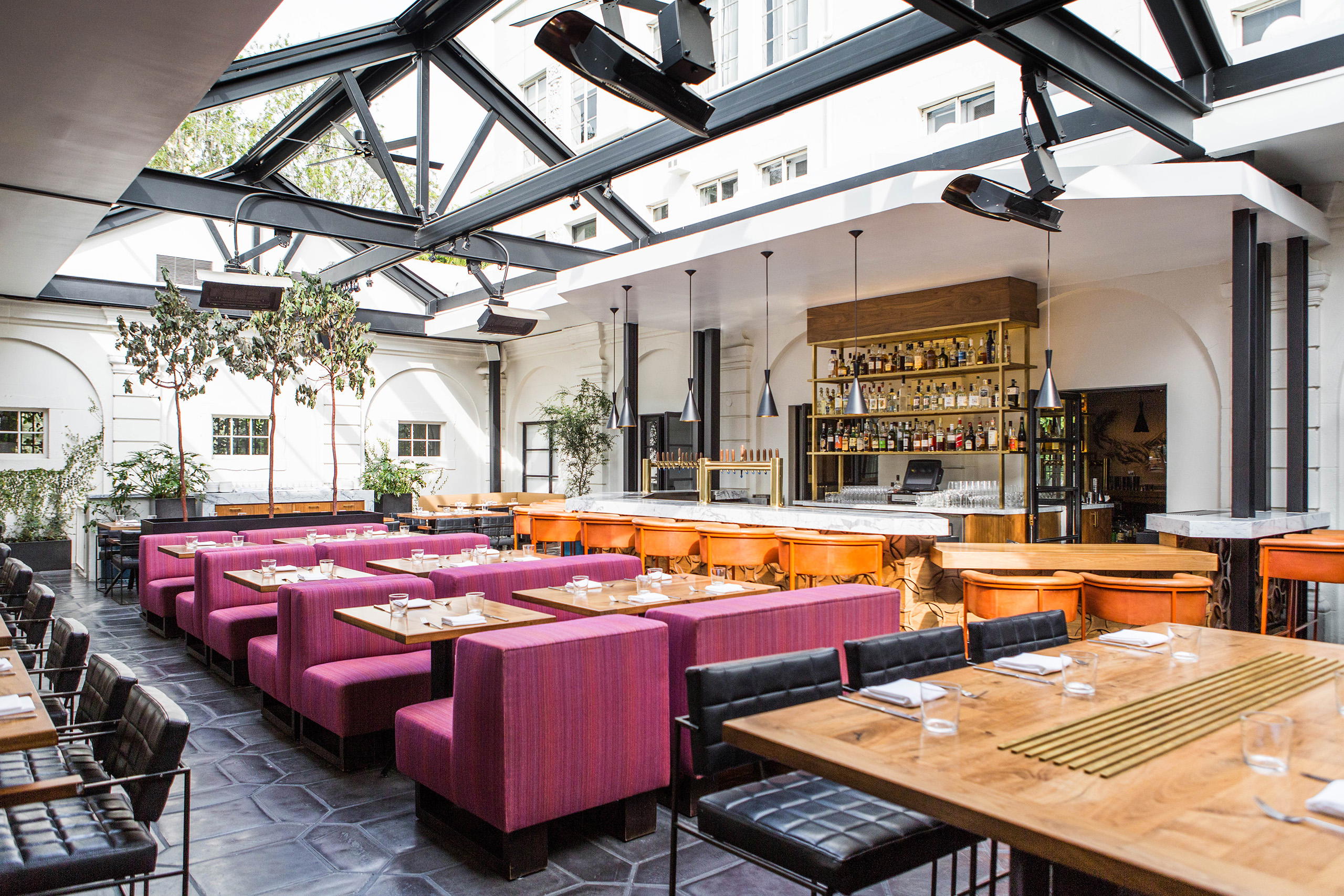
Set within the stylish Maydan Market food hall, Club 104 has a buzzy, energetic feel with shared communal seating, bright contemporary design, and the casual bustle of multiple vendors and digital ordering all around.