Cinnamon sits in central Jakarta’s hotel-dining corridor, a useful lens on how the city folds Indonesian, regional Asian, and international hotel-restaurant habits into one room. With no public award or price signal attached, it is better read as a practical, city-centre dining option than as a destination built around chef mythology or tasting-menu theatre.
Pearl is the En Primeur Club membership app — saves, bookings, and concierge access live there. Same editors, same standards.
- Address
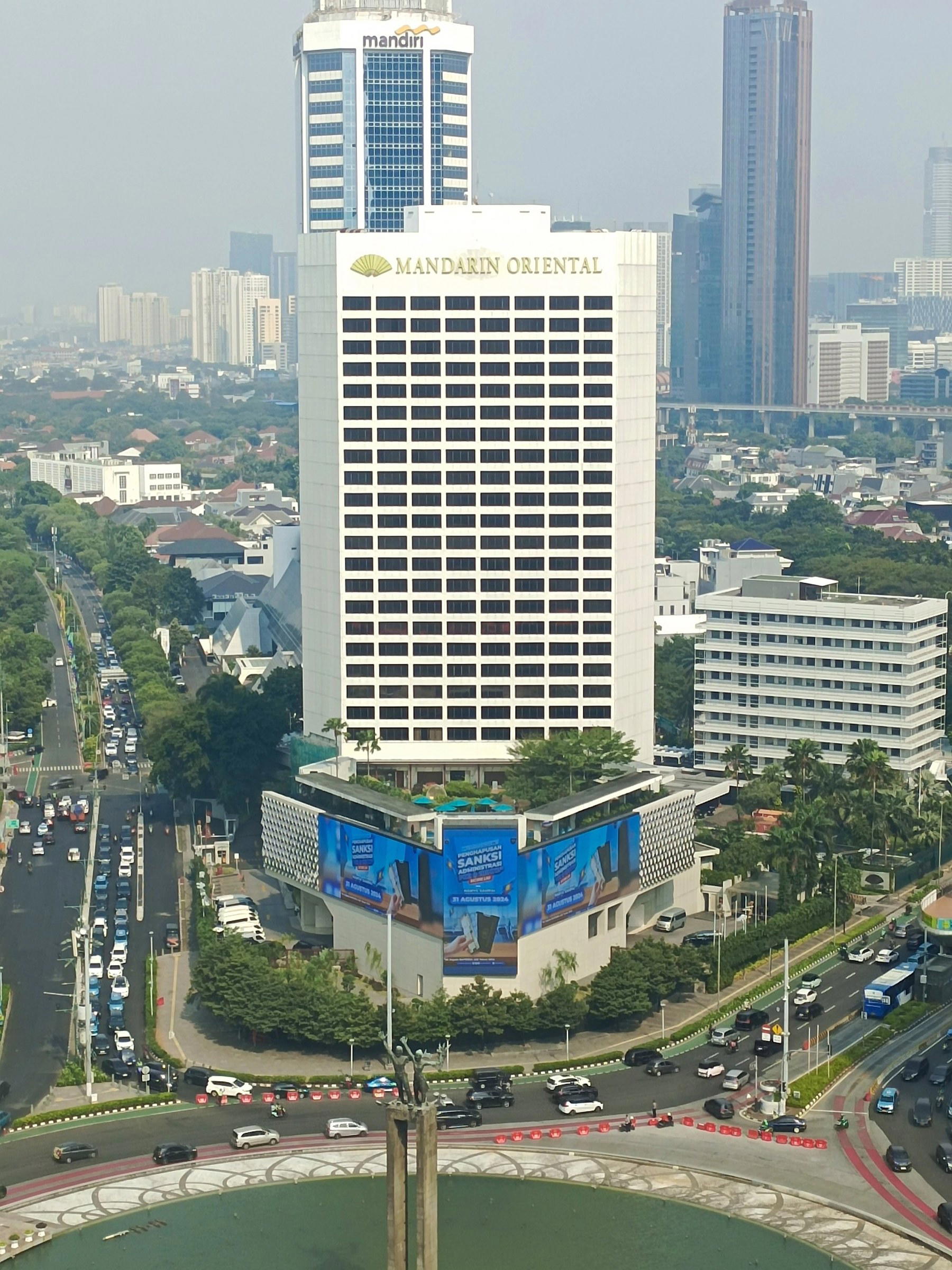
- Jl. M.H. Thamrin, RT.1/RW.5, Menteng, Kec. Menteng, Jakarta, Daerah Khusus Ibukota Jakarta 10310, Indonesia
- Phone
- +62 21 29938823
- Website
- mandarinoriental.com
- Directions
- Get directions
 Saves & bookings on Pearl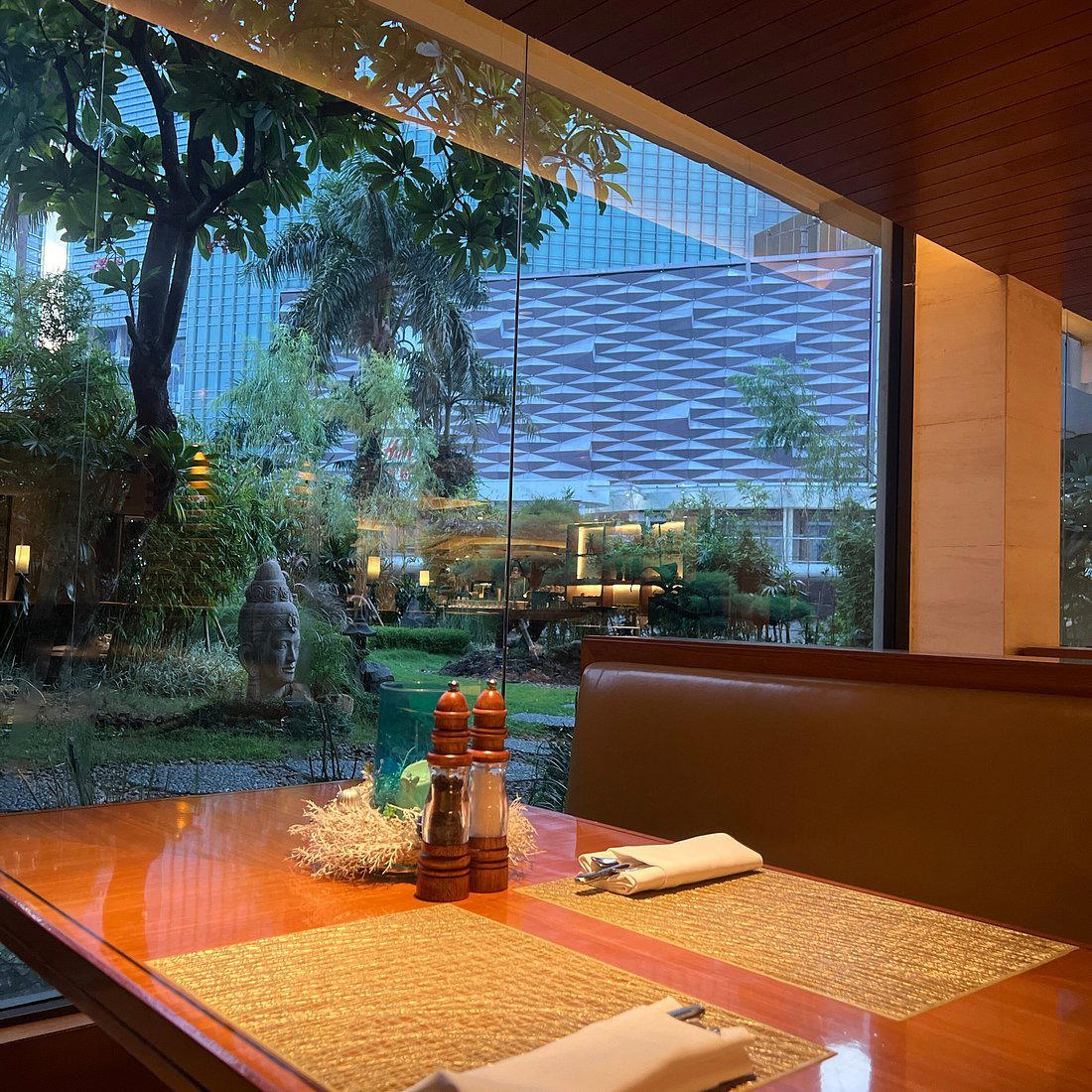
Jakarta dining often begins before the menu appears: the rhythm of traffic, the formal polish of hotel lobbies, the shift from office hours to family tables, and the way business dining, tourism, and local rituals overlap in the same room. Cinnamon belongs to that Jakarta category where comfort and access matter as much as culinary ideology. The point is not a single chef’s manifesto; it is the city’s habit of making hotel restaurants function as neutral ground for breakfast meetings, multigenerational meals, and travellers who want local context without committing to a specialist-only format.
That matters in Jakarta because the city’s restaurant culture is split across several lanes. There are restaurants that make a case for focused dining, and others that lean into formality, familiarity, or the convenience of a polished setting. There are also hotel-led rooms where the setting carries part of the brief. Cinnamon sits close to this lane: a Jakarta restaurant shaped by the city’s need for reliability, breadth, and a room that can absorb different kinds of diners without turning dinner into a performance.
Jakarta's hotel dining culture, read through one room
In Jakarta, hotel restaurants do more cultural work than their counterparts in many smaller leisure cities. They are not only for guests. They act as meeting rooms with better food, family dining rooms with staff structure, and safe entry points for visitors trying to understand the city’s appetite. Cinnamon’s Jakarta location places it inside that pattern, where the dining room is expected to handle mixed groups: someone ordering conservatively, someone looking for local flavours, someone treating dinner as an extension of a workday.
This is where comparison is useful. Kaum, in Jakarta, speaks more directly to a focused restaurant identity; Li Feng points toward another polished dining lane; Seribu Rasa Menteng occupies a familiar local lane in the city. Cinnamon’s role is different. It reads less as a specialist argument and more as a practical expression of Jakarta’s broad hotel-restaurant grammar, where range, pace, and room management are part of the value.
That distinction keeps expectations honest. Diners looking for a tightly authored tasting menu or a chef-led counter should look elsewhere in the city. Diners trying to place Jakarta’s everyday premium dining habits, especially the crossover between business, hotel hospitality, and family use, will find this kind of room more revealing than a flashier address. The editorial read is not about trophy-chasing. It is a Jakarta dining choice whose usefulness comes from context, convenience, and the way the room fits the city.
What the experience says about dining now
Food culture in Indonesia resists the tidy categories that travel media often tries to impose on it. Jakarta eats across regions, communities, business districts, mall cultures, private clubs, hotel dining rooms, street stalls, and high-spend restaurants. A restaurant like Cinnamon is part of that urban mix rather than a museum of tradition. Its significance is not that it can represent Indonesia in full, because no single dining room can. Its significance is that it belongs to a city where many dining formats coexist within the same daily rhythm.
For a broader read of that spread, the city guide is more useful than any single table: see our full Jakarta restaurants guide, then place dining alongside our full Jakarta hotels guide, our full Jakarta bars guide, our full Jakarta wineries guide, and our full Jakarta experiences guide. Jakarta is not a city to read through restaurants alone. Hotels, bars, malls, and private dining habits all shape where people eat and why.
Indonesia’s wider dining map also matters. Other parts of the country pull different versions of the food culture into view, from resort dining to coffee culture and ingredient-led restaurant scenes. For contrast beyond the capital, compare Jakarta with other Indonesian destinations more generally. Those references show how different the national conversation becomes once it leaves Jakarta’s corporate and hotel core.
Who should put Cinnamon on a Jakarta plan
Cinnamon makes the strongest case for travellers who need a Jakarta meal with low friction rather than a statement reservation. That can mean a first night in the city, a family meal where range matters, or a business-adjacent dinner where the room needs to do its job without demanding too much explanation. The editorial read is practical: choose it for context, convenience, and the way it reflects Jakarta’s polished hotel-dining lane, not for award-chasing.
For diners building a tighter itinerary, pair this kind of Jakarta meal with one more specialised booking elsewhere. A focused comparison might run through Kaum, Li Feng, Seribu Rasa, Seribu Rasa Menteng, or Wee Nam Kee, depending on the shape of the plan. Beyond Indonesia, other cities show different relationships with dining formats and diaspora habits. Cinnamon’s value is more local and more prosaic: it helps explain how Jakarta eats when comfort, access, and cross-generational use are part of the brief.
Cost Snapshot
Nearby venues at a similar price tier for orientation.
| Venue | Cuisine |
|---|---|
| Kaum | Indonesian |
At a Glance
- Lively
- Modern
- Elegant
- Sophisticated
- Energetic
- Family
- Group Dining
- Business Dinner
- Celebration
- Casual Hangout
- Brunch
- Open Kitchen
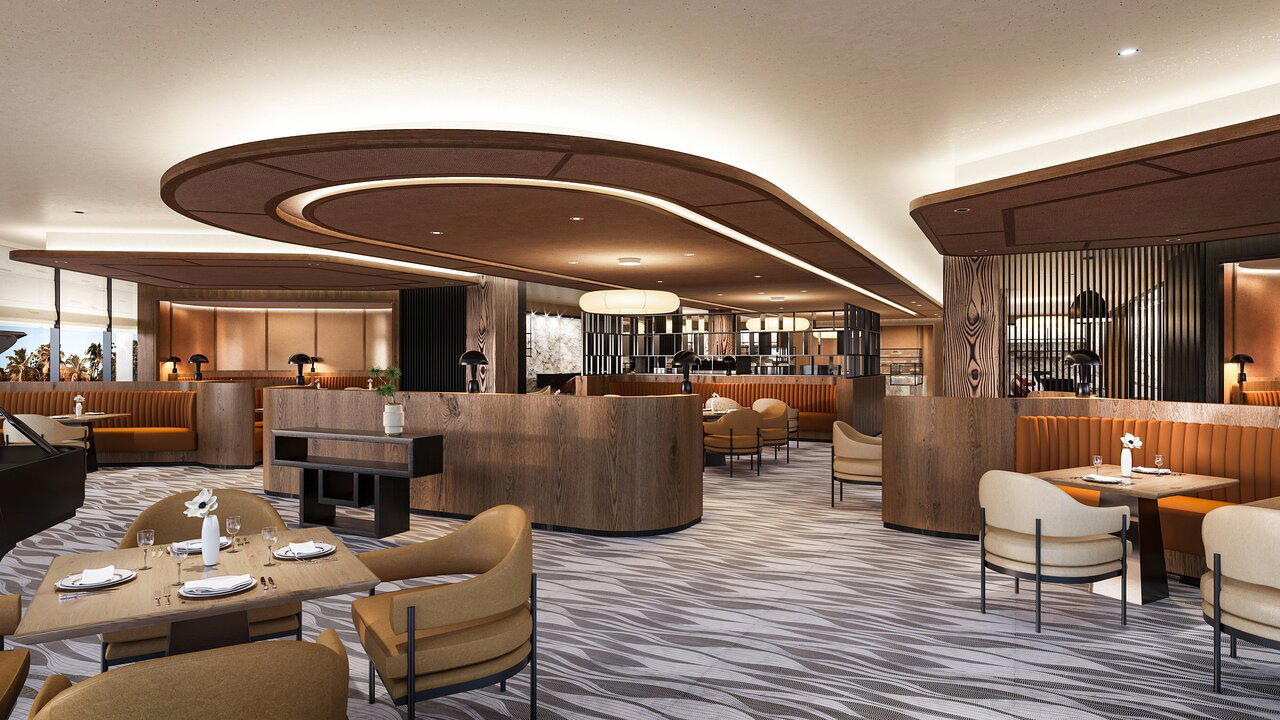
- Hotel Restaurant
- Private Dining
- Beer Program
Current opening hours
- Monday
- 6 AM–10 PM
- Tuesday
- 6 AM–10 PM
- Wednesday
- 6 AM–10 PM
- Thursday
- 6 AM–10 PM
- Friday
- 6 AM–10 PM
- Saturday
- 6 AM–10 PM
- Sunday
- 6 AM–10 PM
Hours can change for holidays and private events. Last verified .
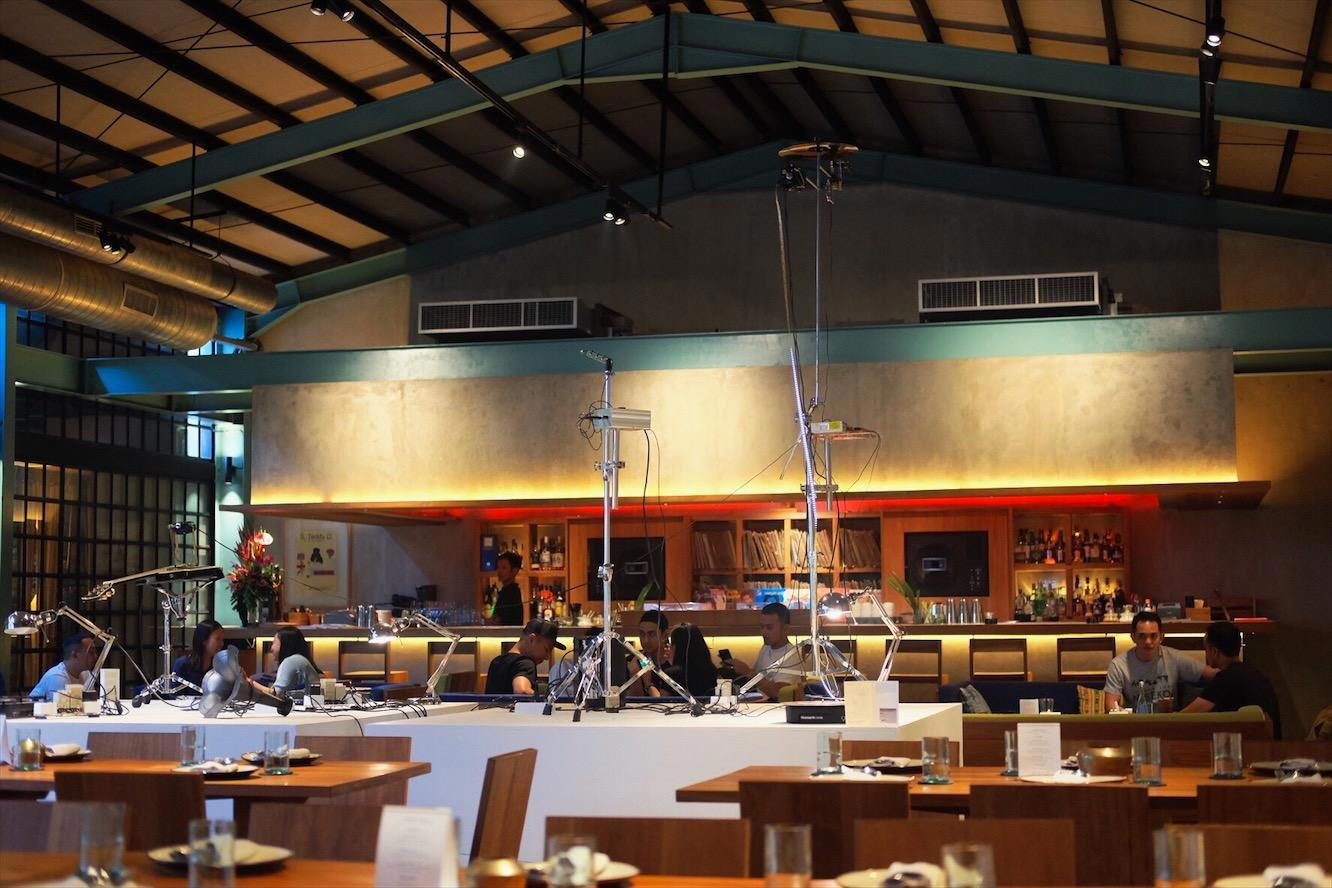
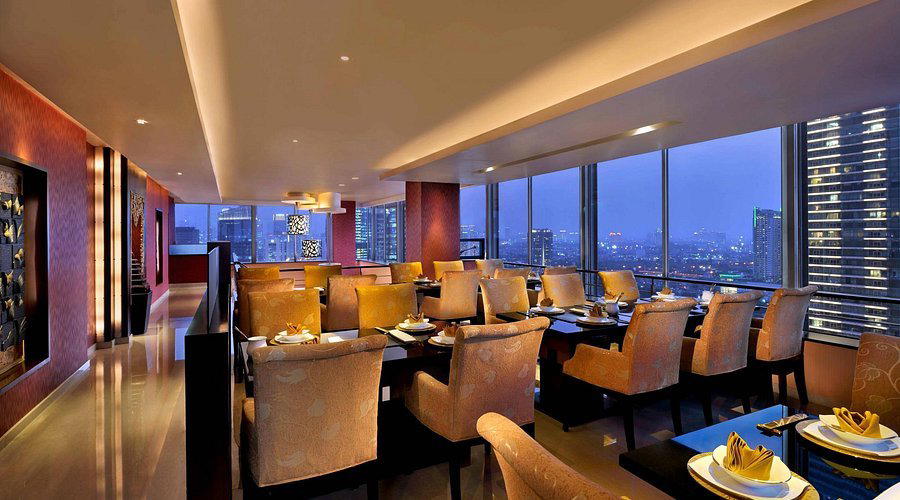
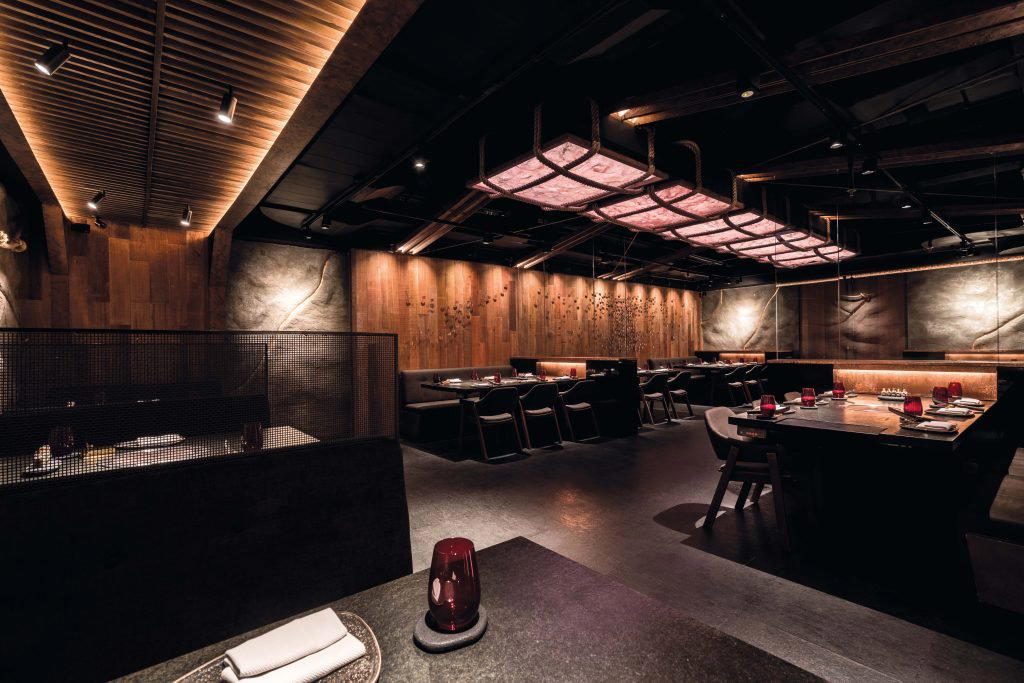
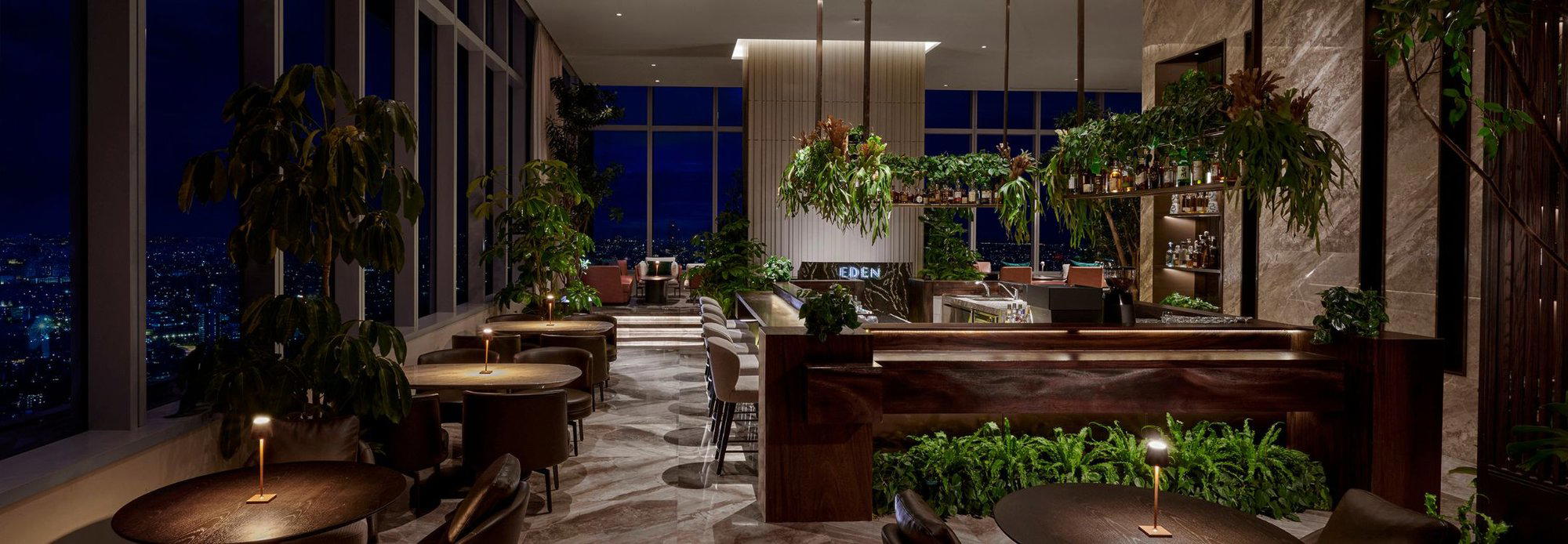
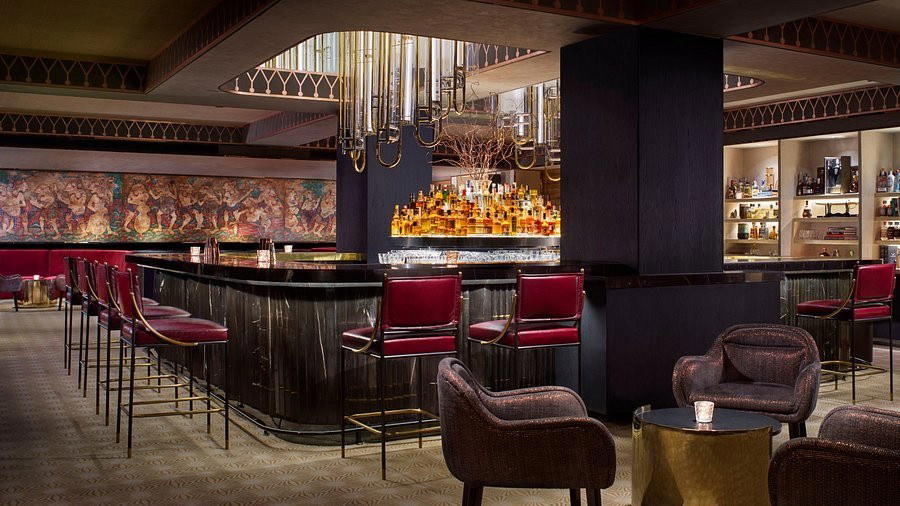
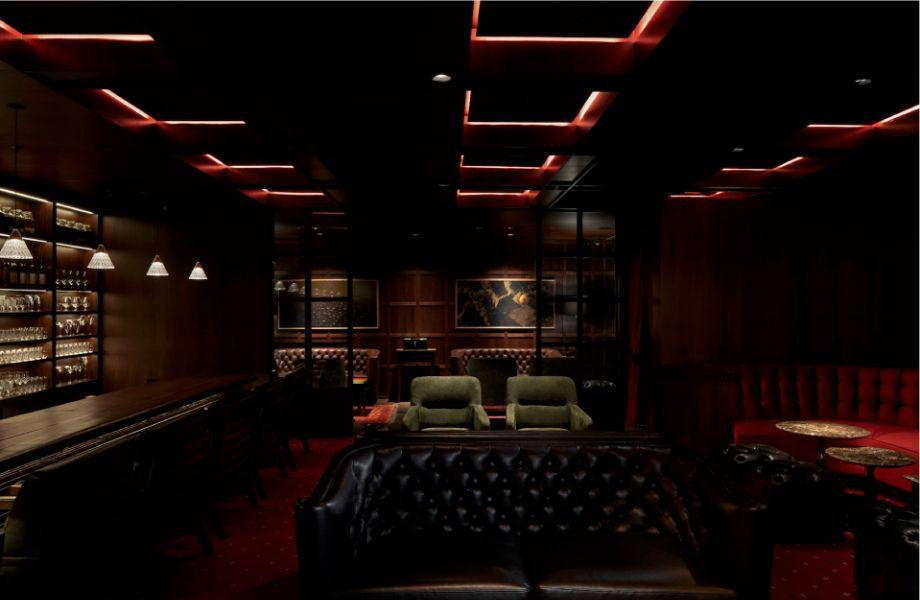
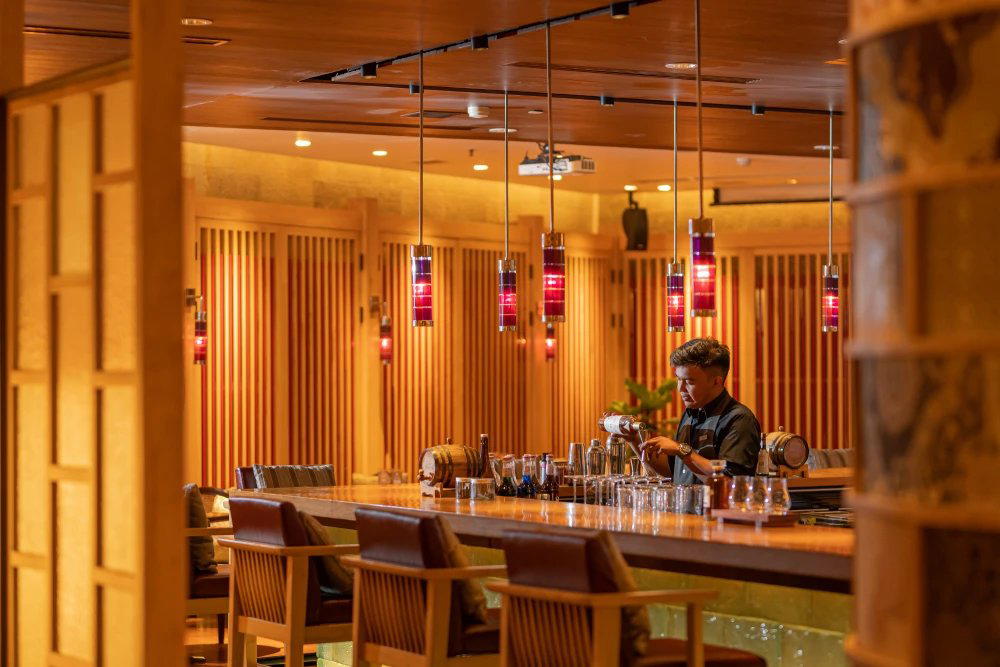
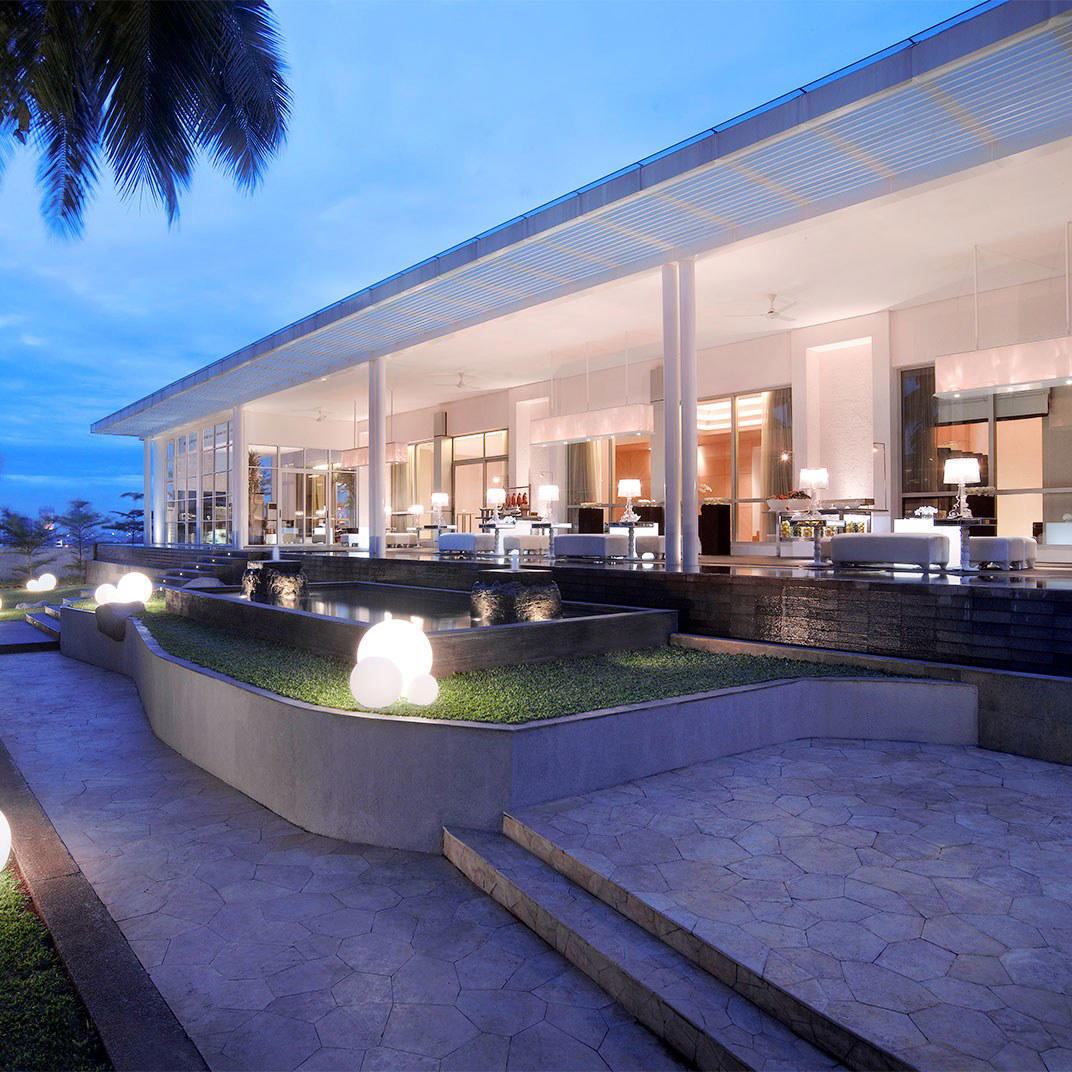
Bright, contemporary hotel‑lobby restaurant with open cooking stations, a constant buffet buzz, and a polished yet relaxed atmosphere suited to both families and business guests.
Know Before You Go
- Reservations
- Recommended
- Dress code
- Smart casual
- Getting there
- Jl. M.H. Thamrin, RT.1/RW.5, Menteng, Kec. Menteng, Jakarta, Daerah Khusus Ibukota Jakarta 10310, Indonesia