Cinghiale
Cinghiale holds a World of Fine Wine 2-Star Accreditation, placing it among a small group of Baltimore restaurants where the wine program operates at a level that shapes the dining experience rather than merely supporting it. Located on Lancaster Street in the Inner Harbor district, the restaurant positions itself within the Italian tradition, a category that, in Baltimore, runs from casual red-sauce institutions to serious import-driven programs like this one.
Pearl is the En Primeur Club membership app — saves, bookings, and concierge access live there. Same editors, same standards.
- Address
- 822 Lancaster St, Baltimore, MD 21202
- Phone
- (410) 547-8282
- Website
- cgeno.com
- Directions
- Get directions
 Saves & bookings on Pearl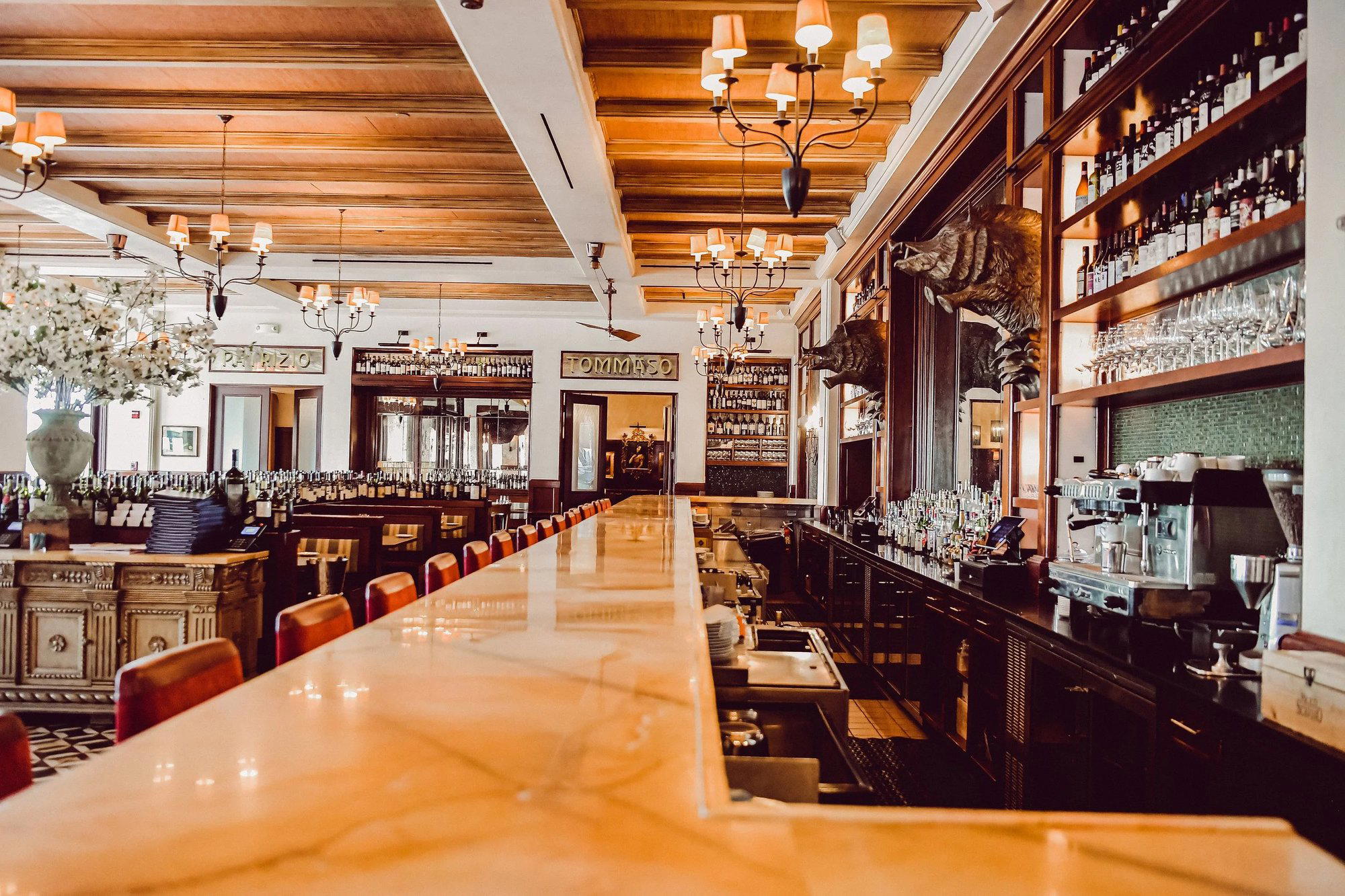
Where the Wine Comes First
Baltimore's Inner Harbor dining corridor has long attracted restaurants that trade on waterfront proximity, but the more interesting addresses on Lancaster Street tend to earn their reputation through what's on the table rather than what's outside the window. Cinghiale, at 822 Lancaster St, occupies that category: an Italian-focused address whose World of Fine Wine 2-Star Accreditation signals a wine program operating well above the regional average, and whose positioning within the city's serious dining tier places it alongside a small comparable set that takes sourcing and provenance as foundational rather than decorative.
The 2-Star Accreditation from the World of Fine Wine awards is not a casual credential. The program evaluates lists on depth, breadth, value calibration, and the evidence of a coherent buying philosophy. At the 2-Star level, a restaurant has demonstrated that its cellar is not assembled opportunistically but built around a point of view, typically one that privileges producer-driven wines, correct aging, and range across price points. In the context of Italian cuisine, where the pairing logic runs from Barolo to Vermentino and the sourcing geography spans twenty distinct wine regions, that kind of list is genuinely difficult to construct.
The Italian Tradition in an American City
Italian cooking in the United States has always existed in two registers. The first is the red-sauce, neighborhood-institution model, long-established, beloved, and often more about American immigrant history than about the ingredient traditions of any particular Italian region. The second is the sourcing-led approach, where the kitchen's credibility rests on what it imports, what it selects, and how closely it tracks the seasonal and regional logic of Italian producers. Cinghiale operates in that second register, with a modern Italian fine dining approach.
This distinction matters because it shapes everything from the wine list to the proteins on the menu. The restaurant's name, Italian for wild boar, signals an allegiance to the kind of ingredient that defines central Italian cooking: game, forage, and the cured traditions of Umbria and Tuscany that depend on it. Cinghiale as a culinary reference point belongs to the cucina povera lineage, where flavor comes from the quality and handling of primary ingredients rather than from technique-heavy elaboration. That framing, whether the kitchen fully pursues it or interprets it loosely, positions the restaurant in a different conversation from Italian-American comfort cooking.
For comparison within Baltimore, the city's Italian and broader European fine-dining tier is relatively compact. Cindy Wolf's Charleston anchors the high-end American fine dining end, while addresses like dede and Baba'de represent the city's growing interest in Eastern Mediterranean cooking. Cinghiale holds a specific position in this mix: it is the address most legibly committed to the Italian wine and food tradition at a documented program level.
Sourcing as the Editorial Spine
The logic of Italian regional cooking depends almost entirely on sourcing fidelity. Dishes that read as simple, a pasta with a long-cooked ragù, a roasted cut finished with aged balsamic, a cheese course that tracks the DOP landscape, are only as good as the materials behind them. American restaurants working in this tradition face a structural challenge: the ingredient supply chain for Italian-specific products (San Marzano tomatoes with genuine DOP status, regional salumi, specific aged cheeses, sustainable wild boar) requires active curation, not passive purchasing.
When a restaurant carries a World of Fine Wine 2-Star list anchored in Italian producers, it is almost always also paying close attention to where its food components come from. The two disciplines draw on the same curatorial instinct. The sommelier or wine director who can articulate the difference between a Barolo from Serralunga d'Alba and one from La Morra is typically working alongside a kitchen that can articulate the difference between commodity prosciutto and a DOP-protected product from a specific Emilian producer. That alignment, wine provenance and food provenance running in parallel, is what separates this category of Italian restaurant from the mass of Italian-branded dining.
This matters particularly in Baltimore, a city whose food identity has historically centered on Chesapeake seafood and the deli tradition most famously represented by Attman's Delicatessen. The Italian fine-dining niche in Baltimore is smaller, and the sourcing work required to sustain it at a credentialed level is proportionally more demanding than it would be in New York or San Francisco.
The Wine Program in Context
A 2-Star World of Fine Wine list places Cinghiale in a comparable set that, nationally, includes particularly seriously constructed wine programs in the country. References like Le Bernardin in New York City, Alinea in Chicago, and The French Laundry in Napa represent the absolute ceiling of American wine programming; Cinghiale's accreditation places it on the same accredited spectrum, even if the scale and format differ. At the global level, properties like Alain Ducasse's Louis XV in Monte Carlo and 8½ Otto e Mezzo Bombana in Hong Kong define what a two-star-caliber Italian wine program looks like at the highest international register.
Within that context, what Cinghiale represents is a regional anchor: a Baltimore address that has built and maintained a list meeting internationally benchmarked standards in a market where that level of wine investment is not commercially obvious. That is a curatorial commitment, and it is documented.
For readers planning a Baltimore table focused on Italian wine, the practical implication is direct: this is the address in the city where the list has been independently evaluated and credentialed. Other restaurants may have good bottles; this one has a program with structure and intent behind it.
Planning Your Visit
Cinghiale is located at 822 Lancaster St in Baltimore's Inner Harbor area, accessible from the downtown core and close to the waterfront. Given the 2-Star wine accreditation and the restaurant's position in Baltimore's fine-dining tier, advance reservations are advisable, particularly for weekend evenings when the Inner Harbor district draws both local and visitor traffic. For anyone combining a Baltimore dinner program with broader exploration, Angeli's Pizzeria covers the casual Italian end of the spectrum, while
- handmade pasta
- pan-roasted black bass
- duck with sweet corn polenta
- John Dory
- squid ink pasta
- short rib
- burrata in black lentils
Fast Comparison
Comparable venues nearby, for context on price, style, and recognition.
| Venue | Cuisine | Price | Notes |
|---|---|---|---|
| CinghialeThis venue — the venue you are viewing | Modern Italian Fine Dining | $$$$ | Not listed |
| La Tavola | Traditional Venetian-Inspired Italian | $$$ | Little Italy |
| Sotto Sopra | Authentic Northern Italian | $$$ | Mount Vernon |
| Valentino's Restaurant | Italian-American | $$ | Northeast Baltimore |
| Cafe Gia | Sicilian-Italian Bistro | $$ | Little Italy |
| Gordon Ramsay Steak | Gordon Ramsay Steakhouse | $$$$ | near Horseshoe Casino |
Recognition history
Dated appearances from independent guides and award organizations, with the underlying list record or original source where available.
World's Best Wine Lists Awards WBWL 2-Star
World's Best Wine Lists Awards
Continue exploring
More in Baltimore
Restaurants in Baltimore
Browse all →
Bars in Baltimore
Browse all →
At a Glance
- Romantic
- Elegant
- Sophisticated
- Scenic
- Date Night
- Special Occasion
- Celebration
- Business Dinner
- Private Event
- Private Dining
- Waterfront
- Open Kitchen
- Wine Cellar
- Extensive Wine List
- Sommelier Led
- Local Sourcing
- Farm To Table
- Waterfront
Current opening hours
- Monday
- 4–10 PM
- Tuesday
- 4–10 PM
- Wednesday
- 4–10 PM
- Thursday
- 4–10 PM
- Friday
- 4–10 PM
- Saturday
- 4–10 PM
- Sunday
- 4–9 PM
Hours can change for holidays and private events. Last verified .
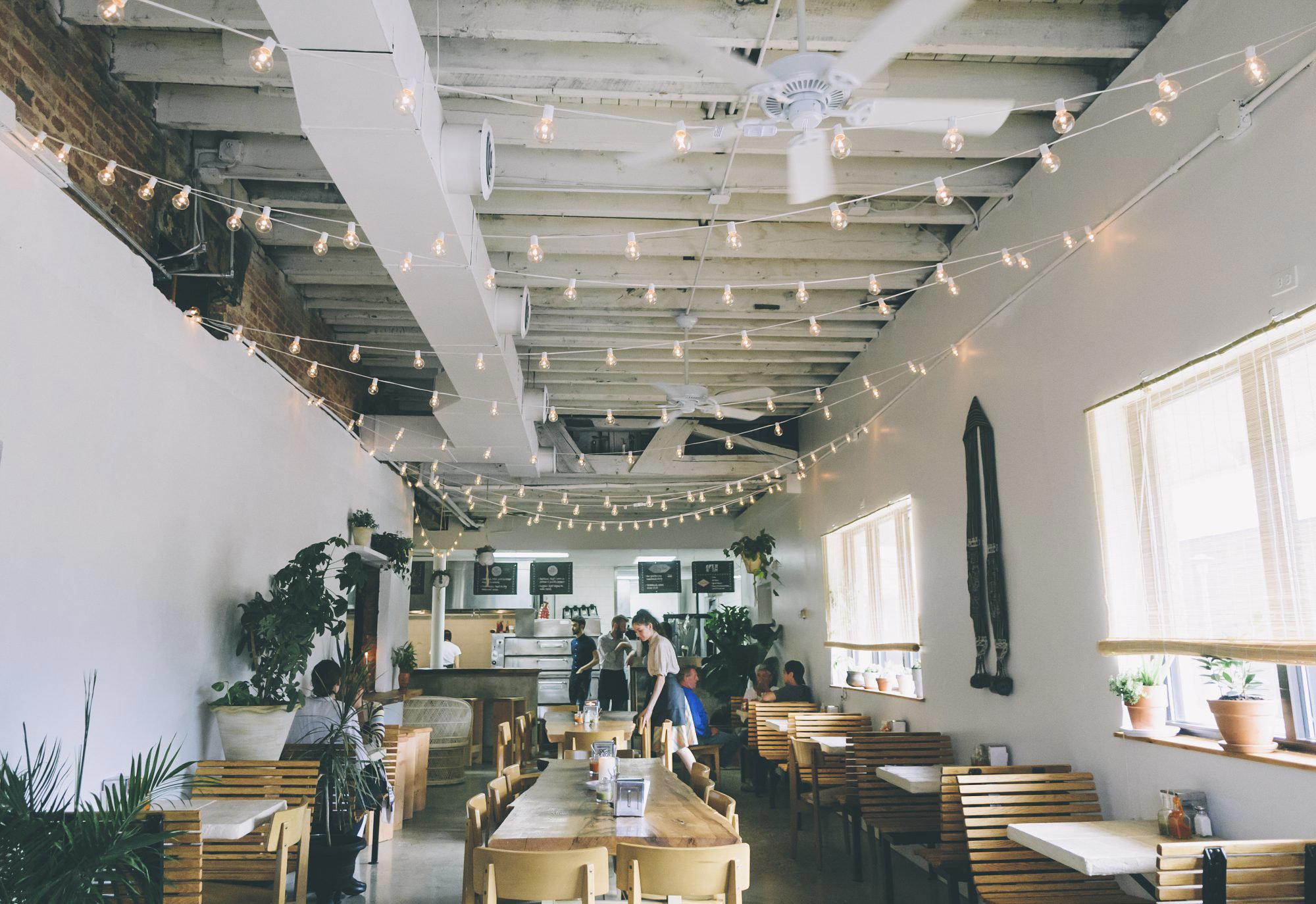
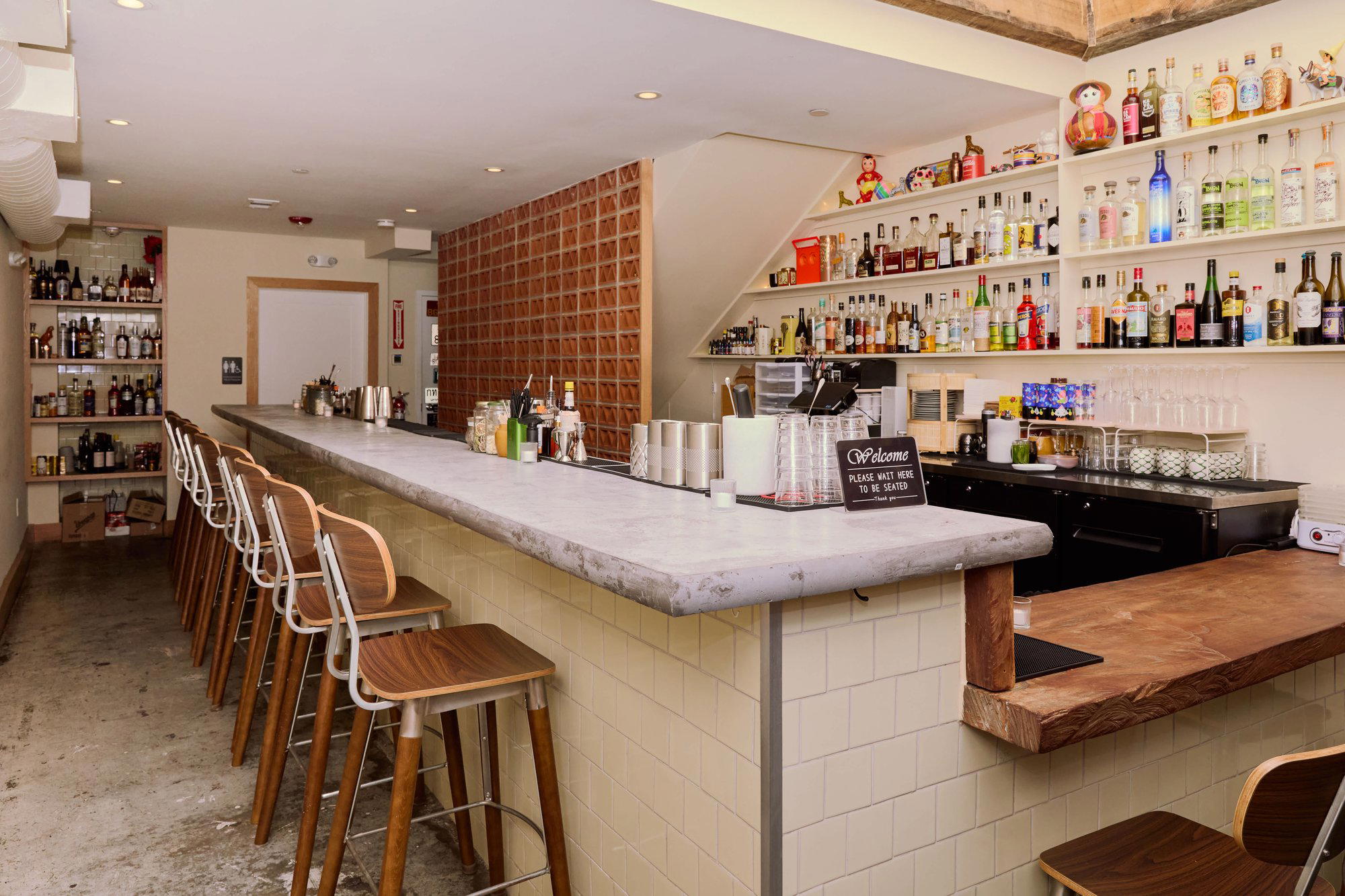
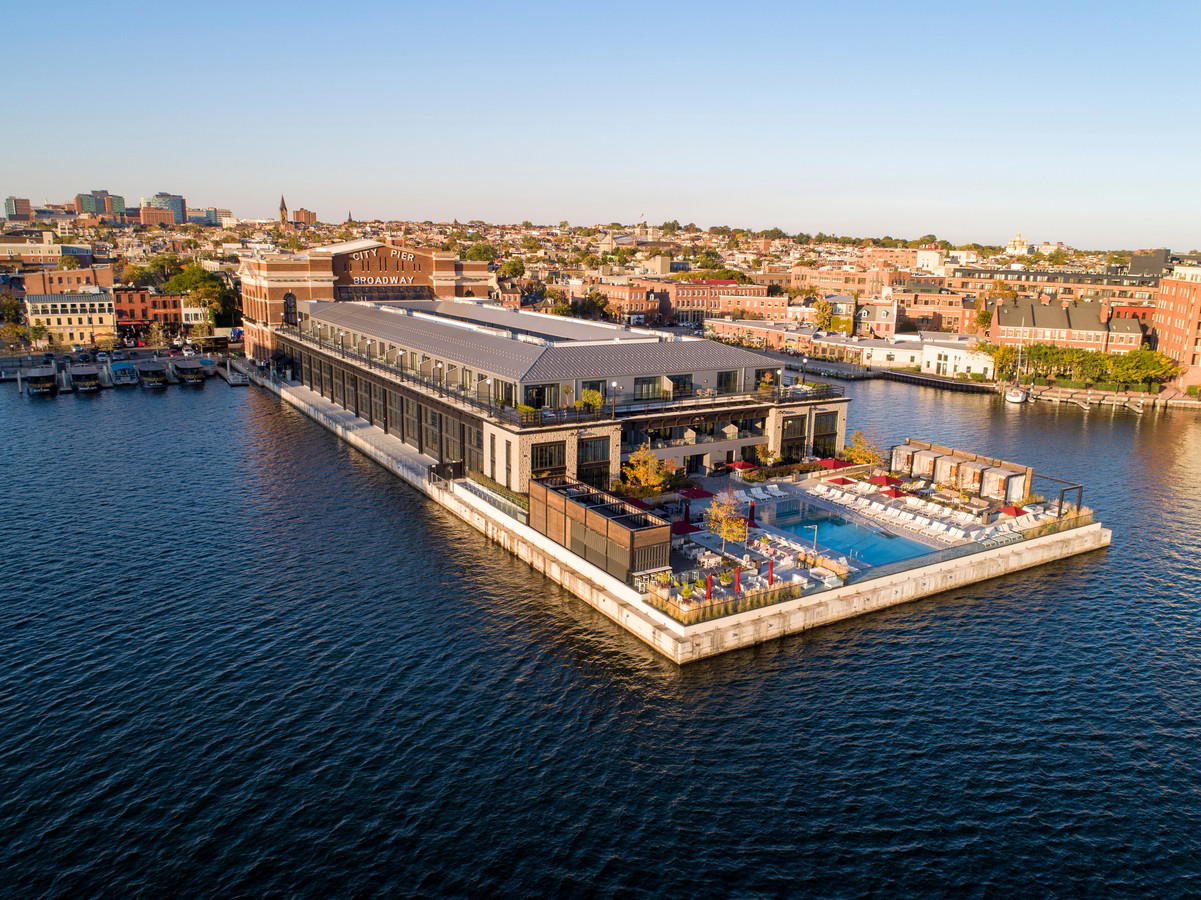
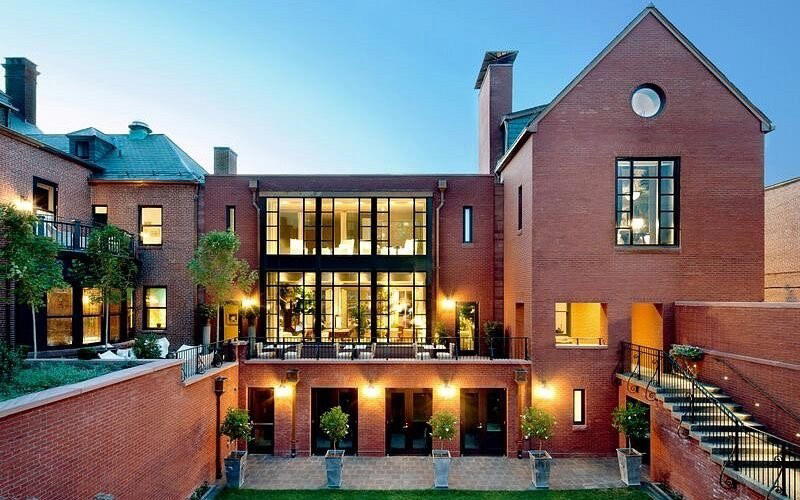
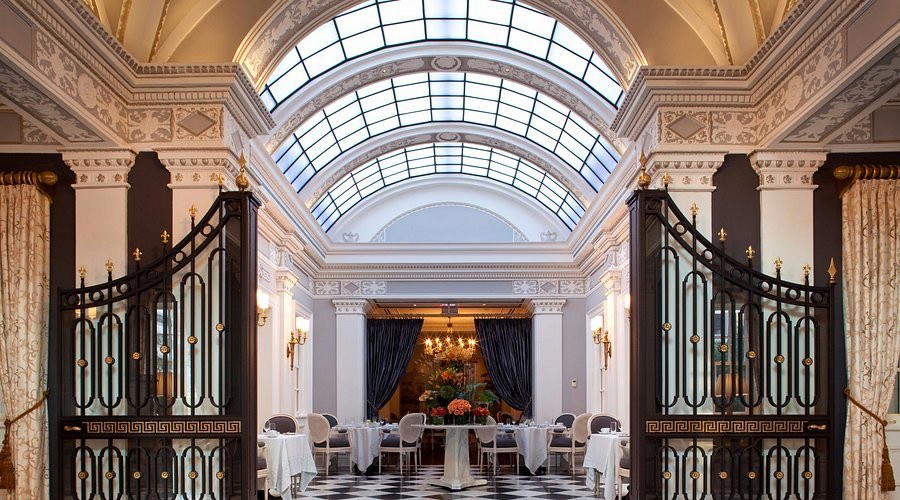
Elegant and refined with rich woods, iron chandeliers, white linens, and wine bottles displayed throughout; waterfront setting with warm, inviting atmosphere that feels both sophisticated and welcoming.