Google: 4.8 · 230 reviews






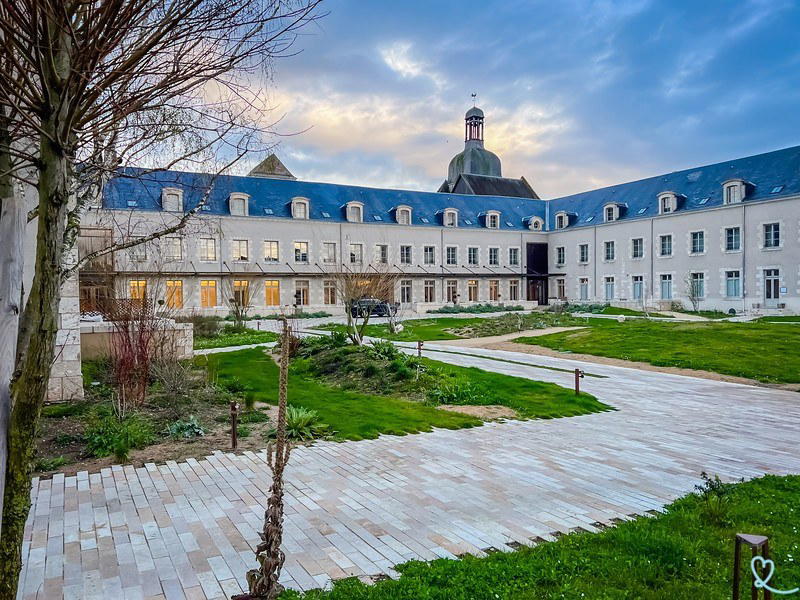
Occupying a 17th-century hospice on the banks of the Loire in Blois, Fleur de Loire holds two Michelin stars and a Green Star under chef Christophe Hay. The kitchen draws heavily from Loire Valley terroir, with vegetables from the restaurant's own gardens sharing equal footing with regional fish and meat. La Liste ranked it 96 points in 2025, placing it among France's upper tier of destination restaurants.
 Discover on Pearl
Pearl is the En Primeur Club membership app — saves, bookings, and concierge access live there. Same editors, same standards.
A 17th-Century Hospice Above the Loire
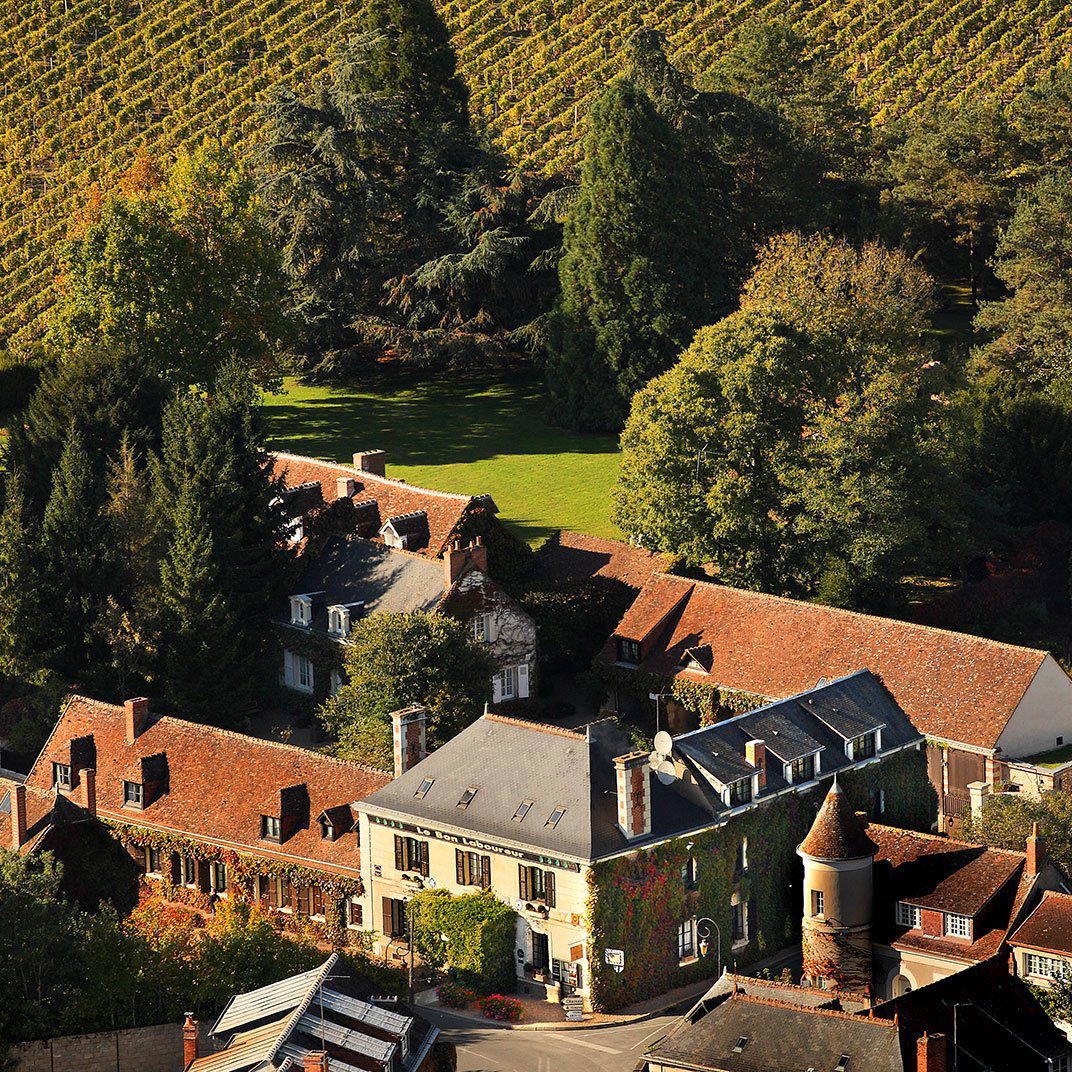
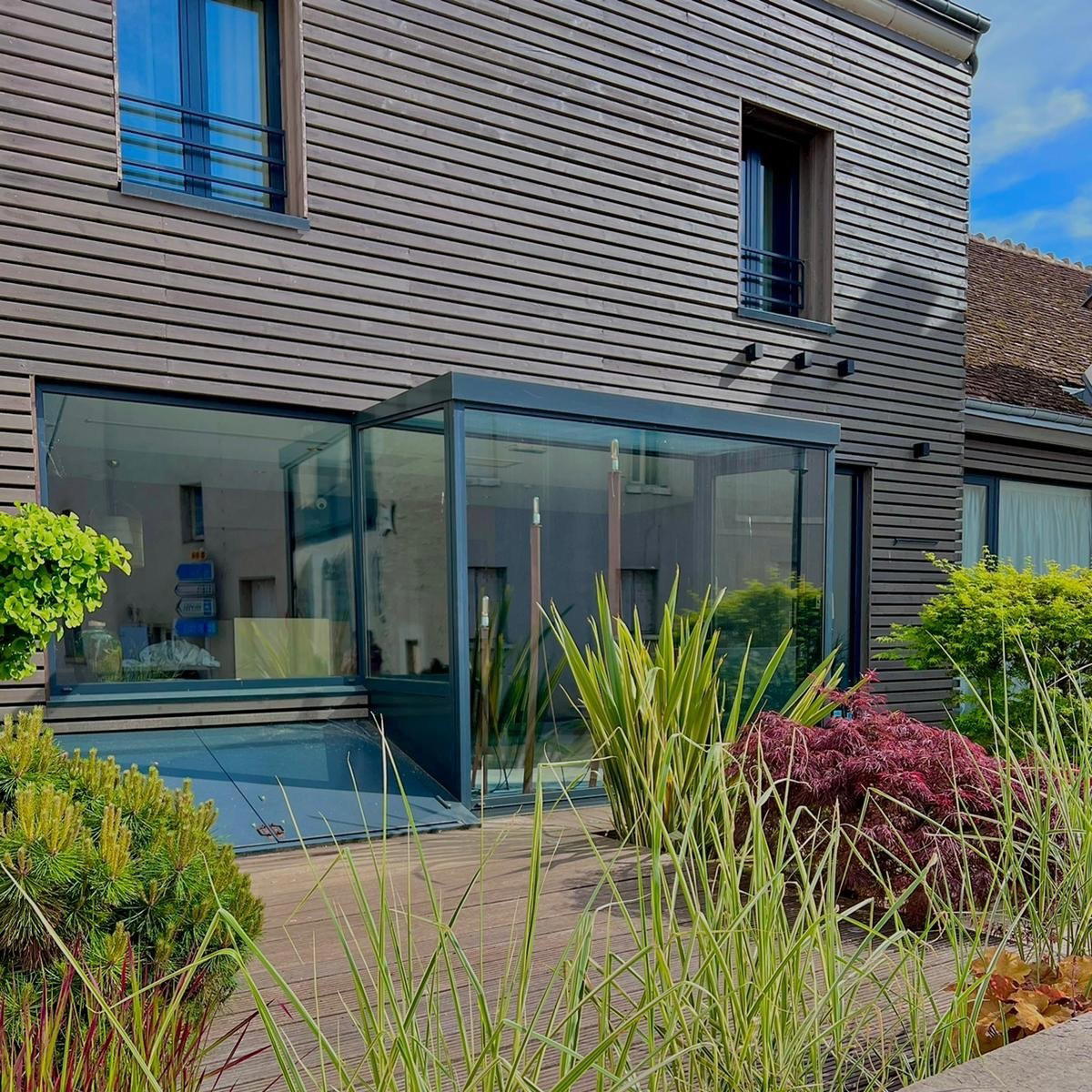
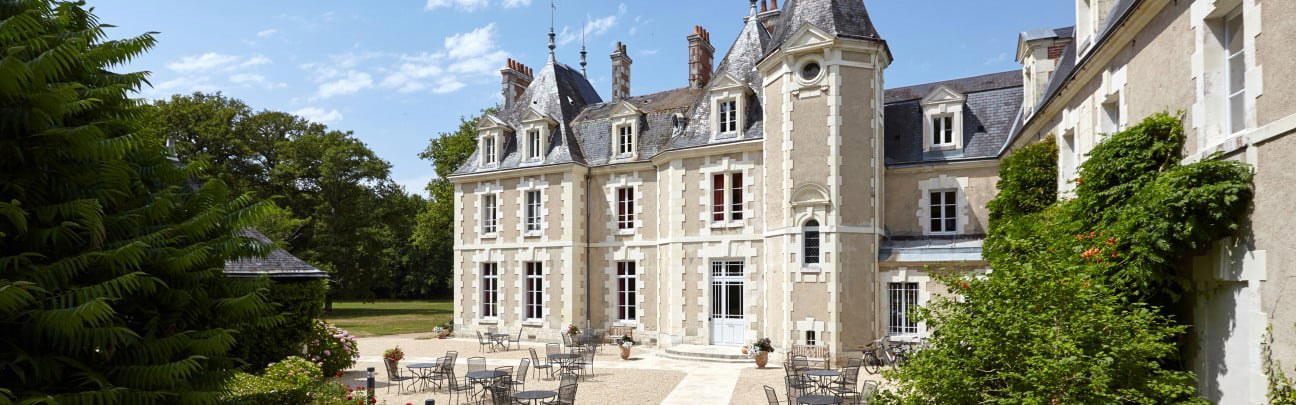
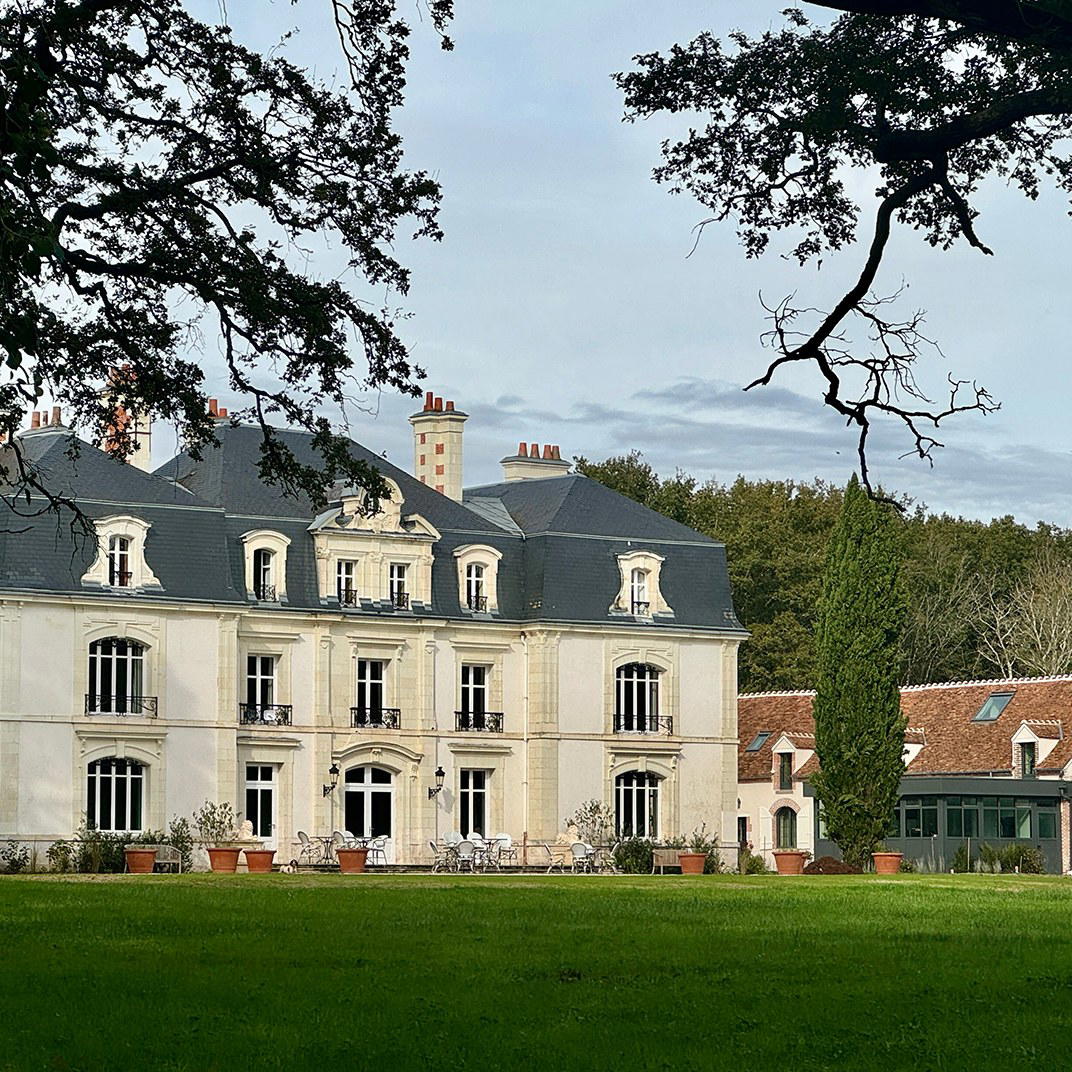
There is a particular kind of arrival that sets the conditions for everything that follows. Standing at 26 Quai Villebois Mareuil in Blois, looking across to the old hospice building with the Loire running below and the château rising behind you, the physical scene does a significant amount of work before the first course arrives. The Loire Valley has always used its architecture and geography to impress, but Fleur de Loire sits at a junction where that geography becomes genuinely functional: the river that defines the valley's wine and produce culture is literally in view, and the centuries-old stone building frames a kitchen philosophy built around the land and water of the same region.
This is not incidental. Destination restaurants that occupy historic buildings sometimes treat the architecture as decoration. Here, the 17th-century hospice structure anchors a proposition that runs from the terroir sourcing through to the visual experience of the dining room itself. The Relais & Châteaux affiliation, confirmed on the restaurant's own materials, signals a standard of hospitality that aligns the property with a particular category of French country-house dining, one that competes on completeness of experience rather than urban-table cachet.
Where Fleur de Loire Sits in the Loire Valley Dining Picture
The Loire Valley has historically been better known for its wine appellations — Sancerre, Pouilly-Fumé, Chinon, Vouvray — than for a deep bench of two-star restaurants. That makes Fleur de Loire's position in Blois somewhat anomalous in the leading sense: a town more associated with royal châteaux tourism than with the kind of restaurant that pulls diners on its own terms. The 2025 La Liste score of 96 points and a prior 95 in 2026 place it consistently in the tier where French cuisine earns international credibility, and the Opinionated About Dining classical ranking at #190 in Europe for 2025 positions it within a peer set that includes established French houses rather than regional newcomers. The Les Grandes Tables du Monde membership (2025) further confirms placement in a curated cohort that values kitchen craft alongside hospitality completeness.
For context on how Blois compares to the larger French fine dining picture, the gap between Fleur de Loire's two-star standing and the three-star tier occupied by restaurants like Alléno Paris au Pavillon Ledoyen in Paris or Troisgros - Le Bois sans Feuilles in Ouches is real, but at the two-star level the kitchen is operating on the same plane of ambition. Comparable terrain restaurants anchored in a specific French landscape, such as Bras in Laguiole or Flocons de Sel in Megève, offer a useful frame: all three are destination restaurants where the landscape outside the window is inseparable from what arrives on the plate.
Terroir as Structure, Not as Garnish
The kitchen's approach at Fleur de Loire reflects a broader shift in French fine dining that has been gathering force for roughly a decade: the move away from protein-centred plates where vegetables provide colour toward menus where vegetables carry genuine structural weight. Hay's own kitchen gardens supply produce directly, which in practice means the menu tracks seasonality closely and the vegetable component is not sourced from a central wholesaler but from the same soil the restaurant looks out over. That operational choice has consequences for flavour and for the consistency of the kitchen's ecological claims.
The Michelin Green Star, awarded alongside the two culinary stars in 2025, is now the industry's most formal recognition of a kitchen's commitment to sustainable practices. Receiving both in the same cycle signals that the restaurant is not treating sustainability as a parallel project but as integrated into the same cooking that earns culinary distinction. At the two-star level in France, that combination remains far from universal, which gives the kitchen a specific competitive identity in addition to its culinary standing. Among the comparisons worth drawing internationally, Mirazur in Menton has made similar garden-to-plate integration a defining part of its profile, as has the wider movement of chefs who treat ecological coherence as a prerequisite rather than a marketing layer.
Regional fish and meat from the Loire Valley sit alongside the vegetables rather than above them in hierarchy, which represents a deliberate balancing of the plate. In a region where the river produces distinctive freshwater species and the land supports a range of livestock, that balance has both culinary logic and local sourcing efficiency.
Blois Within the Broader Loire Valley Context
Blois occupies the geographic centre of the Loire Valley château corridor, sitting between Amboise to the east and Chambord to the west, within roughly an hour's drive of Orléans, Tours, and the Sancerre appellation further south. For a traveller building a Loire Valley itinerary, the town functions as a logical base rather than a day-trip destination, which means Fleur de Loire benefits from a category of guest who is spending multiple nights and has time for the kind of meal that extends over several hours.
The restaurant's quai-side address places it on the working edge of the old town, where the Loire is at its widest and most visually present. Arriving by train to Blois-Chambord station and making the short walk to the quai gives a clear sense of the town's compact scale and the river's physical dominance. Booking through the restaurant's contact at fleurdeloire@relaischateaux.com or by phone at +33 (0)2 46 68 01 20 is the confirmed method; a property of this standing and at this price point (€€€€) warrants advance planning, and reservations should be made well ahead, particularly for dinner service during the château season from spring through autumn.
Christophe Hay's Position in French Cuisine
Within French fine dining, the chefs who have built destination restaurants in secondary cities rather than Paris or Lyon occupy a specific and increasingly respected position. The logic of anchoring a serious kitchen in a place like Blois, rather than opening in a larger urban market, reflects a conviction that terroir-driven cooking has greater integrity when the kitchen is physically close to its sources. That is an argument that French cuisine has always made in theory and that a smaller number of chefs have committed to in practice. Hay's kitchen sits in the latter category: the choice of Blois is structural, not circumstantial.
The broader international conversation around this kind of commitment is reflected in the recognition cycles of restaurants like Frantzén in Stockholm and FZN by Björn Frantzén in Dubai, where chefs have made deliberate choices about location and sourcing that shape their competitive identity. The France-specific version of that argument runs through houses like Paul Bocuse - L'Auberge du Pont de Collonges in Collonges-au-Mont-d'Or, where the distance from Paris has always been part of the pilgrimage logic.
The Blois Dining Context
Fleur de Loire operates at the leading of a Blois restaurant market that covers a wider range of price points and formats. At the €€€€ ceiling, it sits alongside Assa (Creative), which also operates at the prestige end of the local market. A tier below, Le Médicis and Amour Blanc both work in modern cuisine at €€€, while Bro's and Brut maison de cuisine represent accessible modern cooking at €€. That range means a visitor to Blois can build a credible multi-day eating programme across different spending levels. See our full Blois restaurants guide for a complete picture, and our full Blois hotels guide, our full Blois bars guide, our full Blois wineries guide, and our full Blois experiences guide for broader planning across the destination.
Planning a Visit
Fleur de Loire sits at 26 Quai Villebois Mareuil, Blois, on the north bank of the Loire. Contact via fleurdeloire@relaischateaux.com or +33 (0)2 46 68 01 20; the full website is at fleurdeloire.com. At the €€€€ price point, this is a meal that warrants a considered reservation window, particularly during the Loire Valley's busiest tourist periods between April and October. The restaurant's Relais & Châteaux affiliation means guests can enquire about accommodation options in the same property for a full overnight stay anchored around the meal.
Credentials Lens
A compact peer snapshot based on similar venues we track.
| Venue | Awards | Cuisine | Notes |
|---|---|---|---|
| Christophe Hay - Fleur de Loire | Michelin 2 Stars, Les Grandes Tables Du Monde Award (2025), GREEN STAR | Modern Cuisine | This venue |
| Assa | Michelin 1 Star | Creative | Creative, €€€€ |
| Amour Blanc | Modern Cuisine | Modern Cuisine, €€€ | |
| Bro's | Modern Cuisine | Modern Cuisine, €€ | |
| Brut maison de cuisine | Modern Cuisine | Modern Cuisine, €€ | |
| Le Médicis | Modern Cuisine | Modern Cuisine, €€€ |
Continue exploring
More in Blois
Restaurants in Blois
Browse all →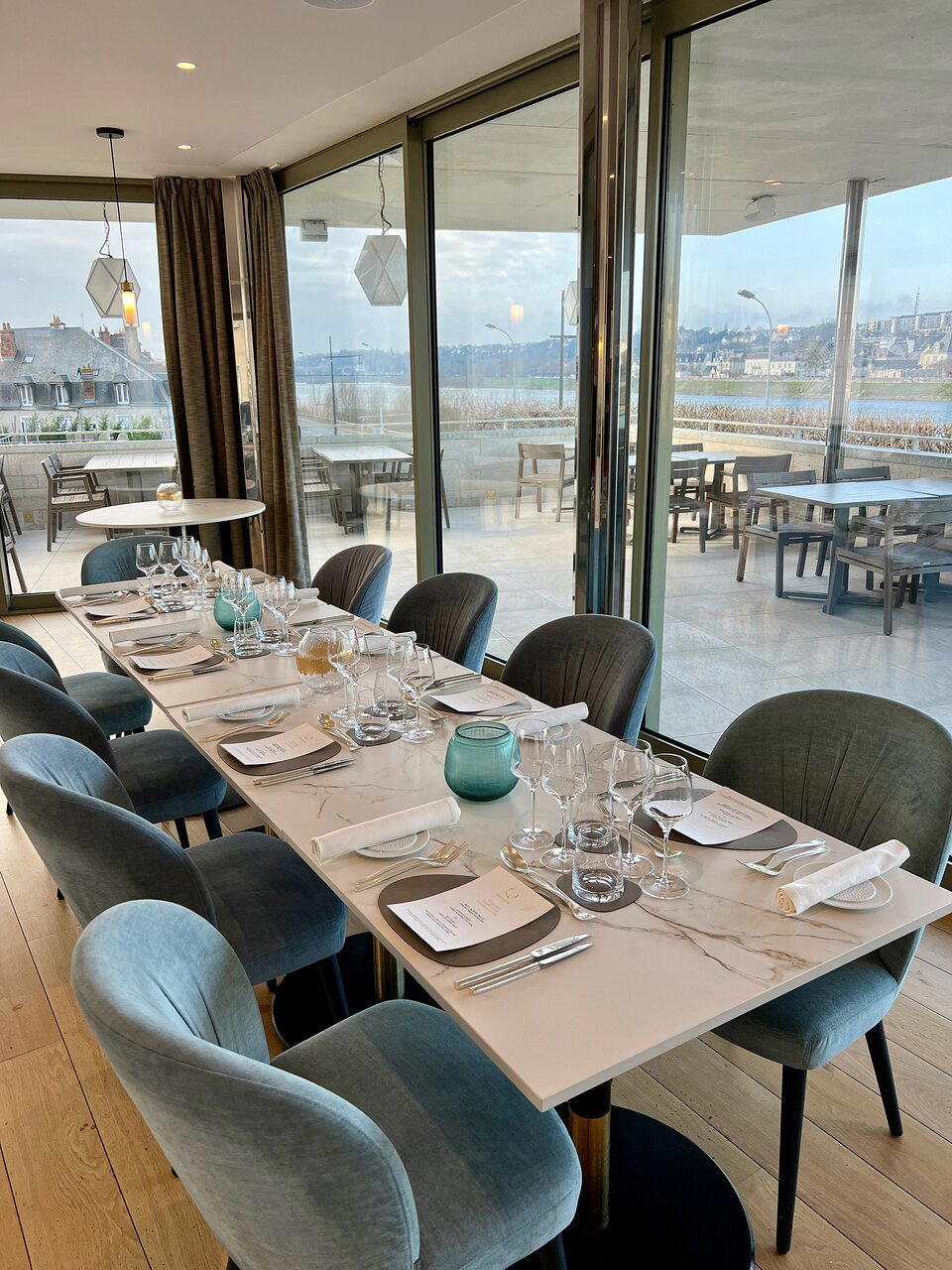
At a Glance
- Elegant
- Sophisticated
- Scenic
- Intimate
- Special Occasion
- Date Night
- Celebration
- Open Kitchen
- Historic Building
- Waterfront
- Hotel Restaurant
- Extensive Wine List
- Farm To Table
- Local Sourcing
- Waterfront
- Street Scene
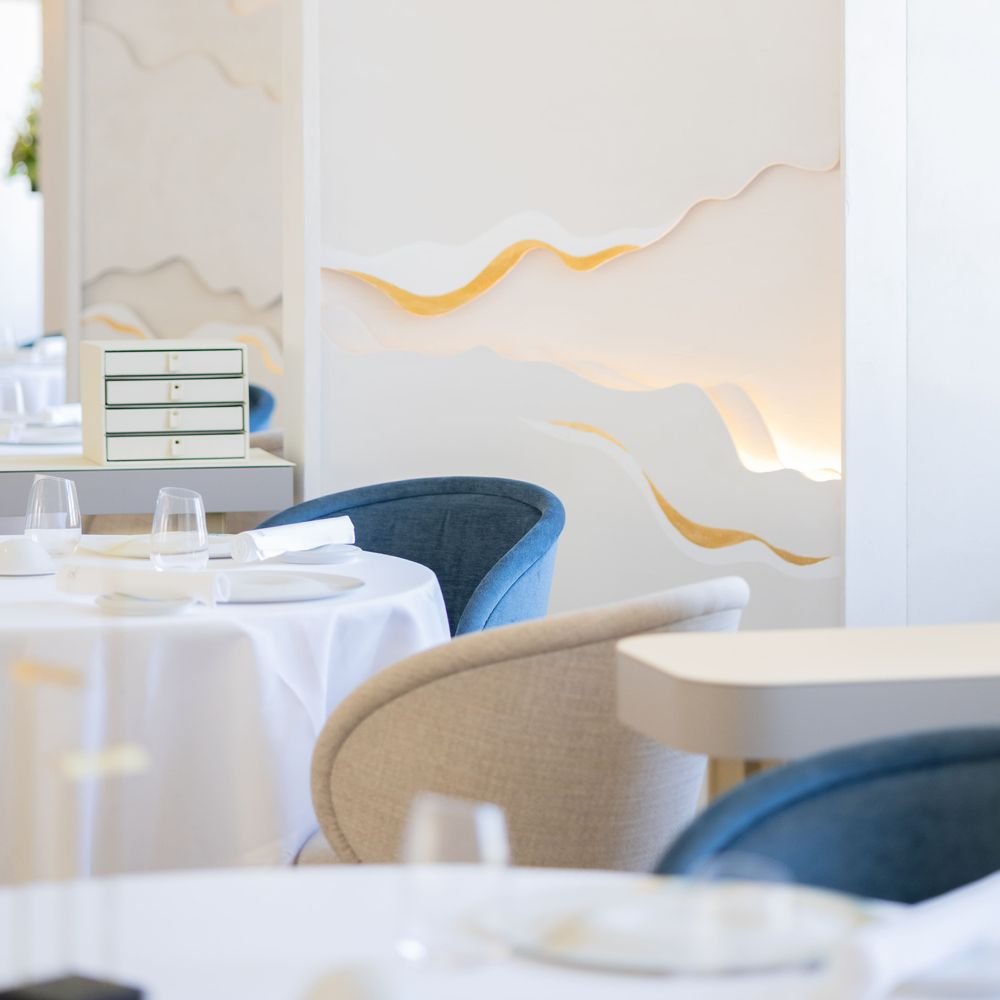
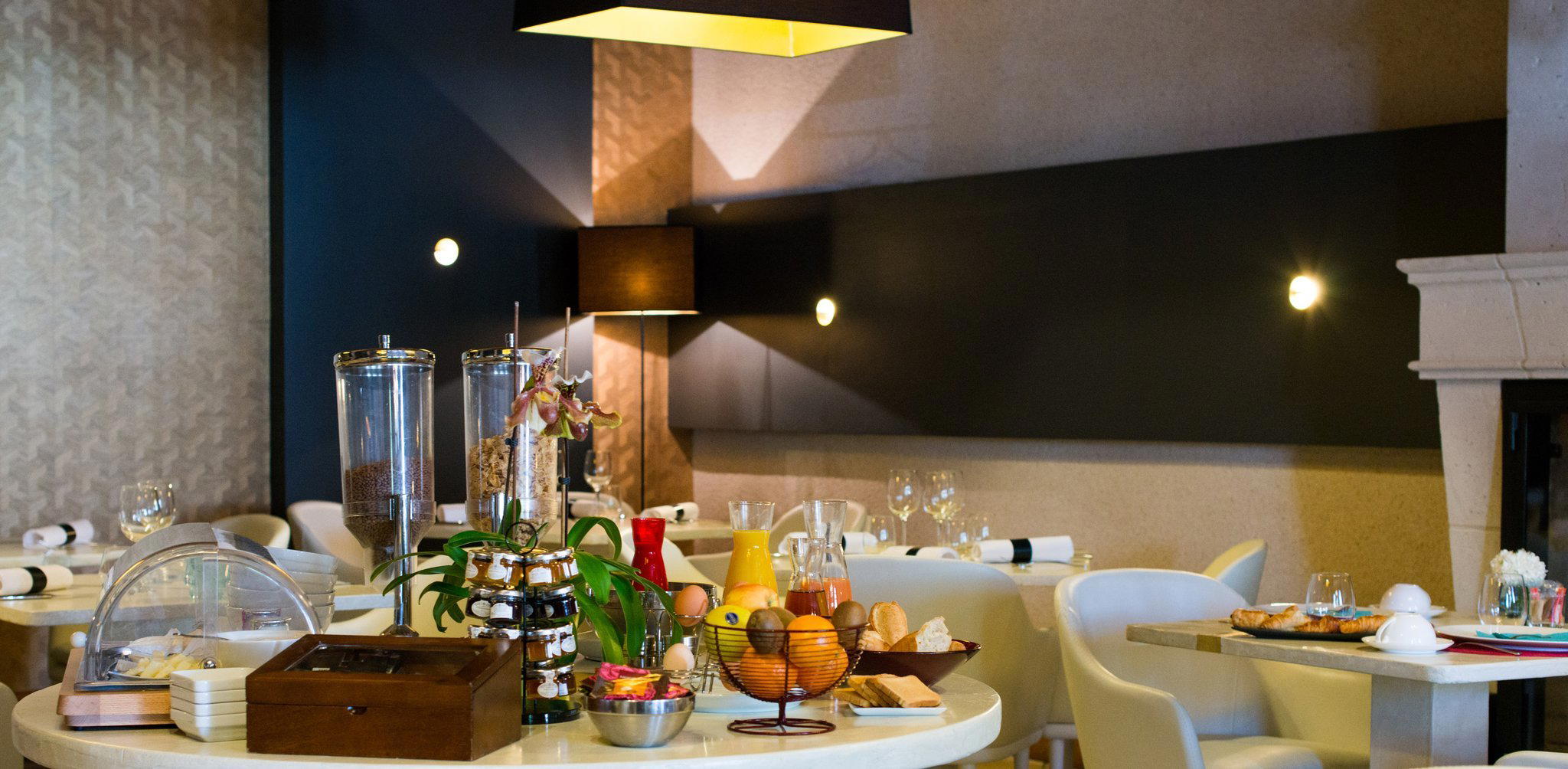
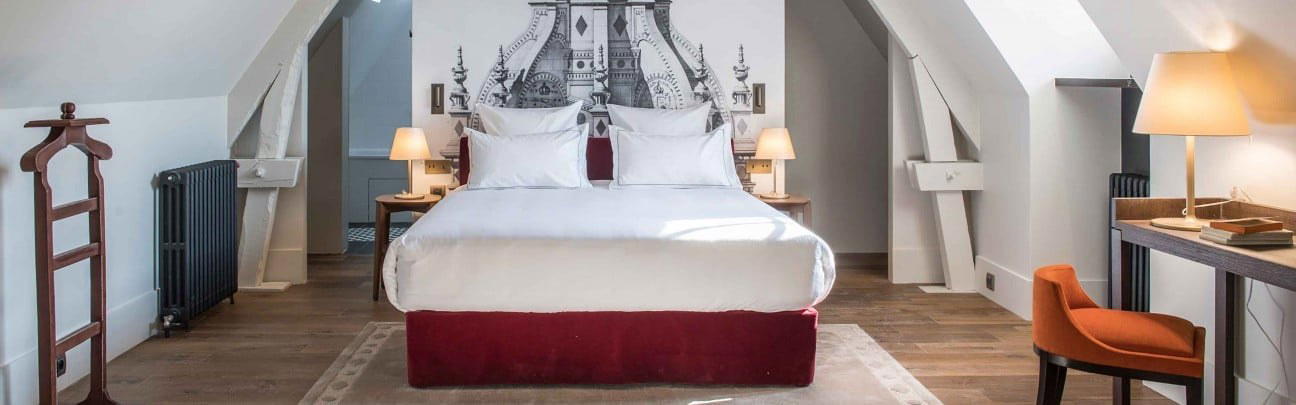
Contemporary elegant atmosphere inspired by the Loire with subtle natural motifs like wave patterns on walls, beige tones, and a central open kitchen fostering an intimate, sophisticated dining experience.