Chiu Yuet Fong sits in Taipei’s Zhongshan District, in the Dazhi orbit where destination dining, hotel restaurants, and polished neighborhood rooms share the same evening crowd. Public-facing details are sparse, so the useful reading is contextual: place it against Taipei’s layered Chinese dining culture rather than against tasting-menu theater or award-chasing fine dining.
Pearl is the En Primeur Club membership app — saves, bookings, and concierge access live there. Same editors, same standards.
- Address
- No. 55號, Lequn 2nd Rd, Zhongshan District, Taipei City, Taiwan 10491 (1F)
- Phone
- +886-2-7722-3390
- Directions
- Get directions
 Saves & bookings on Pearl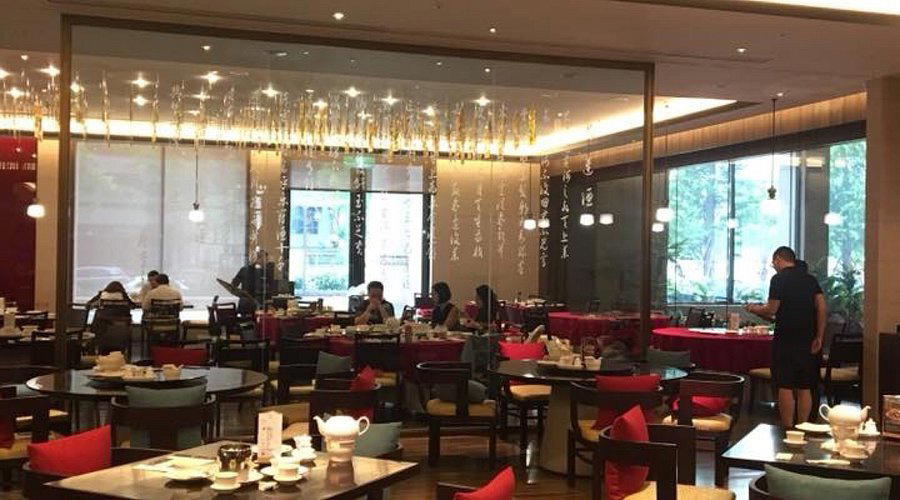
Taipei puts Chiu Yuet Fong in a particular version of the city: more planned evenings, dining rooms nearby, and a pace that feels different from older snack-shop density or late-night restaurant districts elsewhere in town. That geography matters, but it is best understood at city level rather than through a street-address reading. Dining here tends to read less like market browsing and more like a deliberate meal, with groups crossing town for a room, a table, or a format they already have in mind.
Chiu Yuet Fong belongs to that Taipei pattern where the meal is judged through format, company, and occasion as much as through a public-facing chef story or a guidebook shorthand. The useful comparison is not a single rival but a city habit: Taipei diners move comfortably between banquet logic, specialist comfort food, counters, hotel rooms, and small modern restaurants without treating those categories as contradictions. A restaurant in Taipei has to sit inside that mixed field.
Taipei dining and the planned meal
Taipei’s restaurant culture has always been broader than the tourist shorthand suggests. Quick bowls, night-market counters, seafood rooms, group restaurants, and contemporary kitchens all occupy different social roles. A casual stop answers a different need from a planned group dinner; late-night comfort food belongs to another register again. Chiu Yuet Fong should be read through that separation of occasions: not every Taipei meal is about speed, novelty, or a chef’s tasting arc.
The Taipei setting also places it within a dining culture where polished rooms can draw a more deliberate crowd. In this part of the city’s restaurant life, the meal often carries the grammar of hosting: shared decisions, pacing controlled by the table, and a preference for comfort over performance. Public recognition is only one way to read a restaurant’s relevance. Taipei has plenty of restaurants that earn attention through guide recognition, but many dining rooms live through repeat group bookings, family use, and corporate entertaining rather than public ceremony.
For readers mapping the city, the contrast is instructive. Mipon sits closer to a clearly defined Taipei restaurant category, while places such as Mi Xiang, GMT, Haruyama, and Palette indicate how Taipei’s dining scene also absorbs hotel, counter, and contemporary formats. Chiu Yuet Fong occupies the less easily labelled side of that spectrum, where the cultural code is the meal as an occasion rather than cuisine as branding.
Why the category matters more than a chef narrative
In many premium dining cities, restaurants are sold through chef biography. Taipei resists that simplification. The city’s strongest food culture is collective: market operators, multigenerational specialists, hotel dining rooms, counter formats, and local kitchens all matter. A restaurant without a heavily public chef story can still be highly relevant if it serves a social function that Taipei diners recognize.
That is the editorial frame for Chiu Yuet Fong. Where public details are limited, the responsible reading is practical and contextual rather than decorative. It should not be treated only as a trophy reservation in the same way as a starred counter or a tasting-menu room. It belongs instead to the set of Taipei restaurants where the decision hinges on occasion, location in the city, and the type of meal required.
This distinction helps visitors avoid a common mistake: judging every Taipei table by the same international fine-dining checklist. A city meal can be serious without a tasting menu. It can be culturally specific without a public critic consensus. It can be worth considering because it fits a dining tradition, a city context, and a group format, not because it supplies a ready-made story.
How to place it within a Taipei itinerary
For a first pass through Taipei, Chiu Yuet Fong makes more sense after the city’s core food grammar is already understood. Build the baseline with Taiwanese and street-level references, then add a more composed planned meal in Taipei. That order gives the restaurant context: the city’s casual precision first, the hosted evening later.
For additional dining references across Taiwan and beyond, compare the more clearly categorized Taipei entries in the city guide, then look outside the capital to other Taiwanese restaurants in regional cities. For a trans-Pacific contrast in casual, format-led dining, unnamed examples abroad show how Taiwanese city dining sits within a wider Asia-Pacific appetite for precise restaurants built around occasion and format.
- Sliced Peking Duck
- Chiuzhou Style Marinated Meat
- Boiled Grouper with Laotan Pickled Cabbage
- Crab Roe Shaomai
- Duck Glass Noodle Soup
- Minced Duck Stir-fry
Cost Snapshot
Comparable venues by cuisine and price in the same metro.
| Venue | Cuisine | Price |
|---|---|---|
| Mipon | Taiwanese | $$$ |
Continue exploring
More in Taipei
Restaurants in Taipei
Browse all →
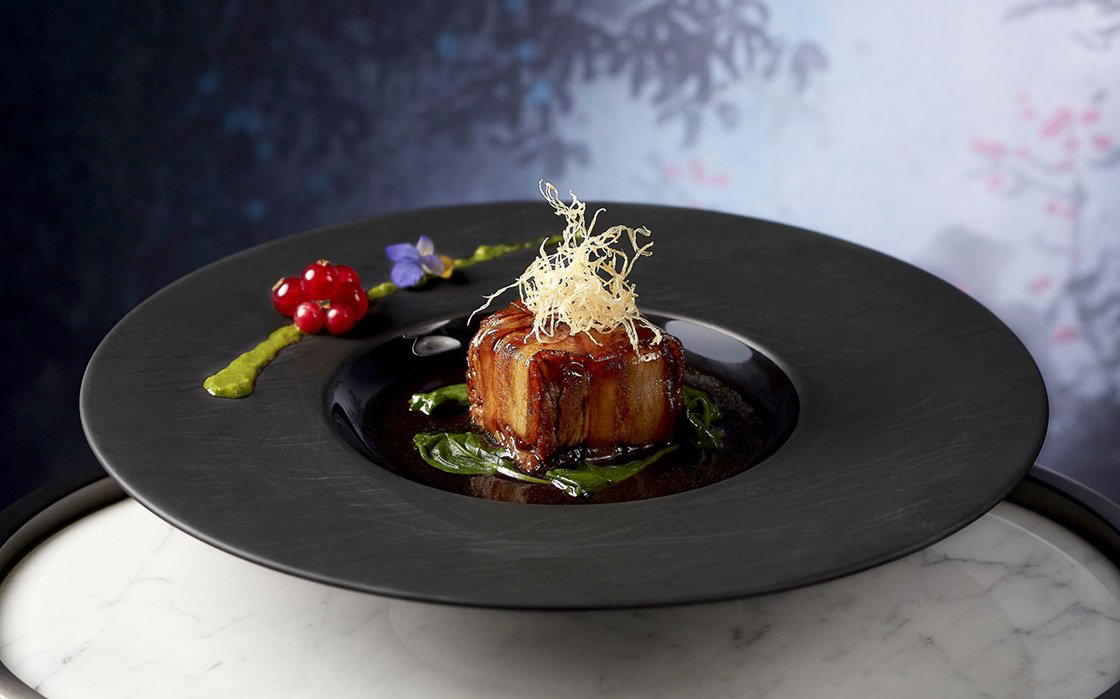
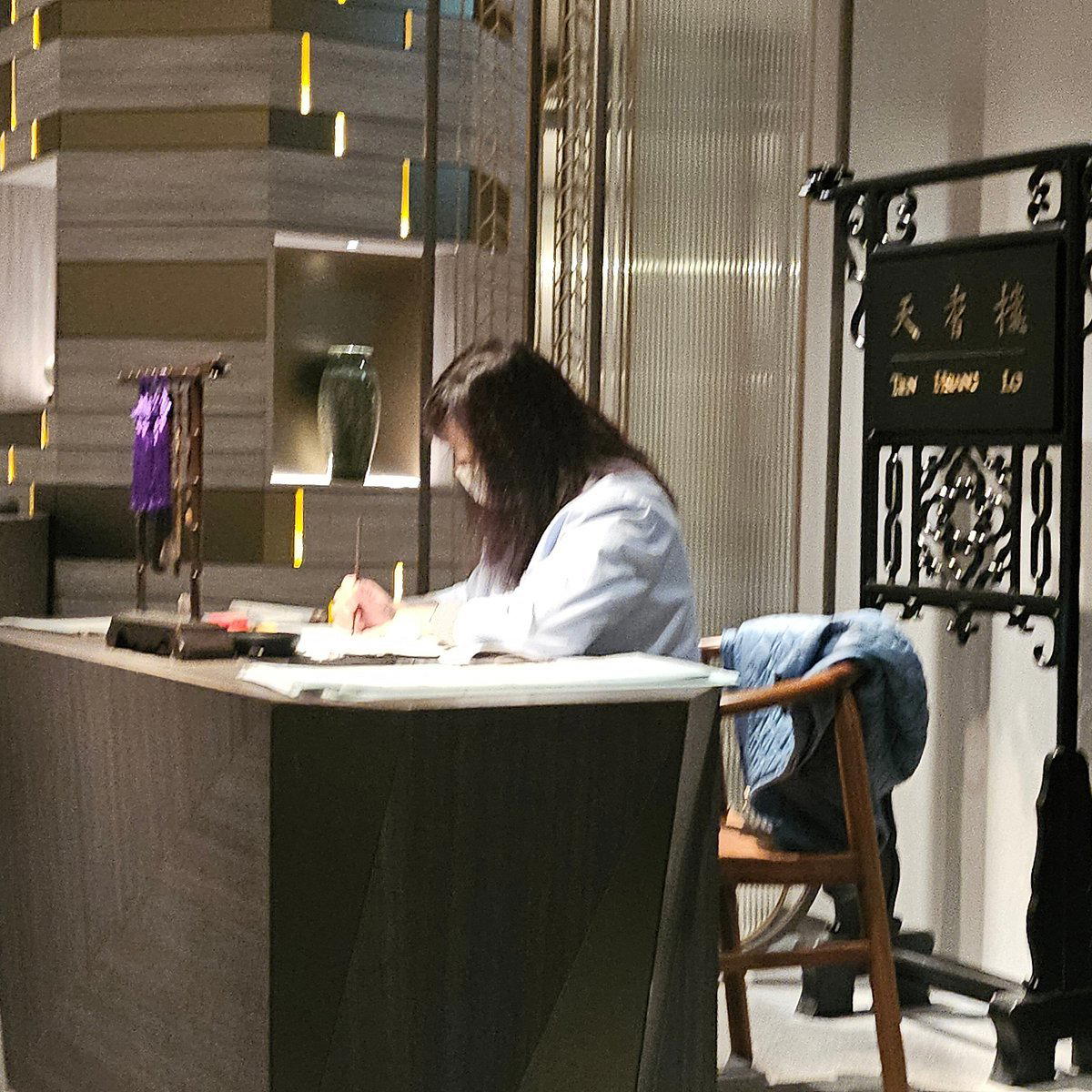
Bars in Taipei
Browse all →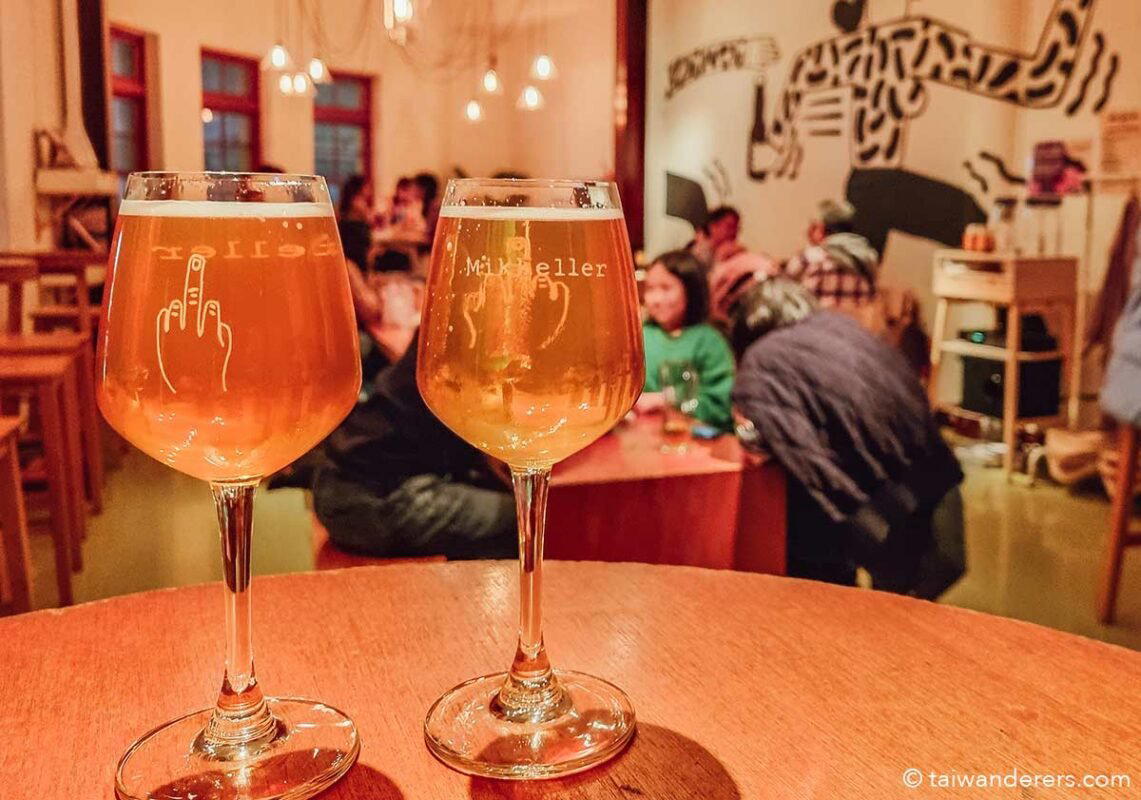
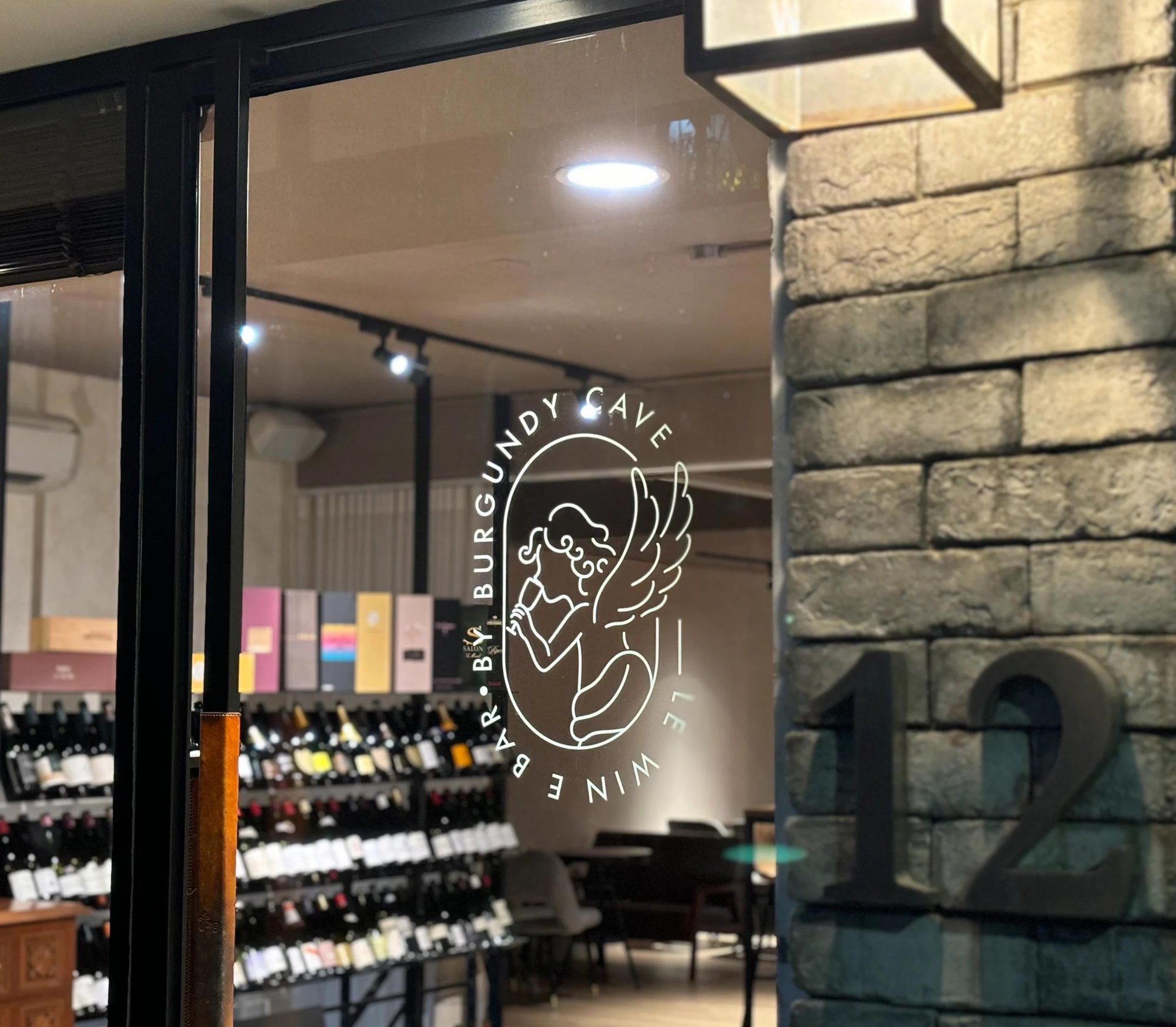
Hotels in Taipei
Browse all →
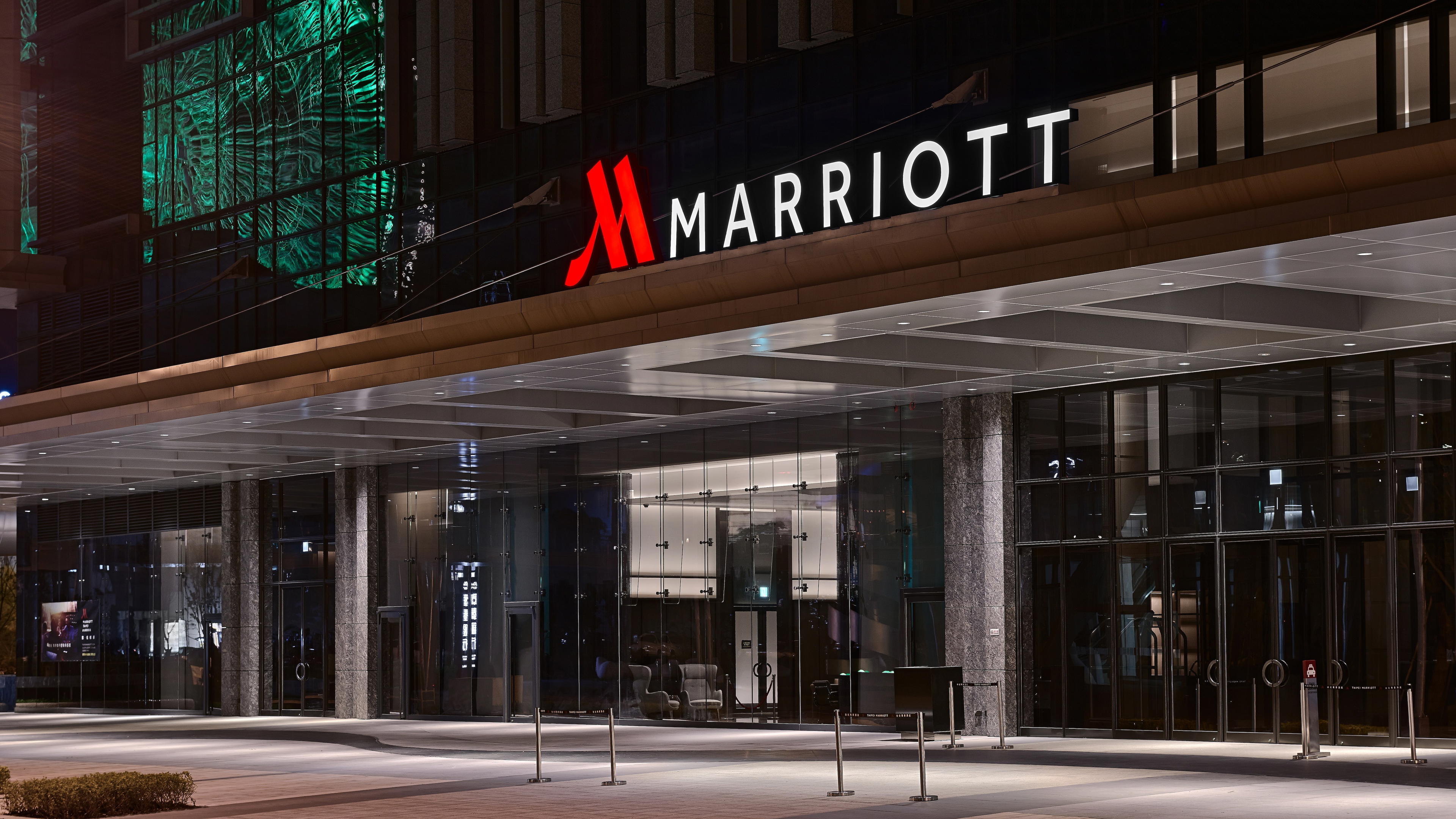
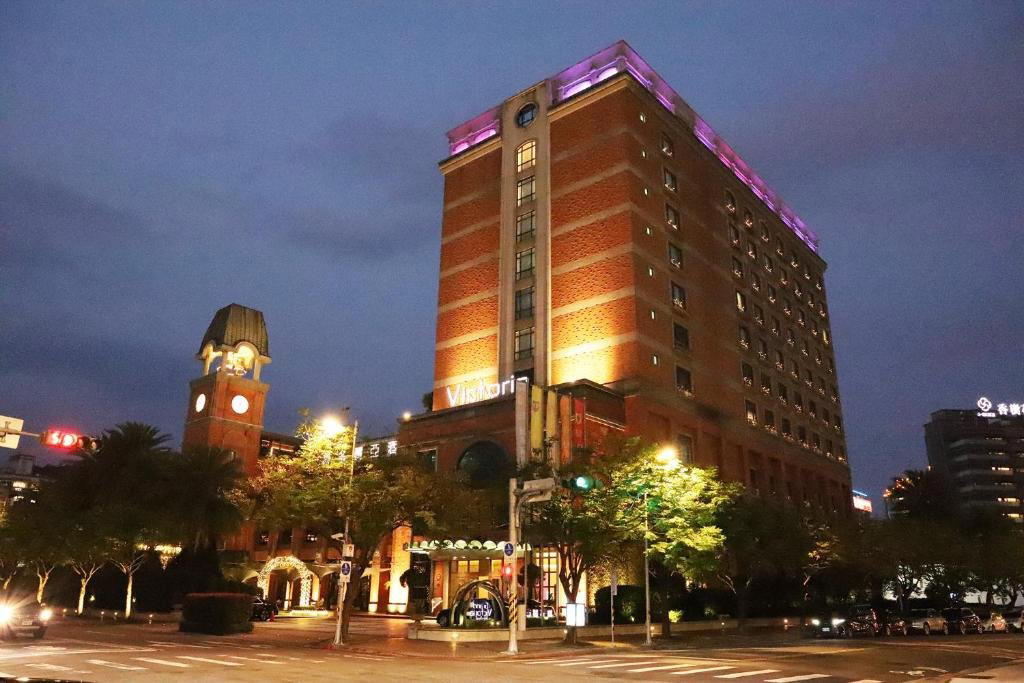
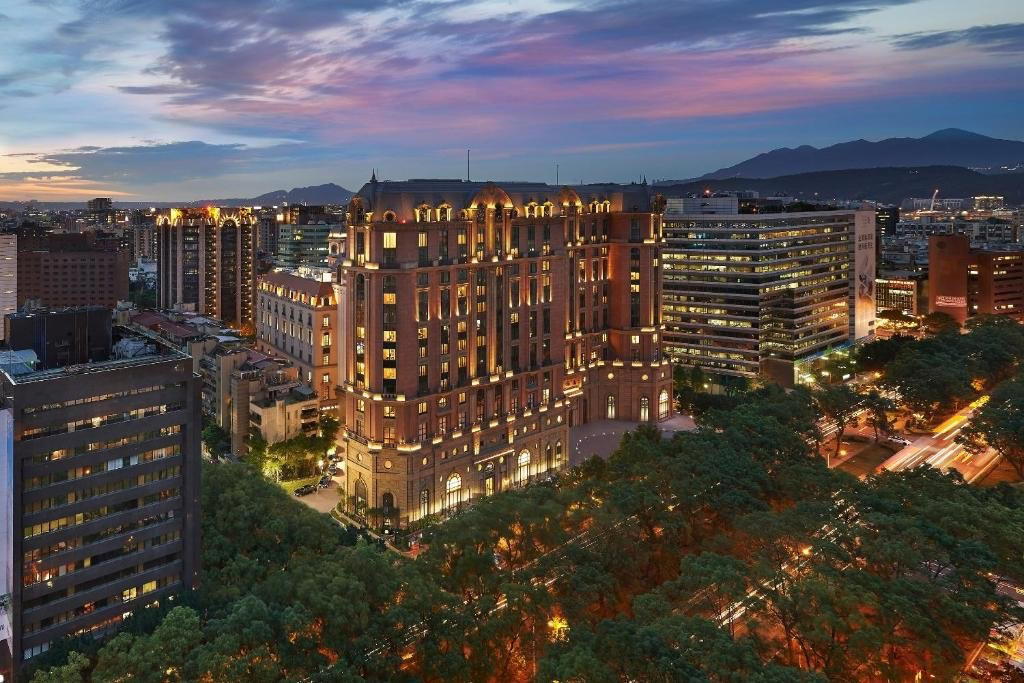
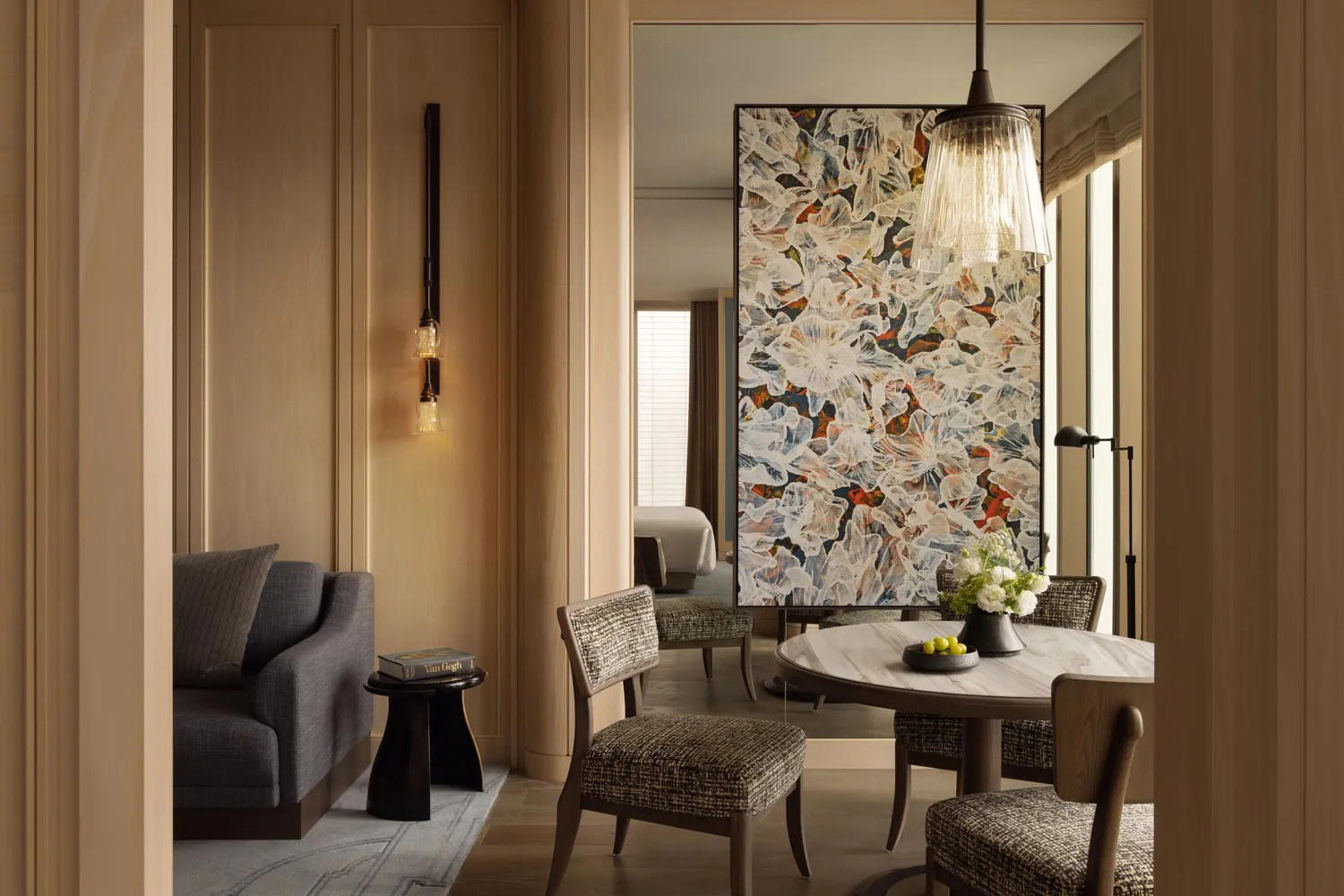
Wineries in Taipei
Browse all →
At a Glance
- Elegant
- Modern
- Sophisticated
- Business Dinner
- Group Dining
- Family
- Celebration
- Special Occasion
- Private Event
- Private Dining
- Hotel Restaurant
- Corkage Allowed
Current opening hours
- Monday
- 11:30 AM–2:30 PM, 6–9:30 PM
- Tuesday
- 11:30 AM–2:30 PM, 6–9:30 PM
- Wednesday
- 11:30 AM–2:30 PM, 6–9:30 PM
- Thursday
- 11:30 AM–2:30 PM, 6–9:30 PM
- Friday
- 11:30 AM–2:30 PM, 6–9:30 PM
- Saturday
- 11:30 AM–2:30 PM, 5:30–9:30 PM
- Sunday
- 11:30 AM–2:30 PM, 5:30–9:30 PM
Hours can change for holidays and private events. Last verified .
Elegant, modern hotel-dining room setting with comfortable table service, suitable for business meals and family banquets rather than a casual dim sum hall.
Know Before You Go
- Reservations
- Recommended
- Dress code
- Smart casual
- Getting there
- No. 55號, Lequn 2nd Rd, Zhongshan District, Taipei City, Taiwan 10491 (1F)