
Tabelog 100 #35
Our verdict
Hountei Honten Torifuku sits in Nagasaki’s compact dumpling-and-drinking circuit, where Chinese influence, port-city snacking, and late-evening pacing matter more than ceremony. Its Tabelog 100 Dumplings 2024 selection puts it in a nationally watched category, while the format remains grounded in gyoza, kara-age, and the practical rhythm of Dozamachi dining.

Pearl is the En Primeur Club membership app — saves, bookings, and concierge access live there. Same editors, same standards.
- Address
- 長崎県長崎市銅座町8-9
- Phone
- +81958223858
- Directions
- Get directions
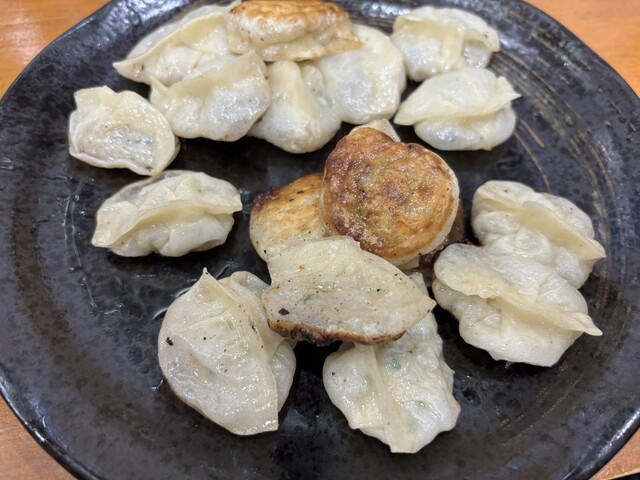
The menu
What to order
- Bite‑sized grilled gyoza
- Karaage bone‑in fried chicken
- Karaage boneless fried chicken
- Pork, egg and garlic chive stir‑fry
Nagasaki is the kind of city where dinner often begins as a small decision and turns into a sequence: dumplings, fried chicken, beer, another plate. Across the city, compact restaurants turn port-city food habits into a working evening rhythm rather than a museum piece. Chinese influence is not a decorative theme here; it is part of Nagasaki’s food grammar, visible in the way dumplings and casual drinking rooms sit close together and feed the evening economy.
That context matters for Hountei Honten Torifuku. The point is not luxury, rarity, or chef mythology. The appeal sits in a category Japan takes seriously: specialist gyoza rooms where texture, turnover, and repeat use create reputation. Its selection for Tabelog 100 Dumplings 2024 places it inside a national conversation that usually favors focused, high-frequency cooking over theatrical dining. In Nagasaki, that recognition reads differently from a Tokyo tasting-menu award. It confirms that the city’s everyday food culture can compete on its own terms.
Nagasaki's dumpling culture is a port-city habit, not a side order
Gyoza in Nagasaki carries a different charge from gyoza in railway-station chains or late-night Tokyo bars. The city’s Chinese trading history shaped a local appetite for compact, savory, shareable food: dishes that suit groups, drinking, and quick second stops. Dumplings work because they are both meal and punctuation mark. They can start an evening, interrupt it, or close it without demanding a formal arc.
Ingredient sourcing is harder to discuss here in the farm-name language now common in premium dining, but the format itself tells the more useful story. Dumplings are a test of basic inputs: wrapper, filling, fat, heat, timing. Kara-age, the other listed category, is equally unforgiving. Neither dish survives on concept. At this tier, quality shows through repetition and consistency rather than rare produce. The kitchen’s role is to keep simple components aligned under volume, which is why specialist recognition in the dumpling category carries real weight.
Compared with other Nagasaki names in the same orbit, the positioning is clear. Unryu Tei Douza ten, Kanro, and Unryu Tei Honten offer useful points of comparison within the city’s casual dumpling conversation. Chinese Saikan Kozanro Chuukagai shinkan belongs to Nagasaki’s broader dining circuit rather than the gyoza-specialist lane. Steak House Okano sits in a different lane altogether. The useful comparison is not about ranking dinner options; it is about choosing the kind of Nagasaki night required. Dumplings and kara-age point toward pace, sharing, and movement.
The room fits the food: social, quick-moving, and built for repeat use
The format suits a specialist dumpling address: direct, social, and oriented around dishes that are best ordered in quick succession. That changes the experience. Some gyoza counters can feel like a tactical stop; Hountei Honten Torifuku reads more as part of Nagasaki’s casual evening circuit, with the easy energy of a drinking room. The correct expectation is public, audible, communal dining, closer to a neighborhood habit than a private occasion.
For travelers, the editorial value is in how the venue helps decode Nagasaki’s dining map. A meal here sits naturally within an evening in the city, before or after another casual stop. It is less useful as a trophy reservation and more useful as a local reference point: the kind of place that explains why Nagasaki’s Chinese-influenced food culture feels lived-in rather than staged. The Tabelog score of 3.65 also matters in context. On that platform, specialist casual restaurants often build authority through accumulated local use, not lavish service markers.
The decision is especially sharp for visitors building a Nagasaki food itinerary. Other Nagasaki dining rooms each point to different local registers, from everyday staples to more contemporary cooking and cafe culture. Hountei Honten Torifuku belongs to the compact, savory, drink-friendly register. It is a better fit for travelers who want the city’s casual food circuitry than for those seeking a long-form tasting format.
How to place it in a Nagasaki itinerary
The planning logic is simple: treat dumplings as part of the city’s evening texture, not as a box to tick between temples and viewpoints. Nagasaki rewards this style of eating because the city is compact and historically layered. Chinese foodways, harbor trade, and postwar drinking culture sit close together. A gyoza-and-kara-age stop makes sense because it matches the city’s scale.
For a wider view of the city, use Our full Nagasaki restaurants guide alongside Our full Nagasaki hotels guide, Our full Nagasaki bars guide, Our full Nagasaki wineries guide, and Our full Nagasaki experiences guide. For readers comparing regional Japanese dining beyond Kyushu, the broader archive includes other casual specialists across Japan and overseas. The same lens applies here: focused categories, repeat use, and a clear reason to sit down for one more plate.
Frequently asked questions
What's Hountei Honten Torifuku's location?
Nagasaki.
Is Hountei Honten Torifuku more mid-range or high-end?
Pricing at Hountei Honten Torifuku is listed as JPY 2,000 - JPY 2,999.
How far ahead should I plan for Hountei Honten Torifuku?
Plan around the venue as part of a Nagasaki evening rather than treating it as a formal destination meal. Its Tabelog 100 Dumplings 2024 selection gives it enough pull to justify making room for dumplings and kara-age in the itinerary.
What is Hountei Honten Torifuku known for?
Hountei Honten Torifuku is known for dumplings and kara-age in Nagasaki, with recognition in Tabelog 100 Dumplings 2024.
Side-by-Side Snapshot
Nearby venues at a similar price tier for orientation.
| Venue | Cuisine | Price | Awards | Notes |
|---|---|---|---|---|
| Hountei Honten TorifukuThis venue — the venue you are viewing | Traditional Nagasaki gyoza & karaage izakaya | $10–20 | Tabelog 100 #35 | Not listed |
| ペッパーランチ | Japanese Pepper Steak Rice | Not listed | Not listed | 茂里町 |
| bread A espresso | Dining | Not listed | Tabelog 100 #13 | Nagasaki |
| Osaka Ya Hamachou ten | Premium Kyushu Wagyu Yakiniku | $50–100 | Tabelog 100 #92 | Shianbashi / Hamanomachi |
| Shokan Do | Nagasaki Castella & Japanese Sweets | $10–20 | Tabelog 100 #80 | Meganebashi Bridge |
| 竹彩 | 鉄板焼き | $50–100 | Not listed | 秋月町 |
Recognition history
Dated appearances from independent guides and award organizations, with the underlying list record or original source where available.
Tabelog 100 #35 · No. 35
Tabelog · Tabelog 100 - Dumplings - 2024
Continue exploring
More in Nagasaki
Restaurants in Nagasaki
Browse all →
Details
- Lively
- Classic
- Cozy
- Energetic
- After Work
- Casual Hangout
- Group Dining
- Solo
- Late Night
- Standalone
- Beer Program
- Local Sourcing
- A La Carte
- Small Plates
- Counter Dining
- Beer
- Shochu
- Sake
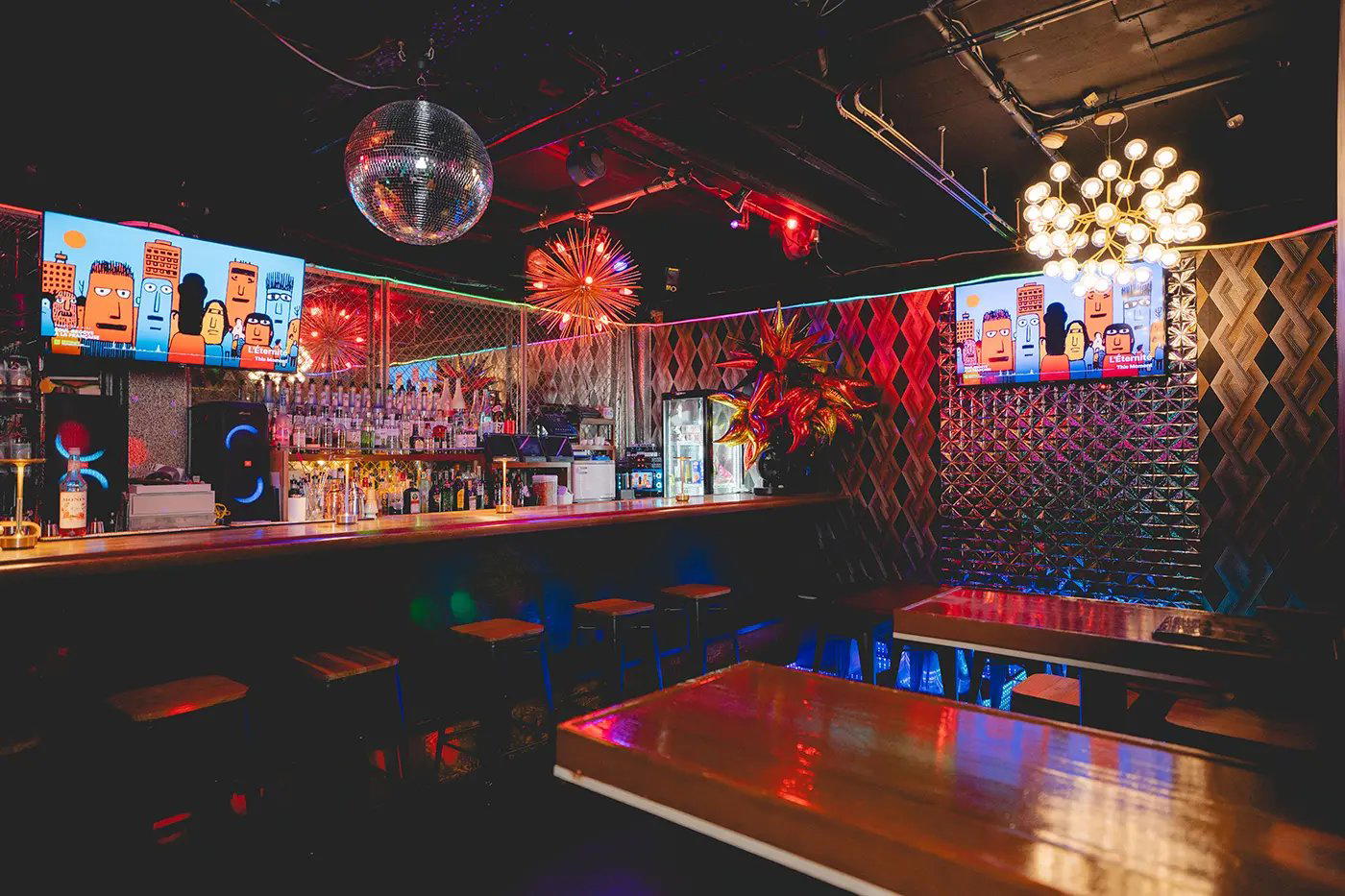
Casual, bustling izakaya-style atmosphere with counter seats and simple table seating over two floors, suited to solo diners and groups alike rather than refined or romantic dining.