
Tabelog 100 #52
Our verdict
Nagasaki’s Chinese table is shaped by port history, neighborhood dining, and champon’s local gravity rather than luxury theatrics. Chinese cuisine GUNRAIKEN belongs to that practical, deeply local category: selected for Tabelog 100 Chinese WEST 2026, associated with Chinese cooking and champon noodle soup, and better read as part of the city’s everyday Chinese-Japanese tradition than as a formal destination restaurant.

Pearl is the En Primeur Club membership app — saves, bookings, and concierge access live there. Same editors, same standards.
- Address
- 5-11 Edomachi, Nagasaki, 850-0861, Japan
- Phone
- +81 95-826-3618
- Hours
- Mon–Tue 5–8 PMWed ClosedThu–Sun 5–8 PM
- Website
- tabelog.com
- Directions
- Get directions
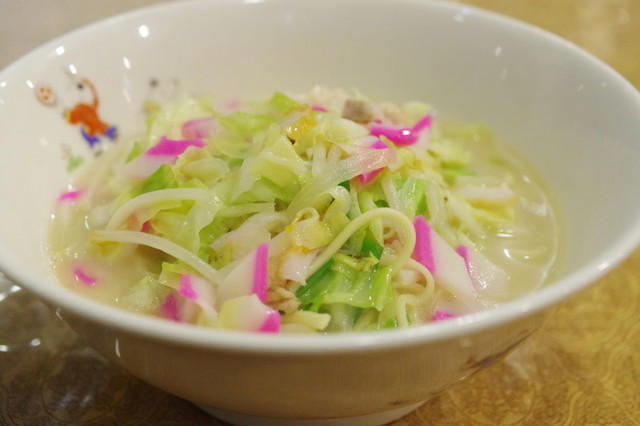
The approach to Nagasaki Chinese dining is rarely about hushed ceremony. It is a city of slopes, tram stops, shopping arcades, port-era memory, and dining rooms that often feel closer to family routine than staged occasion. In that context, Chinese cuisine GUNRAIKEN sits in a category Nagasaki understands well: Chinese cooking adapted through local appetite, local access, and a long history of exchange with the continent.
Nagasaki’s Chinese food has never been a simple import. The city’s position as a historic trading port gave it a different relationship with Chinese cooking from Tokyo or Osaka, where regional Chinese restaurants often compete through polish, banquet scale, or specialist Sichuan and Cantonese identities. Here, the more revealing comparison is between restaurants that serve the city’s hybrid comfort foods and those that lean into Chinatown volume. For a broader map of that range, Our full Nagasaki restaurants guide gives the city context beyond a single meal.
Chinese cooking in Nagasaki is a port-city tradition, not a luxury performance
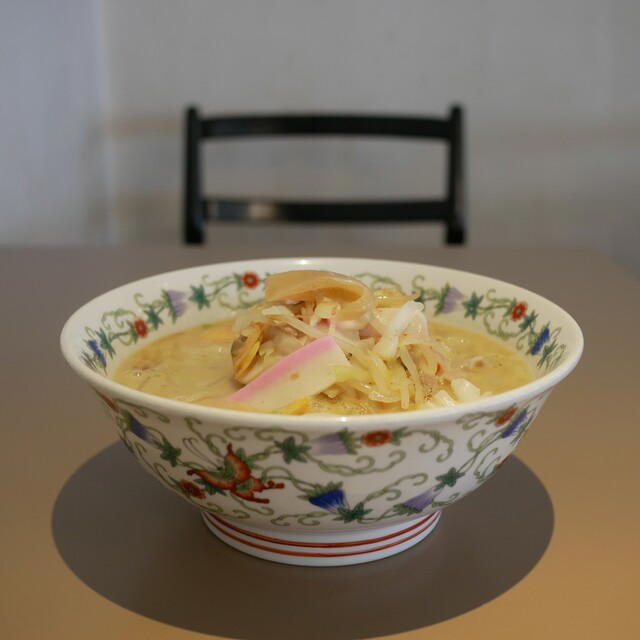
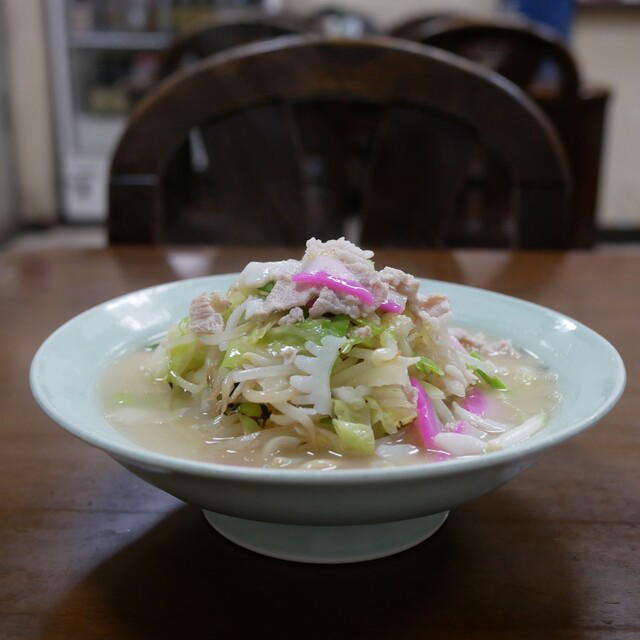
The relevant dish category is champon noodle soup, a Nagasaki staple with Chinese roots and Japanese evolution. It is not merely a noodle bowl; it is a record of local trade, working appetite, and ingredient pragmatism. Pork, seafood, vegetables, and noodles came together historically in a format designed for nourishment and volume, and the city has kept that logic intact. Chinese cuisine GUNRAIKEN is listed in the Chinese and champon noodle soup categories, which places it inside that civic tradition rather than in the tasting-menu economy.
Ingredient sourcing matters here because Nagasaki’s food identity is inseparable from the sea, from market access, and from the way imported techniques absorbed local produce over generations. A champon-focused kitchen in this city is judged less by theatrical plating than by balance: stock depth, noodle texture, vegetables cooked with timing, and the way seafood or meat supports rather than overwhelms the bowl. Specific dishes should be read from the current menu rather than assumed, but the category itself tells travelers what matters: a local Chinese-Japanese idiom grounded in availability and repetition.
The 2026 Tabelog 100 Chinese WEST selection gives the restaurant a useful trust signal. Tabelog’s Hyakumeiten lists reward sustained diner recognition within defined categories and regions, and Chinese cuisine GUNRAIKEN also appears in the 2024 selection history. That matters in Nagasaki, where a low-drama, mid-priced Chinese restaurant can be more culturally revealing than a polished room built for visitors. This is a case where recognition follows the city’s everyday palate rather than an imported fine-dining template.
Where it sits among Nagasaki's Chinese and casual dining rooms
The useful is local, not national. Chinese Saikan Kozanro Chuukagai shinkan operates closer to the Chinatown visitor circuit, while Unryu Tei Douza ten and Unryu Tei Honten sit in the casual Nagasaki comfort-food conversation. Kanro belongs to a lower-spend snack-and-meal tier, and Hountei Honten Torifuku occupies a similar dinner budget band to GUNRAIKEN. These comparisons help frame the decision: this is not the city’s grand banquet choice; it is a compact Chinese-house format with recognition in a competitive western Japan category.
That distinction also explains why the restaurant works for travelers who want Nagasaki through food rather than sightseeing shorthand. Chinatown has its place, but Nagasaki’s Chinese inheritance is broader than a lantern-lined district. The more interesting dining day might pair a Chinese lunch or dinner with coffee, bakery culture, and local counter meals. Nearby editorial references such as Chinese Saikan Kozanro Chuukagai shinkan, Asa Honten, BEARD, bread A espresso, and Coffee Fujio show how varied the city’s small-scale food culture becomes when viewed beyond a single cuisine.
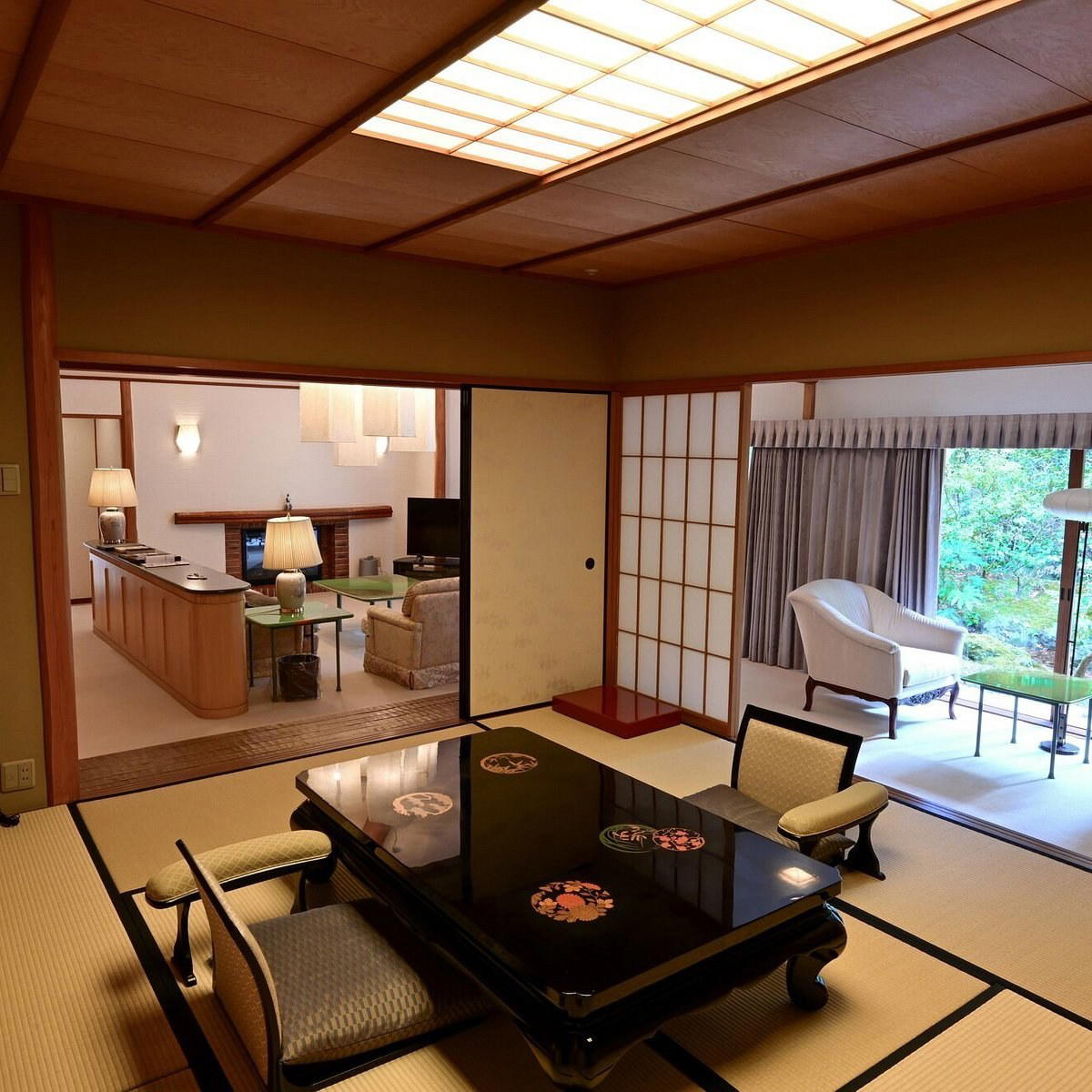
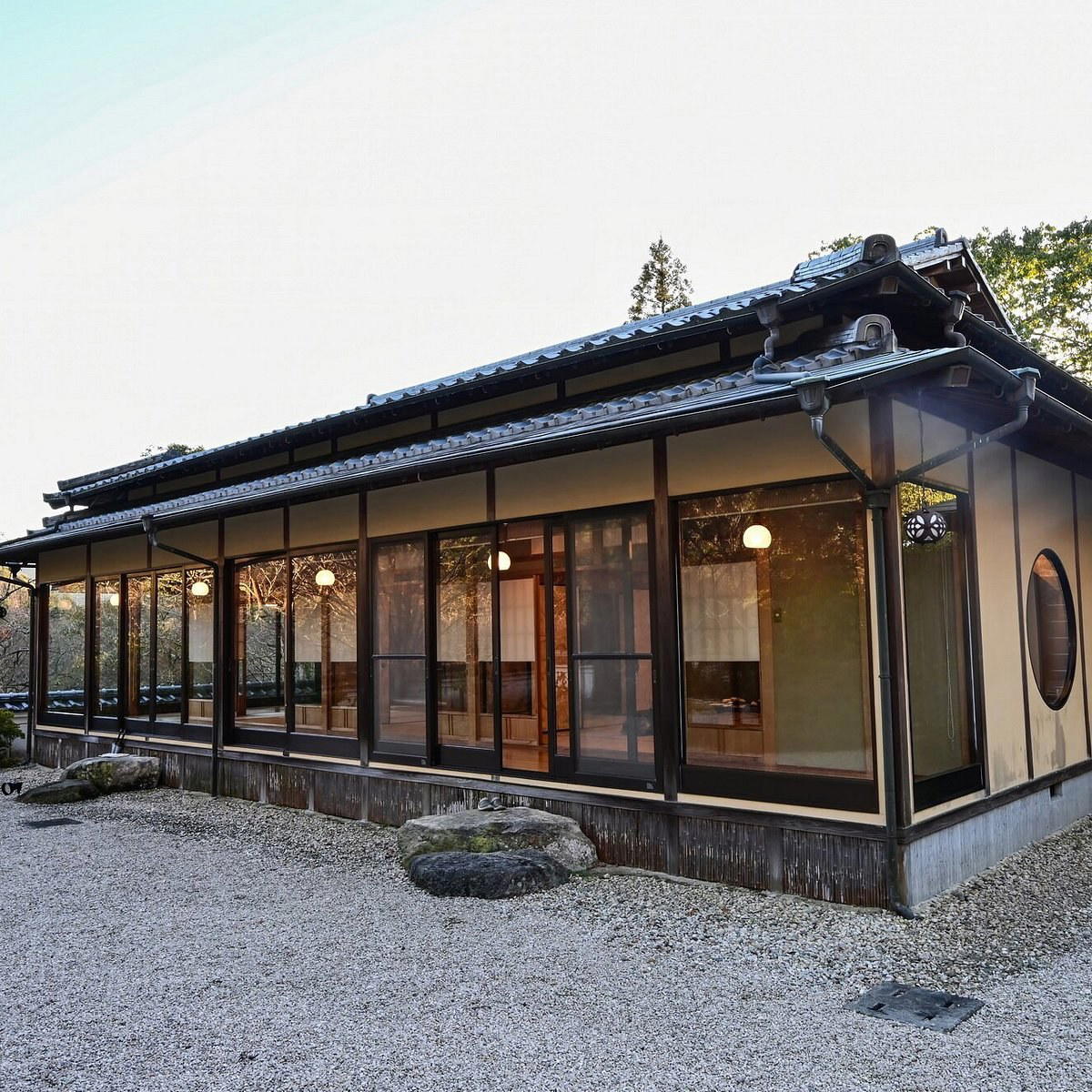
The setting is described as a house restaurant, with non-smoking dining and a semi-private room option for four people. That points toward a room designed for ordinary social use rather than spectacle. In Nagasaki, this matters. The city’s stronger meals often happen in places where tourists are not asked to suspend disbelief; they are asked to understand how locals actually eat after work, with family, or with friends.
How to plan the meal without treating it like a trophy booking
The practical appeal is compact and clear. Dinner falls in the JPY 2,000 to JPY 2,999 range, reservations are available, lunch service has been suspended as of June 2024, and Wednesday is the closed day. Payment is cash-oriented: credit cards, electronic money, and QR code payments are not accepted. Parking is not provided, with paid parking nearby, and the restaurant is close to Nishihamano Machi tram access. These details make it better suited to a planned casual dinner than a speculative walk-in between sightseeing stops.
Editorial verdict is simple: this is a Nagasaki Chinese address for readers who care about the city’s food grammar. The draw is not celebrity-chef authorship or luxury signaling; it is the way Chinese technique, champon culture, and local dining habits meet at an accessible scale. For travelers building a wider itinerary, pair this with the city’s broader hospitality and drinking context through Our full Nagasaki hotels guide, Our full Nagasaki bars guide, Our full Nagasaki wineries guide, and Our full Nagasaki experiences guide.
Readers comparing Japanese dining across regions can use Nagasaki as a counterpoint to more specialized city scenes: -Grilled beef Sukiyaki- KAMAKURA TANUKIAN 鎌倉 たぬき庵 in Kamakura. 鮪と炭火焼き うお炭 秋葉原店 in Tokyo.cafe in Osaka.know in Kumamoto, (Shoku) Vietnam in Kawasaki, and [Curry Senmon Ten] Maruyama Kyoju. in Sapporo all speak to different local appetites. For a transpacific contrast in Japanese drinking and casual food culture, Jōdo Saké Bar in Los Angeles and Onigiri Time in Pasadena show how formats shift when they leave Japan.
Frequently asked questions
Would Chinese cuisine GUNRAIKEN be comfortable with kids?
Yes. the public record lists children welcome and family friendly, with dinner priced at JPY 2,000–JPY 2,999. It is in Nagasaki at 5-11 Edomachi, and reservations are available for dinner. Check the venue's official channels for the latest details.
What kind of setting is Chinese cuisine GUNRAIKEN?
It is described as a house restaurant with a relaxing space in Nagasaki. The room is non-smoking, and private rooms are available for four people as semi-private seating. The address is 5-11 Edomachi, Nagasaki, and the restaurant has Tabelog 100 WEST 2026 recognition.
Is Chinese cuisine GUNRAIKEN expensive?
Pricing at Chinese cuisine GUNRAIKEN is listed as JPY 2,000 - JPY 2,999.
What is Chinese cuisine GUNRAIKEN known for?
Chinese cuisine GUNRAIKEN is primarily known for its core concept and execution in Nagasaki.
How It Stacks Up
Comparable venues by cuisine and price in the same metro.
| Venue | Cuisine | Price | Awards | Notes |
|---|---|---|---|---|
| Chinese cuisine GUNRAIKENThis venue — the venue you are viewing | Chinese (Nagasaki Champon) | $10–20 | Tabelog 100 #52 | Not listed |
| Unryu Tei Douza ten | Nagasaki gyoza & Chinese small plates | $10–20 | Tabelog 100 #91 | Kanko Dori |
| Coffee Fujio | Retro Japanese Cafe Sandwiches | $10–20 | Not listed | Kajiyamachi |
| Jiyu Tei Kissa Shitsu | Dining | Not listed | Tabelog 100 #15 | Nagasaki |
| bread A espresso | Dining | Not listed | Tabelog 100 #13 | Nagasaki |
| Asa Honten | Izakaya / Creative Seafood | $30–50 | Tabelog 100 #7 | Sakuramachi / Ebisucho |
Recognition history
Dated appearances from independent guides and award organizations, with the underlying list record or original source where available.
Tabelog 100 #52 · No. 52
Tabelog · Tabelog 100 - Chinese cuisine - WEST - 2026
Continue exploring
More in Nagasaki
Restaurants in Nagasaki
Browse all →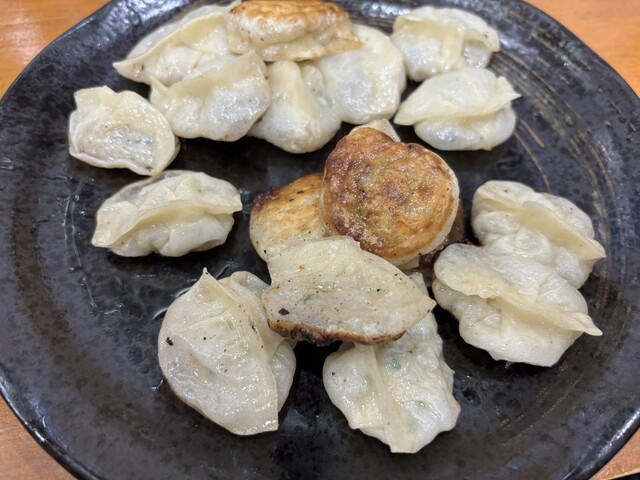

Details
- Classic
- Cozy
- Family
- Solo
- Casual Hangout
- Standalone
- Beer Program
- A La Carte
- Beer
- Vegetarian Friendly
Current opening hours
- Monday
- 5–8 PM
- Tuesday
- 5–8 PM
- Wednesday
- Closed
- Thursday
- 5–8 PM
- Friday
- 5–8 PM
- Saturday
- 5–8 PM
- Sunday
- 5–8 PM
Hours can change for holidays and private events. Last verified .
A relaxed, house-like Chinese restaurant with a modest, familiar atmosphere that fits casual family meals and small-group dining.