Our verdict
Chinese Restaurant belongs to Phu Quoc’s resort-district dining circuit, where international hotel kitchens and food-center formats sit beside seafood-led island eating. With no public awards, chef details, menu pricing, or booking channel attached, it is better read as a practical Chinese-leaning option in the Corona Food Center area than as a destination tasting-menu address.

Pearl is the En Primeur Club membership app — saves, bookings, and concierge access live there. Same editors, same standards.
- Address
- Huyện, Corona Food Center, khu Bãi Dài, Phú Quốc, An Giang, Vietnam
- Phone
- +84 911 950 101
- Website
- coronafoodcenter.com
- Directions
- Get directions
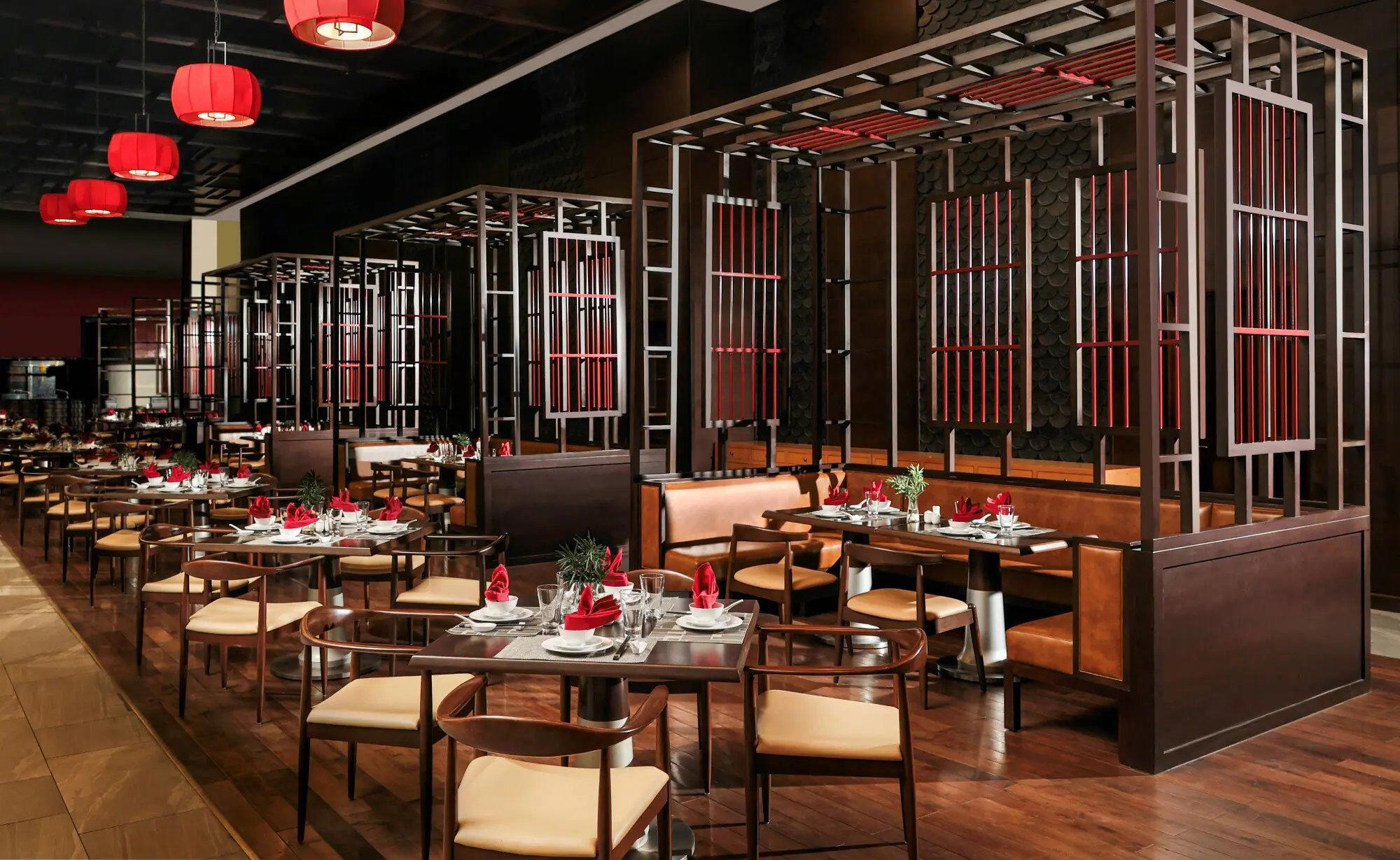
The menu
What to order
- Handmade dim sum
- Chinese hotpot
- Seafood dishes
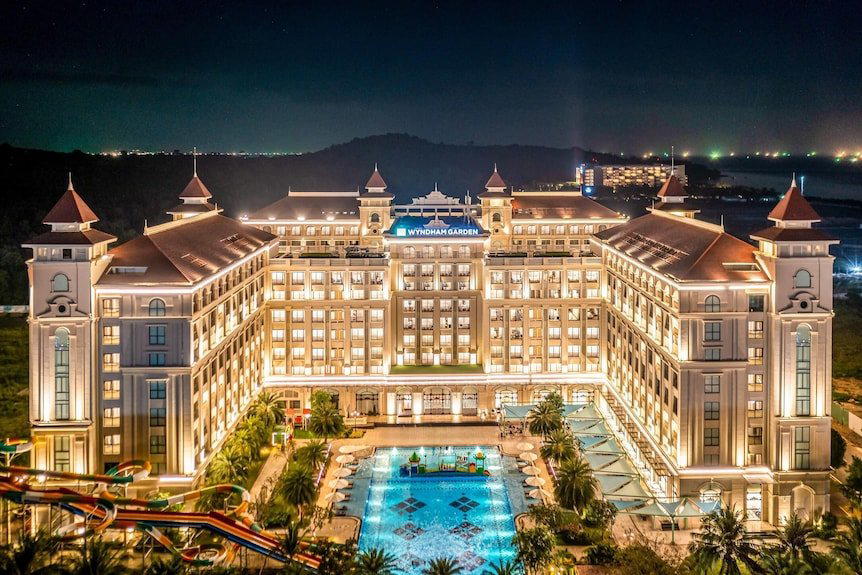
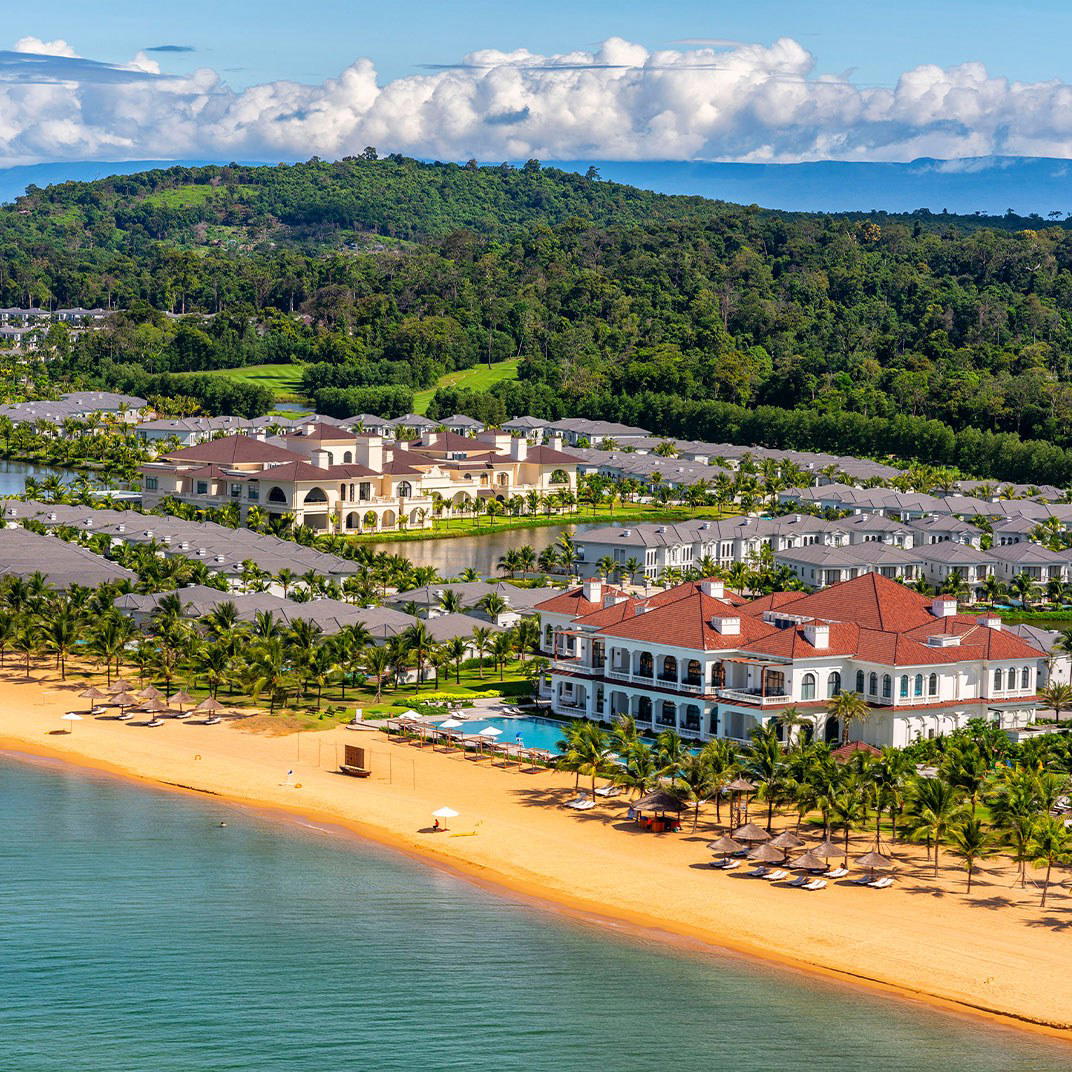
Approaching Chinese Restaurant in Phu Quoc, the first impression is less about old-town intimacy or street-side cooking than resort-island convenience: easy visitor movement, hospitality infrastructure, and restaurants built for travelers moving between beach time, family meals, and evening entertainment. In that setting, Chinese Restaurant signals a familiar category within Phu Quoc’s newer hospitality economy, where the island’s food identity now stretches beyond local staples into formats designed for mixed groups.
That context matters. Phu Quoc’s restaurant scene is split between island-specific eating, hotel dining rooms, and practical dining addresses that serve guests who want recognisable formats without crossing the island for dinner. For a wider view of that spread, broader Phu Quoc guides map the local field, while Our full Phu Quoc experiences guide shows how dining is increasingly tied to the island’s broader leisure circuit.
Chinese cooking in a resort-island frame
Chinese restaurants in Vietnam often carry a different function from chef-led dining rooms. They are built around the social meal: shared plates, flexible ordering, and tables that can absorb several generations without forcing everyone into a tasting-menu rhythm. That makes the category useful in Phu Quoc, where many visitors travel as families or groups and where dinner often needs to work after a day of beach logistics rather than operate as the sole event of the evening.
Chinese Restaurant fits that role by name and city, but the absence of detailed public information on culinary leadership, pricing, and signature dishes keeps the critical read modest. This is not a page where the evidence supports claims about a named regional specialty, a specific kitchen figure, or an awards-led reputation. The safer editorial frame is functional: in a resort-island context, a Chinese-labeled restaurant gives travelers an alternative to other Phu Quoc dining rooms and casual terrace dining.
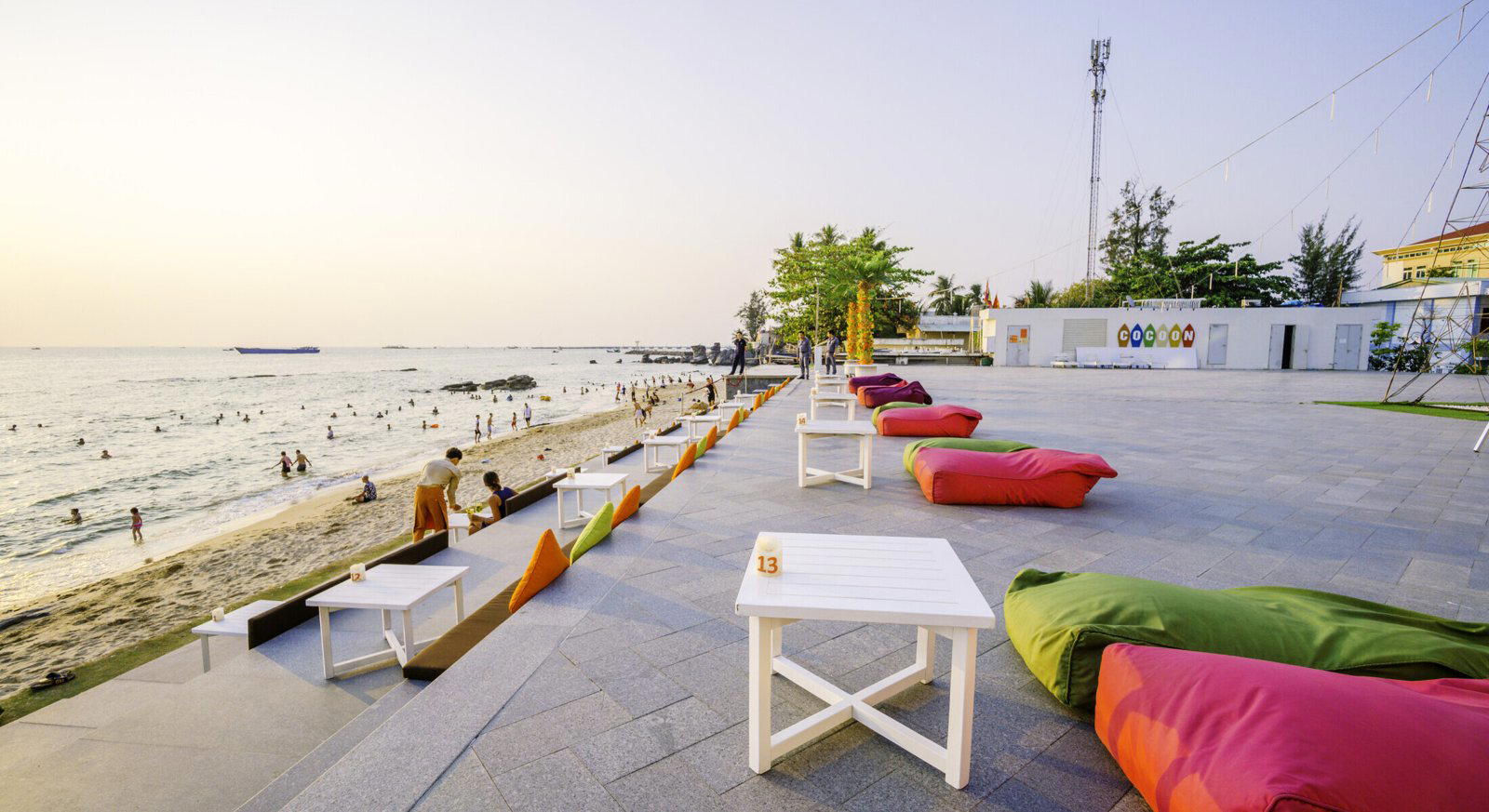
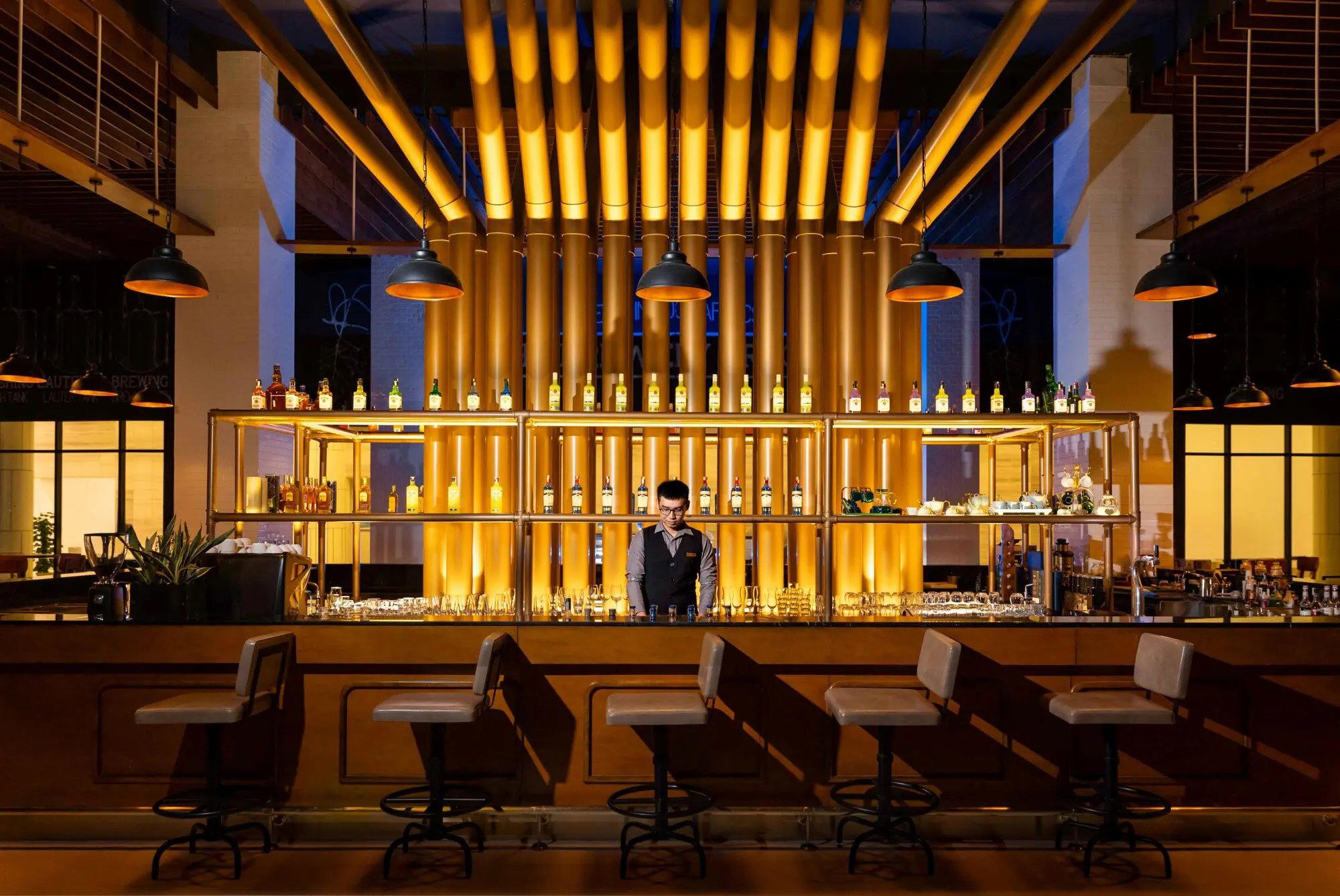
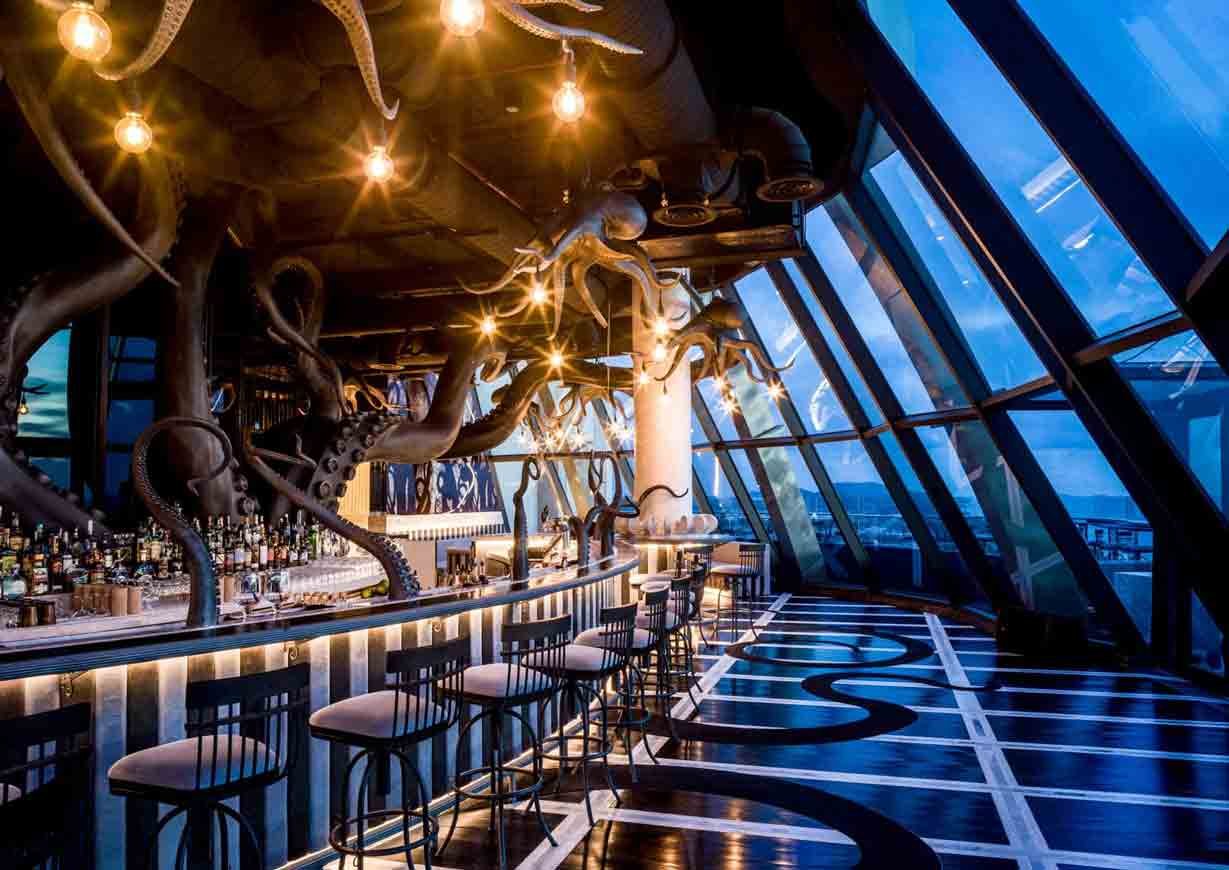
Within Phu Quoc, that puts it near a practical competitive set rather than a formal fine-dining one. Atlantis Restaurant, Avenue, Cocoon Terrace, Coral Restaurant, and Nautilus Restaurant 1 & 2 all sit in the same broader island conversation: restaurants shaped by visitor flow, hotel geography, and the need to serve multiple dining moods within a compact resort market.
How to read the choice in Phu Quoc
The useful question is not whether this is a trophy booking. It is whether the format suits the night. Phu Quoc can reward diners who chase local food culture and market cooking, but resort areas also demand reliable, low-friction meals. A Chinese restaurant in this setting is often strongest when the group wants shared dishes, familiar flavours, and a room that does not require the formality of a destination counter or hotel dégustation.
Vietnam’s wider dining map shows how broad that range has become. A traveler comparing island resort dining with city restaurants elsewhere in the country will see that the job of a restaurant changes with context: some rooms are built around heritage cooking, some around hotel comfort, some around casual group meals, and some around destination-led culinary ambition. Those comparisons are less about identical cuisine than about how location changes the role a restaurant has to play.
Phu Quoc rewards planning by area and schedule rather than by single venue alone. If the evening is already centered on a resort-side itinerary, Chinese Restaurant makes more sense than a cross-island detour. If the goal is a chef-led meal with published accolades, named culinary leadership, or a tightly documented menu, the available facts do not support that expectation. The sharper use case is a convenient group meal in Phu Quoc, with Chinese Restaurant as the organising idea.
For readers building a broader Asia-to-Pacific food itinerary, the contrast with casual specialists in other cities is instructive: diaspora and resort dining solve different problems. In Phu Quoc, the appeal is not scarcity or ceremony. It is fit, convenience, and the cultural usefulness of shared dining within an island market built around travelers.
Frequently asked questions
What's Chinese Restaurant's location?
Phu Quoc.
Should I book Chinese Restaurant in advance?
Advance planning makes sense because resort-area dining in Phu Quoc can concentrate at peak times. No phone number or website is listed, so the most reliable approach is to plan ahead around your Phu Quoc schedule.
What has Chinese Restaurant built its reputation on?
Its identity is the format itself: a Chinese restaurant in Phu Quoc, where the appeal is shared dining rather than chef's-table theater. The name is plain, and that signals a room best read as a straightforward option for group-friendly meals on the island.
Is Chinese Restaurant allergy-friendly?
There is no chef name, menu, phone number, or website in the venue details, so ingredient checks need to happen directly with the team in Phu Quoc. If allergies or dietary restrictions matter, direct confirmation is the sensible step.
Is Chinese Restaurant a family-friendly restaurant?
Yes, the Phu Quoc setting points to a dining room suited to groups and mixed-age tables rather than a formal counter service. The restaurant format is best read as practical for shared meals, which can make it useful for families.
How would you describe the vibe at Chinese Restaurant?
Expect a casual, resort-adjacent room in Phu Quoc rather than a tasting-menu dining room. The mood is best understood as easy shared meals and unhurried group dining, rather than a highly formal destination restaurant.
Cost Snapshot
Nearby venues at a similar price tier for orientation.
| Venue | Cuisine | Price |
|---|---|---|
| Chinese RestaurantThis venue — the venue you are viewing | Traditional Chinese & Dim Sum | $20–30 |
| Atlantis Restaurant | Italian-Western Fusion | Not listed |
| Nautilus Restaurant 1 & 2 | International, Asian & Vietnamese Buffet | Not listed |
| Avenue | International all‑day hotel restaurant | Not listed |
| Coral Restaurant | International & Vietnamese Seafood | $30–50 |
| Cocoon Terrace | Hotel terrace dining by the sea | Not listed |


Details
- Modern
- Elegant
- Lively
- Family
- Group Dining
- Celebration
- Casual Hangout
- Private Event
- Hotel Restaurant
- Private Dining
- A La Carte
- Buffet
- Tea
- Beer
- Soft Drinks
- Pescatarian Friendly
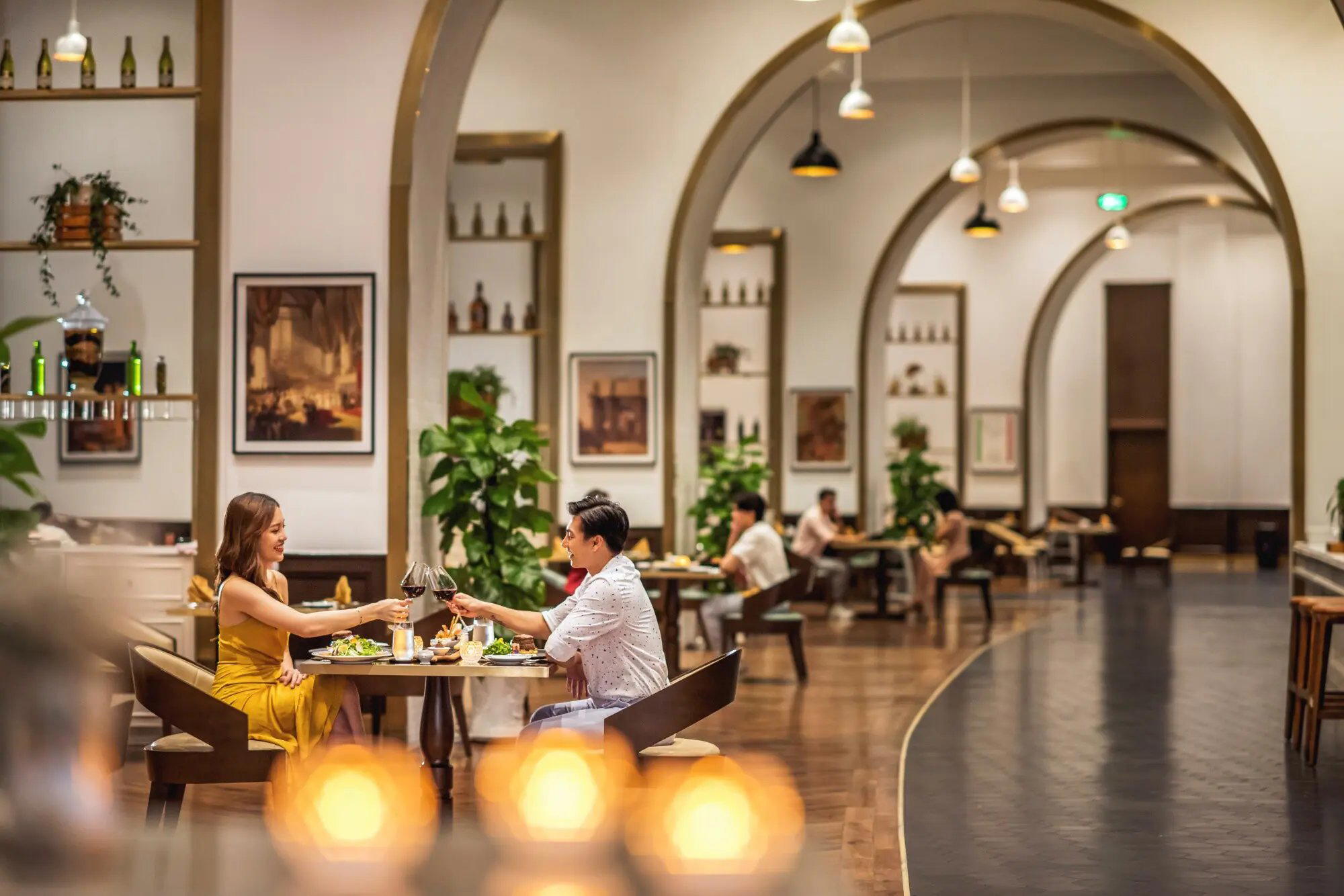
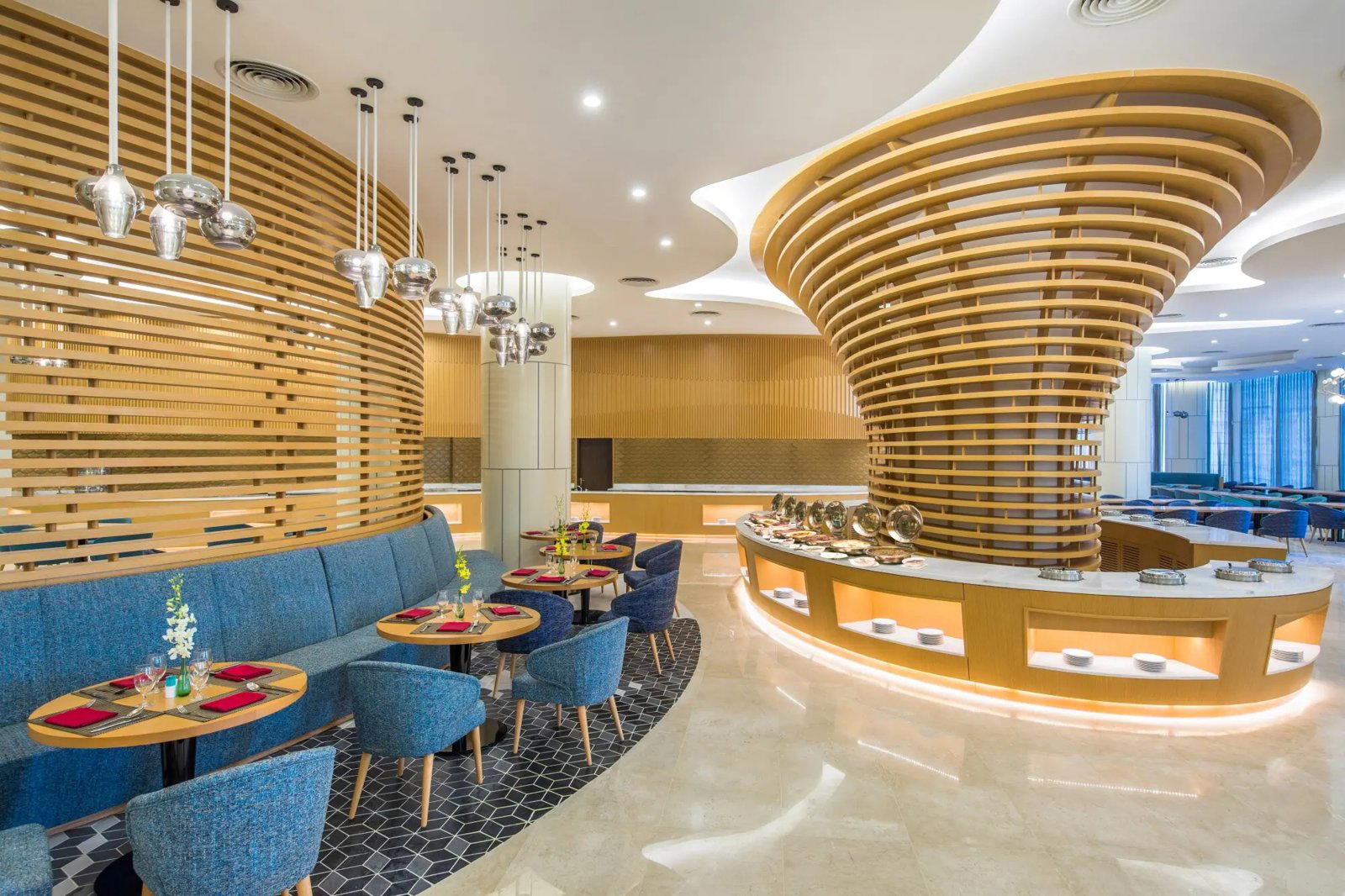
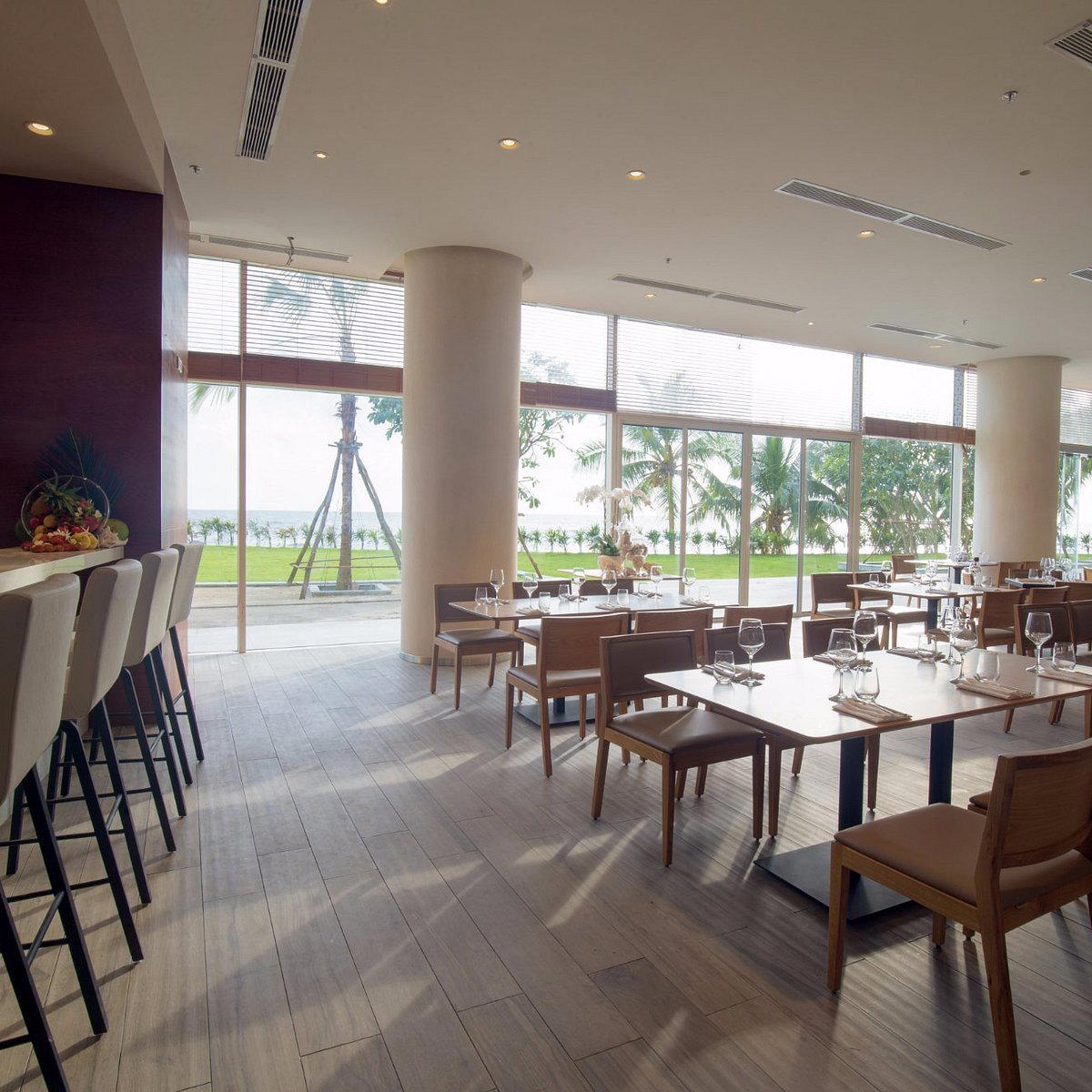
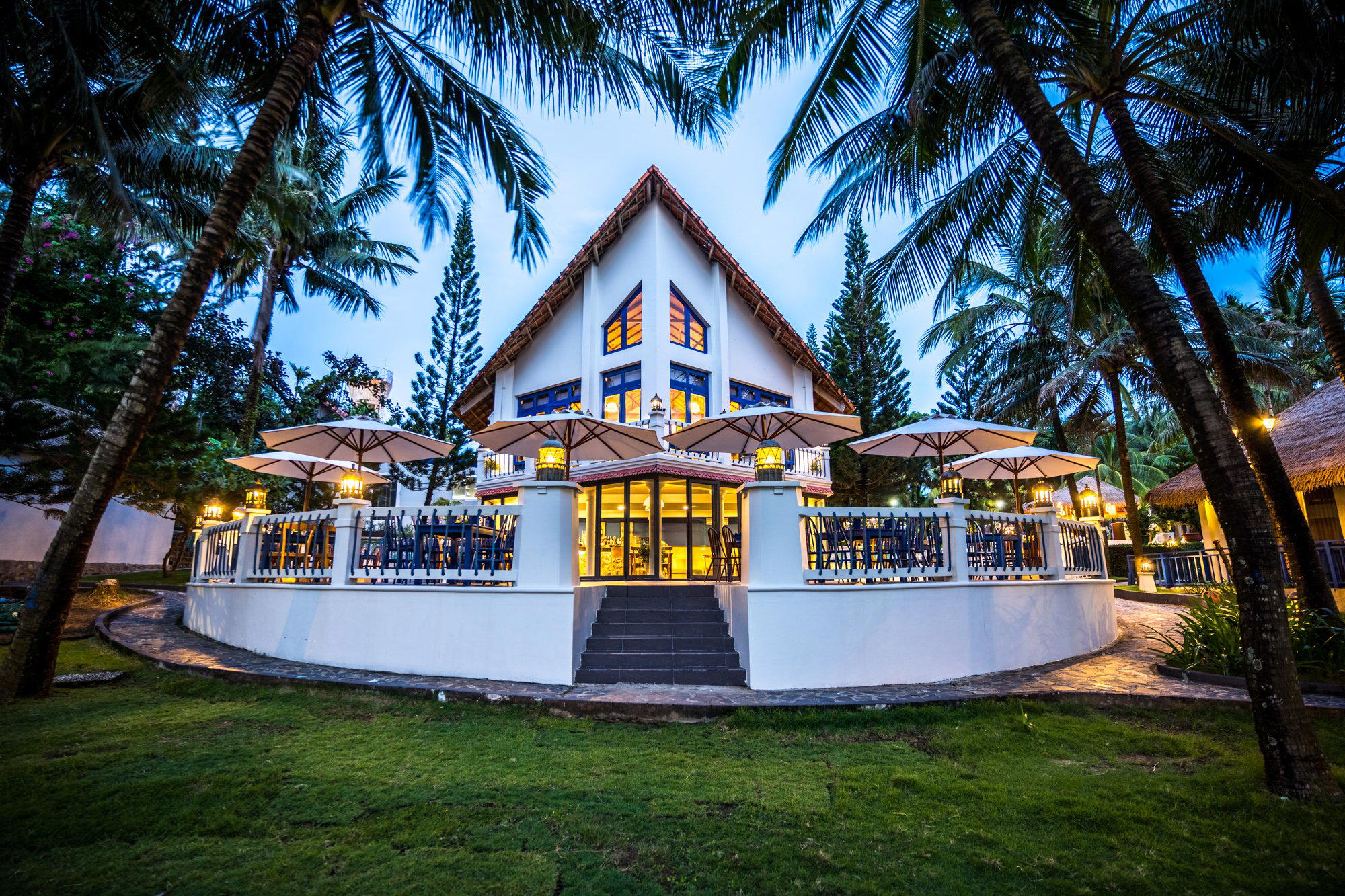
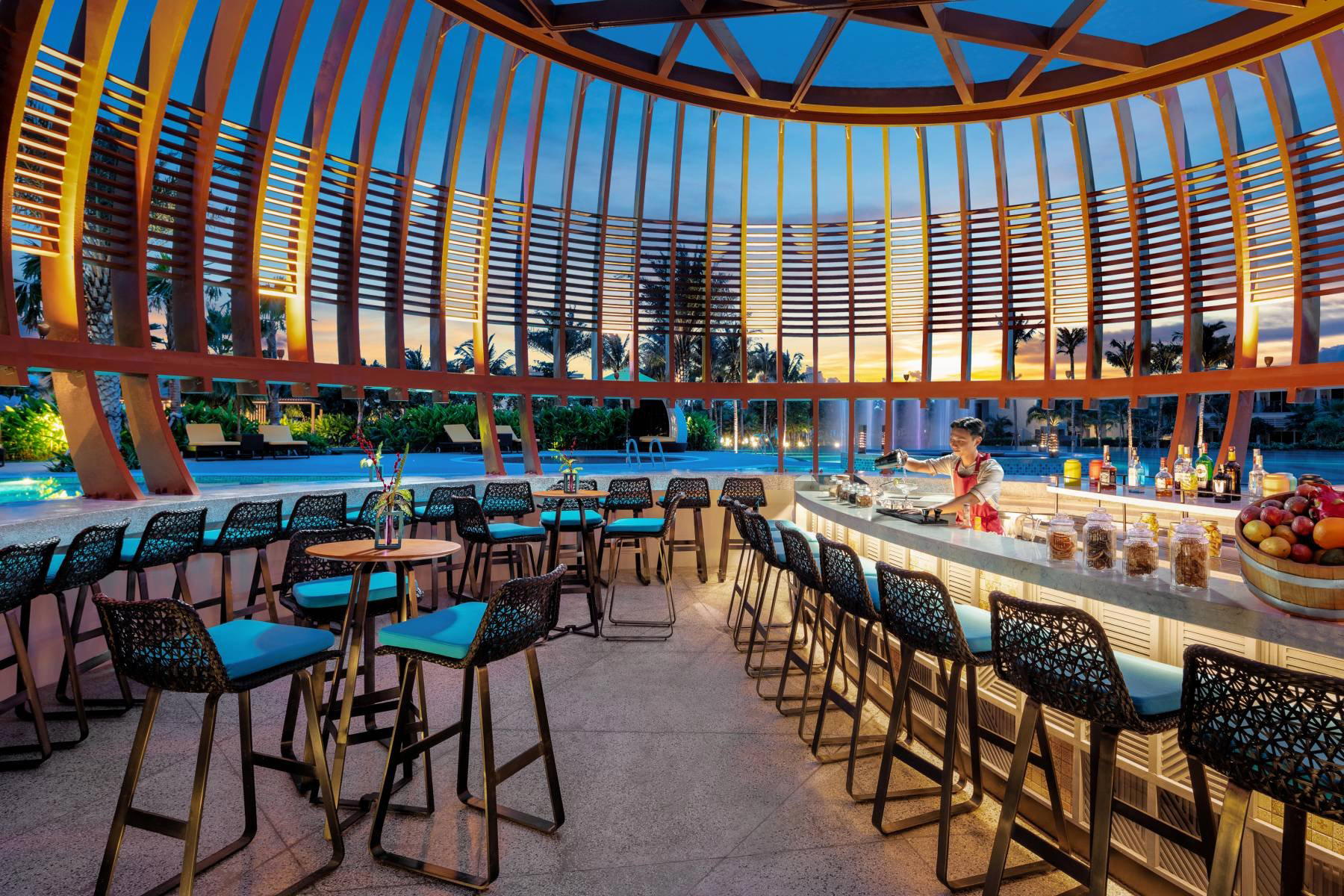
Contemporary, bright, and polished casino-resort setting with tasteful Chinese decor, comfortable seating, and a lively but orderly atmosphere suited to both families and groups.