Drinking at the Edge of the Resort Belt Phu Quoc's bar scene has developed in two distinct directions over the past decade. The first runs along the resort corridors of Duong Dong and Long Beach, where rooftop pools and imported spirits lists serve international visitors who never stray far from their hotel compound. The second is quieter, more local in character, and concentrated in pockets that most visitors don't find without a recommendation. Annex belongs to the second category. Its address in the An Giang administrative zone of the island positions it outside the standard tourist circuit, which is the clearest signal available about what kind of place it is and who it draws. That geographic displacement matters in a bar context. Venues that sit away from the primary tourist corridors tend to develop different rhythms: longer-stay regulars, fewer one-night walk-ins, and a program shaped more by repeat custom than by first-impression theatrics. Whether Annex has built that kind of loyal local following is not verifiable from available data, but the location logic points in that direction. For a broader map of where Phu Quoc's drinking culture is worth your time, our full Phu Quoc restaurants and bars guide covers the island's range. Where Annex Sits in Vietnam's Bar Progression To understand what Annex might represent, it helps to track how Vietnam's bar culture has shifted in the years since the country's hospitality sector matured. In Hanoi, venues like Workshop14 have built recognizable programs around craft and specificity. In Ho Chi Minh City, Stir operates in a cocktail register that takes technique seriously. These aren't outliers — they reflect a broader movement in Vietnamese drinking culture away from generic imported-spirit lists and toward bars with defined identities. Phu Quoc is a later entry into that progression, partly because its hospitality infrastructure developed primarily around resort tourism rather than urban nightlife. The interesting question for any bar on the island is whether it's building something durable or simply serving transient demand. Across Vietnam, the bars that have built lasting reputations share a few characteristics: a cocktail program with a recognizable point of view, a physical environment that earns return visits, and an address that filters the clientele toward people who made a deliberate choice to be there. The Alumi Events Lounge represents one version of this in its own market. Annex's positioning, at least geographically, checks the third of those boxes by default. The Cocktail Programme Question What can be addressed is the frame that any serious cocktail program on an island like Phu Quoc operates within, because that frame shapes what's worth ordering and what to ignore. Island bars face a specific challenge with spirits sourcing and ingredient freshness. Tropical climate means certain spirits age differently in storage, citrus availability shifts seasonally, and the logistics of getting quality vermouth or amaro to a destination far from major distribution hubs affects what a bar can realistically execute well. The bars that handle this honestly tend to build menus around what's locally abundant — fresh coconut, tropical fruit, Vietnamese spirits and beer bases, rather than attempting a global cocktail canon they can't fully support. A cocktail program leaning into those local ingredients is generally a more reliable signal of quality than one trying to replicate a London or New York menu at distance. For comparison points on programs that have resolved this question in their own markets: Absinthe in Sapa and Alchemy Bar in Ninh Hoa each operate in Vietnamese destinations where local sourcing and format discipline define the better drinking experiences. The same logic applies in Phu Quoc. What the Region's Drinking Culture Looks Like Central and southern Vietnam have produced a range of bar formats in recent years, from the craft-beer focus of Hoi An Brewing Company's Tap Room and Riverside Beer Garden in Hoi An to the neighborhood-anchor model of United Bar in Thanh Khe and the local-scene positioning of Genji Bar in Cam Pha. Each of these reflects a different answer to the same underlying question: what does a bar in a Vietnamese city or resort destination owe its guests in terms of program depth and format? In Da Nang, Le Rendez Vous in Son Tra takes a Franco-Vietnamese hybrid approach. These varying formats illustrate that there's no single model winning in the region, which means Annex has room to define its own position rather than competing directly with resort-bar defaults. Whether it has done so is the editorial unknown here. International Reference Points For context on what a destination bar that earns its reputation looks like at higher specificity, two American examples are instructive. Café La Trova in Miami built a Cuban-rooted cocktail identity that connects to the city's cultural fabric rather than simply replicating a global bar format. Jewel of the South in New Orleans operates within a strong local drinking tradition and uses that tradition as creative material rather than decoration. Both examples point to the same principle: the bars that matter in a destination are the ones that couldn't exist anywhere else in quite the same form. That standard is achievable in Phu Quoc. The island has enough specific character, its fishing-town origins, its specific tropical produce, its split between resort clientele and long-term expat community, to generate genuinely local bar culture. Planning a Visit Annex sits at the An Giang end of the island, away from the primary tourist concentration along the western coast. Getting there from the main resort strip requires deliberate transport rather than a walkable detour, which means it rewards planning rather than impulse. Confirming hours before traveling from the resort corridor is advisable, this is not a backup option if your first-choice bar is closed, but rather a destination that requires its own trip. For anyone spending more than two or three nights on the island, the geographic spread of Phu Quoc's drinking options makes the non-resort end of the market worth exploring. A bar at Annex's address is, at minimum, a different experience from the poolside cocktail menus that dominate most visitors' evenings on the island. Frequently Asked Questions What should I drink at Annex? The general principle at Phu Quoc bars applies here: programs built around locally sourced tropical ingredients and Vietnamese spirits tend to be more reliably executed than those attempting a wide international cocktail canon. Ask what's made in-house or what the bar does consistently well rather than ordering from a printed list without guidance. Why do people go to Annex? The address alone suggests Annex draws guests who have moved past the resort-strip defaults and are looking for something at a remove from the main tourist concentration. Phu Quoc has a thin layer of bars with genuine local character, and venues positioned outside the standard tourist corridors tend to serve a different clientele: longer-stay visitors, residents, and travelers who treat a bar visit as a destination rather than an afterthought. Is Annex a good option for travelers staying in the resort area of Phu Quoc? Annex's An Giang address places it outside the main resort corridor, making it a deliberate excursion rather than a convenient stopover. Travelers willing to arrange transport will find it offers a contrast to the poolside and resort-bar formats that dominate the island's western coast.

Pearl is the En Primeur Club membership app — saves, bookings, and concierge access live there. Same editors, same standards.
- Address
- 8VH3+8C, Phú Quốc, An Giang, Vietnam
- Phone
- +84 297 3660 000
- Hours
- Daily 12–10 PM
- Website
- radissonhotels.com
- Directions
- Get directions
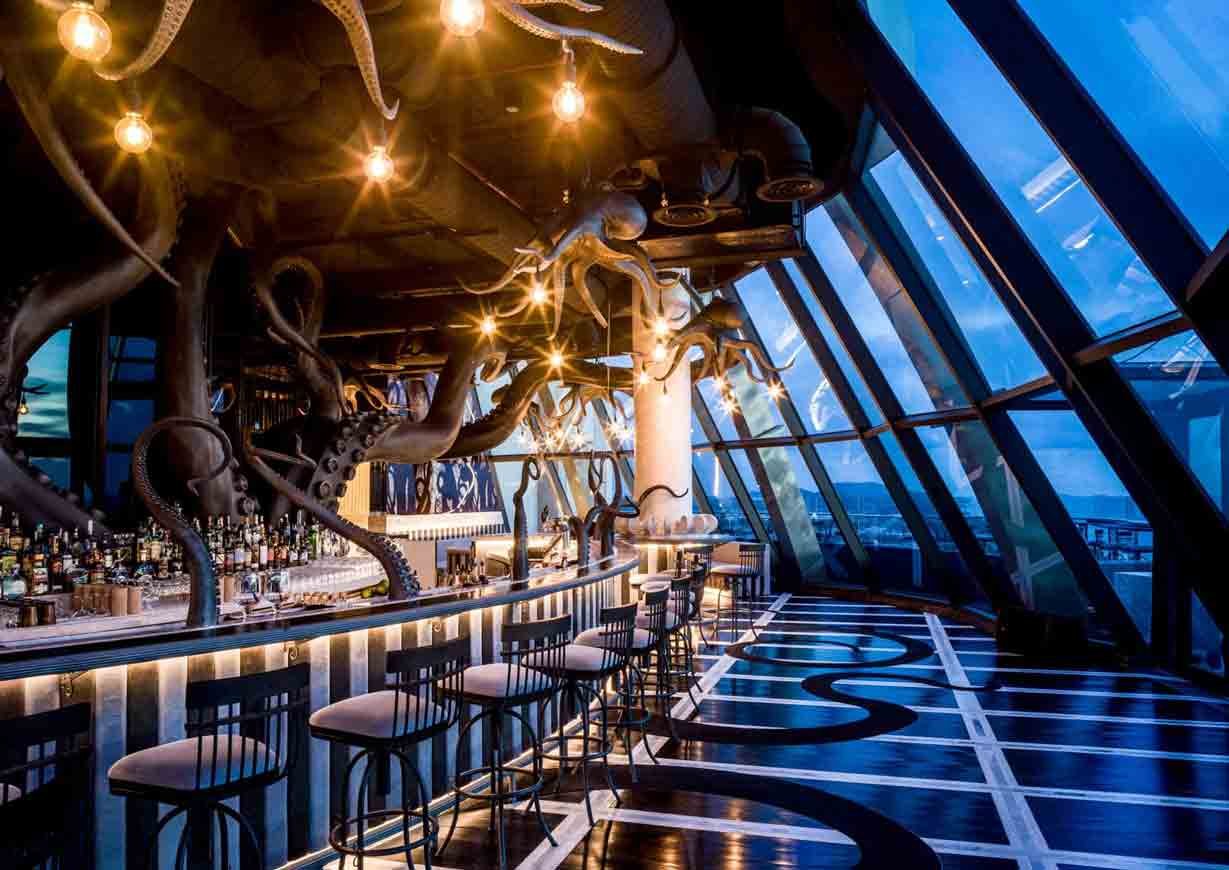
Drinking at the Edge of the Resort Belt
Phu Quoc's bar scene has developed in two distinct directions over the past decade. The first runs along the resort corridors of Duong Dong and Long Beach, where rooftop pools and imported spirits lists serve international visitors who never stray far from their hotel compound. The second is quieter, more local in character, and concentrated in pockets that most visitors don't find without a recommendation. Annex belongs to the second category. Its address in the An Giang administrative zone of the island positions it outside the standard tourist circuit, which is the clearest signal available about what kind of place it is and who it draws.
That geographic displacement matters in a bar context. Venues that sit away from the primary tourist corridors tend to develop different rhythms: longer-stay regulars, fewer one-night walk-ins, and a program shaped more by repeat custom than by first-impression theatrics. Whether Annex has built that kind of loyal local following is not verifiable from available data, but the location logic points in that direction. For a broader map of where Phu Quoc's drinking culture is worth your time, our full Phu Quoc restaurants and bars guide covers the island's range.
Where Annex Sits in Vietnam's Bar Progression
To understand what Annex might represent, it helps to track how Vietnam's bar culture has shifted in the years since the country's hospitality sector matured. In Hanoi, venues like Workshop14 have built recognizable programs around craft and specificity. In Ho Chi Minh City, Stir operates in a cocktail register that takes technique seriously. These aren't outliers — they reflect a broader movement in Vietnamese drinking culture away from generic imported-spirit lists and toward bars with defined identities. Phu Quoc is a later entry into that progression, partly because its hospitality infrastructure developed primarily around resort tourism rather than urban nightlife. The interesting question for any bar on the island is whether it's building something durable or simply serving transient demand.
Across Vietnam, the bars that have built lasting reputations share a few characteristics: a cocktail program with a recognizable point of view, a physical environment that earns return visits, and an address that filters the clientele toward people who made a deliberate choice to be there. The Alumi Events Lounge represents one version of this in its own market. Annex's positioning, at least geographically, checks the third of those boxes by default.
The Cocktail Programme Question
What can be addressed is the frame that any serious cocktail program on an island like Phu Quoc operates within, because that frame shapes what's worth ordering and what to ignore.
Island bars face a specific challenge with spirits sourcing and ingredient freshness. Tropical climate means certain spirits age differently in storage, citrus availability shifts seasonally, and the logistics of getting quality vermouth or amaro to a destination far from major distribution hubs affects what a bar can realistically execute well. The bars that handle this honestly tend to build menus around what's locally abundant — fresh coconut, tropical fruit, Vietnamese spirits and beer bases, rather than attempting a global cocktail canon they can't fully support. A cocktail program leaning into those local ingredients is generally a more reliable signal of quality than one trying to replicate a London or New York menu at distance.
For comparison points on programs that have resolved this question in their own markets: Absinthe in Sapa and Alchemy Bar in Ninh Hoa each operate in Vietnamese destinations where local sourcing and format discipline define the better drinking experiences. The same logic applies in Phu Quoc.
What the Region's Drinking Culture Looks Like
Central and southern Vietnam have produced a range of bar formats in recent years, from the craft-beer focus of Hoi An Brewing Company's Tap Room and Riverside Beer Garden in Hoi An to the neighborhood-anchor model of United Bar in Thanh Khe and the local-scene positioning of Genji Bar in Cam Pha. Each of these reflects a different answer to the same underlying question: what does a bar in a Vietnamese city or resort destination owe its guests in terms of program depth and format?
In Da Nang, Le Rendez Vous in Son Tra takes a Franco-Vietnamese hybrid approach. These varying formats illustrate that there's no single model winning in the region, which means Annex has room to define its own position rather than competing directly with resort-bar defaults. Whether it has done so is the editorial unknown here.
International Reference Points
For context on what a destination bar that earns its reputation looks like at higher specificity, two American examples are instructive. Café La Trova in Miami built a Cuban-rooted cocktail identity that connects to the city's cultural fabric rather than simply replicating a global bar format. Jewel of the South in New Orleans operates within a strong local drinking tradition and uses that tradition as creative material rather than decoration. Both examples point to the same principle: the bars that matter in a destination are the ones that couldn't exist anywhere else in quite the same form.
That standard is achievable in Phu Quoc. The island has enough specific character, its fishing-town origins, its specific tropical produce, its split between resort clientele and long-term expat community, to generate genuinely local bar culture.
Planning a Visit
Annex sits at the An Giang end of the island, away from the primary tourist concentration along the western coast. Getting there from the main resort strip requires deliberate transport rather than a walkable detour, which means it rewards planning rather than impulse. Confirming hours before traveling from the resort corridor is advisable, this is not a backup option if your first-choice bar is closed, but rather a destination that requires its own trip.
For anyone spending more than two or three nights on the island, the geographic spread of Phu Quoc's drinking options makes the non-resort end of the market worth exploring. A bar at Annex's address is, at minimum, a different experience from the poolside cocktail menus that dominate most visitors' evenings on the island.
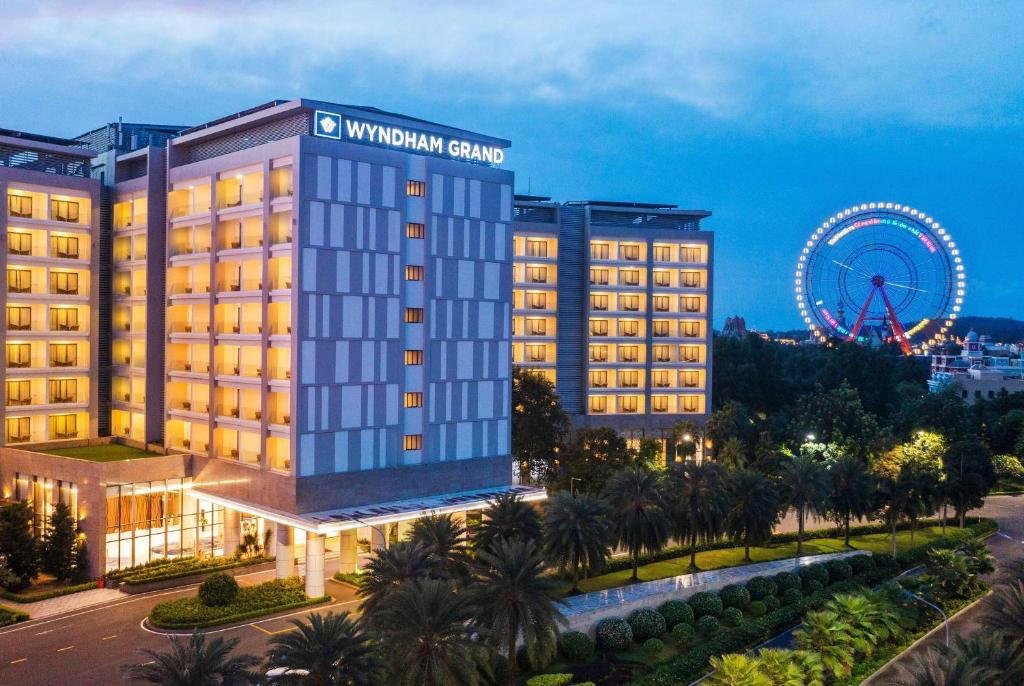
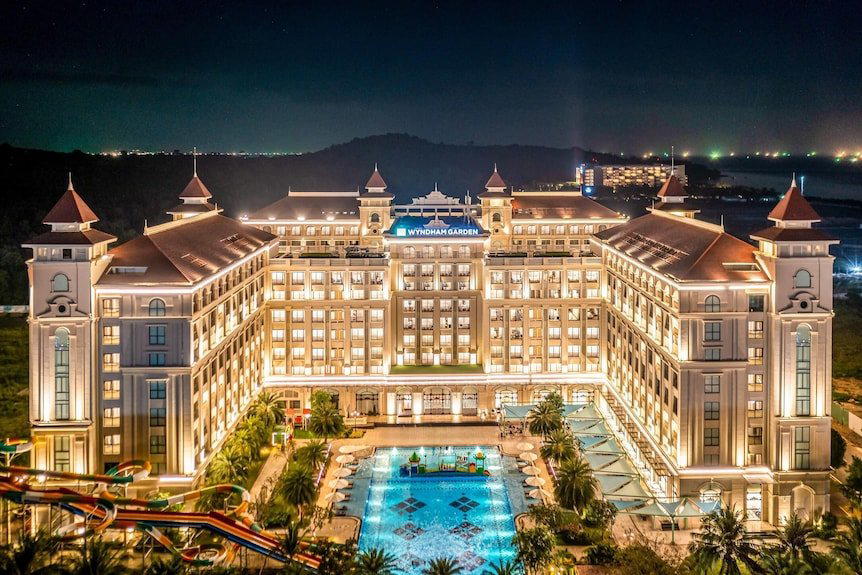
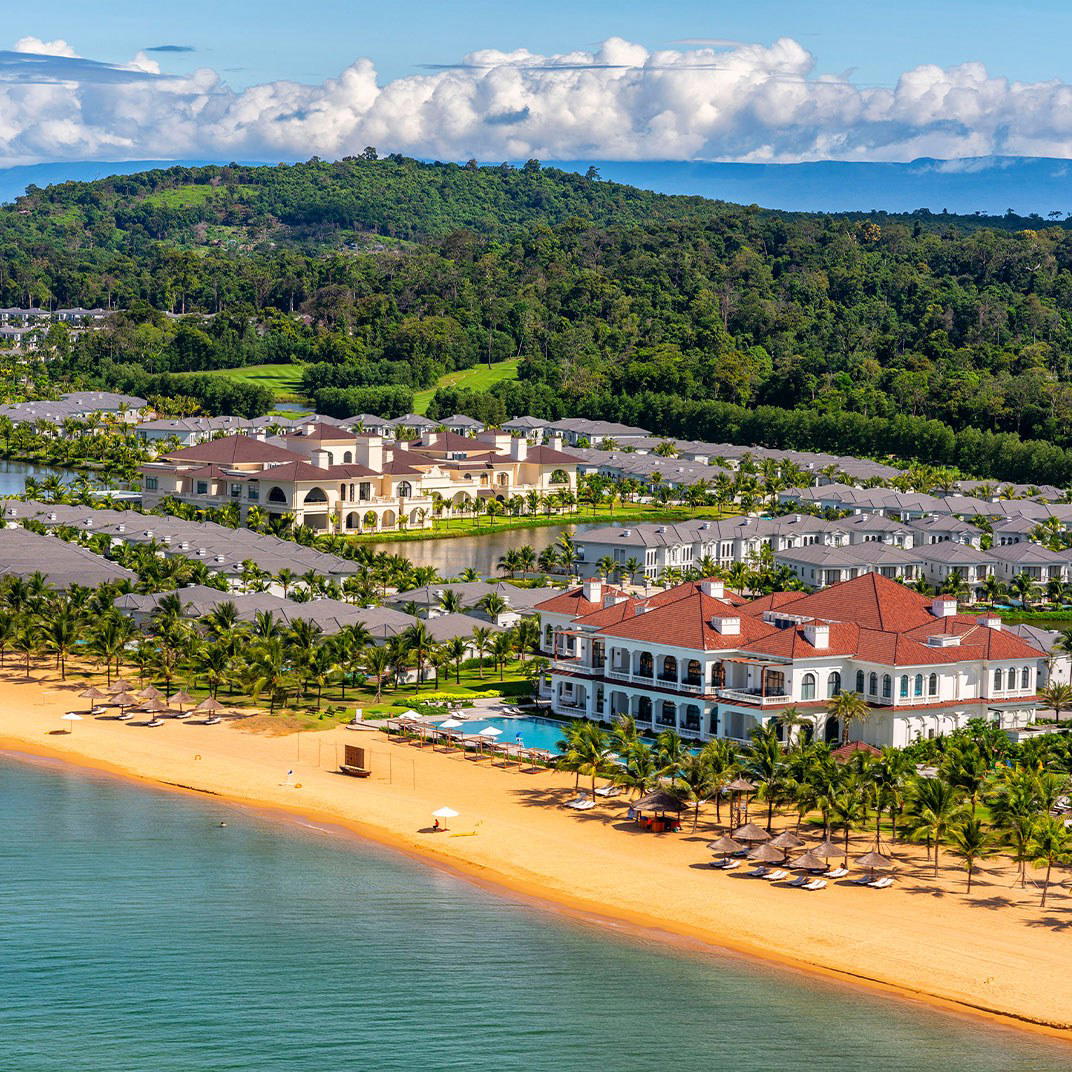

Annex
The wine
- Wine program
- Curated wine list
- Craft cocktails
- Classic cocktails
Details
- Intimate
- Sophisticated
- Elegant
- Date Night
- Casual Hangout
- Special Occasion
- Hotel Bar
- Lounge Seating
- Seated Bar
- Classic Cocktails
- Craft Cocktails
Current opening hours
- Monday
- 12–10 PM
- Tuesday
- 12–10 PM
- Wednesday
- 12–10 PM
- Thursday
- 12–10 PM
- Friday
- 12–10 PM
- Saturday
- 12–10 PM
- Sunday
- 12–10 PM
Hours can change for holidays and private events. Last verified .
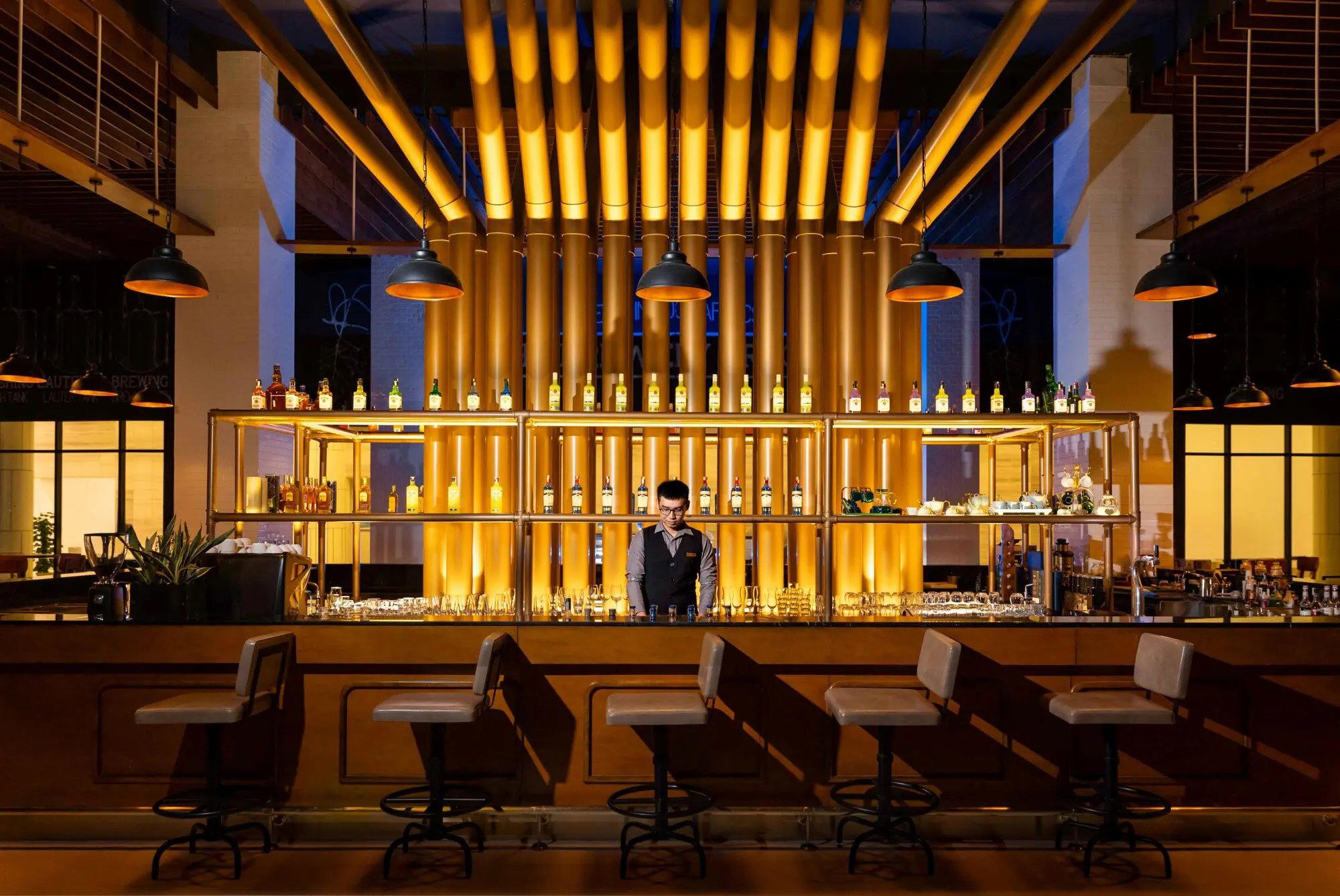
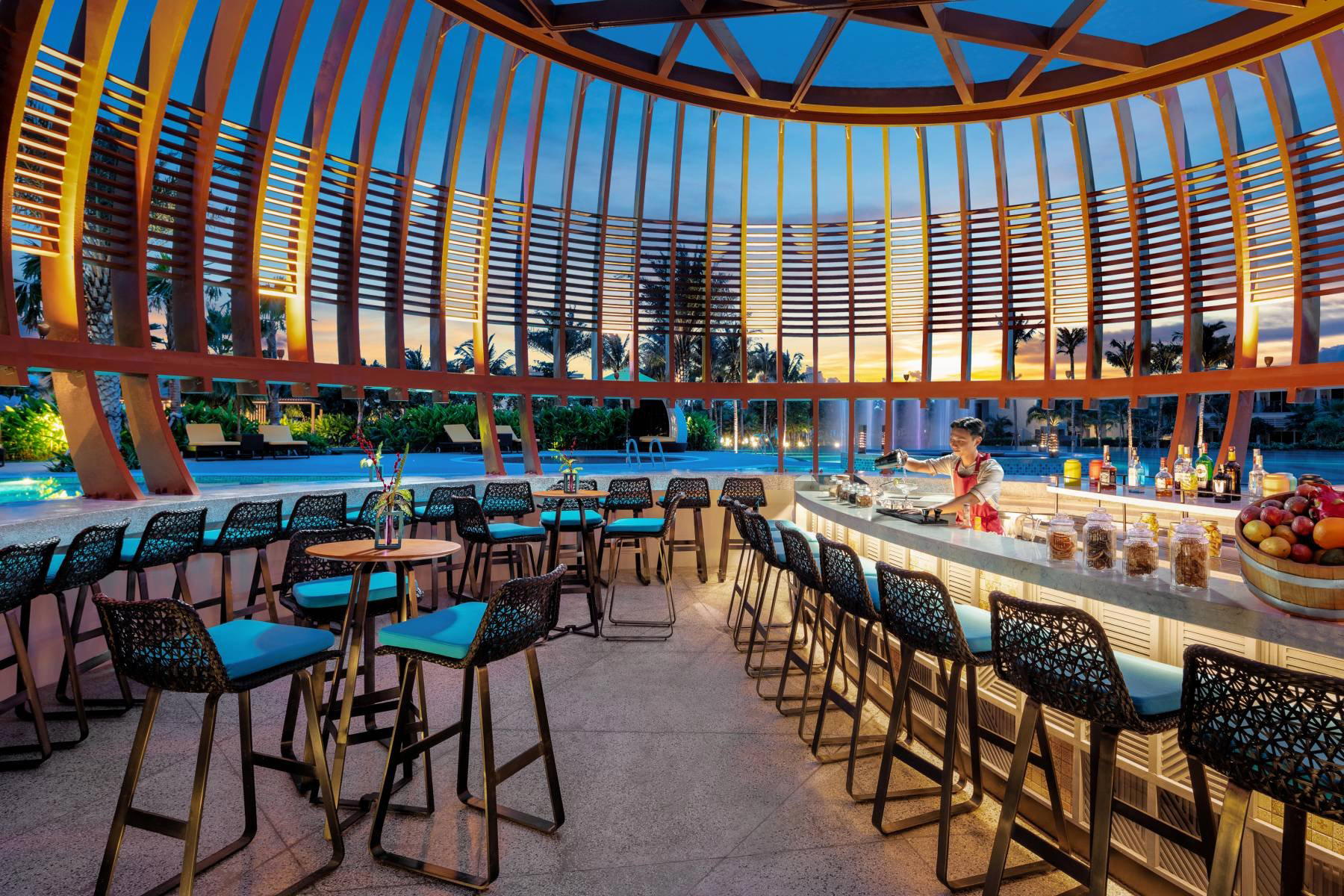
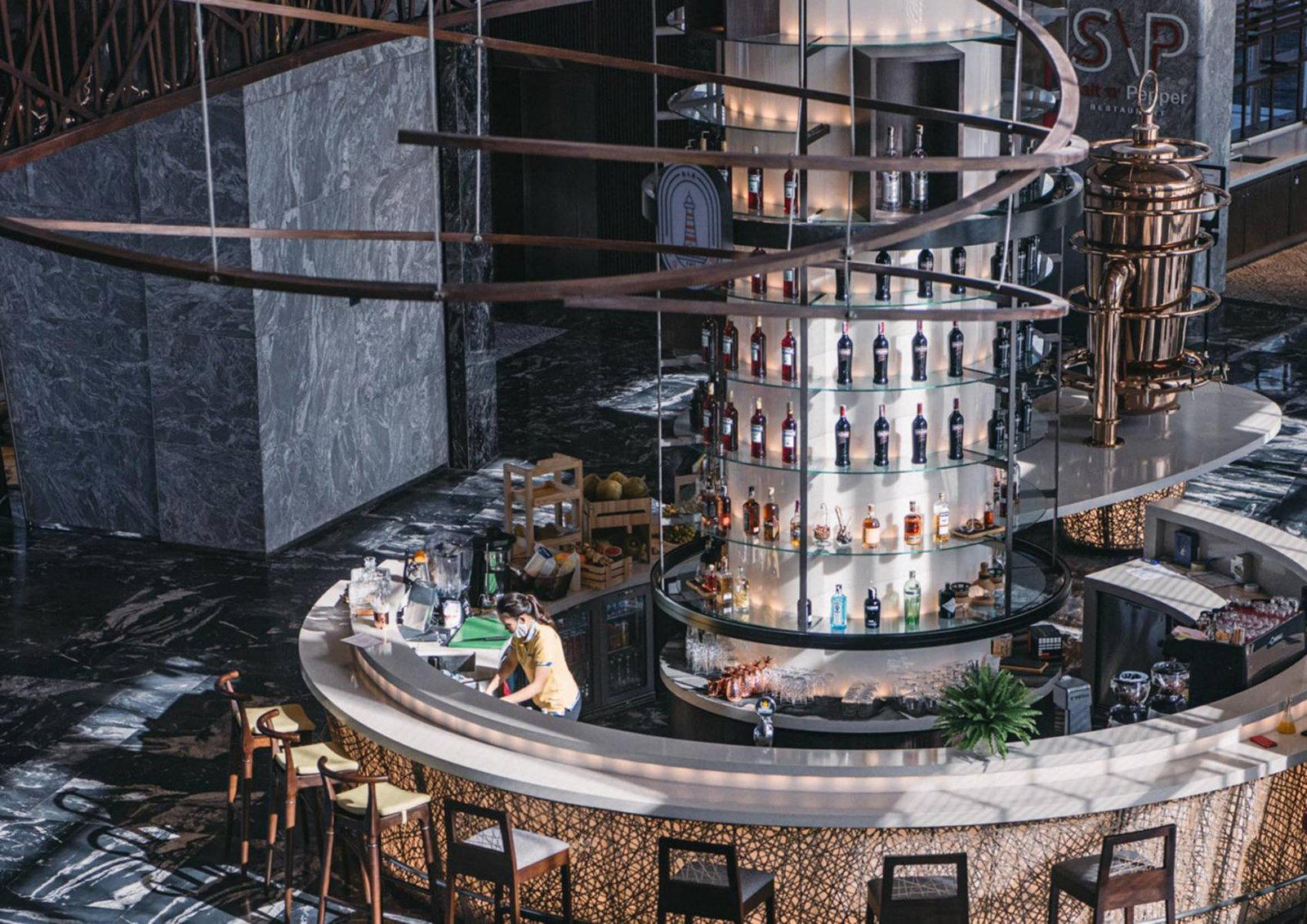
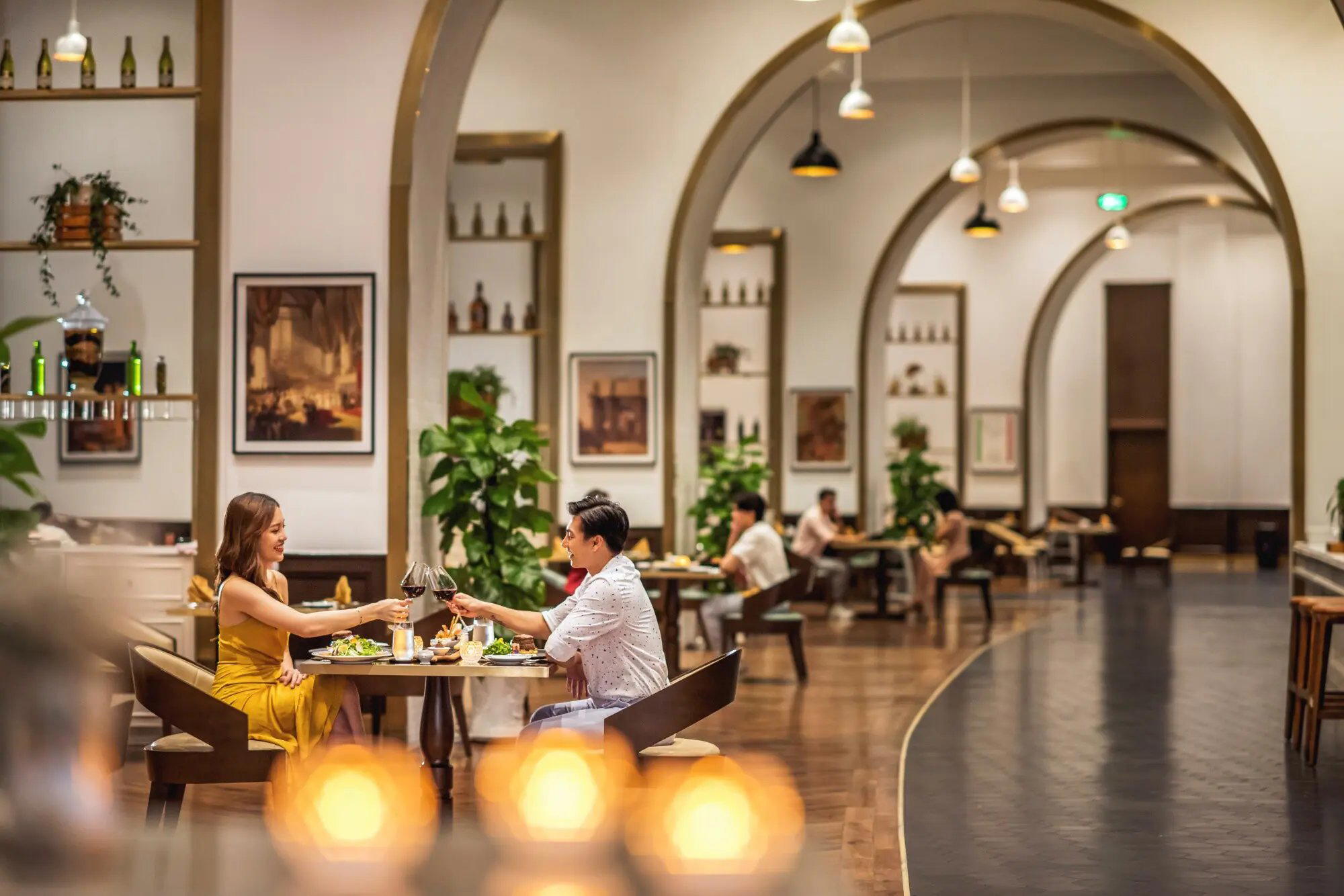
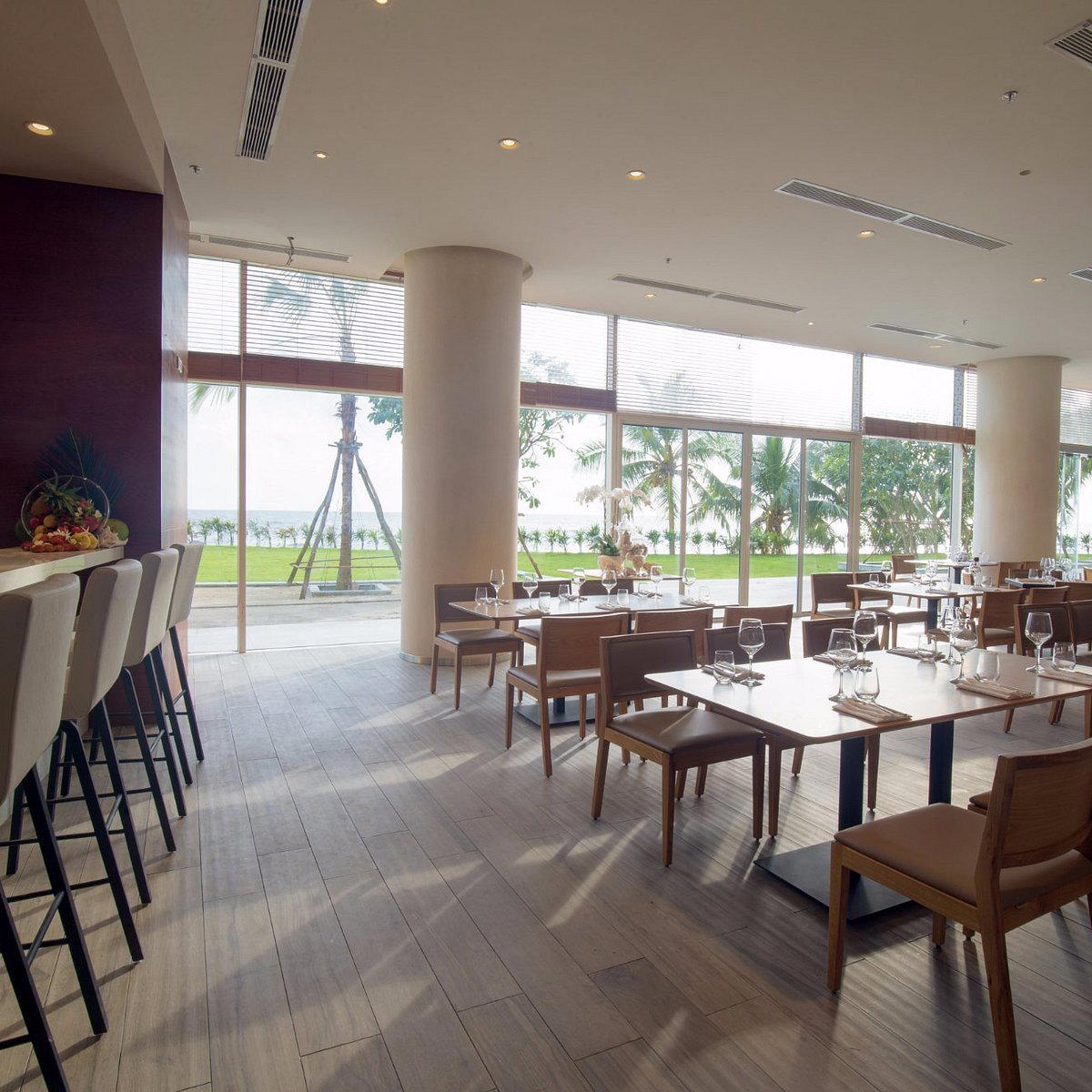
Intimate and elegant atmosphere with a focus on sophistication, featuring a prominent marble bar in a light-filled lobby space.