China Pavilion
China Pavilion occupies a Chapala Street address in the heart of downtown Santa Barbara, positioning it within a dining corridor that draws from both the city's coastal produce networks and its substantial resident population. The restaurant sits in a city where farm-to-table sourcing has moved from trend to baseline expectation, making ingredient provenance a meaningful point of differentiation for any kitchen operating at this latitude.
Pearl is the En Primeur Club membership app — saves, bookings, and concierge access live there. Same editors, same standards.
- Address
- 1202 Chapala St, Santa Barbara, CA 93101
- Phone
- +18055606028
- Website
- china-pavilion.com
- Directions
- Get directions
 Saves & bookings on Pearl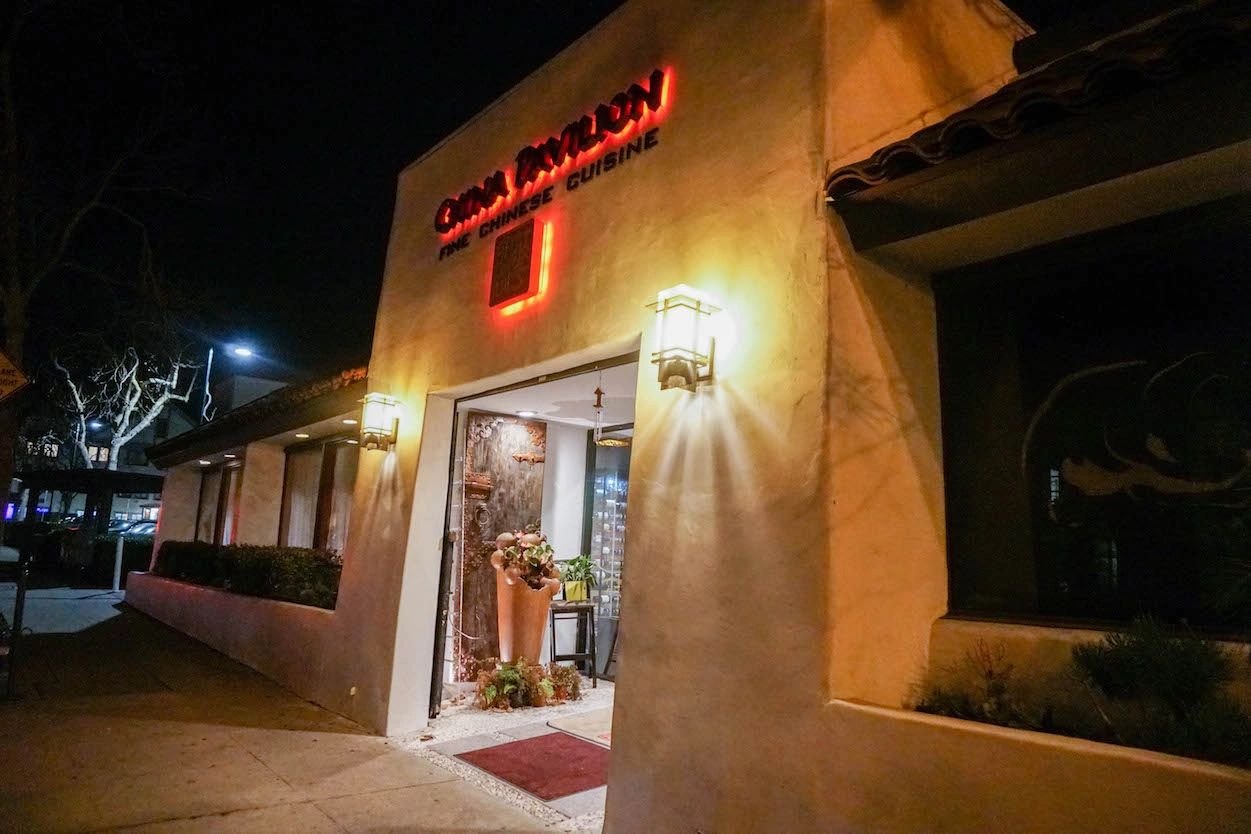
Chapala Street and the Geography of Downtown Santa Barbara Dining
Downtown Santa Barbara's Chapala Street corridor runs parallel to State Street and serves a steadier local crowd than the tourist-heavy blocks nearby. China Pavilion sits at 1202 Chapala St, which places it within walking distance of the city's central retail core while remaining a step removed from its highest-footfall blocks. In a city where dining decisions often split between the waterfront-adjacent scene and the residential inland neighborhoods, Chapala occupies a middle ground.
Santa Barbara's dining identity has long reflected both the Santa Ynez Valley's agricultural output and the Santa Barbara Channel's seafood supply. That dual sourcing geography has made ingredient provenance a baseline expectation rather than a premium differentiator for restaurants operating here. Properties like Barbareño and Silvers Omakase have built their reputations in part on how directly they connect to those supply chains. Any kitchen at this address is implicitly in conversation with that expectation, regardless of cuisine type.
Chinese Cuisine and Ingredient Sourcing in a California Context
The ingredient-sourcing argument that applies to California-inflected restaurants translates differently, and in some ways more interestingly, when applied to Chinese cooking traditions. Where a Californian or coastal-format kitchen might foreground provenance as a selling point, Chinese culinary traditions have historically embedded sourcing logic into technique: the selection of aromatics, the handling of proteins, the balance of preserved and fresh ingredients all reflect a set of sourcing decisions that predate the contemporary farm-to-table framing. In California, where Chinese restaurant operators have access to both traditional supply chains and the same premium local produce networks that fuel the state's fine dining scene, the question of how a kitchen chooses to source becomes a genuine editorial question.
Santa Barbara is not a city with a large Cantonese or Sichuan dining district comparable to Los Angeles's San Gabriel Valley or San Francisco's Chinatown. The Chinese restaurants that operate here function more as standalone propositions than as part of a competitive regional cluster. That context shapes both how a restaurant like China Pavilion is experienced and how it should be assessed.
Where China Pavilion Sits in the Santa Barbara Price Spectrum
Santa Barbara's restaurant market has stratified over the past decade. At the upper end, properties like Silvers Omakase and the Californian coastal format of venues operating at the $$$$ tier set a price ceiling that reflects both the city's second-home wealth and its positioning as a weekend destination for Los Angeles visitors. Further down, accessible casual formats, including Backyard Bowls and the neighborhood Italian of Arnoldi's Cafe, anchor the market's lower register. Chinese restaurants in mid-sized American coastal cities typically operate in the $$ to $$$ band, positioned below the premium omakase tier but above fast-casual, with check averages that reflect family-style sharing formats and a menu logic built around multiple dishes per table rather than per-course progression.
For comparison, the ingredient-sourcing ethos that drives properties like Single Thread Farm in Healdsburg or Blue Hill at Stone Barns in Tarrytown operates at a price point and a programmatic depth that represents one end of the sourcing-as-identity spectrum in American dining. The restaurant operates within a different set of constraints and expectations, but the underlying question, where does the food come from, and does that matter to the kitchen, remains a useful lens regardless of price tier or cuisine category.
Booking, Access, and Practical Notes
The restaurant's Chapala Street address is accessible from downtown Santa Barbara's main pedestrian and transit corridors, with State Street a short block to the east. Street parking along Chapala and in the surrounding blocks is generally available in the evenings, though weekend demand in the summer months, when Santa Barbara's visitor population peaks, can compress availability. The city's Amtrak Pacific Surfliner service stops at the Santa Barbara station on State Street, roughly eight to ten blocks from the restaurant's address, making the venue reachable without a car for visitors arriving by rail from Los Angeles or San Luis Obispo.
These are the reference points that define what serious ingredient provenance looks like at the summit of the American market, a useful frame for understanding where mid-market neighborhood restaurants sit relative to the broader conversation, and what the gap between those tiers actually represents in practice.
Comparable Options
Comparable venues nearby, for context on price, style, and recognition.
| Venue | Cuisine | Price | Notes |
|---|---|---|---|
| China PavilionThis venue — the venue you are viewing | Traditional Chinese with Weekend Dim Sum | $$ | Not listed |
| Soho | California Cuisine with Live Music | $$ | Downtown |
| Cold Spring Tavern | Traditional American BBQ Tavern | $$ | San Marcos Pass |
| Yellow Belly Tap | American Gastropub | $$ | Oak Park |
| Your Place | Authentic Thai | $$ | Eastside |
| Cajun Kitchen | Cajun & Creole Breakfast Cafe | $$ | Downtown |
Continue exploring
More in Santa Barbara
Restaurants in Santa Barbara
Browse all →
Bars in Santa Barbara
Browse all →
Hotels in Santa Barbara
Browse all →
At a Glance
- Classic
- Group Dining
- Casual Hangout
- Standalone
Current opening hours
- Monday
- 11:30 AM–2:30 PM, 5–9 PM
- Tuesday
- 11:30 AM–2:30 PM, 5–9 PM
- Wednesday
- 11:30 AM–2:30 PM, 5–9 PM
- Thursday
- 11:30 AM–2:30 PM, 5–9 PM
- Friday
- 11:30 AM–2:30 PM, 5–9:30 PM
- Saturday
- 11 AM–3 PM, 5–9:30 PM
- Sunday
- 11 AM–3 PM, 5–9 PM
Hours can change for holidays and private events. Last verified .
Pretty decor with white tablecloths and wine glasses, creating an attractive open setting more polished than typical local Chinese restaurants.