Cajun Kitchen
Cajun Kitchen on Chapala Street sits in a Santa Barbara dining scene that increasingly rewards casual, regionally rooted cooking alongside the city's Californian fine-dining tier. Where neighbors like Barbareño and The Lark anchor the farm-to-table conversation, Cajun Kitchen occupies a different register: bayou-inflected flavors transplanted to the Southern California coast, making it a useful counterpoint to the local produce-forward consensus.
Pearl is the En Primeur Club membership app — saves, bookings, and concierge access live there. Same editors, same standards.
- Address
- 901 Chapala St, Santa Barbara, CA 93101
- Phone
- +18059651004
- Website
- cajunkitchencafe.com
- Directions
- Get directions
 Saves & bookings on Pearl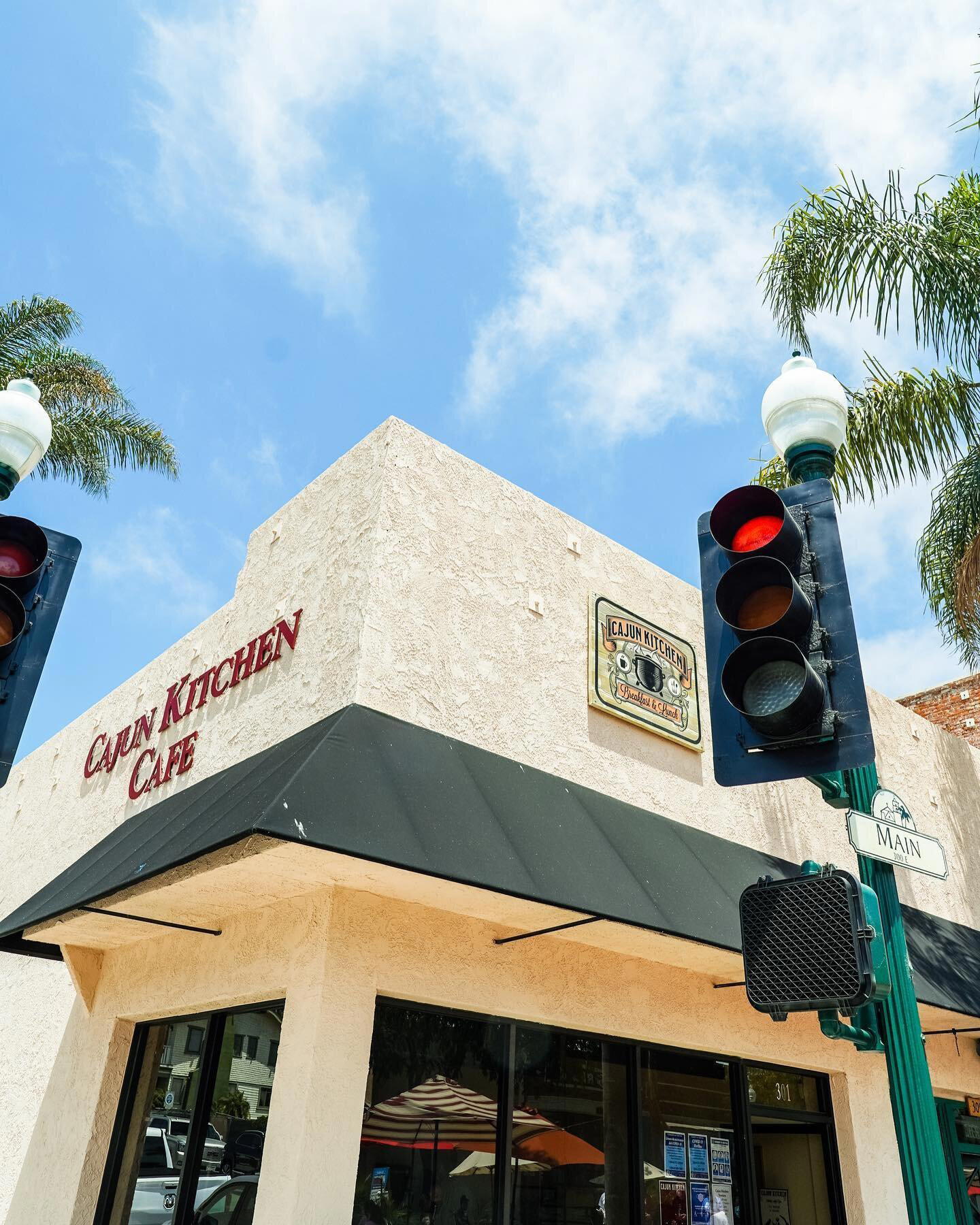
Southern Louisiana Cooking in a California Beach City
Santa Barbara's dining identity is built around the Central Coast's agricultural abundance. Farms in the Santa Ynez Valley and Santa Maria plains supply the city's better kitchens, and the conversation at places like Barbareño tends to run through provenance, seasonality, and producer relationships. Cajun Kitchen on Chapala Street operates from a different culinary tradition entirely: one rooted in the Louisiana bayou rather than California terroir, built around bold seasoning, roux-based depth, and the kind of cooking that traveled north and west from New Orleans kitchens across the twentieth century.
That contrast is worth sitting with. In a city where the farm-to-table format has become the default register for mid-to-upper dining, a long-running Cajun address represents a deliberate counterpoint. The cuisine itself carries its own sustainability logic: Cajun and Creole cooking has historically been among the more resourceful in the American South, built on using every part of the animal, stretching proteins through stews and rice dishes, and leaning on shelf-stable spices rather than rare imports.
What the Cajun Tradition Means on the California Coast
Cajun cooking arrived in California in significant numbers during the 1980s, when a national interest in Louisiana food coincided with migration patterns that brought Gulf Coast flavor profiles westward. In cities without a native Creole tradition, the cuisine simplified somewhat, centering on particularly recognizable elements: blackened preparations, andouille-spiked dishes, shellfish in spiced broths, and gumbo as the anchor dish. What survived that translation intact was the structural logic of the cuisine: fat as a building block, spice as layered rather than blunt, and long-cooked bases as the foundation of everything.
For Santa Barbara specifically, that means a category of restaurant that sits outside the competitive set occupied by Barbareño or Arnoldi's Cafe. It also positions Cajun Kitchen differently from the precision-driven omakase format you find at Silvers Omakase or the Japanese-inflected approach at Arigato Sushi. The reference points are elsewhere: kitchens like Emeril's in New Orleans, which brought Louisiana technique into a more polished setting, or the farm-driven rigor of Blue Hill at Stone Barns, which applies similar whole-system thinking to a completely different regional tradition.
The Sustainability Logic Inside the Cuisine
The connection between Cajun cooking and environmental consciousness isn't obvious at first, but it holds up under examination. The tradition emerged from communities that had limited resources and maximized them: andouille and tasso were preservation techniques before they were flavor choices, gumbo was a vehicle for extending protein across a family table, and the roux itself is a lesson in patience over waste. Nothing in a well-run Cajun kitchen gets thrown out if it can be worked into a stock or a base.
Nationally, a growing number of chefs are returning to these principles under the banner of sustainability. Single Thread Farm in Healdsburg has made whole-farm utilization a central part of its identity. Smyth in Chicago runs a root-to-leaf philosophy through its tasting menu format. Atelier Moessmer Norbert Niederkofler in Brunico has built its entire identity around Alpine ingredient ethics. What Cajun cuisine does is encode that same logic into its DNA without framing it as a movement: it simply reflects what cooking looked like when waste was not an option.
For a city like Santa Barbara, where conscious sourcing is already a baseline expectation rather than a differentiator, a restaurant that operates with that internal resource logic fits the local ethos more naturally than the cuisine's reputation for richness might imply. Backyard Bowls represents the lighter, health-forward end of that same city-wide consciousness. The restaurant represents a different expression: a tradition that was sustainable by necessity, not by branding.
Where Cajun Kitchen Sits in Santa Barbara's Broader Dining Picture
Santa Barbara's restaurant scene clusters into a few legible tiers. At the leading, properties like Barbareño and The Stonehouse compete on seasonal Californian credentials and wine country adjacency, drawing comparisons to The French Laundry in Napa in aspiration if not in format. Below that, a mid-tier of neighborhood-anchored spots handles the day-to-day dining traffic. A Cajun address on Chapala Street occupies that mid-tier, offering a cuisine that is inherently casual in format but serious in technique when executed correctly.
The address at 901 Chapala Street is practical: Chapala runs parallel to State Street through the heart of downtown, accessible on foot from most of the city's central accommodation. The restaurant is walk-in friendly, in line with the casual register the cuisine operates in. For visitors planning around a specific meal, arriving early or outside peak dinner hours is the standard approach at Santa Barbara's busier casual addresses.
For a fuller map of the city's dining options across price points and cuisine types, our full Santa Barbara restaurants guide covers the range from counter-service bowls to multi-course tasting menus.
Planning Your Visit
The restaurant sits at 901 Chapala Street in downtown Santa Barbara. At about $15 per person, it sits firmly in the casual range, below the price points of tasting-menu operations like Silvers Omakase or the Addison-level fine dining found further down the California coast in San Diego. Walk-in is one reliable approach, particularly for lunch service.
The Essentials
Comparable venues nearby, for context on price, style, and recognition.
| Venue | Cuisine | Price | Notes |
|---|---|---|---|
| Cajun KitchenThis venue — the venue you are viewing | Downtown, Cajun & Creole Breakfast Cafe | $$ | Not listed |
| THIS RESTAURANT IS CLOSED The Roundhouse | East Beach, American Breakfast Cafe | $$ | Not listed |
| Roy | Downtown, Contemporary American Bistro | $$ | Not listed |
| Natural Cafe | Not listed | $$ | Lower State, Healthy American Fast Casual |
| Cold Spring Tavern | Not listed | $$ | San Marcos Pass, Traditional American BBQ Tavern |
| Lucky Penny | Lower State, Wood-Fired Pizza | $$ | Not listed |
Continue exploring
More in Santa Barbara
Restaurants in Santa Barbara
Browse all →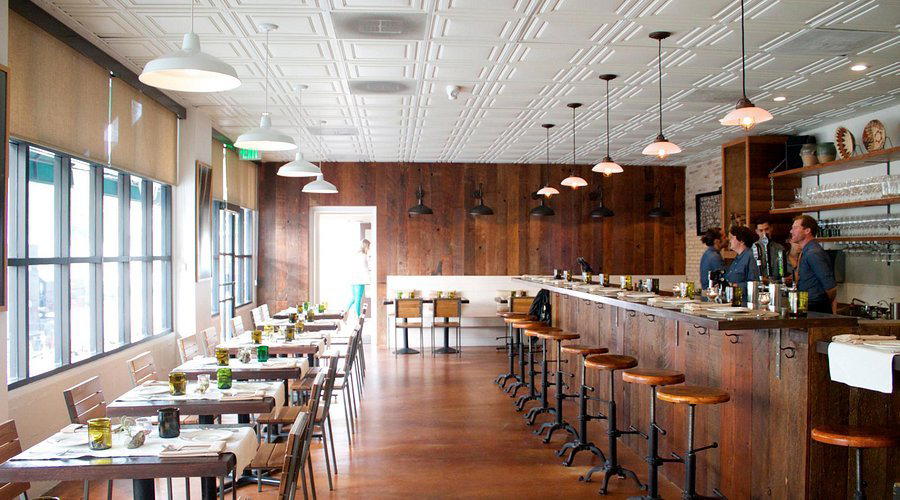
Bars in Santa Barbara
Browse all →
Hotels in Santa Barbara
Browse all →
At a Glance
- Lively
- Cozy
- Brunch
- Family
- Casual Hangout
Current opening hours
- Monday
- 7 AM–2 PM
- Tuesday
- 7 AM–2 PM
- Wednesday
- 7 AM–2 PM
- Thursday
- 7 AM–2 PM
- Friday
- 7 AM–2 PM
- Saturday
- 7 AM–2 PM
- Sunday
- 7 AM–2 PM
Hours can change for holidays and private events. Last verified .
Bustling and lively cafe atmosphere with a casual, no-frills vibe focused on comfort food.