Chimes
Our verdict
Chimes puts resort dining on Shura Island into the context of Saudi Arabia’s Red Sea development, where imported luxury formats are being tested against a coastline with its own seafood logic. The draw is less a standalone destination restaurant than a poolside dining marker within InterContinental The Red Sea, useful for travellers mapping Umluj’s new hospitality circuit.

Pearl is the En Primeur Club membership app — saves, bookings, and concierge access live there. Same editors, same standards.
- Address
- Shura Island, The Red Sea, Hanak, HC2, InterContinental The Red Sea (Pools' Area)
- Phone
- 966-0-145040007
- Directions
- Get directions
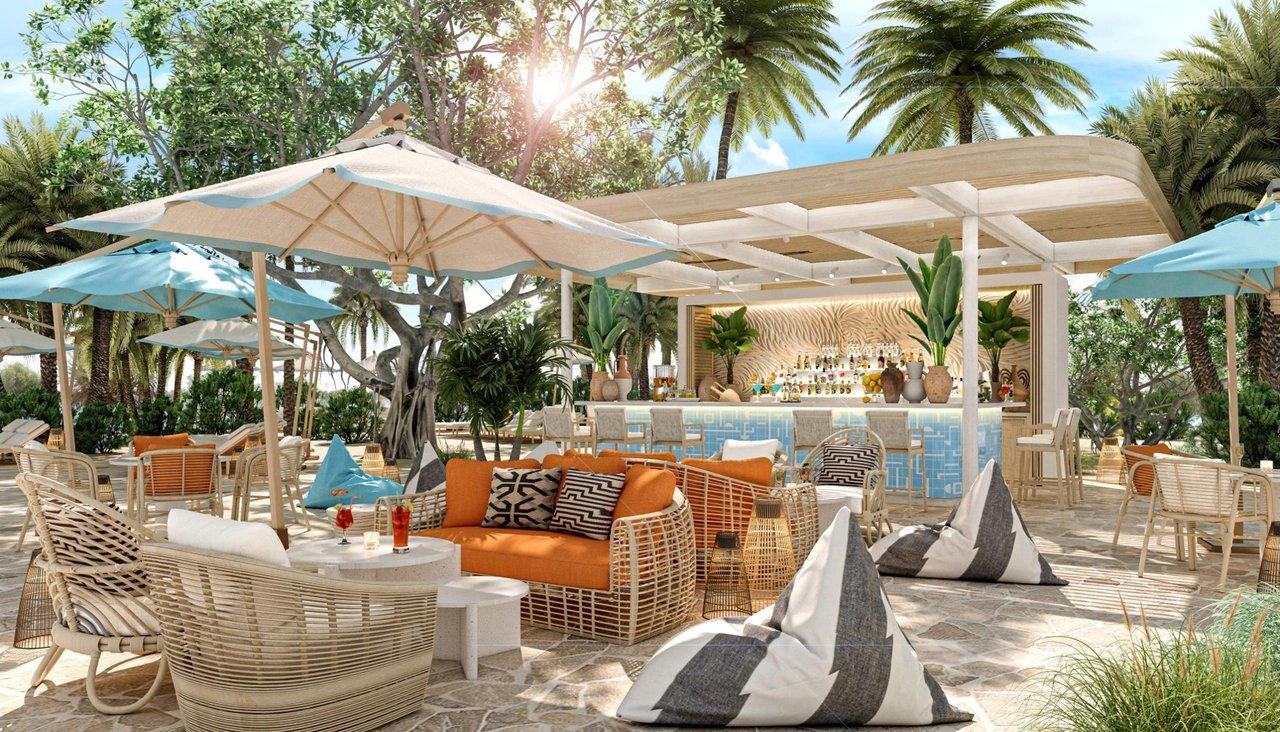
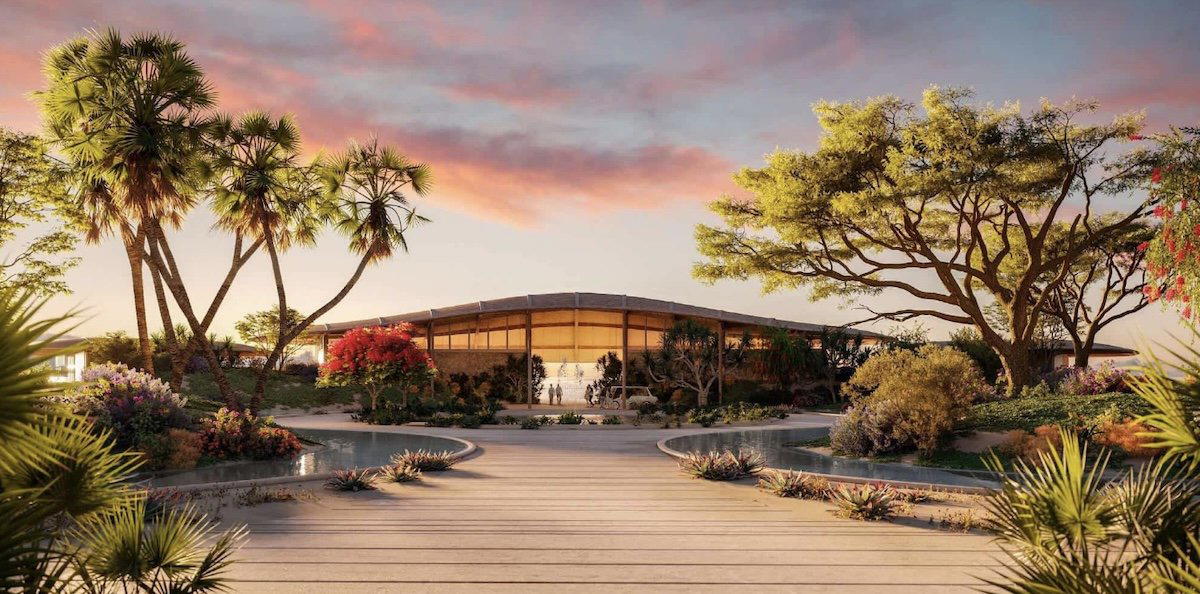
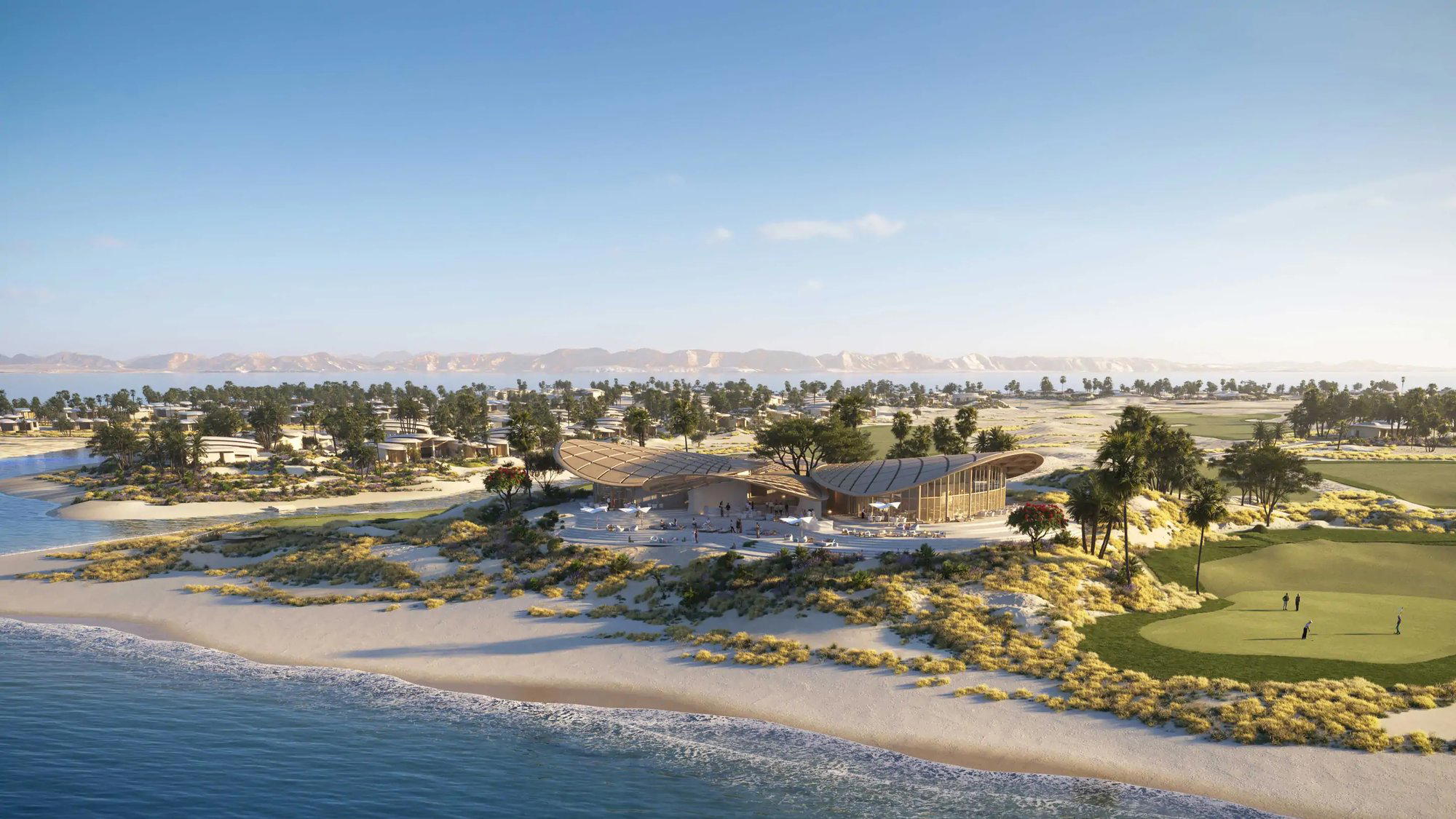
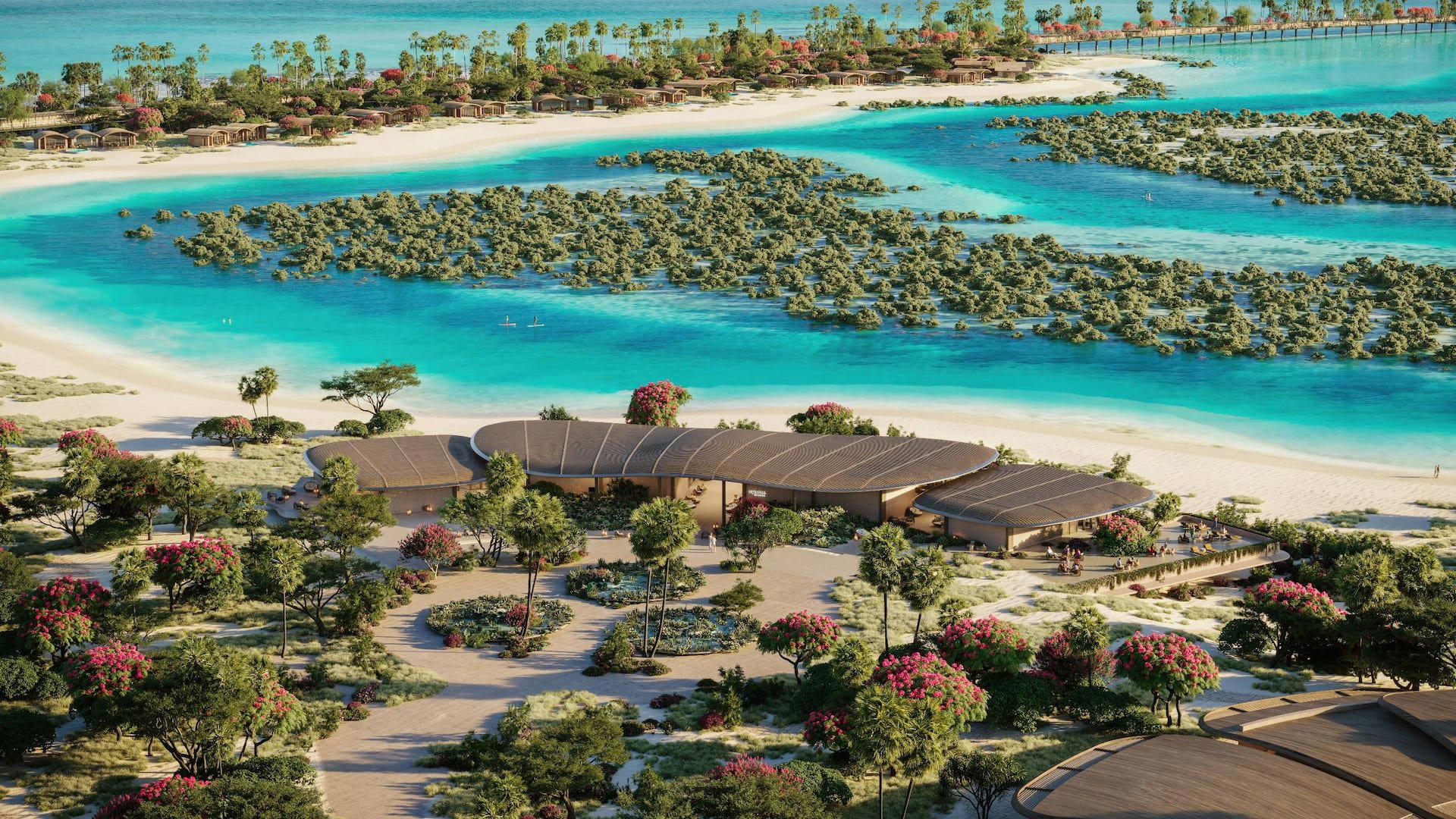
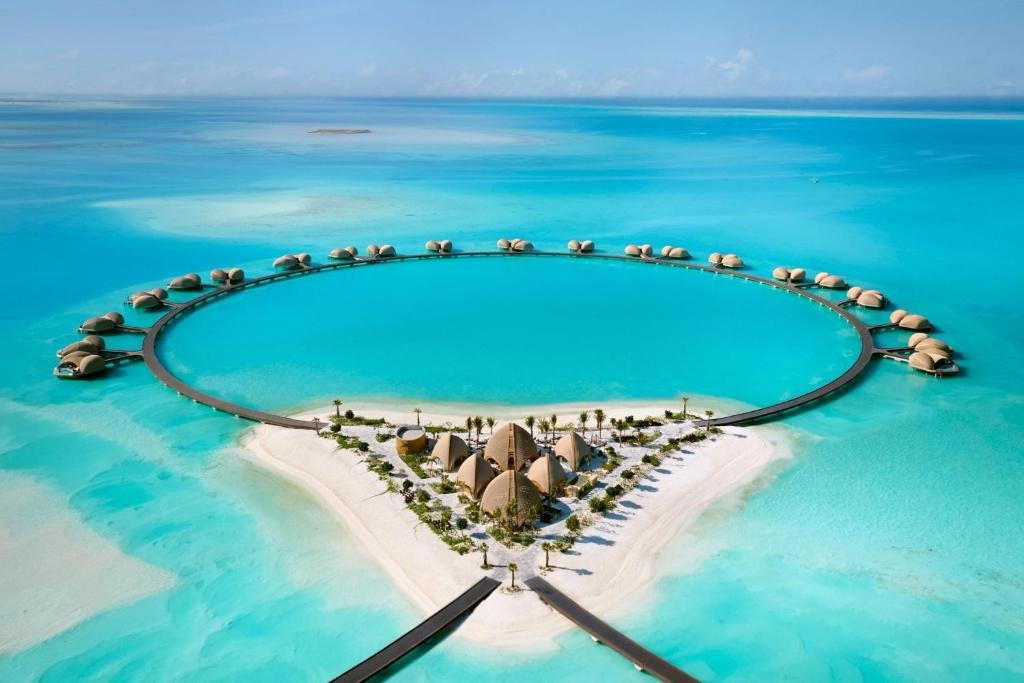
Approaching Chimes in Umluj, the setting does much of the first work: a composed resort context, a measured pace, and the controlled calm of a hospitality setting rather than the density of an old port town. Chimes belongs to this emerging Umluj rhythm, where dining is tied to stay patterns, guest convenience, and the broader question of how a premium resort format can give a meal a clear sense of place.
Resort dining is being built around place, not street culture
Umluj is not a classic restaurant city in the way larger Saudi destinations are. Its dining identity is being shaped by hospitality development, resort stays, and the logistics of feeding guests in a leisure setting. That matters because sourcing and service become part of the experience: produce movement, kitchen staffing, and supply chains all carry more weight when the restaurant sits within a resort environment rather than a central urban street.
Chimes is best understood in the resort-dining category rather than the independent neighbourhood category. That distinction should set expectations. The meal is likely to be read through setting, pace, and convenience as much as through a standalone culinary thesis. In this part of Saudi Arabia, the smarter comparison is not with dense city dining rooms, but with other Umluj resort venues such as Ardo, Darein, and the wider local hospitality circuit.
The sourcing angle is the point to watch. Dining in a resort setting has to balance a sense of locality with the consistency expected by travelling guests. When a restaurant in this context works, it usually does so by letting the location remain legible without turning every plate into a theme. Chimes is positioned in exactly that tension: rooted in Umluj, but formal enough that the kitchen has to think beyond simple holiday cooking.
The useful benchmark is Umluj's new hotel ecosystem
Umluj’s restaurant map is still forming, so the category is easier to understand through clusters than through old reputations. Our full Umluj restaurants guide shows how quickly the area is moving from destination promise to actual dining choices, while our full Umluj hotels guide explains why hotel dining carries unusual importance here. Bars, wineries, and experiences require a different lens in Saudi Arabia; for broader trip planning, see our full Umluj bars guide, our full Umluj wineries guide, and our full Umluj experiences guide.
Within that ecosystem, Chimes is not trying to solve the same problem as an urban classic. Compare it with Ardo, Darein, Jiwa Terrace, Life in Balance Culinary Kitchen, or Murrma, and the pattern is clear: Umluj’s premium restaurants are being sorted by setting, hotel context, and format before they are sorted by long critical history. That makes the category young, but not vague. The stronger rooms will be the ones that make their location legible through sourcing and service, rather than relying on resort polish alone.
Saudi Arabia’s wider dining scene offers the contrast. In larger cities, some restaurants speak to mass local appetite, others connect food with heritage setting, and remote destinations can build dining around place in their own way. Chimes belongs to the newer resort chapter, where the measure is not nostalgia but execution under controlled, high-expectation conditions.
Who should put it on the Umluj plan
Chimes makes the clearest sense for travellers already staying in Umluj or building meals around the area’s hotel network. It is less compelling as a cross-country detour than as part of a tightly planned itinerary, especially for guests who want dining to stay close to the rhythm of the resort day. With the available record giving more emphasis to setting than to a detailed public chef narrative, attention shifts back to fundamentals: setting, sourcing discipline, and whether the room can express Umluj without flattening it into generic luxury.
For readers comparing Saudi dining more broadly, the useful reference is not a narrowly defined urban counter or a specialist bar format, even though tightly focused restaurants elsewhere can define a meal with precision. Chimes operates in a broader resort grammar. Its success depends on whether the place feels present in the decisions on the plate, not merely in the room around it.
Frequently asked questions
Is Chimes a family-friendly restaurant?
Chimes sits within a resort setting in Umluj rather than a formal city dining room. That context generally suits hotel guests, including families staying nearby in Umluj.
What's the overall feel of Chimes?
The setting is resort-led and measured. It reads as hotel dining tied to Umluj’s hospitality scene, not a standalone city-centre restaurant.
Where is Chimes in Umluj?
Umluj.
How hard is it to get a table at Chimes?
The clearest signal is context: Chimes is part of Umluj’s resort dining scene, so demand may move with hotel occupancy. Plan ahead during busy periods rather than treating it as an easy walk-in.
Quick Comparison
Comparable venues by cuisine and price in the same metro.

Details
- Scenic
- Modern
- Cozy
- Casual Hangout
- Date Night
- Standalone
- Beer Program
- Waterfront
- Small Plates
- A La Carte
- Cocktails
- Beer
- Soft Drinks
- Halal
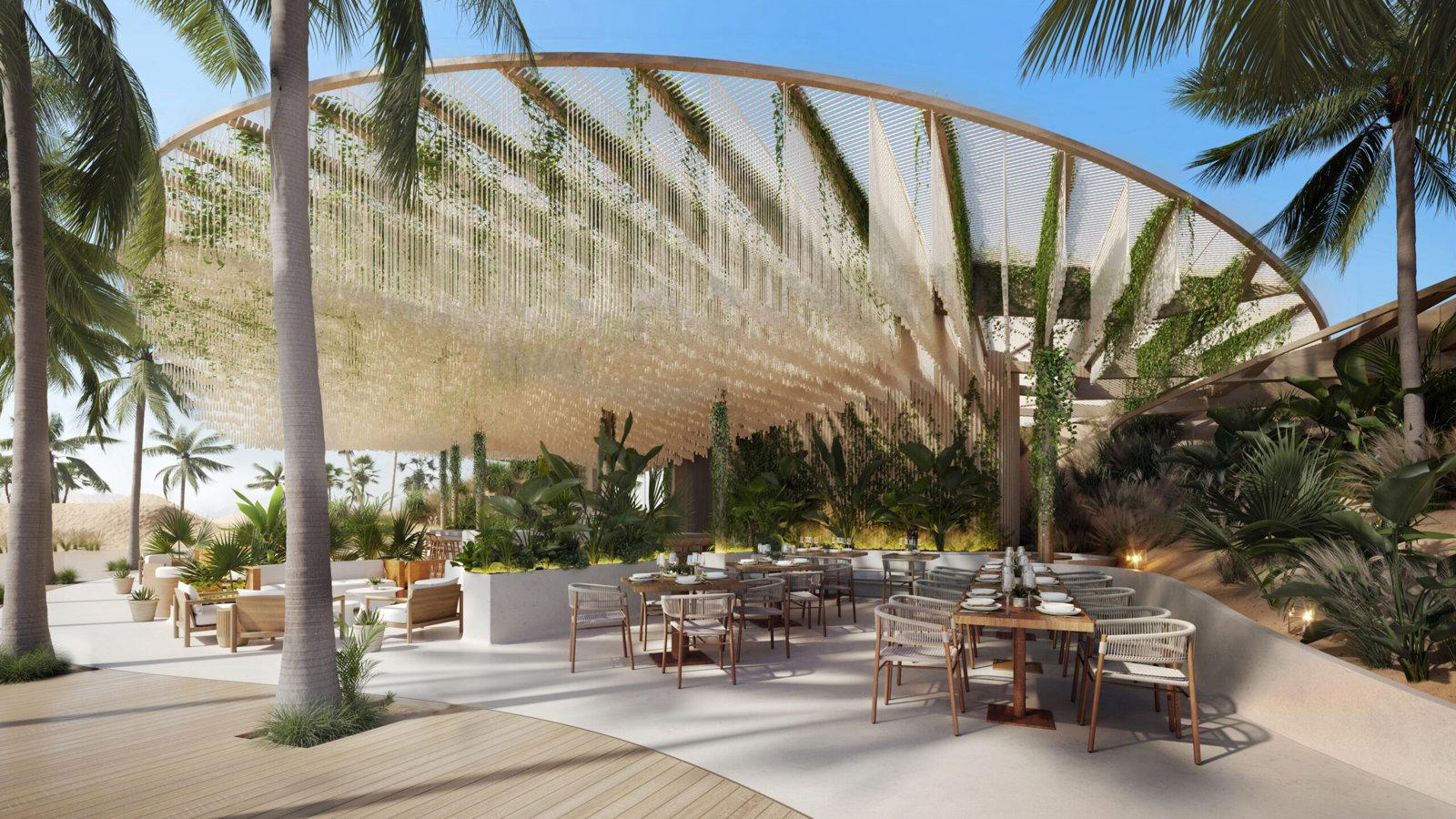
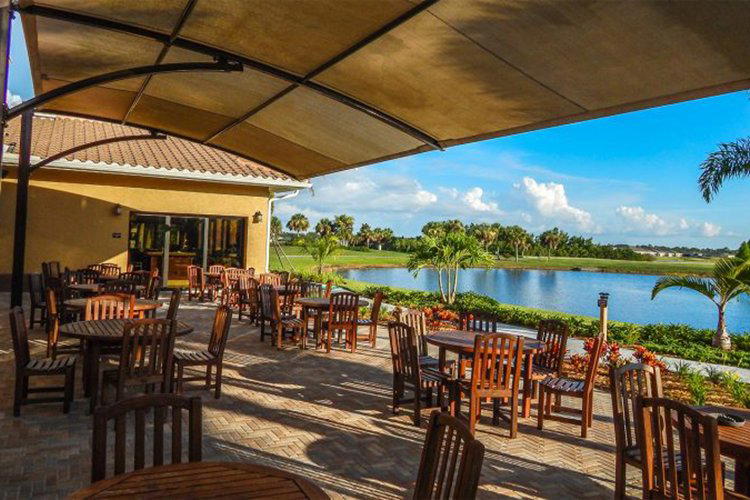
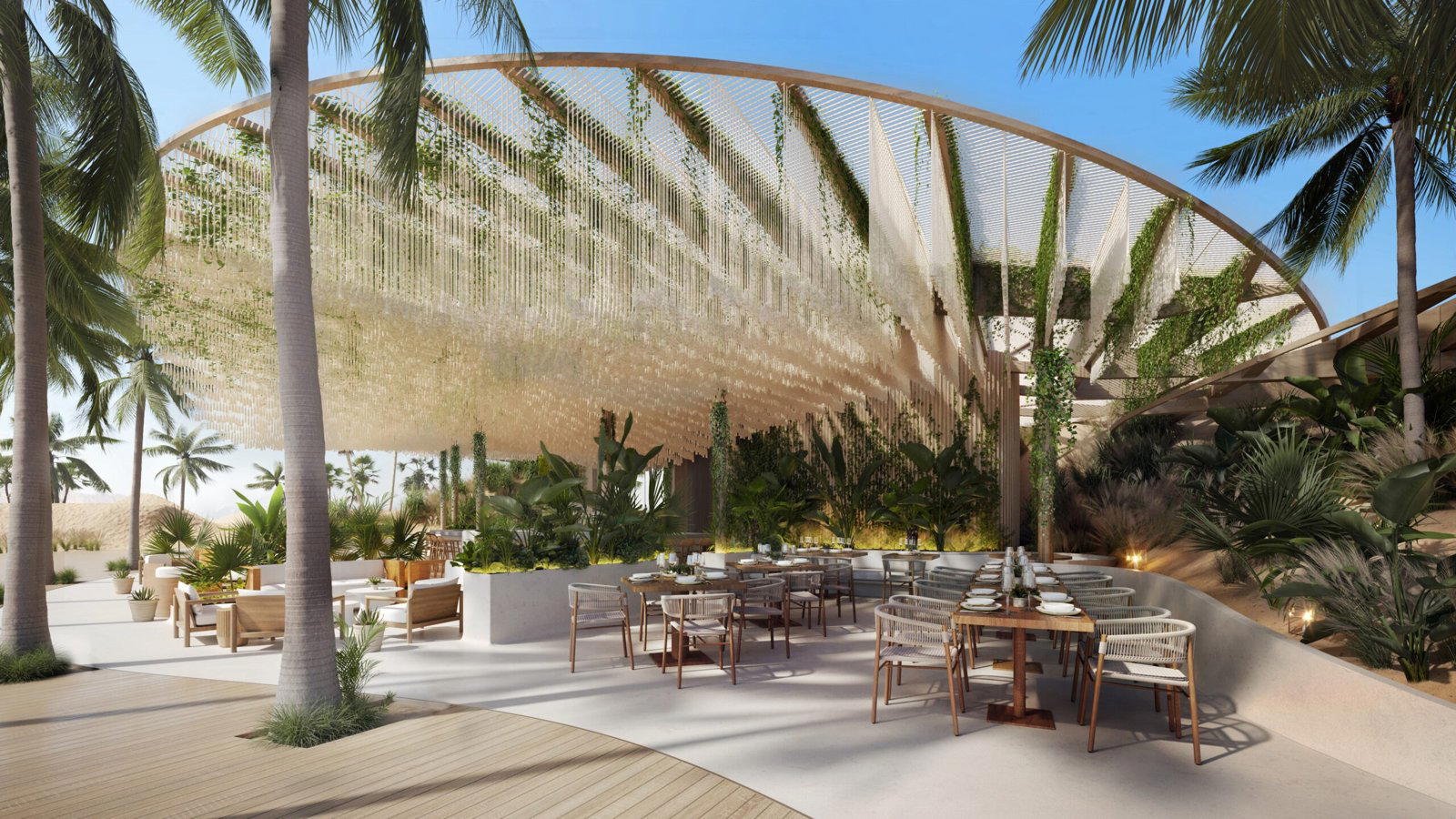
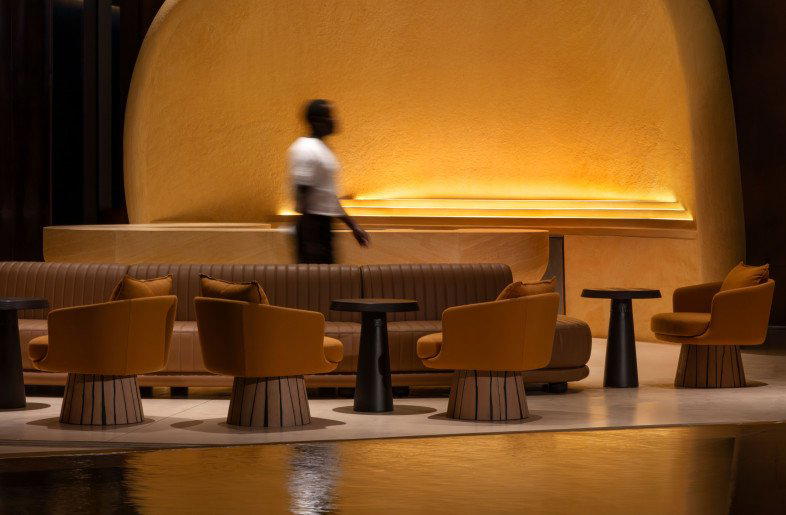
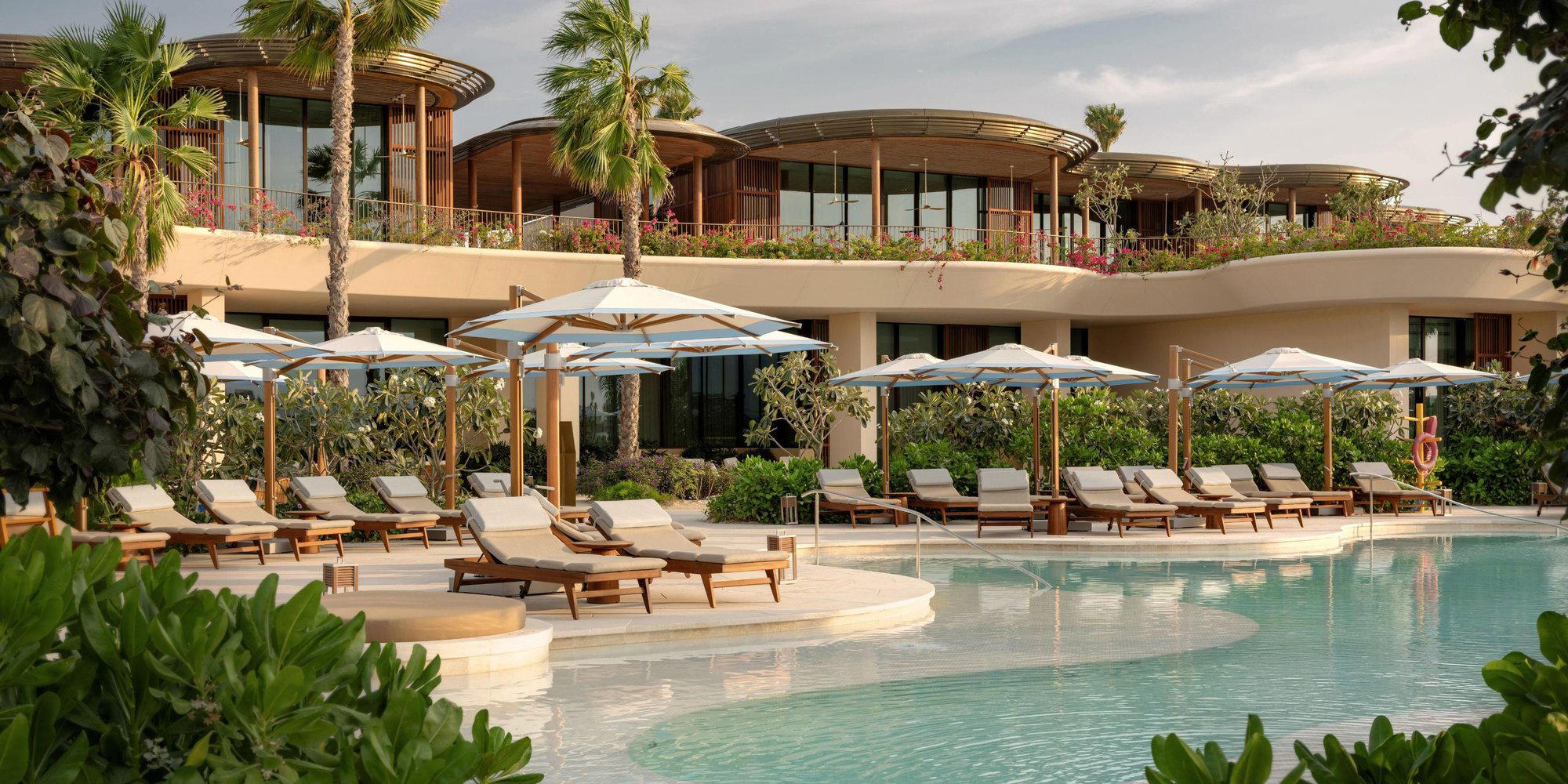
Sun-soaked, coastal, and relaxed, with a Mediterranean-inspired atmosphere that evokes seaside dining.