Ardo
Our verdict
Ardo belongs to the emerging Red Sea dining story around Umluj, where resort kitchens are being judged less by spectacle and more by how convincingly they translate coast, climate, and supply chain into a meal. With few public details on format or pricing, the useful read is contextual: this is a Shura Island address to assess alongside the broader wave of restaurants defining Saudi Arabia’s western seaboard.

Pearl is the En Primeur Club membership app — saves, bookings, and concierge access live there. Same editors, same standards.
- Address
- Shura Island, The Red Sea Saudi Arabia
- Phone
- +966 14 504 0007
- Website
- ihg.com
- Directions
- Get directions
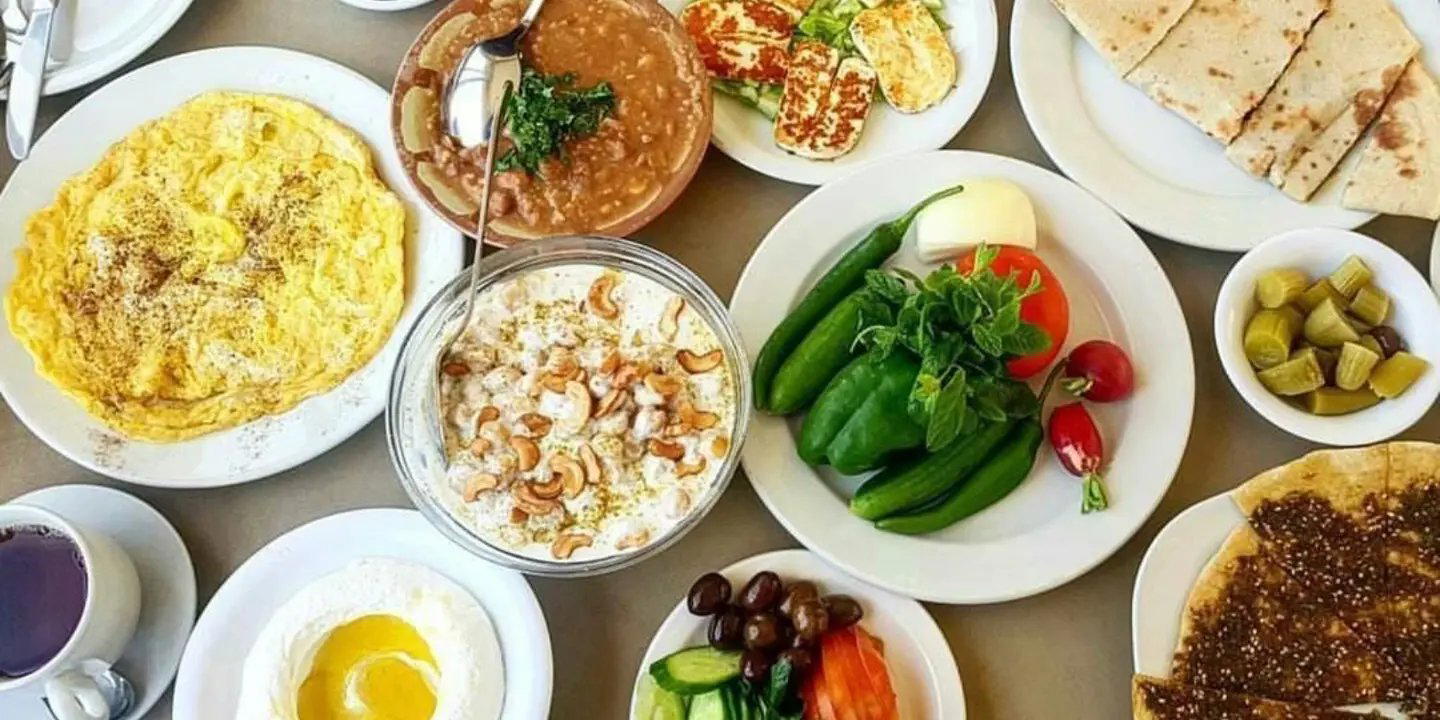
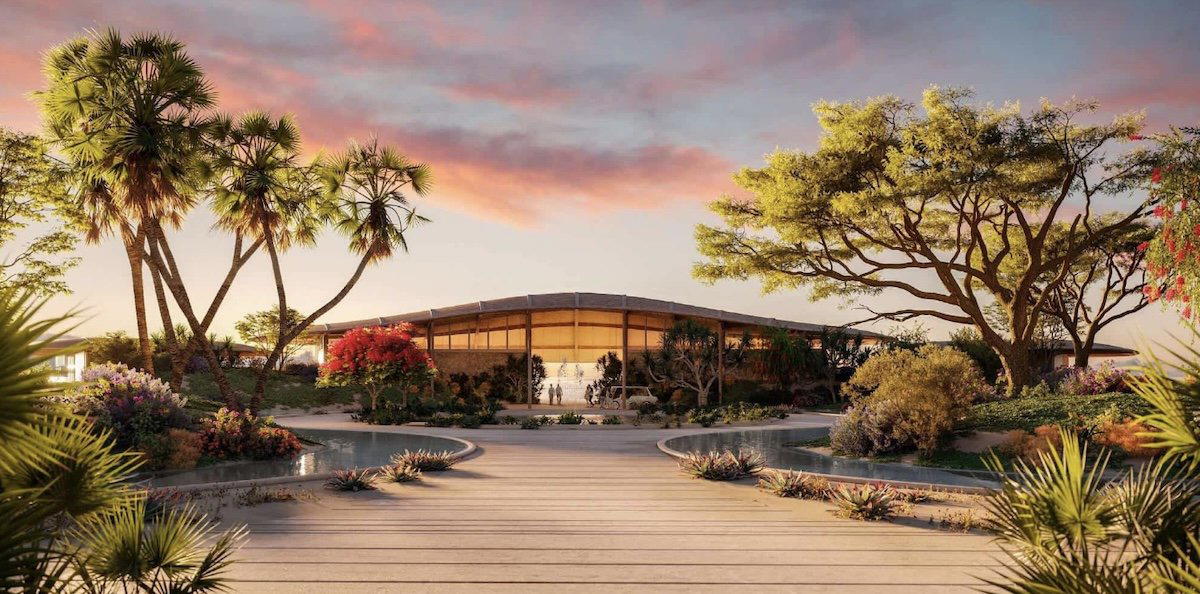
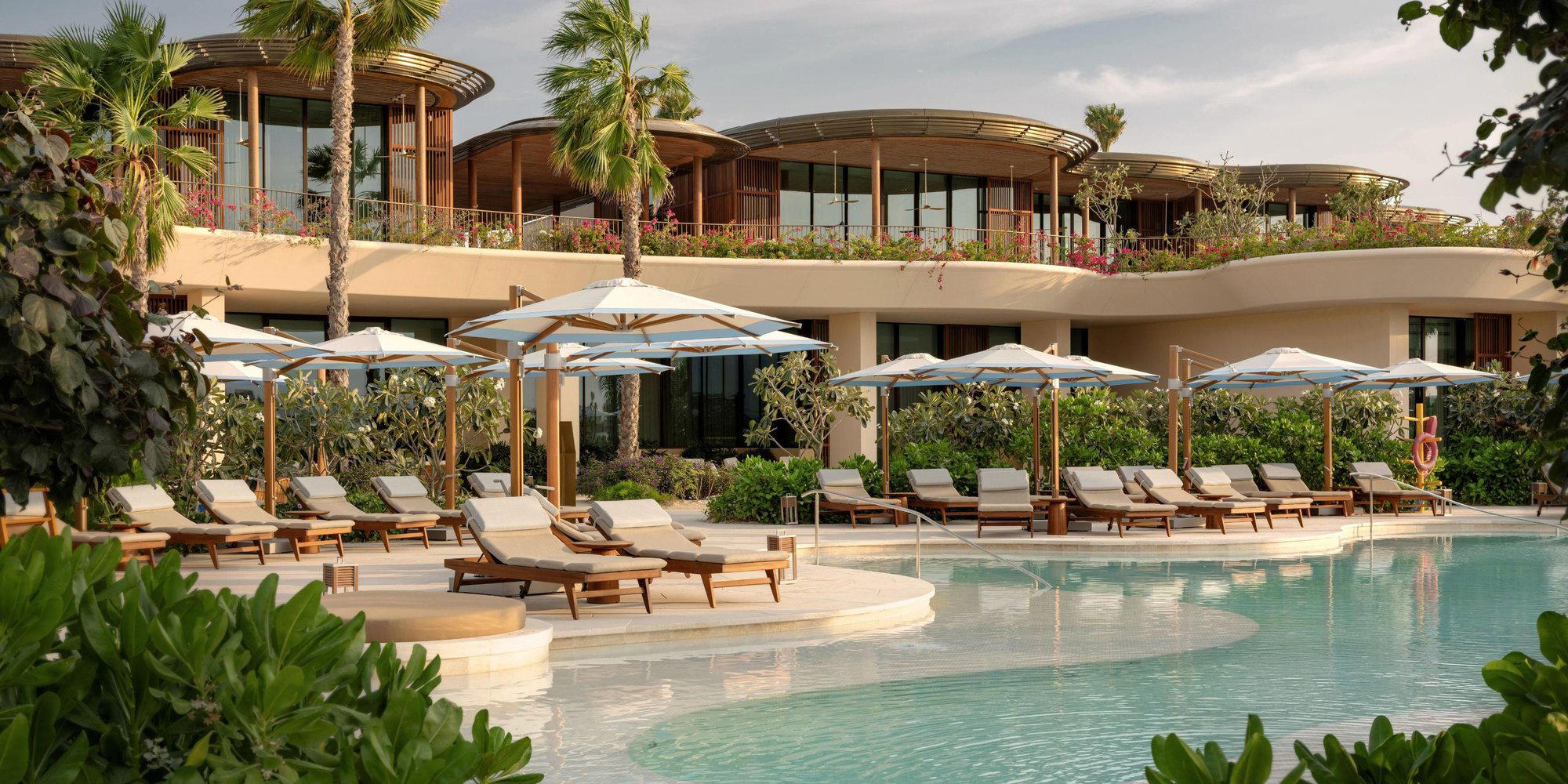
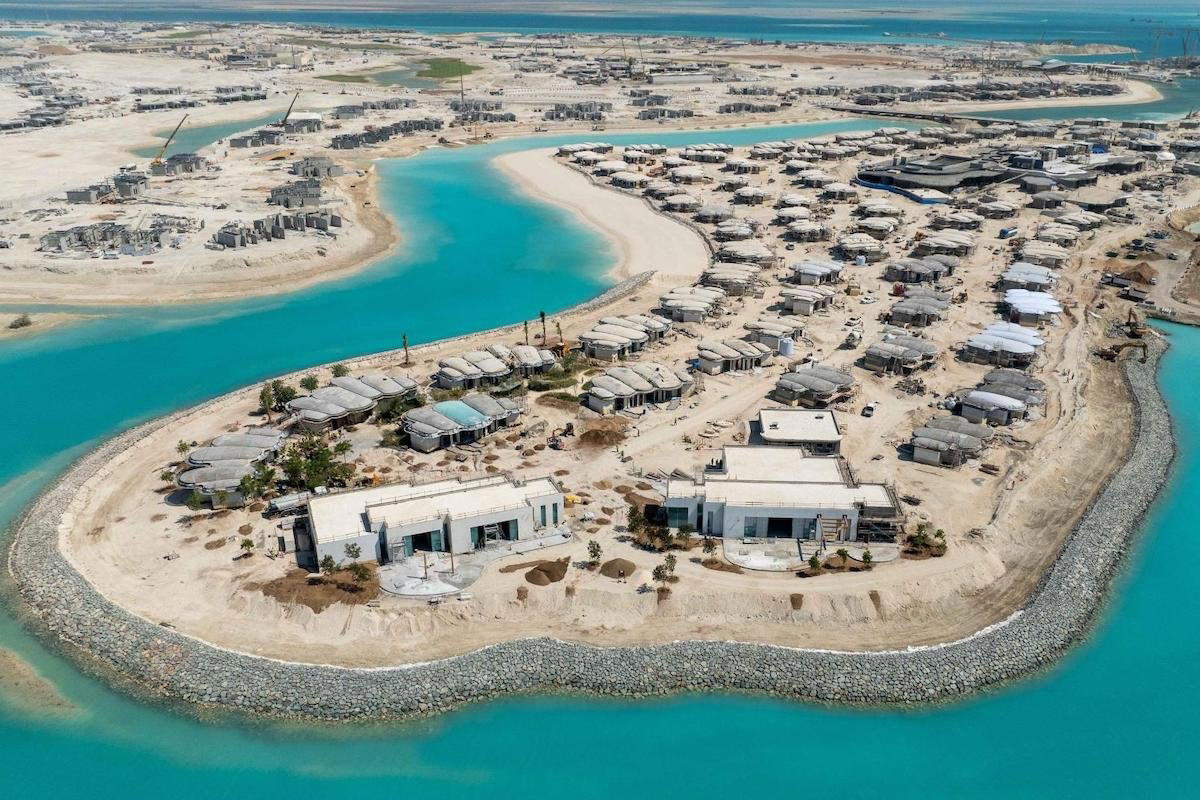
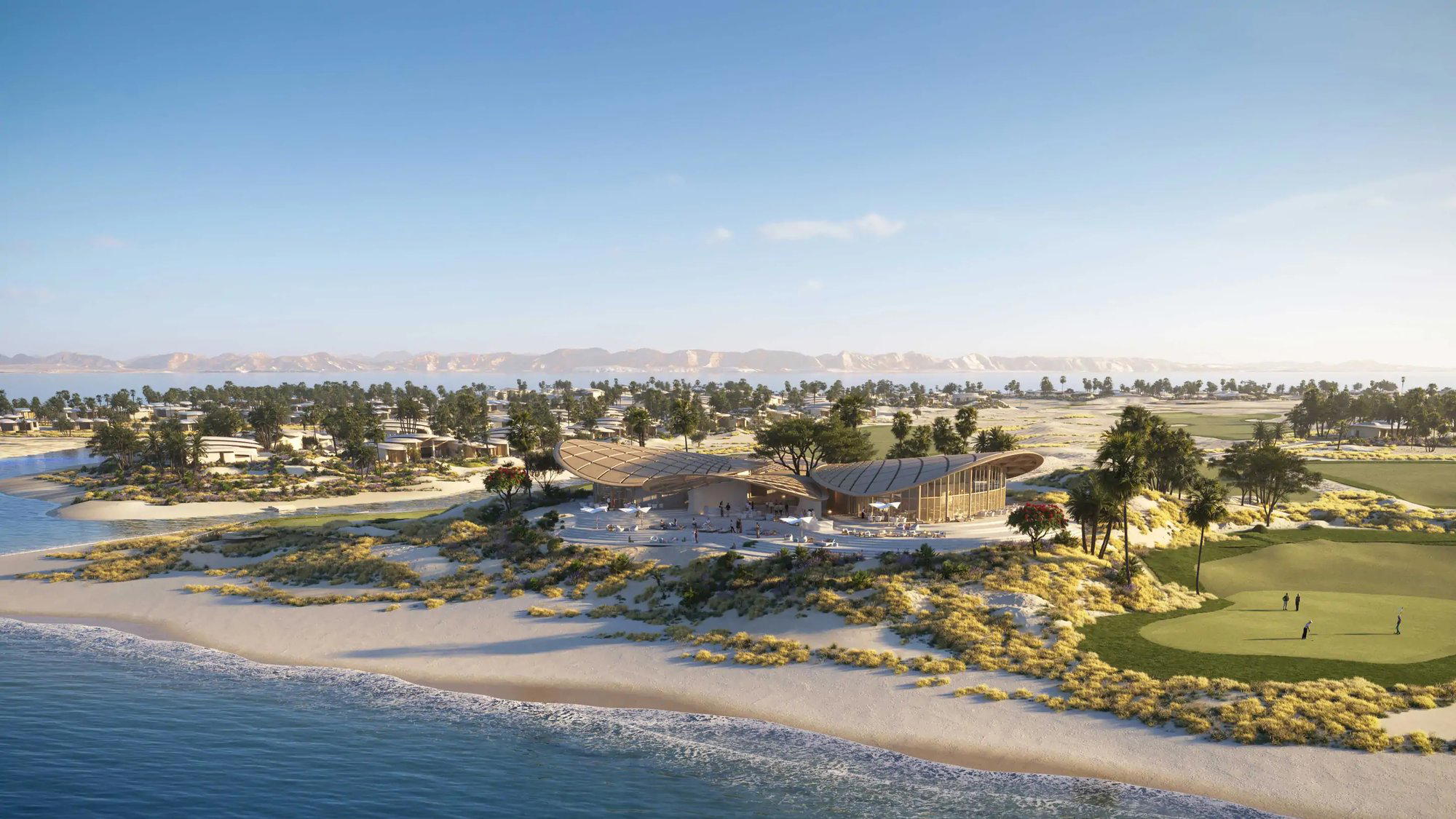
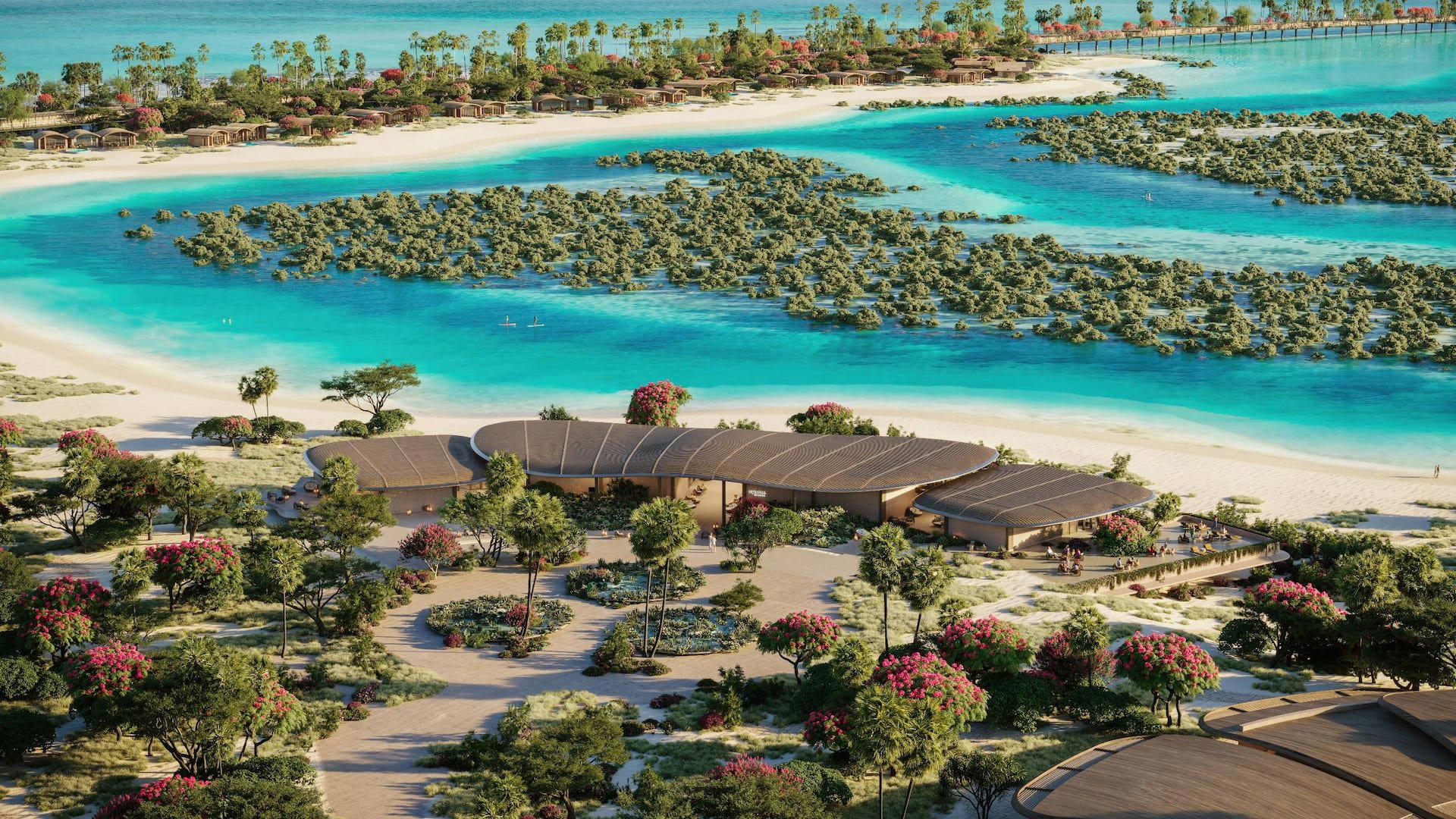
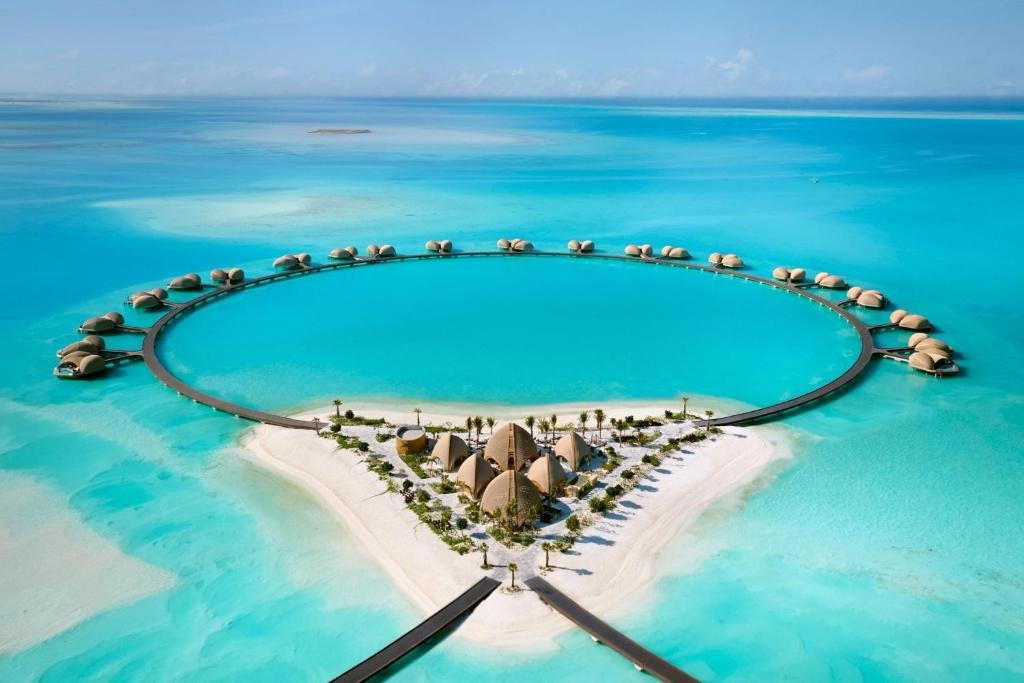
Approaching Umluj, the first impression is not a city restaurant rhythm but a coastal one: water, light, sand, and the controlled quiet of a new resort setting. That setting matters because dining around Umluj is not trying to copy Riyadh’s high-volume restaurant culture or Jeddah’s established port-city habits. It is being built around the Red Sea itself, with kitchens asked to make sense of a place where climate, logistics, and luxury tourism meet in compressed form.
Ardo sits inside that larger shift. The stronger question is not whether it can be judged by the same measures as an urban tasting-menu room, but whether it gives the Red Sea project a credible food language. In this part of Saudi Arabia, ingredient sourcing is not a decorative talking point. Distance, access, climate, and the pace of hospitality development all shape what a restaurant can serve consistently. A good kitchen here has to think about supply before presentation, and that makes the sourcing conversation more consequential than the usual menu adjectives.
Red Sea dining is becoming a sourcing test, not just a resort amenity
Umluj’s restaurant scene is young compared with Riyadh, Jeddah, or AlUla, but its advantage is geographic. The Red Sea gives the area a natural culinary anchor, and the broader Saudi dining conversation is already moving beyond imported luxury signals toward regional produce, local pantry references, and formats that make sense in heat rather than against it. Ardo is useful to read through that lens: as part of a new coastal generation where the credibility of the meal depends on whether the plate feels connected to western Saudi Arabia rather than parachuted in from a generic international playbook.
That context also explains why comparisons inside Umluj are more revealing than star-chasing. Chimes, Darein, and other Umluj dining rooms are helping define what premium dining means on this coast before a mature hierarchy has formed. With limited public recognition detail available for Ardo, the focus stays on fundamentals: setting, sourcing discipline, and whether the restaurant can carry the weight of a destination meal without relying on inherited prestige.
For travellers mapping the area, other dining in Umluj points to the range of formats now appearing around the city. The useful move is to treat these not as interchangeable resort tables, but as evidence of a dining scene being assembled in real time. In older food cities, a restaurant inherits neighbourhood codes. In Umluj, those codes are still being written.
What the meal needs to prove in Umluj
Ingredient-led cooking in a remote luxury setting faces a different pressure from a city restaurant. Urban kitchens can rely on dense supplier networks and daily market proximity. Coastal restaurants need tighter planning, cleaner procurement, and a menu structure that can withstand transport realities without losing freshness or local relevance. That is where the Red Sea can become more than scenery. If regional sourcing and Saudi pantry references are handled with restraint, the meal gains a reason to exist in this exact location.
Ardo’s public footprint does not yet support claims about a named chef, signature dishes, seating count, or a ranked position. That restraint is useful editorially because it keeps the assessment on category signals rather than personality. The restaurant belongs to a premium coastal setting in Umluj, and its success should be measured against the new Red Sea standard: can the kitchen make place legible without turning dinner into a theme? The stronger restaurants in this wave will be those that understand the difference between local sourcing as procurement and local sourcing as identity.
The wider Saudi comparison is instructive. Casual national dining speaks to scale and habit; heritage settings connect dining to place; remote destinations can use food to support a broader travel itinerary. Ardo operates in another lane: the coastal resort table, where luxury travellers expect polish but the location demands specificity.
How to place Ardo in an Umluj itinerary
For now, Ardo is better understood as part of an Umluj dining circuit than as a standalone city address. Travellers building a Red Sea stay should look at the full mix before assigning meals: Our full Umluj restaurants guide gives the clearest frame for dining, while Our full Umluj hotels guide explains the hospitality context that shapes access, pace, and audience. The surrounding categories matter too, especially in a resort destination where a dinner choice often sits between beach time, wellness programming, and late-evening drinks; see Our full Umluj bars guide, Our full Umluj experiences guide, and Our full Umluj wineries guide for the broader map.
Readers comparing Saudi dining more widely can place Umluj against a spread of formats: casual rooms in Riyadh, urban hospitality in Makkah, and café culture in Taif all offer different rhythms outside the coastal resort frame. Even international examples underline the point: format travels, but a restaurant only becomes persuasive when it belongs to its setting.
That is the editorial test for Ardo. Umluj does not need another placeless luxury dining room. It needs restaurants that help define what Red Sea cooking can mean for travellers who care about origin, season, and context. Until more concrete menu, chef, and recognition details are public, Ardo should be approached as a promising piece of that developing coastal argument rather than a trophy booking.
Frequently asked questions
Is Ardo good for families?
Ardo is in Umluj, placing it in a resort-style coastal context rather than a city-centre room. That usually makes it workable for families already planning a broader Umluj itinerary.
Is Ardo better for a quiet night or a lively one?
Umluj points more naturally to a quiet evening than a late-night scene. Ardo reads as a resort dining stop in Umluj, so the setting is likely to suit a slower meal rather than a high-energy room.
Where is Ardo located?
Umluj.
Should I book Ardo in advance?
Yes, advance planning makes sense for Ardo because it is in Umluj rather than a dense city dining district. Resort restaurants can have less walk-in flexibility than urban addresses.
What's Ardo best at?
Ardo is strongest as a dining stop in Umluj, especially for travellers already building a Red Sea itinerary. The location is the main credential here, since detailed public information on menu, chef, and recognition is limited. Check the venue's official channels for the latest details.
Quick Comparison
Comparable venues by cuisine and price in the same metro.

Details
- Elegant
- Modern
- Sophisticated
- Scenic
- Date Night
- Business Dinner
- Group Dining
- Family
- Special Occasion
- Private Event
- Waterfront
- Design Destination
- Hotel Restaurant
- Terrace
- Craft Cocktails
- Extensive Wine List
- Waterfront
- A La Carte
- Wine
- Cocktails
- Halal
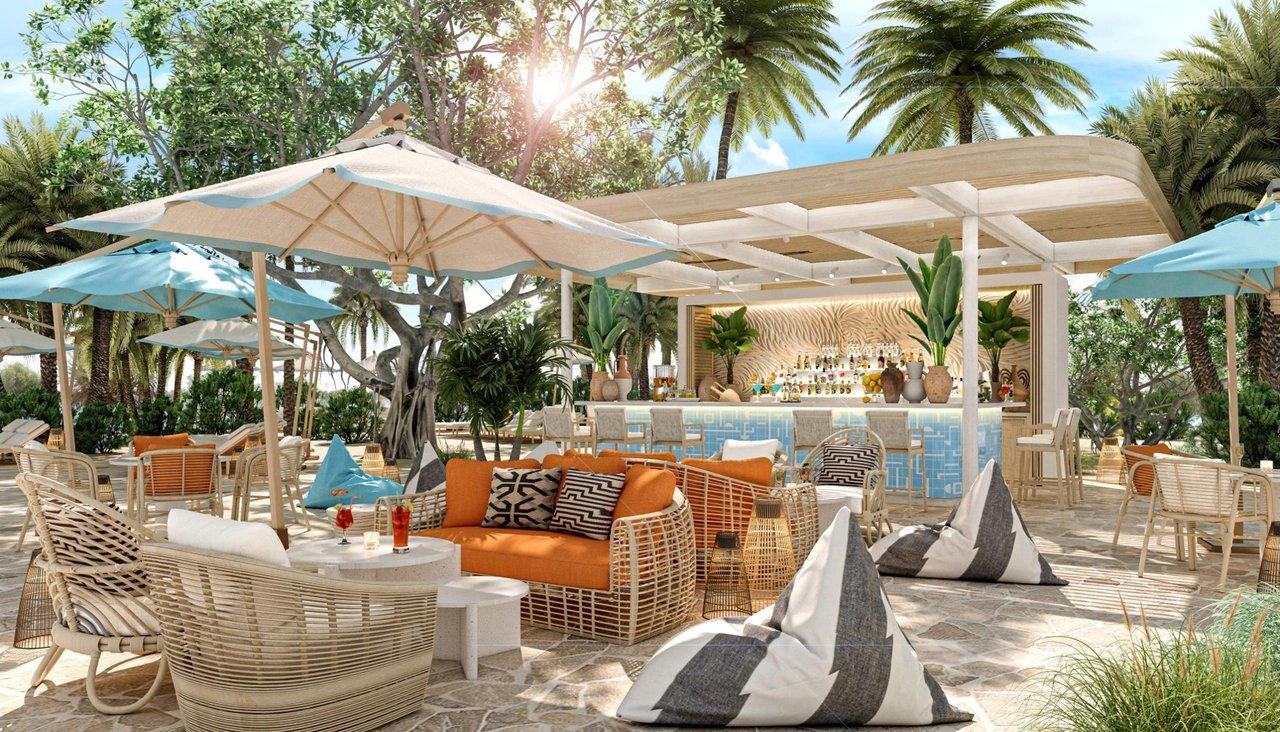
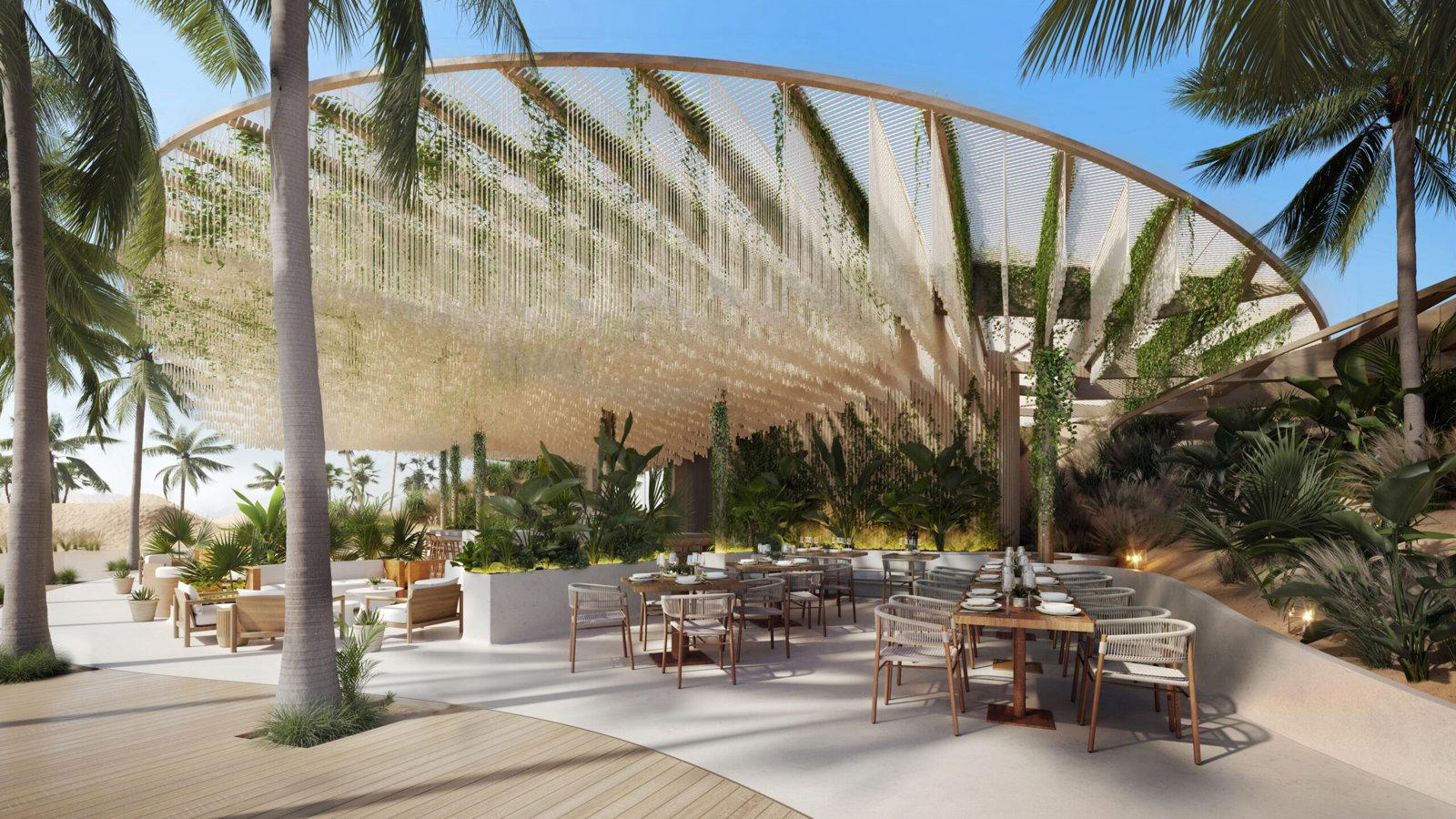
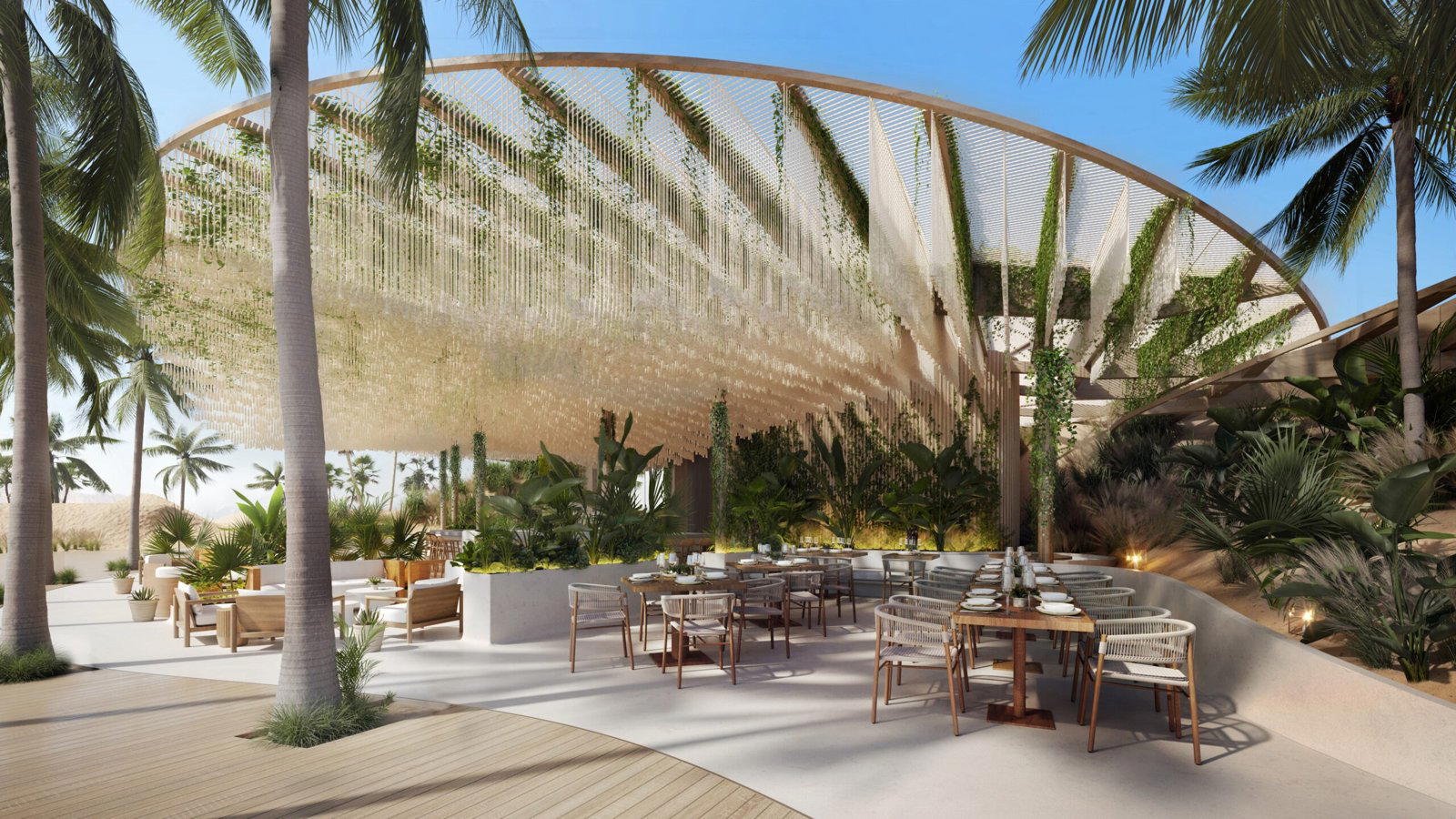
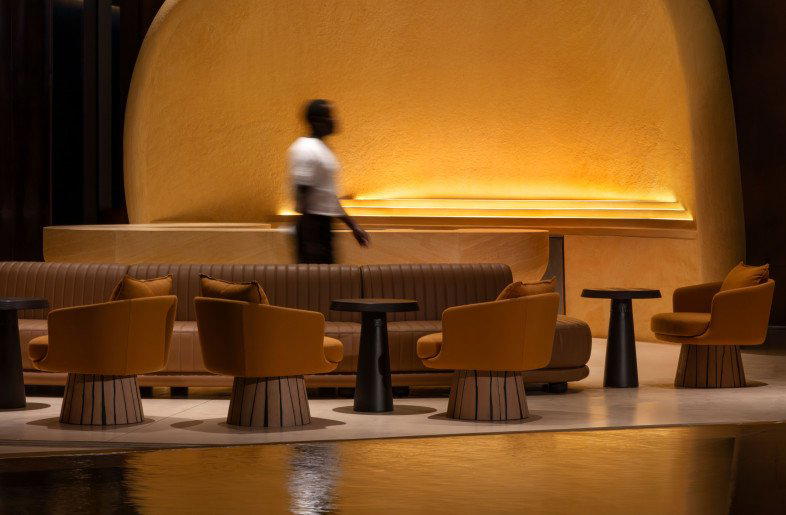
Upscale and design-forward with an elegant, modern feel, likely combining warm lighting, polished finishes, and a lively, social evening atmosphere fitting a luxury island resort.