Our verdict
On Collioure's Boramar waterfront, Chez Simone occupies a spot where the Pyrenees meet the Mediterranean in the most literal sense: the fish come from the bay outside and the wines from the vineyards visible on the hillsides above. It sits in the accessible tier of the town's dining scene, pitched below the creative tasting-menu format of La Balette but above a simple beach café, making it the kind of neighbourhood table that anchors a coastal visit.

Pearl is the En Primeur Club membership app — saves, bookings, and concierge access live there. Same editors, same standards.
- Address
- 7 rue Mailly, Bd du Boramar, 66190 Collioure, France
- Phone
- +33434299347
- Hours
- Mon ClosedTue–Sat 9 AM–9:30 PMSun 9 AM–5 PM
- Website
- instagram.com
- Directions
- Get directions
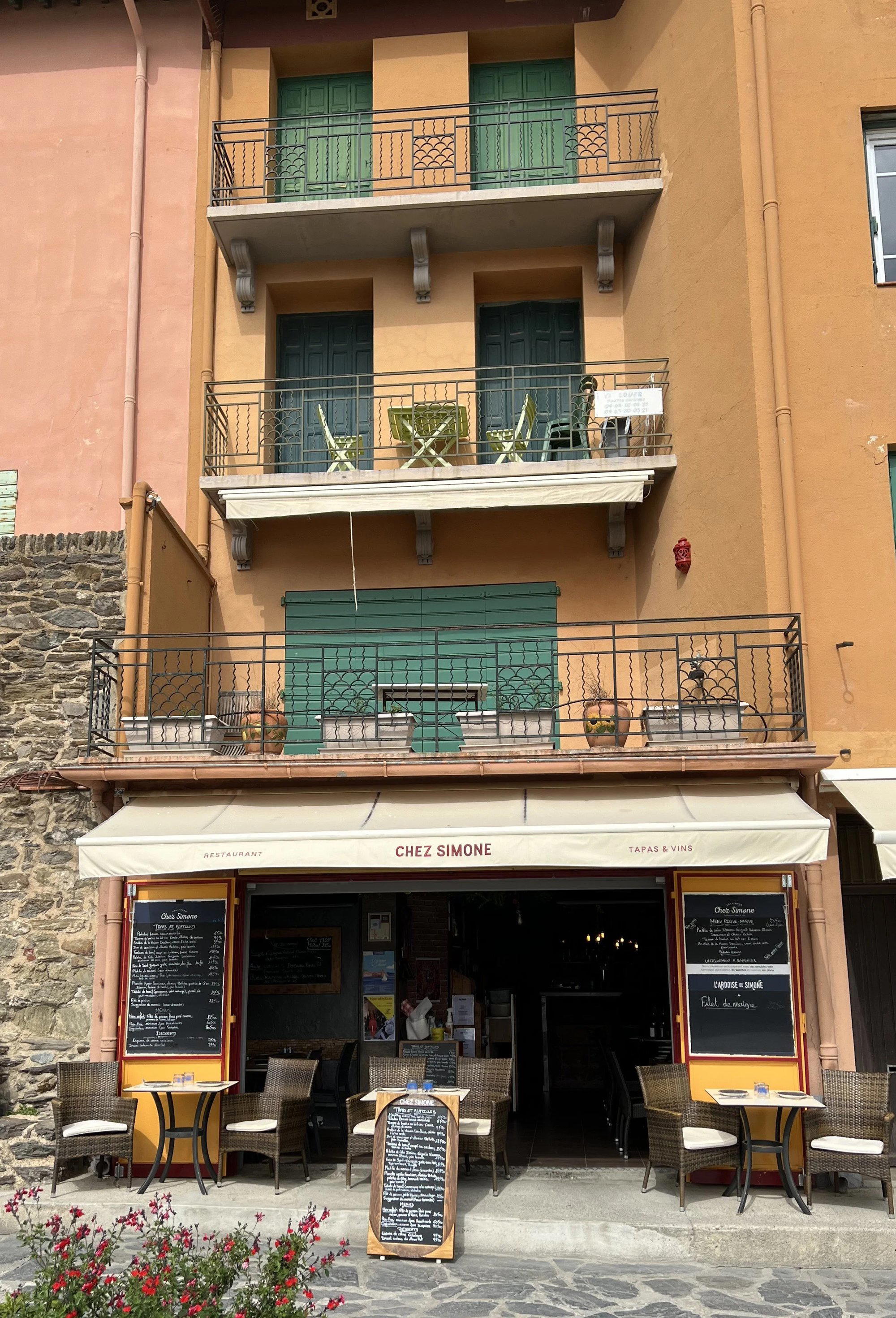
The menu
What to order
- Patatas Bravas
- Anchois de la Maison Desclaux
- Carpaccio de Poulpe
Where the Anchovies Come From
Collioure has one of the most legible food geographies in southern France. Stand on the Boramar promenade and the sourcing logic writes itself: the Mediterranean in front of you, the schist-terraced vineyards of the Roussillon AOC climbing behind the castle, and the salt flats of the Camargue a short drive north. Restaurants that work with this geography rather than against it tend to read as honest expressions of place; those that ignore it tend to feel imported. Chez Simone, at 7 rue Mailly on the Boramar, sits in the former category. The address alone places it directly on the water-facing strip, where proximity to the morning catch is a practical reality rather than a marketing claim.
The town's anchovy trade is the reference point that frames everything else about Collioure's food identity. The Roque family's anchovy house has been processing fish on the harbour for over a century, and the technique, salt-packing followed by extended maturation, produces a product with a depth of flavour that has little in common with the tinned anchovy familiar from supermarket shelves. Any table in Collioure that takes its sourcing seriously will reflect this. The anchovy is not garnish here; it is architecture.
The Boramar Setting
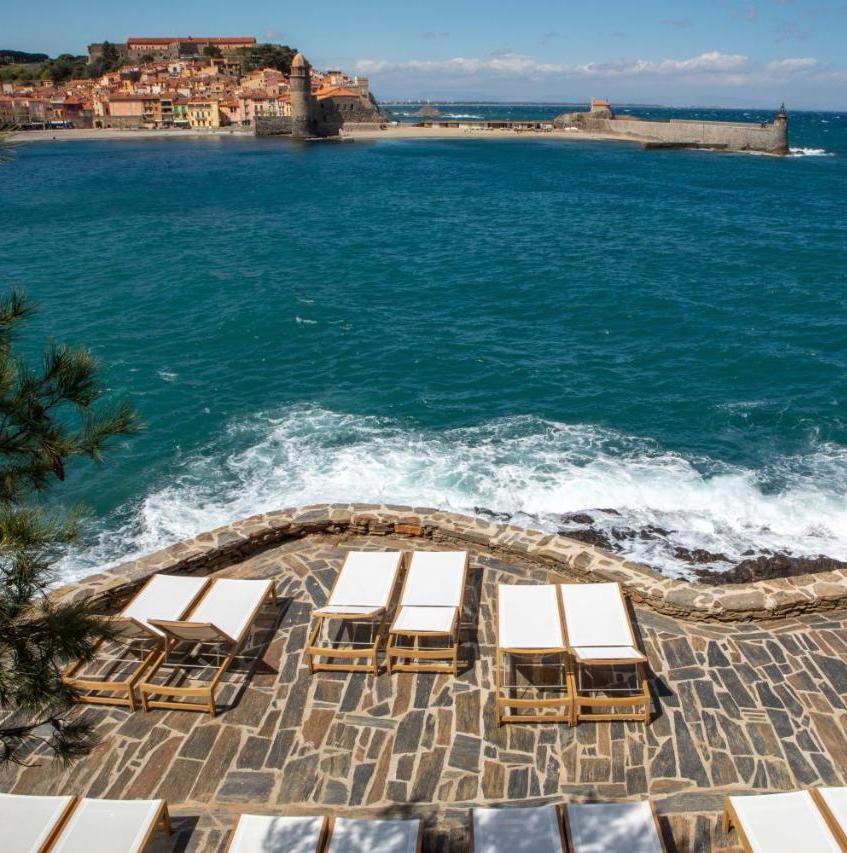
The Boramar is the smaller of Collioure's two bays, sheltered by the Château Royal on its northern arm. At this end of town the scale compresses: narrower streets, lower buildings, and a harbour wall close enough to the tables that the light off the water becomes part of the room's atmosphere. The Fauvist painters who made Collioure famous in the early twentieth century, Matisse and Derain among them, set up their easels on these same rocks because the quality of the Mediterranean light here is specific and hard to replicate. That same light makes outdoor dining in this corner of Collioure feel less like a backdrop and more like a condition of the experience.
Collioure's dining scene divides roughly into three tiers. At the formal end, La Balette runs a creative tasting format at the €€€€ price point, with a kitchen that treats Roussillon's produce as raw material for elaboration. In the middle, Mamma - Les Roches Brunes anchors the Mediterranean comfort register at €€€. At the entry point, Le 5ème Péché offers modern cuisine at €€. Chez Simone operates within this local context, where the competition for a table with a water view is real and the expectation that the fish arrived this morning is reasonable. See the full Collioure restaurants guide for a complete picture of the town's options across all price points.
Ingredient Sourcing as the Editorial Point
The broader argument for sourcing-led cooking in coastal Languedoc-Roussillon rests on a simple fact: the Mediterranean's fishing grounds in this stretch, from the Gulf of Lion down toward the Spanish border, yield fish with a flavour profile that changes with season and with the specific technique of local fishermen who still use small-boat methods. Collioure's port sees artisanal vessels bringing in rouget, sardine, and seiche alongside the anchovy harvest that defines the town's food identity most publicly. A kitchen positioned 50 metres from where those boats tie up is either using what arrives or choosing not to, and that choice determines everything about what ends up on the plate.
This is the register in which coastal French cooking has always made its strongest case internationally. The sourcing-led philosophy that operates at the neighbourhood level in a town like Collioure connects, at the far end of the ambition scale, to the supply-chain rigour visible at places like Mirazur in Menton, where Mauro Colagreco built a three-Michelin-star framework around hyper-local Mediterranean produce, or Bras in Laguiole, where Michel Bras's gargouillou turned the Aubrac plateau's foraged ingredients into one of the most discussed dishes in modern French cooking. The principle is the same across price points; what differs is the scale of elaboration and the formality of the frame. At the neighbourhood table level in Collioure, sourcing proximity is the credential that matters most, because it cannot be faked when the fishermen's boats are visible from the dining room.
France's most formally recognised tables, from Alléno Paris au Pavillon Ledoyen to Troisgros and Auberge du Vieux Puits in Fontjoncouse, have each built their identity around a specific geographical pantry. Collioure's neighbourhood restaurants operate by the same logic at a different scale, and the town's food identity is strong enough that even a modest table here is expected to reflect it. The same regional specificity defines tables elsewhere along France's southern edge: La Table du Castellet in the Var, Les Prés d'Eugénie in the Landes, and at the furthest extreme of resource commitment, Flocons de Sel in Megève, which applies the same sourcing discipline to mountain produce. In each case, geography is the menu.
Planning Your Visit
Collioure draws heavily in July and August, when the Boramar strip fills quickly each evening. Tables with a direct water view at any address on this stretch, including Chez Simone's position at 7 rue Mailly, are worth securing ahead of arrival rather than on the day. The town is accessible by train from Perpignan in approximately 25 minutes, with the station a short walk from the harbour, making a day trip viable, though the light at dusk on the bay makes an overnight stay the stronger argument. The Roussillon wine appellations, including Collioure AOC and Banyuls AOC, are the natural pairing register for whatever arrives from the local catch, and both appellations source from the same schist terraces visible from the restaurant. Specific hours and booking contacts are best confirmed directly with the venue, as seasonal schedules along this coast shift between the summer high period and the quieter months from October through April.
Frequently asked questions
Would Chez Simone be comfortable with kids?
The Boramar promenade setting at 7 rue Mailly is open and low-formality by nature — this is a working fishing-village waterfront, not a hushed tasting-room. Families are a fixture along this strip in Collioure, and the outdoor-facing position means children have room and distraction in the bay view. Evenings in July and August fill the Boramar quickly, so arriving early gives families a better shot at a settled table.
How would you describe the vibe at Chez Simone?
Chez Simone occupies one of the more compressed corners of Collioure's Boramar bay, where the Château Royal closes off the northern arm and the scale of the town pulls tight. The atmosphere is coastal and unhurried rather than polished — this end of the promenade trades on proximity to the water rather than formal staging. Expect the rhythm of a southern French fishing port in the evening: relaxed but purposeful.
Is Chez Simone a good option for dining in Collioure with a direct sea view?
Positioned on the Boramar promenade at 7 rue Mailly, Chez Simone is on the bay-facing stretch where water views are part of the address rather than a premium upgrade. The Boramar is Collioure's smaller, more sheltered bay — quieter than the main beach side and framed by the Château Royal — which makes the outlook here more composed than the busier northern end of town. Tables with a direct water view along this strip are in demand from late spring onward.
What should I eat at Chez Simone?
Collioure's food geography makes anchovies the logical starting point at any address on the Boramar — the town's salting and curing tradition is among the most documented in southern France, and the proximity to active Mediterranean fishing grounds means the supply chain is short. Beyond anchovies, the broader Languedoc-Roussillon coast produces bream, sea bass, and shellfish that regional kitchens have built menus around for generations.
Where exactly is Chez Simone?
Chez Simone is located at 7 rue Mailly, Bd du Boramar, 66190 Collioure, France, Collioure.
Comparable Venues
Comparable venues nearby, for context on price, style, and recognition.
| Venue | Cuisine | Price | Awards | Notes |
|---|---|---|---|---|
| Chez SimoneThis venue — the venue you are viewing | Catalan Tapas | $20–30 | Not listed | Not listed |
| Mamma - Les Roches Brunes | Modern Mediterranean with Catalan influences | $50–100 | Michelin Plate | Collioure |
| Le 5ème Péché | Franco-Japanese Fusion | $50–100 | Michelin Plate | Old Town (Vieux Collioure) |
| La Balette | Modern French Gastronomic with Catalan Influences | $100–150 | 1 Michelin Star · Gault & Millau Remarkable Restaurant | Collioure |
| Chez Riz | Authentic Sichuan Chinese | Not listed | Not listed | Guillotiere |
| O Cosy Gourmand | French Seaside Bistro | $20–30 | Not listed | Canet en Roussillon |
Continue exploring
More in Collioure
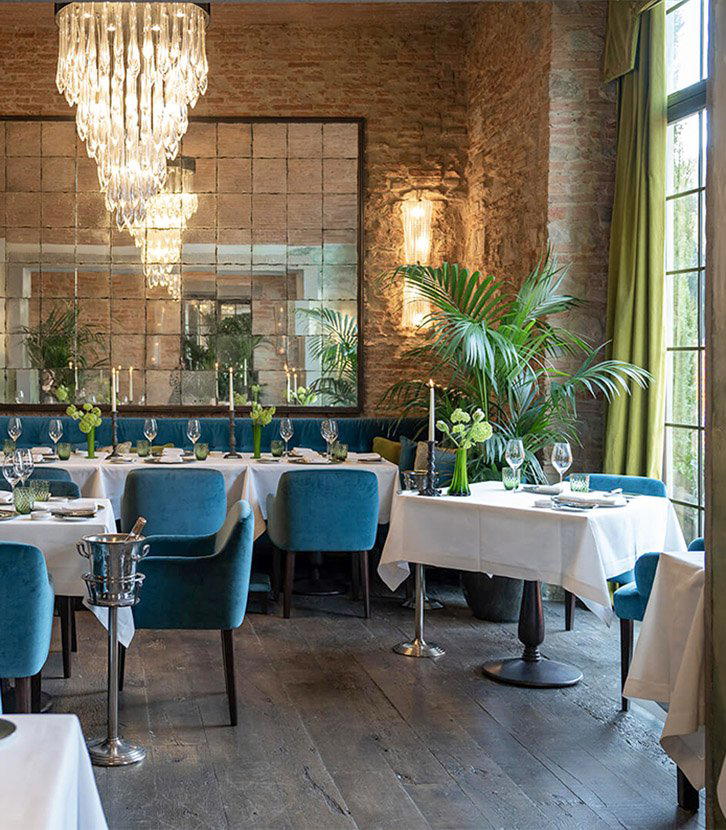
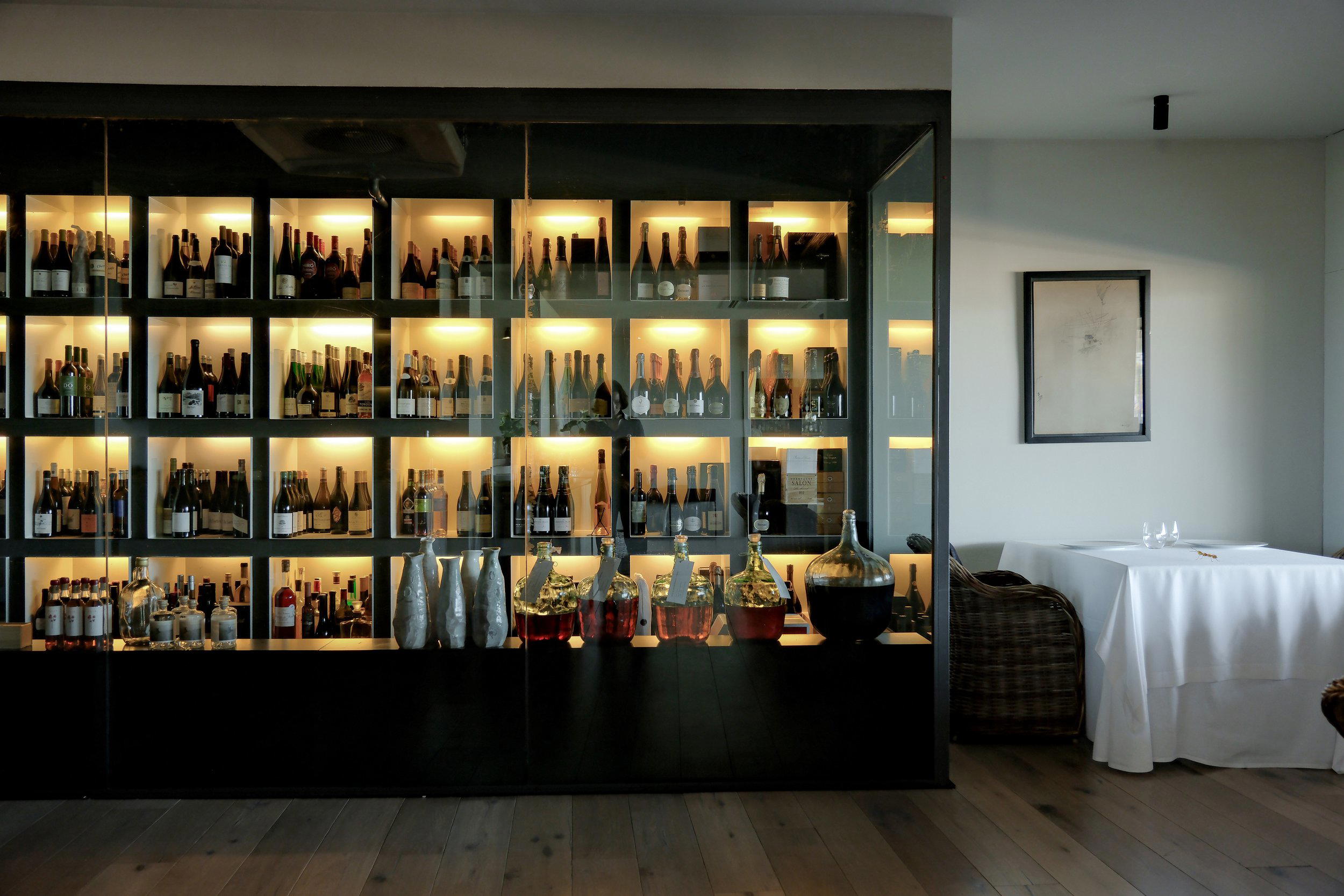
Restaurants in Collioure
Browse all →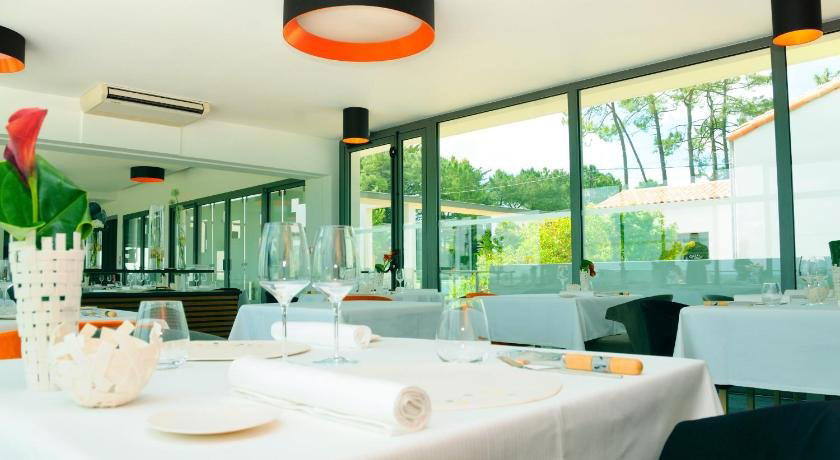
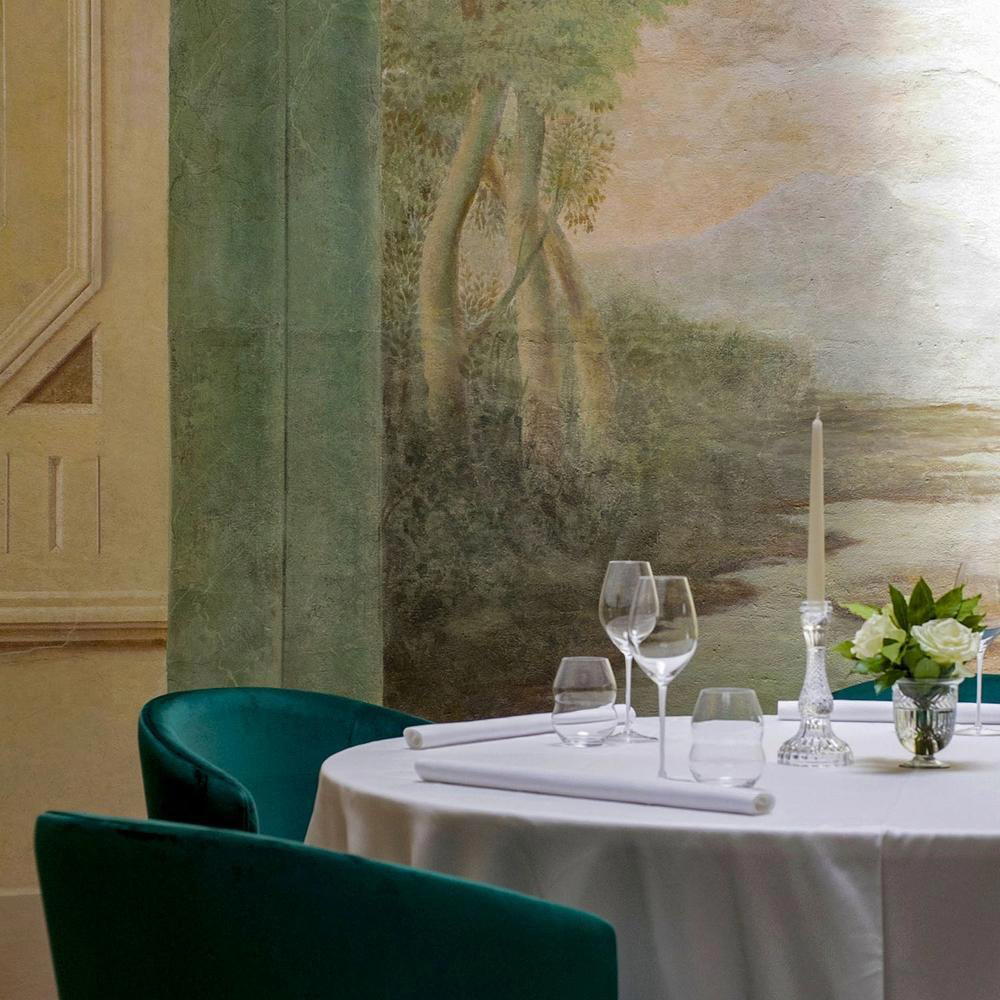
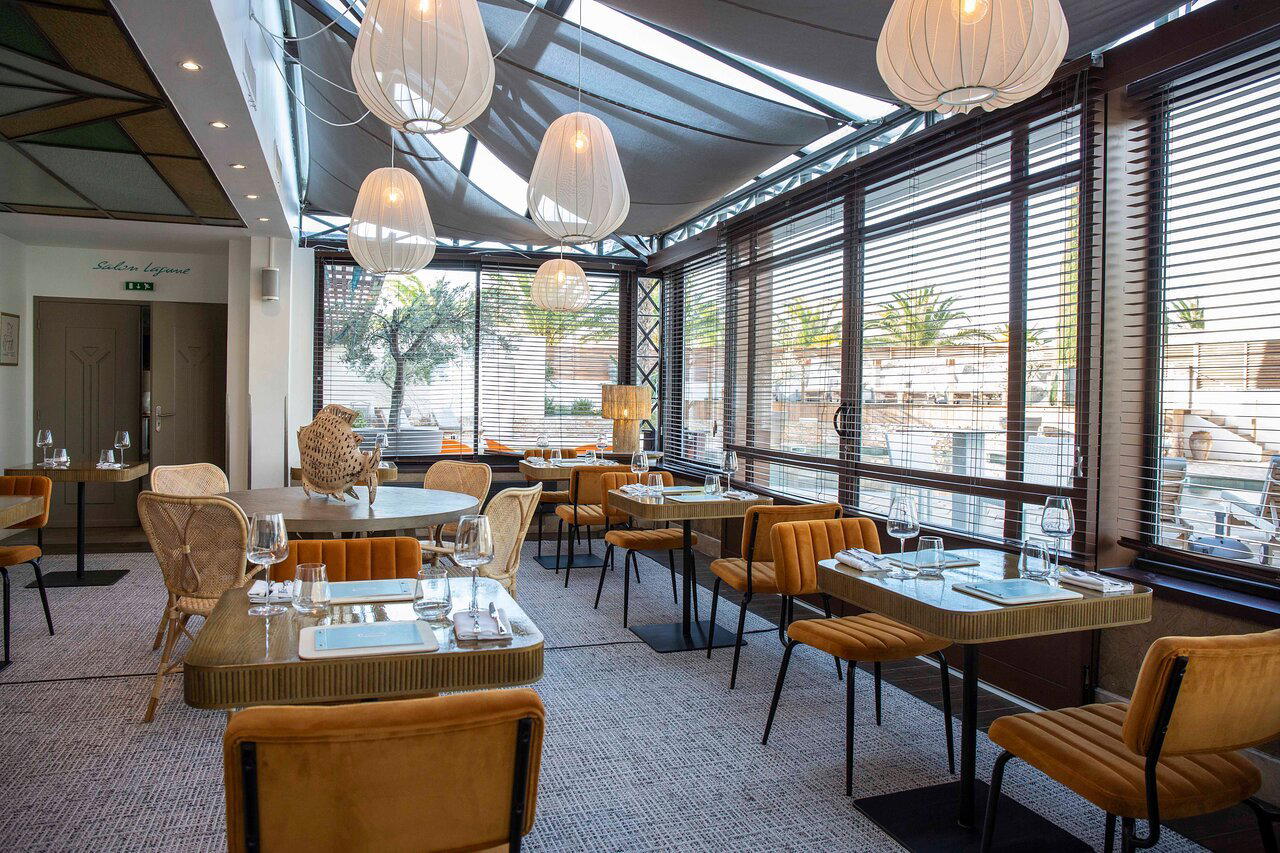
Bars in Collioure
Browse all →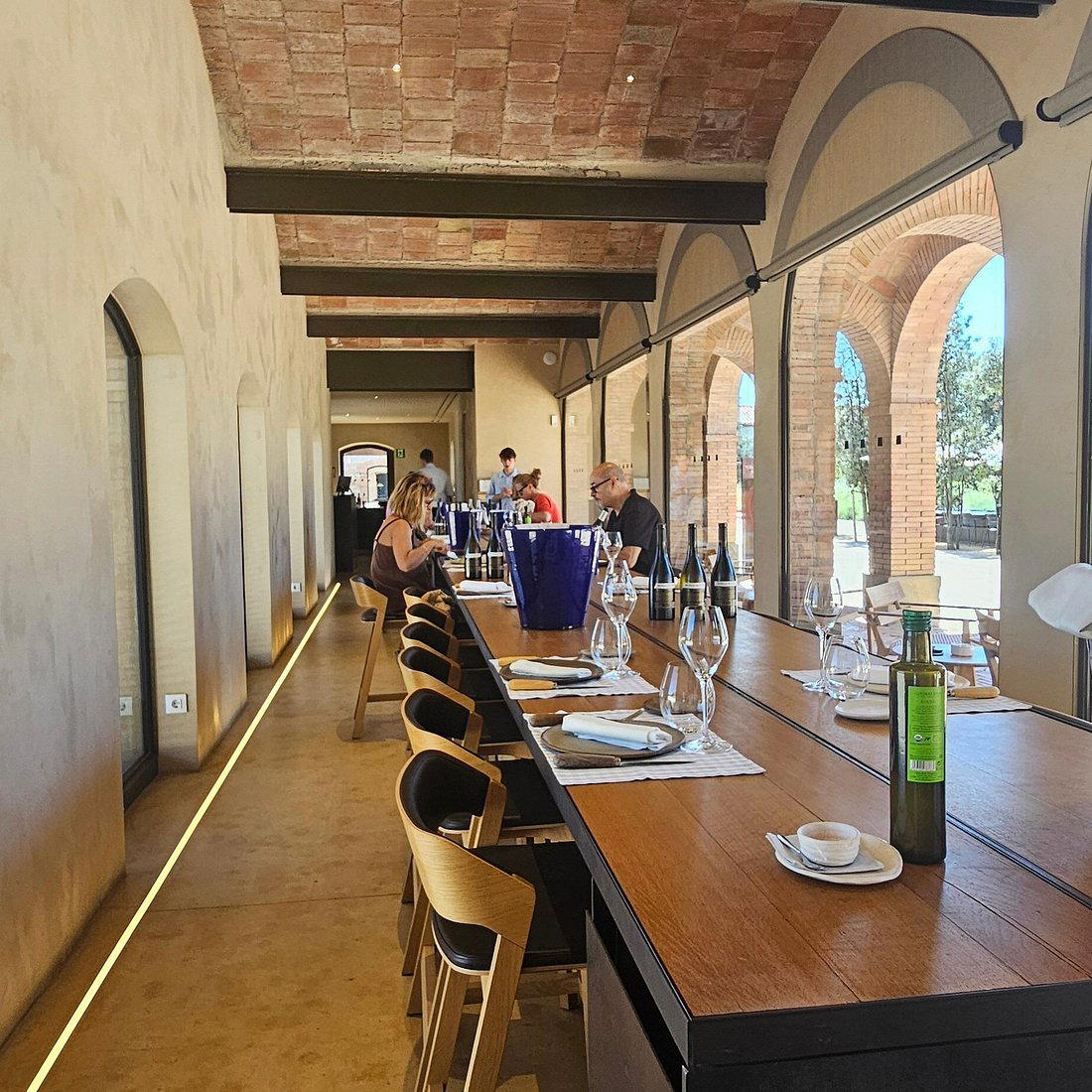
Hotels in Collioure
Browse all →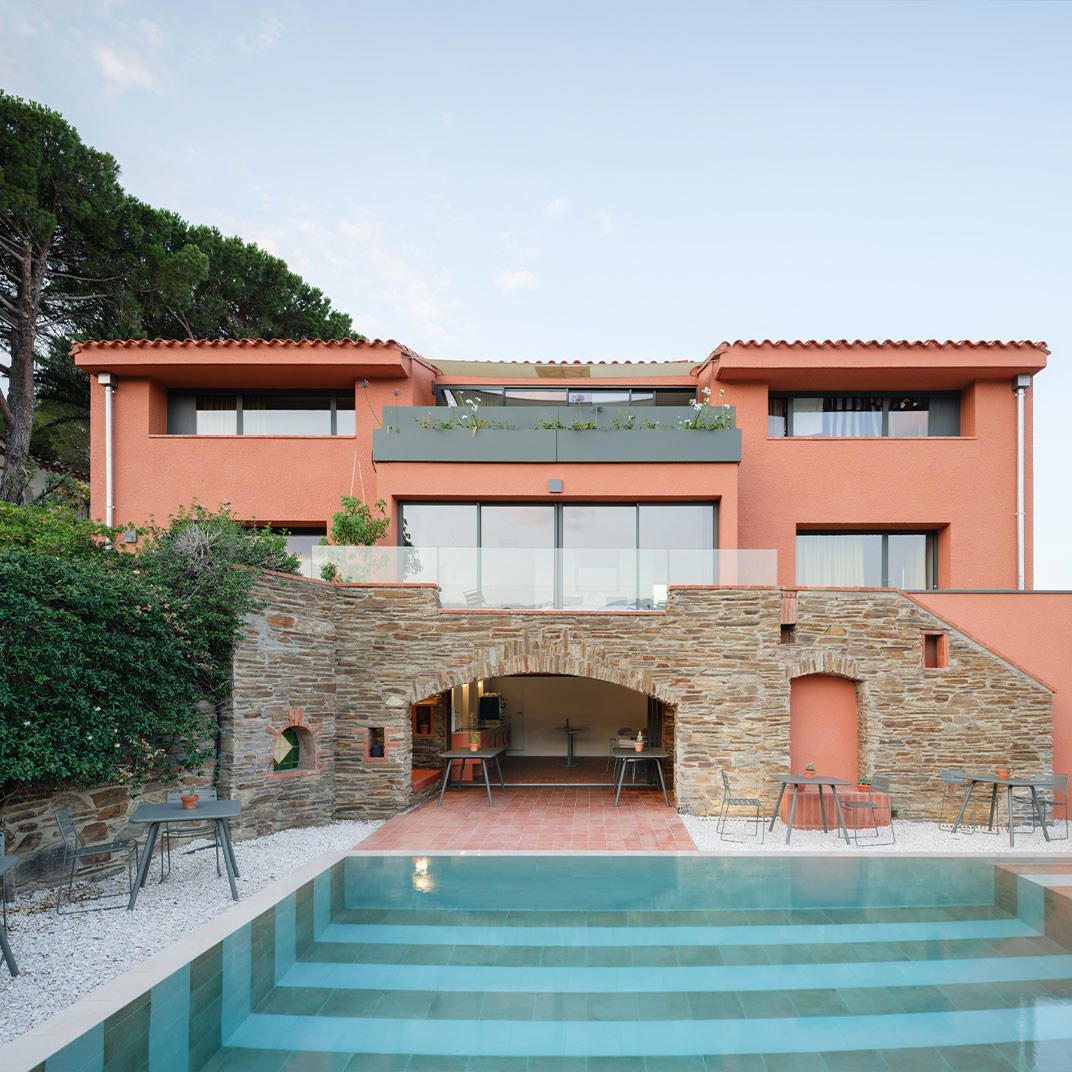

Details
- Casual
- Scenic
- Cozy
- Casual Hangout
- Terrace
- Waterfront
- Waterfront
- Street Scene
- A La Carte
- Small Plates
- Vegetarian Friendly
Current opening hours
- Monday
- Closed
- Tuesday
- 9 AM–9:30 PM
- Wednesday
- 9 AM–9:30 PM
- Thursday
- 9 AM–9:30 PM
- Friday
- 9 AM–9:30 PM
- Saturday
- 9 AM–9:30 PM
- Sunday
- 9 AM–5 PM
Hours can change for holidays and private events. Last verified .