Michelin Plate
Our verdict
Among São Paulo's mid-tier French restaurants, Chef Rouge holds consecutive Michelin Plate recognition for 2024 and 2025, placing it in a small bracket of affordable French cooking that the city's dining scene rarely produces.

Pearl is the En Primeur Club membership app, where members save venues, book tables and use the concierge.
The menu
What to order
- Duck breast with orange sauce
- Duck leg confit
- Grilled foie gras with figs
- Eclair XXL
French Cooking at Mid-Market Prices in Jardim Paulista
São Paulo's French restaurant tier tends to split sharply. At one end sit formal, white-tablecloth operations where the bill tracks European fine-dining pricing. At the other, a handful of neighbourhood bistros that trade on affordability but rarely attract serious critical attention.D.O.M. and Evvai. That combination is worth paying attention to.
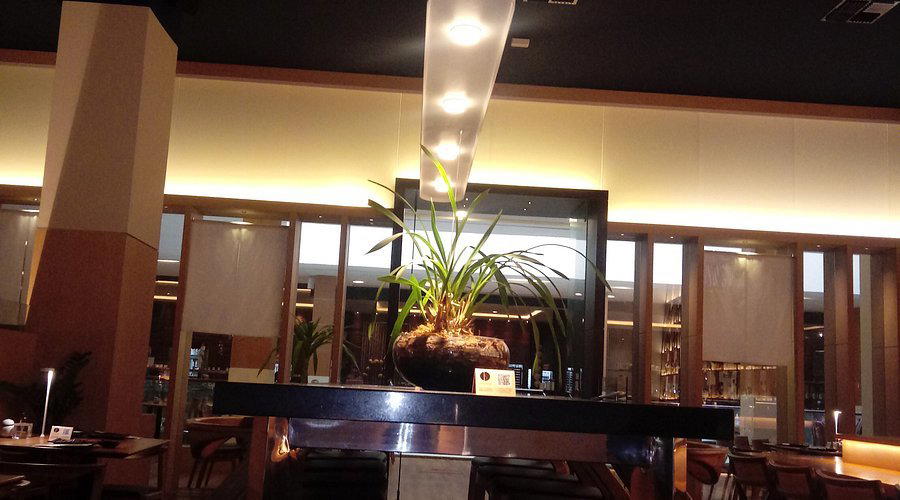
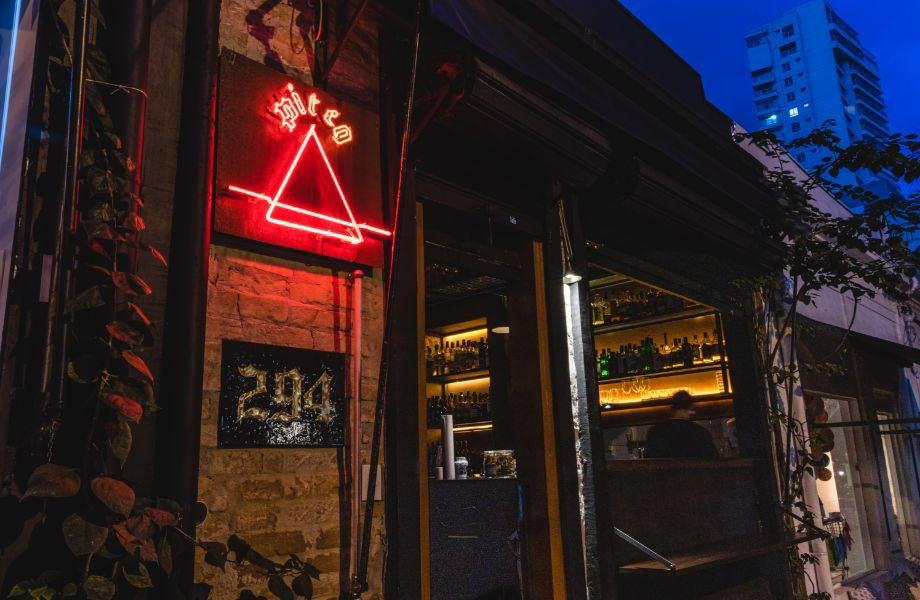
Jardim Paulista is one of the city's more established dining corridors, running west of Jardins into a neighbourhood that balances residential density with a consistent supply of well-resourced restaurants. The street-level approach to Chef Rouge reflects the district's character: neither grand nor deliberately casual, it sits in the register of a European neighbourhood restaurant that happens to be doing something precise enough to earn repeated Michelin recognition.
The French Tradition It Belongs To
French cooking in Brazil carries a particular historical weight. For much of the twentieth century, French-trained technique was the default grammar of serious restaurant cooking across Latin America. Over the past two decades, that hierarchy has shifted: kitchens like D.O.M. reframed Brazilian ingredients as the legitimate subject of haute cuisine, and Michelin's São Paulo list now rewards the local-product-led creative cooking that emerged from that shift. French restaurants have had to recalibrate, or risk looking like anachronisms.
The ones that have held ground tend to do so by leaning into technical rigour rather than nostalgia, by treating the French canon as a live discipline rather than a museum piece. This is the tradition Chef Rouge works within under chef Astrit Memetaj. The Michelin Plate, awarded in both 2024 and 2025, signals that the kitchen is executing within a recognised quality framework without yet reaching the starred tier. In São Paulo's current Michelin cohort, that bracket remains competitive: the city's Plate holders are not automatic promotions but restaurants the inspectors consider worth flagging for consistent, honest cooking.
Peer comparisons clarify the positioning. Bistrot de Paris and Les Présidents both operate in São Paulo's French bistro register. TonTon represents another angle on European-influenced mid-market dining in the city. Chef Rouge's back-to-back Michelin recognition places it in the more credentialled corner of that informal group.
What the Wine Programme Signals
French cooking at this level is inseparable from the cellar. The French bistro tradition, from Lyon bouchons to Parisian zinc counters, has always treated wine as infrastructure rather than supplement, the food is partly designed to coexist with a glass of Burgundy or Loire Chenin in a way that changes both. A kitchen holding Michelin Plate status in a French genre implies a working relationship between the kitchen and the wine list, even if the format doesn't demand the depth of a starred operation's sommelier programme.
São Paulo's wine market has matured considerably over the past decade. Brazilian import tariffs historically pushed wine prices high, which meant that serious lists required real curatorial commitment to deliver value. At the $$ price point, a French restaurant's wine offer becomes a meaningful signal: does the list extend the kitchen's logic, or is it an afterthought? For a venue earning consecutive Michelin Plate recognition in a French genre, the expectation is that classic French pairings, the region-to-glass logic of Bordeaux with meat cookery, Loire whites with fish, Champagne as an opening register, are at least present and considered.
France's wine geography maps closely onto its culinary regions, and a kitchen working in the French tradition has a ready-made curatorial framework to build from. Beyond France, South American French-influenced restaurants increasingly find value in Argentine and Chilean bottles that perform the structural role of European imports at a more accessible price. Whether Chef Rouge's list leans French-dominant or brings in South American selections to extend coverage is a detail worth clarifying at booking, it affects both the pairing logic and the bill.
For a broader view of what São Paulo's wine scene offers beyond restaurant lists, our full São Paulo wineries guide covers the city's bottle shops, natural wine bars, and regional producers gaining traction with serious drinkers. Those planning a wider stay in the city will also find context in our full São Paulo bars guide and our full São Paulo hotels guide.
Chef Rouge Within the Broader Brazilian Dining Picture
São Paulo is not the only city in Brazil producing French-influenced or European-framed cooking at a serious level. Lasai in Rio de Janeiro and Manu in Curitiba each engage with European technique from different regional vantage points. Further south, Mina in Campos do Jordão and Castelo Saint Andrews in Gramado reflect the European architectural and culinary inheritance of Brazil's southern highlands. In the northeast, Manga in Salvador and Orixás in Itacaré take a different path, grounding their cooking firmly in Bahian and Afro-Brazilian traditions.
That geographic spread matters because it illustrates what São Paulo's French contingent is positioned against. The city's most-awarded tables now run on Brazilian and Italian creative registers. French cooking's continued presence, and its ability to earn Michelin recognition at accessible prices, depends on kitchens like Chef Rouge demonstrating that the tradition still has something to say in this specific context, rather than simply replicating European formats in a South American city.
Internationally, the French fine-dining tradition has been stress-tested from different directions. Hotel de Ville Crissier in Crissier and L'Effervescence in Tokyo represent two different ways the tradition has adapted in non-French contexts, one through classical inheritance in Switzerland, the other through Japanese interpretation. The question for French restaurants in São Paulo is similar: adaptation without dissolution.
Planning Your Visit
For a full picture of São Paulo's restaurant options across all price points and cuisines, our full São Paulo restaurants guide provides category-by-category coverage. Those extending their trip should also consult our full São Paulo experiences guide for cultural programming beyond the dining circuit.
Frequently asked questions
What cuisine category does Chef Rouge fall under?
Is Chef Rouge award-winning?
Chef Rouge has received recognition including: Michelin Plate (2025); Michelin Plate (2024).
What's the must-try dish at Chef Rouge?
Chef Rouge holds a Michelin Plate for both 2024 and 2025, which the guide awards for cooking that meets a recognised quality threshold, a meaningful signal about overall consistency. The kitchen works within French tradition, so expect technique-led cooking where the craft of execution carries dishes rather than novelty ingredients. For the firmest steer on what to order, the restaurant's own team at Rua Bela Cintra, 2238 will have the current menu at hand.
What's the pricing like at Chef Rouge?
Pricing at Chef Rouge is listed as $$.
What's the address for Chef Rouge?
Chef Rouge is located at R. Bela Cintra, 2238 - Jardim Paulista, São Paulo - SP, 01415-008, Brazil, São Paulo.
Is there a head chef associated with Chef Rouge?
The chef associated with Chef Rouge is Astrit Memetaj.
The Minimal Set
| Venue | Cuisine | Price | Awards | Notes |
|---|---|---|---|---|
| Chef RougeThis venue (the venue you are viewing) | Classic French Bistro | $30–50 | Michelin Plate | Not listed |
| Evvai | Modern Italian-Brazilian Fusion | $200–300 | 3 Michelin Stars · World's 50 Best #95 | Contemporary Italian, Modern Cuisine |
| D.O.M. | Modern Brazilian Amazonian Fine Dining | $150–200 | 2 Michelin Stars · World's 50 Best #74 | Modern Brazilian, Creative |
| Maní | Modern Creative Brazilian | $50–100 | 1 Michelin Star · World's 50 Best #67 | Brazilian - International, Creative |
| Jun Sakamoto | Japanese Omakase | $100–150 | 1 Michelin Star · La Liste Top Restaurants | Sushi, Japanese |
| A Casa do Porco | Modern Brazilian Pork-Centric | $30–50 | Michelin Bib Gourmand · World's 50 Best #25 | Regional Brazilian, Brazilian |
Recognition history
Dated appearances from independent guides and award organizations, with the underlying list record or original source where available.
Michelin Plate
Michelin
Full recognition history (3 entries)
Michelin Plate
Michelin
Michelin Plate
Michelin