

CHECKin Faro By Leonel Pereira occupies a position that few Portuguese restaurants attempt: fine dining craft at a price point the city can actually use. Pereira, who voluntarily relinquished a Michelin star to bring serious cooking closer to everyday diners, runs this address inside Faro's old town as a case study in what happens when technique stops being reserved for occasion dining.
Pearl is the En Primeur Club membership app — saves, bookings, and concierge access live there. Same editors, same standards.
- Address
- R. do Castelo 7 and 8, 8000-243 Faro, Portugal
- Phone
- +351 968 070 776
- Website
- checkinfaro.pt
- Directions
- Get directions
 Saves & bookings on Pearl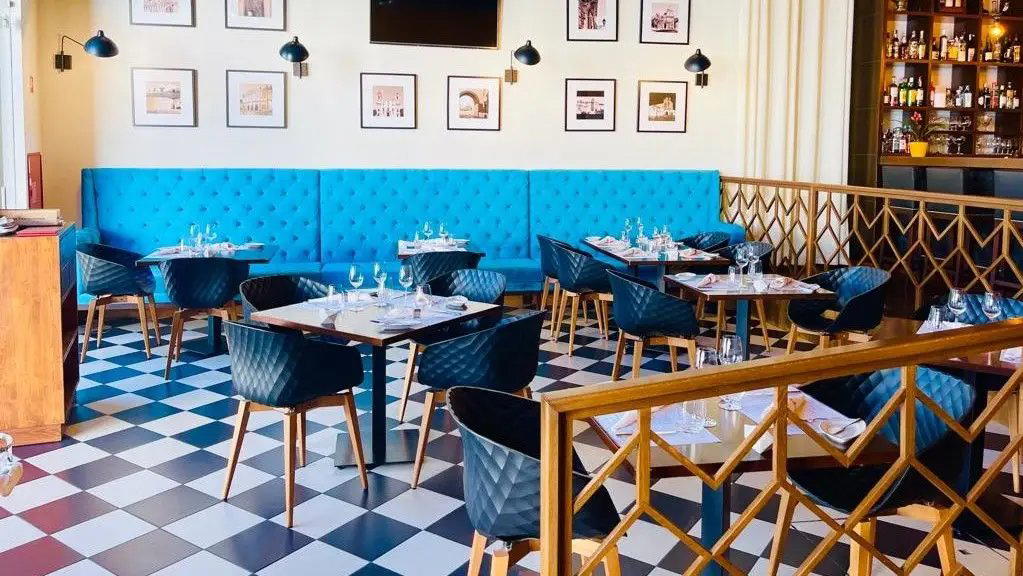
Fine Dining Without the Barrier: What Faro's Old Town Table Tells Us About Portuguese Cooking Right Now
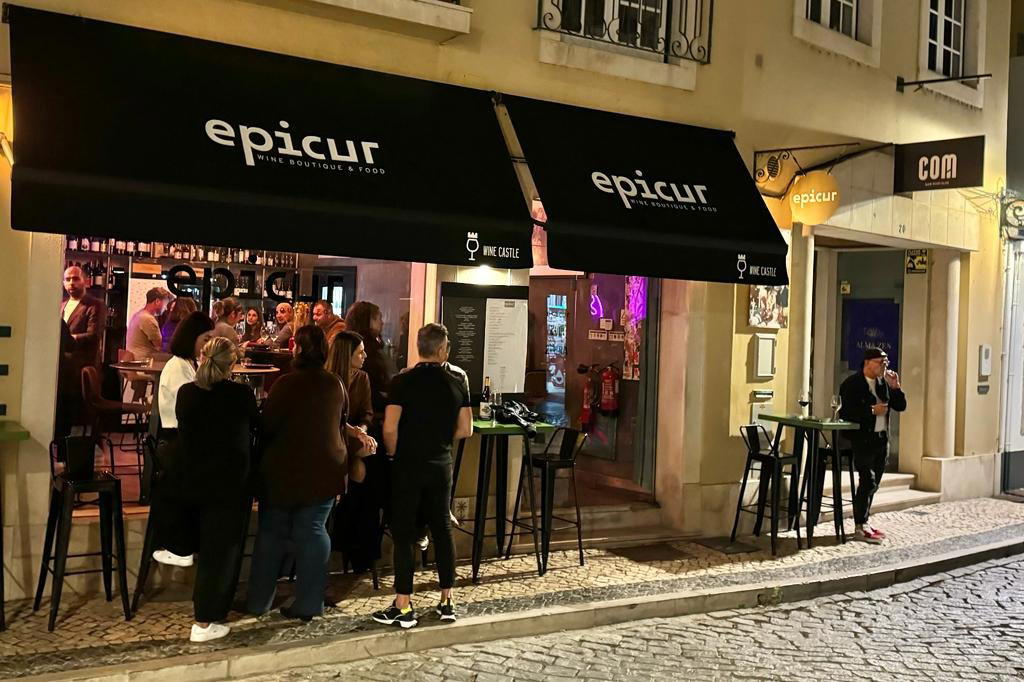
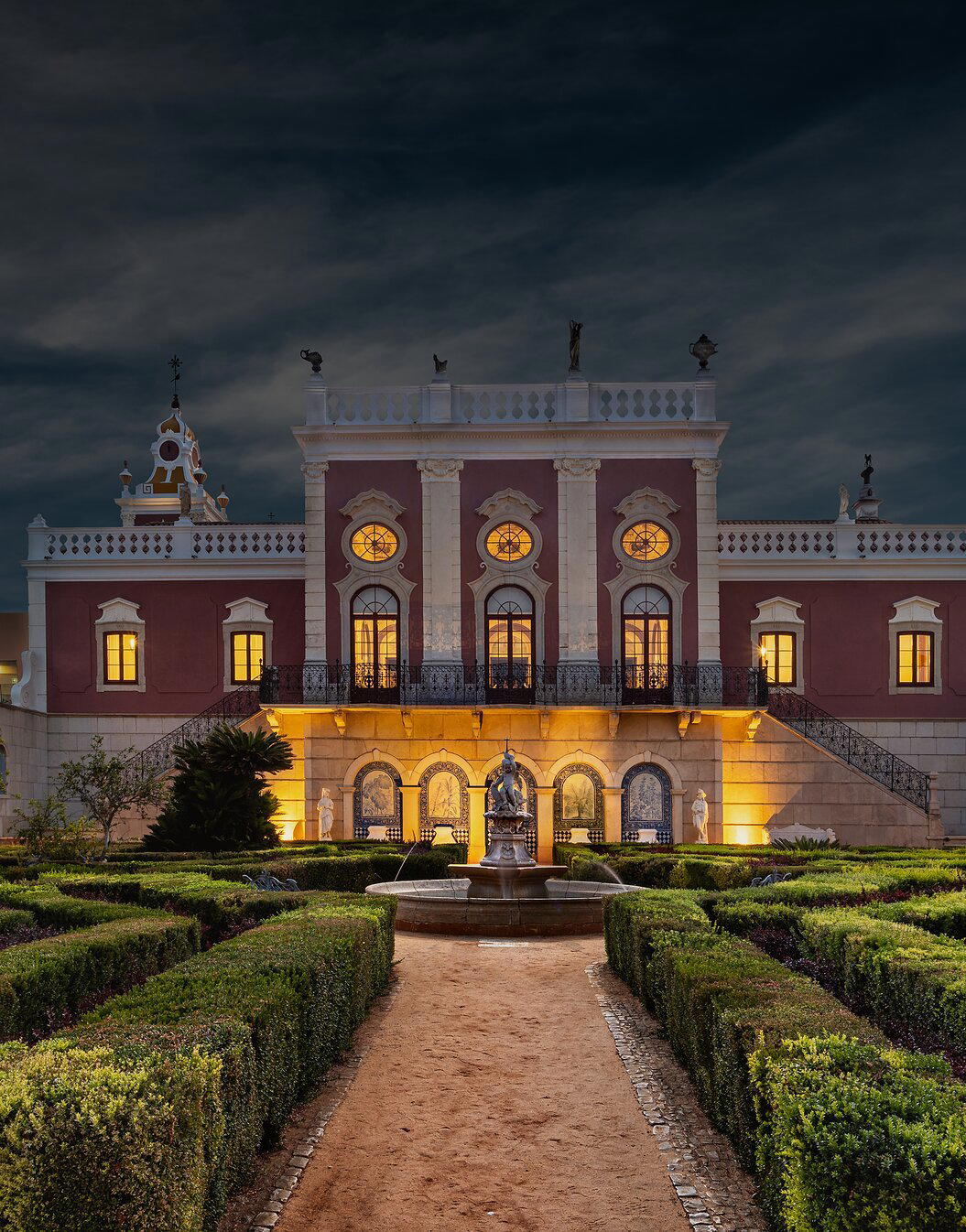
The old town of Faro has a particular quality in the early evening. The castle wall catches the last of the Algarve light, the streets narrow to the width of a comfortable conversation, and the restaurants that line them tend to operate somewhere between tourist-facing and genuinely local. CHECKin Faro By Leonel Pereira sits on Rua do Castelo, and the address alone signals something: this is not the seafront strip, not the resort perimeter. It is inside the city proper, in a historic quarter where the architecture is older than the country's wine industry, and where a serious meal does not require a hotel concierge to arrange.
That distinction matters more than it might first appear. In the Algarve, the split between resort fine dining and accessible local cooking is pronounced. Properties like Vila Joya in Albufeira and Ocean in Porches operate in the €€€€ bracket, positioned explicitly for destination diners and multi-course tasting formats. CHECKin Faro occupies a deliberately different register: the same seriousness of approach, applied to a format and price structure that serves the population that actually lives here.
The Sourcing Argument: Why Ingredient Provenance Defines This Table
The Algarve is not a region that needs to import its ingredients. The Atlantic shelf off the southern Portuguese coast produces some of the country's most consistent seafood; the inland areas of the region supply tomatoes, citrus, figs, carob, and the herbs that define southern Portuguese domestic cooking. A kitchen that takes its sourcing seriously in Faro has immediate, logistical access to materials that restaurants in Lisbon or Porto pay premiums to source and transport. This is the underlying argument of what Pereira's cooking represents: proximity to ingredient is not a marketing concept here, it is a structural advantage.
That advantage runs through the cooking at the level of freshness and seasonality rather than at the level of exotic provenance. The Algarve's seafood calendar moves through the year with precision, certain species more available in spring, others through summer and into autumn, and a kitchen calibrated to that rhythm produces menus that read differently depending on when you visit. This is not the stable, year-round tasting menu logic of the Michelin circuit, where dishes are engineered for consistency across hundreds of covers. It is the older model: cook what is good now, with what is close.
Across Portugal, discussed fine dining addresses operate on a different supply logic. Belcanto in Lisbon and Antiqvvm in Porto work at the level of national and international sourcing befitting their price and prestige tier. Casa de Chá da Boa Nova in Leça da Palmeira, with its direct Atlantic position, makes a geographic sourcing argument as part of its identity. CHECKin Faro's version of that argument is quieter but no less deliberate: the region provides, the kitchen responds.
The Michelin Star Question: What Pereira's Decision Signals for the Industry
Pereira is documented as one of the first Portuguese chefs to voluntarily relinquish a Michelin star. That is not a minor biographical footnote. The Michelin system structures career ambition, pricing, staffing ratios, sourcing costs, and restaurant format across the industry. To operate inside that system at star level, and then to step outside it by choice in order to cook in a way that is more accessible, is a statement about what serious cooking is for. It belongs to a wider conversation about who gets to eat well, and whether the format of prestige dining is inherently exclusive by design rather than by necessity.
This is a conversation happening in cities well beyond Portugal. The tension between culinary ambition and democratic access runs through debates about restaurant pricing in New York, where a table at Le Bernardin operates in a different economic register from the broader dining population, and in New Orleans, where the legacy of Emeril's includes a deliberate community-facing dimension alongside fine dining. Pereira's version of that decision plays out in a mid-sized city in southern Portugal, where the gesture is more legible: a chef with the credential to charge more, choosing not to.
The result is a table that sits in an unusual competitive position within the Portuguese fine dining conversation. It is not competing against Il Gallo d'Oro in Funchal or The Yeatman in Vila Nova de Gaia for the same prestige-dining traveller. It is doing something more specific: making the craft legible at a price point that does not require a special occasion as justification. Compare also with Ó Balcão in Santarém and A Cozinha in Guimaraes, both represent the strand of Portuguese cooking that takes regional product and technique seriously without anchoring the experience to a luxury price tier.
Where It Sits in Faro's Dining Scene
Faro is underrepresented in the national fine dining conversation relative to its status as the Algarve's capital city. The region's culinary attention concentrates westward along the coast, toward resort developments and their associated restaurants. The city itself, with its working port, historic centre, and year-round resident population, operates a different kind of food economy. Alameda represents the modern cuisine side of that conversation, and CHECKin by Leonel Pereira (the broader restaurant group) anchors the Pereira approach across formats in the same city. See our full Faro restaurants guide for a wider picture of where this table sits among its neighbours.
For visitors building a meal around food, the old town location is logistically sensible. Rua do Castelo is walkable from the marina and from the main accommodation zone without requiring transport. The practical planning note is direct: Faro is a year-round city, but the shoulder months of spring and autumn bring consistent ingredient quality alongside smaller visitor numbers.
Comparison Snapshot
Comparable venues nearby, for context on price, style, and recognition.
| Venue | Cuisine | Price | Awards | Notes |
|---|---|---|---|---|
| CHECKin Faro By Leonel PereiraThis venue — the venue you are viewing | Modern Contemporary Mediterranean | $$ | Not listed | Not listed |
| CHECKin by Leonel Pereira | Contemporary Portuguese | $$ | Michelin Plate | historic centre |
| Alameda | Modern Portuguese Seafood | $$$$ | Michelin Plate | Faro |
| Restaurant | Modern Portuguese & Mediterranean | $$ | Not listed | Not listed |
| O Retiro Vinoteca Restaurant | Traditional Portuguese Grill & Seafood | $$ | Not listed | Boliqueime |
Recognition history
Dated appearances from independent guides and award organizations, with the underlying list record or original source where available.
Michelin Plate
Michelin
Star Wine List
Star Wine List
Michelin Plate
Michelin
Michelin Plate
Michelin
At a Glance
- Modern
- Cozy
- Elegant
- Trendy
- Date Night
- Special Occasion
- Celebration
- Open Kitchen
- Historic Building
- Extensive Wine List
- Sommelier Led
- Local Sourcing
Current opening hours
- Monday
- 7–10 PM
- Tuesday
- 7–10 PM
- Wednesday
- 7–10 PM
- Thursday
- 7–10 PM
- Friday
- 7–10 PM
- Saturday
- 7–10 PM
- Sunday
- Closed
Hours can change for holidays and private events. Last verified .
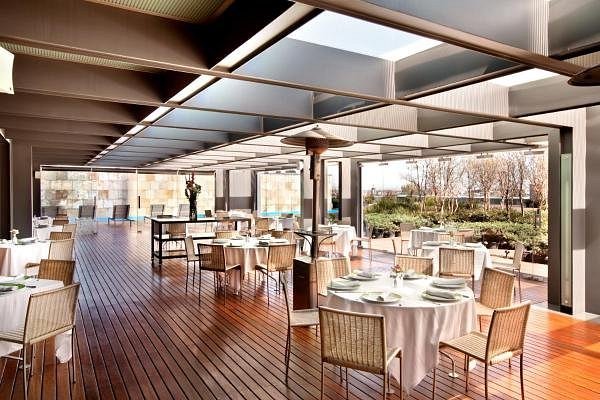
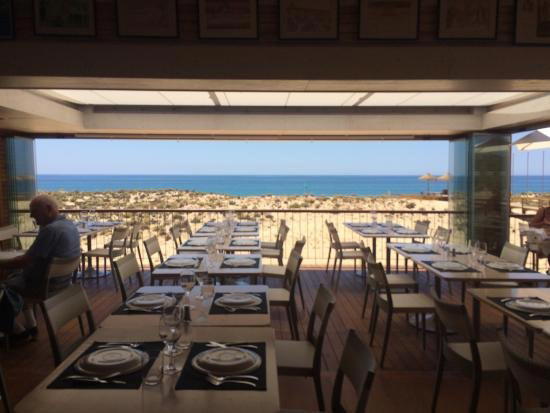
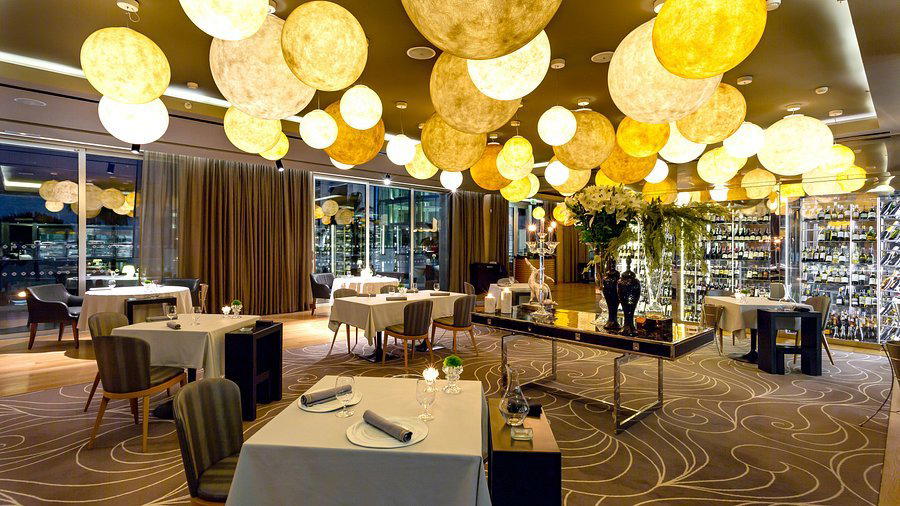
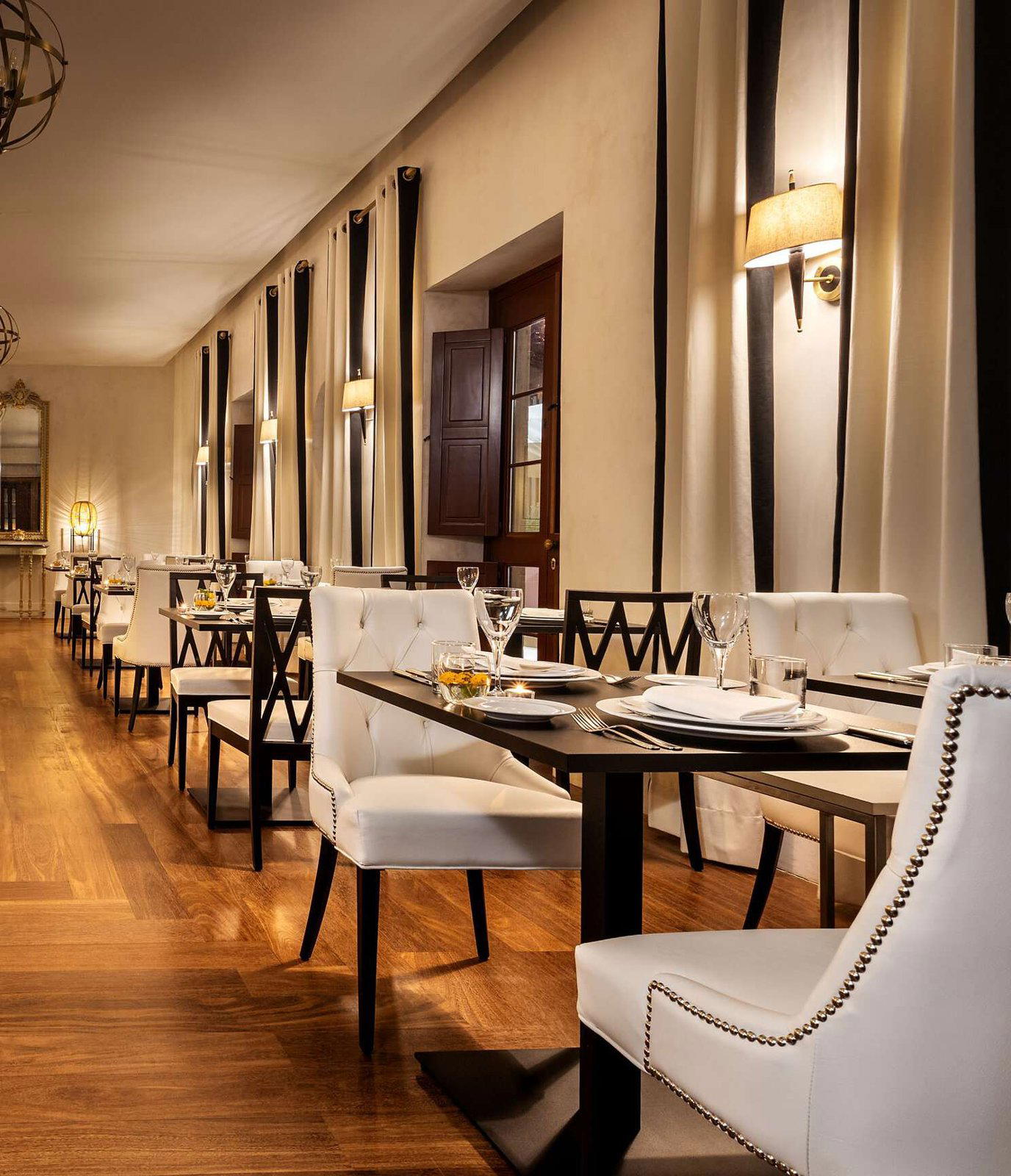
Pleasant and relaxing atmosphere in a remodelled historic building with high ceilings, warm welcoming service, and a nice background buzz of conversation even when busy.