Charolais


Michelin Plate · Macarfi 6.9 Food Rating
Our verdict
Holding a Michelin Plate for 2024 and 2025, Charolais occupies a stretch of Fuengirola's Calle Larga just steps from the beach, operating as two interconnected spaces — a main dining room and a dedicated tapas bar. The menu draws on Basque-inflected technique applied to Andalusian produce, from Huelva shrimp al ajillo to Carabinero prawn tartare, with sharing formats across both rooms.

Pearl is the En Primeur Club membership app — saves, bookings, and concierge access live there. Same editors, same standards.
- Address
- C. Larga, 14, 29640 Fuengirola, Málaga, Spain
- Phone
- +34 952 47 54 41
- Hours
- Mon–Tue 1–3:45 PM, 7–10:45 PMWed ClosedThu 1–3:45 PM, 7–10:45 PMFri–Sat 1–3:30 PM, 7–10:45 PMSun 1–3:45 PM, 7–10:45 PM
- Website
- bodegacharolais.com
- Directions
- Get directions
The menu
What to order
- Huelva shrimp al ajillo
- Tartare of avocado and Carabinero prawns
- Suckling lamb chops
Where the Coast Meets the Basque Kitchen
Calle Larga runs through the commercial heart of Fuengirola, a few dozen metres back from the seafront promenade, and the stretch around number 14 has the cadence of a working-town high street rather than a tourist corridor. That context matters for understanding what Charolais is: a restaurant anchored in the cooking traditions of northern Spain, operating in a southern coastal city where the raw material — specifically the seafood coming out of the surrounding Andalusian waters — happens to be exceptional. The combination is less of a contradiction than it sounds, and more of a deliberate sourcing logic.
The Basque Country's influence on Spanish restaurant culture has radiated outward for decades. From the pintxos bars of San Sebastián to institutions like Arzak and Martin Berasategui in Lasarte-Oria, the north established a template of rigour around produce, preparation, and restraint that has informed kitchens far from the Bay of Biscay. Charolais works within that lineage at a more accessible, daily-dining register: the menu references Basque country sensibility without attempting to transplant the geography. It is, instead, a framework for handling southern Spanish ingredients seriously.
Two Rooms, One Sourcing Philosophy
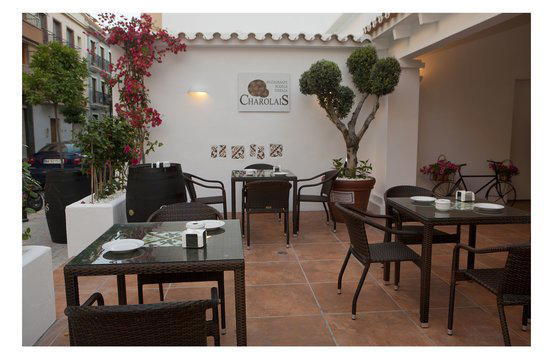
The physical format at Charolais reflects the way Spaniards actually eat. Two adjoining and interconnecting spaces, Charolais and Charolais Tapas, operate side by side, with a terrace extending the footprint onto the street. The division is not just architectural. It allows the kitchen to serve the same sourcing philosophy across different formats and occasions: tapas and raciones for a mid-evening stand-up drink, fuller sharing plates for a table-centred meal. Neither room is a concession to the other; the produce quality runs consistently through both.
That format is worth contextualising against the wider Fuengirola dining scene. The city sits in a competitive stretch of the Costa del Sol, where the €€€ price tier includes everything from destination-level seafood houses like Los Marinos José to contemporary Andalusian cooking at El Higuerón and Mediterranean-focused tables at Restaurante Tánicos. Charolais occupies a specific niche in that field: it is neither a pure marisquería nor a modern creative kitchen, but rather a traditional format that takes its cues from Basque technique while grounding its menu in local and regional produce. The contrast with Sollo, Fuengirola's Michelin-starred creative Spanish kitchen at the €€€€ tier, illustrates the spectrum, Charolais is the more accessible end of serious cooking in this city.
Ingredients as Argument
The case for Charolais rests substantially on where its ingredients come from and what they represent. Huelva shrimp, langostinos and gambas from the Gulf of Cádiz, are among the most prized crustaceans in Spain, carrying a sweetness and iodine clarity that is specific to those Atlantic-influenced waters. Preparing them al ajillo, in olive oil with garlic, is a format that makes no attempt to obscure the ingredient: the cooking exists to warm and season, not to transform. That restraint is a Basque-adjacent instinct applied to an Andalusian raw material.
The tartare of avocado and Carabinero prawns makes a different kind of sourcing argument. Carabineros, the large, deep-red prawns caught primarily off the Atlantic coasts of Spain and Portugal, are a prestige product, intense in flavour and rich in the head fat that defines their culinary value. Pairing them with avocado in a tartare format is a preparation that requires the kitchen to trust the produce: there is nowhere to hide in an uncooked, lightly dressed dish. The fact that this preparation appears among the standout options across both rooms signals something about the kitchen's confidence in its supply chain.
Across the meat and fish dishes more broadly, the menu operates within the same logic: sourcing from producers and fisheries with a track record in their respective categories, applying techniques that serve rather than override the ingredient. That approach aligns Charolais with a wider tradition of Spanish product-led cooking, visible at a more rarefied level in houses like Aponiente in El Puerto de Santa María or Azurmendi in Larrabetzu, and present at the traditional cuisine tier in places like Auga in Gijón.
Michelin Recognition and What It Signals
Charolais holds a Michelin Plate for both 2024 and 2025. The Plate designation does not carry the weight of a star, but it is not meaningless either: it signals that Michelin's inspectors found the cooking at a standard worth flagging to readers, in a city and a price category where many restaurants do not earn the distinction. Sustained recognition across consecutive years is a more useful indicator than a single-year mention, suggesting consistency rather than a one-off performance.
Within Spain's Michelin-recognised restaurant pool, that peer context includes institutions like El Celler de Can Roca in Girona, DiverXO in Madrid, and Cocina Hermanos Torres in Barcelona at the three-star end. Charolais operates several tiers below that level, but the Plate situates it within the recognised-quality tier of Spanish dining rather than the undifferentiated mass of coastal tourist restaurants.
Planning a Visit
Charolais sits at C. Larga, 14 in central Fuengirola, close enough to the beach that the combination of an evening meal and a post-dinner walk along the promenade is a natural pairing. The terrace makes the address work well in the longer Andalusian evenings, when the street cools and the surrounding neighbourhood retains some of the day's warmth. The price range at €€€ places it at a mid-to-upper position for Fuengirola, appropriate for a meal built around premium produce like Carabineros or Huelva shrimp. For broader context on eating, drinking, and staying in the area, the full Fuengirola restaurants guide, hotels guide, bars guide, wineries guide, and experiences guide cover the surrounding options across categories.
What do people recommend at Charolais?
The dishes most cited across both critical and diner accounts are the Huelva shrimp al ajillo and the tartare of avocado and Carabinero prawns, both of which reflect the kitchen's sourcing priorities in different formats. The meat and fish dishes from the main menu are also consistently noted. The sharing format, available across both the main room and the tapas bar, allows a table to move across the menu rather than committing to a fixed structure, which tends to be the approach that gets the most from what the kitchen offers. The Michelin Plate recognition for 2024 and 2025 provides some external calibration for first-time visitors assessing where Charolais sits relative to the wider Fuengirola dining field.
| Venue | Cuisine | Price | Awards | Notes |
|---|---|---|---|---|
| CharolaisThis venue — the venue you are viewing | Traditional Basque-Andalusian | $50–100 | Michelin Plate · Macarfi 6.9 Food Rating | Not listed |
| Sollo | Creative Modern Fusion with Aquaponics | $150–200 | 1 Michelin Star · Guía Repsol 2 Soles | Modern Spanish, Creative |
| Los Marinos José | Fresh Seafood from Own Boats | $50–100 | Michelin Plate · Falstaff Restaurant - 94 Falstaff Points | Not listed |
| El Higuerón | Traditional Mediterranean with Spanish influences | $50–100 | Not listed | Not listed |
| Restaurante Tánicos | Mediterranean Fine Dining | $50–100 | Not listed | Not listed |
Recognition history
Dated appearances from independent guides and award organizations, with the underlying list record or original source where available.
Michelin Plate
Michelin
Macarfi 6.9 Food Rating
Macarfi
Full recognition history (4 entries)
Michelin Plate
Michelin
Michelin Plate
Michelin
Continue exploring
More in Fuengirola
Restaurants in Fuengirola
Browse all →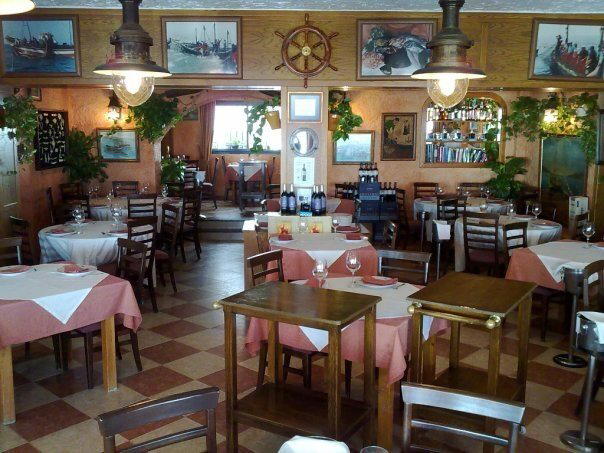
Bars in Fuengirola
Browse all →

Hotels in Fuengirola
Browse all →
Wineries in Fuengirola
Browse all →
Details
- Rustic
- Cozy
- Classic
- Date Night
- Group Dining
- Special Occasion
- Terrace
- Open Kitchen
- Extensive Wine List
- Local Sourcing
- Street Scene
- Small Plates
- A La Carte
Current opening hours
- Monday
- 1–3:45 PM, 7–10:45 PM
- Tuesday
- 1–3:45 PM, 7–10:45 PM
- Wednesday
- Closed
- Thursday
- 1–3:45 PM, 7–10:45 PM
- Friday
- 1–3:30 PM, 7–10:45 PM
- Saturday
- 1–3:30 PM, 7–10:45 PM
- Sunday
- 1–3:45 PM, 7–10:45 PM
Hours can change for holidays and private events. Last verified .
rustic style dining room divided into cozy corner spaces with a pleasant terrace and modern tapas bar area.