
Michelin Plate
Our verdict
Chao 27 brings Chaozhou cooking into Suzhou’s high-rise hotel dining circuit, a useful counterpoint to the city’s Jiangnan and Jiangsu-heavy tables. Its relevance lies in cultural translation: briny, tea-framed, seafood-minded Chaoshan traditions presented inside Suzhou Industrial Park rather than the old canal districts.

Pearl is the En Primeur Club membership app, where members save venues, book tables and use the concierge.
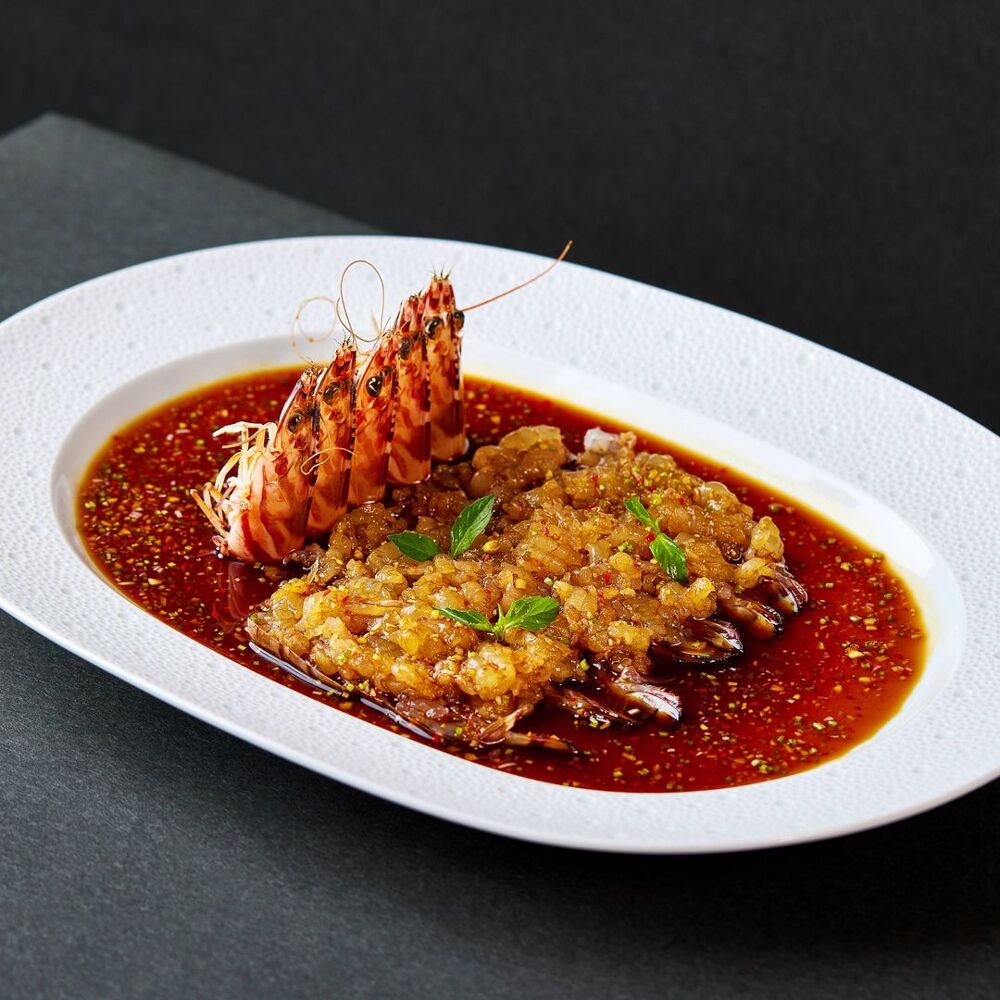
The menu
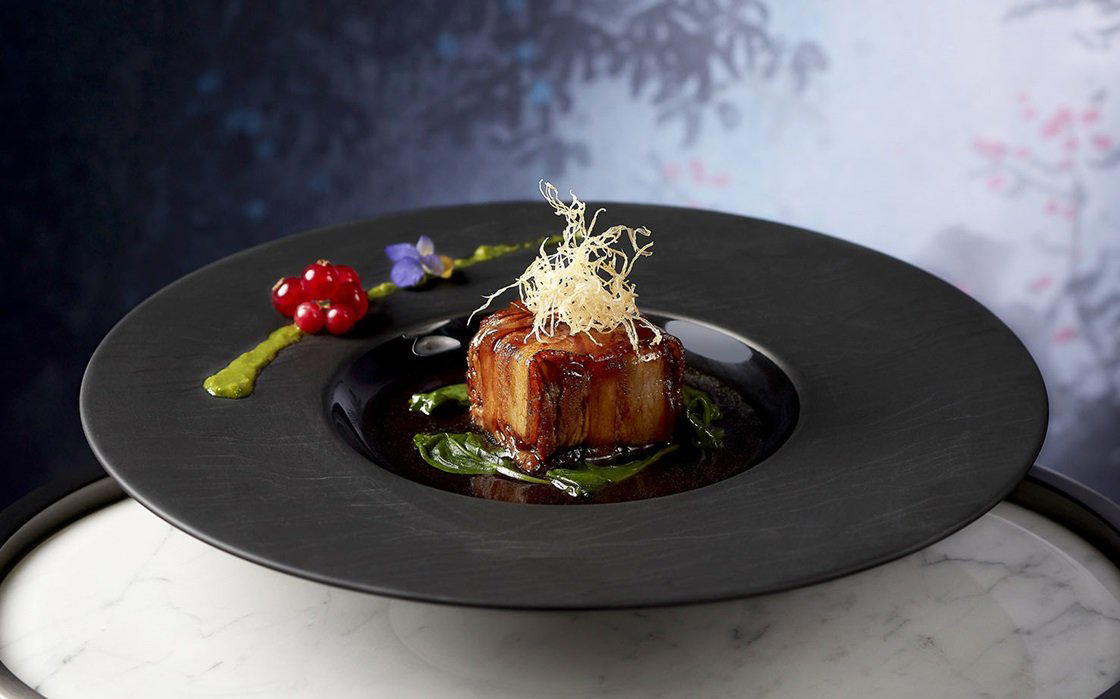
What to order
- Beef soup with aged dried radish
- Duck soup with salted lemon
- Conch soup with green olives
- Live seafood prepared to order
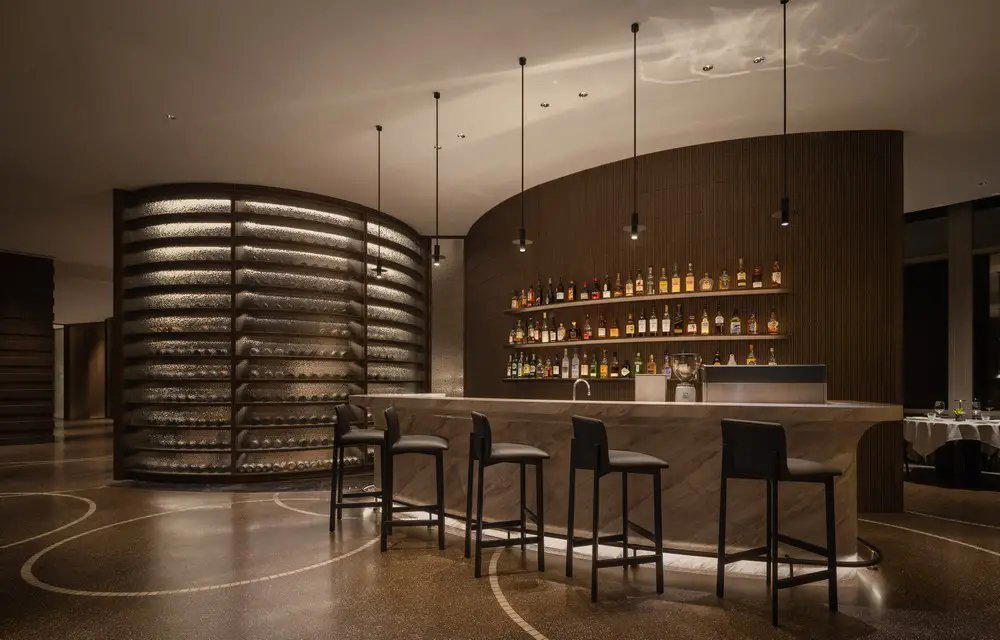
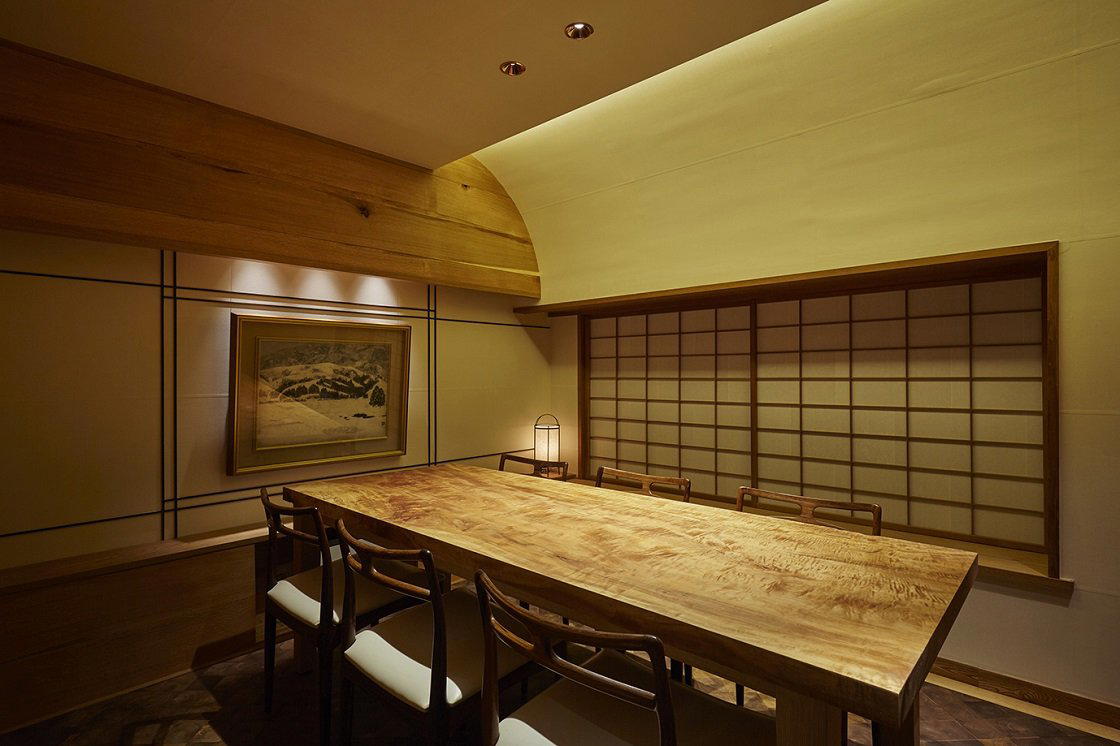
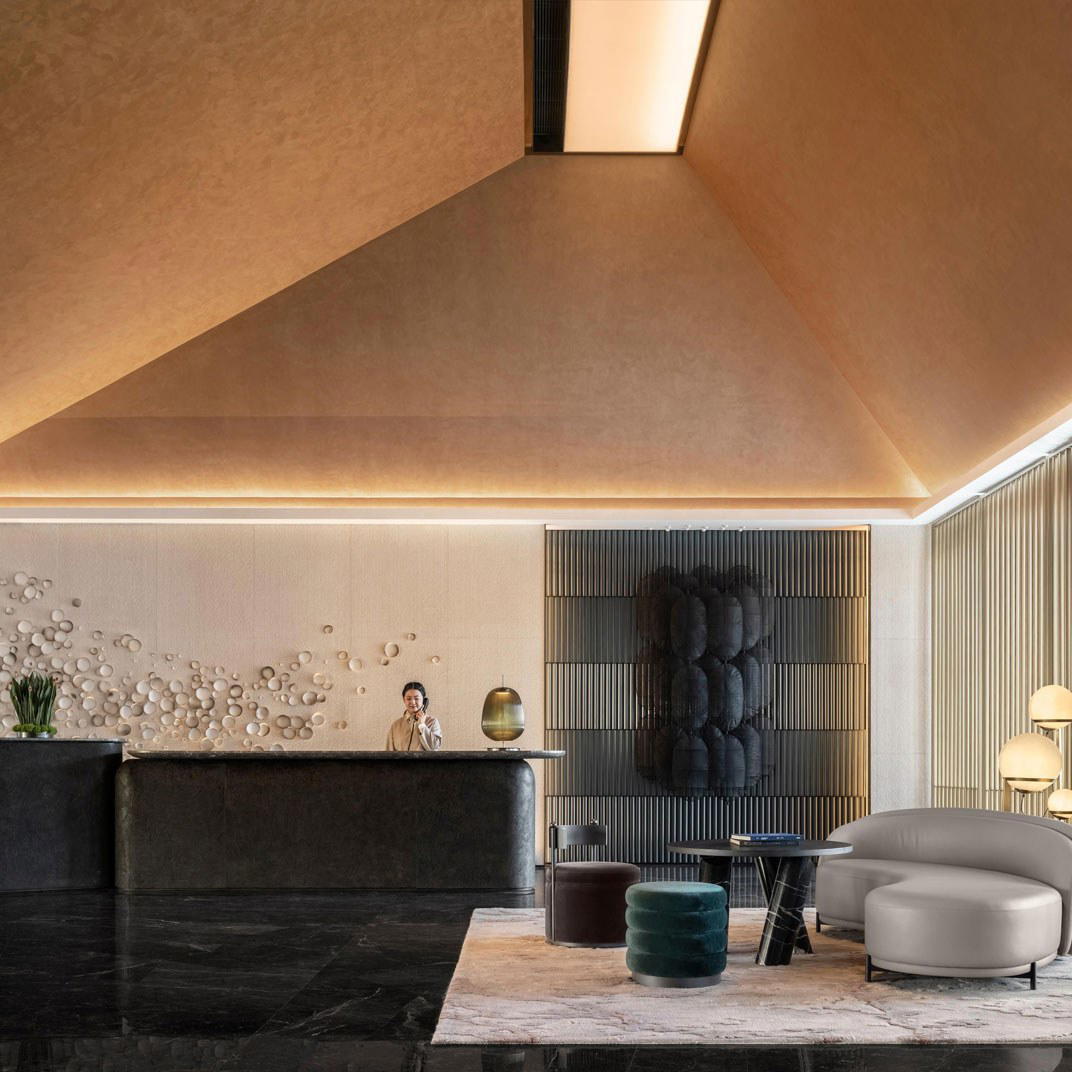
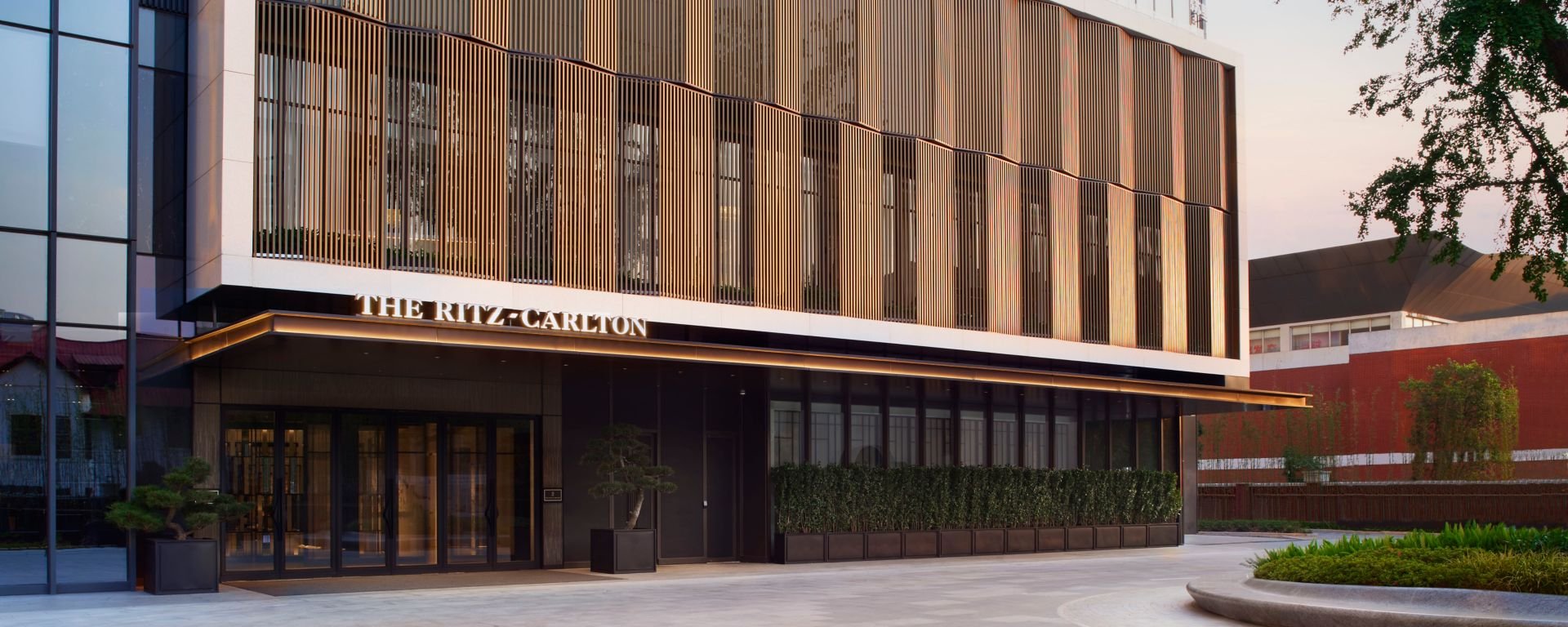
Arriving at Chao 27 means entering Suzhou through its newer dining language rather than only its garden-and-canal postcard. The room belongs to the city’s more polished contemporary restaurant scene, where business travel, destination dining, and higher-expectation local meals have shifted part of the city’s culinary gravity toward more formal experiences. That setting matters. Chao 27 is best read as a focused restaurant in Suzhou, and its presence says something about how affluent Chinese cities now eat: diners increasingly look for sharper distinctions, more intentional service, and a clearer point of view than a generic banquet-style meal can offer.
Regional precision in a Jiangnan city
Suzhou’s dining identity is often associated with Jiangnan expectations: restraint, seasonality, calibrated sweetness, river-and-garden imagery, and banquet dishes shaped by the lower Yangtze palate. Chao 27 offers a different register inside that context without needing to be reduced to a single label. It prizes clarity, careful handling, and a sense of sequence rather than relying on spectacle alone. In Suzhou, that contrast gives Chao 27 its editorial value: it places a distinct dining room inside a city better known for Jiangnan softness.
The identity is not just decorative here. The appeal depends on fluency in a style that can look deceptively plain to diners expecting heavy sauces or theatrical plating. Its discipline sits in texture, temperature control, ingredient handling, and the order in which flavors arrive. That is why serious restaurants of this kind are judged less by ornament than by whether the meal preserves clean lines and a confident point of view.
Within Suzhou, that makes the restaurant a counter-programming choice. Hua Chi 88 points diners back toward Jiangsu and Jiangzhe habits; Chao 27 gives the meal a different kind of focus. Other Suzhou dining rooms also show that the city’s higher-end scene is no longer only about local canon. The more interesting tables now reveal how varied dining styles can compete within the same city, not how one local style dominates every serious meal.
Polished dining, quiet confidence, and the Suzhou shift
Suzhou has become a practical dining city for business travel, polished rooms, and restaurants that do not need old-town atmosphere to justify their audience. This is where Chao 27’s composed setting makes sense. In many Chinese cities, formal dining once defaulted to safe international formats or broad banquet cooking. The stronger contemporary pattern is narrower: a defined point of view, a more intentional room, and a menu built to signal specificity to diners who already know the difference between Suzhou’s local habits and other dining traditions.
That pattern also explains why comparisons inside Suzhou should be made by culinary role rather than by decor. Xiu, with a Jiangzhe identity and a more refined local-regional role, belongs to the city’s polished local bracket. Riva Mediterranean Steakhouse and Mammamia! serve a different purpose for international and expat dining. Jiangnan Delicacy reads through local comfort and regional memory. Chao 27 is better understood as a specialist address in Suzhou, not as a generic formal restaurant.
For readers mapping a Suzhou itinerary, the broader city context is useful. Our full Suzhou restaurants guide tracks the local spread from Jiangsu dining to more imported formats, while our full Suzhou hotels guide explains why polished dining matters for travelers who want a more convenient base in the city. The adjacent guides to Suzhou bars, Suzhou wineries, and Suzhou experiences are useful for building a trip around more than dinner.
How to read the cooking beyond the headline dishes
The defining idea at Chao 27 is not a single named plate; it is the transfer of a focused dining sensibility into a Suzhou context. That distinction matters because restaurants of this kind are often reduced to a few expected categories, when their deeper appeal lies in balance: clarity, careful seasoning, clean structure, and a rhythm that rewards attention rather than volume. A meal in this category rewards diners who pay attention to restraint.
That restraint can be misread by diners accustomed to heat-driven cooking, roast-meat ceremony, or the banquet richness of certain metropolitan dining rooms. Cross-city comparisons help clarify the point without needing to name every reference point. Other restaurant traditions may lean on spice, ritual, luxury ingredients, or spectacle. By contrast, Chao 27 asks for attention to edges: freshness, seasoning, and the quiet authority of dishes that do not announce themselves with excess.
Other coastal and lower-Yangtze traditions offer further reference points for diners thinking about seafood, soups, and regional memory through different lenses. These comparisons make Chao 27 easier to place: it is not trying to be Suzhou’s version of Jiangnan nostalgia, and that is precisely the point. Its role is to widen the city’s dining conversation rather than simply repeat the most familiar local script.
The wider EP Club map also shows how sharply focused formats can travel. Different contemporary dining rooms, whether in China or abroad, often succeed by narrowing the brief rather than trying to please every audience at once. For Chao 27, that brief is a focused restaurant experience in Suzhou. Diners choosing it over a Jiangsu table are choosing contrast, not convenience alone.
Frequently asked questions
How do I find Chao 27?
Suzhou.
Is Chao 27 award-winning?
Chao 27 is recognized in the Michelin Guide with a MICHELIN Plate.
Can I walk in to Chao 27?
A walk-in may be possible, but advance booking is the safer choice for Chao 27 in Suzhou, especially for dinner or business-heavy dining periods.
What's the defining dish or idea at Chao 27?
The core idea is a focused dining experience in a polished Suzhou setting at Chao 27, rather than a single named signature dish.
Do they accommodate allergies at Chao 27?
Allergy handling may be possible at Chao 27, but guests should state the allergen clearly when arranging the booking and again on arrival.
Booking and Cost Snapshot
Comparable venues by cuisine and price in the same metro.
| Venue | Cuisine | Price | Awards |
|---|---|---|---|
| Chao 27 | Refined Chaozhou Cuisine | $100–150 | Michelin Plate |
| Riva Mediterranean Steakhouse | Mediterranean Steakhouse | $100–150 | Black Pearl 1 Diamond |
| Xiu | Refined Jiangzhe Chinese with Cantonese and Sichuan influences | Not listed | Michelin Plate |
| Hua Chi 88 | Authentic Suzhou Jiangsu Cuisine | Not listed | Michelin Plate · Black Pearl 1 Diamond |
| Mammamia! | Neapolitan Pizzeria | $20–30 | Not listed |
| Jiangnan Delicacy | Authentic Jiangnan Cuisine | $20–30 | Black Pearl 1 Diamond |
Recognition history
Dated appearances from independent guides and award organizations, with the underlying list record or original source where available.
Michelin Plate
Michelin
Continue exploring
More in Suzhou
Details
- Elegant
- Modern
- Sophisticated
- Quiet
- Business Dinner
- Date Night
- Special Occasion
- Group Dining
- Hotel Restaurant
- Waterfront
- Standalone
- Design Destination
- Extensive Wine List
- Local Sourcing
- Sustainable Seafood
- Waterfront
- Skyline
- A La Carte
- Set Menu
- Wine
- Tea