Chama Gaucha - Houston
Chama Gaucha on Westheimer Road brings the Brazilian churrascaria format to Houston's Galleria corridor, where gauchos circulate the room with skewers of fire-roasted meats carved tableside. The format traces directly to the cattle culture of Rio Grande do Sul, and the sourcing priorities that define that tradition are visible in the cut selection and preparation here.
Pearl is the En Primeur Club membership app — saves, bookings, and concierge access live there. Same editors, same standards.
- Address
- 5865 Westheimer Rd, Houston, TX 77057
- Phone
- +17132449500
- Website
- chamagaucha.com
- Directions
- Get directions
 Saves & bookings on Pearl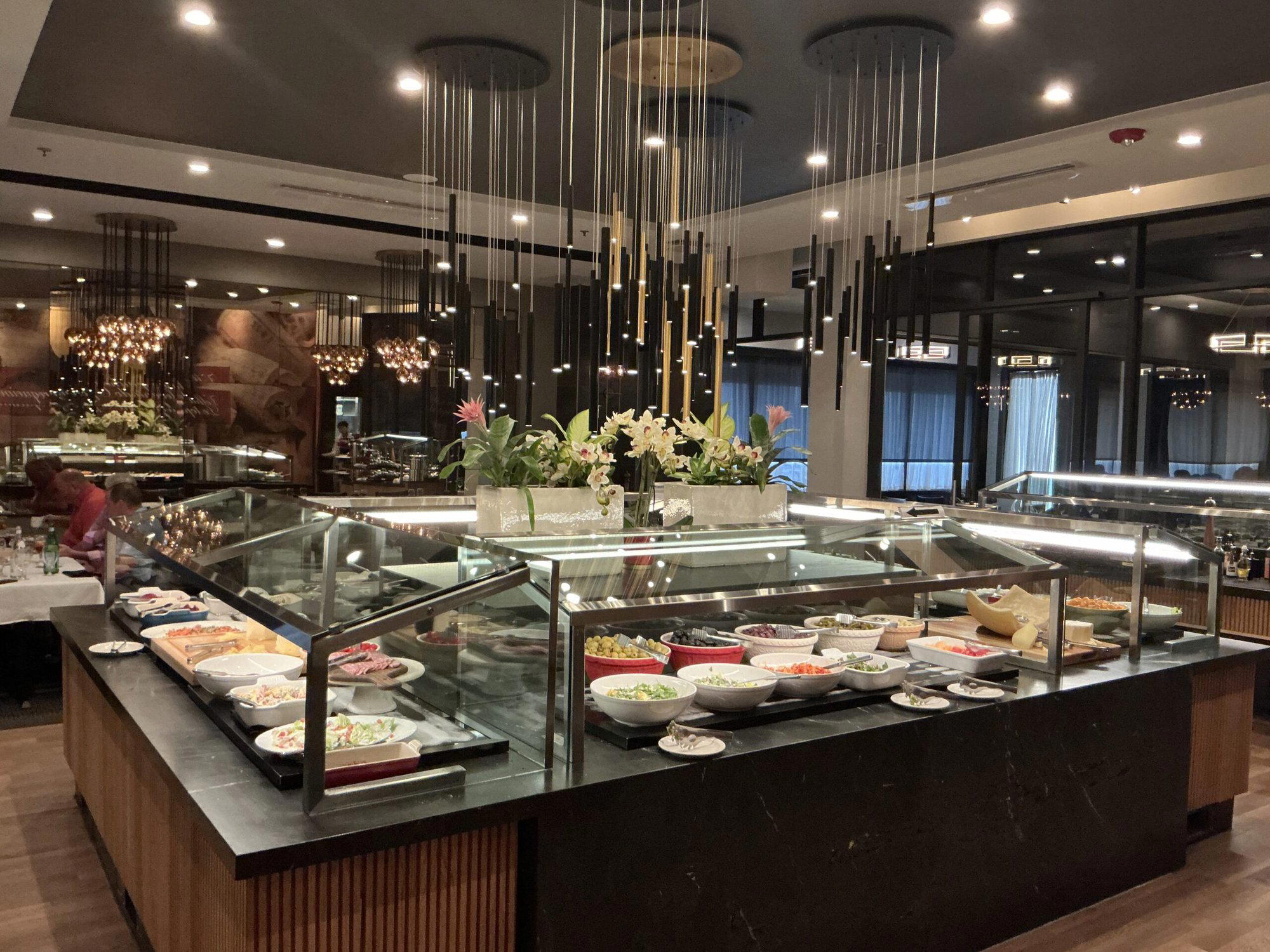
Fire, Cattle, and the Southern Brazilian Table
The Brazilian churrascaria is a dining format rooted in southern Brazil, where cattle ranching shaped both the table and the fire-led service that defines it. Houston proved a natural fit for the format, with diners drawn to the constant tableside carving and the pace of rodízio service.
Chama Gaucha at 5865 Westheimer Road sits in the Galleria corridor, one of Houston's more concentrated dining and retail strips. Walking into a full-format churrascaria is a particular kind of sensory experience: the room is warm, the smell of charred fat and woodsmoke is immediate, and the constant circulation of passadores, the servers carrying skewers, gives the dining room a low-level hum of activity that distinguishes it sharply from à la carte service. The Brazilian rodízio format means the pacing is in your hands, not the kitchen's. A small disc on your table, green on one side and red on the other, signals whether you want meat or a pause. It is one of the more honest hospitality mechanics in American dining.
The Sourcing Logic Behind the Format
The churrascaria tradition is inseparable from its sourcing priorities. In southern Brazil, the premium cuts are not the same as American steakhouse convention. Picanha, the cap of the leading sirloin with a thick fat cap left intact, is the prestige cut in gaucho culture. It is not a cut that most American butchers have historically broken out as a standalone item, which means churrascarias in the United States have had to source or process it specifically. At a well-run churrascaria, the fat cap renders slowly over the fire, basting the meat as it cooks, and the slices carved tableside come from the outer crust inward, so early cuts carry more char and later cuts more internal pink. This is not incidental technique; it is the intended arc of the cut.
The broader sourcing philosophy of a serious churrascaria also includes cuts that move through the room less prominently but matter to the overall credibility of the spread: fraldinha (flank), costela (beef ribs), lombo (pork loin), linguiça (smoked sausage), and chicken preparations. The range signals whether a kitchen is working from a genuine understanding of the gaucho table or simply running beef skewers for volume. The full rodízio format, when sourced carefully, represents a specific argument about how cattle should be raised and utilized, one closer in spirit to the whole-animal philosophy gaining traction at American farm-to-table programs than to the strip-steak-and-lobster conventions of the legacy American steakhouse. Producers focused on nose-to-tail utilization, like those supplying programs at Blue Hill at Stone Barns in Tarrytown or Single Thread Farm in Healdsburg, are working from a different angle but a related premise: the quality of the animal and the integrity of the cut matter more than the sauce.
Houston's Position in the Churrascaria Market
American churrascaria market has consolidated significantly around a handful of national chains, with Texas De Brazil and Fogo de Chão operating at the highest volume tier. Chama Gaucha operates as an independent chain with locations in a smaller number of markets, positioning it closer to the regional specialist tier than to national rollout operations. In Houston, that distinction matters. The Galleria corridor runs at a price point and expectation level that rewards specificity and penalizes generic execution. Diners in that zip code are accustomed to comparing against a broad field that includes March on the tasting menu end, Musaafer for Indian at the premium tier, and BCN Taste & Tradition for Spanish. Chama Gaucha competes in a different category than any of those, but the broader Galleria dining culture sets a baseline for what attentive, well-sourced cooking looks like.
For context on how sourcing-focused American restaurants at the summit tier think about fire and protein, the contrast with tasting-menu programs is instructive. Operations like Smyth in Chicago, Lazy Bear in San Francisco, or Addison in San Diego treat fire and smoke as technique, applied selectively to sourced proteins. The churrascaria model inverts that relationship: fire is the format, not the accent, and the sourcing exists to serve the fire. Neither approach is wrong; they are simply different arguments about the relationship between heat and meat.
What the Salad Bar Actually Signals
The feijoada and salad bar spread at a Brazilian churrascaria is often underread by first-time visitors who treat it as a warm-up act. In the gaucho tradition, black beans and rice are not incidental; feijoada, the slow-cooked black bean stew typically served with smoked pork, farofa, and orange slices, is one of Brazil's most culturally weighted dishes. A churrascaria that builds a serious cold and hot bar around feijoada, grilled vegetables, and traditional Brazilian sides is making a claim about the completeness of the table, not just offering a salad to pass the time. Visitors who fill up on premium cuts and neglect the sides are missing part of the format's internal logic. That said, the salad bar remains a supporting element; the fire and the skewers are the reason the format exists.
Planning Your Visit
Chama Gaucha is located at 5865 Westheimer Road in Houston's Galleria area. If you are comparing the churrascaria format against other Houston options at the upper price tier, Tatemó and Le Jardinier Houston represent different ends of the Houston dining spectrum worth considering in the same trip.
The churrascaria format is a different register entirely, but the underlying question of where protein comes from and how it is handled is not unrelated. The format at Chama Gaucha is a direct line back to a specific cattle culture; it rewards diners who understand what they are looking at.
City Peers
Comparable venues nearby, for context on price, style, and recognition.
| Venue | Cuisine | Price | Notes |
|---|---|---|---|
| Chama Gaucha - HoustonThis venue — the venue you are viewing | Brazilian Churrascaria Steakhouse | $$$$ | Not listed |
| MAD | Modern Spanish Tapas | $$$$ | Galleria |
| Atlantic Ocean | Upscale Coastal Seafood | $$$$ | Washington Avenue Coalition / Memorial Park |
| Winsome Prime | Globally Influenced Fine Dining | $$$$ | Briargrove |
| The Kennedy | Modern American with French, Spanish, and Mexican influences | $$$$ | Neartown |
| Davis Street | Contemporary Southern Seafood | $$$$ | Fourth Ward |
Continue exploring
More in Houston
Restaurants in Houston
Browse all →
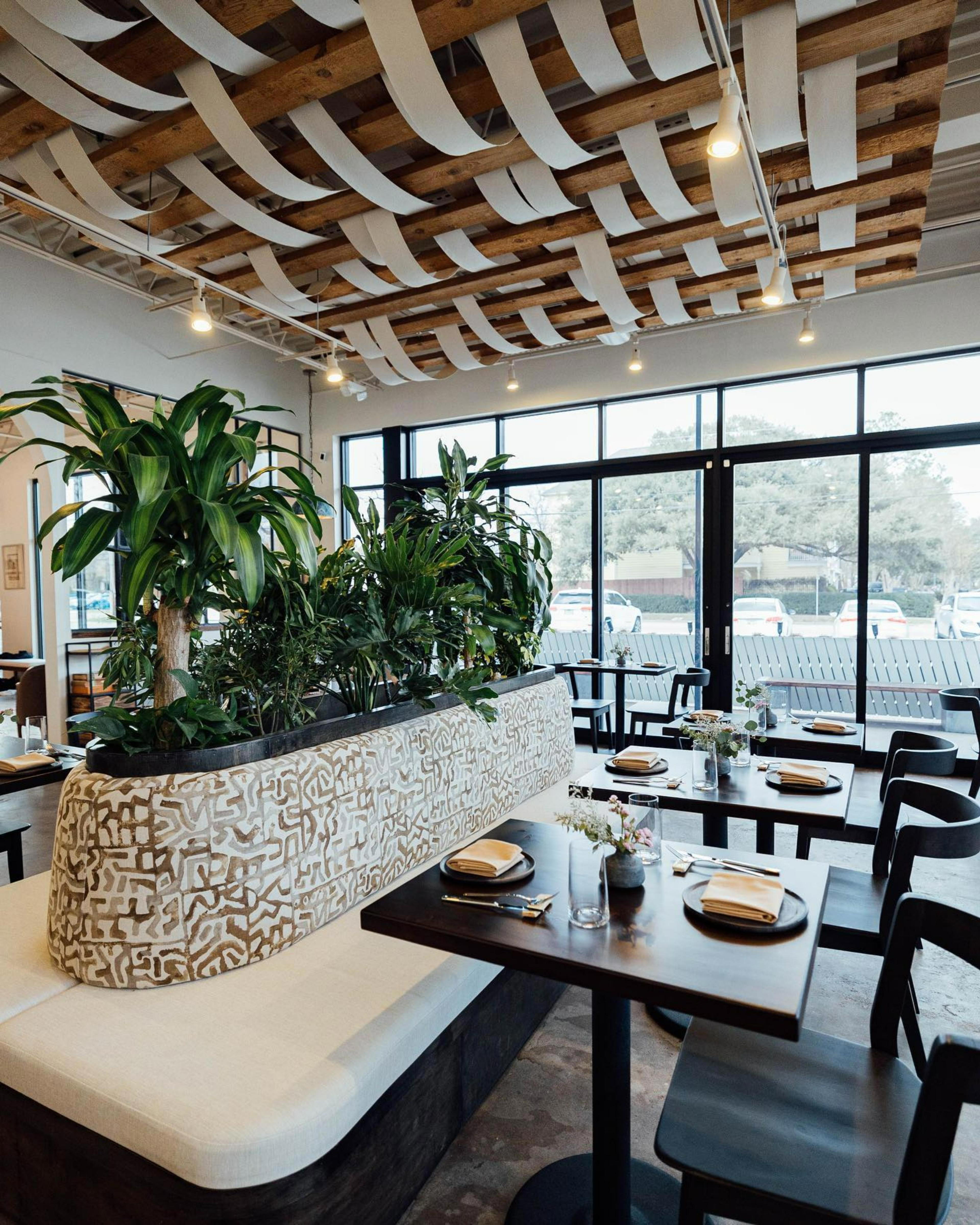
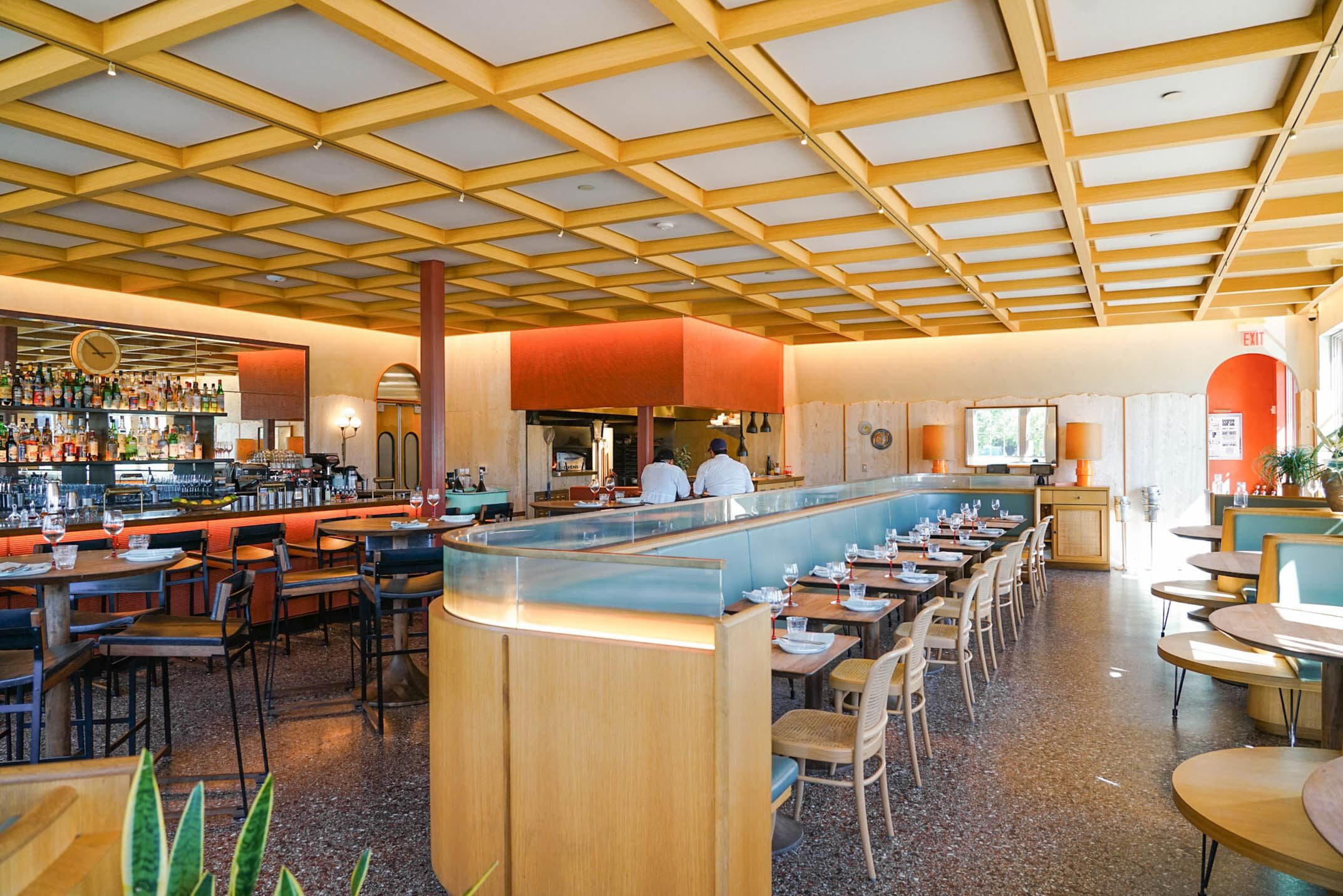
Bars in Houston
Browse all →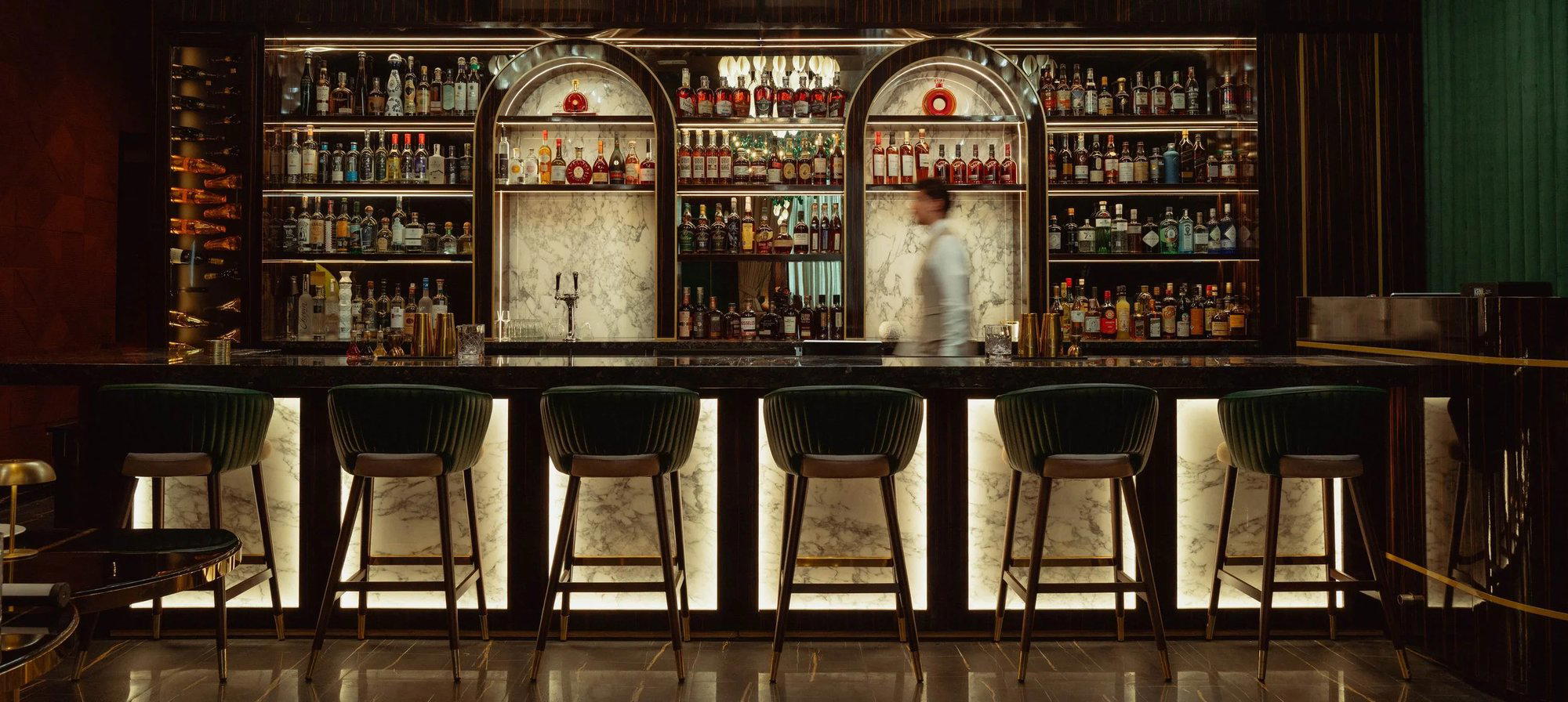
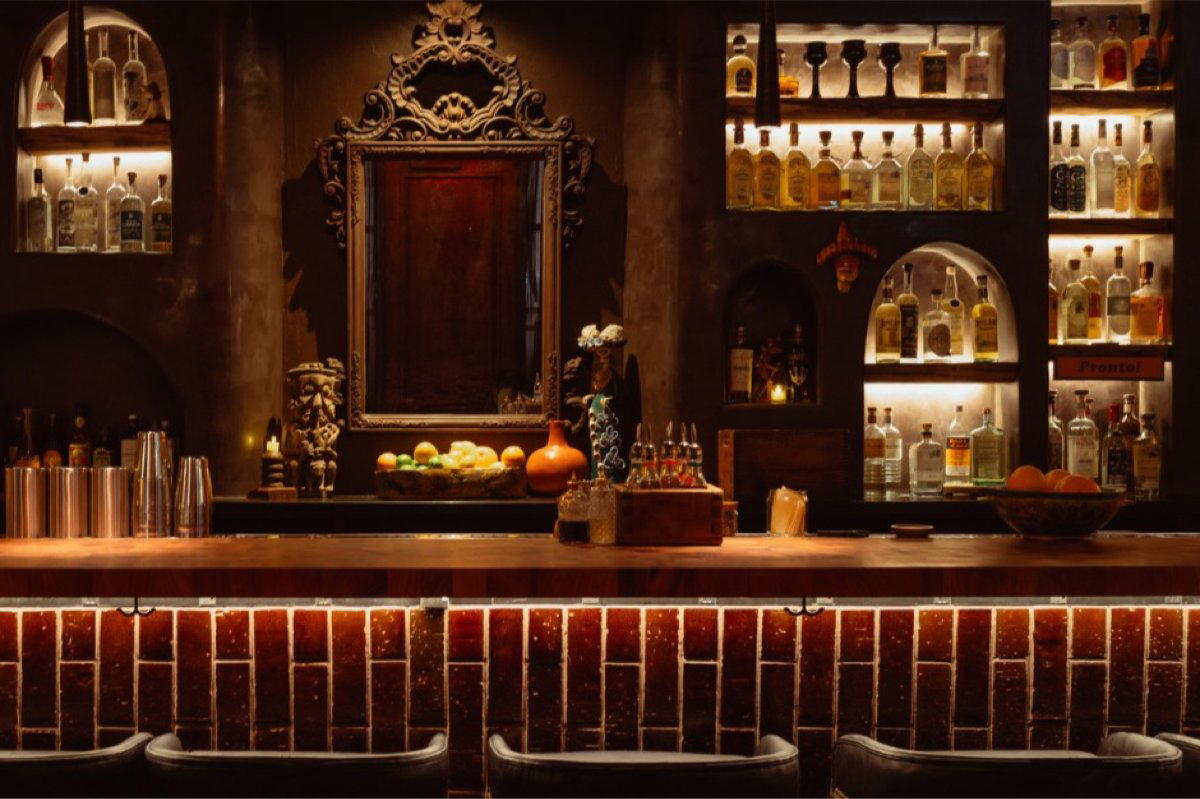
Hotels in Houston
Browse all →
At a Glance
- Elegant
- Sophisticated
- Group Dining
- Celebration
- Business Dinner
- Special Occasion
- Open Kitchen
- Private Dining
- Terrace
- Extensive Wine List
Current opening hours
- Monday
- 11:30 AM–3 PM, 5–9:30 PM
- Tuesday
- 11:30 AM–3 PM, 5–9:30 PM
- Wednesday
- 11:30 AM–3 PM, 5–9:30 PM
- Thursday
- 11:30 AM–3 PM, 5–9:30 PM
- Friday
- 11:30 AM–10 PM
- Saturday
- 12–10 PM
- Sunday
- 12–9 PM
Hours can change for holidays and private events. Last verified .
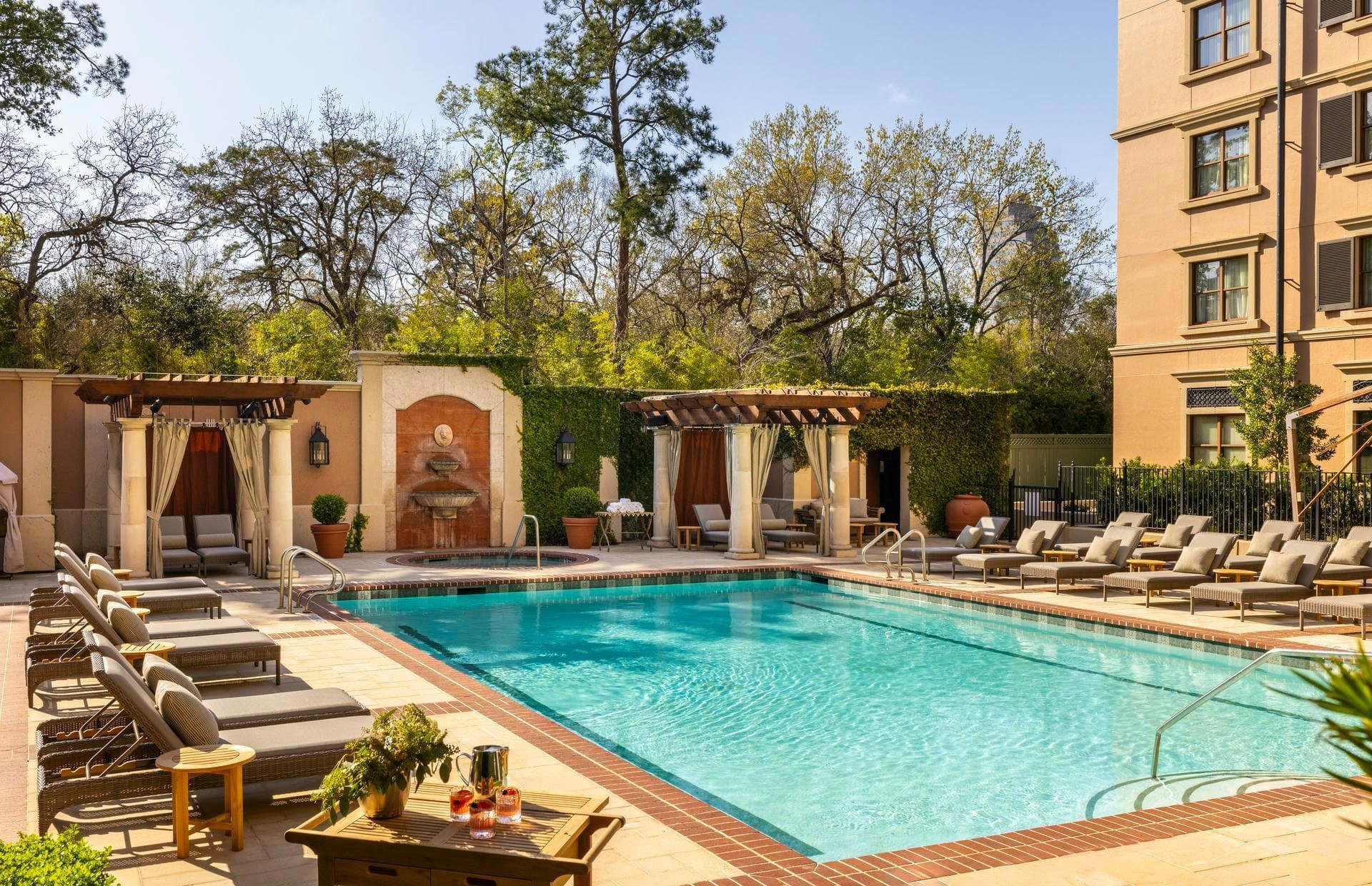
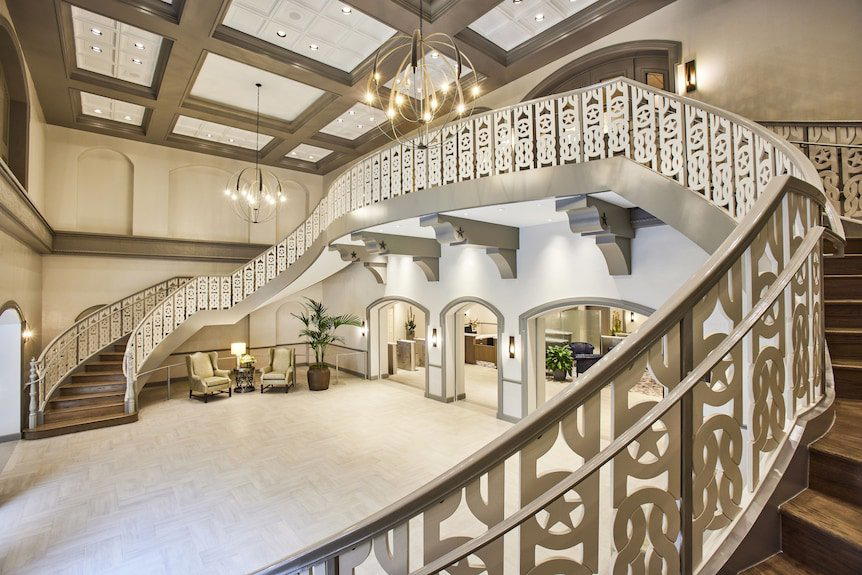
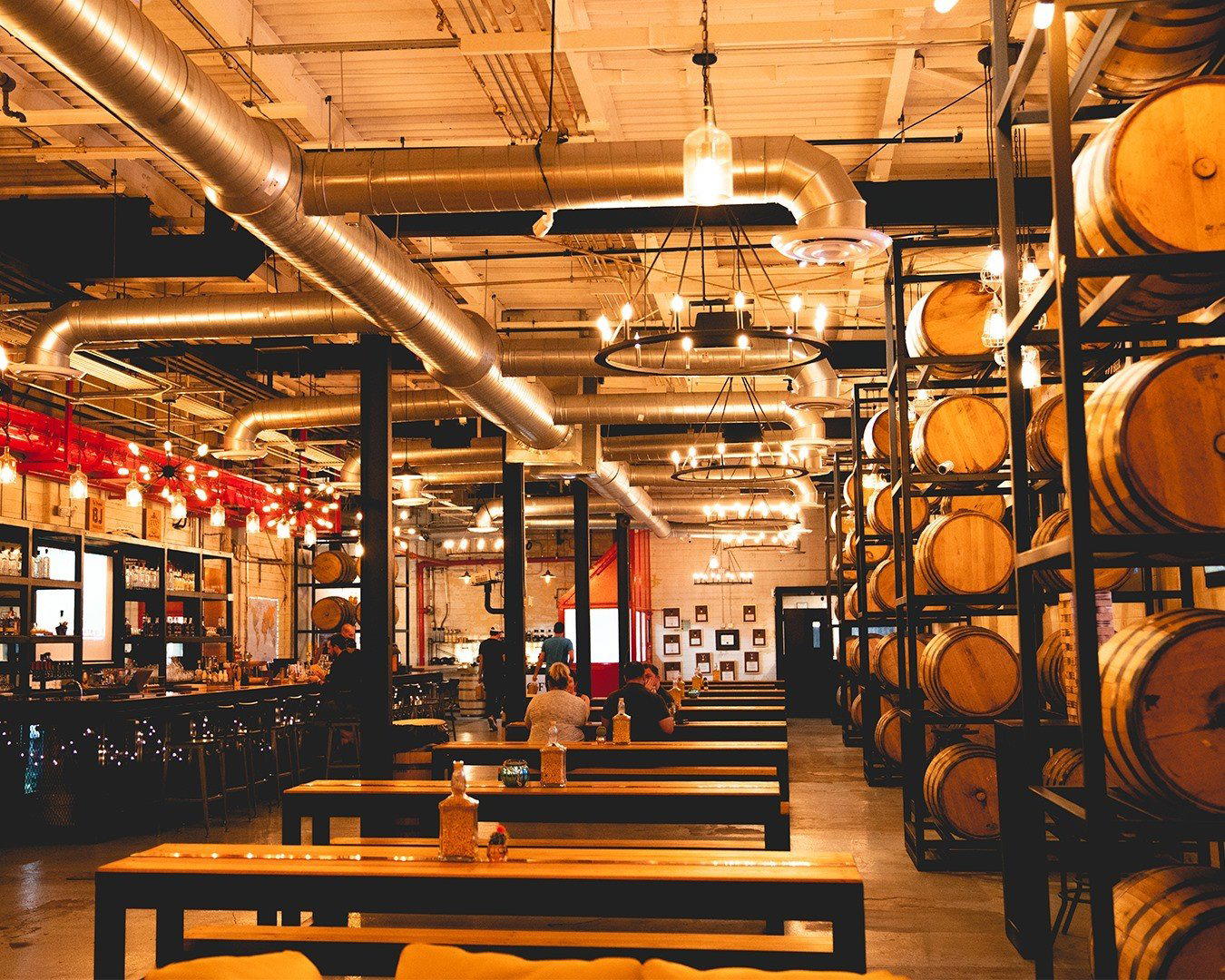
Warm, handsome, and beautifully designed with comfortable seating, offering a luxurious fine dining atmosphere.