Chama Gaucha - Grapevine
Chama Gaucha in Grapevine brings the Brazilian churrascaria tradition to the DFW suburbs, where the rotisserie format and open-flame sourcing ethos sit at the center of the experience. The William D Tate Ave address places it within easy reach of Grapevine Mills and the broader hospitality corridor. For meat-forward dining in this part of Texas, it occupies a distinct tier.
Pearl is the En Primeur Club membership app — saves, bookings, and concierge access live there. Same editors, same standards.
- Address
- 4025 William D Tate Ave, Grapevine, TX 76051
- Phone
- +16827994025
- Website
- chamagaucha.com
- Directions
- Get directions
 Saves & bookings on Pearl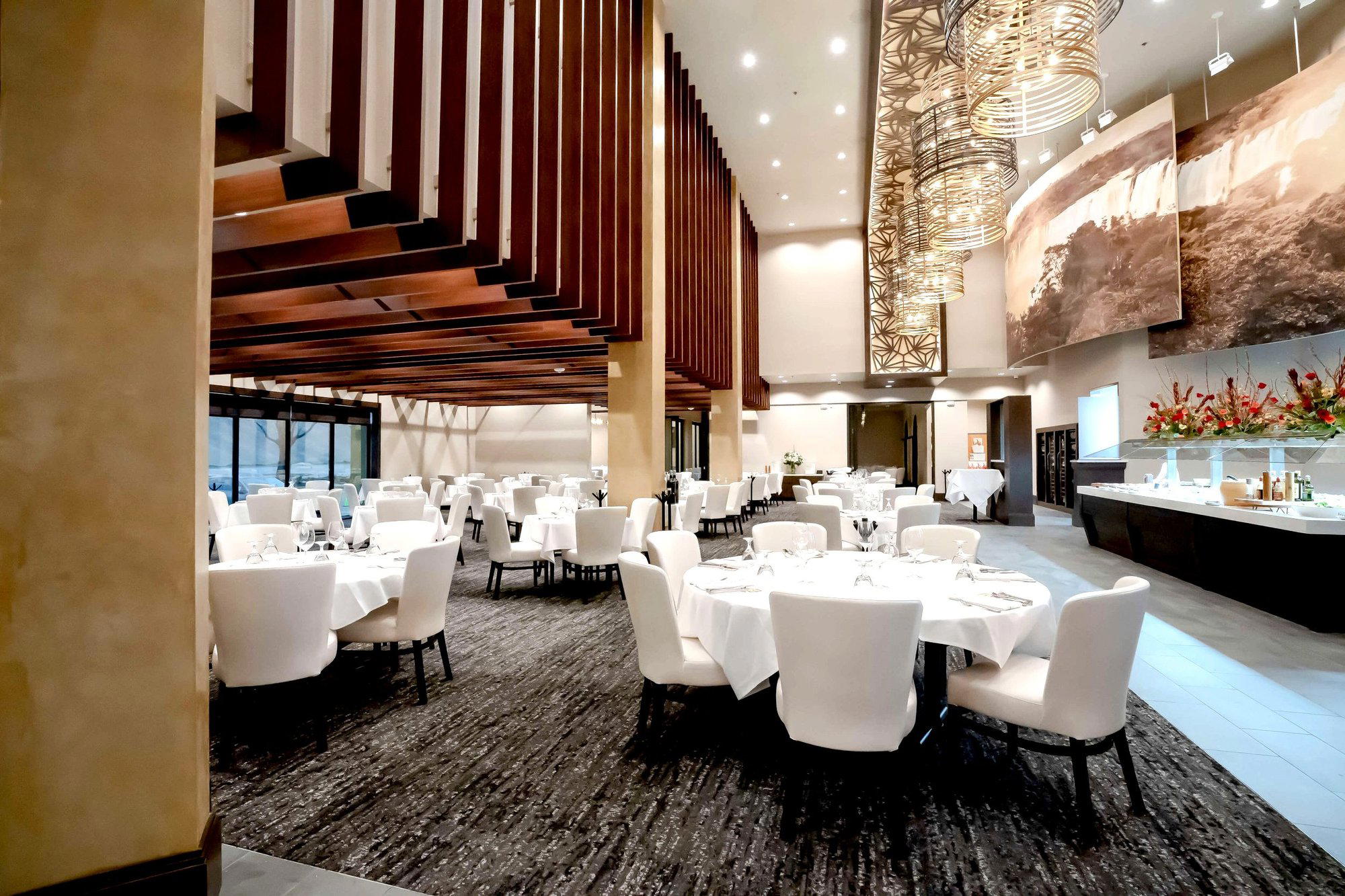
Fire, Rotation, and the Logic of Brazilian Sourcing
The Brazilian churrascaria format is built on a single, non-negotiable premise: quantity of cuts is never the point. What matters is the rotation, the sequence in which proteins arrive at the table, each carved tableside from long skewers, each representing a different muscle group, fat distribution, and response to open-flame heat. At Chama Gaucha - Grapevine, a Brazilian Churrascaria Steakhouse in Grapevine at 4025 William D Tate Ave, the format arrives largely intact from its South American origins. The dining room carries the weight of the tradition: gaucho-dressed passadores moving between tables, the pace dictated by the kitchen rather than the guest, and cuts selected to demonstrate range across the animal rather than to showcase any single showpiece portion.
In a DFW dining scene that defaults to steakhouse convention, single cuts, fixed sides, prix-fixe logic, the churrascaria model operates as a structural counterpoint. The sourcing decisions embedded in the format matter: Brazilian churrasco tradition prioritizes animals raised on open pasture, and the cuts selected, particularly picanha (the leading sirloin cap with its fat layer intact), are chosen precisely because they perform leading at high heat over wood or charcoal. That sourcing and preparation logic is what separates the format from a standard American steakhouse, even when geography blurs the distinction.
Where Grapevine Sits in the Regional Dining Picture
Grapevine's restaurant scene occupies an interesting position in the wider DFW context. The city draws a high volume of transient diners, hotel guests, airport layover traffic from DFW International, convention visitors to the Gaylord Texan, alongside a residential population with specific expectations about value and occasion dining. That mix produces a dining corridor along William D Tate Ave and the surrounding blocks that skews toward formats capable of serving both audiences: celebratory group dining, business entertaining, and the kind of experience that can absorb a range of expectations within a single visit.
Chama Gaucha fits that profile structurally. The churrascaria format is inherently group-friendly, the continuous service model removes ordering friction, the tableside carving creates a shared theatrical element, and the salad bar component (a substantial feature in Brazilian churrascarias, not an afterthought) provides enough variation for guests who want to pace or balance the protein-forward main event.
Local alternatives cover adjacent but distinct territory. Dino's Steak and Claw House operates in conventional American steakhouse format, where individual cuts and seafood combinations define the offer. Mac's On Main anchors the historic downtown corridor with a different casual-dining register. Mi Dia From Scratch takes a scratch-kitchen approach to Tex-Mex that emphasizes local sourcing from a different culinary angle. Oishii covers Japanese formats for guests seeking something outside the protein-and-fire tradition. None of these venues replicate the churrascaria structure, which is precisely why Chama Gaucha occupies its own lane in the local competitive set.
The Sourcing Argument at the Center of the Format
Brazilian churrasco, in its traditional form, is an argument about provenance before it is an argument about technique. The gaucho tradition of the Rio Grande do Sul region developed around cattle ranching on the pampas, and the cuts that became central to the format, picanha, fraldinha (flank), costela (ribs), cordeiro (lamb), were selected because they were available, because they responded well to salt and fire, and because the fat and connective tissue in each performed a specific function at temperature. Modern churrascarias operating outside Brazil work within that framework while adapting to local supply chains.
In the Texas context, that sourcing relationship has particular resonance. Texas cattle production is substantial enough that a churrascaria operating in Grapevine can plausibly source within a compressed regional radius for several cuts, even if the full range of traditional Brazilian selections requires broader supply. The overlap between Texas ranching culture and the Rio Grande do Sul tradition is not purely coincidental, both developed in grassland environments with similar cattle breeds and open-range grazing practices. That shared context gives the format a coherence in this geography that it might not carry in other American markets.
For guests accustomed to farm-to-table sourcing narratives at venues like Blue Hill at Stone Barns or Single Thread Farm in Healdsburg, the churrascaria model offers a different version of the same underlying logic: cooking format dictated by what the land produces and how those animals are raised. The execution is less precious, more communal, and considerably more accessible in price, but the sourcing conversation is present in the structure even if it is rarely foregrounded in the dining room itself.
Occasion Fit and Practical Considerations
The William D Tate Ave location in Grapevine places Chama Gaucha within the commercial corridor that serves both the Grapevine Mills area and the broader hotel concentration near DFW International. Guests arriving from the airport or staying in the Grapevine hotel cluster will find this a direct drive. For those exploring the broader DFW dining scene through a premium lens, the restaurant sits in a different register than destinations like American Airlines Flagship Dining, which operates within a specific institutional context. It also occupies a distinct tier from fine-dining references such as Le Bernardin in New York City, The French Laundry in Napa, Smyth in Chicago, or Addison in San Diego, venues where sourcing provenance is documented in exhaustive detail on the menu. Chama Gaucha operates at a different register entirely: high-volume, hospitality-forward, and built for groups and celebrations rather than quiet critical assessment.
That distinction matters when calibrating expectations. The churrascaria is not a tasting-menu environment, and it should not be evaluated as one. It belongs to a tradition of communal, rotational dining where the measure of quality is consistency across a long service, whether the picanha arrives correctly rested, whether the passadores read the table's pace accurately, whether the salad bar component is restocked with the same care at the end of service as at the beginning. Those are the operational standards that define a well-run churrascaria, and they are different in kind from the standards applied to, say, Atomix in New York City or Providence in Los Angeles.
For those traveling through Grapevine on occasion-dining itineraries, the format also has clear advantages over alternatives like Emeril's in New Orleans or Lazy Bear in San Francisco in one specific respect: the entry point is the format itself. That means a group of eight with divergent tastes can sit at the same table and each find a different answer to the question of what they came for.
At-a-Glance Comparison
Comparable venues nearby, for context on price, style, and recognition.
| Venue | Cuisine | Price | Notes |
|---|---|---|---|
| Chama Gaucha - GrapevineThis venue — the venue you are viewing | Brazilian Churrascaria Steakhouse | $$$$ | Not listed |
| American Airlines Flagship Dining | Modern American Fine Dining | $$$$ | DFW Airport |
| Mac's On Main | Steakhouse & Seafood | $$ | Historic Main Street |
| Pappasito's Cantina | Tex-Mex | $$ | DFW Airport |
| Mi Dia From Scratch | Tex-Mex Santa Fe Fusion | $$ | Historic Downtown Grapevine |
| Stellini Trattoria | Northern Italian Trattoria | $$$ | Historic Downtown Grapevine |
Continue exploring
More in Grapevine
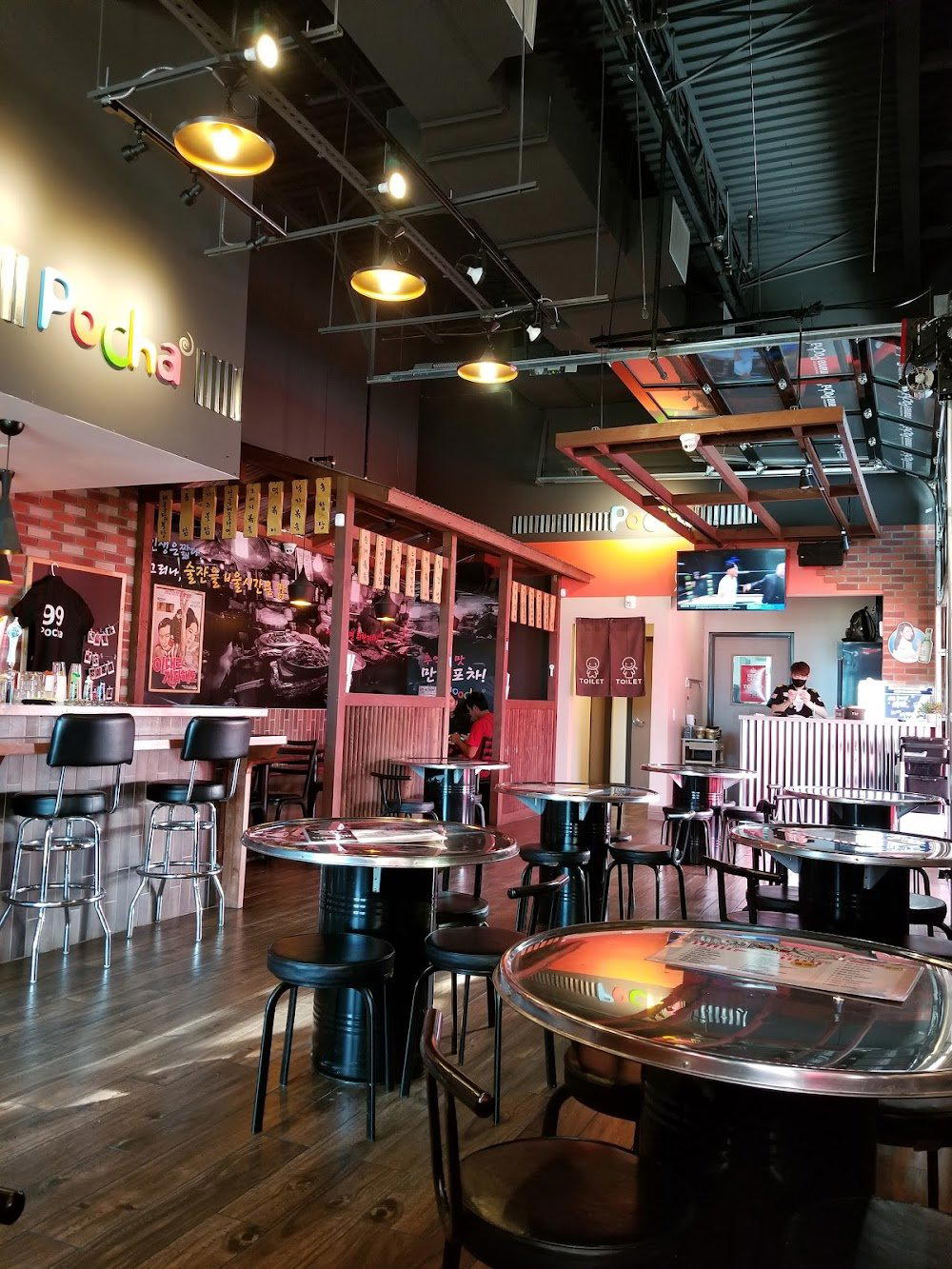
Restaurants in Grapevine
Browse all →
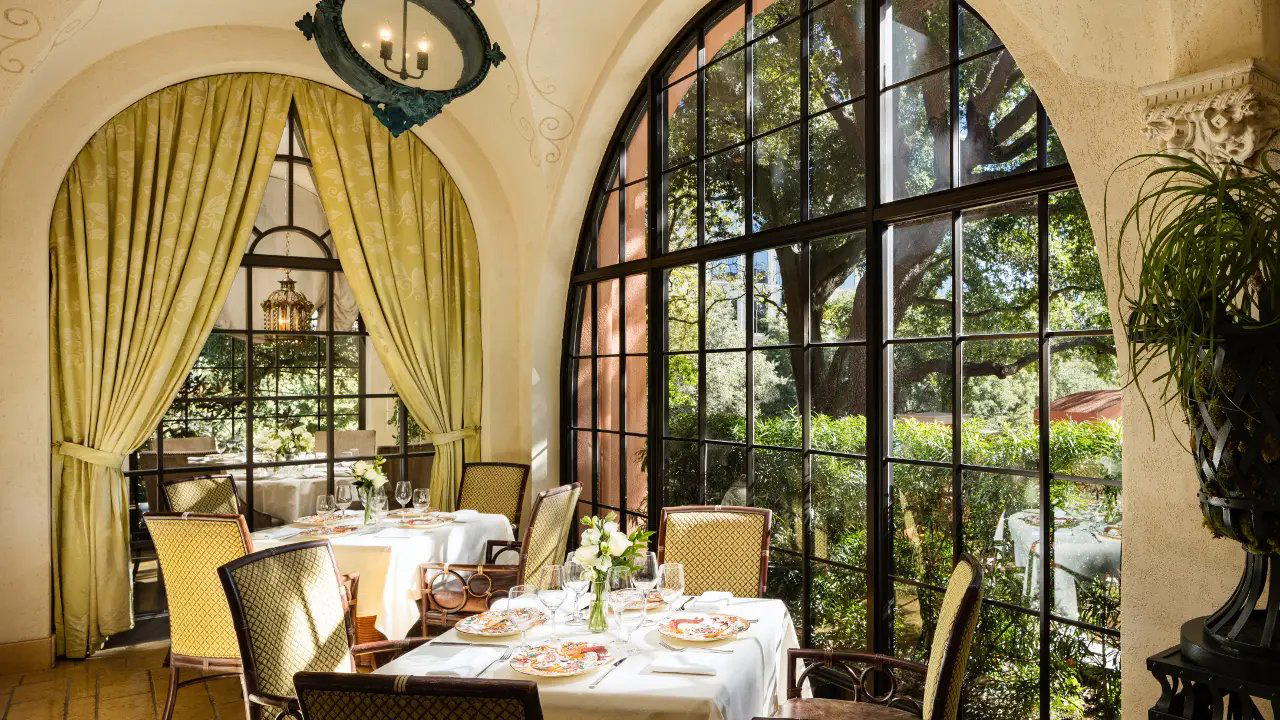
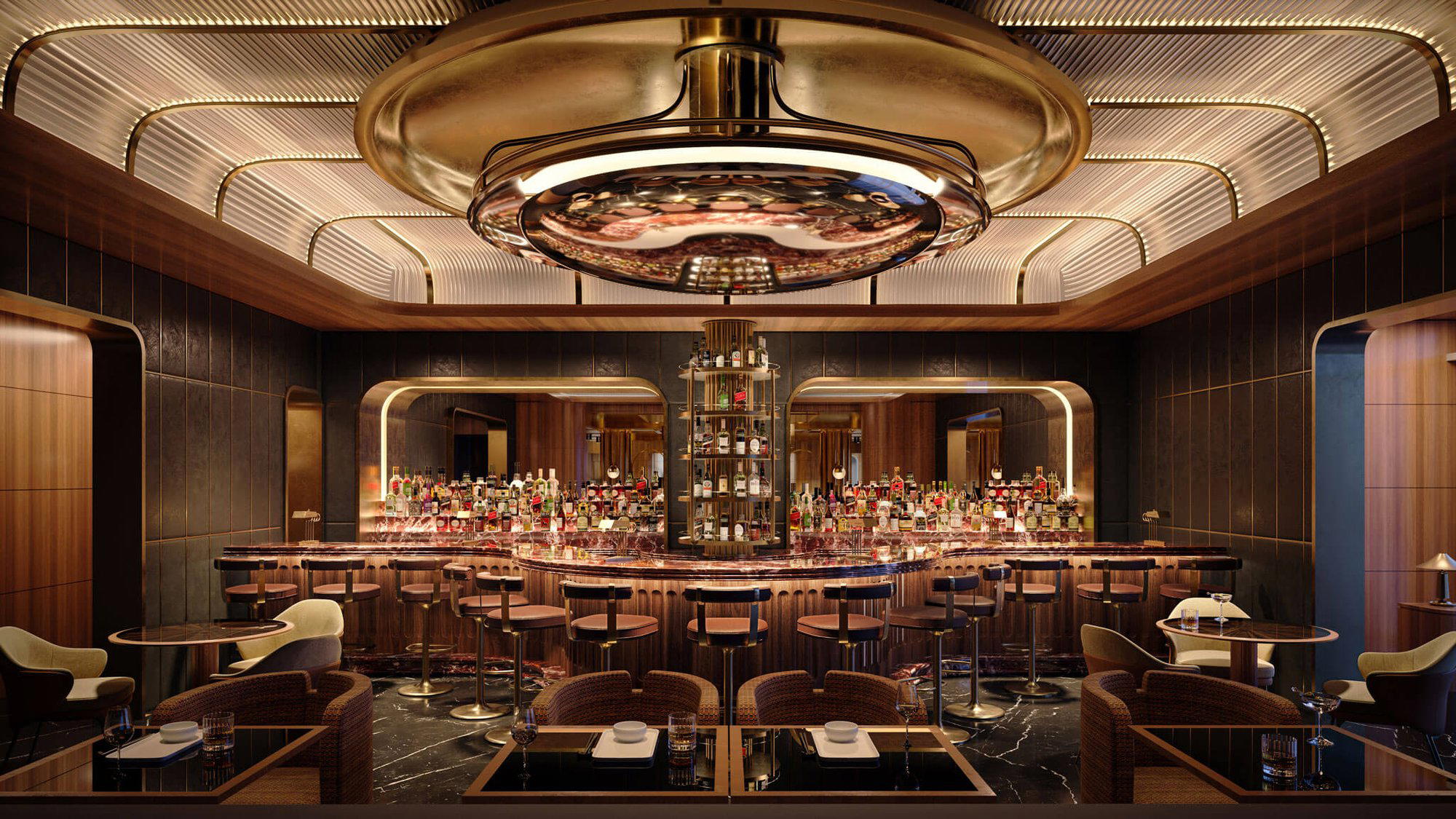
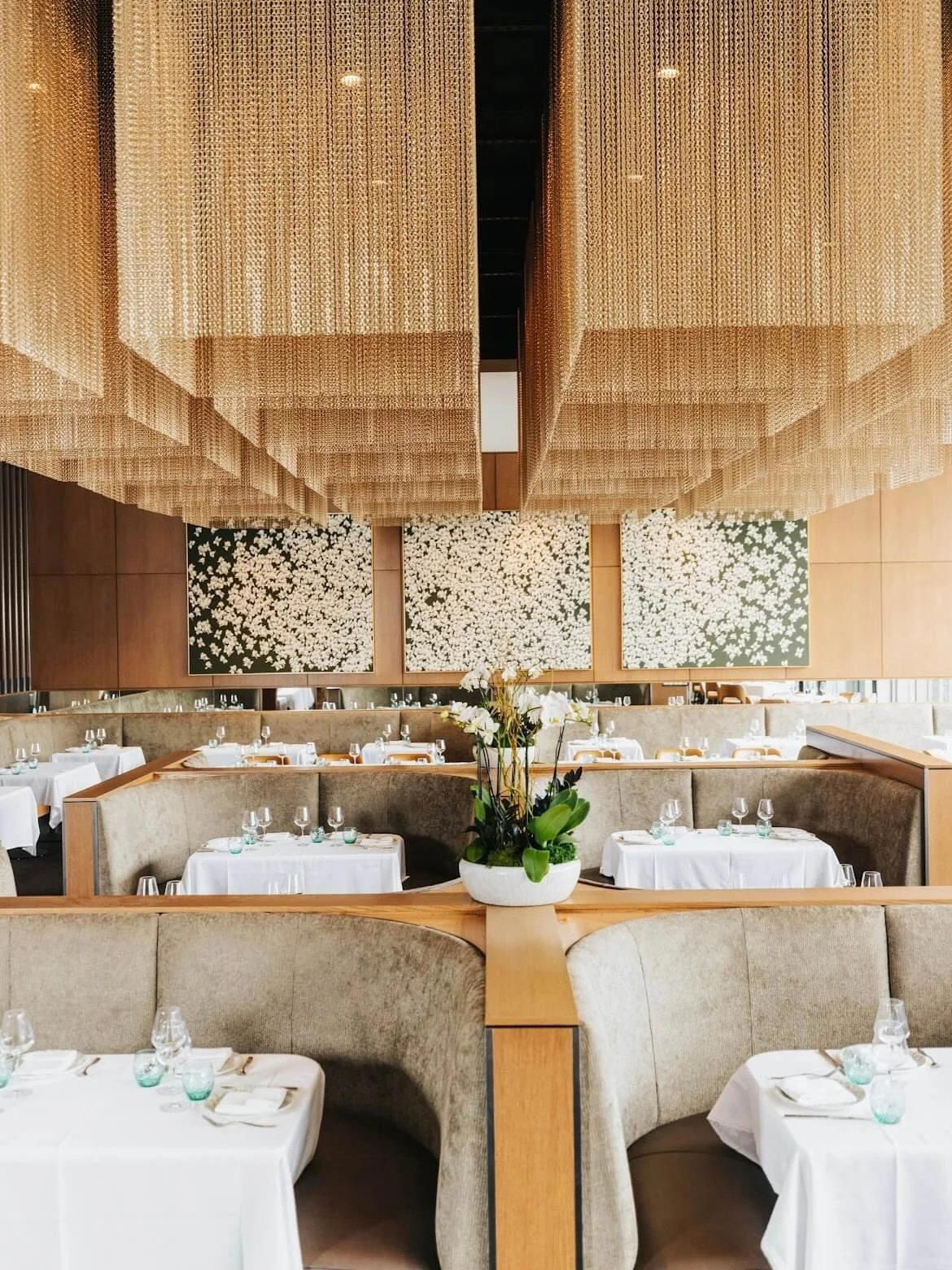
Bars in Grapevine
Browse all →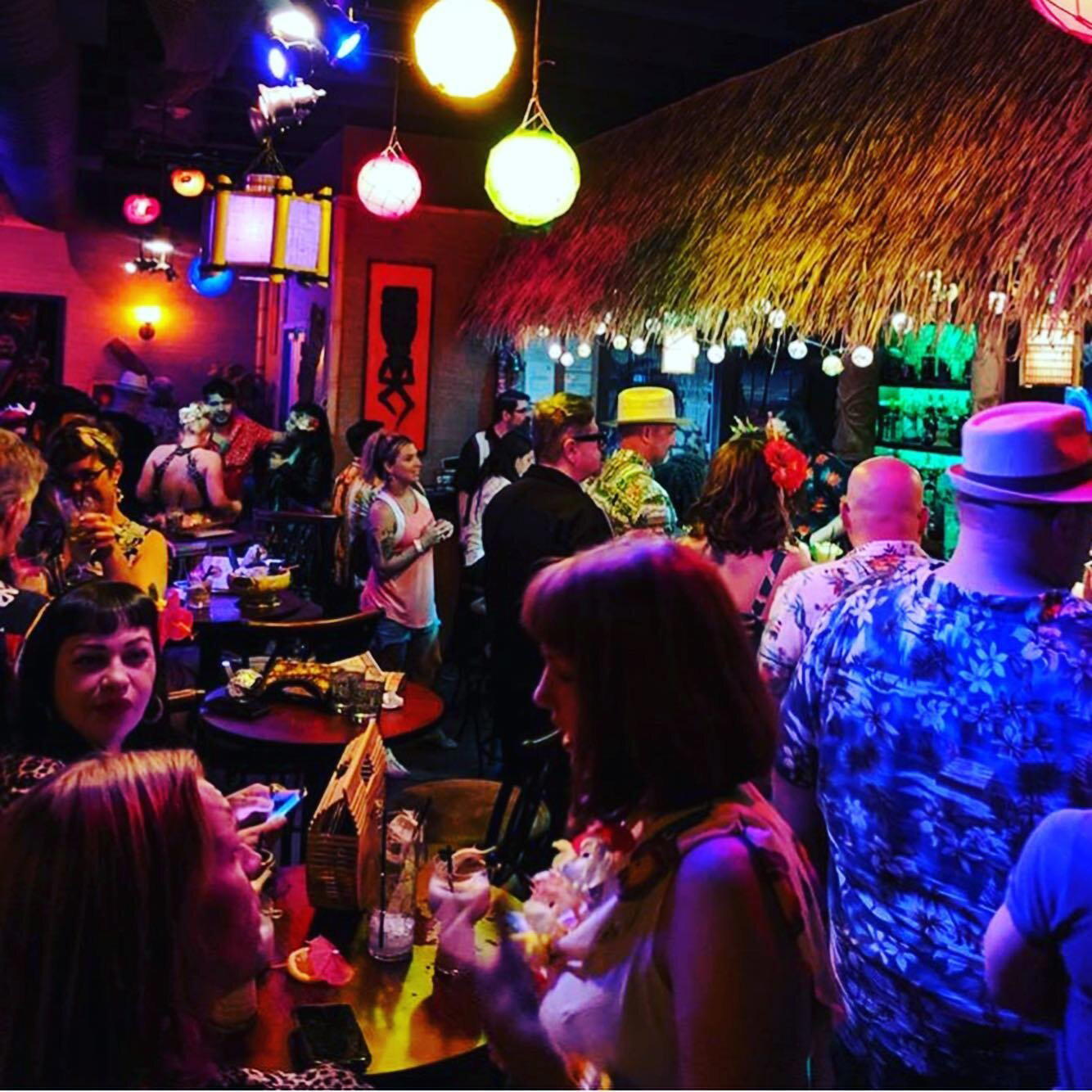
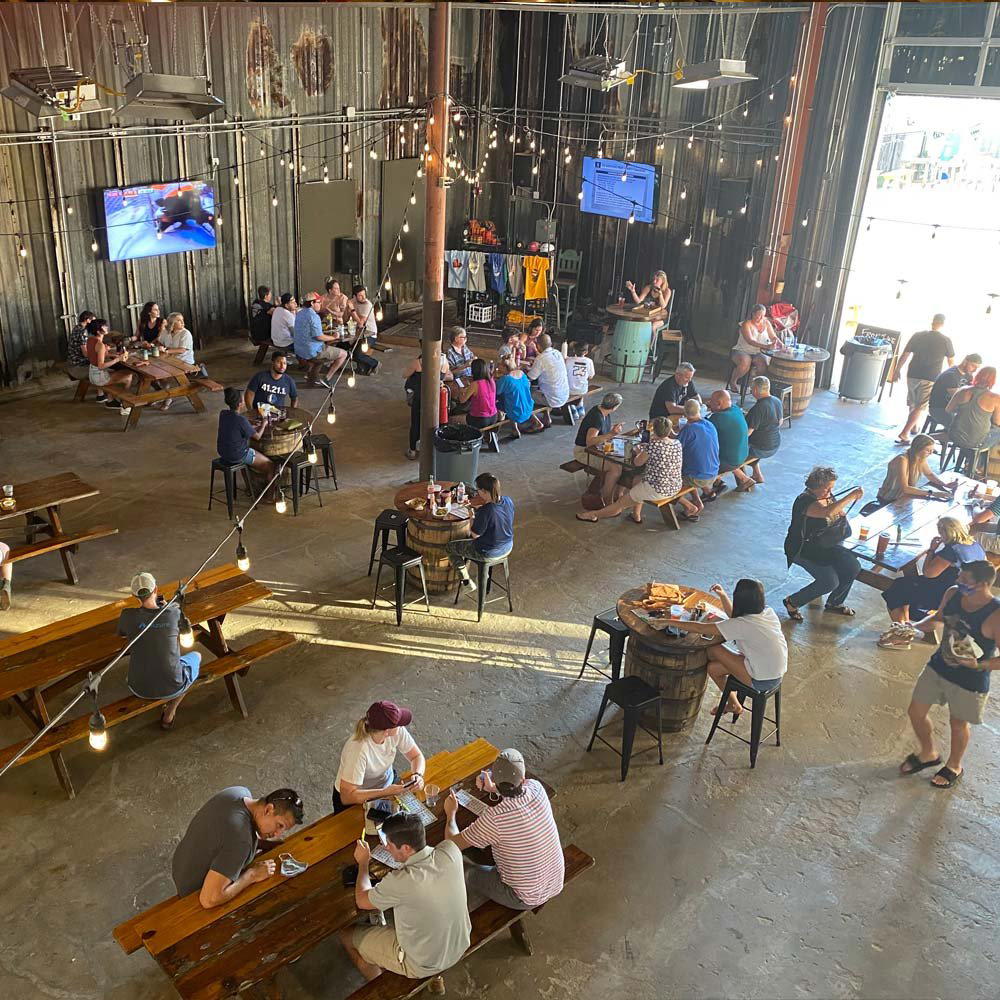
Hotels in Grapevine
Browse all →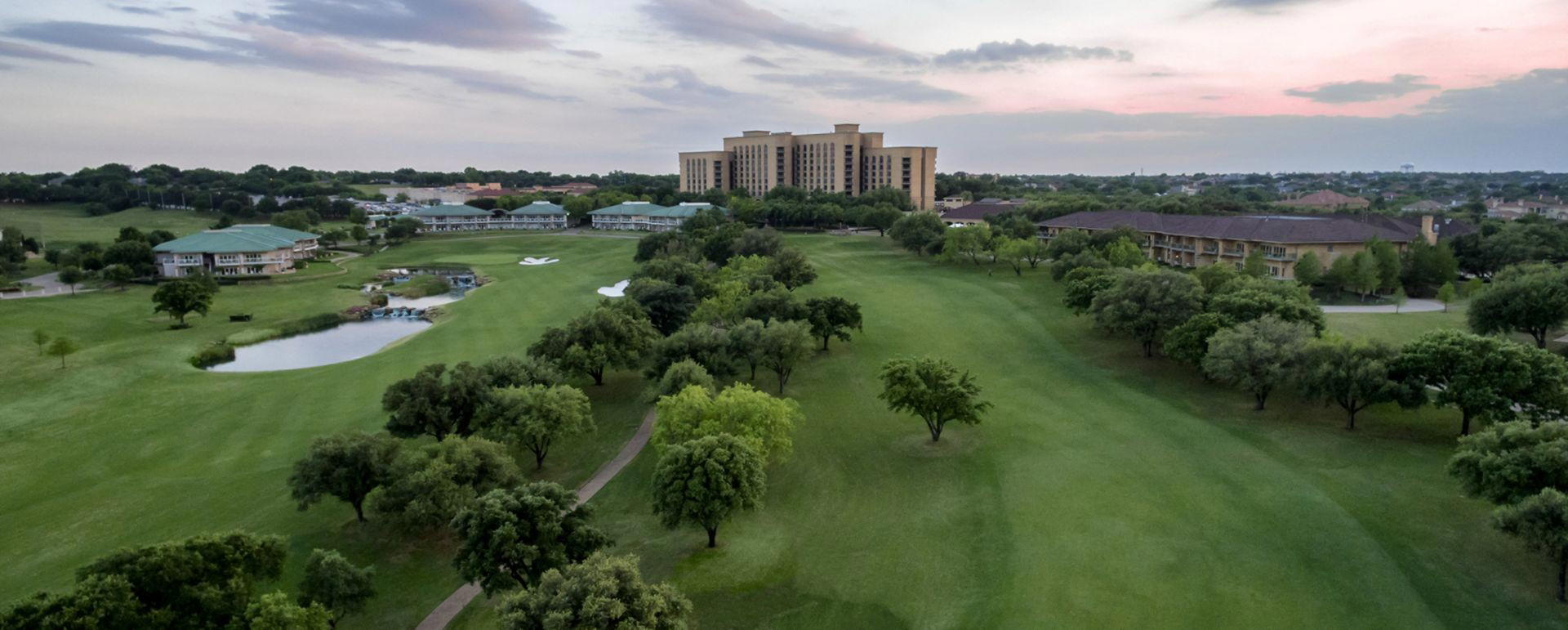
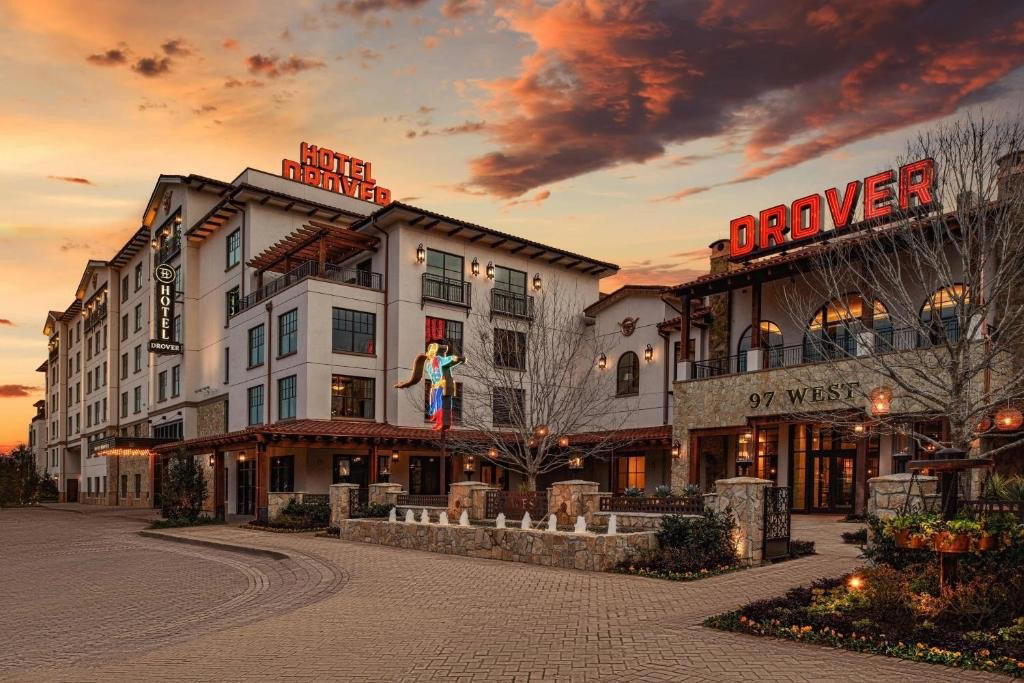
Wineries in Grapevine
Browse all →
At a Glance
- Elegant
- Sophisticated
- Special Occasion
- Group Dining
- Business Dinner
- Celebration
- Private Dining
- Extensive Wine List
Current opening hours
- Monday
- 5–9 PM
- Tuesday
- 5–9 PM
- Wednesday
- 5–9 PM
- Thursday
- 5–9 PM
- Friday
- 4:30–9 PM
- Saturday
- 4–9:30 PM
- Sunday
- 11:30 AM–8 PM
Hours can change for holidays and private events. Last verified .
Sophisticated interior with lively Brazilian steakhouse atmosphere featuring attentive service and curated cocktails.