
Ceylon Tea Trails Restaurant belongs to Sri Lanka’s hill-country hotel dining tradition, where the meal is inseparable from tea estates, cool air, and colonial-era bungalow life. At Dunkeld Estate in Hatton, the kitchen’s classic-cooking brief and Chef Nishantha Pushpakumara’s presence point toward comfort, memory, and place rather than spectacle.
Pearl is the En Primeur Club membership app — saves, bookings, and concierge access live there. Same editors, same standards.
- Address
- Ceylon Tea Trails, Dunkeld Estate
- Phone
- +94 11 774 5730
- Website
- menumodo.com
- Directions
- Get directions
 Saves & bookings on Pearl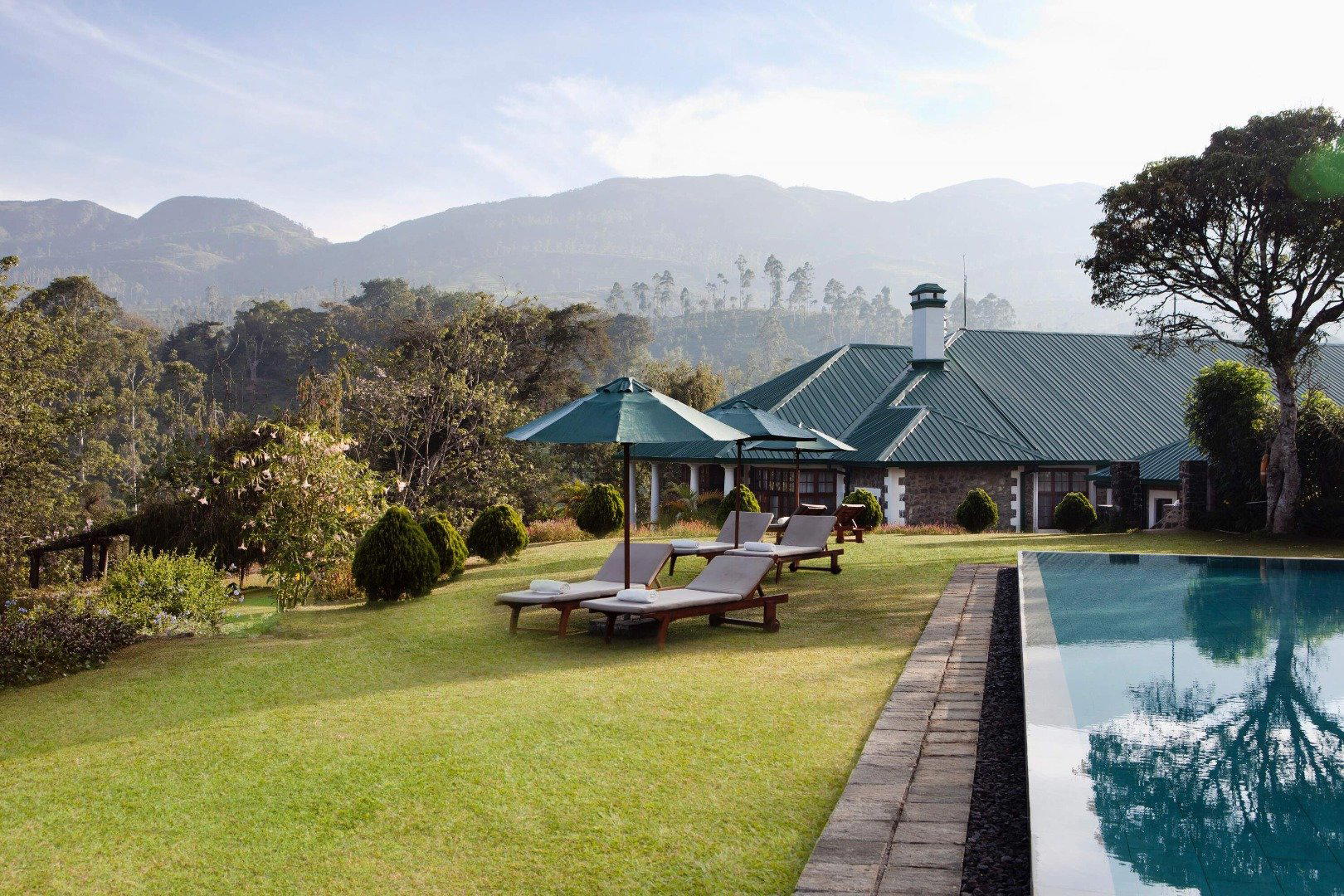
The approach to dinner in Sri Lanka’s tea country is set before a menu appears: clipped estate roads, damp mountain air, and the hush that arrives after the day’s plucking has ended. Hatton does not dine like Colombo, Galle, or the southern coast. Its rhythm is slower, its altitude changes the appetite, and its grander tables tend to borrow from the bungalow tradition, where cooking is expected to feel composed rather than performative.
Ceylon Tea Trails Restaurant sits inside that hill-country grammar at Dunkeld Estate, where the surrounding tea fields do as much scene-setting as the dining room. This is not the urban Sri Lankan restaurant model built around turnover, street-food nostalgia, or theatrical tasting menus. The more relevant frame is estate hospitality: long meals, classic preparations, and a kitchen that has to speak to international guests without flattening the local setting into generic hotel cooking.
Estate cooking in Hatton, not city dining transplanted uphill
Hatton’s restaurant culture is shaped by geography first. The town sits in Sri Lanka’s Central Highlands, a region defined by tea production, cooler temperatures, and the architecture of plantation-era bungalows. Dining here tends to reward patience: breakfast with mist still sitting on the slopes, lunch after estate walks, dinner when the temperature drops enough for richer cooking to make sense. That makes the category different from a beach resort restaurant, where freshness and outdoor ease often lead the meal, or a capital-city dining room, where the kitchen competes on novelty and pace.
The restaurant’s stated cuisine type, cooking classics, is useful shorthand. It suggests a kitchen less interested in fashion cycles than in recognizable dishes handled with restraint. In the context of a tea estate, that can be a strength. Classic hotel cooking in Sri Lanka often has to bridge several inheritances at once: British bungalow habits, Sri Lankan domestic seasoning, South Asian pantry logic, and the expectations of travellers who may be spending several days in a remote property. The test is not invention for its own sake; it is whether the table feels rooted in Hatton rather than merely placed there.
Chef Nishantha Pushpakumara gives the kitchen a named centre of gravity, though the more useful story is not a personal mythology. In a highland hotel setting, a chef’s work is measured by consistency across the full stay: breakfast, afternoon tea, dinner, dietary requests, and the quiet pressure of repeat guests who notice when a detail slips. That kind of cooking rarely produces the noise of a city opening, but it is often where a property’s identity becomes legible.
The tea-estate setting changes what the meal is for
In Sri Lanka, tea country carries a different kind of luxury from the coast. It is less about excess and more about time, temperature, and the choreography of a house party translated into hotel service. A restaurant at Dunkeld Estate has to work within that mood. The meal is part of a sequence: arrival through the hills, a pause after walking the estate, a table that feels suited to conversation rather than speed. The surrounding landscape is not decoration; it explains the tempo.
That context matters for judging the food. A sharper, louder restaurant might read well in Colombo and feel misplaced here. Hatton asks for a kitchen that can make classic cooking feel settled, with enough local character to avoid anonymity. The quote attached to the restaurant, “There is no greater joy than creating a lasting memory with food, hoping it fills part of our guest's nostalgia one day,” is sentimental on the surface, but it also reveals the operating brief: memory, comfort, and continuity are part of the promise.
For travellers planning a broader Sri Lankan dining route, the contrast is instructive. The island’s serious hotel restaurants do not form a single category. Coastal properties lean on seafood and outdoor dining, heritage cities often foreground colonial architecture and regional trade histories, while the tea country is built around altitude, estates, and domestic polish. Readers mapping the wider country can use Our full Hatton restaurants guide as the local anchor, then compare the broader hospitality context through Our full Hatton hotels guide, Our full Hatton bars guide, Our full Hatton wineries guide, and Our full Hatton experiences guide.
How to place it within a Sri Lanka itinerary
The restaurant makes strongest sense as part of a tea-country stay rather than as a standalone detour. Hatton rewards travellers who treat meals as part of the day’s structure: estate walks, cool-weather reading, long breakfasts, and dinners that do not need to announce themselves with spectacle. For families, that rhythm can be more forgiving than a formal city tasting room, provided expectations are aligned with hotel-estate pacing rather than quick restaurant turnover.
Its value is contextual. In a country where many travellers move rapidly between beach, safari, fort town, and capital, Hatton offers a quieter register of Sri Lankan hospitality. The restaurant’s classic-cooking frame fits that register: it is a table for guests who want the highlands to shape the meal, not a venue chasing the same signals as urban fine dining.
For wider planning across Sri Lanka and beyond, these related EP Club notes may help place the style against other hotel and destination restaurants: 1864 Limited Edition in Colombo, Al Fresco Restaurant in Angulugaha, AQUA Forte in Galle, Bastille in ගාල්ල, Cape Weligama in Weligama, COAST in Yala, Crystal Jade in කොළඹ, Dhira in Tissamaharama, Grand Thai Restaurant in Nuwara Eliya, Harvest Table by Anantara in Tangalle, Hideaway Restaurant in Kalkudah Beach, Awasi Mendoza Restaurant, Cooking classics in Luján de Cuyo, and Bistro Enkel, Cooking classics in Brampton.
Reputation & Price
Comparable venues nearby, for context on price, style, and recognition.
| Venue | Cuisine | Price | Notes |
|---|---|---|---|
| Ceylon Tea Trails Restaurant | Not listed | $$$$ | Hatton, Tea-infused Farm-to-Fork Fine Dining |
| The Theva Cuisine | Hantana, Sri Lankan Fusion | $$$ | Not listed |
| The Society | Not listed | $$$ | Weligama, International and European bar bites & lounge fare |
| The Atlas | Weligama, Modern Sri Lankan Seafood | $$$$ | Not listed |
| Maara Cafe | Restaurant | Galewela, Traditional Sri Lankan | $$ | Not listed |
| Crystal Jade | Not listed | $$$ | Colombo 03, Authentic Cantonese & Hong Kong Chinese |
Recognition history
Dated appearances from independent guides and award organizations, with the underlying list record or original source where available.
Relais Chateaux Award
Relais Chateaux
At a Glance
- Scenic
- Elegant
- Romantic
- Classic
- Intimate
- Rustic
- Date Night
- Family
- Group Dining
- Private Event
- Hotel Restaurant
- Garden
- Waterfront
- Panoramic View
- Historic Building
- Courtyard
- Extensive Wine List
- Craft Cocktails
- Zero Proof
- Farm To Table
- Local Sourcing
- Sustainable Seafood
- Organic
- Mountain
- Garden
- Waterfront
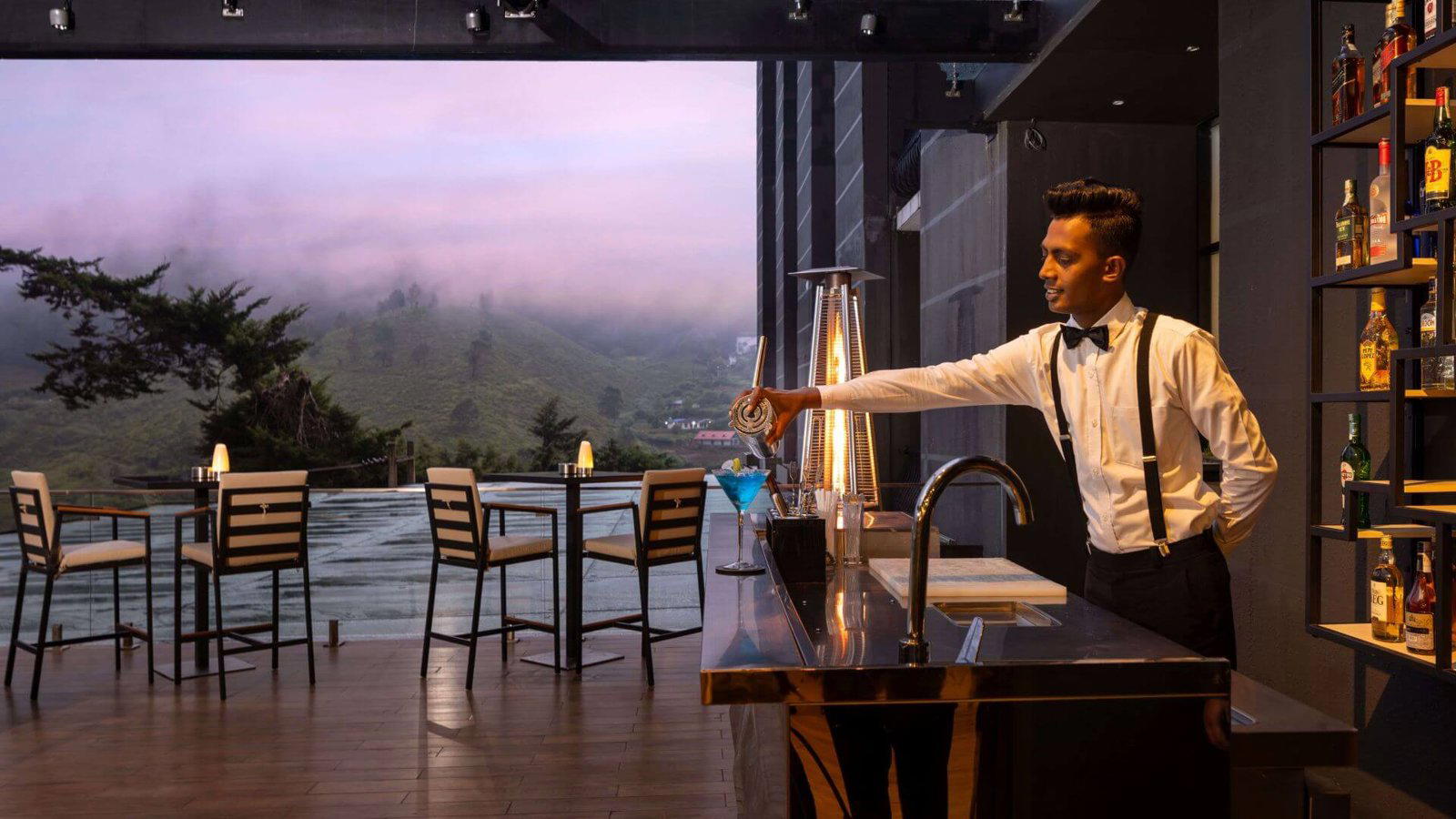
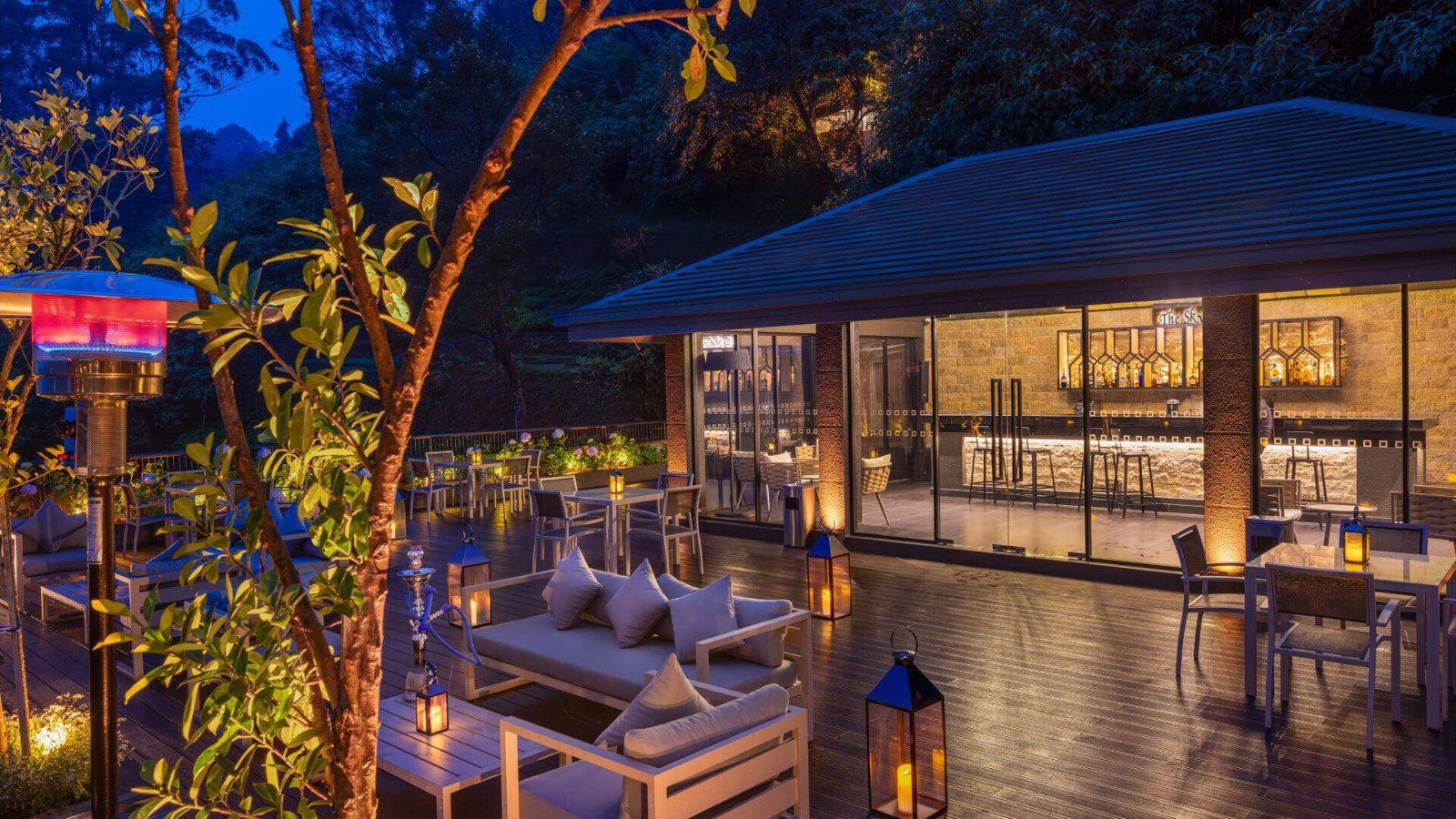
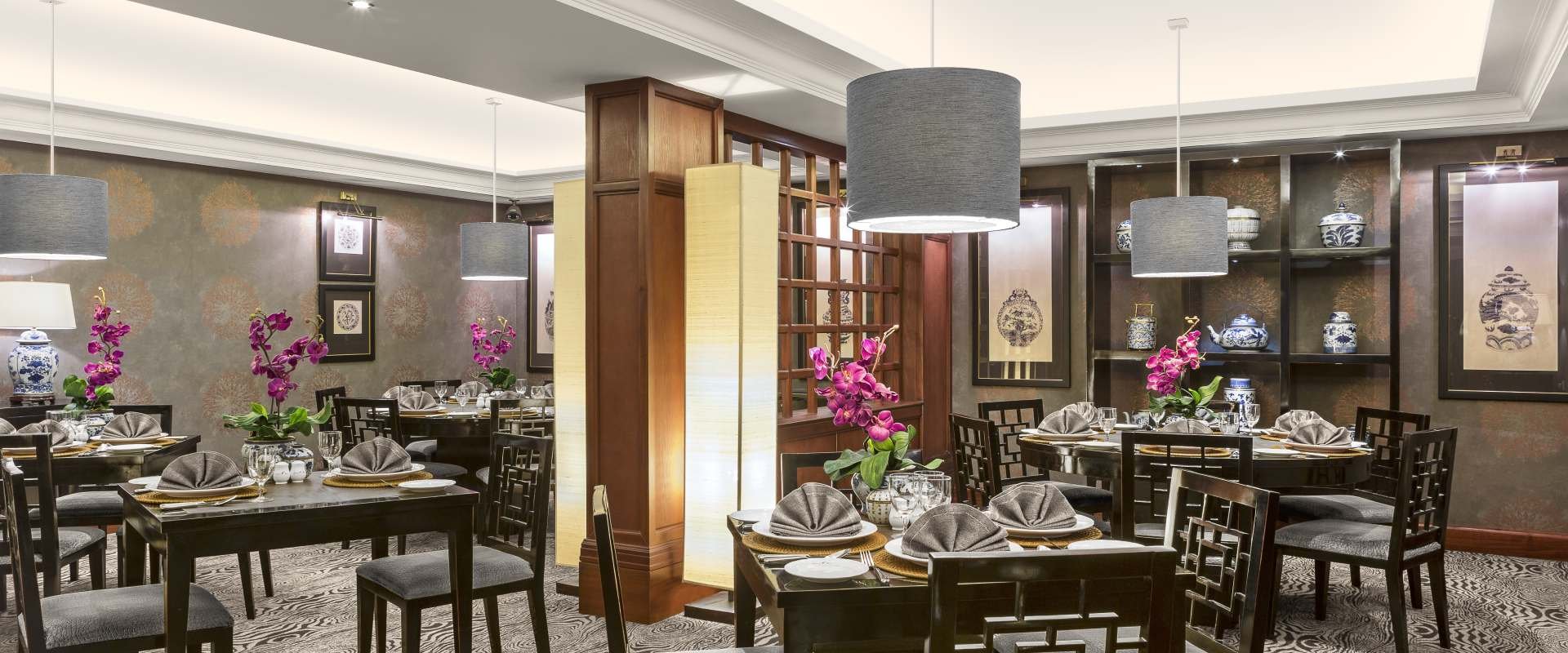
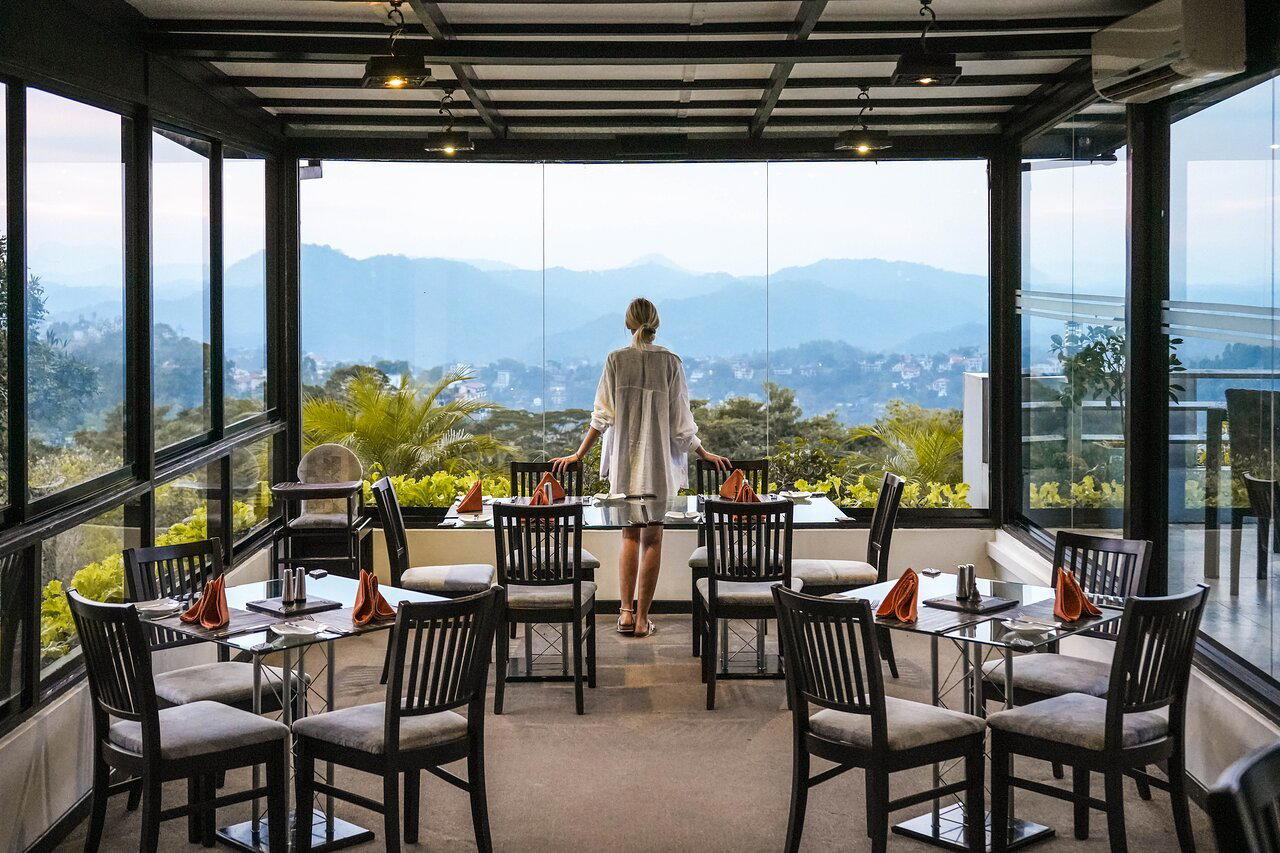
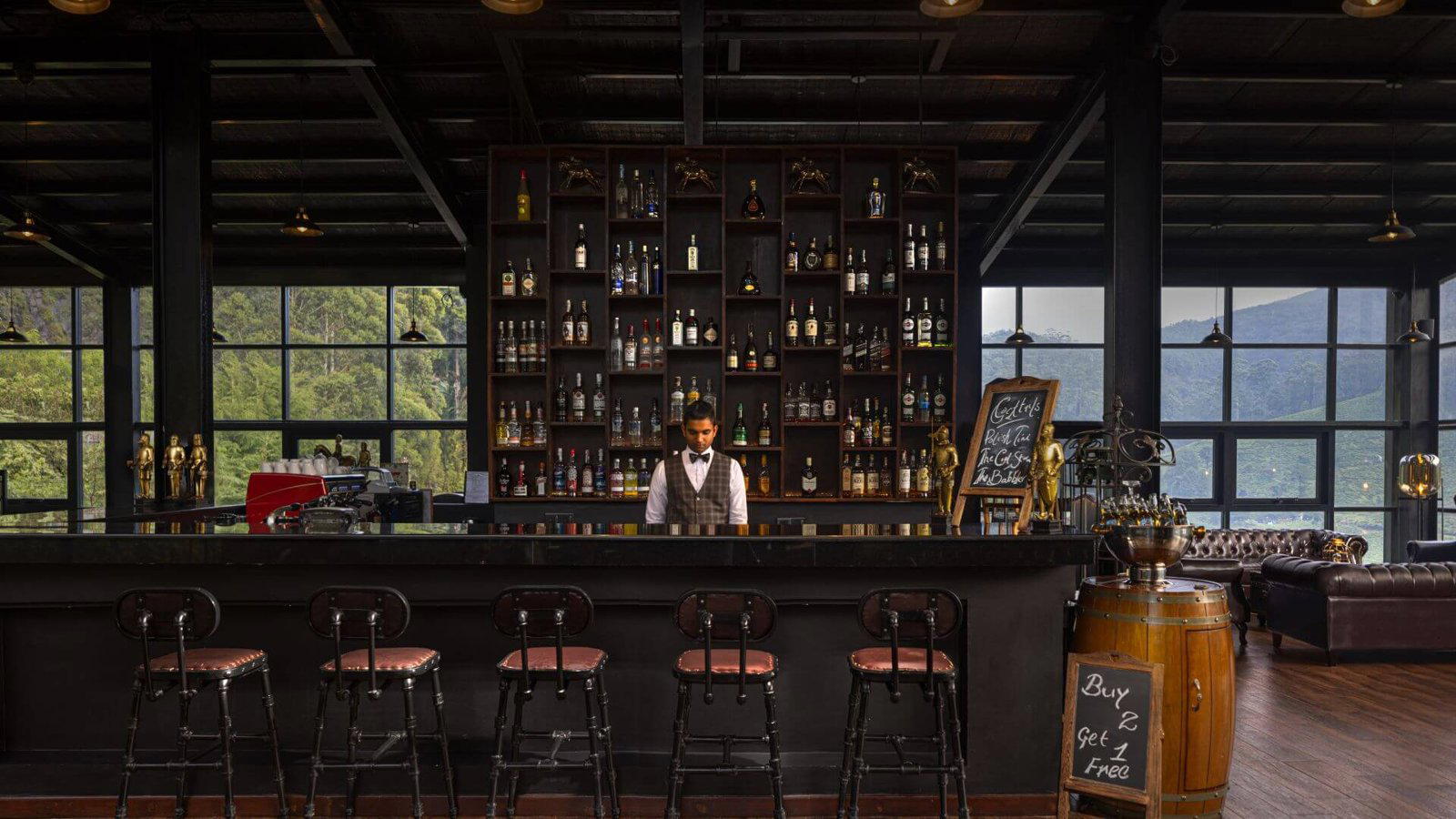
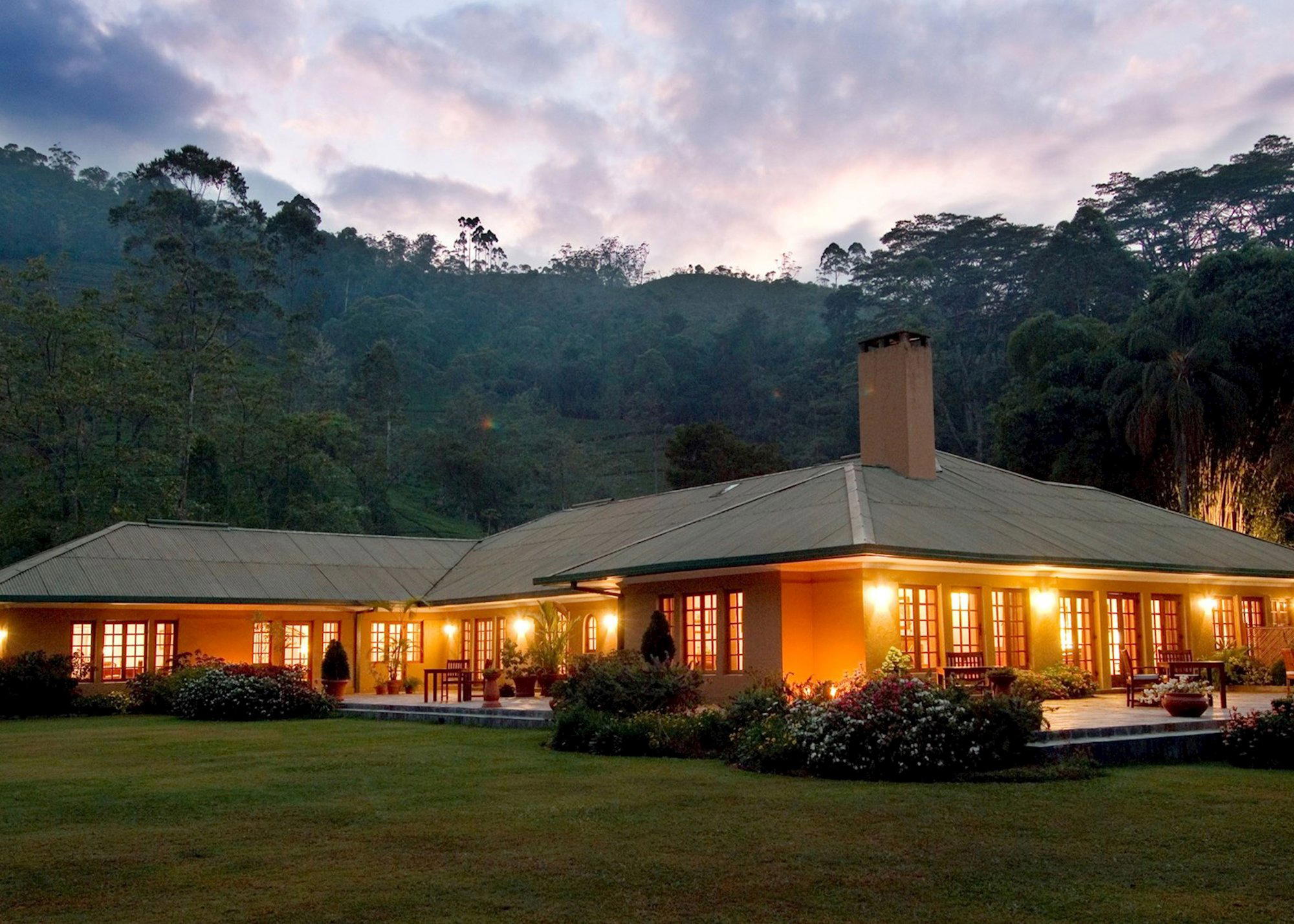
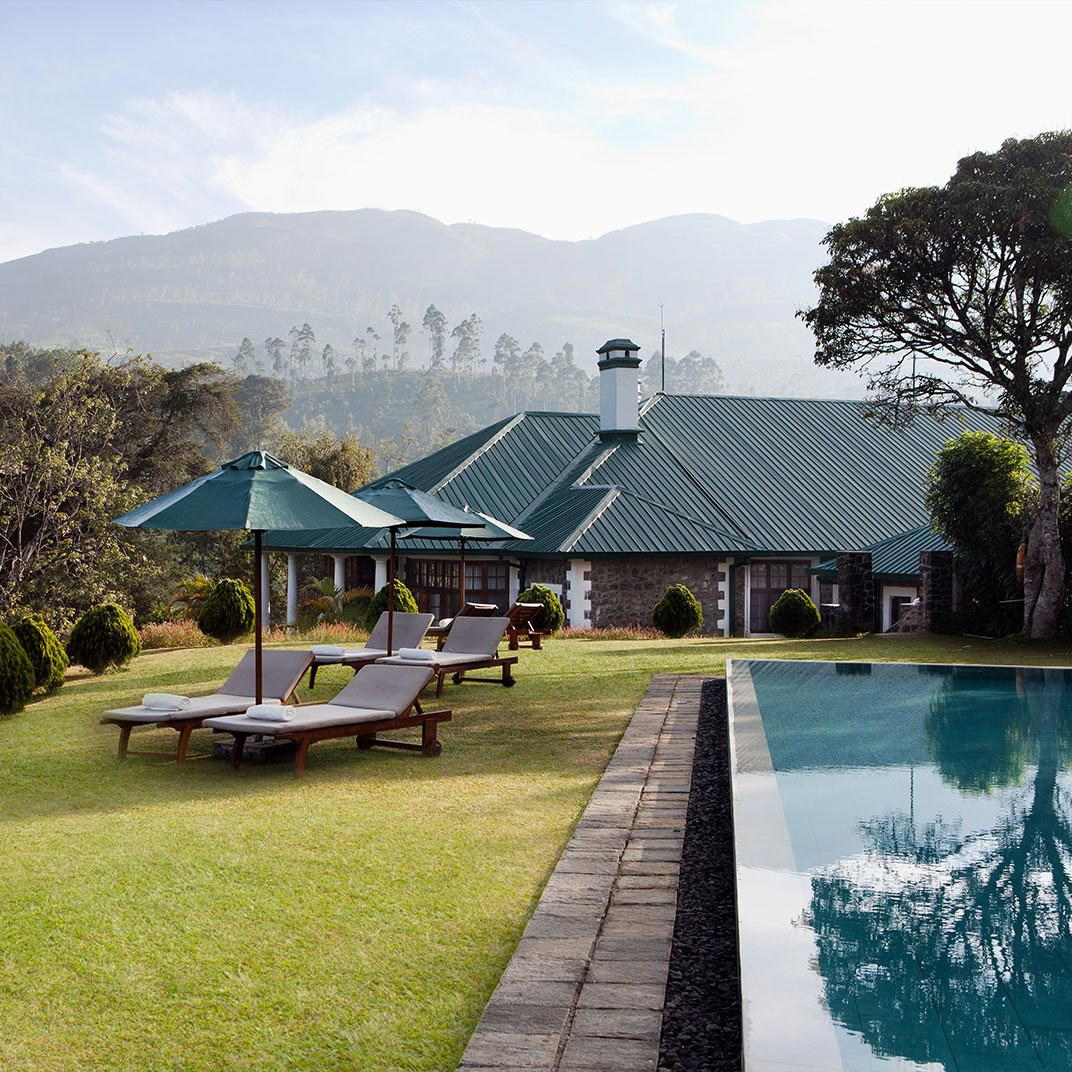
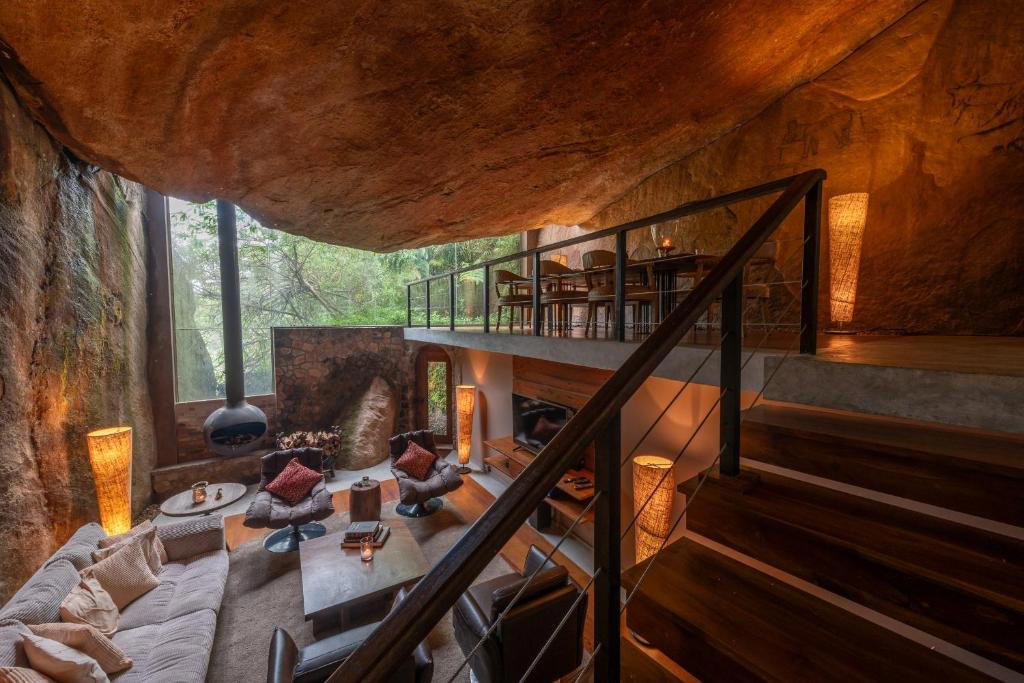
Refined yet homely bungalow dining with quiet, intimate rooms, fireplaces, and candlelit tables, set against misty tea fields and lake views for a tranquil, romantic atmosphere.
Know Before You Go
- Reservations
- Recommended
- Dress code
- Smart casual
- Getting there
- Ceylon Tea Trails, Dunkeld Estate