César Restaurant
César Restaurant belongs to Lanzarote’s inland dining story rather than the resort-strip circuit. In La Asomada, the stronger editorial lens is ingredient origin: volcanic soils, Atlantic proximity, goat dairy, potatoes, pulses, and wines from an island where agriculture is shaped by wind, ash, and scarcity.
Pearl is the En Primeur Club membership app — saves, bookings, and concierge access live there. Same editors, same standards.
- Address
- Camino del, Cam. Barranco Por la Vegueta, 24, 35572 La Asomada, Las Palmas (main dining room)
- Phone
- +34 928 87 76 76
- Directions
- Get directions
 Saves & bookings on Pearl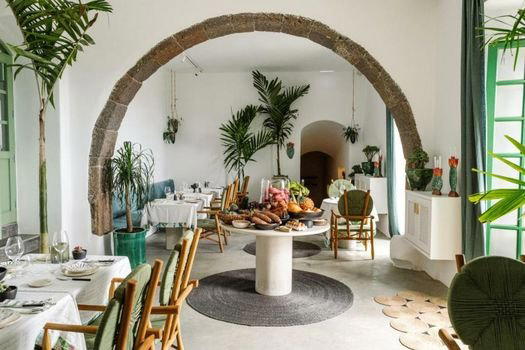
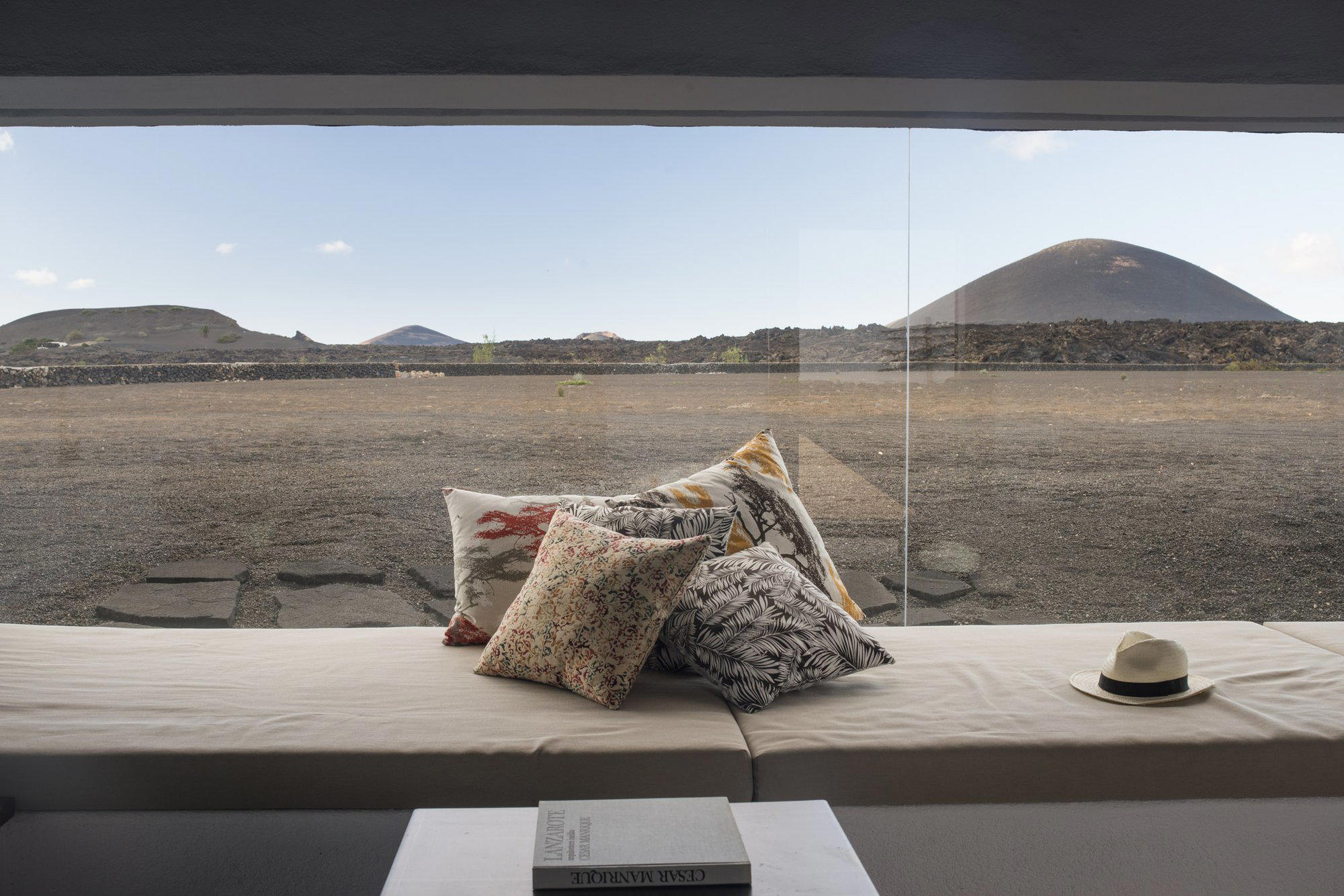
Approaching the inland villages above Lanzarote’s southern coast, the island changes register. The resort edge gives way to black volcanic ground, low walls, wind-bent vines and the dry, mineral severity that defines local agriculture. César Restaurant sits in that setting in La Asomada, where the dining conversation is less about seaside spectacle and more about how an island with limited water, Atlantic fish, goat husbandry and ash-covered vineyards turns constraint into flavour.
That matters because Lanzarote is not a generic Canary Islands dining destination. Its food culture is built from small-scale production, maritime supply and preservation habits: papas arrugadas, mojo, goat cheese, local pulses, octopus, fish from nearby waters and Malvasía Volcánica from vineyards dug into volcanic lapilli. A restaurant in La Asomada enters that context before it enters any ranking conversation. For a wider scan of the island’s local dining map, start with Our full La Asomada- Lanzarote restaurants guide.
Volcanic agriculture sets the terms before the menu does
Lanzarote’s produce has a harder edge than the lush-market image attached to many island destinations. The island’s vineyards grow in pits or behind stone windbreaks; vegetables and herbs fight salt air and low rainfall; dairy culture is tied to goats rather than cattle. That context gives inland restaurants a different set of raw materials from mainland Spanish dining rooms. The question is not abundance, but selection: which ingredients justify the plate, which traditions need no polishing, and which imported luxuries distract from the place.
César Restaurant is useful to read through that sourcing lens. With no public award signal attached, the editorial case rests on location and category rather than trophy status. La Asomada places it closer to Lanzarote’s agricultural interior than to the hotel-heavy coastal strip, which changes expectations. The more persuasive meal here is one that respects island supply lines rather than mimicking metropolitan tasting-menu language. In that sense, it belongs in the same broader Spanish conversation as regionally anchored rooms such as 1860 Tradición in Elciego, where place and product carry more weight than imported glamour, though the regional ingredients and dining culture are entirely different.
The comparison within Lanzarote is also instructive. La Cocina de Colacho, listed in the traditional-cuisine, higher-price bracket, signals one end of the island’s more formal local-food spectrum. César Restaurant occupies the quieter inland side of that discussion, where the appeal depends on whether the cooking feels grounded in Lanzarote rather than broadly Spanish. Nearby category references such as Kaori Fusion Restaurant, Erizo Macaronesian Restaurant, Bella Lucía Buffet Restaurant and La Barra Food & Drinks show how varied the island’s restaurant field has become, from fusion formats to buffet and casual food-and-drink models. Against that spread, an inland address earns attention when it keeps the island itself in view.
La Asomada rewards diners who look beyond the coast
La Asomada is not the obvious choice for visitors building a holiday around beach clubs and marina tables. That is part of its usefulness. Inland Lanzarote gives the meal a slower frame: volcanic slopes, rural roads, working plots and the visual reminder that nearly every local ingredient has travelled through a difficult landscape before reaching a kitchen. The same reader comparing restaurants across Spain might look at 1881 per Sagardi in Barcelona for urban waterfront Basque-leaning polish, 1742 in Ibiza for high-design island dining, or 365 in Pollença for a Balearic small-town frame. Lanzarote’s inland restaurants ask for a different reading: drier, earthier, less performative.
That does not mean every meal in La Asomada should be treated as rustic by default. The stronger island restaurants understand that tradition can be edited without being flattened. Spain’s regional dining culture is full of that tension: 2 Estaciones in València works from market seasonality, 12 Tapas in Castilleja de la Cuesta sits closer to Andalusian small-plate habits, and 1928 in Canfranc-Estación carries a mountain-hospitality context. The restaurant should be judged by whether it makes sense of Lanzarote’s own conditions, not by how closely it resembles those mainland or Balearic models.
Visitors building a fuller La Asomada itinerary can pair the restaurant search with the area’s hospitality and drinking context through Our full La Asomada- Lanzarote hotels guide, Our full La Asomada- Lanzarote bars guide, Our full La Asomada- Lanzarote wineries guide and Our full La Asomada- Lanzarote experiences guide. The wine link is especially relevant on an island where volcanic viticulture is not a side note but a defining part of the table.
How to place it in a Spain-wide itinerary
For travellers moving between Spanish regions, the restaurant is not competing with Madrid formality, Basque grill culture or Barcelona waterfront dining on the same terms. It belongs to the island-interior category, where setting, supply and restraint matter more than spectacle. A Spain itinerary that includes "B de J" in Madrid, 144. in Vitoria-Gasteiz, 1890 La Bodeguita in Las Palmas de Gran Canaria or 5 Gustos in Valladolid will show how sharply local context changes the meaning of a restaurant meal.
The editorial recommendation is to treat this as a Lanzarote meal first and a destination restaurant second. Go for the inland setting, the agricultural frame and the chance to read Canary Island cooking through its raw materials. Travellers extending the comparison beyond Spain might place it against tighter-format specialist rooms such as Jōdo Saké Bar in Los Angeles or Onigiri Time in Pasadena, not because the cuisines align, but because each rewards attention to format and ingredient logic over broad-menu sprawl.
Quick Comparison
Comparable venues by cuisine and price in the same metro.
| Venue | Cuisine | Price | Awards |
|---|---|---|---|
| César Restaurant | This venue | Not listed | Not listed |
| La Cocina de Colacho | Traditional Cuisine | €€€ | Traditional Cuisine, €€€ |
Continue exploring
More in La Asomada- Lanzarote
Restaurants in La Asomada- Lanzarote
Browse all →
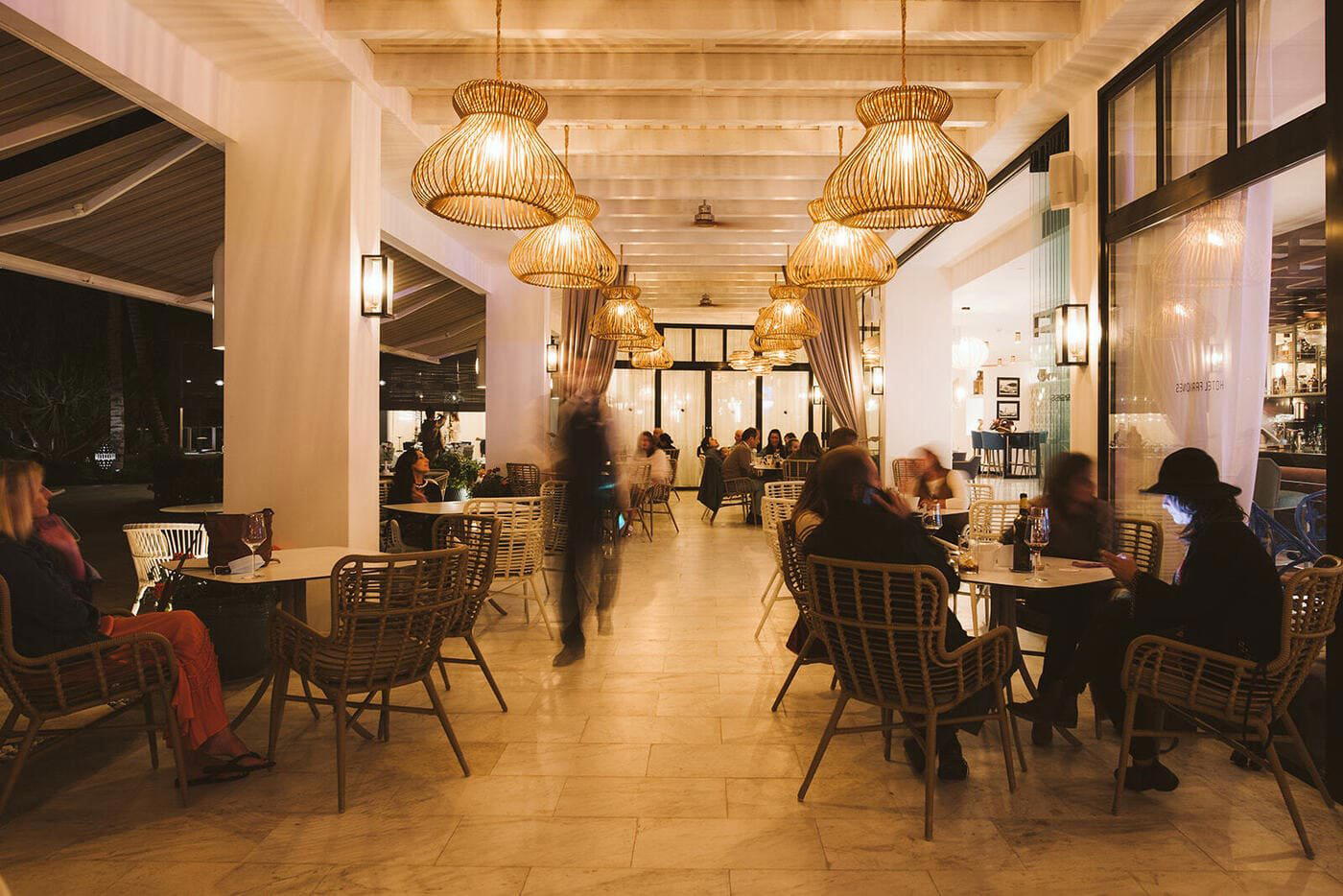
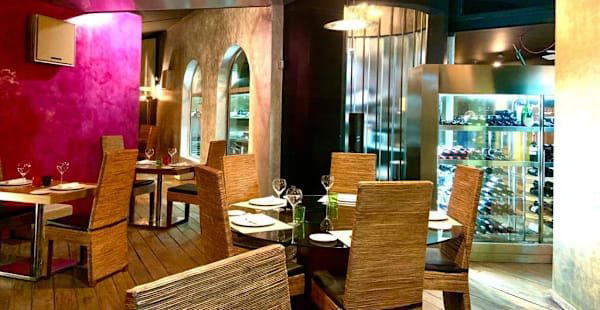
Bars in La Asomada- Lanzarote
Browse all →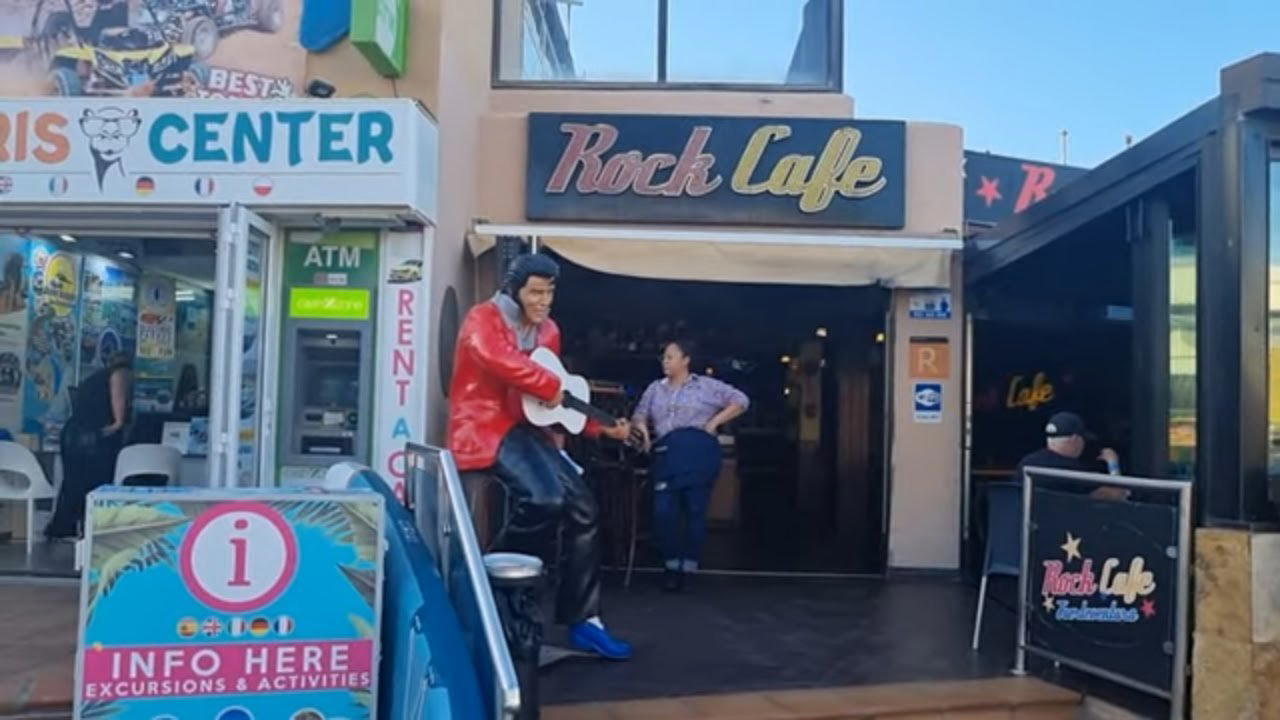
Hotels in La Asomada- Lanzarote
Browse all →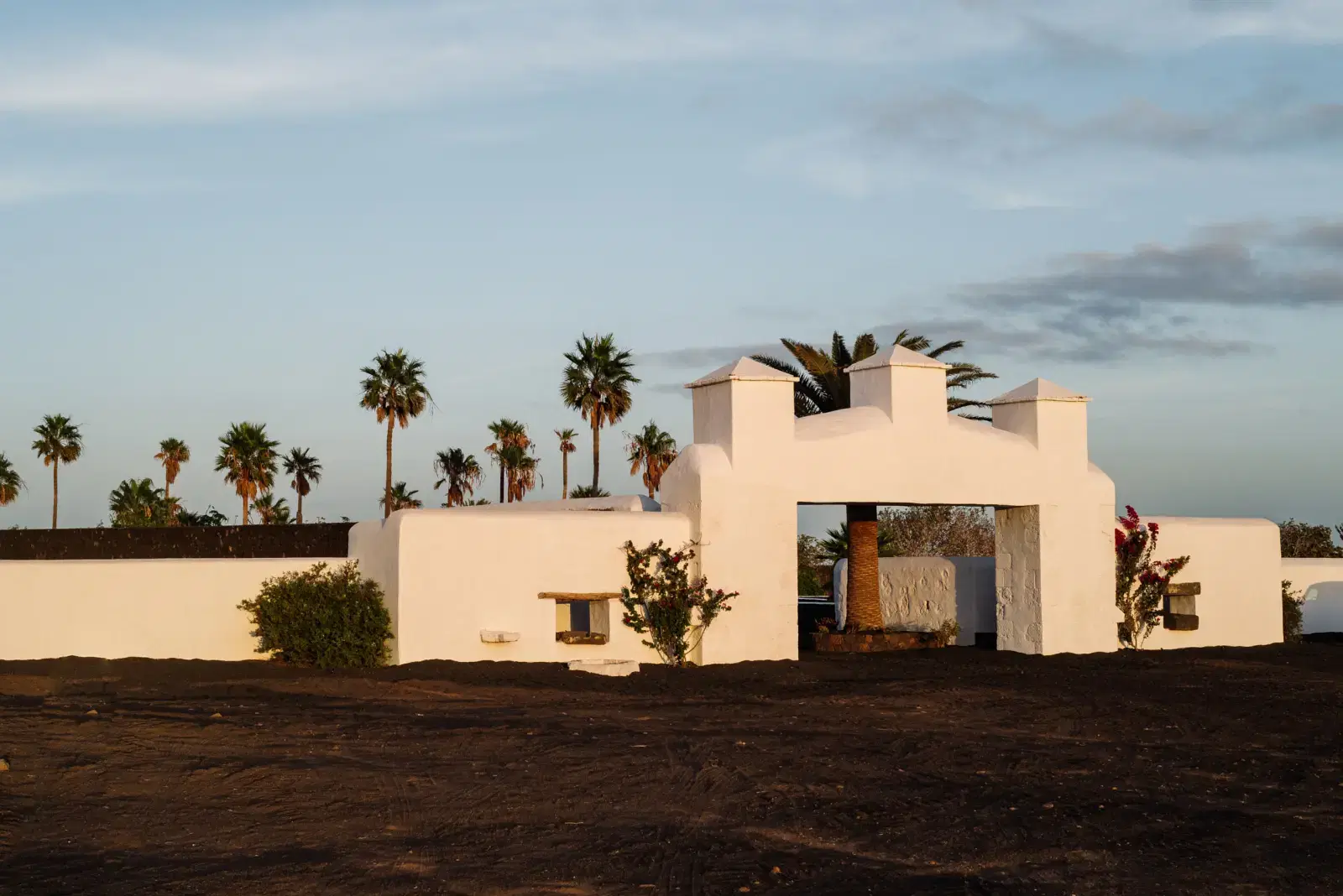
Wineries in La Asomada- Lanzarote
Browse all →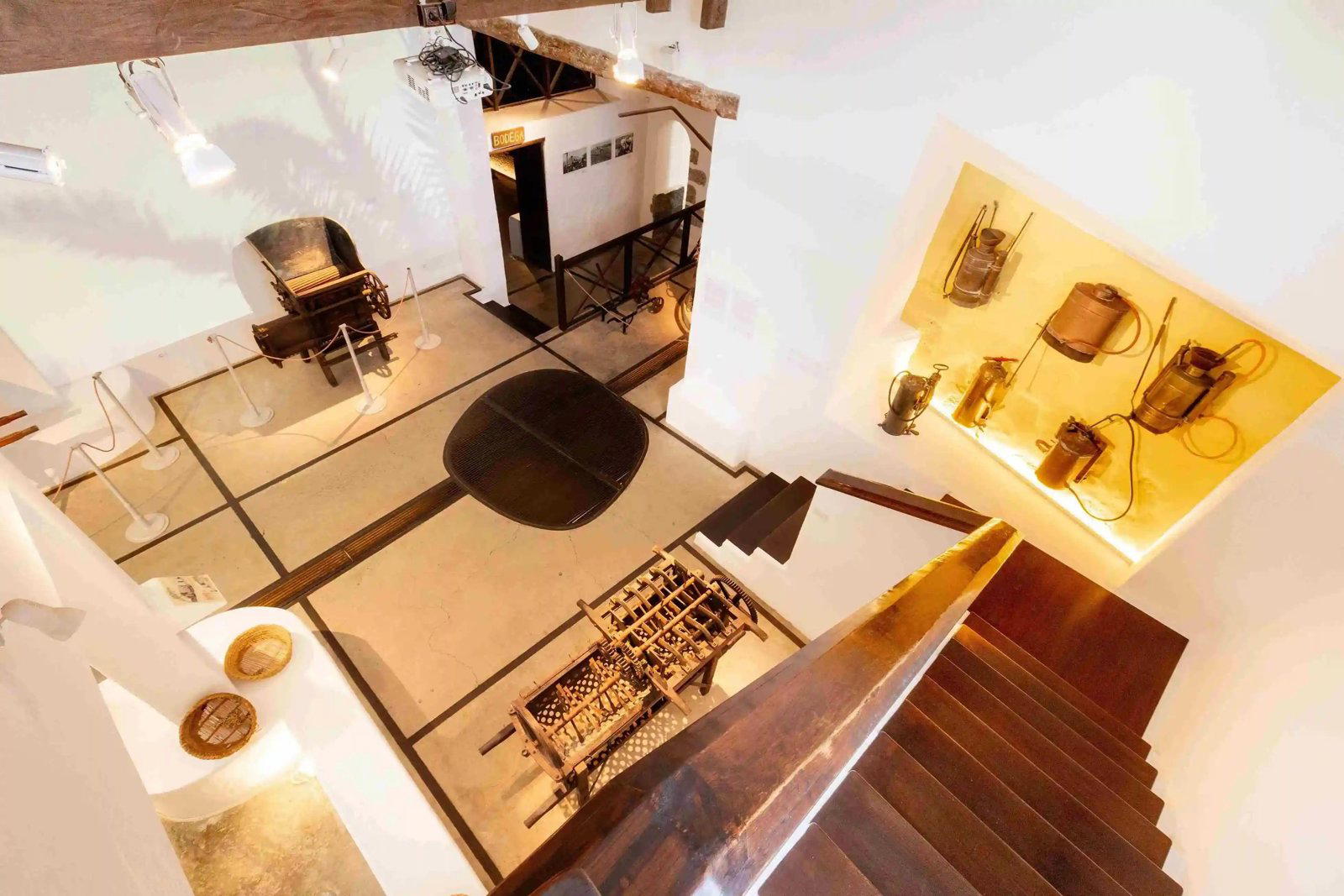
At a Glance
- Elegant
- Scenic
- Intimate
- Modern
- Cozy
- Date Night
- Special Occasion
- Celebration
- Group Dining
- After Work
- Panoramic View
- Terrace
- Garden
- Design Destination
- Hotel Restaurant
- Private Dining
- Craft Cocktails
- Extensive Wine List
- Local Sourcing
- Farm To Table
- Waterfront
- Mountain
- Vineyard
Calm, low-noise adults-only atmosphere with relaxed background music, natural materials, lush indoor vegetation and panoramic views over the Atlantic and volcanic landscape, giving a refined yet cozy retreat feel.