Cataloochee Ranch

Set across 800 acres in the Blue Ridge highlands above Maggie Valley, Cataloochee Ranch delivers an American ranch dining experience rooted in mountain tradition and open-land sourcing. Under Chef Nicolas Rondelli, the kitchen draws on the surrounding landscape and Appalachian seasonal rhythms. With a 4.7 Google rating across 239 reviews and an EP Club score of 4.9/5, it sits among the most consistently regarded dining destinations in the western North Carolina mountains.
Pearl is the En Primeur Club membership app — saves, bookings, and concierge access live there. Same editors, same standards.
- Address
- 119 Ranch Dr, Maggie Valley, NC 28751
- Phone
- (828) 926-1401
- Website
- cataloocheeranch.com
 Saves & bookings on Pearl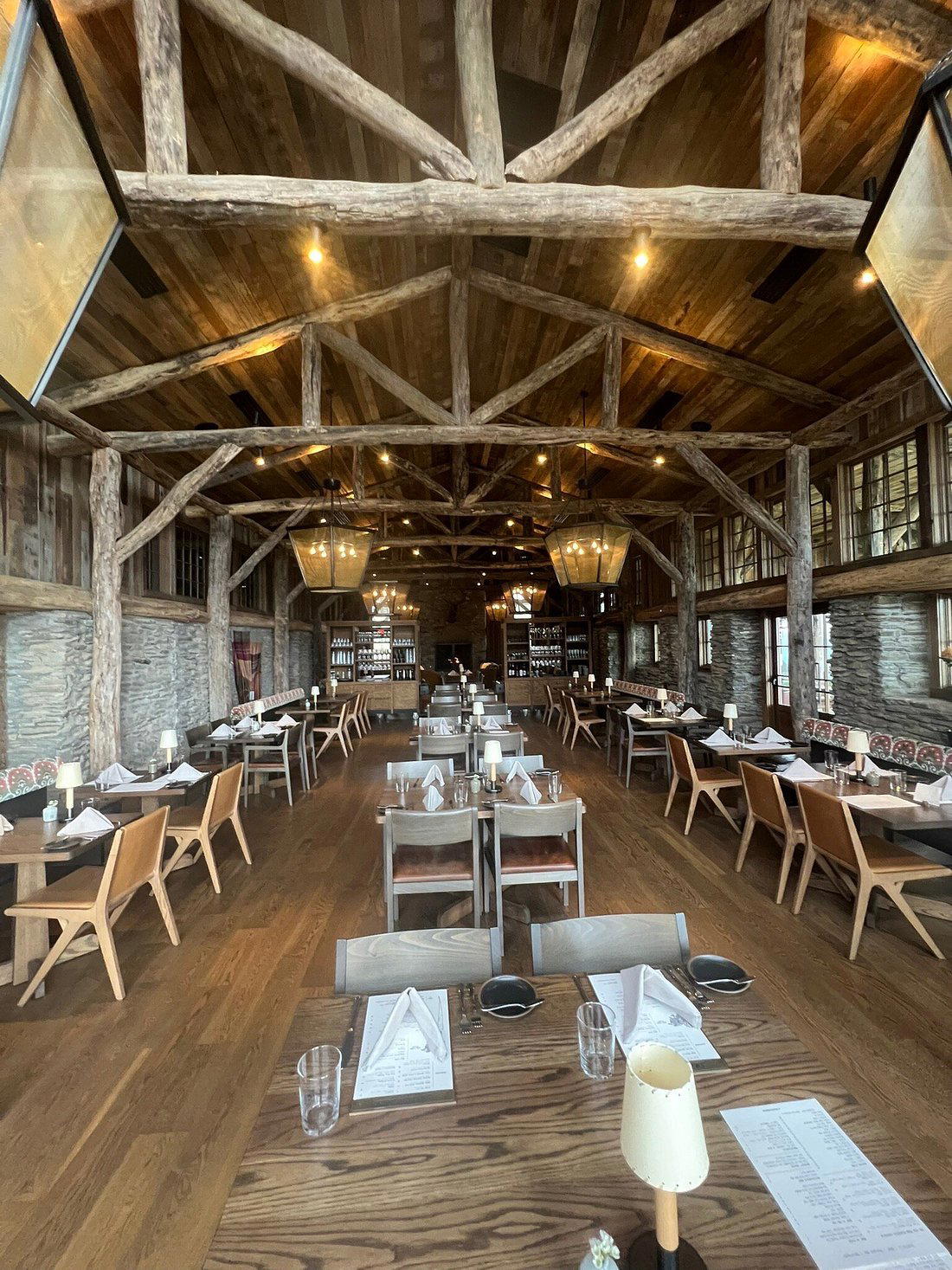
Above the Valley, Below the Ridgeline
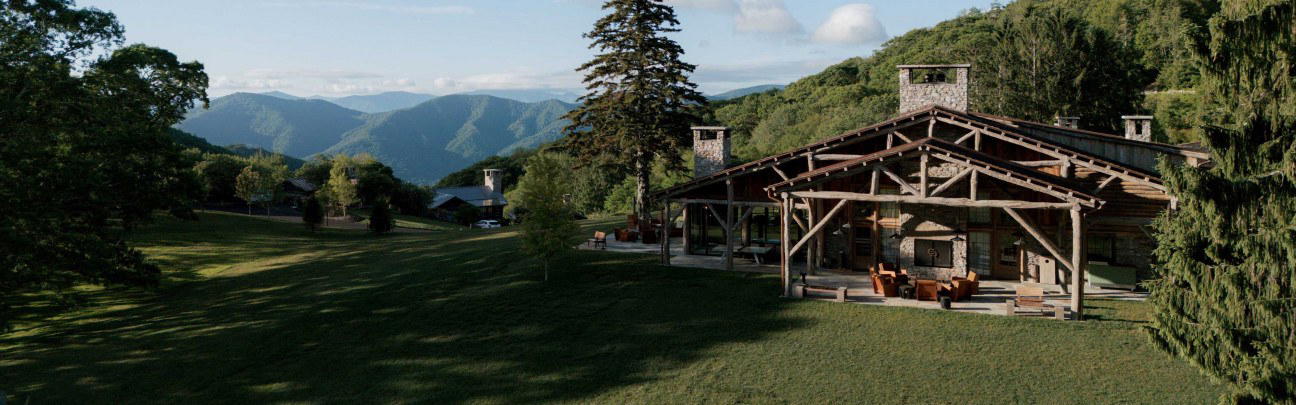
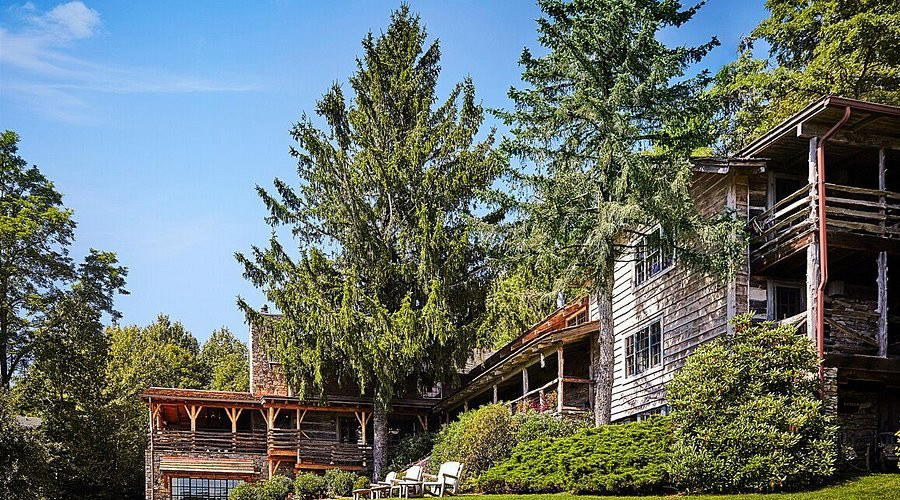
The approach to Cataloochee Ranch sets a tone that the dining room is designed to sustain. The road climbs away from the commercial strip of Maggie Valley into forest, and by the time the stone-and-wood structures come into view, the elevation and the stillness have already done their work. Ranch properties in the American South have long operated as a distinct hospitality category: part working land, part retreat, with kitchens that answer directly to what the surrounding terrain produces each season. Cataloochee Ranch, in Maggie Valley, is a restaurant offering Appalachian fine dining with French influence at 119 Ranch Dr, with reservations essential and a smart casual dress code.
The Farm-to-Table Thread in Appalachian Ranch Cooking
The farm-to-table movement's most persuasive expressions have rarely come from urban fine-dining rooms. They've come from properties like this one, where the relationship between kitchen and land is structural rather than aspirational. When a ranch controls 800 acres bordering one of the most biodiverse temperate ecosystems in North America, sourcing isn't a marketing position; it's a practical reality. Great Smoky Mountains land produces ramps, pawpaws, creek-run trout, and foraged mushrooms across a seasonal arc, and a ranch kitchen plugged into that cycle operates with ingredients that no urban supplier relationship can fully replicate.
This positions Cataloochee differently from the celebrated farm-anchored restaurants of the American coasts. Places like Blue Hill at Stone Barns in Tarrytown and Single Thread Farm in Healdsburg have built reputations around the farm-to-table format as a considered creative program. The ranch dining tradition in Southern Appalachia predates that framing by decades. The kitchen at a property like Cataloochee isn't applying the movement's principles to a restaurant concept; the movement's principles were always latent in how mountain ranch hospitality worked.
Chef Nicolas Rondelli and the American Ranch Kitchen
Chef Nicolas Rondelli heads the kitchen here, operating within an American ranch dining format that prioritizes honest protein cookery, regional produce, and the kind of direct, filling food that makes sense after a day spent at elevation. In a culinary culture that increasingly rewards complexity and conceptual distance between ingredient and plate, the ranch kitchen model runs deliberately counter to that current. It's a format more concerned with the integrity of the raw material than with transformation, and in that sense it shares a philosophical kinship with the sourcing-first approach of restaurants like The French Laundry in Napa or Addison in San Diego, even if the register and price point differ considerably.
American ranch dining across the Mountain South has developed its own recognizable grammar: wood-fired or open-flame preparations, protein sourced close to the property, vegetables that follow the growing elevation, and a preference for technique that enhances rather than obscures what the land provides. It sits in a different category from the progressive American programs at places like Lazy Bear in San Francisco or Alinea in Chicago, but the underlying commitment to place and material quality connects the two traditions more than the format difference suggests.
What the 800 Acres Mean for the Table
Scale matters in ranch hospitality, and 800 acres is not a nominal figure. Properties of this size in Southern Appalachia typically support grazing livestock, kitchen gardens, and direct access to forested land where seasonal forage supplements what the garden produces. For the dining program, that means a supply chain measured in walking distance rather than trucking routes. Western North Carolina's agricultural identity is shaped by altitude: the growing season is compressed, but what it produces tends toward concentrated flavor, a characteristic well-documented in the region's apple orchards, root vegetables, and heritage grain operations.
This regional depth is what separates a property like Cataloochee from resort-format dining that uses local sourcing as a label rather than a practice. Diners traveling to Maggie Valley from Charlotte, Asheville, or further afield arrive at a kitchen whose seasonal reference points are genuinely determined by what this specific patch of Southern Appalachian land produces. For more on how the broader dining scene in the valley develops this regional identity, see our full Maggie Valley restaurants guide.
Standing in the Western North Carolina Dining Field
Cataloochee Ranch holds a 4.7 Google rating across 268 reviews, numbers that place it among the most consistently regarded dining destinations in the western North Carolina mountains. It signals a sustained standard rather than a single exceptional visit, which matters more in a ranch hospitality context where consistency across a full-day dining arc (breakfast through dinner) is the meaningful measure.
Within Maggie Valley specifically, the ranch occupies a different tier from the town's more casual American comfort options. Switchback represents the town's approachable American comfort register; Cataloochee operates at a remove from that, both geographically and in terms of the dining proposition. The comparison isn't hierarchical so much as categorical. They serve different purposes for different moments in a Maggie Valley stay.
Planning Your Visit
The ranch address is 119 Ranch Dr, Maggie Valley, NC 28751. Reservations are essential.
A Quick Peer Check
Comparable venues nearby, for context on price, style, and recognition.
| Venue | Cuisine | Price | Awards | Notes |
|---|---|---|---|---|
| Cataloochee RanchThis venue — the venue you are viewing | Appalachian Fine Dining with French Influence | $$$ | ||
| Switchback | Southern Appalachian Fine Dining | $$$ | Maggie Valley | |
| Madison's Restaurant | Farm-to-Table American Fine Dining | $$$$ | Highlands | |
| Posana Biltmore Park | Contemporary American Gluten-Free | $$$ | , | Biltmore Park |
| The Wine Garden | Contemporary American / Southern Wine Bar | $$$ | , | Highlands / Sapphire |
| Madison's Restaurant and Wine Garden | American Fine Dining | $$$$ | Highlands |
Continue exploring
More in Maggie Valley
Restaurants in Maggie Valley
Browse all →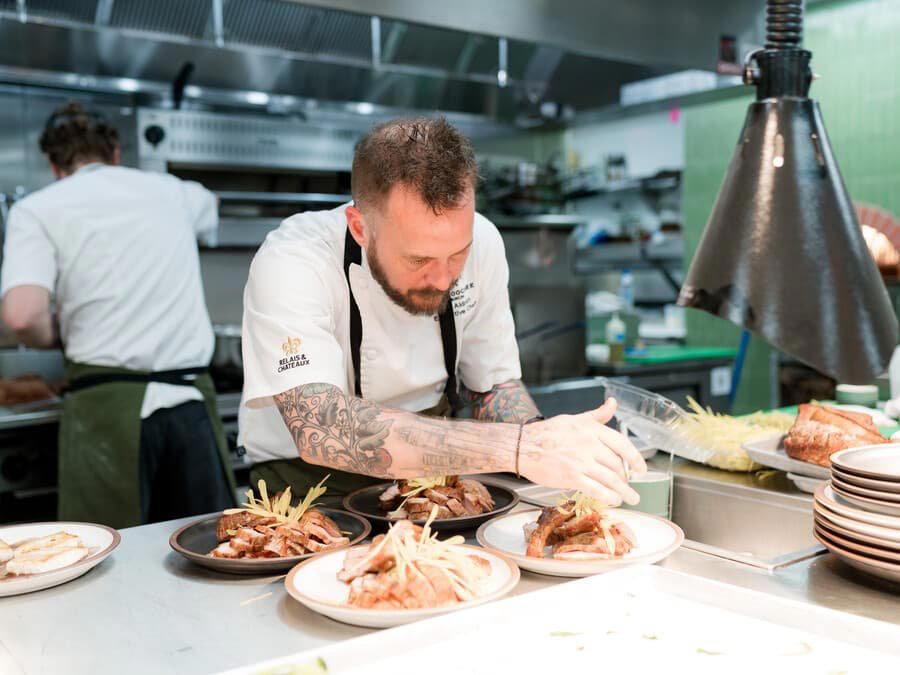
At a Glance
- Rustic
- Scenic
- Cozy
- Elegant
- Special Occasion
- Date Night
- Celebration
- Historic Building
- Panoramic View
- Open Kitchen
- Terrace
- Extensive Wine List
- Craft Cocktails
- Sommelier Led
- Local Sourcing
- Mountain
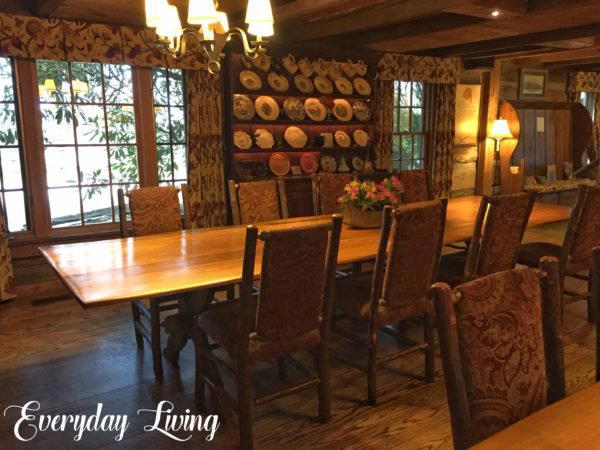
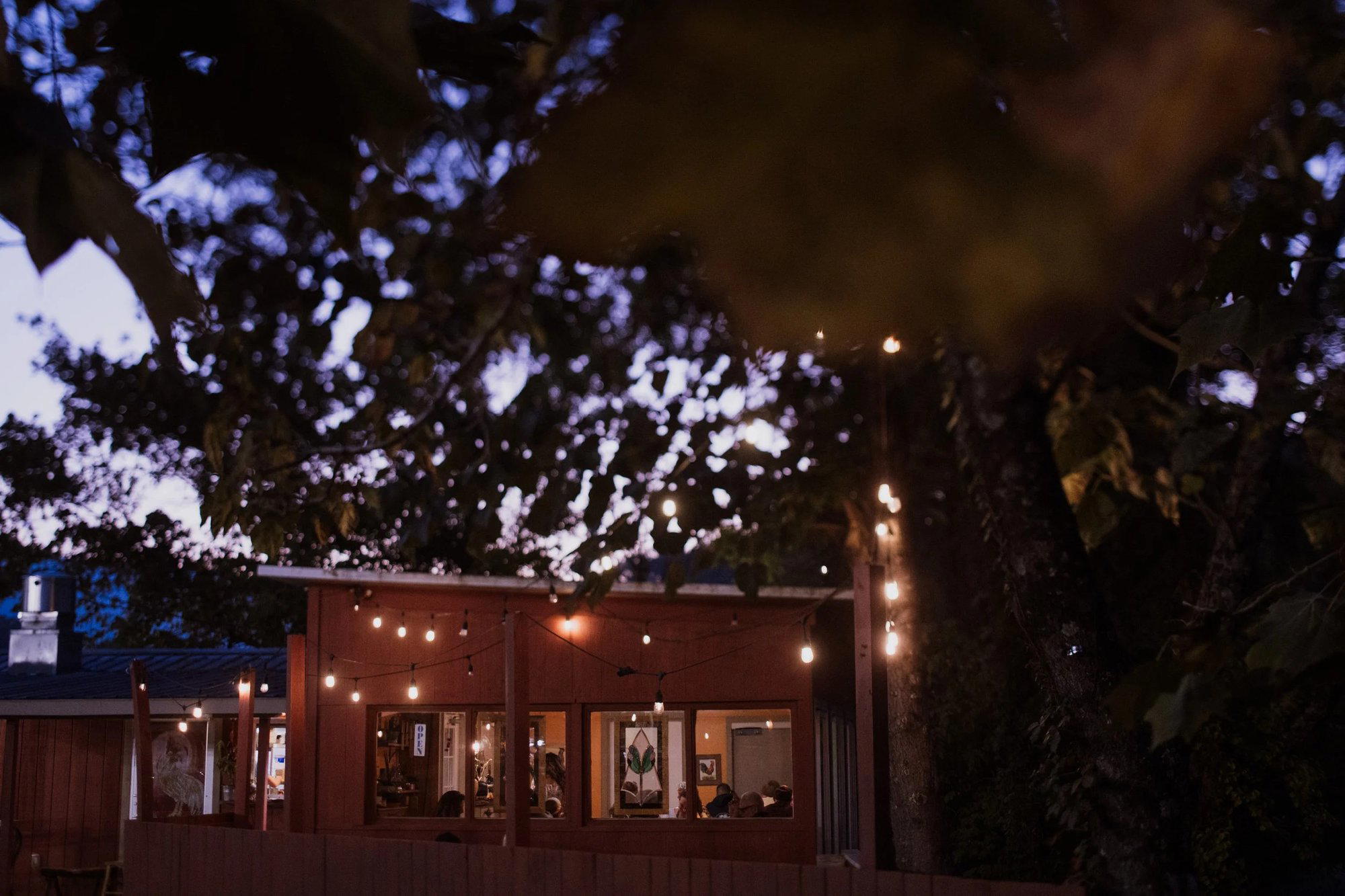
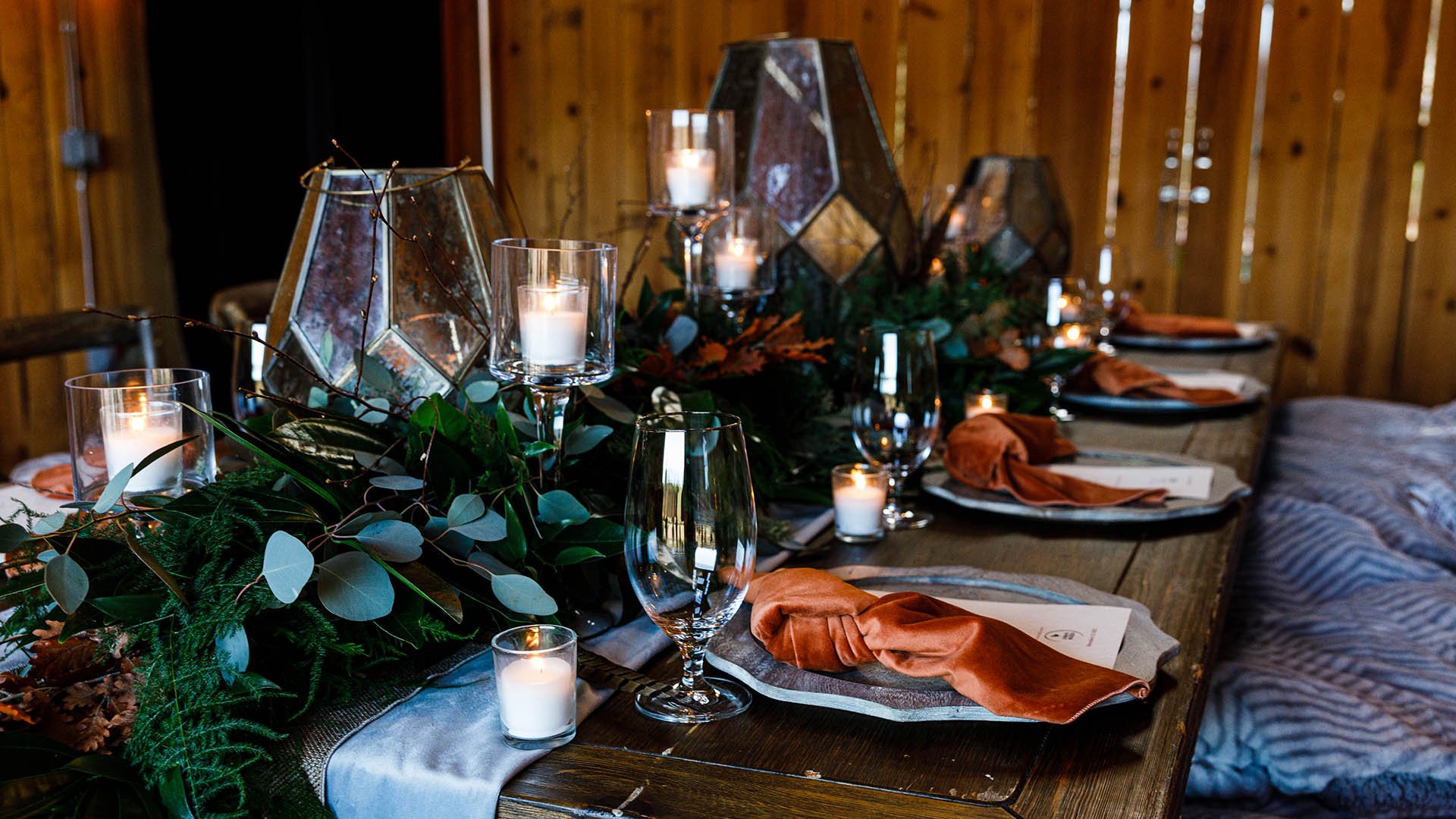
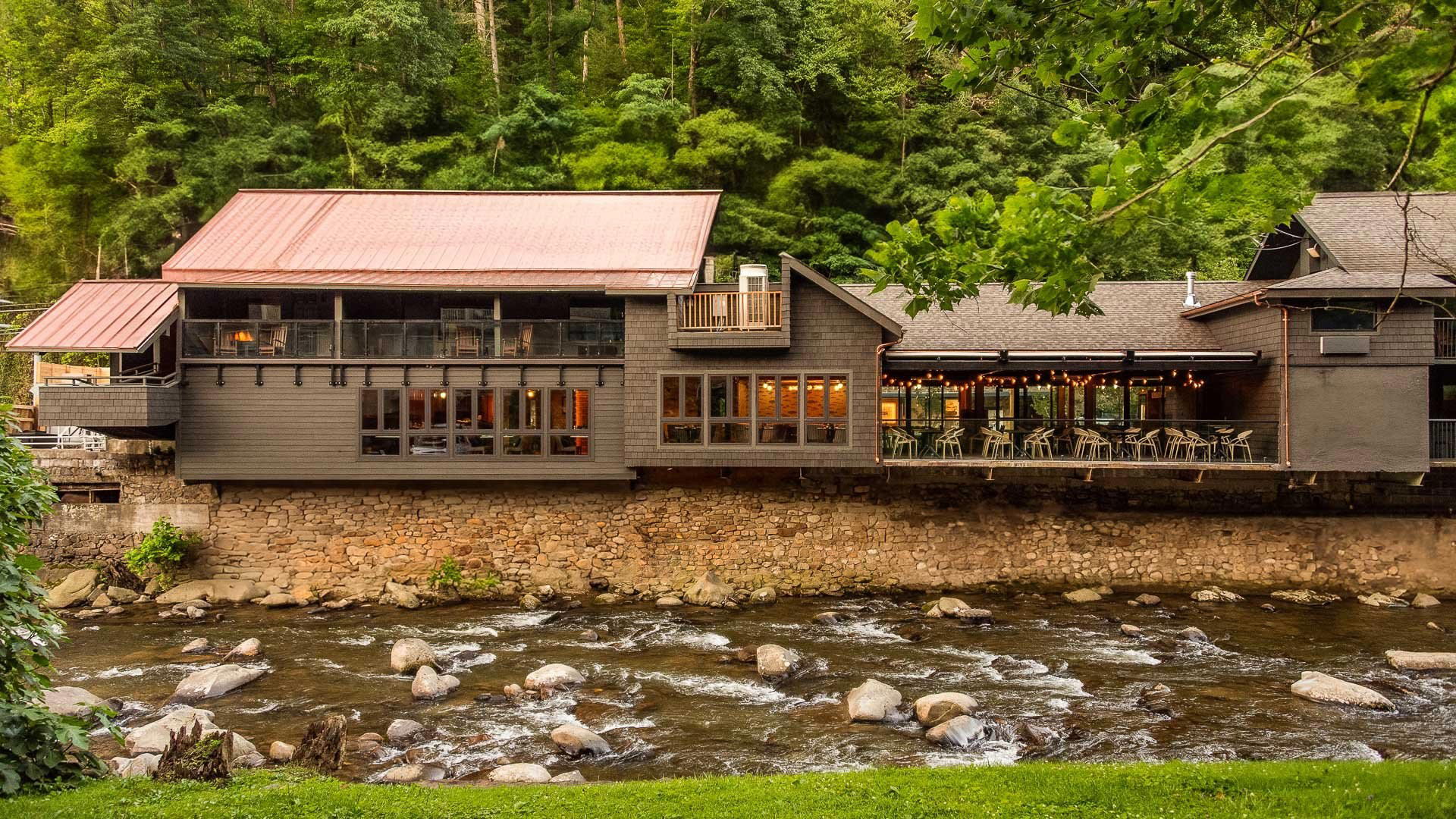
Cozy and inviting atmosphere with fireplaces, stone and reclaimed wood decor, and seamless flow to outdoor areas maximizing stunning mountain vistas.