Cascabel
Cascabel sits on Riverside Drive in Toluca Lake, one of the quieter residential corridors threading through the North Hollywood area, where Mexican cuisine has long held a serious foothold alongside the neighbourhood's Italian and American staples. The address places it within reach of a dining strip that includes neighbours such as Angelino Trattoria and Little Toni's, making it a useful reference point for understanding how the area's restaurant scene is structured.
 Discover on Pearl
Pearl is the En Primeur Club membership app — saves, bookings, and concierge access live there. Same editors, same standards.
- Address
- 10717 Riverside Dr, Toluca Lake, CA 91602
- Phone
- +18189274210
- Website
- cascabelrestaurant.com
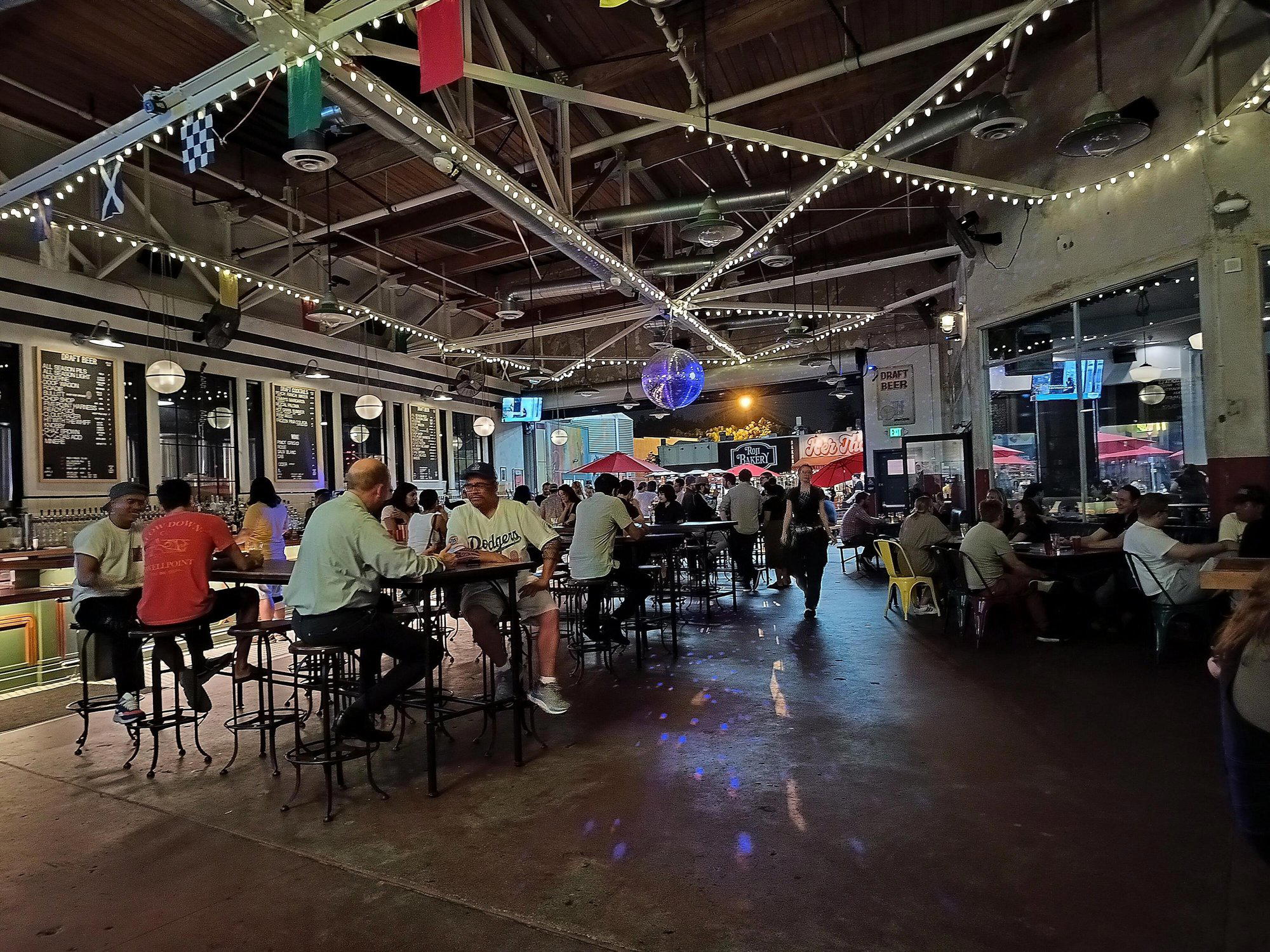
Riverside Drive and the Mexican Table in Toluca Lake
Toluca Lake occupies an unusual position in the broader Los Angeles dining conversation. Geographically folded between Burbank, Studio City, and the core of North Hollywood, it tends to be read as a neighbourhood of quiet Italian-American institutions and industry regulars rather than a destination for serious Mexican cooking. That framing misses something. The Mexican culinary tradition in the San Fernando Valley runs deep, and venues along the Riverside Drive corridor represent one of the more consistent expressions of it outside central Los Angeles. Cascabel is a Modern Mexican restaurant at 10717 Riverside Dr, Toluca Lake, CA 91602, with a $30 per person price point.
The address itself signals something about the venue's positioning. Riverside Drive at this stretch is lined with mid-scale neighbourhood restaurants, the kind that draw regulars from the surrounding residential blocks rather than dining tourists. It sits in proximity to Angelino Trattoria and Little Toni's, both of which anchor the Italian-American side of the local dining identity, and near GRANVILLE, which represents the American casual end. Against that backdrop, a Mexican kitchen with the name Cascabel, a rattlesnake rattle, or the dried chilli by the same name, suggests an intention to do something more specific than the neighbourhood norm.
The Cascabel Chilli and What a Name Implies
The cascabel chilli is a compact, round dried pepper with a mid-range heat level and a flavour profile that runs toward nuttiness, earthiness, and a mild woodsmoke character. It is not the most famous of Mexican dried chillies, that territory belongs to the ancho, the pasilla, or the guajillo, but it is the kind of ingredient that signals kitchen seriousness when it appears on a menu. Chefs who reach for cascabel are typically working within a more considered approach to Mexican regional cooking, one that draws on the dried chilli canon as a structural tool rather than a heat modifier.
In broader culinary terms, this places Cascabel within a category of Mexican restaurants that has expanded significantly in American cities over the past decade. Regional Mexican cooking, with its distinctions between Oaxacan mole traditions, Yucatecan achiote preparations, Veracruz seafood work, and the varied chilli-based sauces of Central Mexico, has moved from a niche critical interest to a more mainstream dining expectation in cities like Los Angeles, Chicago, and New York. At its more formal end, that movement sits alongside the kind of programme ambition you find at places like Providence in Los Angeles or, at a different register entirely, Smyth in Chicago, venues where ingredient sourcing and culinary lineage are treated as editorial subjects in their own right. At the neighbourhood level, the same seriousness shows up differently: in chilli selection, in masa quality, in the handling of braises.
North Hollywood's Dining Structure
Understanding Cascabel means understanding the neighbourhood it inhabits. North Hollywood is not a single dining district. It stretches from the NOHO Arts District, where the density of bars and casual restaurants reflects the younger demographic drawn by theatre companies and proximity to Metro rail, out through Toluca Lake, where the character shifts toward older, quieter, more residential.
The Toluca Lake end of that geography is where venues like El Tejano also operate, representing the Mexican dining options available in the corridor. The presence of multiple Mexican kitchens in this stretch is less a coincidence than a reflection of the Valley's demographics and eating habits. The San Fernando Valley has one of the larger Mexican-American populations in Los Angeles County, and the restaurant culture that has developed around that community ranges from taco stands and taquerias to sit-down kitchens with full bar programmes.
Against that range, a restaurant named for a specific chilli variety is positioning itself at a particular point on that spectrum, one where the cooking is expected to carry some depth of knowledge about the source tradition. That is a different competitive conversation than the one happening at venues like Le Bernardin in New York City or The French Laundry in Napa, where the credential architecture is formalized and internationally audited. At the neighbourhood scale, the equivalent signals are consistency of execution, ingredient fidelity, and the loyalty of a regular clientele.
Mexican Regional Cooking as a Frame of Reference
For readers approaching Cascabel without a detailed map of Mexican regional cuisine, a few orientation points are useful. Mexican cooking is not a unified tradition. The country's cuisine divides along distinct regional lines: Oaxaca's seven mole canon, the cochinita pibil and panuchos of the Yucatan, the chile en nogada traditions of Puebla, the seafood preparations of Veracruz and Baja California. Each carries its own ingredients, techniques, and cultural weight.
The dried chilli tradition that the cascabel belongs to is broadly Central Mexican, associated with the kind of complex sauce work, adobos, moles, pipianes, that requires time, technique, and a specific pantry. When a Los Angeles neighbourhood restaurant names itself after one of those chillies, it is signalling an orientation toward that tradition. Whether the execution follows through on that signal is the question that repeat visits answer.
In the wider American dining context, the appetite for this level of specificity has grown. Critics who track venues like Blue Hill at Stone Barns in Tarrytown, Single Thread Farm in Healdsburg, or Atomix in New York City for their sourcing rigour and cultural fidelity apply a version of the same scrutiny to neighbourhood Mexican kitchens when the ambition is there. The question is whether the kitchen's programme is built to withstand that kind of attention.
Planning a Visit
Cascabel is located at 10717 Riverside Drive in Toluca Lake, in the 91602 zip code that straddles the Burbank and North Hollywood border. The surrounding strip includes a mix of casual and mid-scale restaurants, making it a neighbourhood that rewards an evening of walking between options rather than a dedicated destination trip. Street parking on Riverside Drive is the practical access mode for most visitors. It is recommended to book ahead, and its regular hours are Monday through Saturday from 4 to 10 PM, and Sunday from 4 to 9 PM.
Readers whose Mexican dining reference points sit at the more formally acclaimed end of the spectrum, whether that is Addison in San Diego, Emeril's in New Orleans, or international venues like Atelier Moessmer Norbert Niederkofler in Brunico and The Inn at Little Washington, will find Cascabel operating in a different register entirely. The relevant comparison set is the neighbourhood Mexican kitchen in a well-populated California corridor: judged on ingredient quality, sauce depth, and the kind of regularity that keeps a local dining room full on a weeknight. That is the category where Cascabel makes its case, and the Toluca Lake block it occupies is the right place to be making it. Cascabel, by its location and its name, is asking to be assessed on neighborhood terms.
Price and Positioning
Comparable venues nearby, for context on price, style, and recognition.
| Venue | Cuisine | Price | Awards | Notes |
|---|---|---|---|---|
| CascabelThis venue — the venue you are viewing | Toluca Lake, Modern Mexican | $$ | , | |
| El Tejano | North Hollywood, Tex-Mex | $$ | , | |
| Mofongos | North Hollywood, Authentic Puerto Rican | $$ | , | |
| The Front Yard | North Hollywood, Modern Californian | $$ | , | |
| Sushi 101 | North Hollywood, Japanese Sushi | $$ | , | |
| Joe Coffee - Permanently Closed | $$ | , | NoHo Arts District, Specialty Coffee Shop |
Continue exploring
More in North Hollywood
Restaurants in North Hollywood
Browse all →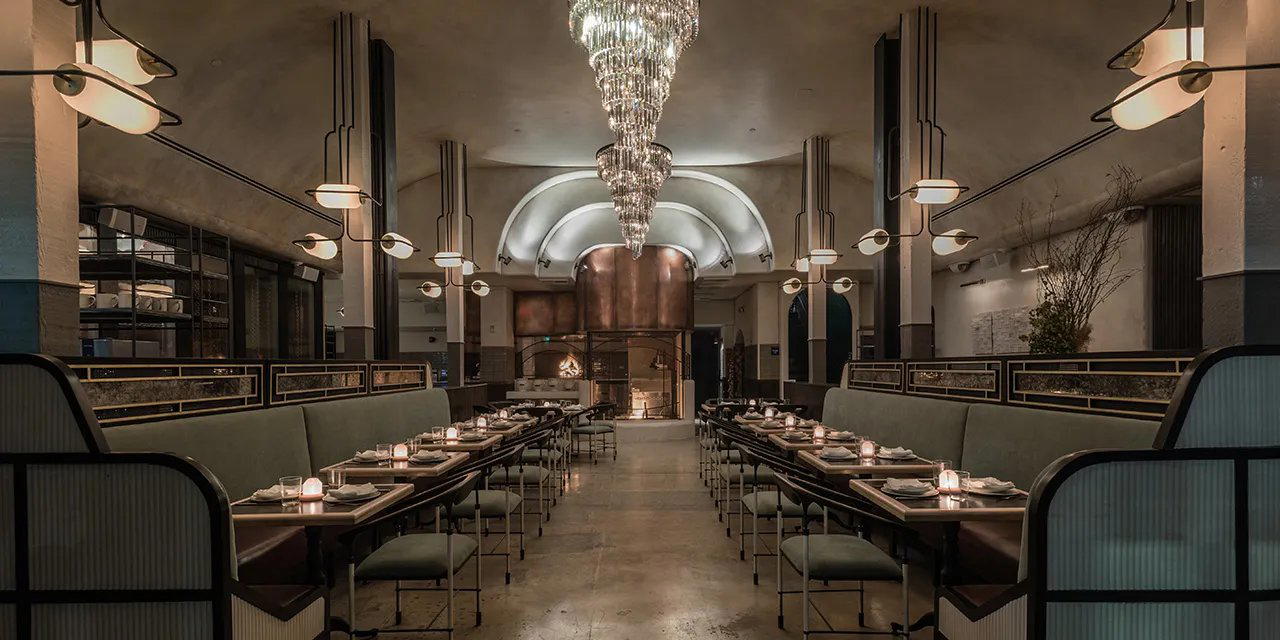
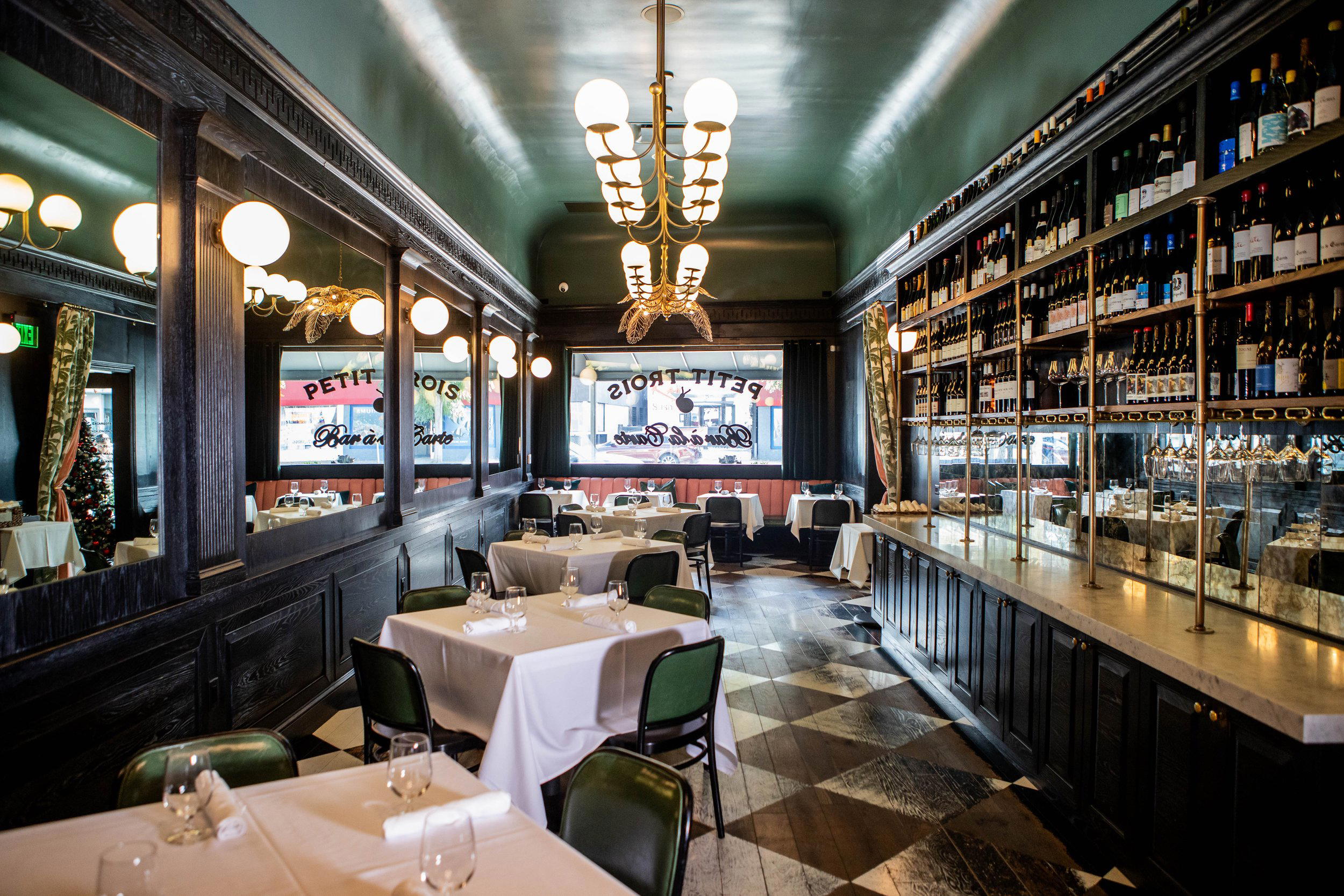
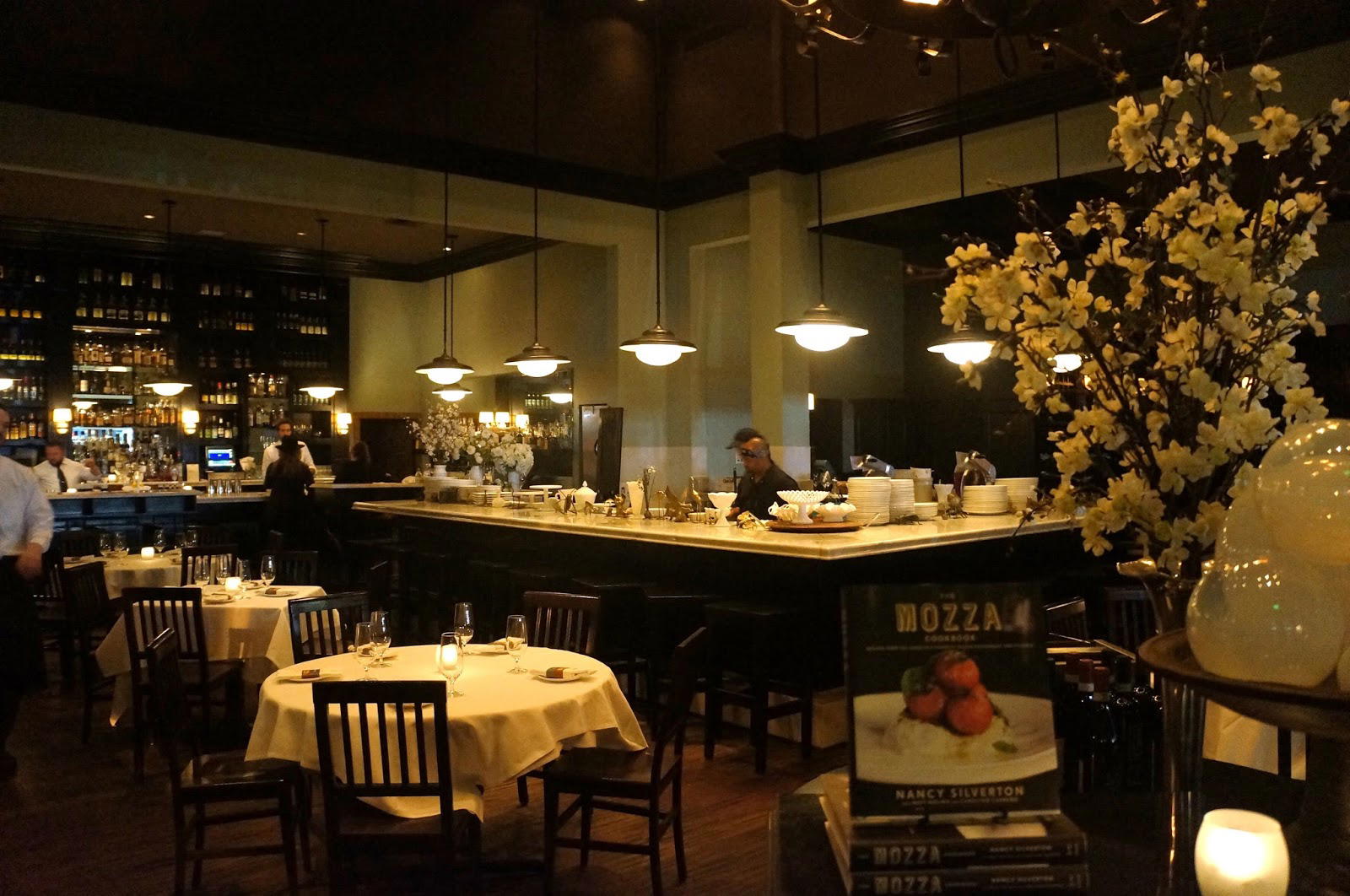
Bars in North Hollywood
Browse all →

Hotels in North Hollywood
Browse all →
Wineries in North Hollywood
Browse all →
At a Glance
- Hidden Gem
- Cozy
- Trendy
- Date Night
- Group Dining
- Casual Hangout
- Craft Cocktails
Welcoming and unique atmosphere with beautiful decor evoking a quaint Mexican town, though the main dining room can be loud and buzzy.