Casa Juani


Michelin Plate · Bon Appétit Best New Restaurant
Our verdict
Casa Juani brings Spanish cooking into Boulder’s small-plates conversation, where the point is less a single grand entrée than the rhythm of sharing. With no public awards or chef billing shaping the narrative, the appeal rests on cuisine and format: tapas as a social order, built for groups who want a table to move in rounds rather than courses.

Pearl is the En Primeur Club membership app — saves, bookings, and concierge access live there. Same editors, same standards.
The menu
What to order
- Navajas Preparadas (razor clams)
- Erizo with sea urchin and jamón ibérico
- Bacalao Rebozado
- Lenguado Asado Estilo Bilbao
- Arroz con Setas
- Chuleta dry-aged ribeye
Spanish restaurants announce themselves through rhythm before detail: the scrape of chairs, a table that fills gradually, plates arriving with a sense of conversation rather than ceremony. In Boulder, where dining often tilts toward farm-minded American cooking, fast-casual health habits, and post-trail informality, Casa Juani gives the city a different grammar. The meal is framed by Spanish regional cooking, which means the table, not just the individual diner, becomes the organizing principle.
That matters because Spanish dining is not just a cuisine label. It changes how people order, how long they linger, and how much authority the menu gives to the group. A Spanish table rewards pacing: start with a few bright, savory, or snackable dishes, add something warmer or more substantial, then decide whether the evening wants another round. Boulder has plenty of restaurants built around a main-course decision. This format asks a more social question: what does the table want next?
Spanish regional cooking in a Boulder dining city built for informality
Boulder’s restaurant scene is unusually elastic for its size. A diner can move among polished dining rooms, butcher-driven American cooking, distinctive civic spaces, and everyday neighborhood comfort. Casa Juani fits into that citywide range by offering a Spanish vocabulary rather than another Colorado-American variation.
The distinction is useful for travelers. Spanish dining at this level usually works better when the table resists the urge to over-order immediately. The menu can be approached in stages. A couple can keep the meal compact; a larger group can turn it into a longer sequence. That flexibility suits Boulder’s mixed audience of locals, visiting parents, university traffic, and outdoor travelers who may not want a formal tasting-menu evening after a day in the foothills.
The useful context is the local buzz around a chef-driven Spanish regional restaurant from Eduardo Valle Lobo and Kelly Jeun. The question is not whether the restaurant belongs to a trophy circuit, but whether Casa Juani answers a specific Boulder need: a convivial table, a cuisine with clear identity, and a format that lets diners eat lightly or build a fuller meal without changing venues.
The ordering logic is the point
Spanish dining has always been partly about appetite management. The format lets diners test the temperature of the evening. One round can be casual; a longer sequence can become dinner. In cities with dense bar districts, that logic often supports movement from place to place. In Boulder, where meals are more often anchored to a single reservation or walk-in decision, the same logic plays out at the table. The restaurant becomes a way to stretch conversation without committing to the heaviness of a traditional three-course structure.
That is the editorial reason to treat Casa Juani as more than a cuisine label. Spanish food in the United States is often flattened into paella expectations or a generic checklist. The stronger reading is behavioral: this is a place where ordering can be cumulative and communal. The meal works when diners accept some uncertainty, let the kitchen set part of the cadence, and allow the table to decide its next move.
For readers mapping Boulder more broadly, the city’s dining range is worth seeing as a network rather than a hierarchy. Other Boulder dining rooms speak to local agricultural identity, neighborhood comfort, or polished American cooking; Casa Juani speaks to the social utility of Spanish regional food. The contrast is the point. Some restaurants direct attention toward sourcing and regional American cooking, while Casa Juani directs attention toward cadence, sharing, and the pleasure of a table assembled in stages.
How to place it in a Boulder itinerary
Casa Juani is most useful for travelers who want a dinner that can stay loose. It suits a group that prefers shared decisions, a couple looking for a less rigid meal, or anyone who wants Spanish flavors without turning the evening into a formal event. Families can make the format work if children are comfortable trying a range of dishes; diners who need predictable individual entrées may find the rhythm less natural.
Use it as part of a wider Boulder plan rather than as an isolated checklist stop. For a citywide scan, start with a full Boulder restaurants guide, then pair dinner planning with Boulder hotels, bars, wineries, and experiences. Readers comparing Spanish or relaxed, social dining across cities can also look more broadly at other dining guides, while keeping Casa Juani’s Boulder identity in view: a Spanish regional restaurant with chef-driven ambition and significant local buzz.
Frequently asked questions
Is Casa Juani suitable for children?
Casa Juani’s Spanish regional format in Boulder can work for families if children are comfortable trying a range of dishes. It suits a meal that stays flexible rather than formal.
What kind of setting is Casa Juani?
Casa Juani is a Spanish restaurant in Boulder with a relaxed, social dinner rhythm. The focus is on a chef-driven menu and a convivial table, not a rigid tasting-menu setup.
What cuisine category does Casa Juani fall under?
Casa Juani serves Spanish cuisine.
Should I book Casa Juani in advance?
For a Boulder Spanish dinner, advance planning is sensible if the evening matters. The restaurant has drawn local buzz, so it is worth planning ahead.
What is Casa Juani known for?
Casa Juani is known as a Spanish regional restaurant in Boulder from Eduardo Valle Lobo and Kelly Jeun, with a chef-driven menu that has drawn significant local buzz.
Reputation & Price
Comparable venues nearby, for context on price, style, and recognition.
| Venue | Cuisine | Price | Awards | Notes |
|---|---|---|---|---|
| Casa JuaniThis venue (the venue you are viewing) | Spanish seafood-driven marisquería with tapas and coastal dishes | $50–100 | Michelin Plate · Bon Appétit Best New Restaurant | Not listed |
| Aatxe | Basque-Inspired Spanish Tapas | Not listed | Not listed | Upper Market, Basque-Inspired Spanish Tapas |
| Olivo - Pine Brook | Spanish Mediterranean Tapas & Paella | Not listed | Not listed | Pine Brook, Spanish Mediterranean Tapas & Paella |
| Sra. Martinez | Modern Spanish Tapas | $30–50 | Not listed | Coral Gables, Modern Spanish Tapas |
| Piperade | West Coast Basque | Not listed | Not listed | North Beach, West Coast Basque |
| Idol Wolf | Modern Spanish Tapas | $50–100 | Not listed | Downtown West, Modern Spanish Tapas |
Recognition history
Dated appearances from independent guides and award organizations, with the underlying list record or original source where available.
Michelin Plate
Michelin
Bon Appétit Best New Restaurant
Bon Appétit
Continue exploring
More in Boulder
Restaurants in Boulder
All restaurants in Boulder →
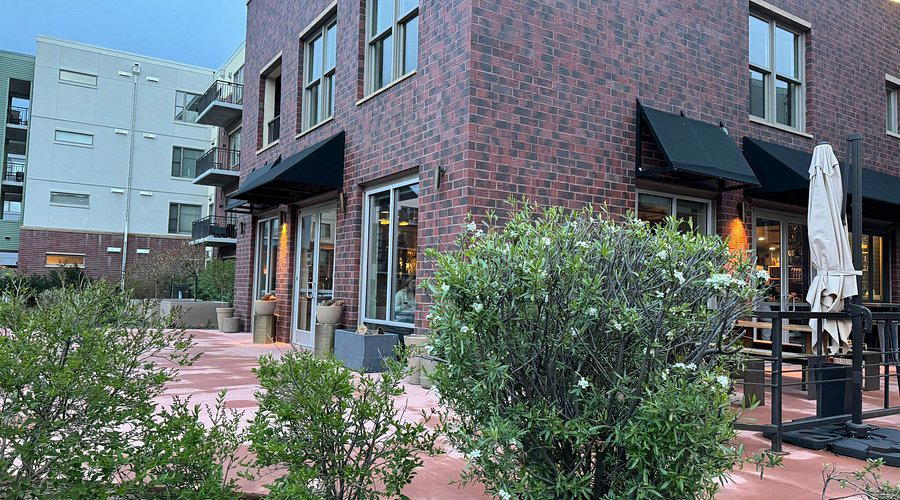
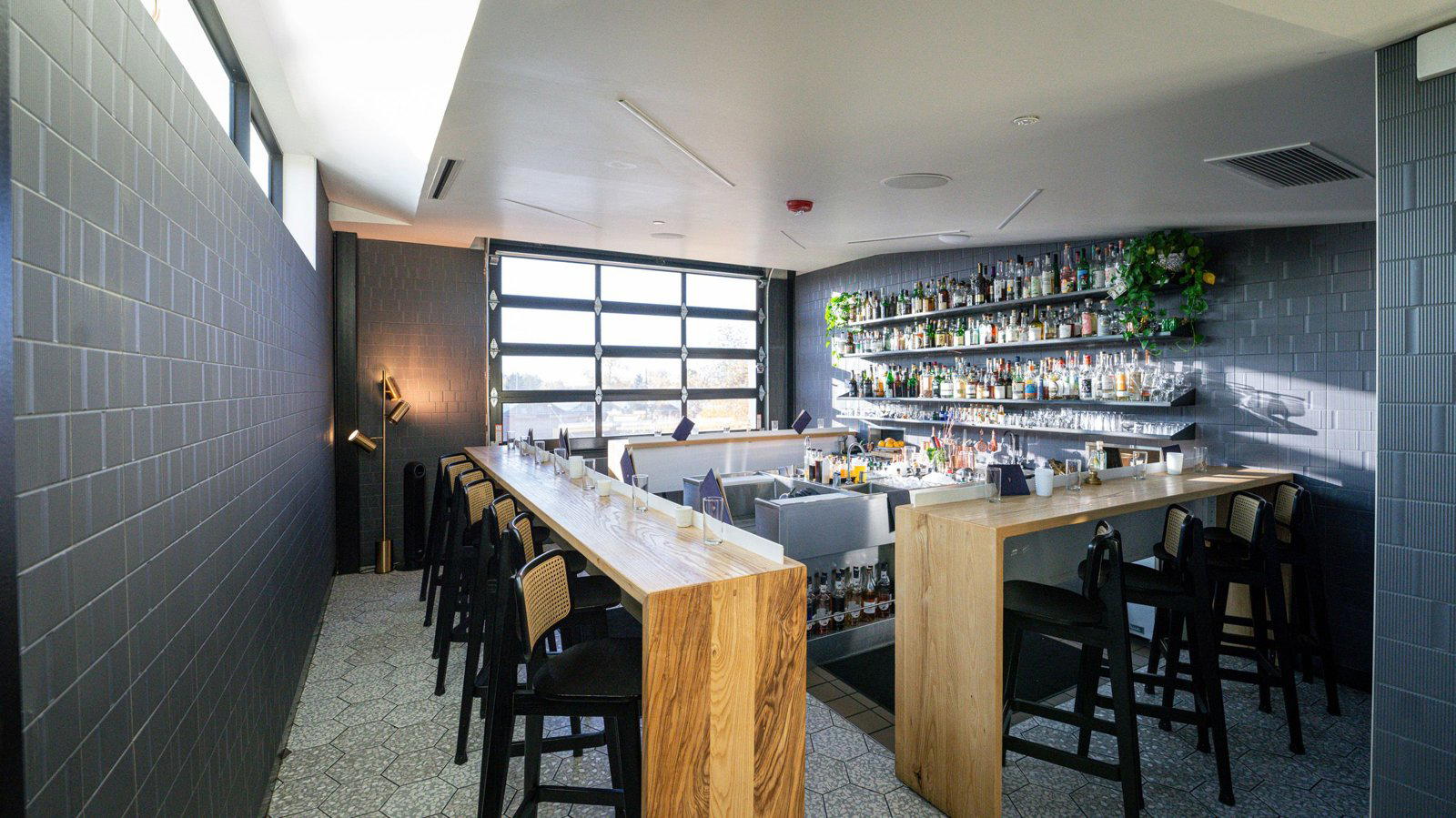
Bars in Boulder
All bars in Boulder →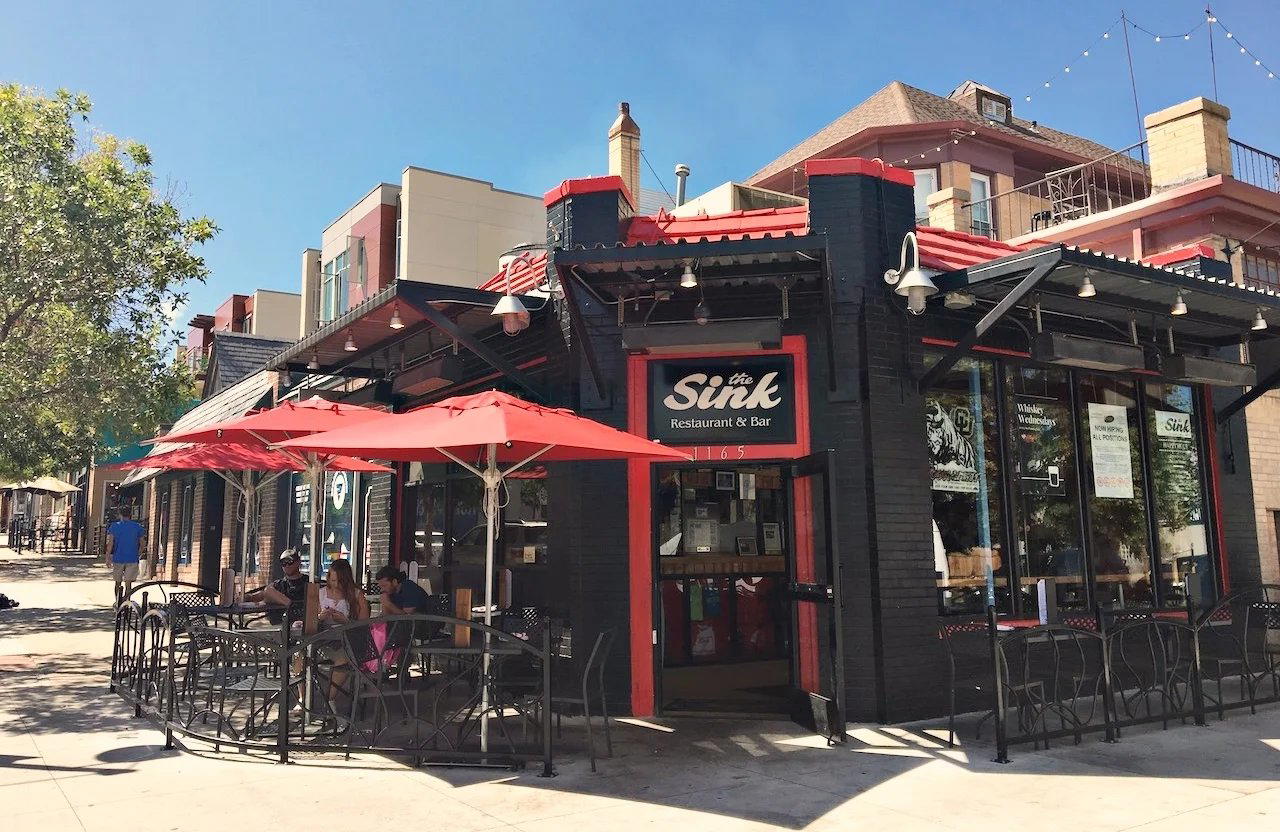
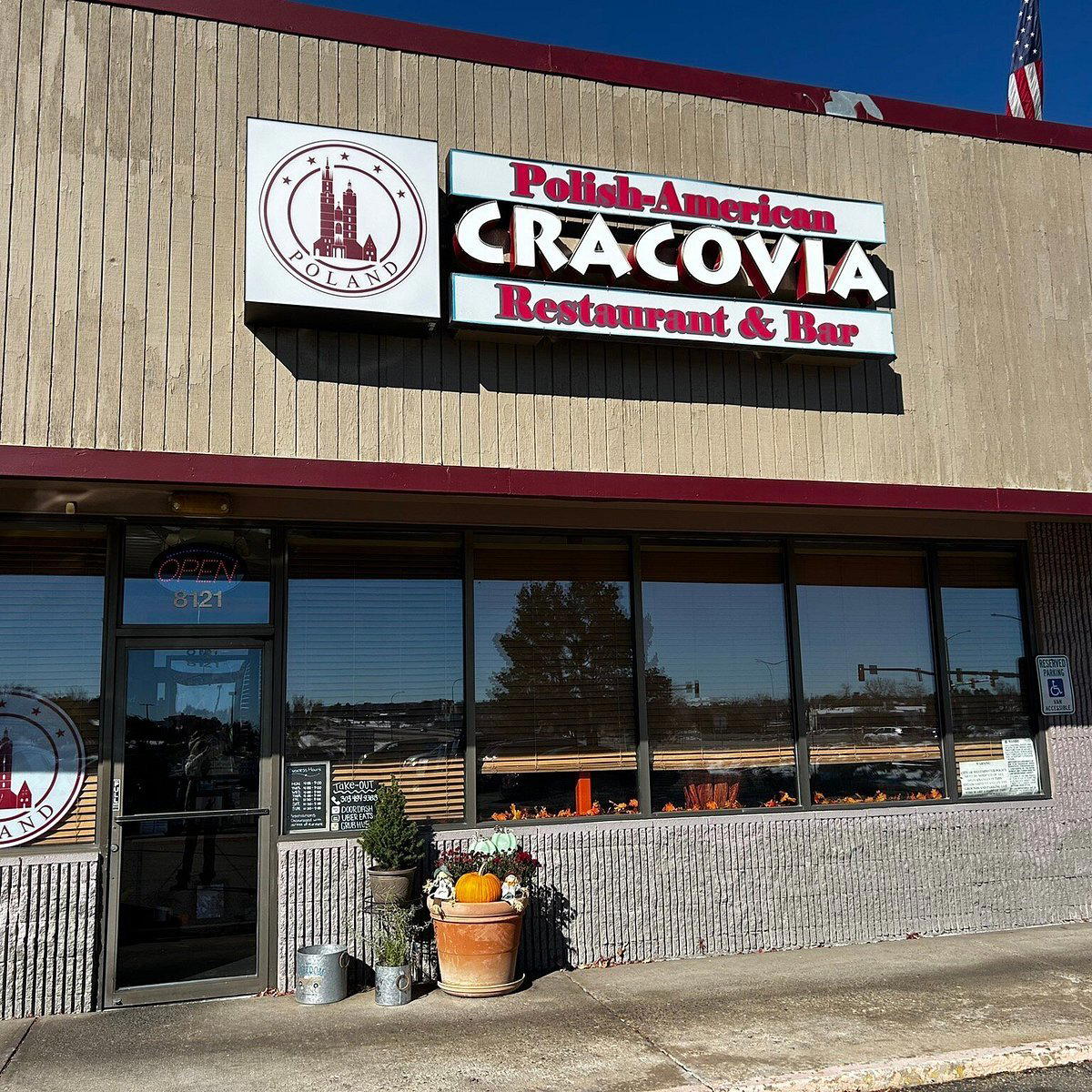



Casa Juani
The wine
- Wine program
- Deep wine list
- Extensive wine list
- Sommelier-led
- Craft cocktails
- Beer program
Details
- Elegant
- Modern
- Minimalist
- Sophisticated
- Lively
- Intimate
- Date Night
- Special Occasion
- Group Dining
- Business Dinner
- After Work
- Chefs Counter
- Open Kitchen
- Terrace
- Design Destination
- Standalone
- Extensive Wine List
- Craft Cocktails
- Beer Program
- Sommelier Led
- Sustainable Seafood
- Local Sourcing
- Street Scene
- A La Carte
- Small Plates
- Counter Dining
- Tasting Menu
- Wine
- Cocktails
- Beer
- Vermouth
- Pescatarian Friendly
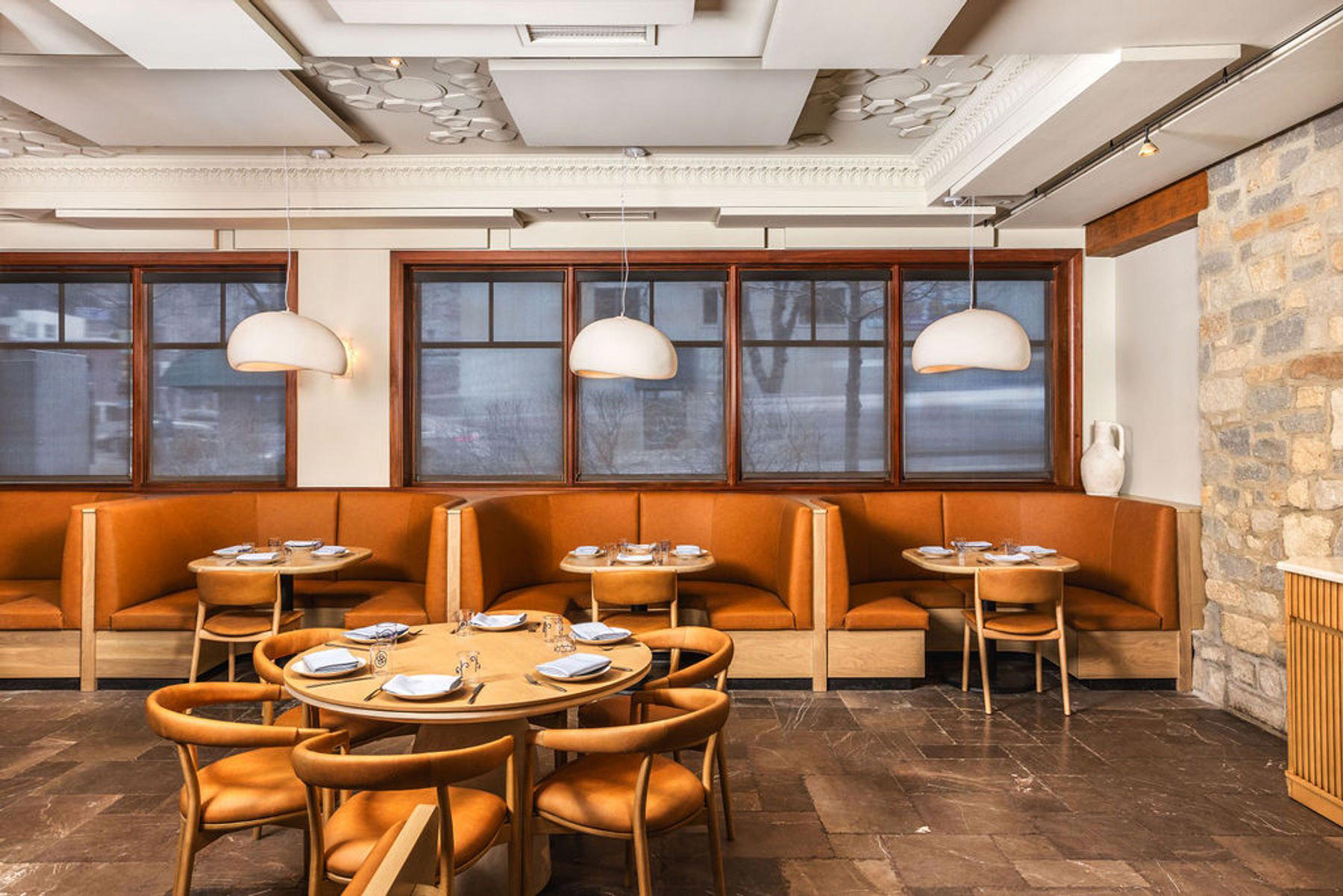
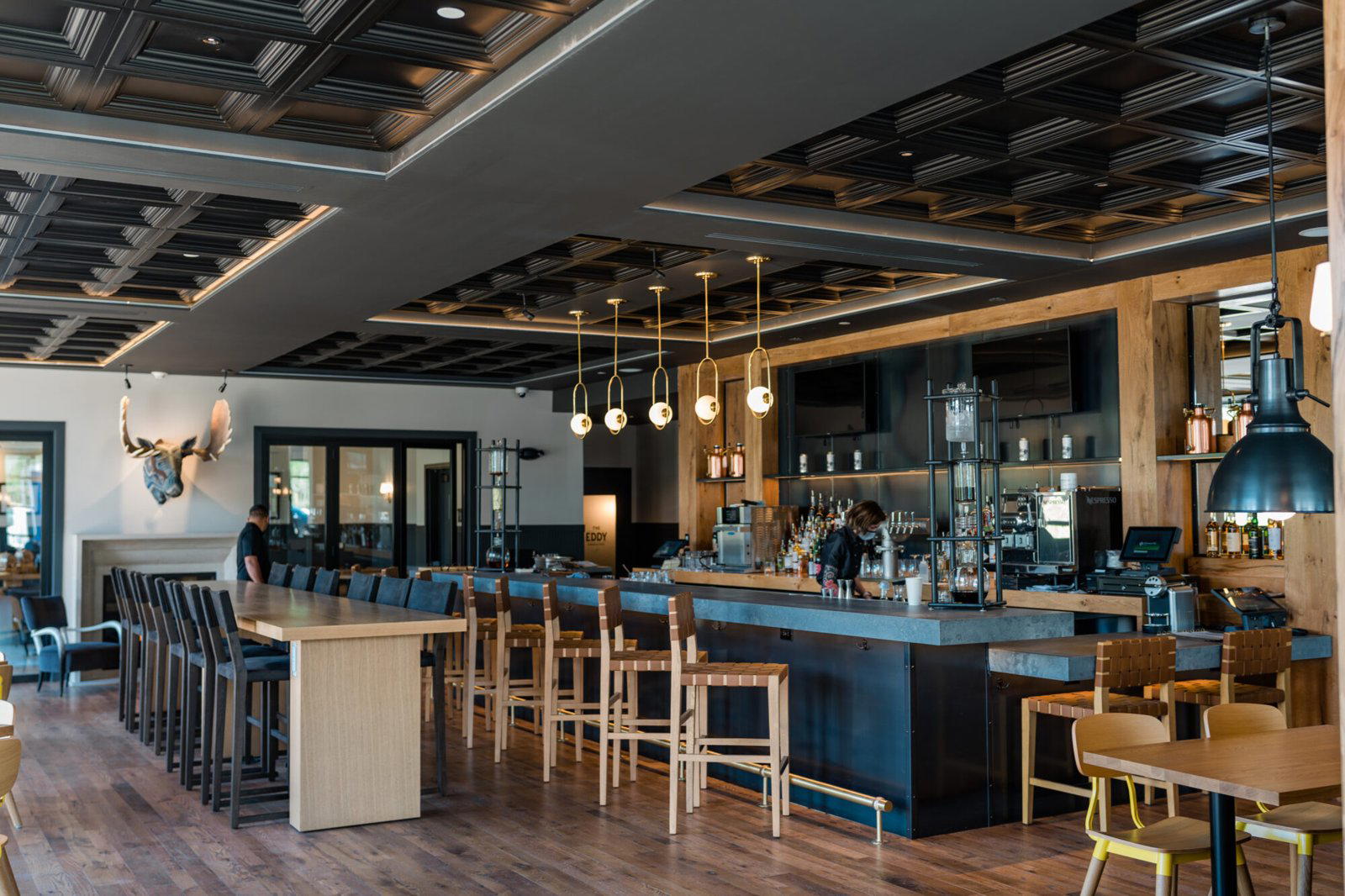
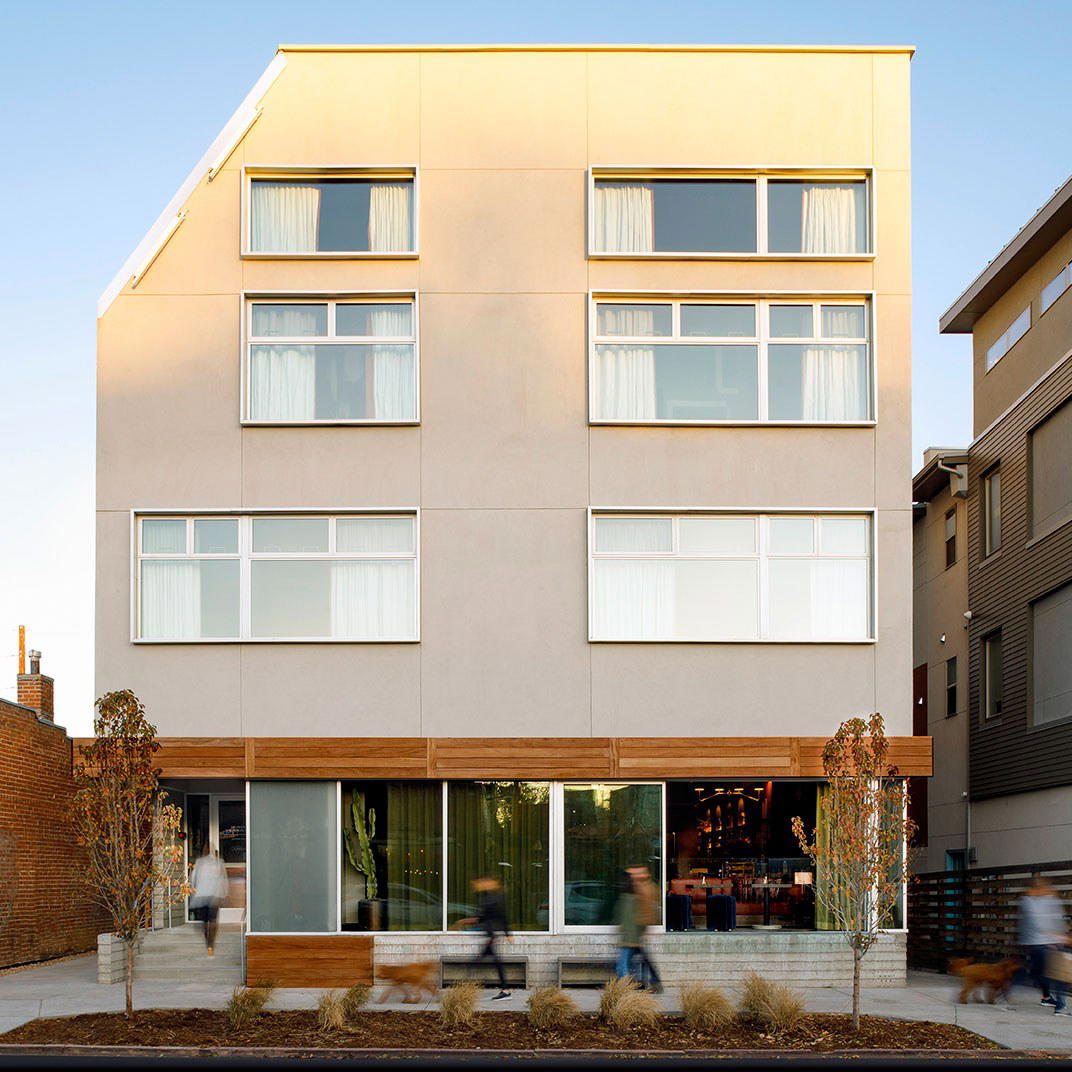
Mediterranean-minimalist and airy, with crisp white walls, light oak, blue and burnt-orange tile, and warm camel furnishings, combining an elegant yet welcoming feel that encourages lingering over tapas, seafood, and wine.