Carlo
Carlo brings fast-casual Italian to Houston with a focus on simplicity: few ingredients, careful sourcing, and formats that don't overcomplicate what Italian food does well. It sits in a different tier from the city's fine-dining Italian rooms, offering a more accessible entry point into the tradition without the ceremony. For the Houston diner who wants substance over spectacle, Carlo makes a credible case.

Pearl is the En Primeur Club membership app — saves, bookings, and concierge access live there. Same editors, same standards.
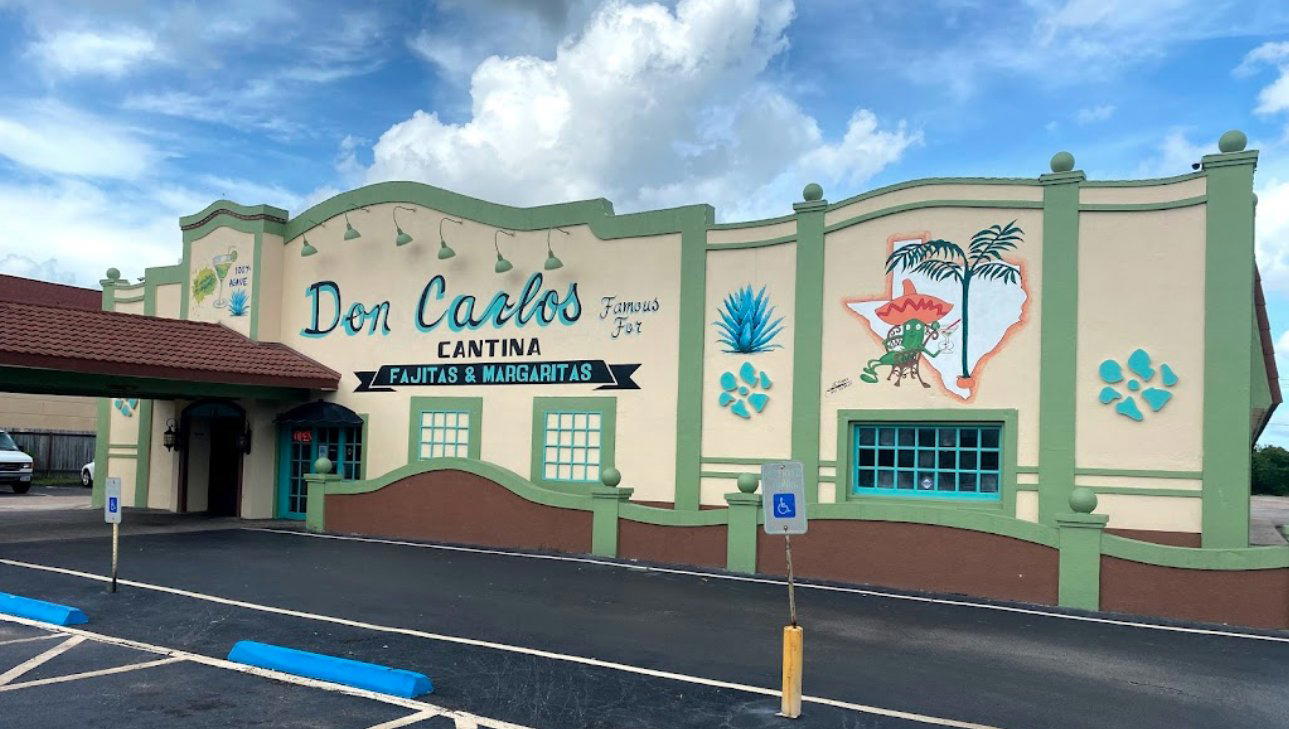
The Case for Less: Fast-Casual Italian in a City That Loves More
Houston's restaurant culture has long rewarded ambition and scale. The city's most-discussed tables tend toward elaborate tasting formats, multi-course architectural plates, and dining rooms that announce themselves. Against that backdrop, fast-casual Italian occupies an instructive counterposition. It asks whether the discipline of Italian cooking, the kind that insists a good tomato, proper pasta, and restraint with the pantry will always outperform complexity for its own sake, translates into a format stripped of ceremony. Carlo is one of Houston's answers to that question.
The fast-casual category in American cities has matured considerably over the past decade. Where it once meant speed at the expense of quality, a newer cohort of operators has used the format to argue the opposite: that removing tablecloths, prix-fixe structures, and extended service windows can actually sharpen focus on what ends up on the plate. Carlo sits within that cohort, applying an Italian sensibility to a format more commonly associated with burgers and grain bowls.
What Italian Simplicity Actually Means
The Italian principle that Carlo draws on is not minimalism as aesthetic trend. It is something older and more specific: the idea that cucina povera, the cooking of scarcity, produced durable and precise flavour combinations because it had no margin for error. Cacio e pepe works not despite having three ingredients but because of it. The same logic applies to a good ragù, a well-made arancino, or a pizza whose dough fermentation matters more than its topping count.
In a Houston dining scene where Italian references span everything from red-sauce American-Italian classics to the Venetian-influenced tasting menus at March, fast-casual Italian occupies its own distinct register. It is not competing with the white-tablecloth rooms on their terms. The comparison set is different: it sits closer to the city's more casual, ingredient-focused operations than to the formal Italian tradition. That positioning is a choice, and in Carlo's case it appears to be a considered one.
Houston's Broader Italian Context
Houston has developed a genuinely layered restaurant scene, with Italian cooking appearing across multiple price tiers and formats. The city's fine-dining end includes rooms that pull from specific Italian regional traditions, while the mid-market has attracted operators who blend Italian technique with Texas-sourced product. Fast-casual Italian is the least-represented tier, which gives Carlo a category position that is relatively clear of direct competition.
That said, Houston diners have high reference points. A city that supports the formal Spanish tradition at BCN Taste & Tradition, the French precision of Le Jardinier Houston, and the masa-focused depth of Tatemó is not a city easily impressed by format alone. Carlo has to deliver on the substance that Italian simplicity promises, not just invoke the philosophy.
The global Italian fast-casual tier has produced instructive comparisons. In cities from London to Sydney to New York, the formats that endured are those that treated sourcing and technique as non-negotiable even when ticket prices and service models compressed. Pasta made in-house, good olive oil used with intent, charcuterie from identifiable producers, these are the signals that separate a credible Italian fast-casual from one that uses the word Italian as branding shorthand.
Where Carlo Fits in the City's Price Architecture
Fast-casual pricing in Houston typically lands well below the city's mid-market sit-down tier. For context, comparison venues in Houston's casual-to-mid range, such as Nancy's Hustle and Theodore Rex, operate at the $$ to $$$ level with full service; fast-casual formats generally run lower. That price gap matters because it changes who the venue is competing for. Carlo is not trying to pull diners away from the city's $$$$ tasting rooms. It is addressing a different occasion: the weekday lunch, the quick dinner before something else, the moment when the full-service Italian meal is not the right call but quality still is.
The fine-dining rooms sell time, narrative, and service as much as food. The fast-casual tier sells the food itself, with speed as a feature rather than a compromise. Italian cooking, more than most traditions, holds up under that constraint, because its leading dishes do not depend on tableside theatre to work.
Planning Your Visit
Carlo is walk-in friendly and best suited to casual visits. Houston's fast-casual options generally do not require advance reservations, which makes same-day visits practical.
For readers interested in how Italian cooking performs at the other end of the formality spectrum, the Venetian tradition at March in Houston offers a useful counterpoint. Further afield, the Italian tradition in fine-dining form is represented at 8½ Otto e Mezzo Bombana in Hong Kong, while the broader European fine-dining context runs through rooms like Alain Ducasse's Louis XV in Monte Carlo. American fine dining benchmarks appear at Le Bernardin in New York City, The French Laundry in Napa, Alinea in Chicago, Lazy Bear in San Francisco, Single Thread Farm in Healdsburg, and Emeril's in New Orleans. Those comparisons are not a claim that Carlo belongs in that company; they are reference points for readers who move across dining formats and want their full map.
Houston's case for Italian simplicity is still being written. Carlo contributes a chapter that prioritises access and directness. That is not a consolation for missing the tasting-menu experience. It is a different argument about what Italian food is for, and in a city as food-literate as Houston, that argument deserves to be made well.
A Pricing-First Comparison
Comparable venues nearby, for context on price, style, and recognition.
| Venue | Cuisine | Price | Notes |
|---|---|---|---|
| CarloThis venue — the venue you are viewing | Tex-Mex | $$ | Not listed |
| La Mexicana | Montrose, Authentic Mexican & Tex-Mex | $$ | Not listed |
| Escalante's Fine Tex-Mex & Tequila - Meyerland | Meyerland, Fine Tex-Mex & Tequila | $$ | Not listed |
| Arnaldo Richards' Picos | Upper Kirby, Authentic Regional Mexican | $$ | Not listed |
| Irma's Southwest | Downtown, Upscale Tex-Mex with Wild Game | $$$ | Not listed |
| Graffiti | Not listed | $$$ | Montrose, Coastal Mexican-Mediterranean Raw Bar |
Continue exploring
More in Houston
Restaurants in Houston
Browse all →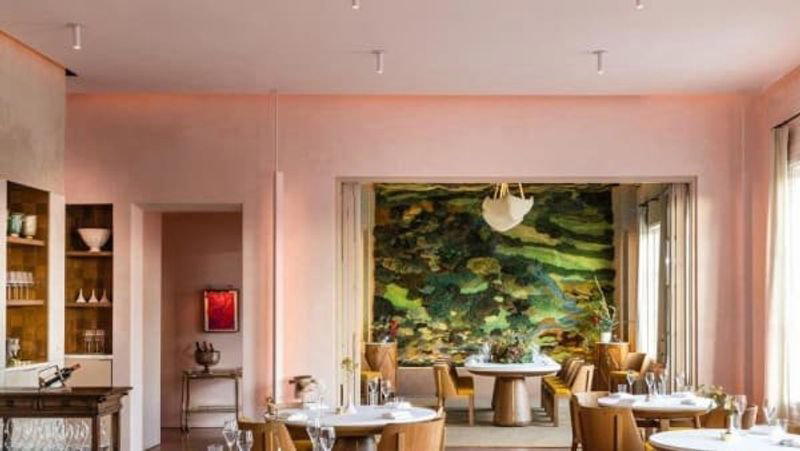
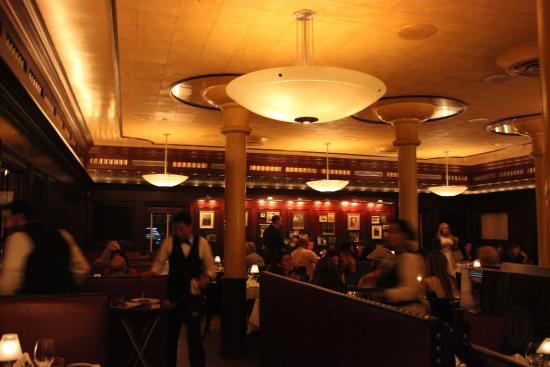
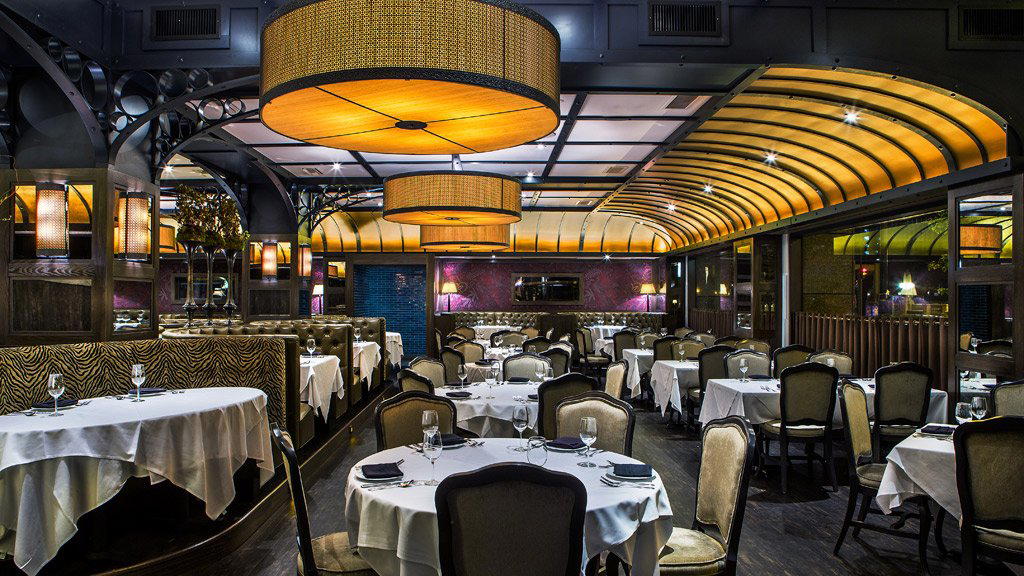
Bars in Houston
Browse all →
Hotels in Houston
Browse all →



Wineries in Houston
Browse all →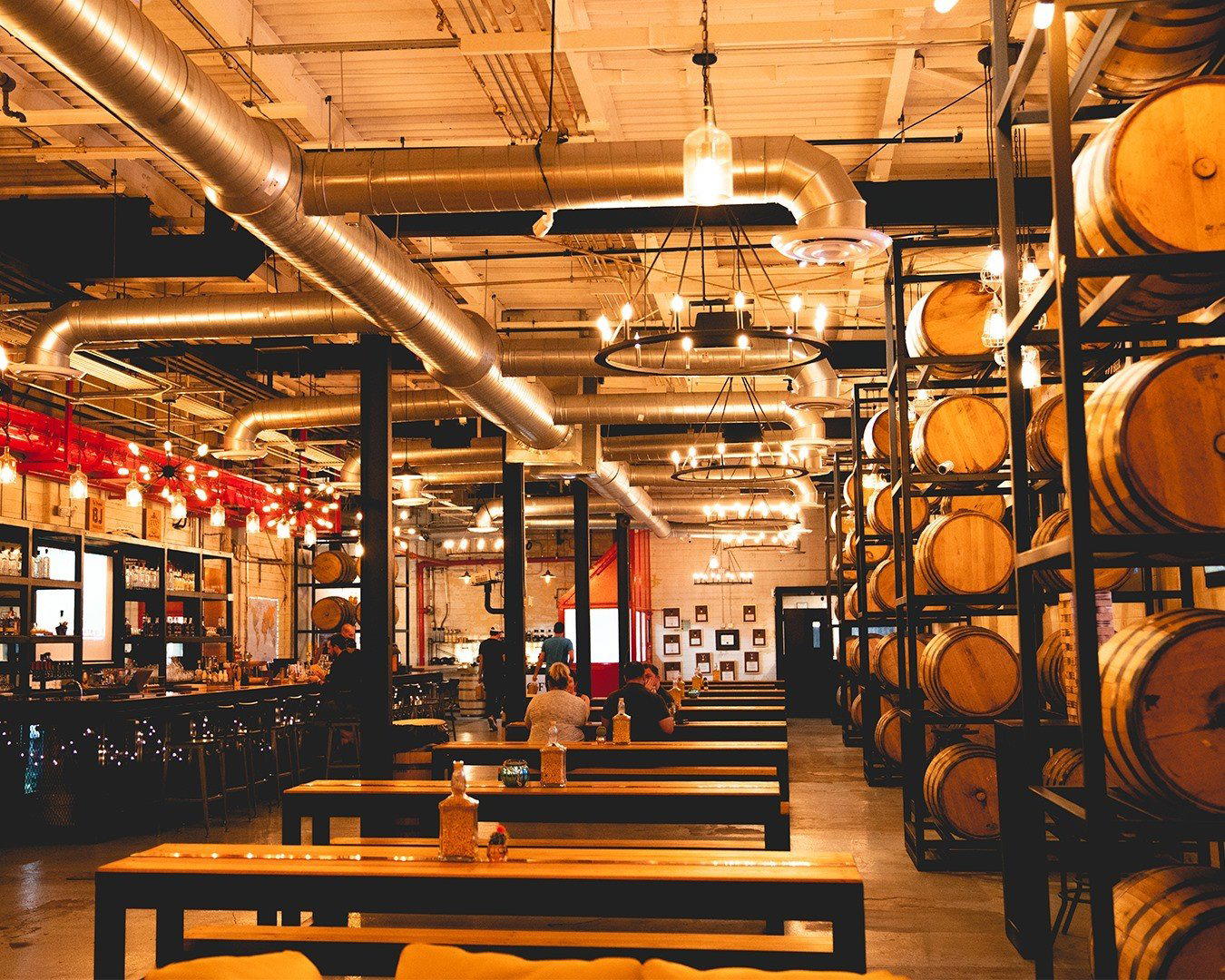
At a Glance
- Casual
- Lively
- Classic
- Family
- Group Dining
- Business Dinner
- Casual Hangout
- Beer Program
Casual dining atmosphere with Mexican decor; spacious with both intimate seating and bar area; some reviewers note decor could use updating but restaurant is clean and well-maintained.