Carbon County Steakhouse

A Broadway Avenue fixture in Red Lodge, Montana, Carbon County Steakhouse sits at the edge of the Beartooth range where ranching culture and serious beef cookery converge. The setting is Montana working-town rather than resort-town polish, and the menu draws from the kind of regional supply chain that defines the Northern Rockies cattle corridor. For visitors heading to or from Yellowstone, it serves as a useful indicator of what the local food economy actually produces.
Pearl is the En Primeur Club membership app — saves, bookings, and concierge access live there. Same editors, same standards.
- Address
- 121 Broadway Ave, Red Lodge, MT 59068
- Phone
- +1 406 446 4025
- Website
- carboncountysteakhouse.com
- Directions
- Get directions
 Saves & bookings on Pearl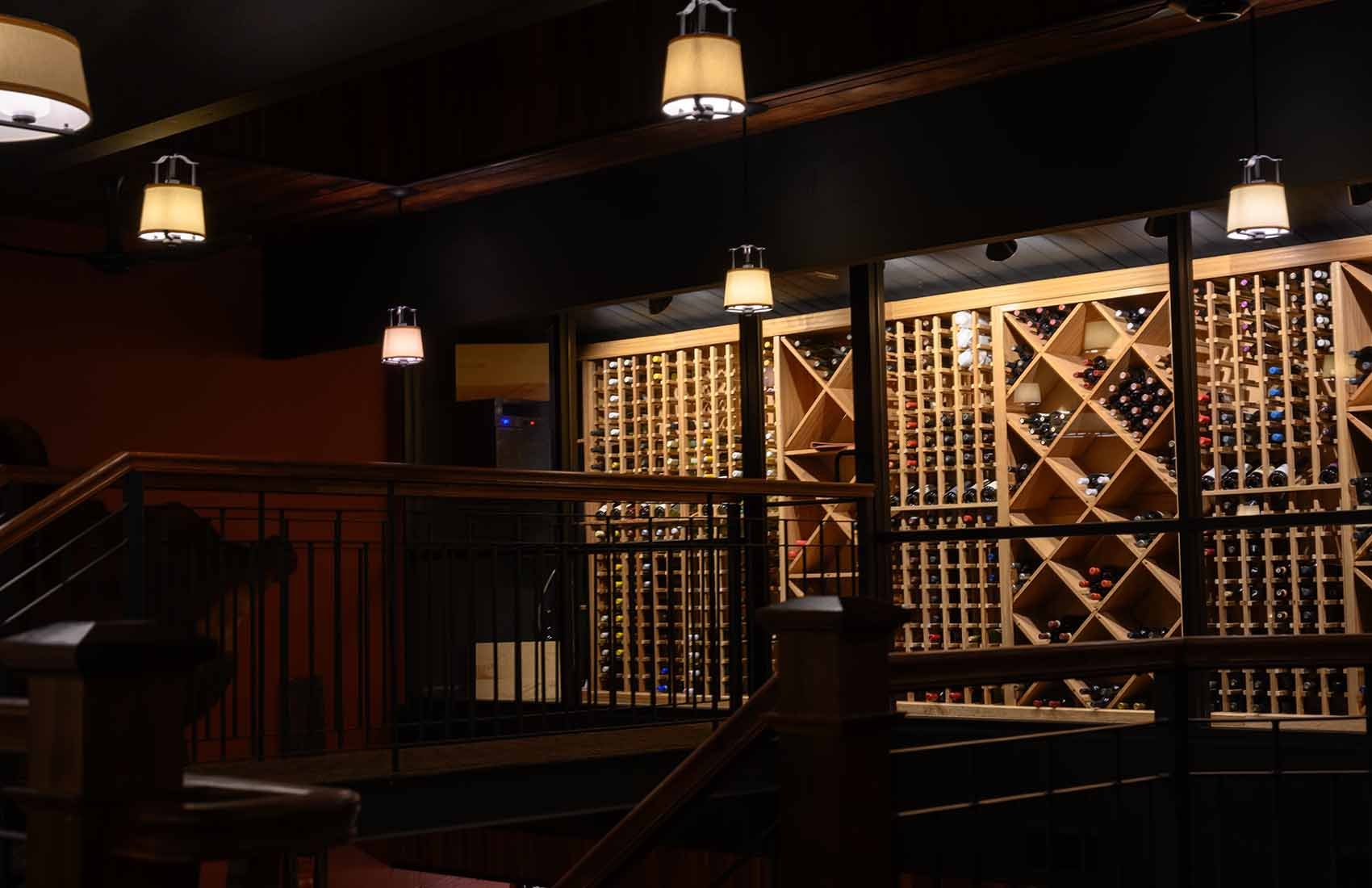
Where Ranching Country Meets the Plate
Red Lodge sits at the northern foot of the Beartooth Highway, one of the highest paved roads in the United States, and the town's character is shaped more by Carbon County's ranching past than by any resort ambition. Broadway Avenue, which runs through the commercial core, is lined with brick-fronted buildings that date to the coal and cattle economy of the late nineteenth century. Carbon County Steakhouse occupies a position at 121 Broadway Ave that places it squarely inside that working-town grain, rather than at the polished edge of the tourist trade. Arriving here, you are reading a room that answers to local ranchers and highway travellers in roughly equal measure, and that dual audience tends to keep kitchens honest.
The Northern Rockies Beef Corridor
The editorial argument for paying attention to a steakhouse in a town of around two thousand people rests on geography and supply chain rather than ceremony. Montana and Wyoming together run among the more significant cow-calf operations in the country. Carbon County itself is named for the coal seams beneath the Beartooth foothills, but its above-ground economy has long depended on grazing land. Cattle raised at elevation on native grass produce beef with a flavour profile that differs measurably from feedlot product: leaner, with more pronounced mineral notes and a firmer texture. That regional distinction is the reason sourcing matters here. Across the Northern Rockies, the steakhouses that earn consistent local patronage are the ones with reliable access to that supply chain, and proximity to the source is a meaningful credential in a way it is not in a landlocked city far from its protein supply.
This is the same logic that drives destination restaurants far outside the urban fine-dining axis to command serious attention. Operations like Single Thread Farm in Healdsburg and Blue Hill at Stone Barns in Tarrytown have built international reputations on the premise that proximity to the source changes the quality of what arrives on the plate. In Red Lodge, that proximity is structural rather than curated: the supply chain is not a marketing story, it is simply the local economy.
The Setting and What It Tells You
Montana steakhouse culture operates differently from the white-tablecloth beef formats you encounter in cities. There is no sommelier tier, no wagyu tasting progression, no theatrical aging display visible through glass. What you find instead is a format calibrated to the population that actually lives and works in the region: portions sized for people who have spent time outdoors, a room that functions as a genuine community dining space, and a price register that reflects local wages rather than urban luxury positioning. That is not a limitation; it is a different set of values made physical. For visitors arriving from destinations like The French Laundry in Napa or Le Bernardin in New York City, the contrast is instructive rather than disappointing.
Regional steakhouse formats across the Mountain West tend to share a few structural features: a menu that does not overcomplicate the protein, a drinks list weighted toward American whiskey and domestic beer, and a room that prioritises function over design gesture. Frasca Food and Wine in Boulder and The Wolf's Tailor in Denver represent the more technically ambitious end of Rocky Mountain dining, but Carbon County's format sits in a different register entirely, one where the quality signal is the sourcing and the cooking tradition rather than the technique.
Sourcing as the Primary Credential
In a county where ranching is the dominant land use, the question of where a steakhouse sources its beef is less abstract than it sounds. Local supply relationships built over years produce consistency that a spot-market buyer cannot replicate. The ranches supplying Carbon County's food economy operate at a scale that makes direct-to-table supply viable in a way that is structurally unavailable to urban restaurants operating at volume. This is the inverse of the farm-to-table marketing that urban restaurants employ as a differentiator: here, regional sourcing is the default, and the departure would be choosing commodity product instead.
That structural reality positions a place like Carbon County Steakhouse within a broader national conversation about ingredient provenance that tends to centre on coastal fine-dining operations. Restaurants such as Providence in Los Angeles, Lazy Bear in San Francisco, and Smyth in Chicago treat sourcing as a philosophical position backed by named farms and seasonal adjustment. In Red Lodge, the same outcome arrives through proximity and habit rather than curation. Both routes produce the same result: the gap between the land and the plate is short.
Placing Carbon County in the Wider Region
Red Lodge functions as a gateway in two directions. Northward toward Billings and the broader Montana plains; southward via the Beartooth Highway into Wyoming and the Yellowstone ecosystem. Visitors spending time in that corridor often use the town as an overnight stop or a staging point before the highway climb. The practical consequence is that Carbon County Steakhouse draws a cross-section of travellers with different reference points, from ranching families who have eaten here for years to visitors whose dining context is set by restaurants like Addison in San Diego or The Inn at Little Washington. That range of expectations tests a kitchen in a useful way.
For a broader orientation to eating and drinking in the area, our full Red Lodge restaurants guide maps the town's options across formats and price points. Elsewhere in the Mountain West and beyond, operations representing different points on the sourcing-and-technique spectrum include Bacchanalia in Atlanta, Oyster Oyster in Washington D.C., ITAMAE in Miami, Atomix in New York City, Emeril's in New Orleans, and Atelier Moessmer Norbert Niederkofler in Brunico.
Planning Your Visit
Carbon County Steakhouse is located at 121 Broadway Ave in Red Lodge, Montana 59068. Red Lodge is approximately two hours southwest of Billings by car, and the Beartooth Highway approach from the south is seasonally closed in winter, typically from October through late May, which concentrates visitor traffic into the summer and early autumn months. Those planning a Beartooth corridor itinerary should account for the highway's seasonal availability when timing a visit.
How It Stacks Up
Comparable venues nearby, for context on price, style, and recognition.
| Venue | Cuisine | Price | Notes |
|---|---|---|---|
| Carbon County SteakhouseThis venue — the venue you are viewing | Modern-Western Steakhouse | $$$$ | Not listed |
| Willows Restaurant | American | $$$$ | Glasgow |
| Carverss Brazilian Steakhouse | Brazilian Churrascaria | $$$$ | Billings |
| Horn and Cantle at Lone Mountain Ranch | Rustic Montana Farm-to-Table Steakhouse | $$$$ | Big Sky |
| Bin 119 | French-Italian Bistro | $$$ | Downtown Billings |
| The Mint Bar and Grill | American Bar & Grill | $$ | downtown |
Recognition history
Dated appearances from independent guides and award organizations, with the underlying list record or original source where available.
Wine Spectator Award of Excellence
Wine Spectator
At a Glance
- Romantic
- Elegant
- Rustic
- Classic
- Sophisticated
- Date Night
- Special Occasion
- Celebration
- Business Dinner
- Group Dining
- Standalone
- Terrace
- Extensive Wine List
- Craft Cocktails
- Sommelier Led
- Local Sourcing
- Farm To Table
Current opening hours
- Monday
- Closed
- Tuesday
- Closed
- Wednesday
- 4:30–8 PM
- Thursday
- 4:30–8 PM
- Friday
- 4:30–8:30 PM
- Saturday
- 4:30–8:30 PM
- Sunday
- 4:30–8 PM
Hours can change for holidays and private events. Last verified .
Modern-western atmosphere reminiscent of an old-time barroom with warm, inviting lighting and a blend of rustic cowboy heritage and upscale contemporary design; intimate booth seating and multi-level dining areas create an elegant yet comfortable setting.