Cantina
Cantina sits on East Paris Avenue in the southeastern part of Grand Rapids, a city whose restaurant scene has matured considerably over the past decade. With growing interest in sourcing-conscious cooking across the Midwest, the venue occupies a position that rewards readers curious about where responsible dining practice meets everyday neighbourhood eating in western Michigan.
Pearl is the En Primeur Club membership app — saves, bookings, and concierge access live there. Same editors, same standards.
- Address
- 2770 E Paris Ave SE, Grand Rapids, MI 49546
- Phone
- +16169499120
- Website
- cantinamexicangrill.biz
- Directions
- Get directions
 Saves & bookings on Pearl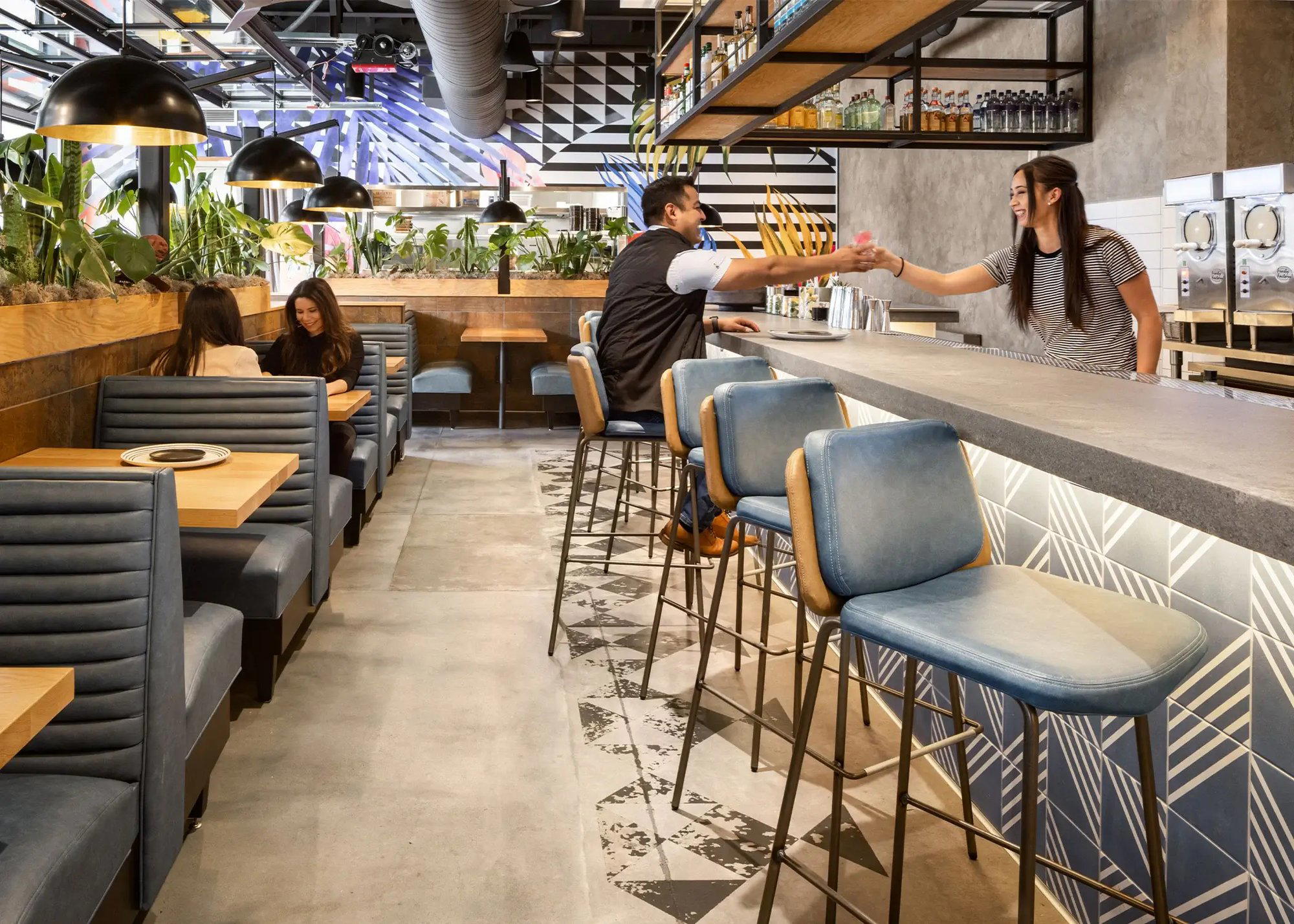
East Paris Avenue and the Quiet Shift in Grand Rapids Dining
The southeastern stretch of Grand Rapids does not announce itself the way the downtown corridor does. East Paris Avenue is a working commercial strip, the kind where restaurants earn their following through consistency rather than location prestige. It is also, increasingly, where the city's more considered dining operators have chosen to put down roots, away from the foot-traffic dependency of the urban core. Cantina is a restaurant serving Classic Mexican Grill at 2770 E Paris Ave SE, Grand Rapids, MI 49546, and it belongs to that quieter geography, where the address alone signals something about what the room is likely to prioritise.
Grand Rapids has undergone a sustained transition over the past fifteen years, from a mid-sized Midwestern city with a serviceable but unremarkable food scene into one that draws genuine regional attention. That shift has not been uniform. One interesting development has been the rise of neighbourhood-anchored restaurants that draw from the agricultural depth of western Michigan rather than simply importing trends from Chicago or Detroit. The result is a city where dining out carries a different texture depending on whether you stay downtown or follow East Paris south.
Sourcing-Conscious Cooking in the Midwest Context
Across the United States, the restaurants that have most durably built reputations around ethical sourcing tend to fall into two camps: the high-visibility, tasting-menu format associated with places like Blue Hill at Stone Barns in Tarrytown or Single Thread Farm in Healdsburg, and the lower-key neighbourhood operations that apply similar principles without the ceremony. The latter category is harder to write about, because the rigour is in the supply chain rather than the spectacle, but it tends to produce more consistent day-to-day cooking.
Michigan's position within that broader movement is underappreciated. The state sits at the intersection of serious agricultural production, including fruit, vegetable, and grain farming across the Lower Peninsula, and a regional food-processing culture that has historically prioritised volume over provenance. The restaurants pushing against that default are doing so in a context where local sourcing is genuinely available rather than aspirational. That matters: a kitchen that can source regionally without extraordinary effort tends to build more stable, waste-conscious menus than one that must fight logistics to do so.
This is the frame through which Cantina reads most usefully. A venue on East Paris Avenue, operating in a city with meaningful agricultural access and a restaurant community that has grown more intentional about where ingredients come from, sits in a specific regional tradition. The question for any such restaurant is whether the sourcing philosophy reaches the plate or remains a back-of-house talking point.
Waste Reduction as a Kitchen Discipline
The sustainability conversation in restaurant dining has moved well beyond provenance. Procurement is now only one part of a broader set of practices that serious kitchens address, including portion design, fermentation and preservation as a response to seasonal surplus, composting programmes, and energy-use discipline. Operations in cities like San Francisco, where Lazy Bear has built a reputation around format-led intention, or Chicago, where Smyth applies farm-to-kitchen rigour at a high level, have demonstrated that waste reduction is as much a creative constraint as a moral one. Menus built around whole-animal use or seasonal preservation tend to produce more interesting cooking than those assembled from the same centre-cut proteins year-round.
Grand Rapids kitchens working in this direction operate without the audience infrastructure of those coastal programmes, which means the discipline tends to be quieter and less documented. That is not a disadvantage. Restaurants that develop sustainability practices without press pressure to do so are typically more consistent in maintaining them.
Where Cantina Sits in the Grand Rapids comparable set
Grand Rapids has a number of restaurants worth tracking across different price points and formats. Downtown, Bistro Bella Vita operates in the European-influenced fine dining register. Blue Water and Bobarino's represent different ends of the neighbourhood restaurant spectrum. Further along the lake corridor, 1001 Lake Dr SE and 1345 Lake Dr SE anchor a strip with its own character. Against this set, the East Paris Avenue location places Cantina in a part of the city that serves a more residential, less transient dining public. That audience tends to reward regularity and value over novelty.
The name itself, Cantina, carries associations that span from Mexican-American regional cooking to casual European tavern formats, and without confirmed cuisine type in the public record, reading the room from the name alone is an exercise in projection. What the address and city context do confirm is that the venue operates in a mid-density suburban node with a dining public that skews local rather than destination-seeking. Restaurants in that position succeed by building a neighbourhood compact: reliable execution, accessible pricing, and a menu that changes in response to what is actually in season rather than what reads well on a printed card.
For readers planning a broader Grand Rapids itinerary, our full Grand Rapids restaurants guide maps the city's dining geography in more detail, from the downtown fine dining tier to the neighbourhood operators that define day-to-day eating in the city. Nationally, the conversation around sourcing-conscious Midwestern cooking is beginning to catch up with what operations like Providence in Los Angeles, Addison in San Diego, Le Bernardin in New York City, and The French Laundry in Napa have demonstrated at higher price points: that intention in the supply chain produces a different category of dining experience, regardless of format. Venues like Atomix in New York City, Atelier Moessmer Norbert Niederkofler in Brunico, and Emeril's in New Orleans, and The Inn at Little Washington have each, in their own way, made that argument at scale. Grand Rapids is making it at a neighbourhood level, and that is its own kind of contribution.
Planning Your Visit
Cantina is located at 2770 E Paris Ave SE, Grand Rapids, MI 49546, in the southeastern quarter of the city. The area is best reached by car, as public transit options along this stretch are limited. Cantina is walk-in friendly and open Mon: 11 AM-10 PM; Tue: 11 AM-10 PM; Wed: 11 AM-10 PM; Thu: 11 AM-10 PM; Fri: 11 AM-2 AM; Sat: 11 AM-2 AM; Sun: 12-9 PM, with a price tier that sits around $20 per person.
Cuisine Lens
Comparable venues nearby, for context on price, style, and recognition.
| Venue | Cuisine | Price | Notes |
|---|---|---|---|
| CantinaThis venue — the venue you are viewing | Classic Mexican Grill | $$ | Not listed |
| Donkey Taqueria | Authentic Mexican Taqueria | $$ | Wealthy Street |
| Harmony Brewing Company | American Brew Pub with Wood-Fired Pizzas | $$ | Eastown |
| Maru Sushi & Grill | Japanese Fusion Sushi & Grill | $$ | Eastown |
| Martha's Pizza | Gourmet Thin Crust Pizza | $$ | Heritage Hill |
| Blue Water | American Lakeside Grill | $$ | North Beltline |
Continue exploring
More in Grand Rapids
Restaurants in Grand Rapids
Browse all →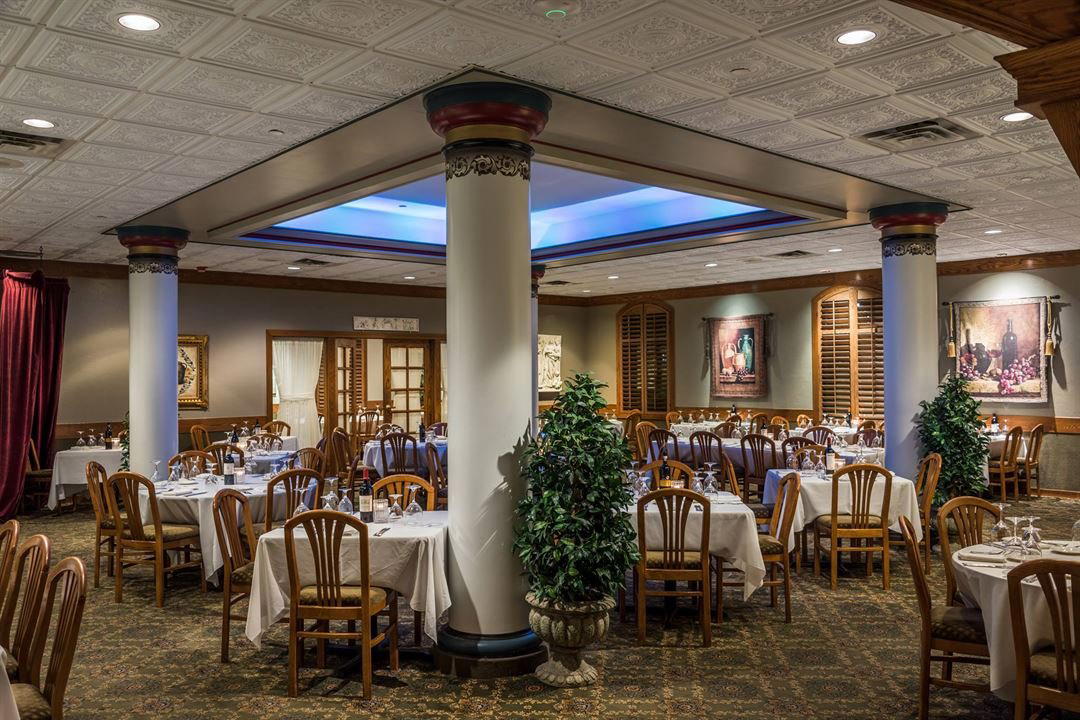
Bars in Grand Rapids
Browse all →


At a Glance
- Lively
- Cozy
- Casual Hangout
- Family
- Group Dining
- Business Dinner
- Open Kitchen
- Craft Cocktails
- Beer Program
Current opening hours
- Monday
- 11 AM–10 PM
- Tuesday
- 11 AM–10 PM
- Wednesday
- 11 AM–10 PM
- Thursday
- 11 AM–10 PM
- Friday
- 11 AM–2 AM
- Saturday
- 11 AM–2 AM
- Sunday
- 12–9 PM
Hours can change for holidays and private events. Last verified .
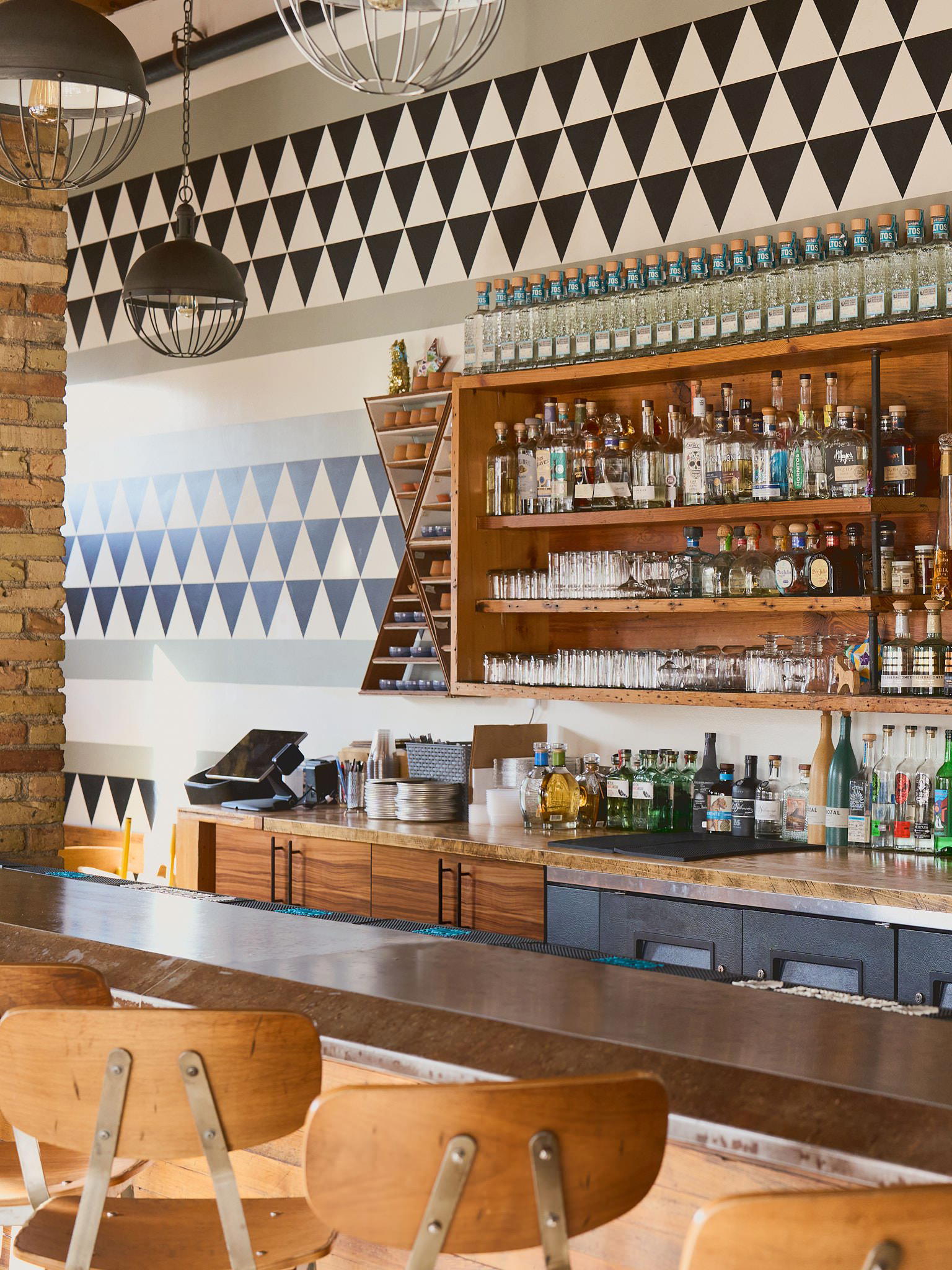
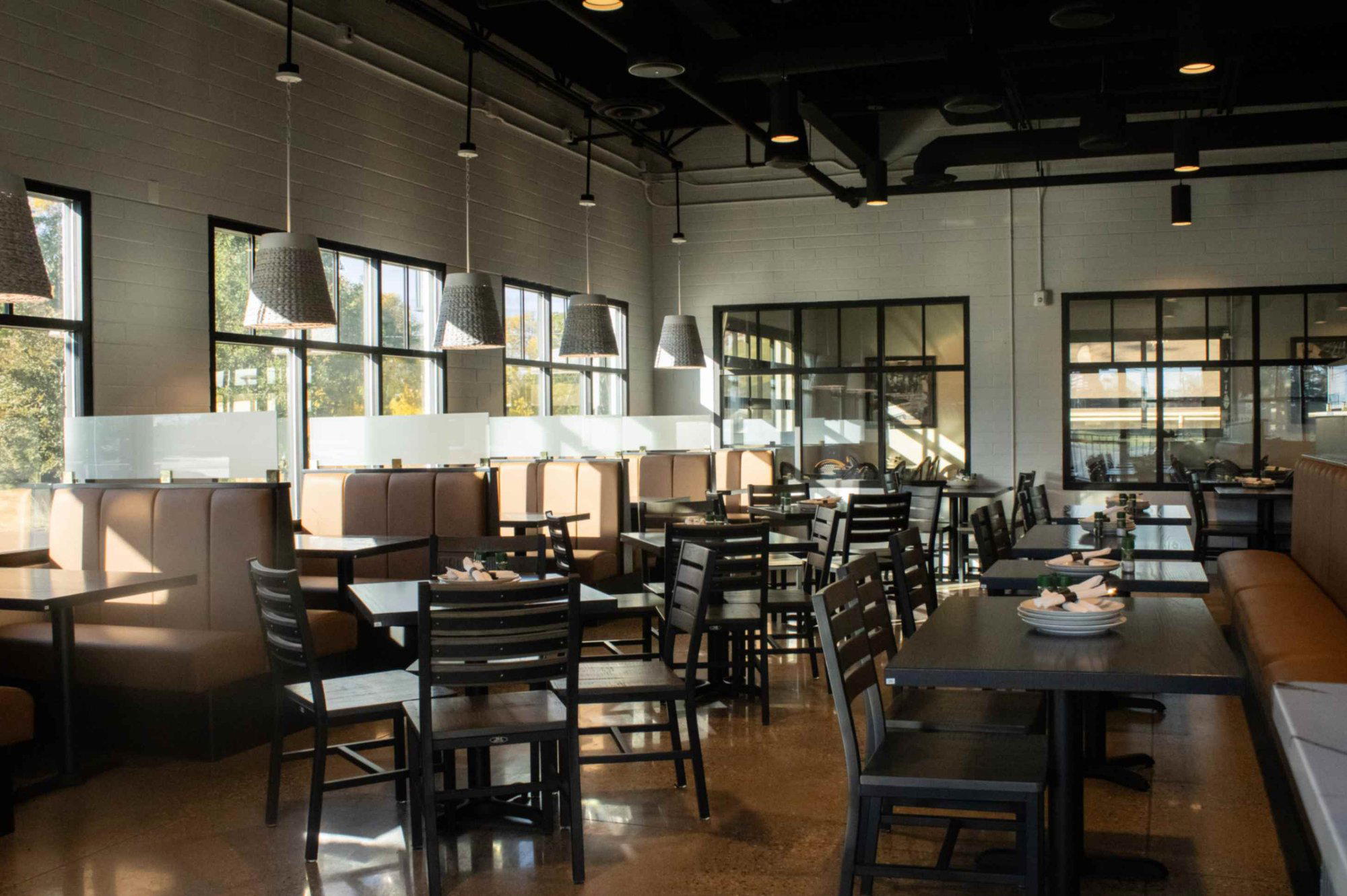
Homey and welcoming with fun, authentic Mexican atmosphere, nicely decorated dining room, and a bit dark.