Maru Sushi & Grill
On Cherry Street SE in Grand Rapids, Maru Sushi & Grill occupies a segment of the city's dining scene where Japanese technique meets Midwestern ingredient availability. Positioned alongside a growing corridor of independent restaurants, it draws a crowd that expects more from a sushi counter than grocery-store rolls. The address alone places it in a neighborhood that has quietly developed genuine culinary range over the past decade.
Pearl is the En Primeur Club membership app — saves, bookings, and concierge access live there. Same editors, same standards.
- Address
- 927 Cherry St SE, Grand Rapids, MI 49506
- Phone
- +1 616 458 1900
- Website
- marusushi.com
- Directions
- Get directions
 Saves & bookings on Pearl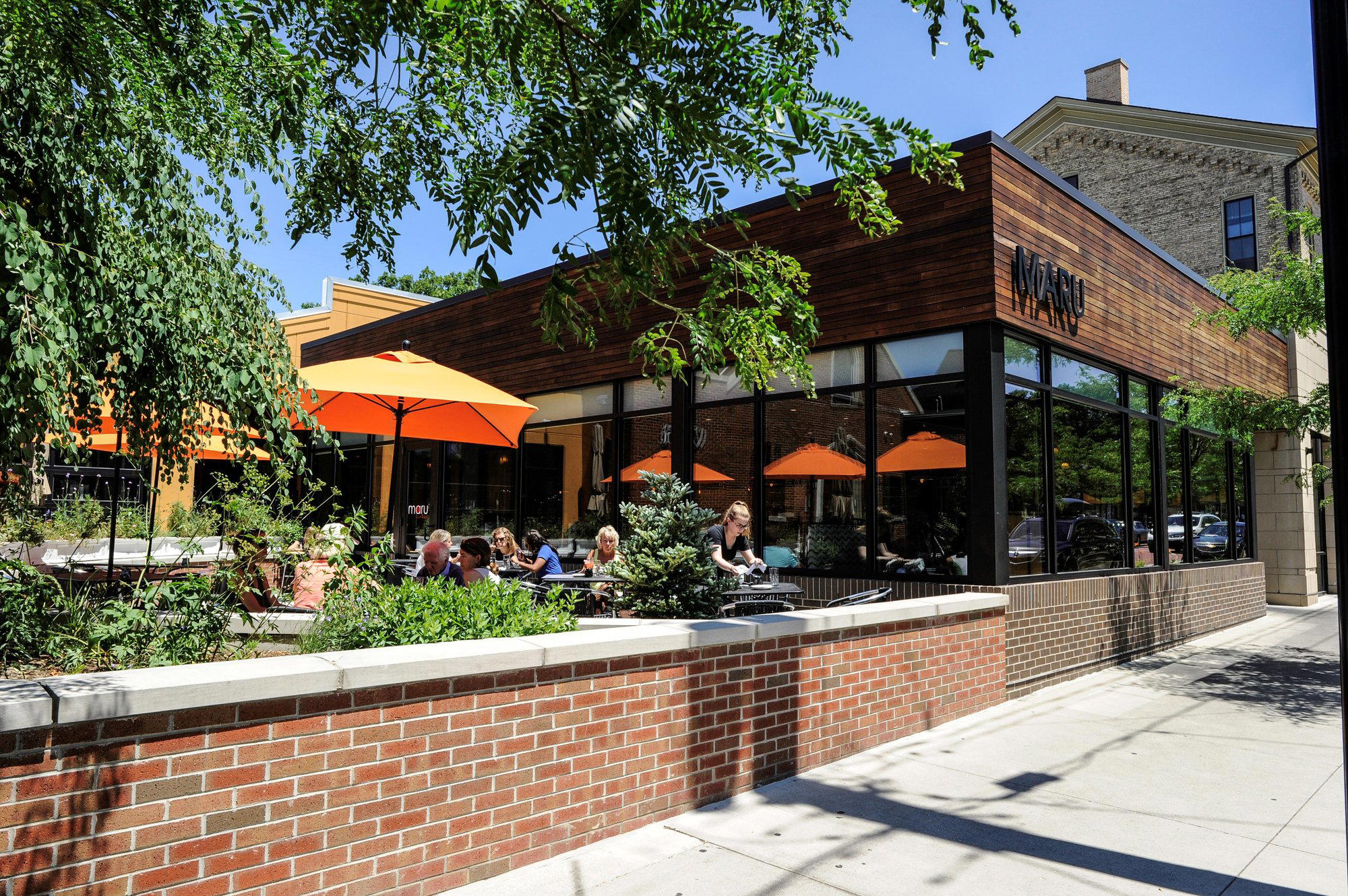
Cherry Street and the Slow Build of Grand Rapids Dining
Grand Rapids has spent the better part of fifteen years assembling a dining scene that no longer needs to apologize for its geography. The city sits far enough from Chicago and Detroit to have developed its own rhythms, and the Cherry Street corridor on the southeast side reflects that independence more clearly than most stretches. Independent operators dominate here, and the clientele tends to be locally loyal rather than tourist-driven. Maru Sushi & Grill at 927 Cherry St SE fits that pattern: a neighborhood-scale Japanese concept in a city where the category has historically been thin on ambition.
The broader American sushi market has fragmented sharply over the past decade. At one end, high-volume conveyor and combination-plate operations serve a price-sensitive mass market. At the other, destination omakase counters have absorbed the premium dollar. Operations like Atomix in New York City or the coastal fine-dining tier represented by Providence in Los Angeles and Le Bernardin in New York City sit in a stratosphere that a mid-sized Midwestern city cannot sustain at volume. What cities like Grand Rapids can sustain is the middle tier: a serious independent that sources with care, executes with consistency, and prices for a local market. Maru occupies that space on Cherry Street.
The Sustainability Question in Midwest Japanese Dining
Any honest assessment of sushi in inland American cities has to reckon with the supply chain. The pressing sustainability challenge for Japanese-style seafood programs is not composting or energy use, it is the distance and environmental cost of sourcing ocean fish to a landlocked Midwestern address. The Great Lakes region offers some partial answers: freshwater fish from regional sources can supplement a menu that might otherwise rely entirely on long-haul refrigerated freight from coastal docks or international air cargo.
This is the conversation happening across the responsible end of the American sushi industry. Restaurants at the level of Single Thread Farm in Healdsburg and Blue Hill at Stone Barns in Tarrytown have built entire identities around traceable, place-specific sourcing. The model does not translate directly to a sushi and grill format in Grand Rapids, but the directional pressure from sustainability-conscious diners is reaching every tier of the market, not just the destination-dining tier. Operators who can demonstrate regional sourcing, reduced waste protocols, or relationships with smaller domestic fisheries increasingly hold a credibility advantage with the demographic that makes up the Cherry Street dining base.
In that context, a sushi and grill format, as opposed to a pure omakase counter, carries structural advantages. A grill component broadens the menu's ingredient base beyond ocean fish, opening room for regionally sourced proteins and local produce. Michigan agriculture is genuinely strong: the state ranks among the more agriculturally diverse in the country, and the growing season, while compressed, produces ingredients that can anchor the non-seafood side of a Japanese-American hybrid menu through late spring to early autumn.
How Maru Sits in the Grand Rapids Competitive Field
The Cherry Street corridor houses independent operators across several categories. Bistro Bella Vita represents the upscale Italian end of the neighborhood's range, while concepts like Bobarino's and nearby addresses including 1001 Lake Dr SE and 1345 Lake Dr SE fill out a varied independent roster. Blue Water adds a seafood-focused option to the area's mix. Maru's Japanese positioning makes it categorically distinct within this group rather than directly competitive with its neighbors, a useful position in a corridor where differentiation drives repeat visits.
The sushi and grill designation signals a format decision with real implications for who walks through the door. Pure sushi counters in American cities outside the major coastal markets typically struggle to build sufficient volume at premium price points. The grill component broadens appeal to tables with mixed preferences, makes the kitchen more versatile across seasonal availability, and creates a check average that can sustain the operation through slower periods. This is a pragmatic market read, not a compromise. Some of the more respected mid-tier Japanese restaurants in inland American cities have built durable businesses on exactly this hybrid model.
Planning a Visit: What the Address Tells You
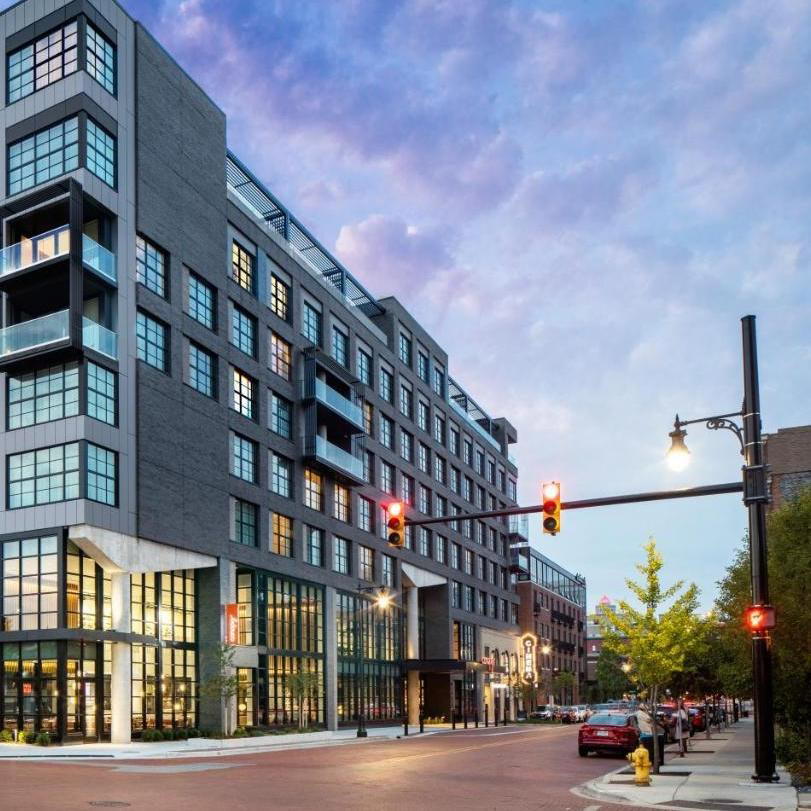
Cherry Street SE runs through the East Hills neighborhood, a district that has gentrified steadily without losing its residential character. The street is walkable from several adjacent neighborhoods and accessible by car with street parking that, by urban standards, remains manageable outside peak Friday and Saturday windows. For visitors using Grand Rapids as a base while exploring the wider region, the area sits close enough to the downtown core to combine with a wider evening itinerary. Those comparing Grand Rapids to other Midwestern dining stops might find useful context in Smyth in Chicago, which represents the upper ceiling of what the region's independent fine-dining tier can achieve, and illustrates how much the broader Midwest scene has shifted over the past decade.
The corridor rewards a walk-first approach: arriving early, gauging the room, and adjusting expectations accordingly is more useful here than arriving with a fixed itinerary shaped by national-media coverage, of which this neighborhood has seen relatively little.
The French Laundry in Napa, Addison in San Diego, Lazy Bear in San Francisco,
The Minimal Set
Comparable venues nearby, for context on price, style, and recognition.
| Venue | Cuisine | Price | Notes |
|---|---|---|---|
| Maru Sushi & GrillThis venue — the venue you are viewing | Eastown, Japanese Fusion Sushi & Grill | $$ | Not listed |
| The Electric Cheetah | Not listed | $$ | Wealthy Street, American Comfort Gastropub |
| Two Scotts Barbecue | West Side, Michigan Regional BBQ | $$ | Not listed |
| San Chez Bistro | Downtown, Spanish Tapas Bistro | $$ | Not listed |
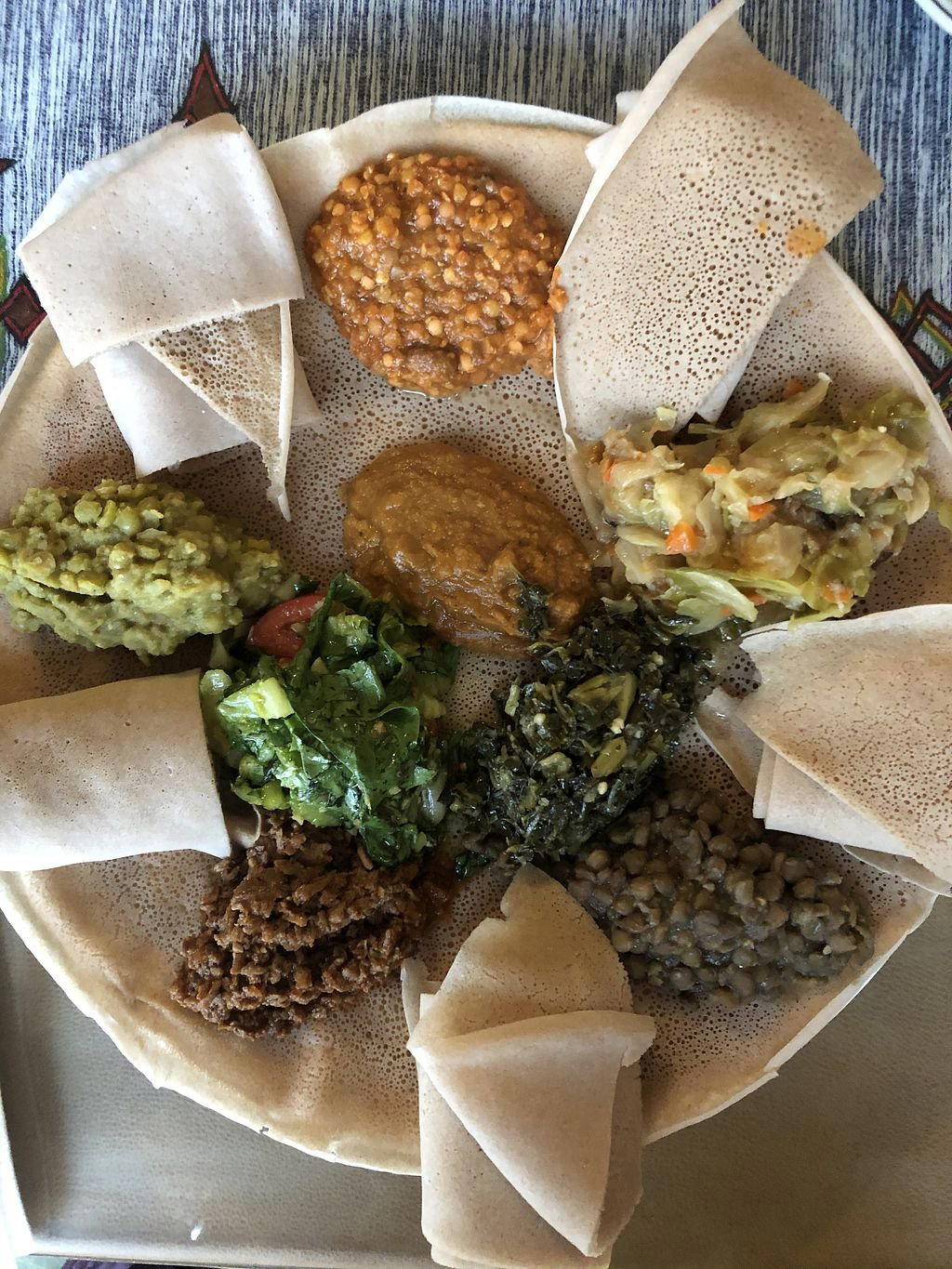
| Little Africa Cuisine | Midtown, Authentic Ethiopian | $$ | Not listed |
| Graydon's Crossing | Not listed | $$ | Creston, English Gastropub with Indian Influences |
Continue exploring
More in Grand Rapids
Restaurants in Grand Rapids
Browse all →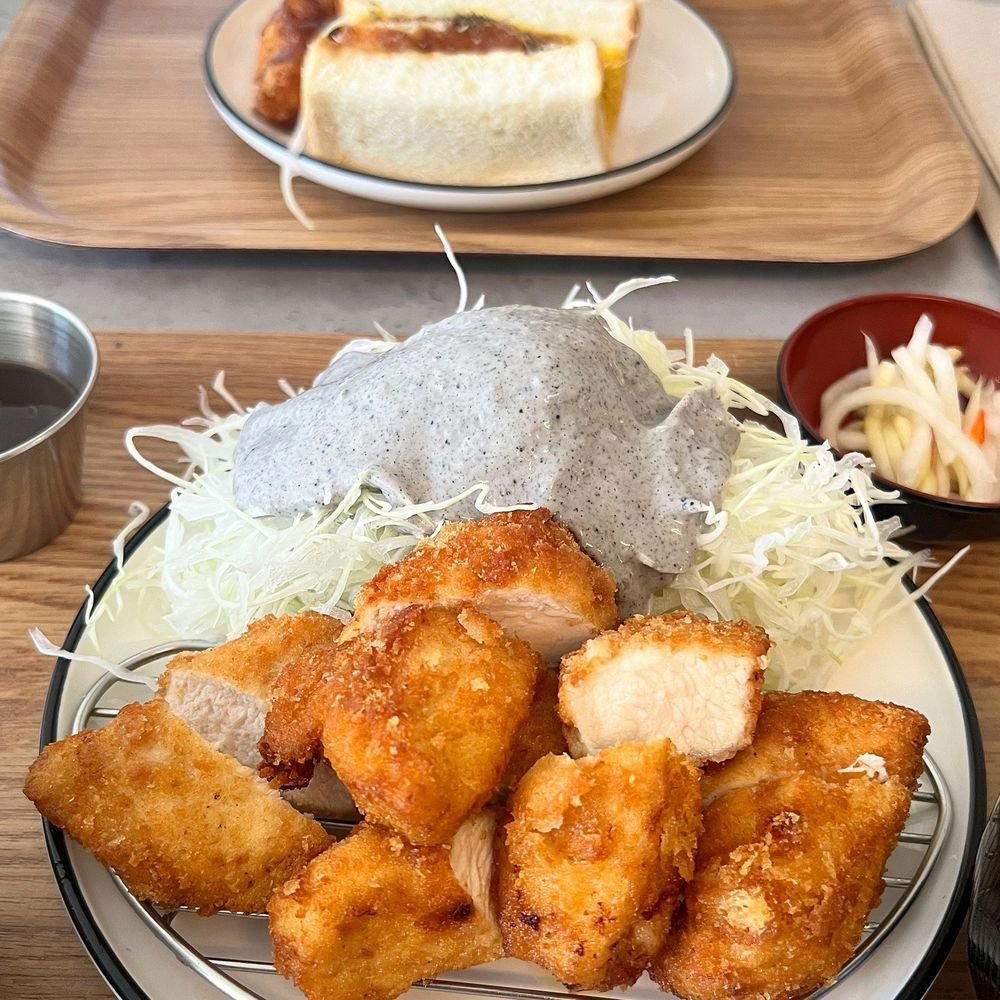
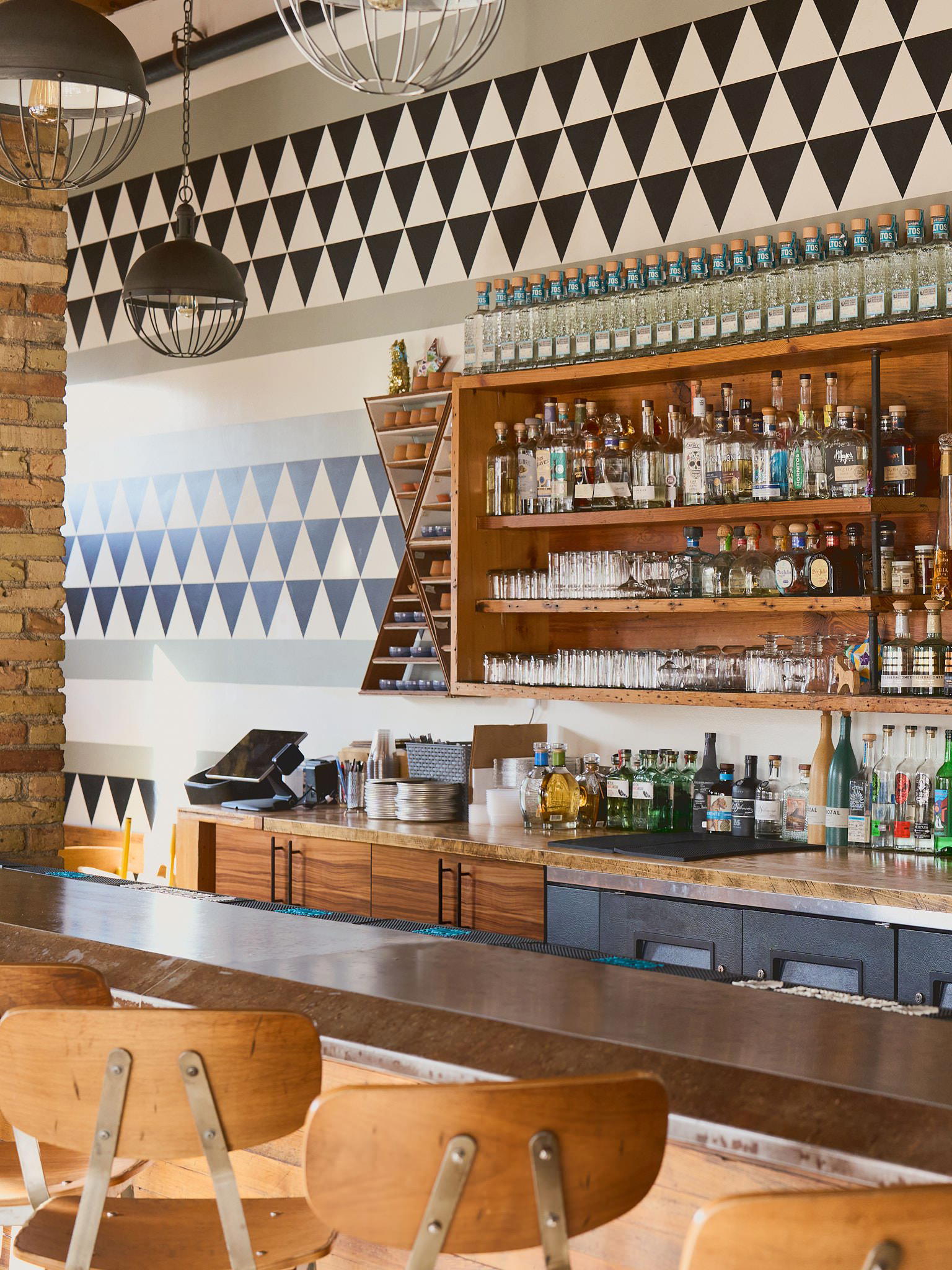
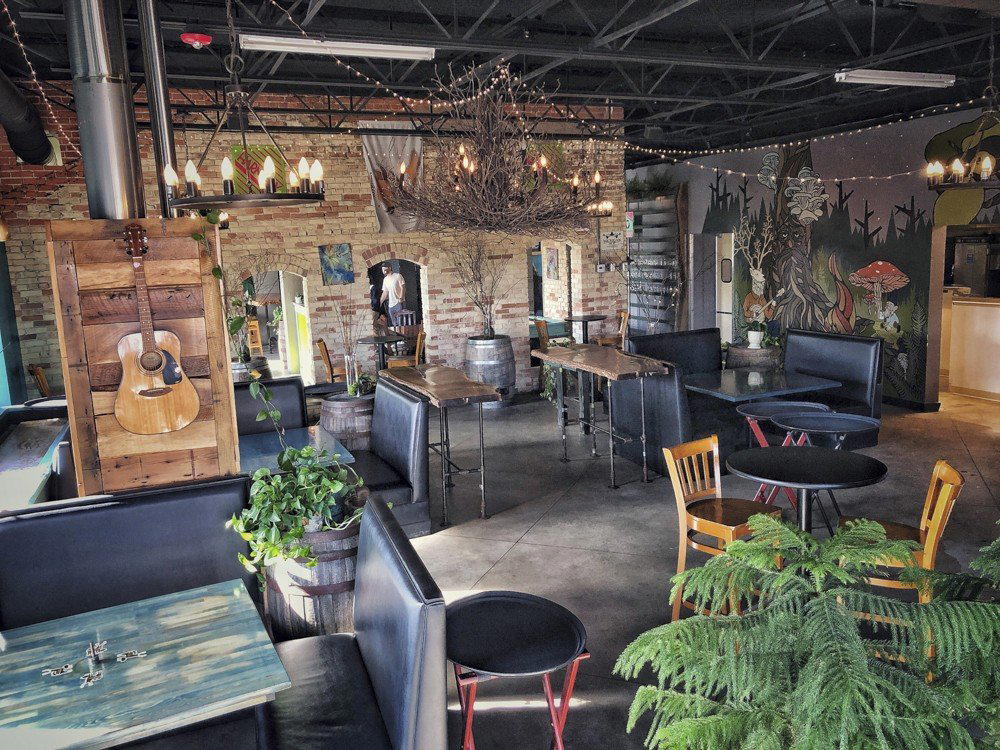
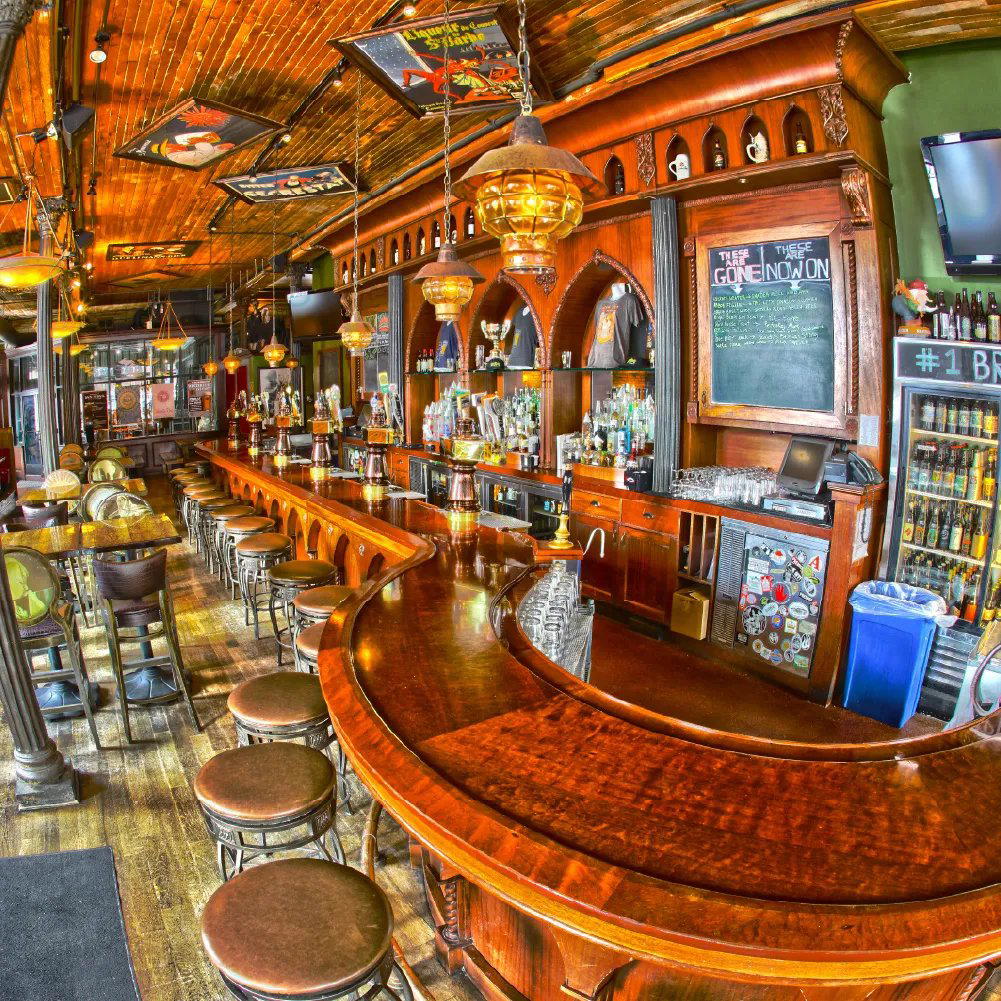
Bars in Grand Rapids
Browse all →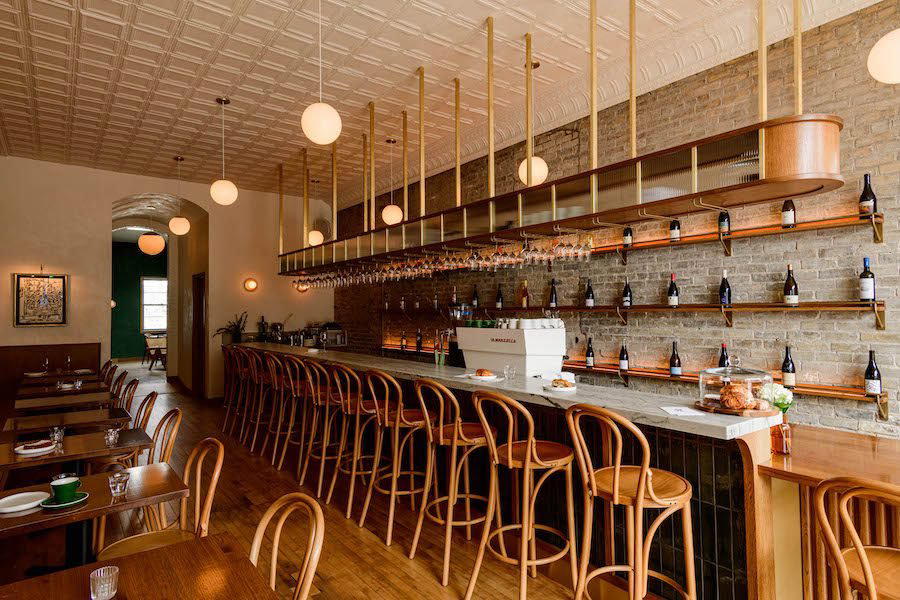
At a Glance
- Modern
- Trendy
- Lively
- Date Night
- Group Dining
- Casual Hangout
- Open Kitchen
- Craft Cocktails
- Sake Program
Current opening hours
- Monday
- 11:30 AM–9 PM
- Tuesday
- 11:30 AM–9 PM
- Wednesday
- 11:30 AM–9 PM
- Thursday
- 11:30 AM–9 PM
- Friday
- 11:30 AM–10 PM
- Saturday
- 11:30 AM–10 PM
- Sunday
- 11:30 AM–9 PM
Hours can change for holidays and private events. Last verified .
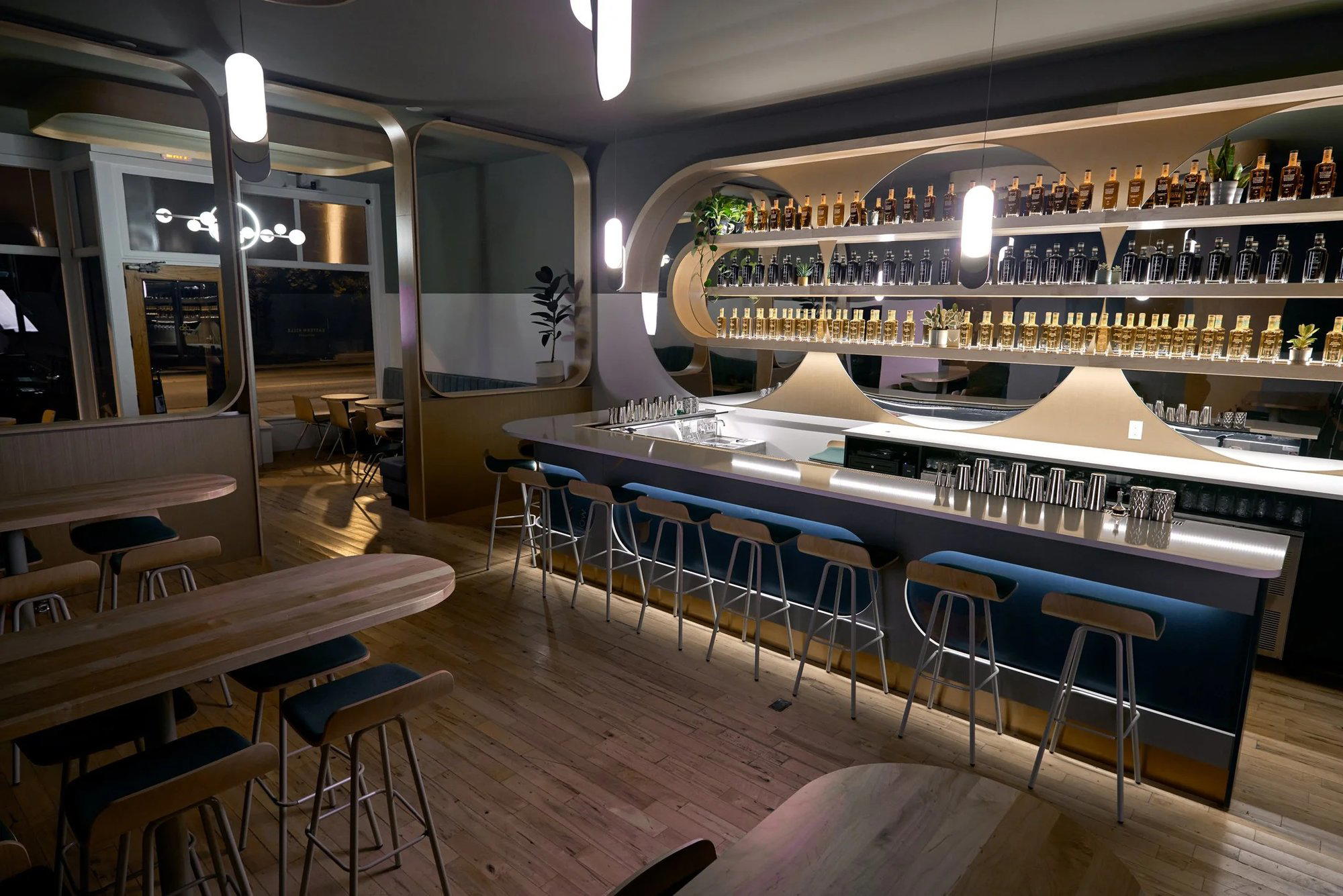
Modern, bright space with organic decor, full sushi bar, and lively atmosphere ideal for date nights.