Our verdict
Can Prada sits outside Lleida on the Partida Boixadors road, a rural address that signals its relationship with the land before you step inside. The setting positions it within a broader Catalan tradition of mas-style dining, where proximity to agricultural production shapes what reaches the table. For visitors tracing the quieter end of Catalonia's food culture, it occupies a distinct place in the city's dining conversation.

Pearl is the En Primeur Club membership app, where members save venues, book tables and use the concierge.
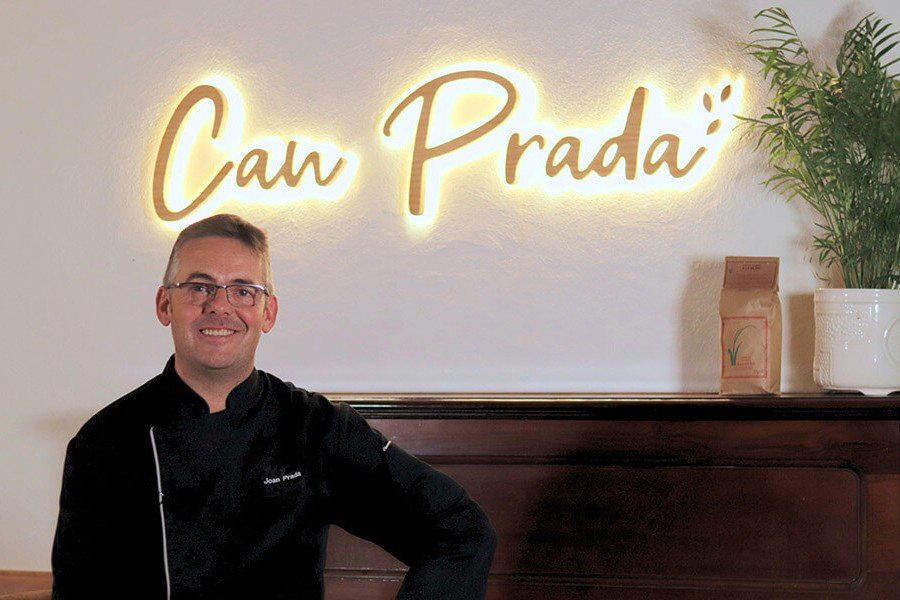
Where the Road Out of Lleida Leads to the Table
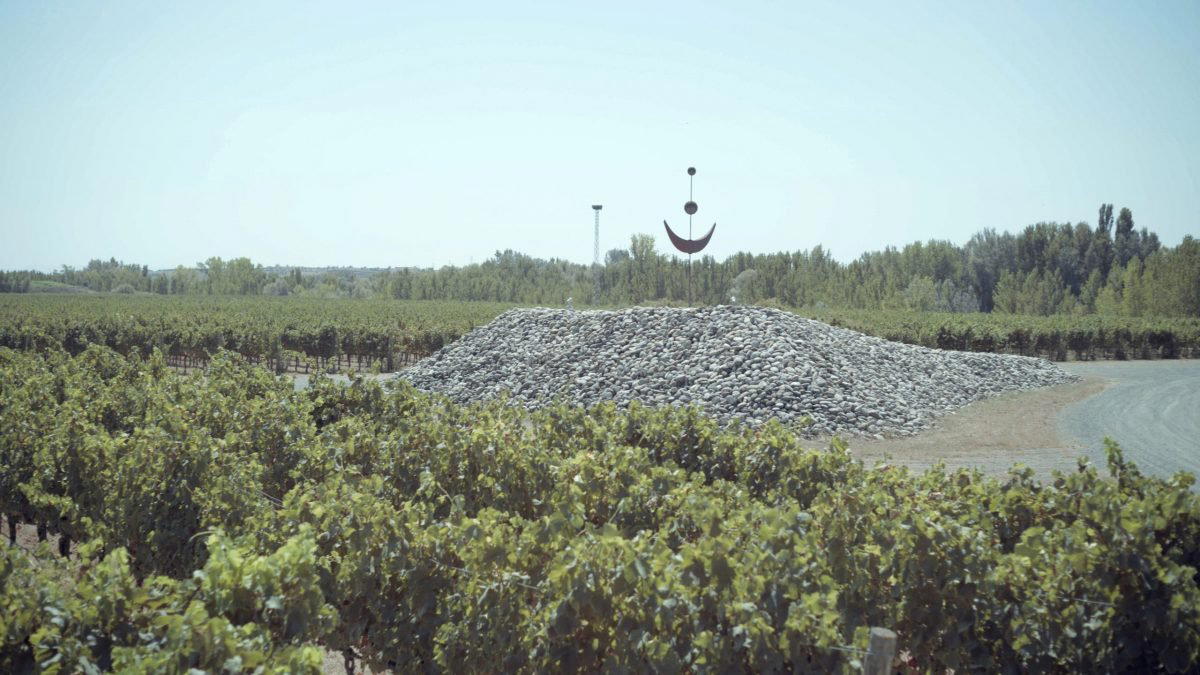
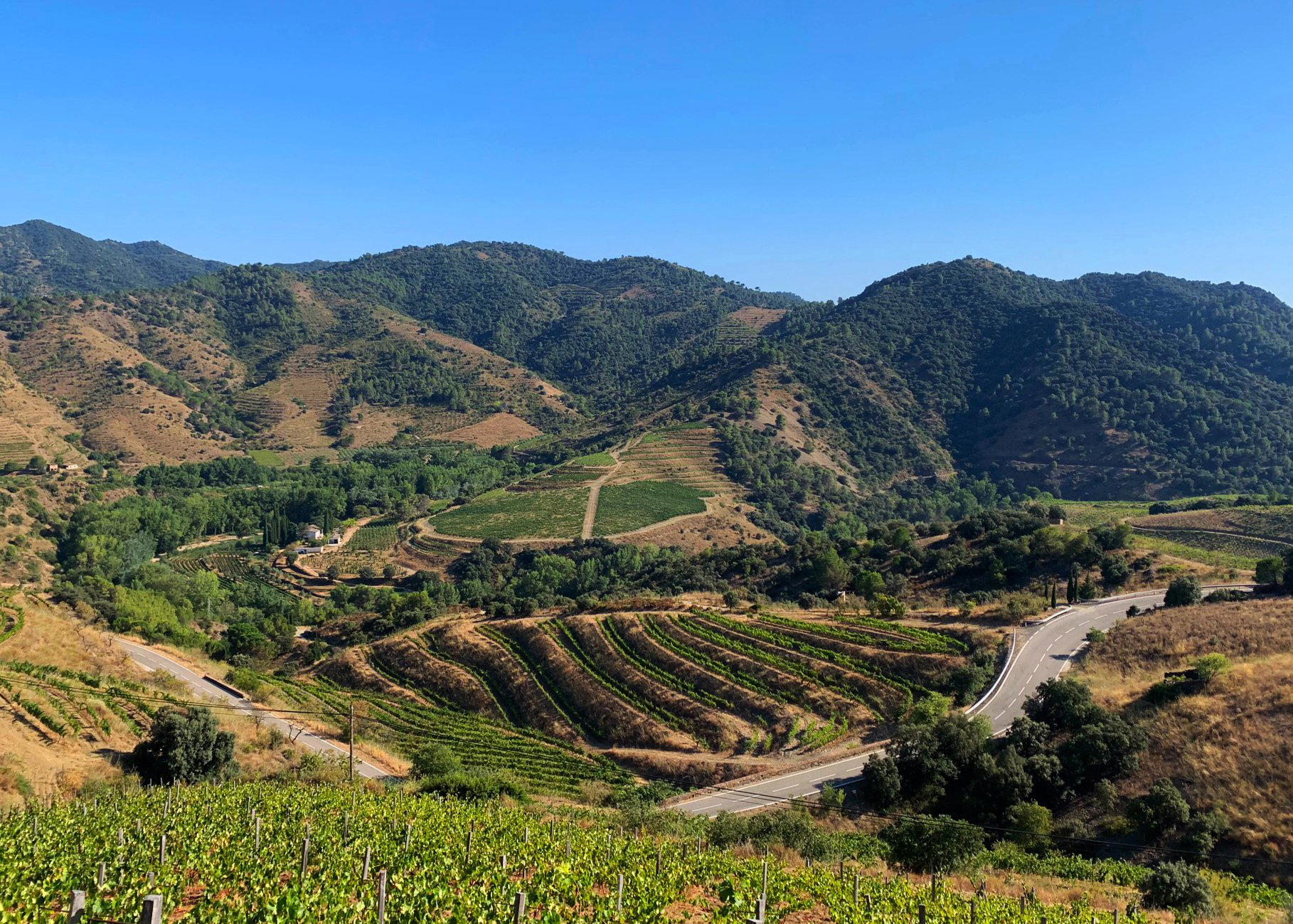
The drive to Can Prada along Partida Boixadors tells you something before the meal does. Lleida sits at the agricultural heart of Catalonia, the province accounts for a substantial share of Spain's fruit production, including much of its apple, pear, and stone-fruit output, alongside olive oil from the Garrigues and lamb from the surrounding plains. A restaurant address that places you outside the city centre and into that productive territory is rarely accidental. The leading rural dining in this part of Spain tends to locate itself close to its sources on purpose, and the address at number 67 on that road fits a pattern of mas-style establishments where the surrounding land functions as both context and larder.
This positions Can Prada within a recognisable tradition across Catalonia and Aragon: the rural farmhouse restaurant that earns its authority not from a city-centre reputation but from proximity to producers. In Lleida specifically, that tradition has a particular weight. The city's weekly and seasonal markets reflect a province where farming has never been abstracted from daily life, and restaurants that operate at the rural periphery can draw on supply chains that urban kitchens in Barcelona or Tarragona cannot replicate without effort and cost. The ingredients arrive shorter, the seasons are harder to ignore, and the menu tends to reflect what the land offers rather than what a broader supply network makes available year-round.
Ingredient Sourcing as Structural Logic
Across Spanish regional dining, the farm-to-table framing has become a marketing reflex rather than an operational reality at many venues. What distinguishes the more serious end of that tradition is when sourcing shapes the actual structure of the menu: when what grows nearby in a given week determines what gets cooked, rather than the reverse. The Lleida context makes this more than a philosophical choice. The province's fruit belt, its cereal plains, its Pyrenean lamb routes, and the olive groves of Les Garrigues collectively produce ingredients with a specificity of character that generic supply chains tend to flatten. A kitchen operating close to those sources, and structured to respond to them, works differently from one that treats local sourcing as a garnish to a fixed menu.
Other farm-aligned restaurants in Lleida operate along comparable lines. Ferreruela and Carballeira both occupy the farm-to-table tier in the city's dining offer, with Carballeira positioned at a slightly higher price point. Aimia and Saroa approach the city's produce tradition from a more contemporary technique angle, while Sisè rounds out a dining scene that, taken together, reflects a city increasingly confident about its agricultural identity as a culinary asset rather than a provincial limitation.
That confidence has a national parallel. Spain's most acclaimed kitchens have for two decades argued that regional ingredient specificity, not French classical technique or imported luxury product, is the country's real competitive advantage in serious dining. El Celler de Can Roca in Girona built part of its reputation on deep Catalan rootedness. Quique Dacosta in Dénia turned the specific ecology of the Valencian coast into a menu logic. Azurmendi in Larrabetzu operates its own on-site garden as sourcing infrastructure, not decoration. At the other end of the ambition scale, the principle translates down to rural mas restaurants and village taverns, where access to a specific producer or a particular breed of livestock is the editorial thread that holds a menu together.
The Rural Farmhouse Format in Practice
Farmhouse restaurants in this part of Catalonia tend to work in formats shaped by the physical space and the service logic of a converted agricultural building. The dining room is typically part of a structure that was built for other purposes, with proportions and materials that urban fit-outs struggle to replicate. The experience that results is less about controlled design and more about a relationship between architecture, setting, and food that accumulated rather than was manufactured. Spain has versions of this format across its regions, the venta in Andalusia, the sidrería in Asturias, the caserío restaurant in the Basque Country, and Catalonia's mas tradition belongs to the same logic of cooking rooted in a specific built and agricultural environment.
For visiting diners, that format carries implications. This is not a restaurant where the urban convenience of central location, online booking infrastructure, and English-language menus can be assumed. The rural address at Partida Boixadors, 67 means arriving by car is the realistic option for most visitors. Confirming opening hours and reservation requirements directly before visiting is advisable, as rural establishments in this tier frequently operate on limited service days or seasonal schedules. Planning a visit to Can Prada works well as part of a broader Lleida itinerary that includes time in the province rather than a quick urban detour. Our full Lleida restaurants guide maps the wider dining scene for that kind of longer engagement with the city.
Lleida in the Spanish Fine Dining Conversation
Lleida does not occupy the same position in Spain's dining press as San Sebastián, where Arzak and Martin Berasategui anchored a generation of critical attention, or Barcelona, where Cocina Hermanos Torres represents the city's continued hold on Michelin-starred ambition. It does not have the Atlantic marine intensity that drives Aponiente in El Puerto de Santa María or the conceptual provocation of DiverXO in Madrid or the long-game philosophical restaurant project of Mugaritz in Errenteria. What it has is a province that produces at scale and quality, and a dining culture that has been slower to publicise itself than to cook from what surrounds it.
That quieter positioning is partly why venues like Can Prada exist in a form that more tourism-saturated cities tend not to produce: restaurants shaped by agricultural proximity rather than by the expectations of an international dining public. The comparison that frames this most clearly might not be a Spanish one at all. Lazy Bear in San Francisco built its reputation on a community-dinner format that resisted the conventional fine-dining frame. Le Bernardin in New York City made ingredient sourcing the primary editorial logic of its kitchen at a point when that was a genuinely uncommon position. The parallel is not about ambition level but about the structural choice to let the source material lead.
Planning Your Visit
Can Prada is located at Partida Boixadors, 67, on the rural outskirts of Lleida, a drive rather than a walk from the city centre, which should be factored into any visit. Given the rural setting and the nature of mas-format restaurants in this region, contacting the venue in advance to confirm current opening days, reservation requirements, and seasonal availability is essential. This type of establishment typically suits unhurried visitors who have time to treat the surrounding agricultural landscape as part of the day rather than merely a backdrop to a meal.
Frequently asked questions
Does Can Prada work for a family meal?
The farmhouse setting at Partida Boixadors, 67 on the rural outskirts of Lleida suits a relaxed, unhurried pace, which tends to work well for multi-generational groups. Converted agricultural spaces in this part of Catalonia typically offer room to spread out, and the drive from the city centre makes it a destination rather than a quick stop, so groups usually arrive with time to spare.
What kind of setting is Can Prada?
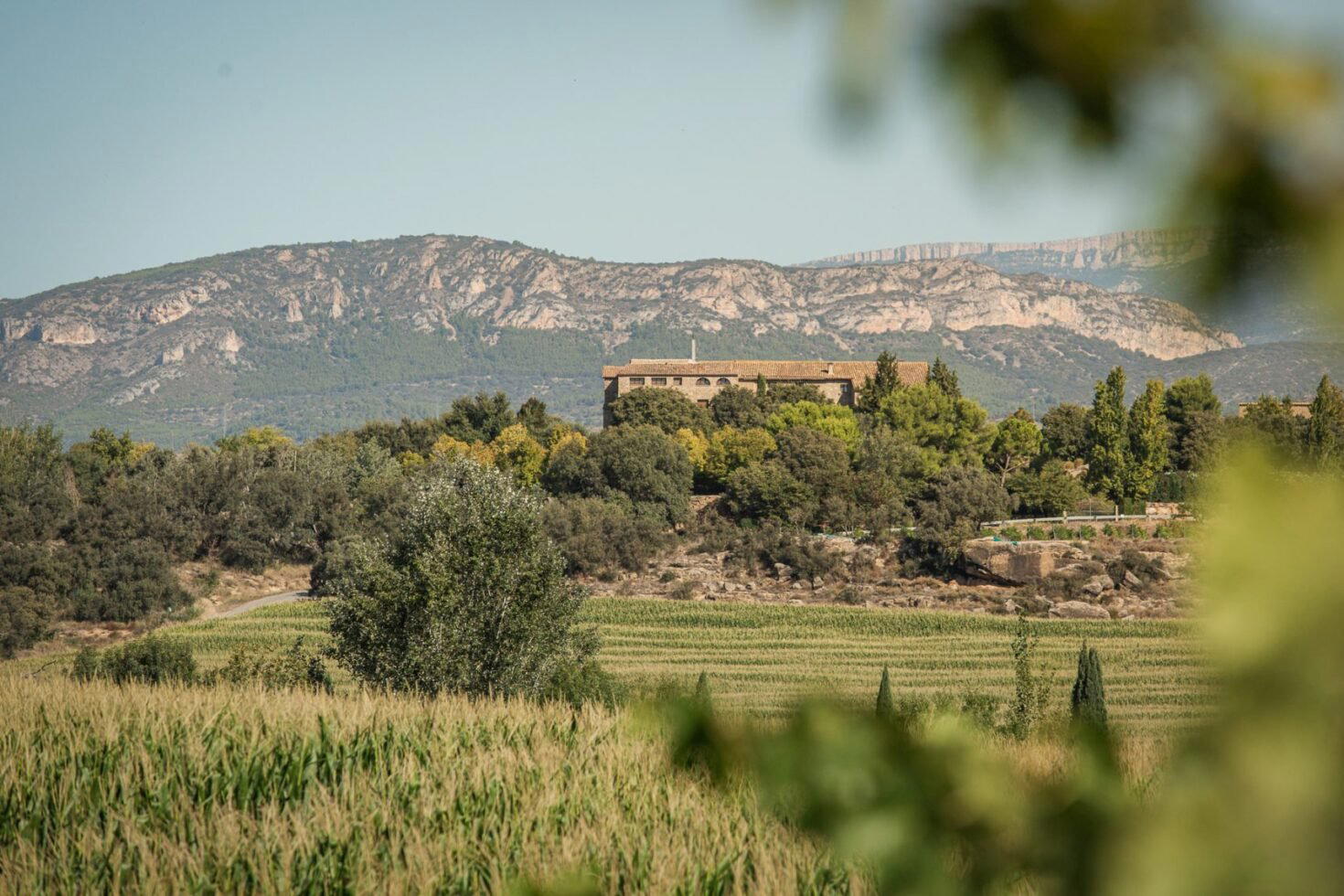
Can Prada occupies a rural farmhouse position outside Lleida proper, accessed via Partida Boixadors, a road that signals the agricultural character of the venue before you arrive. This is not a city-centre dining room; the format is shaped by the converted farmhouse space and the broader tradition of rural Catalan hospitality, where the setting and the sourcing logic are closely connected.
Is Can Prada worth the drive from central Lleida?
The address, Partida Boixadors, 67, on the rural outskirts of Lleida, makes a car essential, placing Can Prada firmly in the category of destination rather than neighbourhood restaurant. Lleida's position at the agricultural heart of Catalonia means the surrounding countryside supplies produce that rarely makes it to urban menus, which is precisely the draw for this style of farmhouse dining.
What should I order at Can Prada?
Lleida sits at the agricultural centre of Catalonia, producing some of Spain's most respected fruit, lamb, and game, and farmhouse restaurants in this corridor tend to build their menus around what the surrounding land yields seasonally. Without confirmed menu documentation, the safest approach is to ask the kitchen what is driving the day's preparation, which in venues of this format is usually the most direct route to the best the table can offer.
| Venue | Cuisine | Price | Awards |
|---|---|---|---|
| Can PradaThis venue (the venue you are viewing) | Spanish Grill and Rice | Not listed | Not listed |
| Aimia | Modern Catalan Fusion | $50–100 | Michelin Bib Gourmand · Macarfi 7 Food Rating |
| Ferreruela | Modern Catalan Grill | $50–100 | Michelin Plate · Macarfi 7.6 Food Rating |
| Carballeira | Galician Seafood & Mediterranean | $50–100 | Michelin Plate · Guía Repsol 1 Sol |
| Saroa | Modern Catalan | $50–100 | Michelin Plate · Macarfi 7.9 Food Rating |
| Sisè | Grill-Driven Catalan | $50–100 | Michelin Bib Gourmand · Macarfi 8.1 Food Rating |
Continue exploring
More in Lleida
Restaurants in Lleida
All restaurants in Lleida →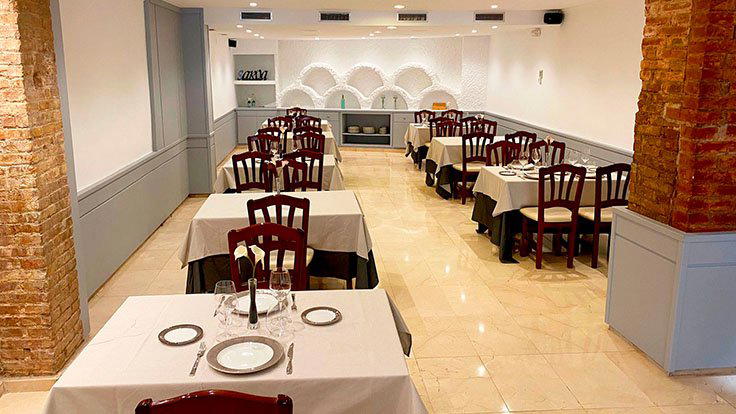
Hotels in Lleida
Browse all →

Details
- Rustic
- Cozy
- Group Dining
- Family
- Celebration
- Terrace
- A La Carte
Current opening hours
- Monday
- Closed
- Tuesday
- Closed
- Wednesday
- 12–4 PM
- Thursday
- 12–4 PM
- Friday
- 12–4 PM, 8:30–11 PM
- Saturday
- 12–4 PM, 8:30–11 PM
- Sunday
- 12–4 PM
Hours can change for holidays and private events. Hours as of .
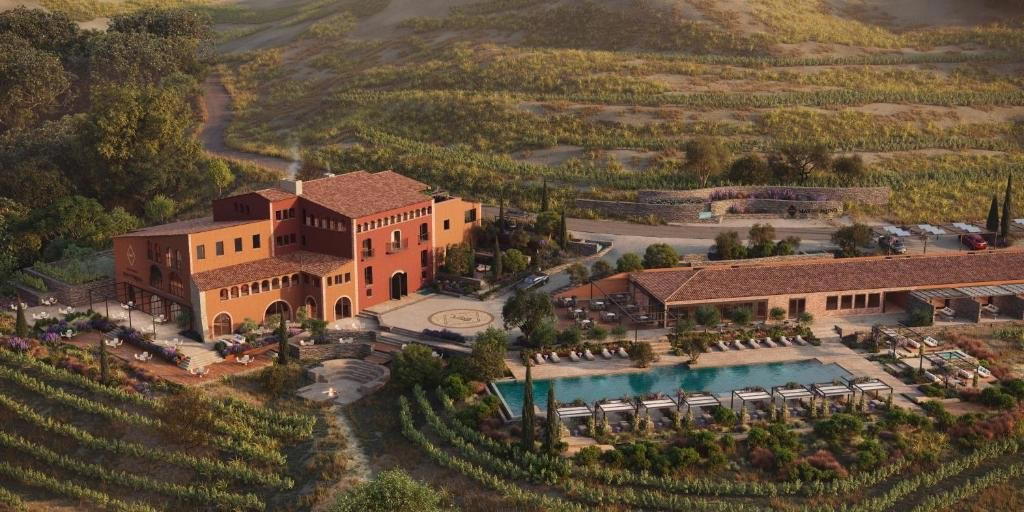
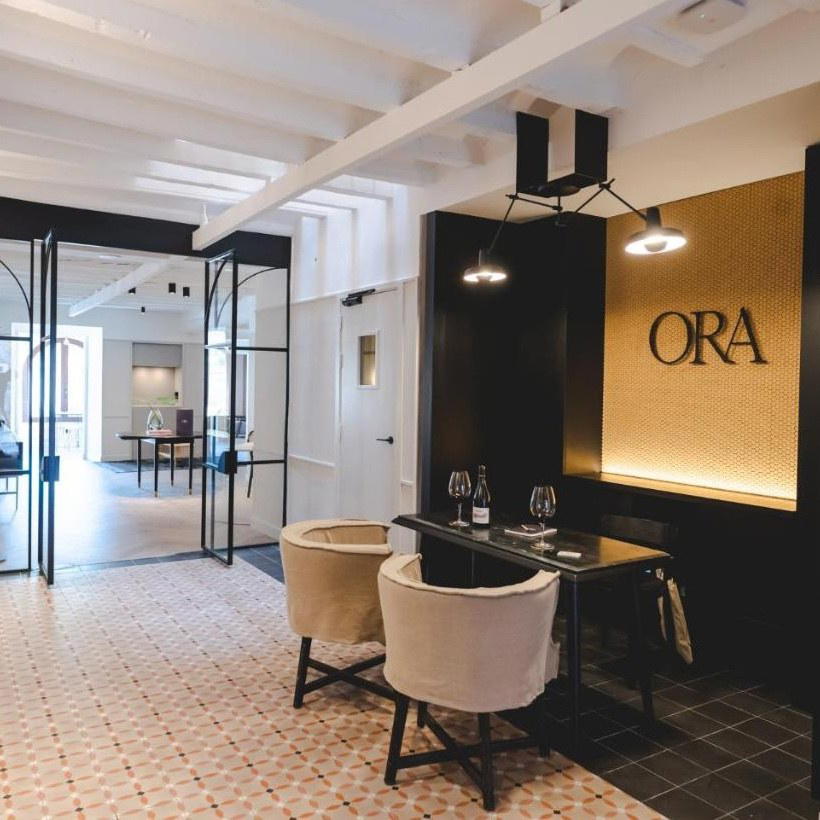
Warm and inviting villa atmosphere in the countryside with ample interior space and pleasant outdoor terrace seating.