Our verdict
Calypso belongs to Taghazout’s Atlantic-facing dining conversation, where surf-town informality meets the produce logic of southern Morocco: fish from the coast, argan country inland, and market cooking shaped by Agadir’s gravity. With no public awards or fixed cuisine label attached, its interest lies less in trophy dining than in how Taghazout Bay is turning resort restaurants into a broader coastal food scene.

Pearl is the En Primeur Club membership app — saves, bookings, and concierge access live there. Same editors, same standards.
- Address
- Station Touristique de Taghazout Bay, KM 17 route d’Essaouira, Taghazout 80023, Morocco
- Phone
- +212 6 61 89 06 89
- Website
- hilton.com
- Directions
- Get directions
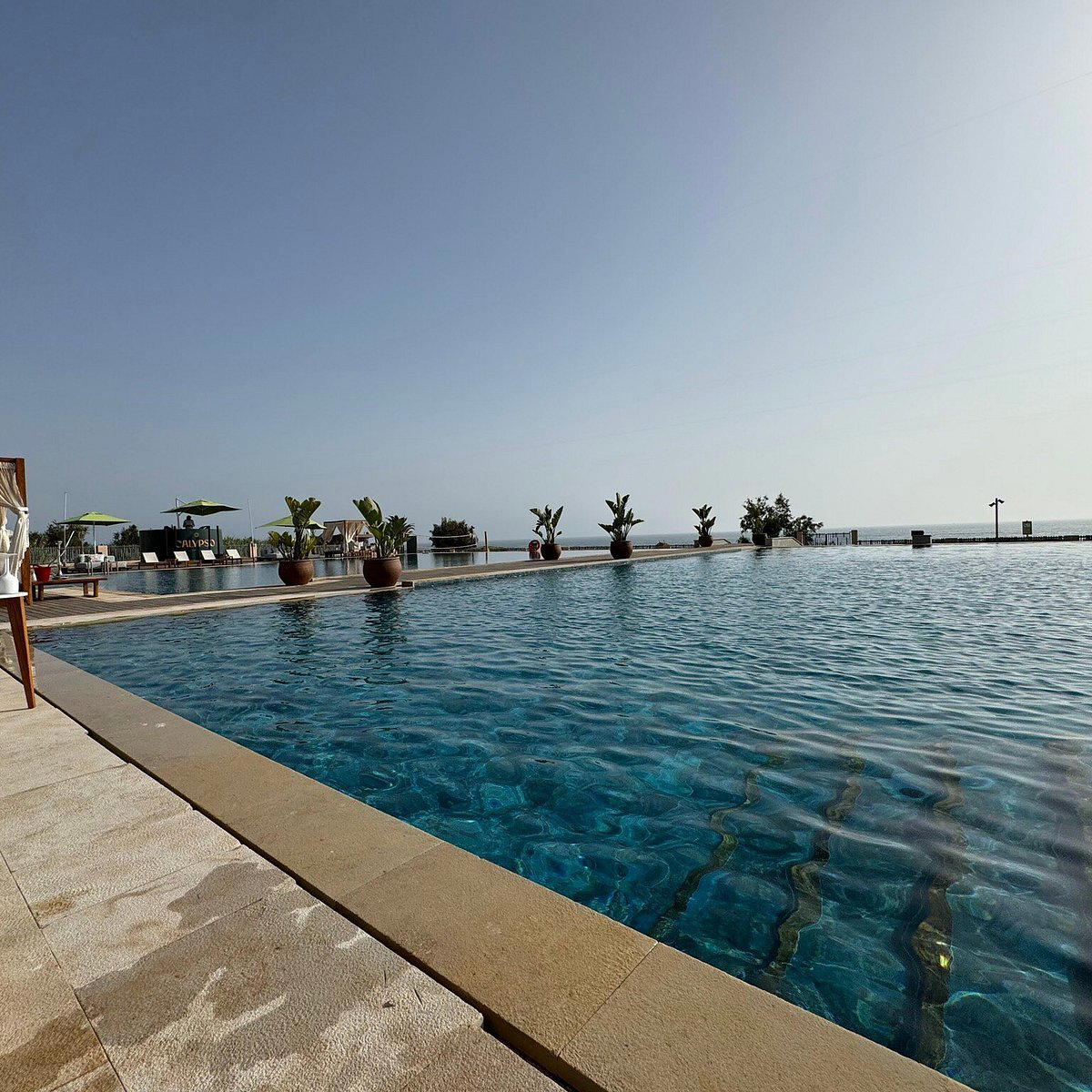
Approaching Taghazout, the Atlantic sets the tempo before the table does: salt air, low coastal light, and the steady traffic of boards, beach clubs, and resort shuttles moving between the water and the coastal road. In this part of Morocco, a restaurant is judged against a particular geography. The coast supplies the appetite for long lunches; the Souss hinterland brings argan oil, citrus, herbs, and the slow-cooked grammar of regional kitchens. Calypso sits inside that coastal version of Taghazout, where the question is not only what is served, but how convincingly a kitchen can translate a working Atlantic pantry into a leisure setting.
Taghazout’s dining identity has changed quickly. The village was once read mainly through surf camps, cafés, and simple coastal restaurants, while newer hospitality development added a more polished layer. That split now defines the area: informal beach eating at one end, hotel-adjacent dining at the other, and a growing middle ground where visitors expect Moroccan reference points without losing the ease of a coastal holiday. For a broader map of that shift, compare Calypso with Anaw and Imim, then use Our full Taghazout restaurants guide for the wider local edit.
Atlantic produce is the real measure in Taghazout
Ingredient sourcing matters more here than menu theatrics. Taghazout is close enough to Agadir for market supply to shape restaurant kitchens, while the coastline keeps seafood central to how travellers read the area. A serious coastal restaurant in this setting does not need to announce itself through elaborate technique; it needs to respect freshness, restraint, and the regional habit of letting oil, spice, smoke, and citrus carry weight without turning every plate into spectacle.
That is the useful lens for Calypso. Rather than relying on a chef-led tasting-menu narrative to frame it as destination gastronomy, the more relevant comparison is within Taghazout’s resort dining tier, where atmosphere, produce discipline, and ease of use matter more than formal positioning. In a city still balancing surf-town roots with new-build hospitality, that makes the table part of a larger conversation: how much of the coast remains legible once it enters a managed resort environment.
Southern Moroccan cooking gives restaurants here a strong foundation if they choose to use it well. Argan oil is not a decorative local reference; it is tied to the region’s rural economy and has a distinct nutty weight. Seafood does not need heavy intervention when the Atlantic is this close. Preserved lemon, cumin, coriander, olives, charcoal, and slow-cooked vegetables give kitchens a vocabulary that can feel rooted without becoming nostalgic. The more persuasive dining rooms in Taghazout understand that restraint is not minimalism; it is knowing when the ingredient already carries the argument.
Resort polish versus village informality
The tension in Taghazout is productive. Village restaurants can offer immediacy and price sensitivity, while resort restaurants can deliver comfort, pacing, and a more controlled room. Neither format has a monopoly on quality. The stronger read is to decide what the meal is meant to do: a casual post-surf plate, a longer evening with sea air and service structure, or a softer landing after a day moving between Agadir, the beach, and the hills.
Calypso belongs to the resort-side reading of the area, which changes expectations. The setting signals a planned dining experience rather than a quick village stop, and that makes sourcing cues more important. In this category, generic international cooking can flatten the place. The smarter kitchens keep the Atlantic and Souss-Massa visible, even when the room is designed for travellers who may be moving through Morocco for only a few days.
Taghazout also sits within a broader Moroccan dining network rather than apart from it. Across the country, other dining rooms speak to internationalised hospitality, historic-city service, northern coastal leisure, inland resort cooking, and contemporary urban restaurants. Read together, those formats show why Taghazout’s coastal restaurants need a clear sense of place rather than borrowed luxury language.
How to place it in a Taghazout itinerary
The most useful way to approach Calypso is as part of a Taghazout day rather than as a trophy reservation. Pair the meal with beach time, a hotel stay, or a slower coastal afternoon, and let the setting do some of the work. Travellers building a fuller itinerary should cross-check the area through Our full Taghazout hotels guide, Our full Taghazout bars guide, Our full Taghazout wineries guide, and Our full Taghazout experiences guide.
The editorial call is simple: Calypso makes sense for travellers who want the controlled ease of Taghazout while still reading the meal through the Atlantic coast. It is not defined here by named chef credentials or a public tasting-menu structure. Its value depends on how well the kitchen keeps local sourcing logic in view, because in Taghazout, the sea and the Souss hinterland remain the strongest arguments on the plate.
For readers comparing food formats beyond Morocco, some destinations work through compact, category-specific dining where format leads the experience. Taghazout works differently. Here, setting and supply are inseparable, and the better meals understand that geography is not background decoration; it is the point.
Frequently asked questions
Is Calypso child-friendly?
Calypso’s setting in Taghazout points to a resort-oriented dining room rather than a tightly packed counter or late-night bar. For families, that usually makes it easier to manage seating and timing than in a small village room.
What kind of setting is Calypso?
It sits in Taghazout, so expect a coastal setting shaped by the area’s beach traffic and holiday rhythm.
What's the address for Calypso?
Taghazout.
Do I need a reservation for Calypso?
The Taghazout setting suggests a resort-oriented restaurant that can fill around peak beach hours and weekends. Planning ahead is sensible, especially if the meal needs to line up with a coastal day.
What's the standout thing about Calypso?
Its main asset is location: Calypso is in Taghazout. That makes it a practical stop for a coastal meal in the area.
Is Calypso allergy-friendly?
That depends on how the kitchen handles requests on the day, but the Taghazout setting makes it the kind of place where guests should flag allergies before ordering. Any clarification is best handled directly with the venue.
A Quick Peer Check
Comparable venues by cuisine and price in the same metro.
Continue exploring
More in Taghazout
Restaurants in Taghazout
Browse all →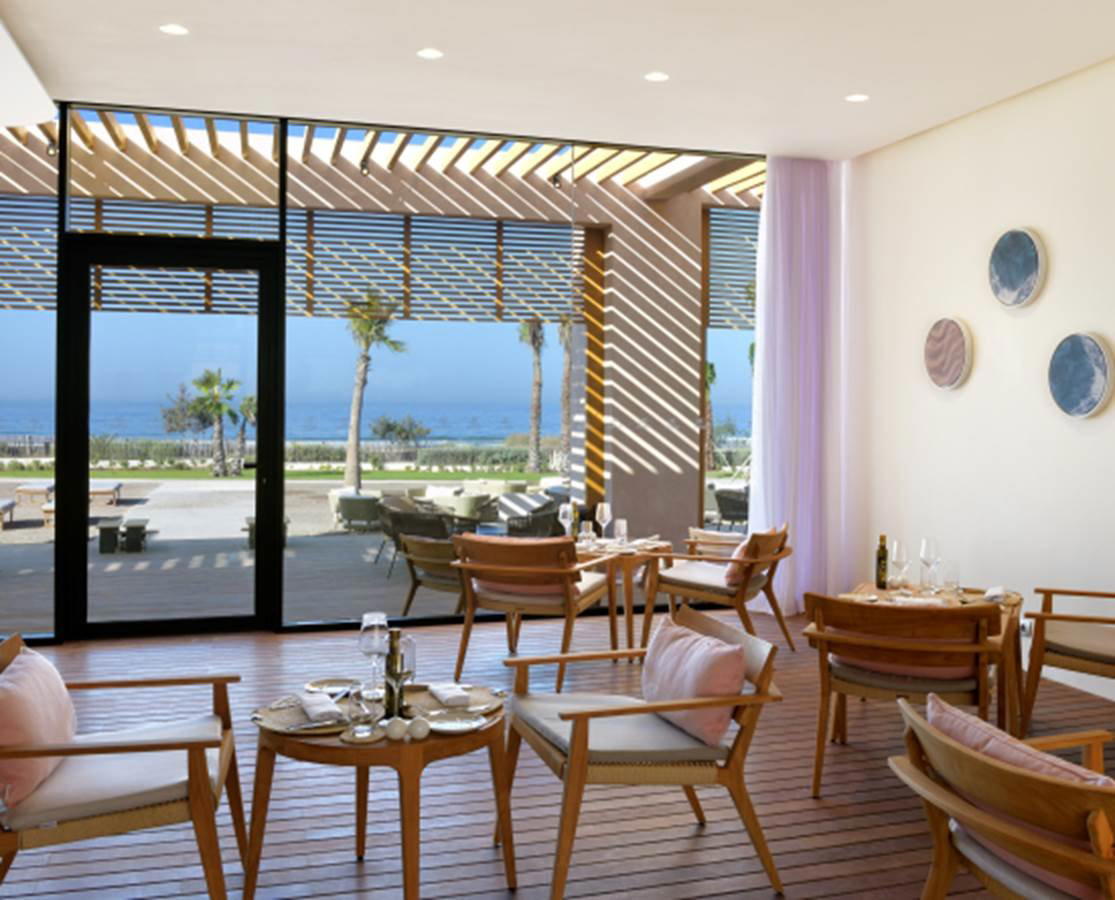
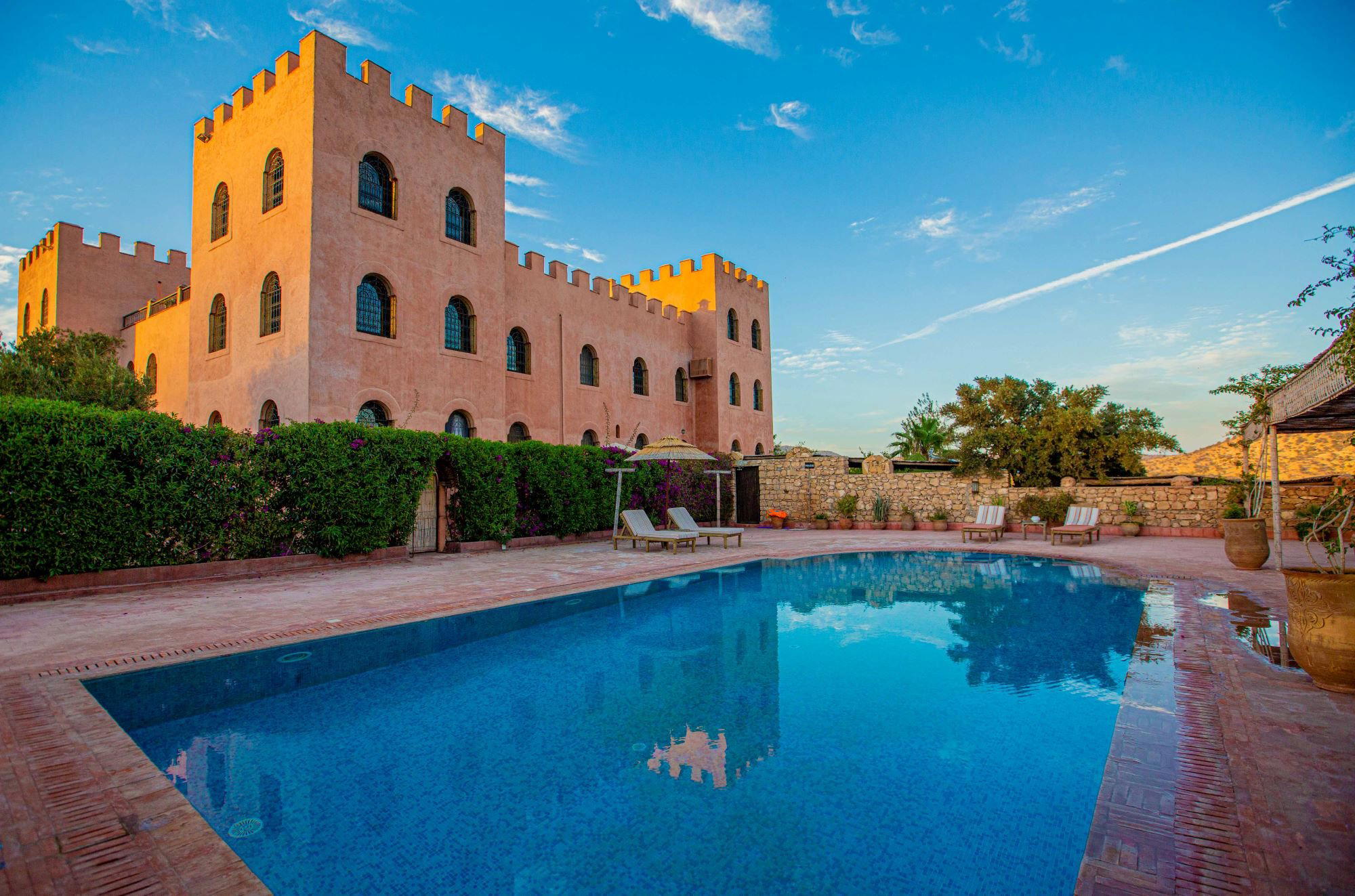
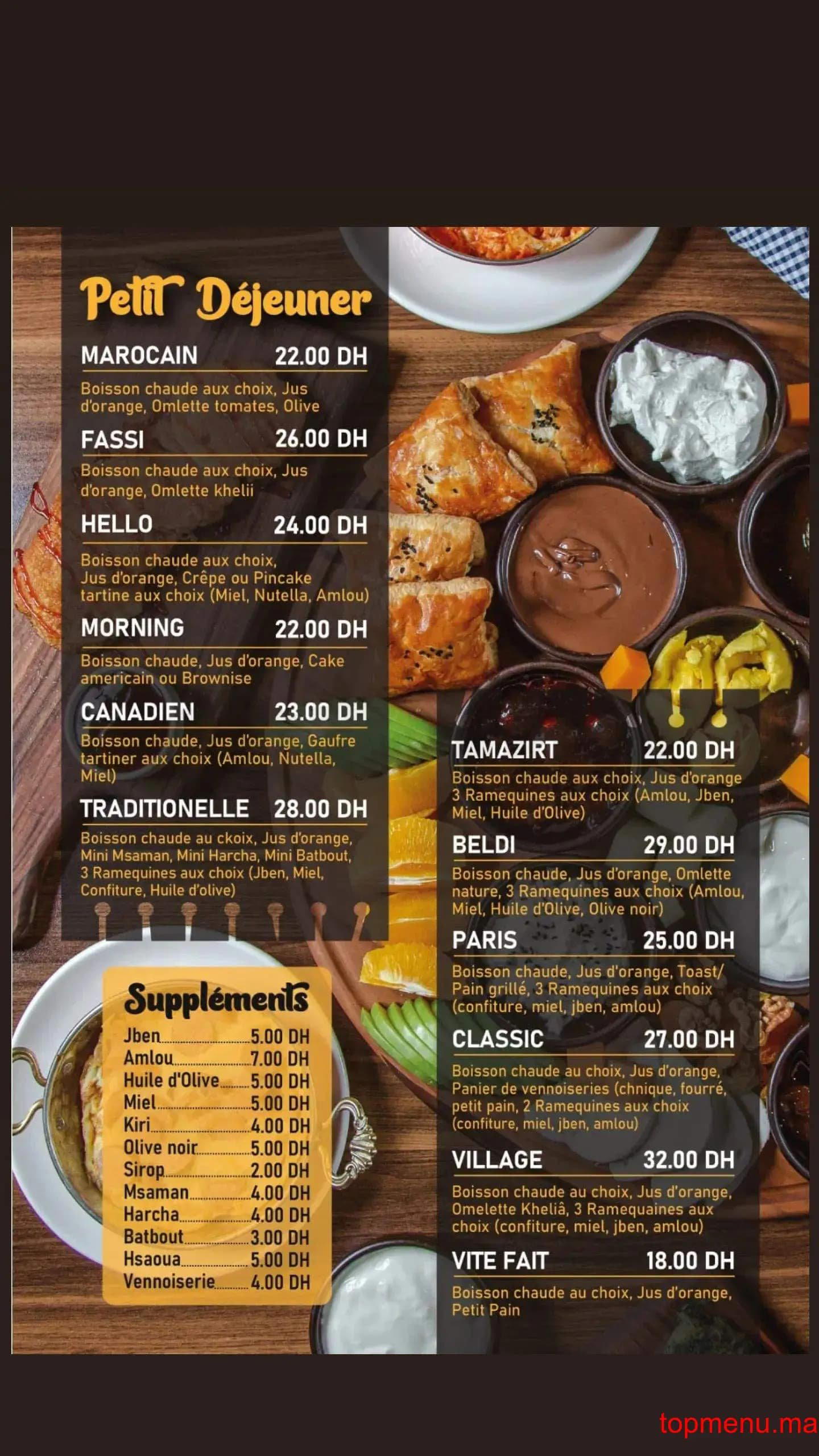
Bars in Taghazout
Browse all →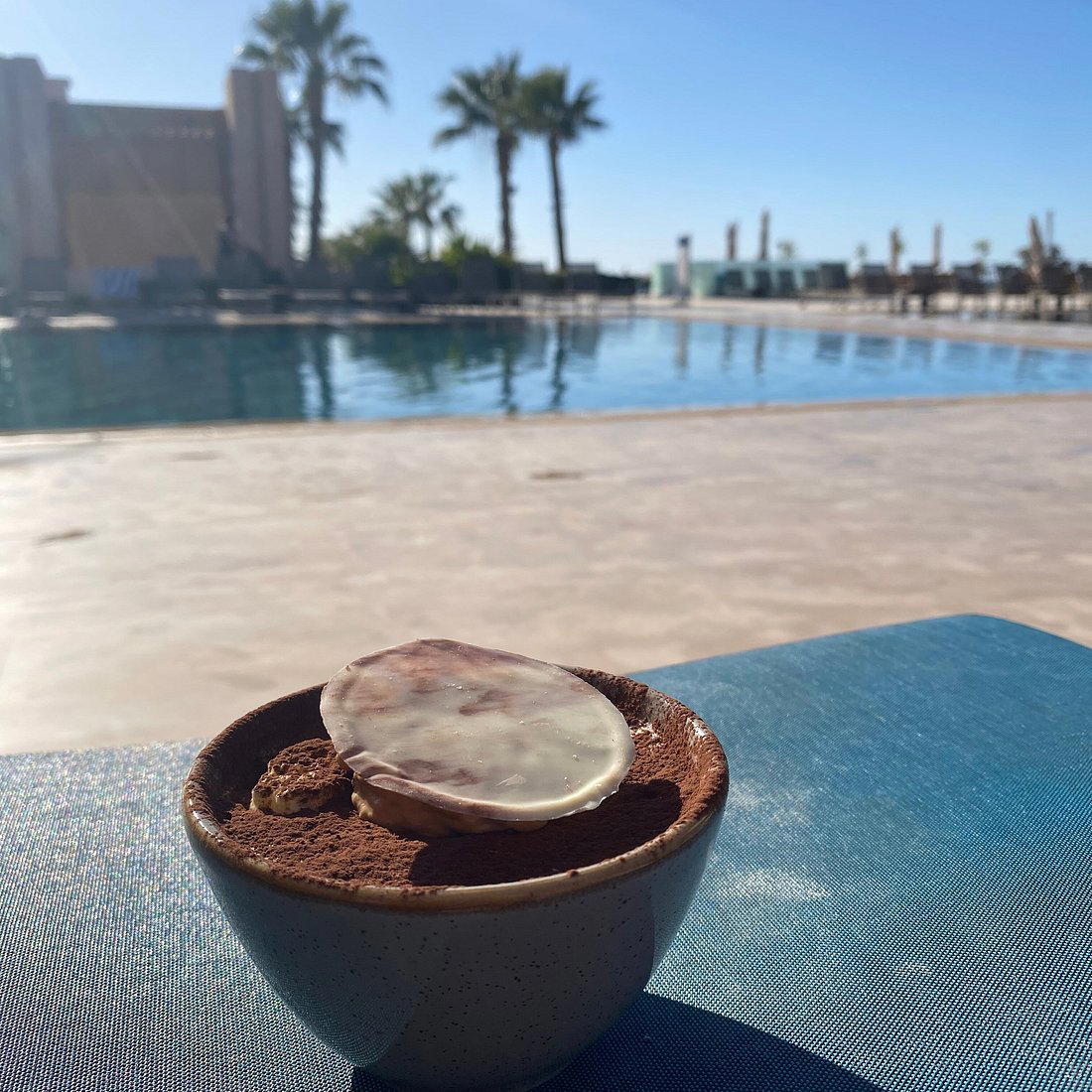
Details
- Lively
- Modern
- Scenic
- Energetic
- Group Dining
- Family
- Casual Hangout
- Late Night
- Celebration
- Waterfront
- Terrace
- Panoramic View
- Hotel Restaurant
- Beer Program
- Waterfront
- Mountain
- A La Carte
- Cocktails
- Beer
- Wine
- Pescatarian Friendly
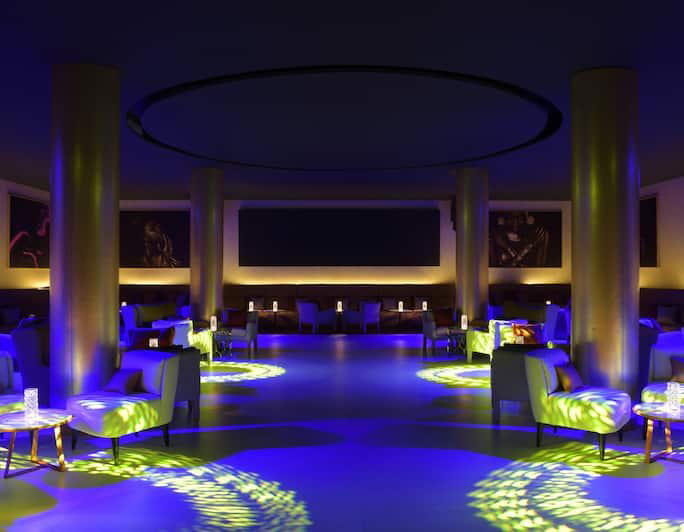
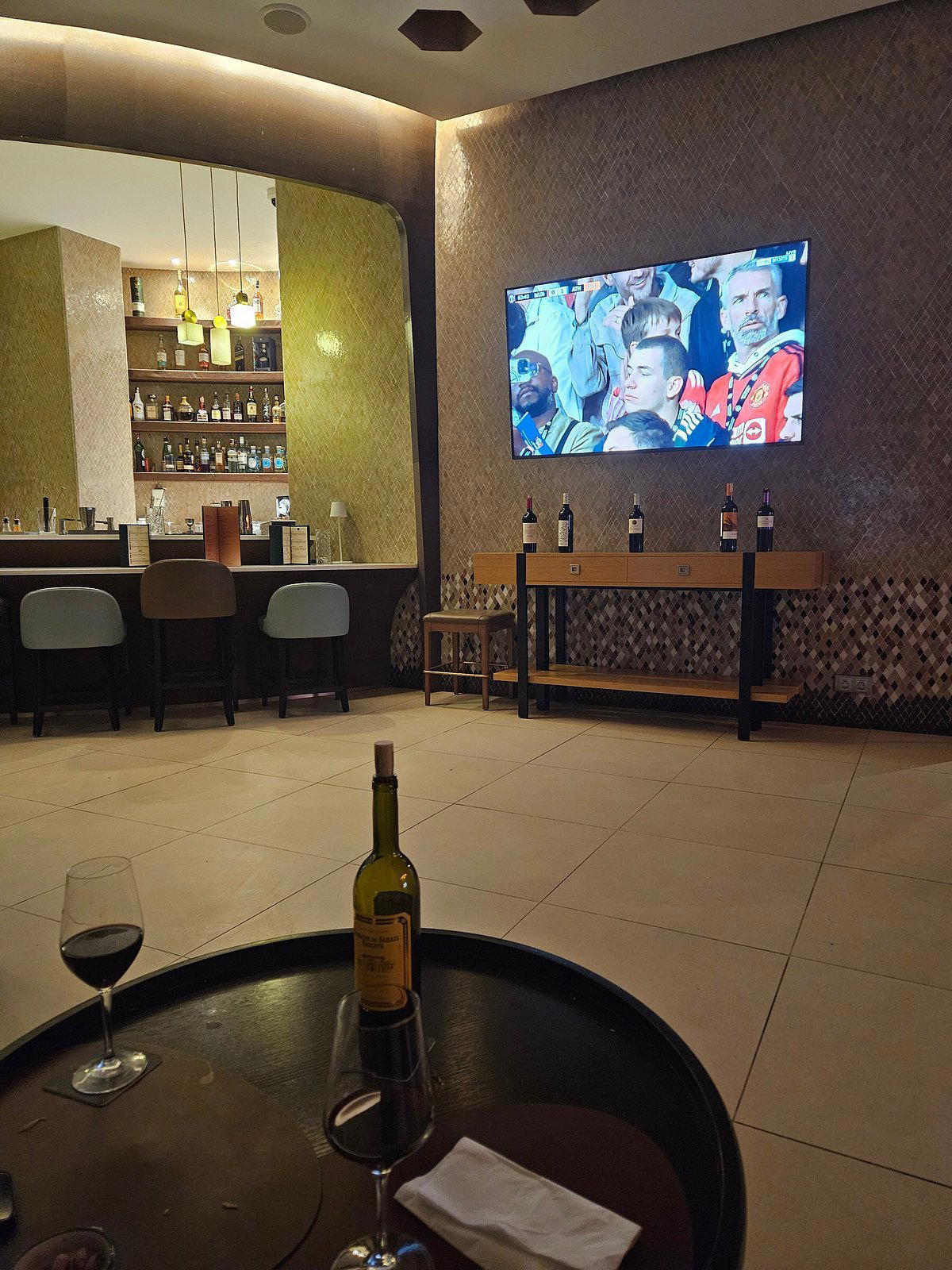
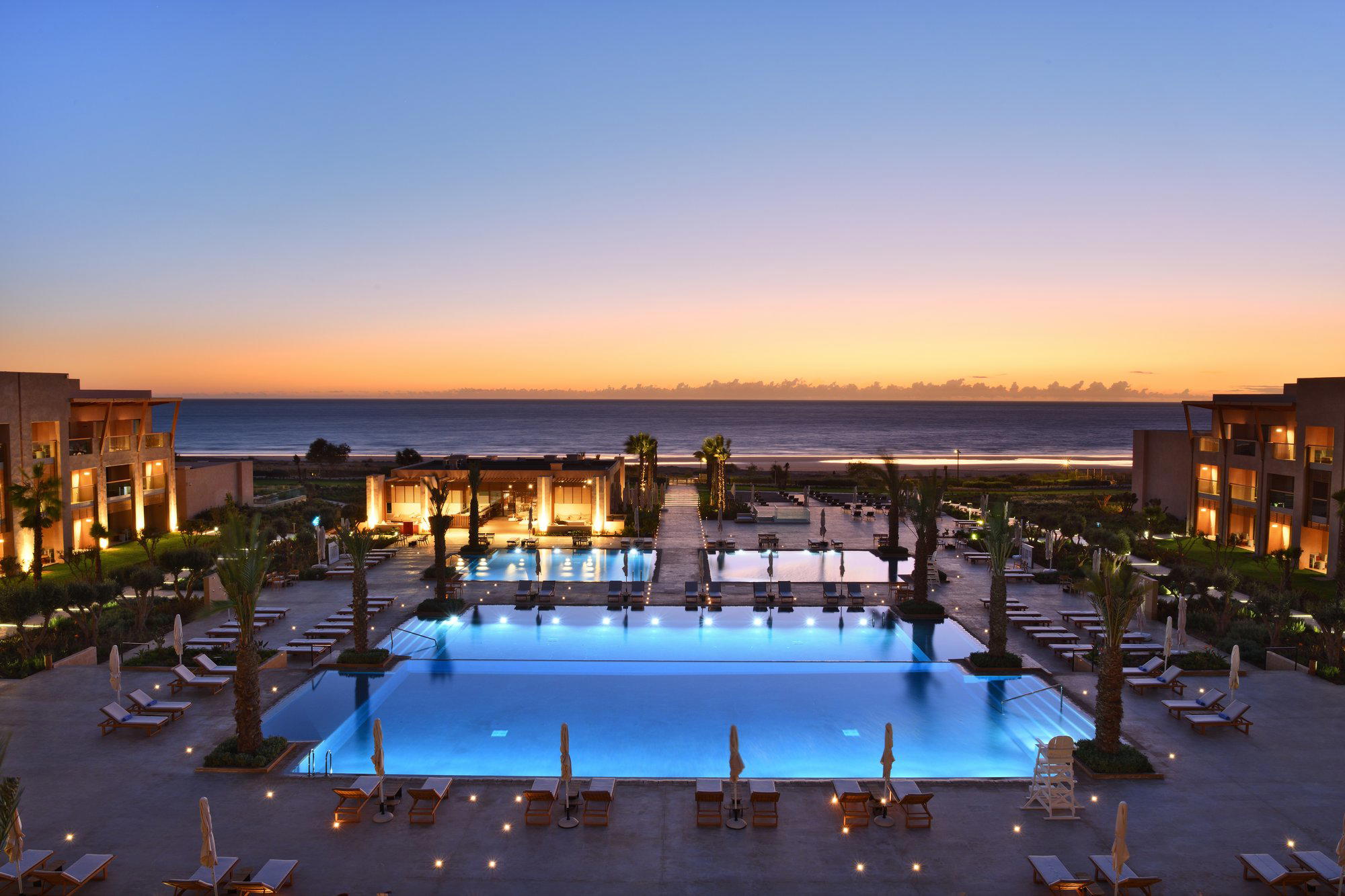
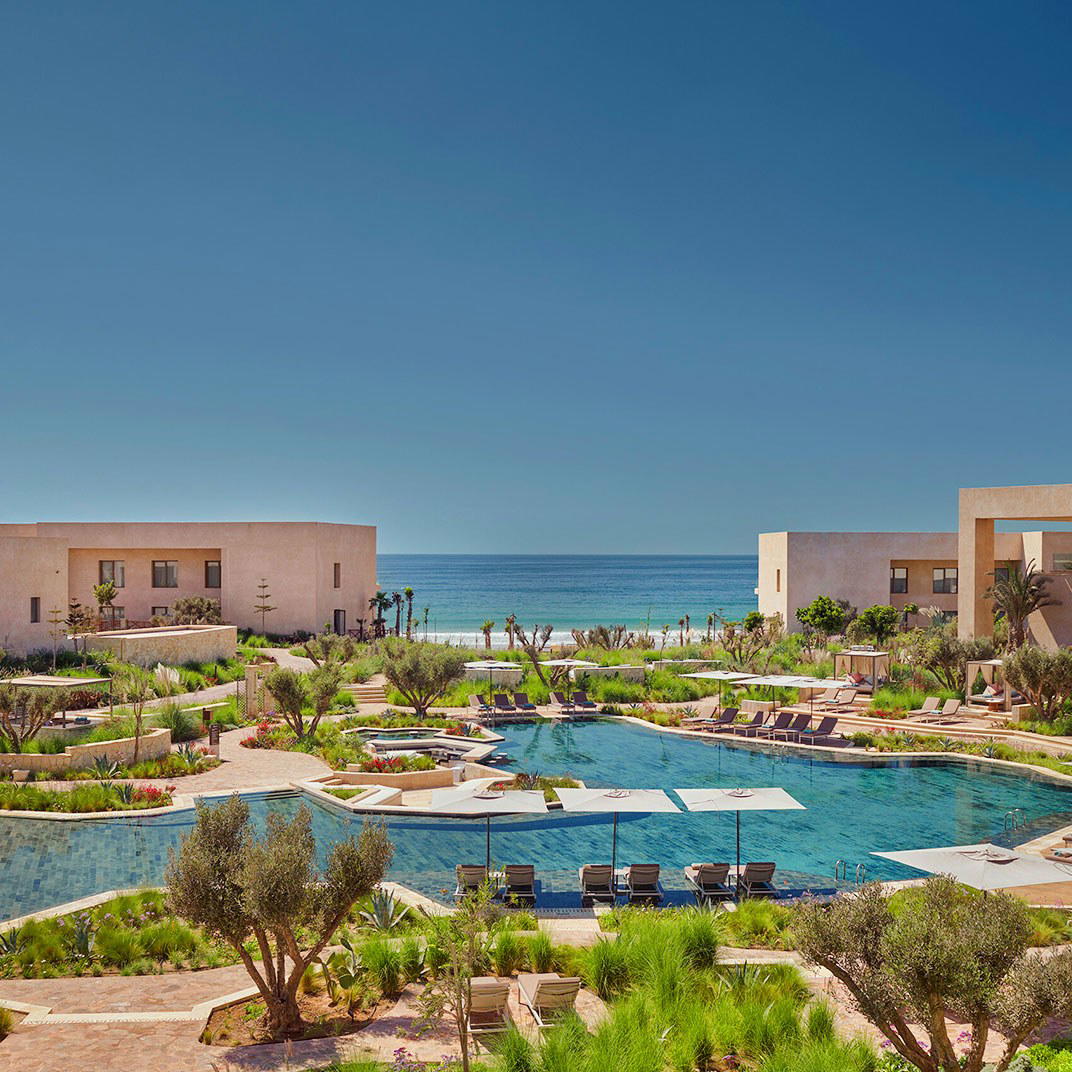
Relaxed but energetic beach-club ambiance with modern Mediterranean design under palm trees, open-air seating by large pools, and a fun, social vibe enhanced by music and ocean views.