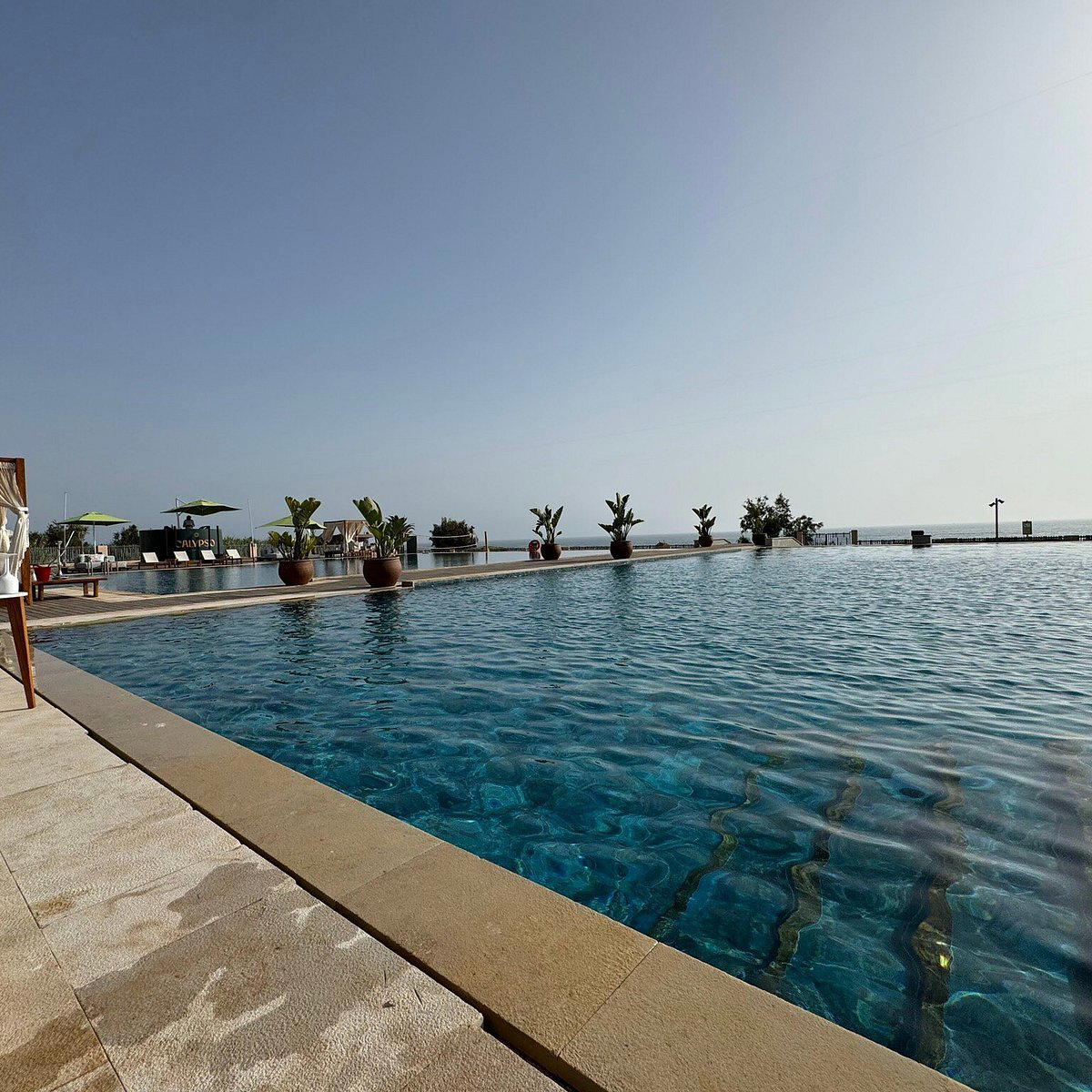
Where the Atlantic Sets the Tempo Taghazout has spent the better part of a decade shedding its reputation as a purely functional surf stop. What was once a village defined almost entirely by wave forecasts and budget guesthouses now hosts a recognisable tier of beach bars and eating spots that treat the Atlantic view as a frame for something more considered. ANAW BEACH sits inside that shift. The approach alone — salt air, the low percussion of breaking waves, light that shifts from white to amber as the afternoon runs out — establishes a mood before anything is ordered. This is the foundational logic of the Atlantic beach bar: the environment does half the work, and the question is whether the programme behind the counter earns the other half. That framing matters because Taghazout's drinking scene operates in a specific context. Morocco's relationship with alcohol is complicated by Islamic social norms, and licensed venues in coastal resort towns occupy a particular niche. Bars here are not the ambient infrastructure they are in, say, Barcelona or Lisbon. A beach bar with a drinks programme is a deliberate choice, attracting visitors and internationally-minded locals who treat it as destination rather than convenience. The weight of that expectation shapes what a well-run Taghazout bar needs to be. The Cocktail Programme in Context Beach bar cocktail programmes along Morocco's Atlantic coast have generally lagged behind the country's urban drinking culture. Rooftop bars in Marrakech and Casablanca have moved toward signature mixology and technique-led menus, venues like Al-Manara Rooftop in Casablanca and Marrakesh in Marrakech have built their identities partly around the drink as a designed object, not just a cold liquid. The riad circuit has followed suit, with places like Riad Fes - Relais & Châteaux in Fès bringing a hospitality-first register to the bar experience. The coastal resort strip has been slower. A beach location creates natural pressure toward volume, frozen drinks, predictable spirits, menus that serve a high-turnover tourist crowd. The bars that push past that tend to use locally available ingredients as an organising principle: argan oil, orange blossom water, preserved lemon, fresh herbs from the Souss-Massa plain to the south. These are not gimmicks when they appear in drinks; they are the region's natural flavour vocabulary, and they distinguish an Atlantic Moroccan cocktail from one assembled anywhere else in the Mediterranean basin. To calibrate what technique-led coastal drinking can look like at its furthest development, it helps to look outside the region. Bar Leather Apron in Honolulu has shown how a Pacific island setting can support a programme built on precision and sourcing rather than volume. Kumiko in Chicago demonstrates how a strong ingredient identity, in that case Japanese spirits and technique, can anchor a bar's entire personality. The lesson from those examples is that geography is an asset when a programme is willing to commit to it rather than default to international templates. Reading the Beach Bar Format The beach bar format carries specific structural demands. Seating is typically casual and spread across a larger footprint than an urban counter; the service model needs to absorb a wider range of guests simultaneously. In cities like New York, bars such as Dear Irving and Superbueno have built strong reputations on tight, focused formats where the bartender controls the pace and the environment is compact. A beach setting inverts that logic. The environment is vast and largely uncontrollable, which means the drinks programme has to be legible and reliable under conditions of wind, sun, and shifting light. Bars that handle this well tend to invest in a shorter, more disciplined menu rather than a long list of options. Julep in Houston has demonstrated that a clear conceptual identity, in that case, Southern spirits and hospitality, can make a drinks list feel complete even when it is deliberately limited. Café La Trova in Miami uses Cuban heritage as a consistent through-line that orders both the drinks and the atmosphere. The principle applies directly to a Moroccan Atlantic beach context: a programme anchored in regional flavour logic is more coherent, and more honest, than one that treats the location as scenery while pouring generic international spirits. For bars that have built their authority through a distinct programme, the analogy from the American South is also useful. Jewel of the South in New Orleans draws on a deep historical tradition of cocktail-making, and The Parlour in Frankfurt has built a European reputation for programme discipline. In both cases, the drinks carry the editorial weight of the venue. That is the standard a coastal bar aspires to when it wants to be taken seriously beyond its setting. Planning a Visit Taghazout sits roughly 20 kilometres north of Agadir along the Atlantic coast, accessible by taxi from Agadir's city centre or from Al Massira Airport. The coastal strip is compact and walkable once you arrive. Timing matters here more than at urban venues: the late afternoon window, when the surf crowd is coming out of the water and the light is dropping toward the horizon, is when a beach bar like ANAW BEACH operates at its natural peak. Early evening, before dinner service crowds the strip, tends to be the moment when the programme gets the most attention from staff and the atmosphere earns its reputation. For a fuller read on where Taghazout's food and drink scene is heading, our full Taghazout restaurants guide maps the current options with editorial context. Frequently Asked Questions What's the atmosphere like at ANAW BEACH?ANAW BEACH operates in a setting defined by the Atlantic rather than by interior design decisions. The atmosphere is outdoor and casual, shaped by surf culture and the particular light of Morocco's southern coast. Because licensed beach bars in Taghazout serve a predominantly visitor crowd, the tone skews international while the surroundings remain distinctly coastal Moroccan. Compared to rooftop bar formats in Marrakech or Casablanca, the register here is looser and more informal.What's the must-try cocktail at ANAW BEACH? What can be said with confidence is that the most compelling drinks programmes along Morocco's Atlantic coast tend to draw on regional ingredients, orange blossom, argan, preserved citrus, rather than defaulting to generic international templates. A bar in this setting that commits to that approach will produce drinks you cannot order elsewhere. Ask the bartender what reflects the season and the sourcing rather than ordering off an international default list.Is ANAW BEACH suitable for an evening visit, or is it primarily a daytime beach spot?Beach bars along the Taghazout strip generally serve across a full day, but the atmosphere and programme tend to shift register as daylight fades. The late afternoon and early evening period, roughly from when surf sessions wind down to the start of the dinner hour, is when these venues operate with the most considered pace. At that hour, the crowd thins slightly from peak beach volume and the drinks order moves away from purely functional refreshment. ANAW BEACH, positioned on the Atlantic shore in a town whose visitor profile has grown more discerning over the past decade, fits that pattern.

Pearl is the En Primeur Club membership app — saves, bookings, and concierge access live there. Same editors, same standards.
- Address
- G8F5+8M9, Taghazout, Morocco
- Website
- hilton.com
- Directions
- Get directions
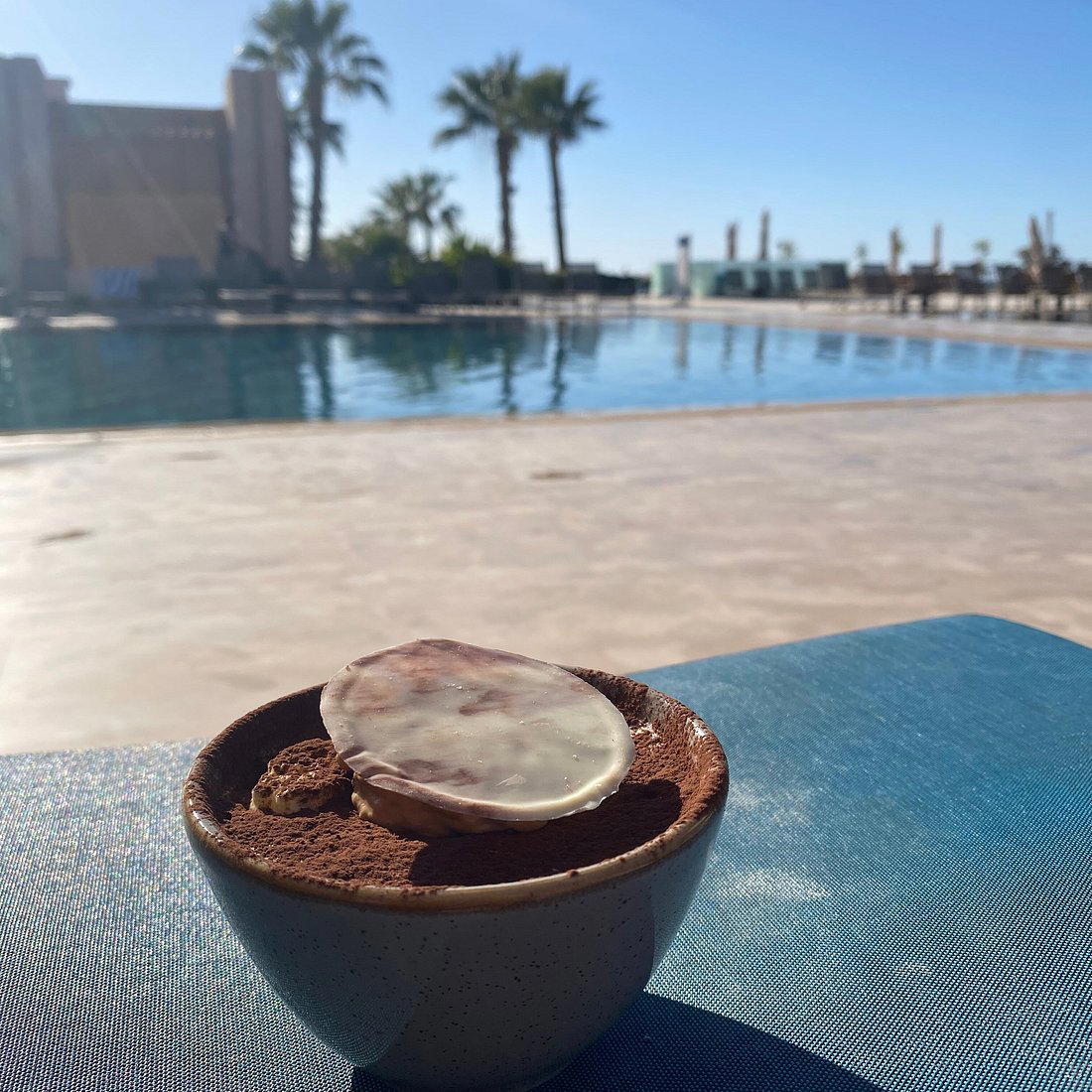
Where the Atlantic Sets the Tempo
Taghazout has spent the better part of a decade shedding its reputation as a purely functional surf stop. What was once a village defined almost entirely by wave forecasts and budget guesthouses now hosts a recognisable tier of beach bars and eating spots that treat the Atlantic view as a frame for something more considered. ANAW BEACH sits inside that shift. The approach alone — salt air, the low percussion of breaking waves, light that shifts from white to amber as the afternoon runs out — establishes a mood before anything is ordered. This is the foundational logic of the Atlantic beach bar: the environment does half the work, and the question is whether the programme behind the counter earns the other half.
That framing matters because Taghazout's drinking scene operates in a specific context. Morocco's relationship with alcohol is complicated by Islamic social norms, and licensed venues in coastal resort towns occupy a particular niche. Bars here are not the ambient infrastructure they are in, say, Barcelona or Lisbon. A beach bar with a drinks programme is a deliberate choice, attracting visitors and internationally-minded locals who treat it as destination rather than convenience. The weight of that expectation shapes what a well-run Taghazout bar needs to be.
The Cocktail Programme in Context
Beach bar cocktail programmes along Morocco's Atlantic coast have generally lagged behind the country's urban drinking culture. Rooftop bars in Marrakech and Casablanca have moved toward signature mixology and technique-led menus, venues like Al-Manara Rooftop in Casablanca and Marrakesh in Marrakech have built their identities partly around the drink as a designed object, not just a cold liquid. The riad circuit has followed suit, with places like Riad Fes - Relais & Châteaux in Fès bringing a hospitality-first register to the bar experience.
The coastal resort strip has been slower. A beach location creates natural pressure toward volume, frozen drinks, predictable spirits, menus that serve a high-turnover tourist crowd. The bars that push past that tend to use locally available ingredients as an organising principle: argan oil, orange blossom water, preserved lemon, fresh herbs from the Souss-Massa plain to the south. These are not gimmicks when they appear in drinks; they are the region's natural flavour vocabulary, and they distinguish an Atlantic Moroccan cocktail from one assembled anywhere else in the Mediterranean basin.
To calibrate what technique-led coastal drinking can look like at its furthest development, it helps to look outside the region. Bar Leather Apron in Honolulu has shown how a Pacific island setting can support a programme built on precision and sourcing rather than volume. Kumiko in Chicago demonstrates how a strong ingredient identity, in that case Japanese spirits and technique, can anchor a bar's entire personality. The lesson from those examples is that geography is an asset when a programme is willing to commit to it rather than default to international templates.
Reading the Beach Bar Format
The beach bar format carries specific structural demands. Seating is typically casual and spread across a larger footprint than an urban counter; the service model needs to absorb a wider range of guests simultaneously. In cities like New York, bars such as Dear Irving and Superbueno have built strong reputations on tight, focused formats where the bartender controls the pace and the environment is compact. A beach setting inverts that logic. The environment is vast and largely uncontrollable, which means the drinks programme has to be legible and reliable under conditions of wind, sun, and shifting light.
Bars that handle this well tend to invest in a shorter, more disciplined menu rather than a long list of options. Julep in Houston has demonstrated that a clear conceptual identity, in that case, Southern spirits and hospitality, can make a drinks list feel complete even when it is deliberately limited. Café La Trova in Miami uses Cuban heritage as a consistent through-line that orders both the drinks and the atmosphere. The principle applies directly to a Moroccan Atlantic beach context: a programme anchored in regional flavour logic is more coherent, and more honest, than one that treats the location as scenery while pouring generic international spirits.
For bars that have built their authority through a distinct programme, the analogy from the American South is also useful. Jewel of the South in New Orleans draws on a deep historical tradition of cocktail-making, and The Parlour in Frankfurt has built a European reputation for programme discipline. In both cases, the drinks carry the editorial weight of the venue. That is the standard a coastal bar aspires to when it wants to be taken seriously beyond its setting.
Planning a Visit
Taghazout sits roughly 20 kilometres north of Agadir along the Atlantic coast, accessible by taxi from Agadir's city centre or from Al Massira Airport. The coastal strip is compact and walkable once you arrive. Timing matters here more than at urban venues: the late afternoon window, when the surf crowd is coming out of the water and the light is dropping toward the horizon, is when a beach bar like ANAW BEACH operates at its natural peak. Early evening, before dinner service crowds the strip, tends to be the moment when the programme gets the most attention from staff and the atmosphere earns its reputation. For a fuller read on where Taghazout's food and drink scene is heading, our full Taghazout restaurants guide maps the current options with editorial context.
Continue exploring
More in Taghazout
Bars in Taghazout
Browse all →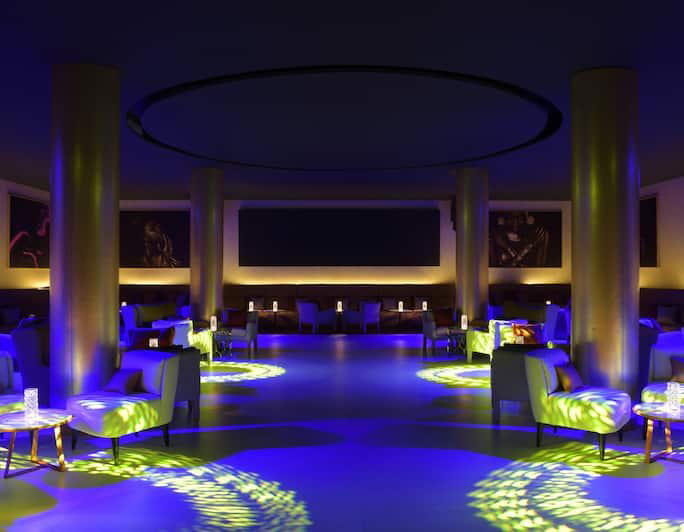
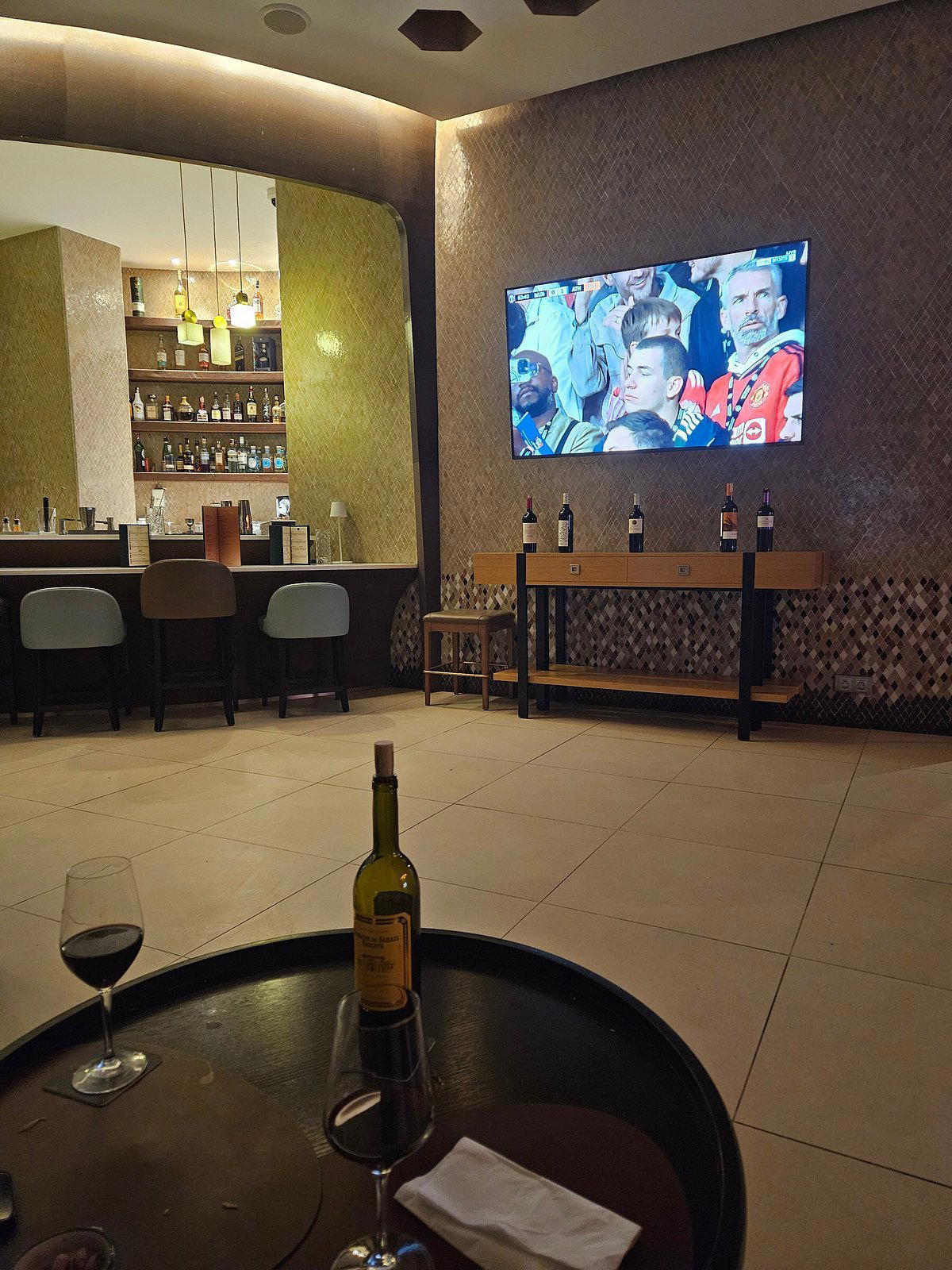
Restaurants in Taghazout
Browse all →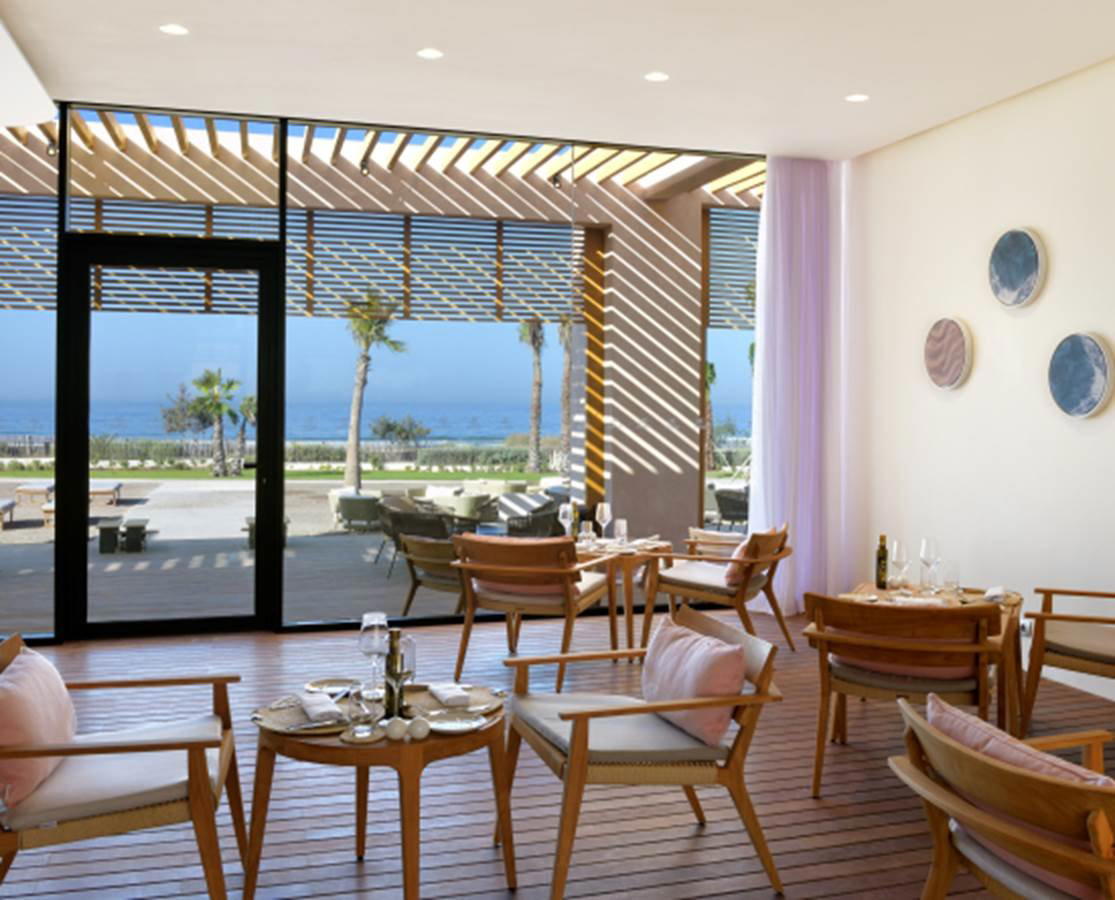
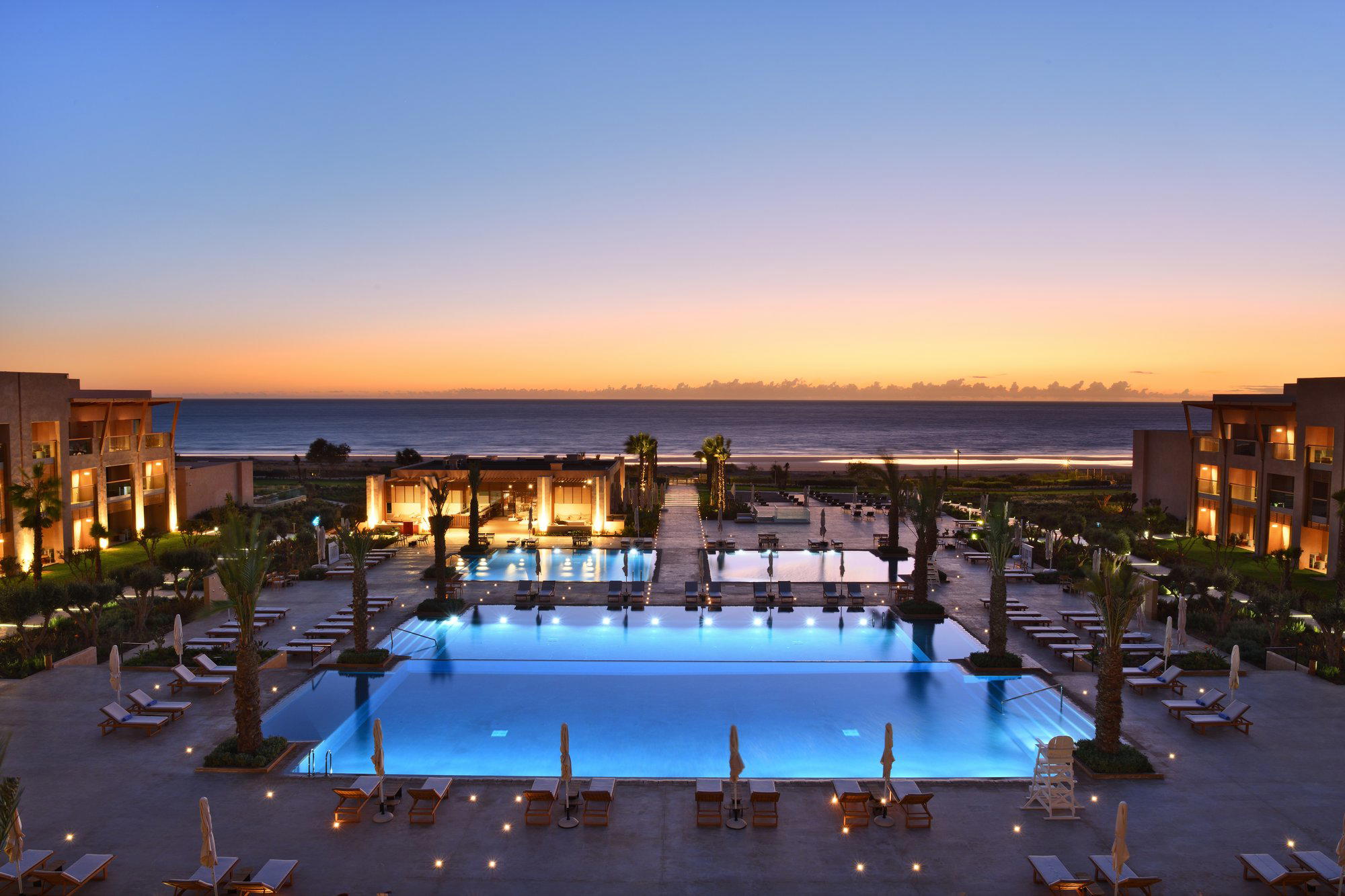
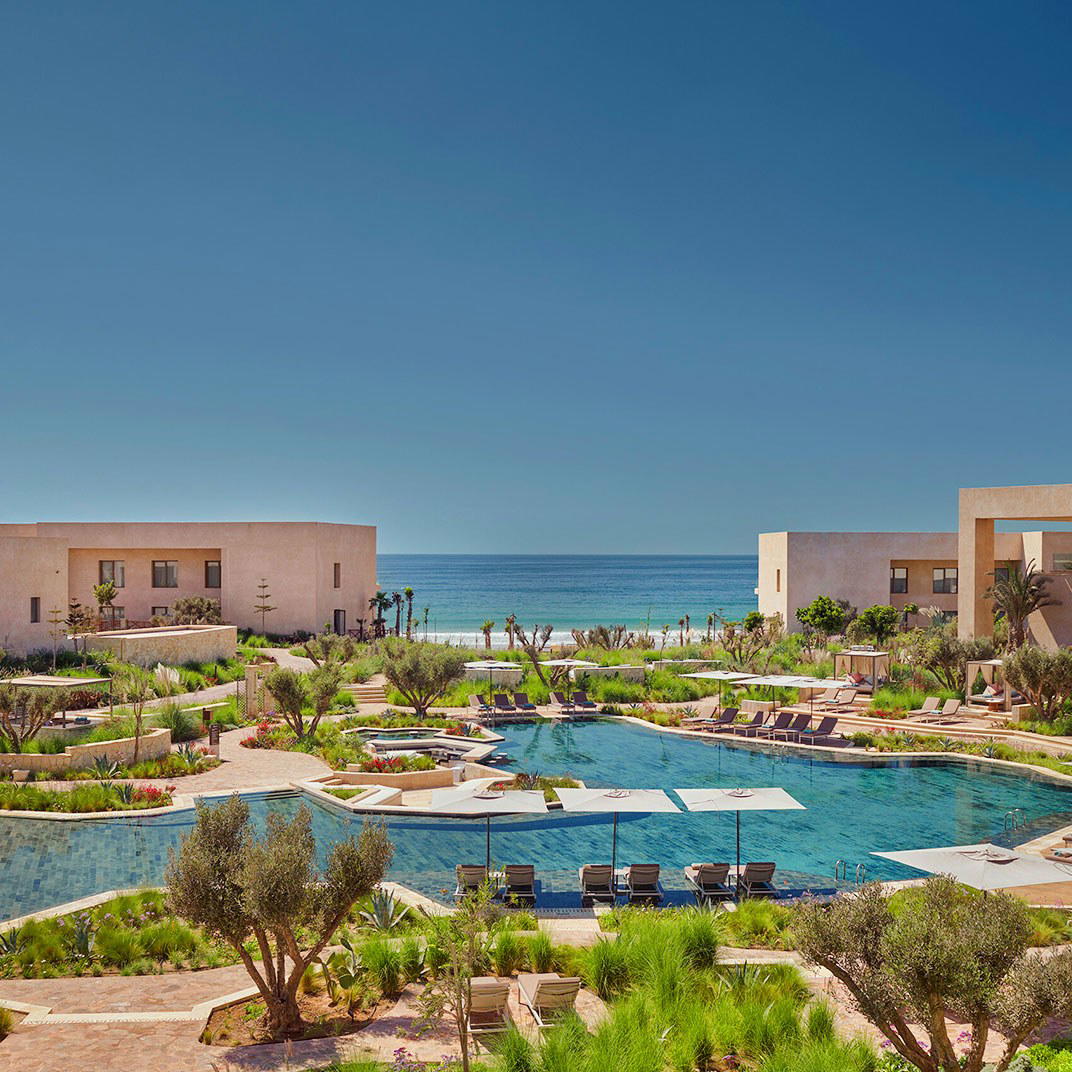
ANAW BEACH
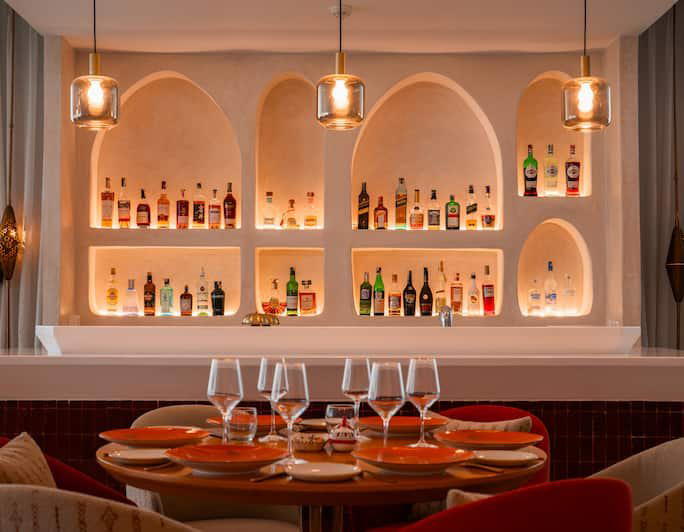
The drinks
- Craft cocktails
Signature drinks: manon ravoir, chili brew martini.
Details
- Lively
- Scenic
- Trendy
- Casual Hangout
- Group Outing
- Waterfront
- Hotel Bar
- Outdoor Terrace
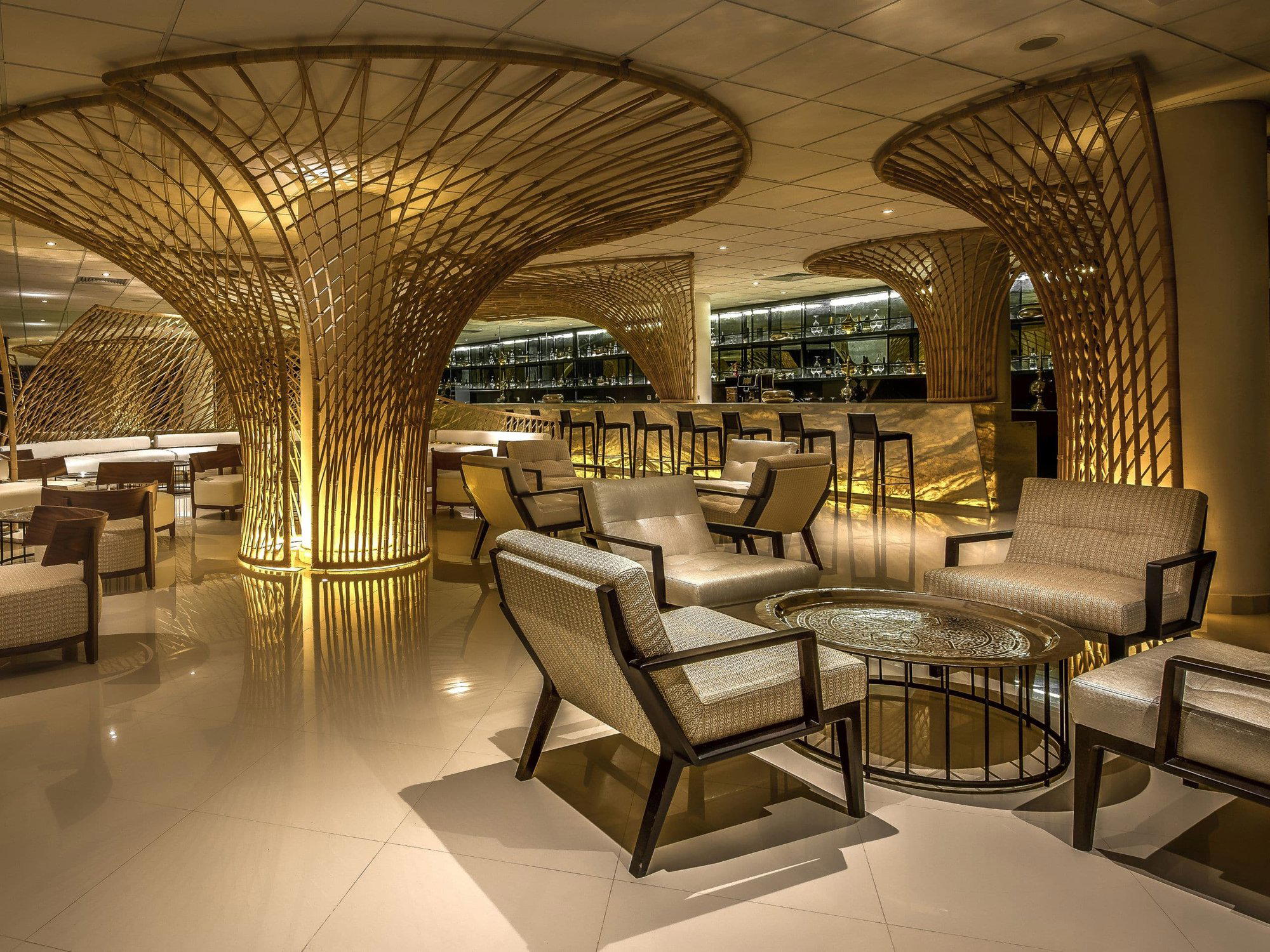
- Lounge Seating
- Craft Cocktails
- Waterfront
Fresh and fun beach atmosphere with sun, sea, and energetic beats.