Caladium Restaurant sits on Market Square in Belmopan, Belize's planned capital, placing it at the civic centre of a city that functions as both government hub and gateway to the Cayo District. The restaurant draws from the layered culinary traditions that define Belizean cooking, where Creole, Garifuna, Maya, and Mestizo influences converge in a single national kitchen. For travellers passing through or basing themselves in Belmopan, it is a practical and culturally grounded dining stop.
Pearl is the En Primeur Club membership app — saves, bookings, and concierge access live there. Same editors, same standards.
- Address
- Market Square, Lionel Del Valle Loop, Belmopan, Belize
- Phone
- +501 822 2754
- Website
- facebook.com
- Directions
- Get directions
 Saves & bookings on Pearl
Dining at the Centre of Belize's Capital
Market Square in Belmopan occupies a particular position in the country's urban geography. Belize's capital was purpose-built in the late 1960s following Hurricane Hattie's destruction of Belize City, and its central square was designed as the functional and civic heart of a new national project. Restaurants that anchor themselves here are not trading on neighbourhood atmosphere in the way that coastal or jungle-adjacent dining spots do; they are operating inside a different kind of Belizean experience, one defined by government workers, domestic travellers, and the steady traffic of people moving between the coast and the Cayo interior. Caladium Restaurant sits on Market Square along Lionel Del Valle Loop in Belmopan, Belize's capital, and serves Belizean Caribbean fare at a casual, walk-in-friendly address.
What Belizean Cuisine Actually Means
To understand what a restaurant like Caladium is working within, it helps to understand how layered Belizean cooking actually is. The national kitchen does not reduce to a single tradition. Creole cuisine, rooted in the country's African and British colonial history, contributed rice and beans cooked in coconut milk, stewed chicken with recado paste, and cow foot soup. The Garifuna tradition, concentrated along the southern coast in places like Dangriga and Hopkins, brought hudut and cassava-based dishes that have no real parallel elsewhere in Central America. Maya communities in the south and west contributed tamales, caldo, and corn-based preparations that predate the colonial period entirely. Mestizo cooking from the north added escabeche, chirmole, and relleno negro to the shared table.
Belmopan sits geographically close to Cayo, a district where Maya influence is strongest and where the proximity to Guatemala adds another layer. A restaurant in Belmopan's Market Square therefore operates at a culinary crossroads, drawing from all of these traditions depending on what it chooses to foreground. The Caladium name itself is a reference to the ornamental tropical plant common across Belize and the wider Caribbean, a detail that positions the restaurant within a visual and botanical language familiar to the region. Restaurants across Belize's smaller towns and inland centres tend to serve this kind of cross-traditional menu, contrasting with coastal venues that lean heavily on seafood and tourist-facing formats. For a comparison of how that coastal register plays out, see how Caramba Restaurant & Bar in San Pedro and Rumfish Y Vino in Placencia Village approach their menus differently from inland counterparts.
Belmopan as a Dining City
Belmopan is not a dining destination in the way that San Pedro or Placencia are. It functions more as a transit and administrative centre, which shapes what its restaurant scene looks like. Dining here is practical-leaning, with a customer base that skews toward locals rather than tourists. That has its advantages: pricing tends to be calibrated to domestic spending patterns rather than international visitor expectations, and menus reflect what people in Belize actually eat rather than what they are thought to want.
For context on how Belizean towns outside the tourist circuits approach their food cultures, it is worth comparing Belmopan with other inland and southern communities. Pop's Restaurant in San Ignacio operates in a town that straddles tourism and local life in Cayo, and represents one model for how inland Belizean restaurants serve a mixed clientele. Grace's Restaurant in Punta Gorda shows how the southern districts, with their stronger Garifuna and Maya-Q'eqchi' influences, develop a distinct register. Tina's Kitchen in Hopkins and the Dangriga entry on our Belmopan list point toward the Garifuna coastal tradition as a separate pole entirely.
The Market Square Setting
Market Square in Belmopan has the character of a functional civic space rather than a curated dining district. Government ministries, markets, and transport links cluster around it, giving the area a working-week energy that drops on weekends. Arriving at Caladium, you are arriving at a restaurant embedded in everyday Belizean urban life, not one positioned for leisure tourism. This matters for how you approach a visit. The atmosphere is shaped by the square itself: open, practical, with the low-density scale that Belmopan's planned layout produces. Compared to the sensory density of Belize City's waterfront or the village-scale intimacy of places like 1981 restaurant in Seine Bight, Belmopan offers a quieter and more municipal frame.
Broader Belize Dining Context
Belize's restaurant scene at its upper register shares little with the fine-dining formats that define cities like New York or San Francisco. Reference points such as Le Bernardin in New York City, Lazy Bear in San Francisco, Emeril's in New Orleans, or Atomix in New York City operate within entirely different culinary economies and infrastructure. Belize's strength is elsewhere: in the specificity of its traditional cooking, the freshness of its coastal ingredients, and the diversity of its cultural influences compressed into a small country. The restaurants worth tracking here are those that serve that tradition without diluting it.
Other Belizean venues working in varied registers include Chef Rob's Gourmet Cafe in Hopkins Village, Bird's Isle Restaurant in Belize City, Espada's Yard in Placencia, Nahil Mayab Restaurant & Patio in Orange, The Lazy Lizard in Caye Caulker, and West End House in Belmopan itself. Each sits in a different part of the country's geographic and cultural spread. See our full Belmopan restaurants guide for mapped comparisons across the capital's dining options.
Planning a Visit
Belmopan is approximately 50 miles west of Belize City along the Western Highway, and serves as the main stop before continuing into the Cayo District toward San Ignacio and the Guatemalan border. The town is accessible by regular bus service from Belize City, making it a practical midpoint for travellers moving through the country by land. Caladium Restaurant's Market Square address places it within walking distance of the main bus terminal, which is particularly useful orientation for visitors arriving without a vehicle. Given that Belmopan is a working administrative city rather than a tourist hub, the dining rhythm here follows a lunch-heavy pattern aligned with government and market schedules. Caladium is casual and walk-in friendly, with an average price of about $15 per person. It is open Monday and Tuesday from 7:30 AM to 8 PM, Wednesday through Friday from 7:30 AM to 10 PM, Saturday from 7:30 AM to 8 PM, and closed on Sunday.
Budget Reality Check
Comparable venues nearby, for context on price, style, and recognition.
| Venue | Cuisine | Price | Notes |
|---|---|---|---|
| Caladium RestaurantThis venue — the venue you are viewing | Market Square, Belizean Caribbean | $$ | Not listed |
| Dangriga | Dangriga, Cafe | $ | Not listed |
| West End House | Belmopan, Belizean Caribbean | Not listed | Not listed |
| Maya Beach Hotel Bistro | Not listed | $$ | Maya Beach, Contemporary Caribbean Bistro |
| The Smoky Mermaid | Belize City, Caribbean Seafood Fusion | $$ | Not listed |
| Pop's Restaurant | San Ignacio, Belizean Diner Breakfast | $$ | Not listed |

At a Glance
- Cozy
- Classic
- Family
- Casual Hangout
- Business Dinner
- Standalone
Current opening hours
- Monday
- 7:30 AM–8 PM
- Tuesday
- 7:30 AM–8 PM
- Wednesday
- 7:30 AM–10 PM
- Thursday
- 7:30 AM–10 PM
- Friday
- 7:30 AM–10 PM
- Saturday
- 7:30 AM–8 PM
- Sunday
- Closed
Hours can change for holidays and private events. Last verified .
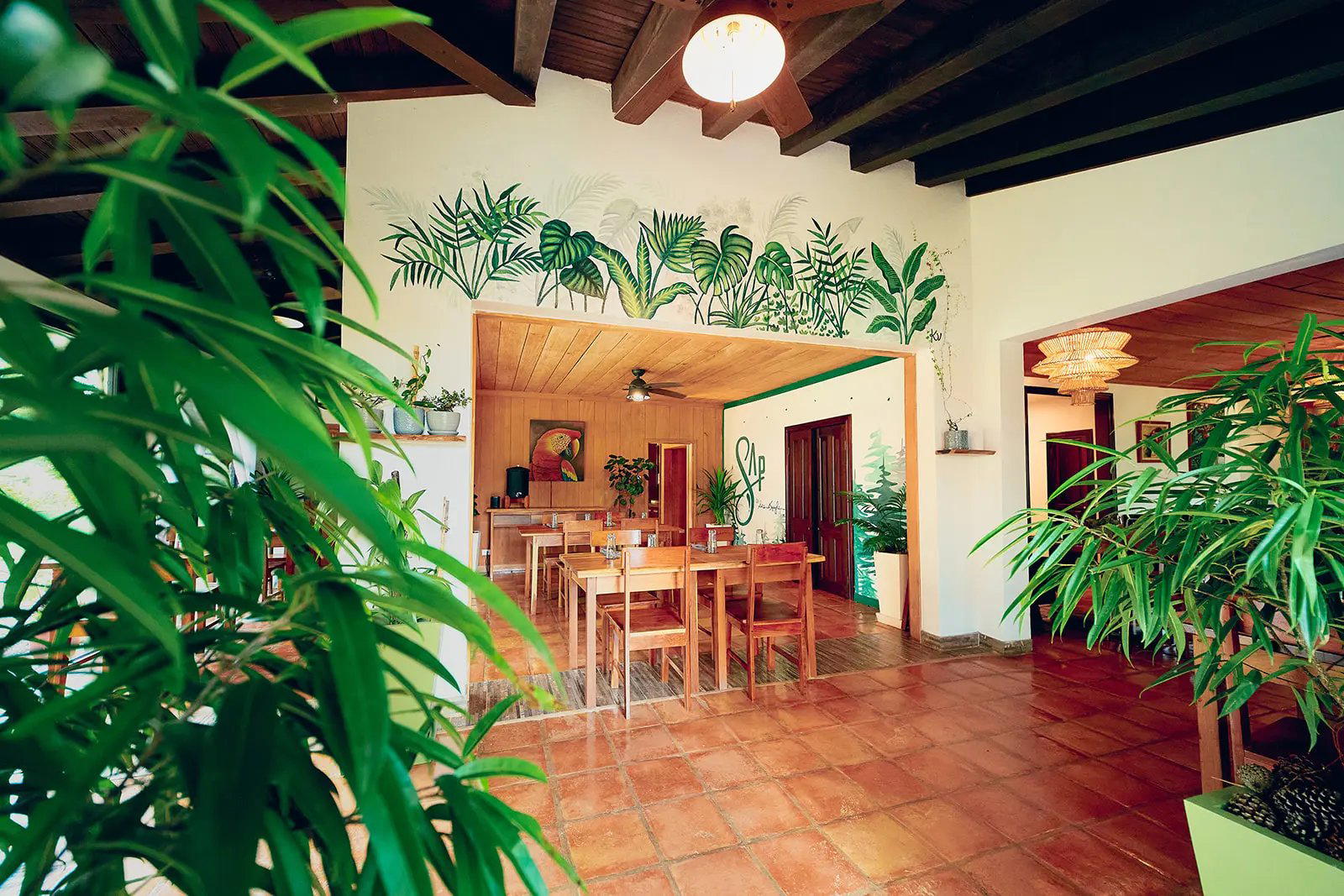
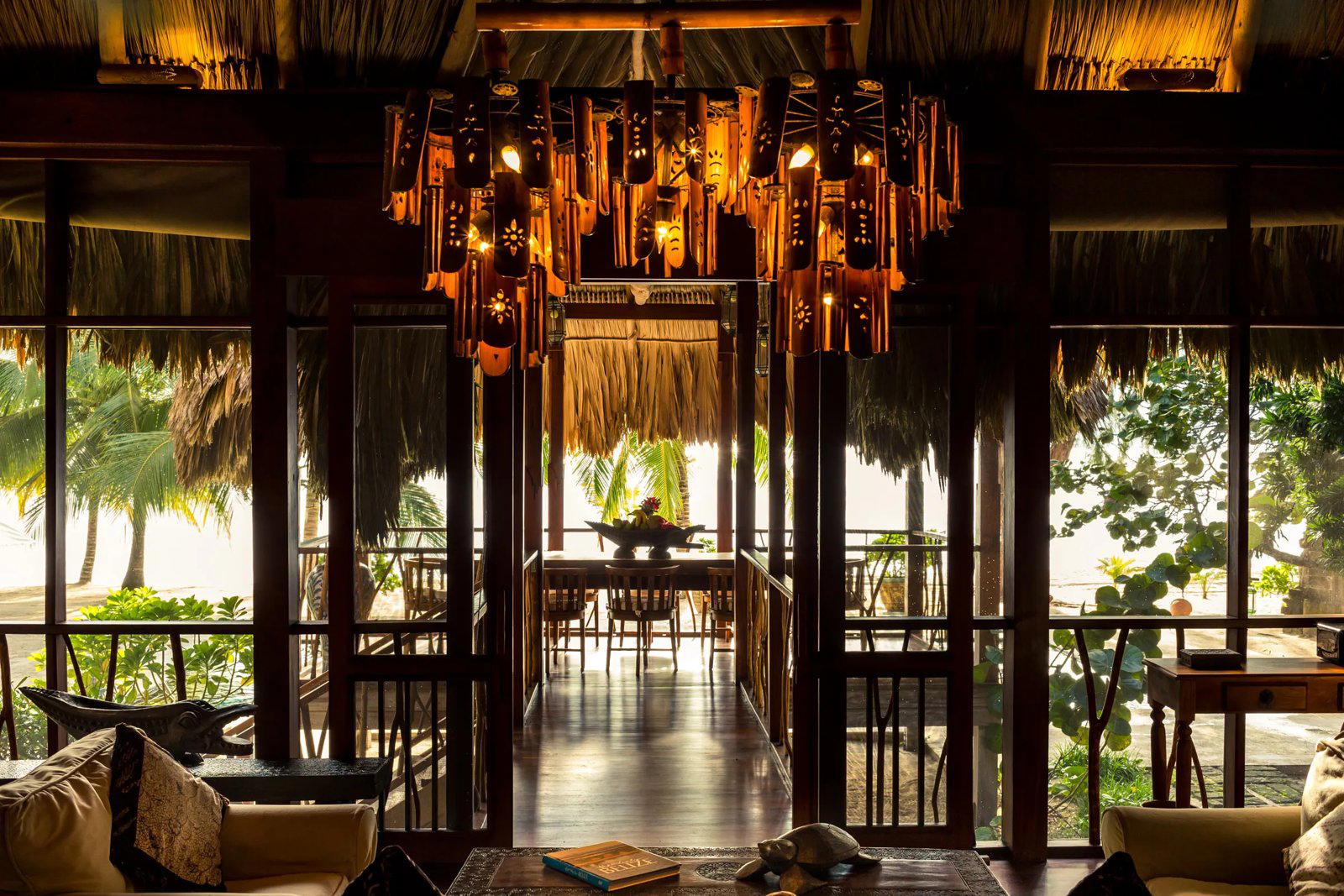
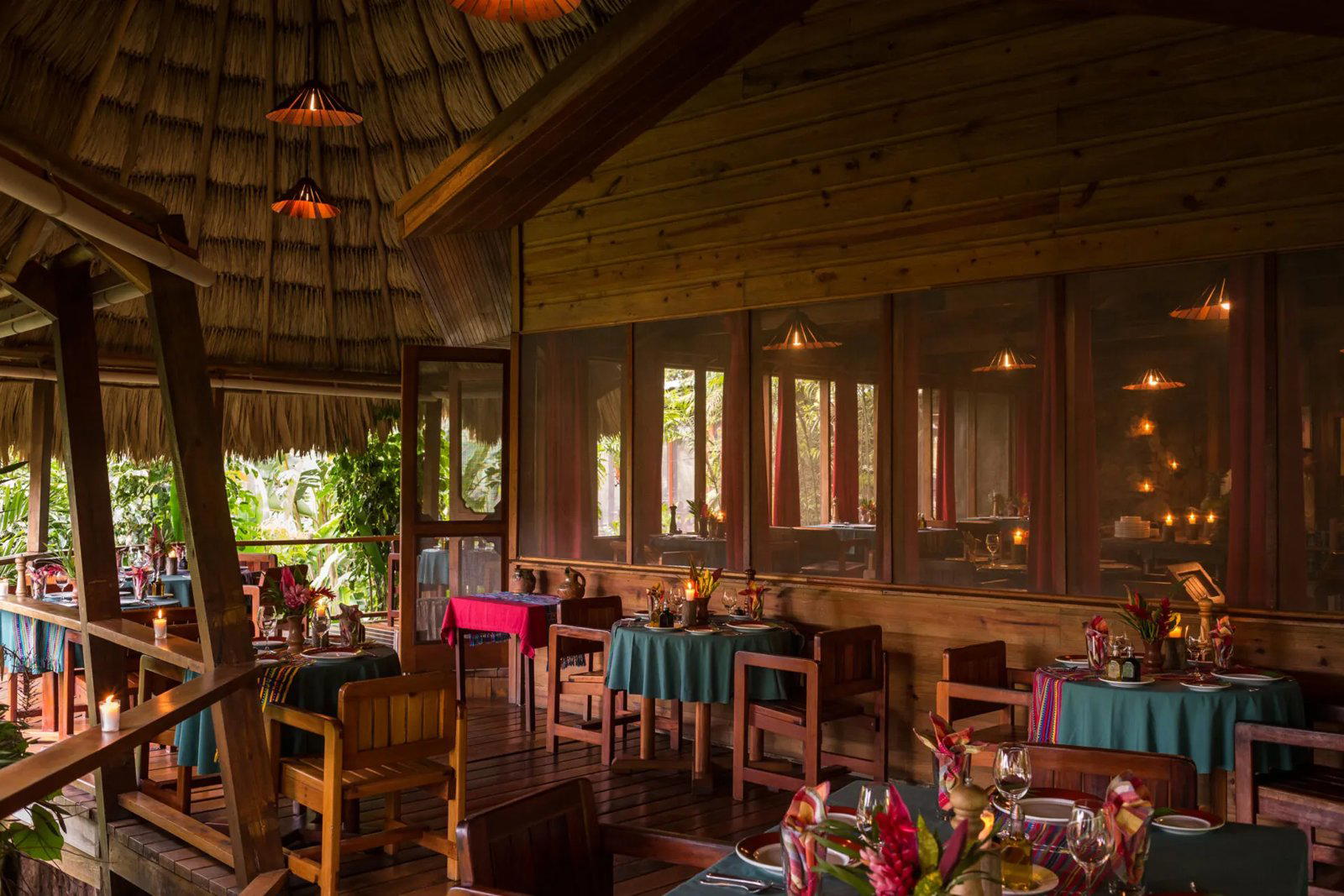
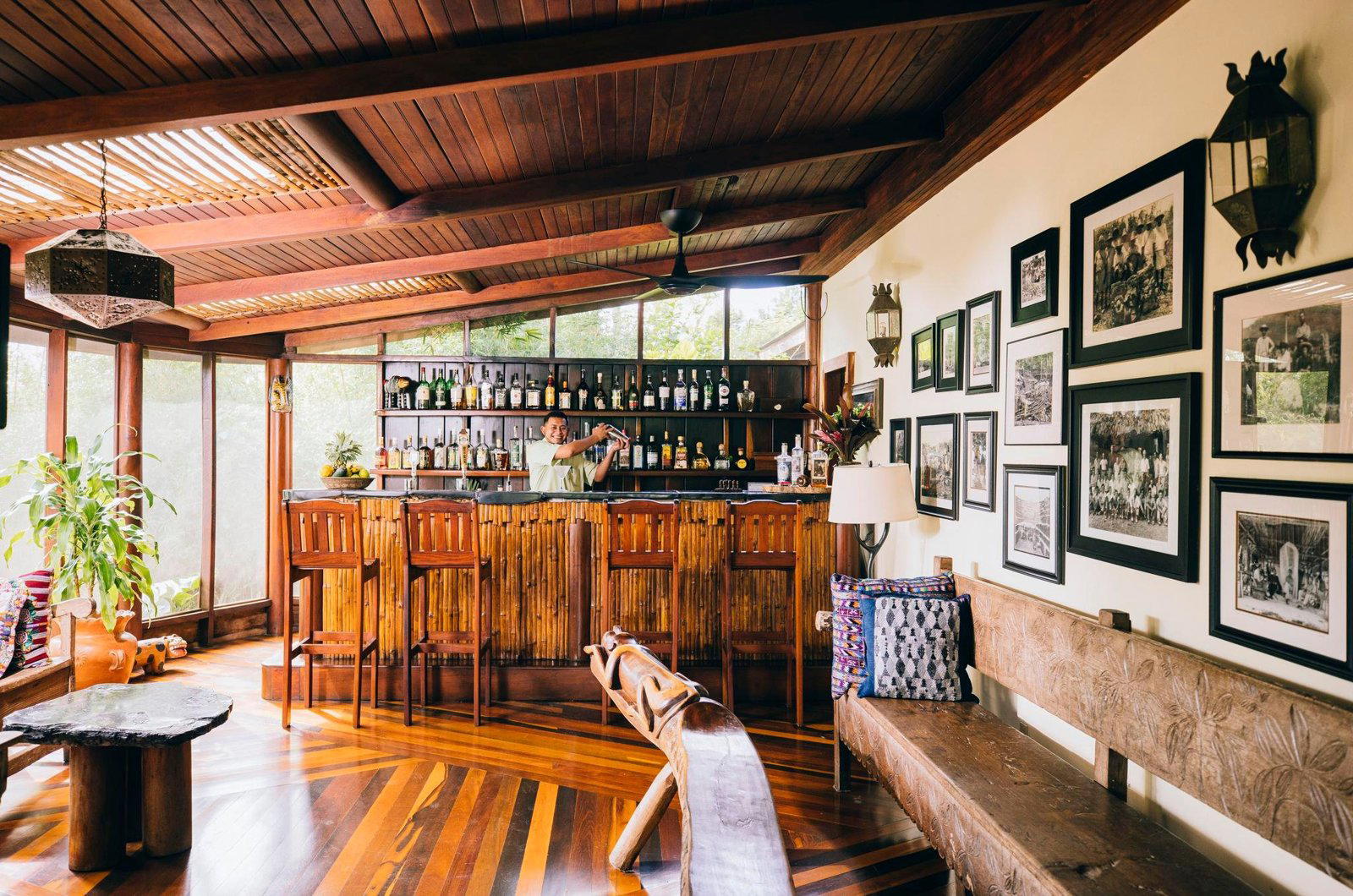
Air-conditioned, welcoming, and comfortable with friendly service.