Cai’s Kitchen
On the second floor of a building along 49th Street, Cai's Kitchen occupies a small but deliberate position in Yellowknife's compact dining scene. In a city where sourcing ingredients across subarctic distances shapes every menu decision, this address draws attention from residents who treat local food culture seriously. A useful anchor for anyone mapping the Northwest Territories' emerging restaurant conversation.
Pearl is the En Primeur Club membership app — saves, bookings, and concierge access live there. Same editors, same standards.
- Address
- 5019 49 St 2nd floor, Yellowknife, NT X1A 1N3, Canada
- Phone
- +1 867-444-2628
- Website
- caiskitchen.com
- Directions
- Get directions
 Saves & bookings on Pearl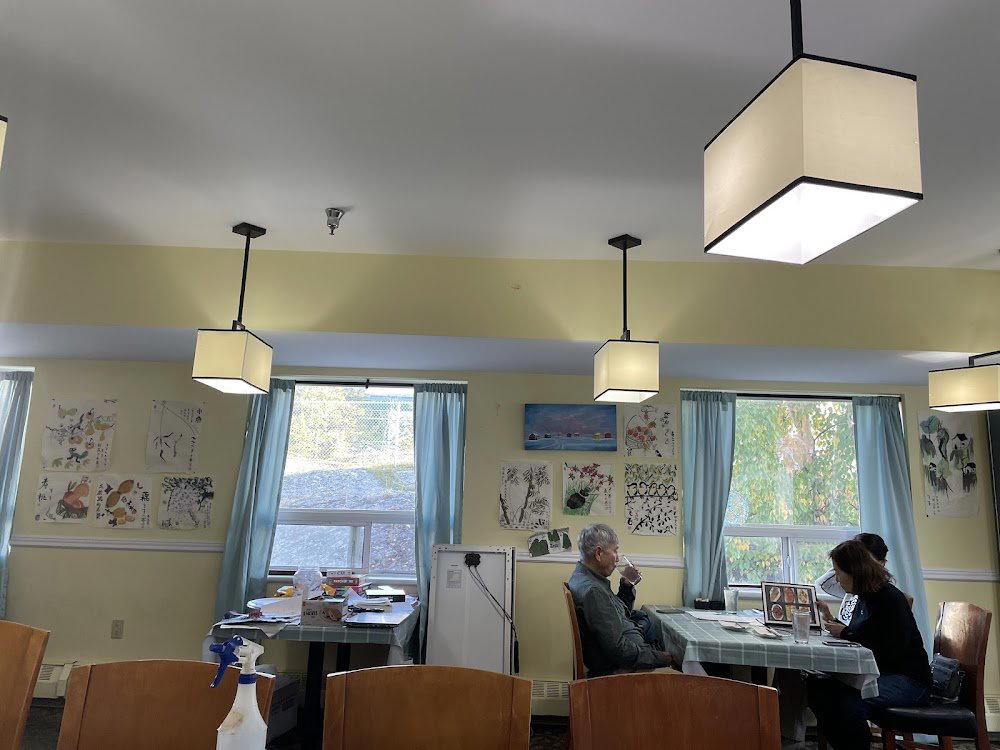
Cooking at the Edge of the Supply Chain
Yellowknife sits roughly 400 kilometres south of the Arctic Circle, and that geography defines every serious kitchen in the city before a single ingredient is purchased. The logistics of food supply in the Northwest Territories are not a footnote, they are the central constraint around which menus are built, adjusted seasonally, and occasionally abandoned. Freight costs from southern distribution hubs, road access that closes seasonally, and the limited footprint of local agriculture mean that every plate served in Yellowknife carries a backstory that most Canadian diners in Vancouver or Toronto rarely have to consider. It is a context worth holding when you climb the stairs to the second floor at 5019 49th Street and take your seat at Cai's Kitchen.
That physical address, above street level on one of Yellowknife's central blocks, places the restaurant in a part of the city where locals and visitors intersect. The second-floor position is common among the city's more considered dining rooms, it creates a separation from the street-level foot traffic and lends a sense of occasion that ground-floor spaces in smaller northern cities can struggle to establish. For a dining scene that punches above its population weight, Yellowknife's upper-floor addresses have become a quiet shorthand for a more deliberate experience.
What Northern Sourcing Actually Means
The ingredient-sourcing question in subarctic Canada has no clean resolution. Unlike Eigensinn Farm in Singhampton, where the kitchen sits metres from its own growing fields, or the Fogo Island Inn Dining Room in Joe Batt's Arm, which has built a whole identity around hyper-local coastal produce, a Yellowknife kitchen faces a different set of trade-offs. Locally harvested game, freshwater fish from Great Slave Lake, and foraged ingredients from the boreal forest represent genuine northern provenance. But they arrive at the kitchen through informal networks of hunters, fishers, and foragers, supply chains that are episodic rather than reliable. A kitchen that leans into these ingredients accepts variability as a design condition, not a problem to be managed away.
Great Slave Lake whitefish and lake trout have long been particularly consistent northern proteins available to Yellowknife restaurants, and they carry a regional identity that imported protein simply cannot replicate. The lake is one of the deepest in North America and one of the few that remains commercially fished at scale in the Northwest Territories. When a Yellowknife kitchen puts lake fish on the menu, it is drawing on a food tradition that predates the city itself, one rooted in Dene harvesting practices that have operated in this region for thousands of years. That lineage does not require announcement on a menu to be present in the room.
Restaurants that make sourcing choices seriously in this geography exist in a different peer conversation than those in cities with year-round farmers' markets and multiple regional suppliers. The comparison set is not AnnaLena in Vancouver or Alo in Toronto, both of which operate inside dense ingredient ecosystems. It is closer to Narval in Rimouski or Cafe Brio in Victoria, kitchens that work within specific regional constraints and treat those constraints as defining rather than limiting.
The Yellowknife Dining Scene as Context
Yellowknife's restaurant scene is small by the numbers but genuinely varied in its range. A city of around 20,000 people supports cuisines that would not seem out of place in a much larger urban centre. Zehabesha Traditional Ethiopian Food demonstrates the kind of immigrant-kitchen depth that cities of this size rarely sustain, and its presence alongside other international options points to a population with broader culinary expectations than the city's geography might suggest. The Northwest Territories draws a transient professional class, government workers, mining industry personnel, researchers, whose appetite for varied dining keeps the scene more dynamic than a static local population alone would support.
But Cai's Kitchen occupies a specific place in that map: a second-floor room on 49th Street that signals intention through its address and its positioning rather than through the volume of its marketing.
Across Canada, the restaurants that have built durable reputations for ingredient-led cooking tend to share a particular discipline: they do not pretend the supply chain does not exist. Restaurant Pearl Morissette in Lincoln and Tanière³ in Quebec City both built identities around transparent relationships with their sources, whether that means estate-grown produce or foraged Quebec ingredients used with documented provenance. The same intellectual commitment, applied to Yellowknife's available supply, looks different in execution but shares the same underlying premise: geography is not a handicap to be overcome, it is the story worth telling.
Planning Your Visit
Cai's Kitchen is located on the second floor at 5019 49th Street in Yellowknife, in the Northwest Territories. The address is accessible from the city centre and sits within walking distance of the main downtown corridor. Cai's Kitchen is open Tuesday through Sunday from 11 AM to 2 PM and 4 PM to 8 PM, with Monday closed. The restaurant is walk-in friendly. Yellowknife's dining scene is compact enough that walk-in availability can vary significantly depending on season, the city sees distinct summer and winter visitor patterns, with aurora tourism driving winter demand from international visitors and the midnight sun drawing a different traveller profile in summer. Both windows affect local dining volumes in ways that urban restaurants rarely experience.
Chafe's Landing Restaurant in Division No 1 or Busters Barbeque in Kenora, both of which reflect the particular texture of cooking in less-central Canadian settings. The contrast with high-formality urban destinations like Le Bernardin in New York City or Lazy Bear in San Francisco is instructive: in those rooms, sourcing is a programme; in Yellowknife, it is a daily logistics problem with a culinary solution. That distinction is what makes dining in the north worth the effort of getting there.
In Context: Similar Options
Comparable venues nearby, for context on price, style, and recognition.
| Venue | Cuisine | Price | Notes |
|---|---|---|---|
| Cai’s KitchenThis venue — the venue you are viewing | Authentic Central Chinese | $$ | Not listed |
| Zehabesha Traditional Ethiopian Food | Traditional Ethiopian | $$ | Downtown |
| The Mantle | Filipino/Asian/Canadian | $$ | downtown |
| Chez Christophe | French Patisserie & Café | $$ | West Vancouver |
| River Cafe | Seasonal Canadian fine dining | $$$ | Prince's Island Park |
| Fatty Cow Seafood Hotpot | Seafood Hot Pot | $$$ | Victoria Drive |
Continue exploring
More in Yellowknife
Restaurants in Yellowknife
Browse all →
At a Glance
- Cozy
- Casual Hangout
- Family
- Hotel Restaurant
Current opening hours
- Monday
- Closed
- Tuesday
- 11 AM–2 PM, 4–8 PM
- Wednesday
- 11 AM–2 PM, 4–8 PM
- Thursday
- 11 AM–2 PM, 4–8 PM
- Friday
- 11 AM–2 PM, 4–8 PM
- Saturday
- 11 AM–2 PM, 4–8 PM
- Sunday
- 11 AM–2 PM, 4–8 PM
Hours can change for holidays and private events. Last verified .
Warm and inviting atmosphere with attentive service.