Zehabesha Traditional Ethiopian Food
Our verdict
In a city where dining options skew heavily toward pub fare and fast-casual chains, Zehabesha brings traditional Ethiopian cooking to Yellowknife's downtown core at 5030 50 St. The kitchen works within a cuisine defined by communal eating, fermented injera, and slow-cooked stews built on spice blends assembled from scratch. For the Northwest Territories, that represents a genuinely rare offer.

Pearl is the En Primeur Club membership app, where members save venues, book tables and use the concierge.
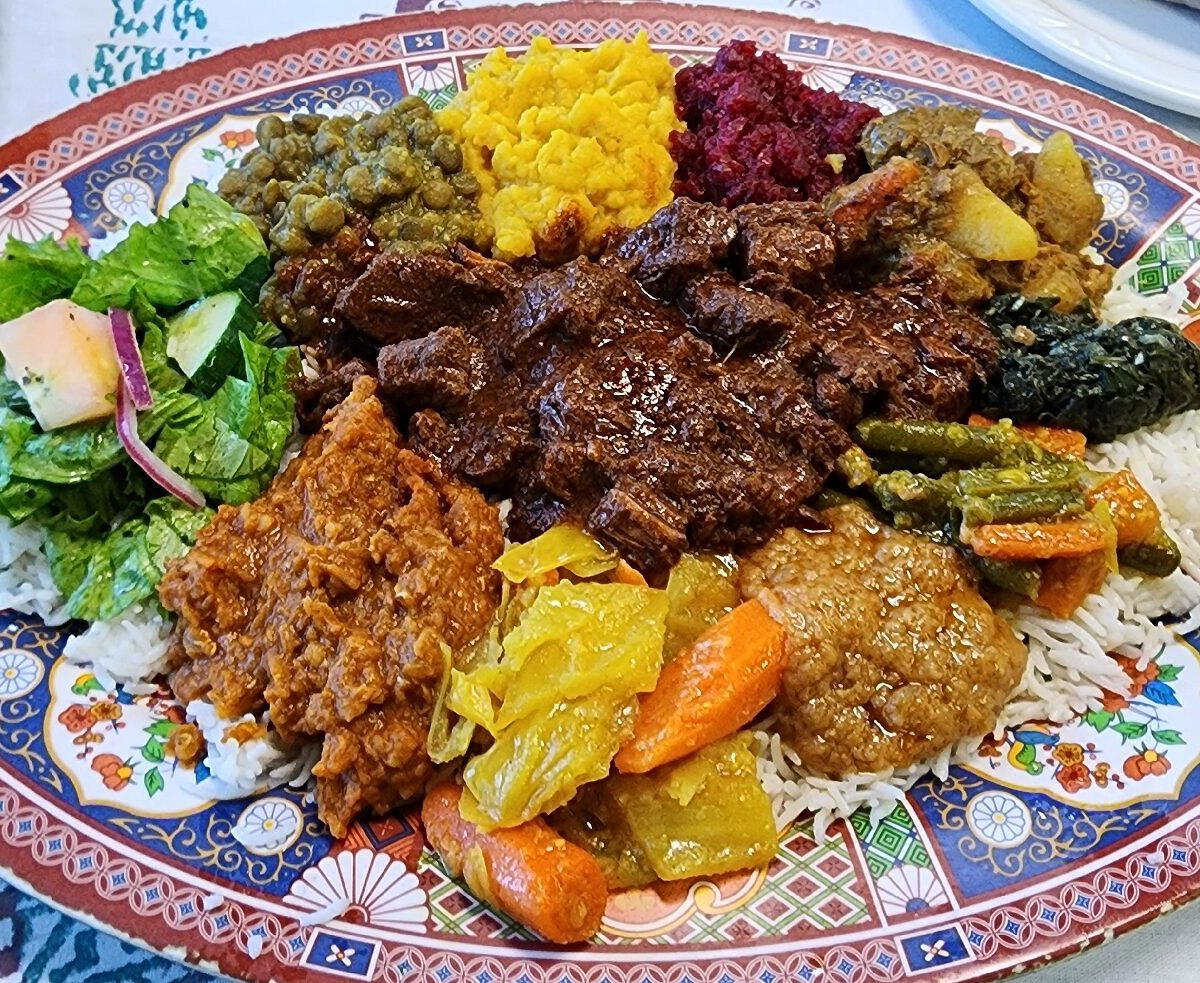
The menu
What to order
- Mahiberawi combo platter
- Goat Curry
- Rose Spaghetti
Ethiopian Food at the Edge of the Subarctic
Yellowknife sits roughly 400 kilometres south of the Arctic Circle, a city of around 20,000 people where the restaurant scene is shaped more by supply logistics than by culinary ambition. Produce arrives by truck or air. Menus at many establishments reflect what travels well and keeps long. Against that backdrop, a kitchen committed to traditional Ethiopian cooking represents a deliberate act of specificity. Zehabesha Traditional Ethiopian Food, located at 5030 50 St in the downtown core, operates within one of the most ingredient-dependent cuisines in the world, a cuisine where the quality and authenticity of a few foundational components determine almost everything on the plate.
Ethiopian cooking, at its core, is an exercise in patience and sourcing. Injera, the spongy sourdough flatbread that serves as both plate and utensil, requires teff flour, a grain originally from the Ethiopian highlands, and a multi-day fermentation process. Berbere, the complex spice blend that anchors most stew-based dishes, combines chilli, fenugreek, coriander, black pepper, and several other spices in proportions that shift from kitchen to kitchen. Niter kibbeh, the spiced clarified butter used in many preparations, demands its own spice-infusion process before it ever reaches the pan. In a city like Yellowknife, where sourcing specialty ingredients requires planning and supply-chain management that urban kitchens take for granted, a kitchen producing these components with any fidelity to tradition is doing something that goes well beyond assembling a menu.
What the Cuisine Demands
The communal format of Ethiopian dining is worth understanding before you arrive. Dishes are served on a shared platter lined with injera, with additional rolls of the bread on the side. There are no individual plates in the Western sense. Diners tear pieces of injera and use them to scoop up stews, salads, and vegetable dishes arranged across the communal surface. This format makes Ethiopian restaurants among the most naturally social dining environments in any cuisine tradition, a format that also happens to suit the Yellowknife context, where the restaurant scene at its finest functions as genuine community infrastructure rather than destination dining.
The vegetarian and vegan options within Ethiopian cooking are extensive by structural design, not as an afterthought. Fasting traditions within the Ethiopian Orthodox Christian calendar prohibit meat and animal products on certain days, which means the cuisine developed a deep vegetable repertoire over centuries. Dishes built around lentils (misir), split peas (kik alicha), cabbage and carrots (tikel gomen), and collard greens (gomen) are as central to the tradition as any meat preparation. For diners in Yellowknife looking for plant-forward options that aren't a compromise on flavour or complexity, Ethiopian cooking offers a structural answer.
Placing Zehabesha in the Yellowknife Dining Context
Yellowknife's dining options cover the familiar Canadian range: pub food, pizza, some Chinese and Japanese-influenced kitchens, and a handful of more considered establishments. Cai's Kitchen represents another example of a specific culinary tradition taking root in the city. But Ethiopian cooking occupies a different position entirely in the Northwest Territories, it's not competing within a crowded category. It's filling a gap that exists across most of northern Canada, where African cuisines remain significantly underrepresented relative to population interest.
The contrast with Canada's southern dining centres is stark. Cities like Toronto (home to Alo), Vancouver (where AnnaLena operates), and Montreal (with establishments like Jérôme Ferrer - Europea) support deep, competitive restaurant ecosystems shaped by large immigrant communities and high culinary investment. Yellowknife operates at a different scale entirely, which means a kitchen like Zehabesha carries more cultural weight per table than it would in a larger urban market. In cities with established Ethiopian neighbourhoods, the cuisine exists within a competitive field. In Yellowknife, it largely defines its own category.
For a broader map of what Yellowknife's dining scene covers, our full Yellowknife restaurants guide provides the city-level context. Elsewhere in Canada, kitchens making strong claims within specific traditions include Tanière³ in Quebec City, Narval in Rimouski, and Restaurant Pearl Morissette in Lincoln, all operating with a clear point of view about where their ingredients come from and why it matters. The ingredient-sourcing challenge at Zehabesha is different in nature but comparable in seriousness.
Planning Your Visit
Zehabesha is located at 5030 50 St, in Yellowknife's downtown core, which puts it within walking distance of most central accommodation. Phone and website details are not publicly listed at the time of writing, so confirming current hours before visiting is advisable, in smaller northern cities, operating schedules can shift seasonally. The communal dining format makes the restaurant naturally suited to groups, and the cuisine's vegetarian depth means mixed dietary groups are well accommodated without requiring separate ordering strategies.
For diners arriving in Yellowknife primarily for aurora viewing or wilderness access, building a meal at Zehabesha into the itinerary is a reasonable way to anchor an evening before or after an outdoor excursion. The food is filling by design, injera-based meals are calorie-dense and protein-rich, which suits the physical demands of cold-weather travel.
Frequently asked questions
Is Zehabesha Traditional Ethiopian Food a family-friendly restaurant?
Ethiopian dining is structured around shared platters, which suits families naturally, everyone eats from the same injera-lined dish rather than ordering individually. That communal format tends to work well with children who are open to unfamiliar flavours. Zehabesha is located in downtown Yellowknife at 5030 50 St, close enough to central accommodation that it's a practical choice for families staying in the area rather than a destination requiring a drive.
What should I expect atmosphere-wise at Zehabesha Traditional Ethiopian Food?
Zehabesha operates in Yellowknife, a city of roughly 20,000 where the dining scene leans heavily toward pub staples and casual Canadian formats, so the restaurant occupies a distinct position simply by serving a different culinary tradition. The setting at 5030 50 St is downtown, meaning the room is accessible rather than remote. Ethiopian restaurants in this format typically prioritise the table experience over theatrical interiors, the food, served communally, is the focal point.
Is Zehabesha Traditional Ethiopian Food the only Ethiopian restaurant in Yellowknife?
Yellowknife's restaurant scene covers pub food, pizza, and a handful of Asian-influenced kitchens, with Ethiopian cuisine representing a rare category in the city. Zehabesha at 5030 50 St downtown is the documented presence for traditional Ethiopian cooking in Yellowknife, making it the reference point for this cuisine in the Northwest Territories rather than one option among several. Travellers arriving in Yellowknife who want East African communal dining have limited alternatives within the city.
What should I eat at Zehabesha Traditional Ethiopian Food?
Ethiopian cuisine here centres on injera, the fermented teff flatbread that functions as both plate and utensil, with a range of stews and vegetable dishes served on top. The cuisine accommodates both meat-eaters and vegetarians, since Ethiopian cooking has a strong tradition of legume and vegetable dishes rooted in fasting practices.
In Context: Similar Options
Comparable venues nearby, for context on price, style, and recognition.
| Venue | Cuisine | Price | Awards | Notes |
|---|---|---|---|---|
| Zehabesha Traditional Ethiopian FoodThis venue (the venue you are viewing) | Traditional Ethiopian | $20–30 | Not listed | Not listed |
| The Mantle | Filipino/Asian/Canadian | $10–20 | Not listed | downtown |
| Cai’s Kitchen | Authentic Central Chinese | $20–30 | Not listed | Downtown |
| Urban Crave | Global comfort food with hearty breakfast | $20–30 | Not listed | Toronto Pearson International Airport |
| CinCin | Wood-fired modern Italian fine dining | Not listed | Not listed | Robson Street |
| 156 Cumberland | Modern Korean Fusion | $50–100 | Michelin Plate | Queen West |
Continue exploring
More in Yellowknife
Restaurants in Yellowknife
All restaurants in Yellowknife →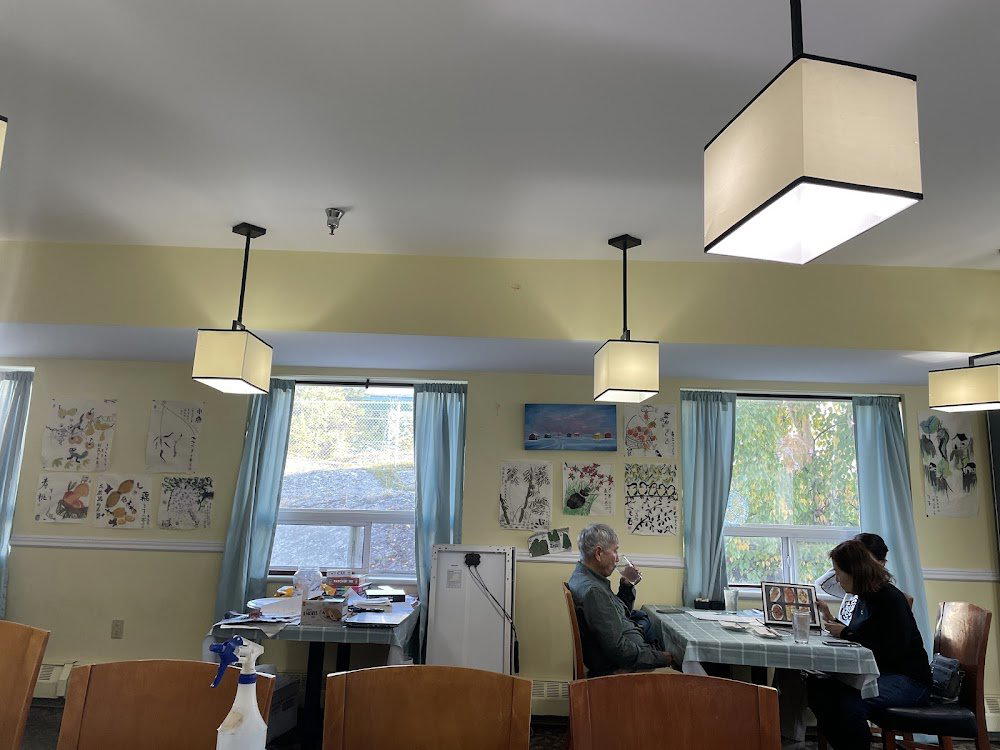
Details
- Cozy
- Rustic
- Family
- Group Dining
- Casual Hangout
- Open Kitchen
- A La Carte
- Family Style
- Vegetarian Friendly
- Vegan Options
- Gluten Free Options
Current opening hours
- Monday
- 11:30 AM–8 PM
- Tuesday
- 11:30 AM–8 PM
- Wednesday
- 11:30 AM–8 PM
- Thursday
- 11:30 AM–8 PM
- Friday
- 11:30 AM–8 PM
- Saturday
- 11:30 AM–8 PM
- Sunday
- Closed
Hours can change for holidays and private events. Hours as of .
Cozy and welcoming family-run atmosphere with basic decor focused on authentic communal dining.