Cafe Rio
Our verdict
Cafe Rio at 253 E 17th St sits inside Costa Mesa's casual dining corridor, where the menu structure tells a clearer story than any single dish. The format here reflects a broader Southern California tradition of accessible, build-your-own formats that prioritize throughput and customization over tasting-menu ceremony. Worth understanding in the context of the city's wider range of options before you book.

Pearl is the En Primeur Club membership app — saves, bookings, and concierge access live there. Same editors, same standards.
- Address
- 253 E 17th St, Costa Mesa, CA 92627
- Phone
- (949) 335-6800
- Hours
- Mon–Thu 10:30 AM–9 PMFri–Sat 10:30 AM–10 PMSun 11 AM–9 PM
- Website
- caferio.com
- Directions
- Get directions
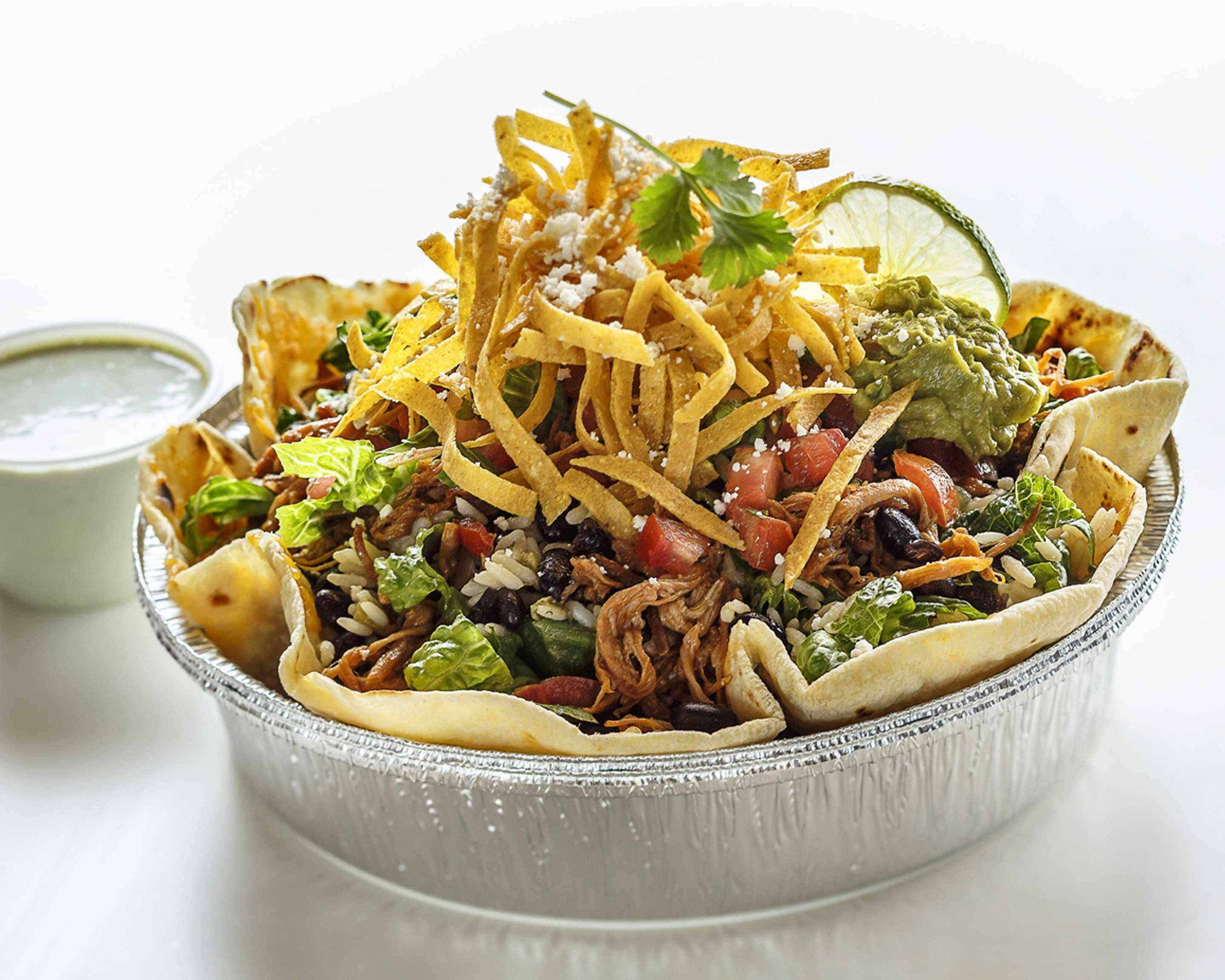
What the Menu Format Reveals About Costa Mesa's Casual Dining Register
Costa Mesa's dining scene operates across a wide price spectrum. At the formal end, counters like Hana re and the contemporary dining room at Knife Pleat represent the city's highest-ticket, most credential-heavy tier. Below that sits a dense middle layer of casual, neighborhood-facing spots where the menu architecture itself signals the value proposition: broad choice, familiar categories, quick assembly, accessible price points. Cafe Rio, at 253 E 17th St, operates inside that middle layer, and the way its menu is structured tells you more about its role in the local dining ecosystem than any individual item on the board.
The build-your-own format common to fast-casual Mexican concepts in Southern California is not an accident of convenience. It reflects a specific philosophy about how people want to eat on weekday afternoons and relaxed weekends: they want control, speed, and familiarity, and they want to avoid the cognitive overhead of a multi-page menu. In a city where you can also sit down at Amorelia Mexican Cafe for a more traditional sit-down Mexican experience, the contrast in menu format is worth reading carefully before you decide which register fits your occasion.
Menu Architecture as a Signal of Intent
The way a restaurant structures its menu is one of the clearest signals of what it thinks its customer wants. Tasting-menu formats, like those at The French Laundry in Napa or Le Bernardin in New York City, remove choice entirely, betting that the kitchen's sequencing is more interesting than anything a diner would select independently. Counter-order formats at the opposite end make the customer the architect. Cafe Rio sits firmly in the latter camp, which means the kitchen's role is consistency and volume, not authorship.
That is not a criticism. Southern California has a long tradition of counter-service Mexican formats where the tortilla, the protein, and the assembly line are the product. The question worth asking is not whether the format is sophisticated, but whether it executes its stated ambition reliably. For a city like Costa Mesa, which draws office workers, families, and South Coast Plaza shoppers in roughly equal measure, a well-run counter-service format fills a real gap that a restaurant like ANQI or Arc Food & Libations is not designed to fill.
Positioning Cafe Rio against Costa Mesa's broader restaurant population requires acknowledging that the city's dining identity is genuinely split. The South Coast Plaza adjacency pulls in destination-dining traffic that supports high-ticket rooms. But the residential neighborhoods along 17th Street and the surrounding blocks sustain a different economy: faster, cheaper, and built around repeat visits rather than occasions. Cafe Rio at 253 E 17th St is address-appropriate for that second economy.
The comparison set here is not Smyth in Chicago or Providence in Los Angeles. It is the cluster of affordable, accessible spots that handle the city's everyday dining volume. Those questions fall outside the verifiable data available here, which means the honest editorial position is to frame Cafe Rio as a neighborhood-register option and direct readers with occasion-specific needs toward venues where more credential data exists.
For readers planning a broader Costa Mesa visit, our full Costa Mesa restaurants guide maps the city's dining tiers in more granular detail, from the chef-driven rooms that draw Orange County's fine-dining traffic to the neighborhood spots that serve its daily rhythm.
The Broader Context: Fast-Casual Mexican in Southern California
The fast-casual Mexican format has been one of the most contested and commercially significant categories in American dining over the past two decades. It sits at the intersection of genuine culinary tradition and industrial efficiency, and the better operators in the category have found ways to use quality sourcing and careful seasoning to distinguish themselves within a format that could otherwise flatten everything to the same baseline. The category's leading examples, scattered across Southern California, demonstrate that counter-service and kitchen care are not mutually exclusive.
How individual locations of any brand in this category perform depends substantially on the specific team running the kitchen on any given day, the freshness of their supply chain, and the discipline of their assembly process. These are granular, location-specific variables that shift over time and are not captured in static venue records. What the category record does confirm is that the format has a proven audience in Southern California and that the 17th Street corridor in Costa Mesa is a logical location for it, given the residential and commercial density in that part of the city.
For readers whose interest runs toward the more structured end of the California dining spectrum, Single Thread Farm in Healdsburg, Addison in San Diego, and Blue Hill at Stone Barns in Tarrytown represent the opposite architectural philosophy: every element of the meal sequenced and controlled by the kitchen, with no assembly line in sight. The distance between those formats and Cafe Rio is a useful way to understand how much range exists within the single category of "going out to eat."
Planning Your Visit
Cafe Rio is located at 253 E 17th St, Costa Mesa, CA 92627. As a counter-service format, the practical calculus is different from reservation-based dining: arrival timing matters more than advance booking, and peak lunch and dinner windows on weekdays will produce the longest wait times. The 17th Street location is accessible by car with parking typical of the surrounding commercial strip.
Frequently asked questions
Can I bring kids to Cafe Rio?
Counter-service formats at this price tier are among the most family-practical dining options on the 17th Street corridor in Costa Mesa. The build-your-own structure lets younger diners customize without the pressure of a fixed menu. No reservation is required, which removes the logistical friction that comes with table-service restaurants.
What is the atmosphere like at Cafe Rio?
Located at 253 E 17th St in Costa Mesa, Cafe Rio operates in the casual, counter-service register common to Southern California's fast-casual Mexican category. Expect high turnover, straightforward ordering at the counter, and a room oriented toward efficiency rather than lingering. It sits in clear contrast to the formal dining rooms further along the Costa Mesa corridor.
How does Cafe Rio fit into Costa Mesa's fast-casual Mexican dining scene?
Costa Mesa supports a range of Mexican dining formats across its restaurant population, from traditional sit-down taquerias to the counter-service tier where Cafe Rio operates at 253 E 17th St. The fast-casual Mexican category has been one of the most commercially active segments in Southern California dining over the past two decades, with chains and independents competing on customization, speed, and value. Cafe Rio's position on the 17th Street corridor places it alongside other accessible, high-turnover options in a city whose dining identity spans both casual and formal registers.
What do regulars order at Cafe Rio?
Across the fast-casual Mexican format in Southern California, customizable bowls, burritos, and salads typically anchor the regular rotation. Cross-referencing with current menu boards on-site will give the most accurate picture. Check the venue's official channels for the latest details.
What's Cafe Rio's location?
Cafe Rio is located at 253 E 17th St, Costa Mesa, CA 92627, Costa Mesa.
How far ahead should I plan for Cafe Rio?
Same-day planning is the standard for counter-service operations at this price point on the 17th Street corridor in Costa Mesa. No advance reservation system applies to formats like this, so walk-in timing around peak lunch and dinner hours is the main variable worth considering. Arriving slightly off-peak typically reduces wait time at the counter.
A Credentials Check
| Venue | Cuisine | Price | Awards | Notes |
|---|---|---|---|---|
| Cafe RioThis venue — the venue you are viewing | Fresh Modern Mexican | $10–20 | Not listed | Not listed |
| Knife Pleat | Contemporary French Fine Dining | $200–300 | Michelin Plate · LA Times 101 Best Restaurants #35 | Contemporary |
| Mastro’s Ocean Club | Classic Steakhouse & Seafood | $150–200 | Wine Spectator Best of Award of Excellence | Not listed |
| Sidecar Doughnuts and Coffee | Doughnuts | $10–20 | Not listed | Not listed |
| Hana re | Japanese Omakase | $200–300 | Michelin Plate | Japanese |
| Vaca | Modern Spanish Tapas | $50–100 | Michelin Plate | Not listed |
Continue exploring
More in Costa Mesa
Restaurants in Costa Mesa
Browse all →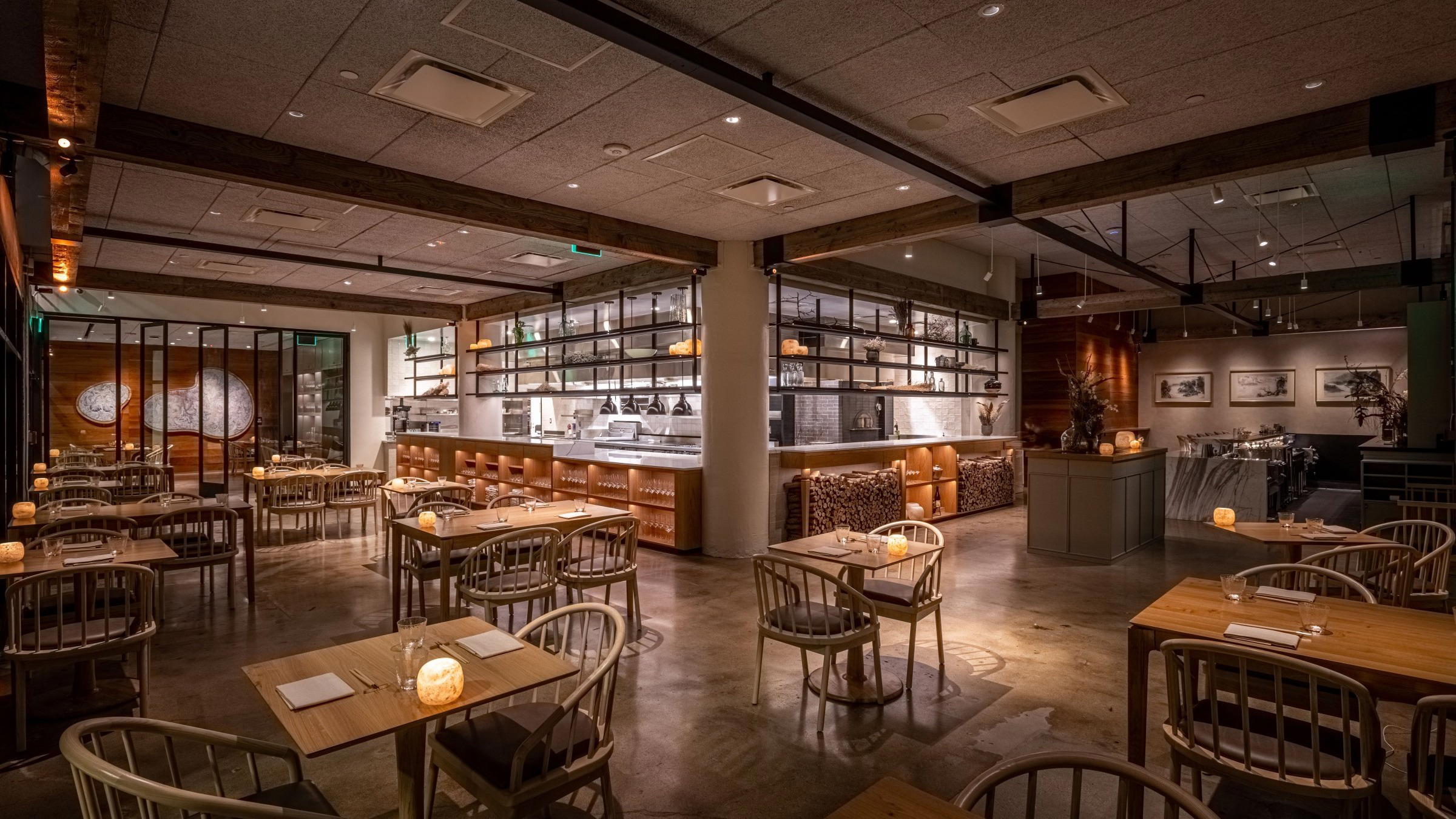
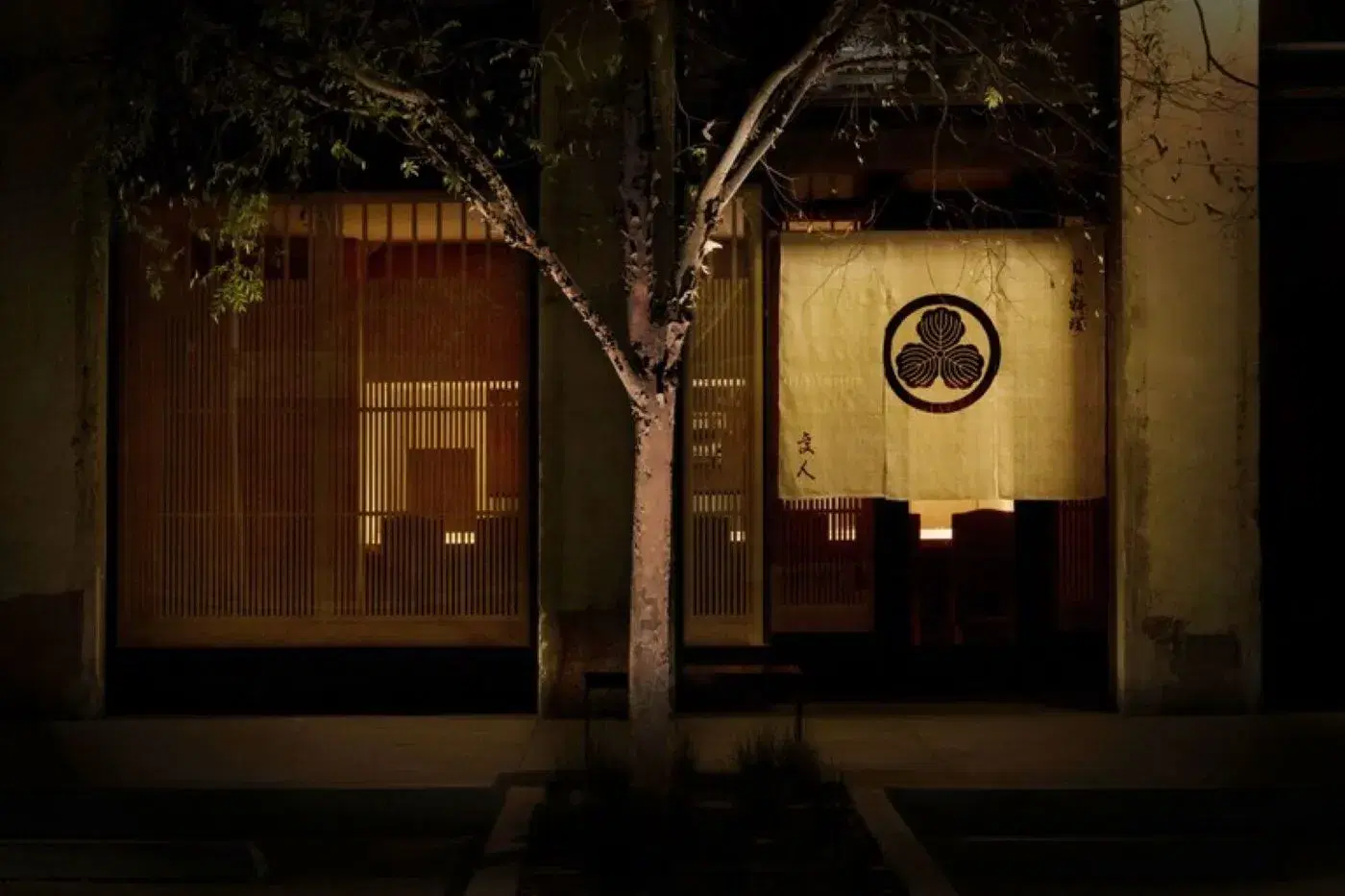
Bars in Costa Mesa
Browse all →
Hotels in Costa Mesa
Browse all →
Wineries in Costa Mesa
Browse all →
Details
- Casual Hangout
- Family
- Open Kitchen
- A La Carte
- Vegetarian Friendly
Current opening hours
- Monday
- 10:30 AM–9 PM
- Tuesday
- 10:30 AM–9 PM
- Wednesday
- 10:30 AM–9 PM
- Thursday
- 10:30 AM–9 PM
- Friday
- 10:30 AM–10 PM
- Saturday
- 10:30 AM–10 PM
- Sunday
- 11 AM–9 PM
Hours can change for holidays and private events. Last verified .
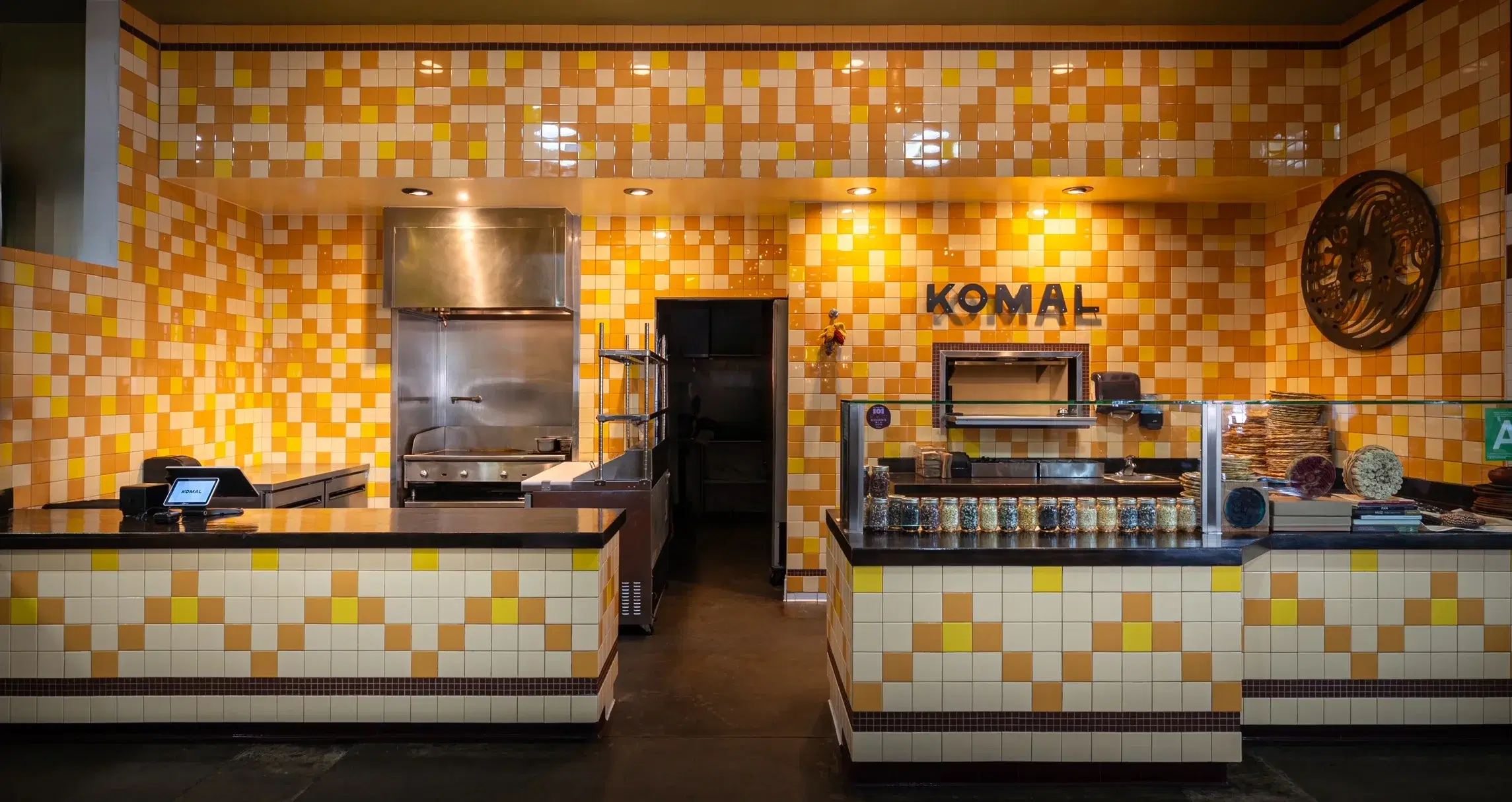
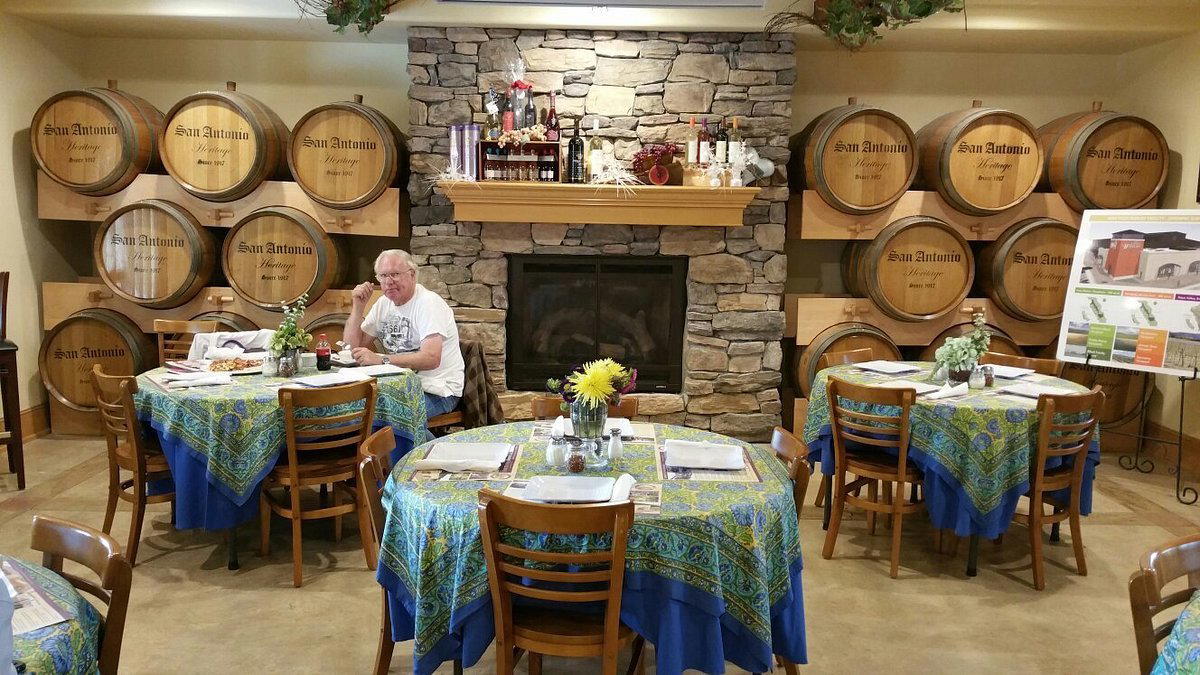
Casual fast-casual atmosphere with an assembly-line setup for custom orders.