Café Mole
Café Mole belongs to Swakopmund’s Atlantic-facing café culture, where the point is as much coastal rhythm as formal dining. With no public awards, chef profile, or price band attached, it reads less as a destination tasting-room proposition and more as a casual Swakopmund stop to weigh against the city’s seafood rooms, delis, and brewery-led dining.
Pearl is the En Primeur Club membership app — saves, bookings, and concierge access live there. Same editors, same standards.
- Address
- Swakopmund, Namibia
- Directions
- Get directions
 Saves & bookings on Pearl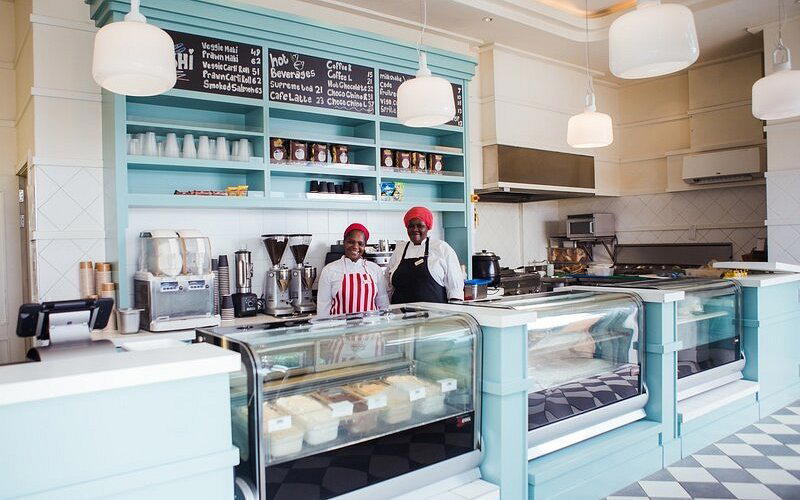
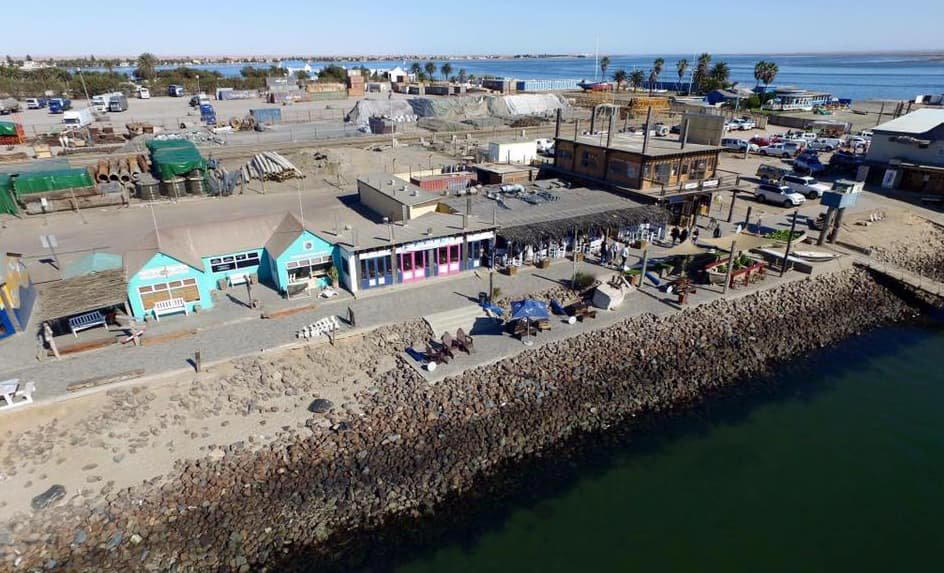
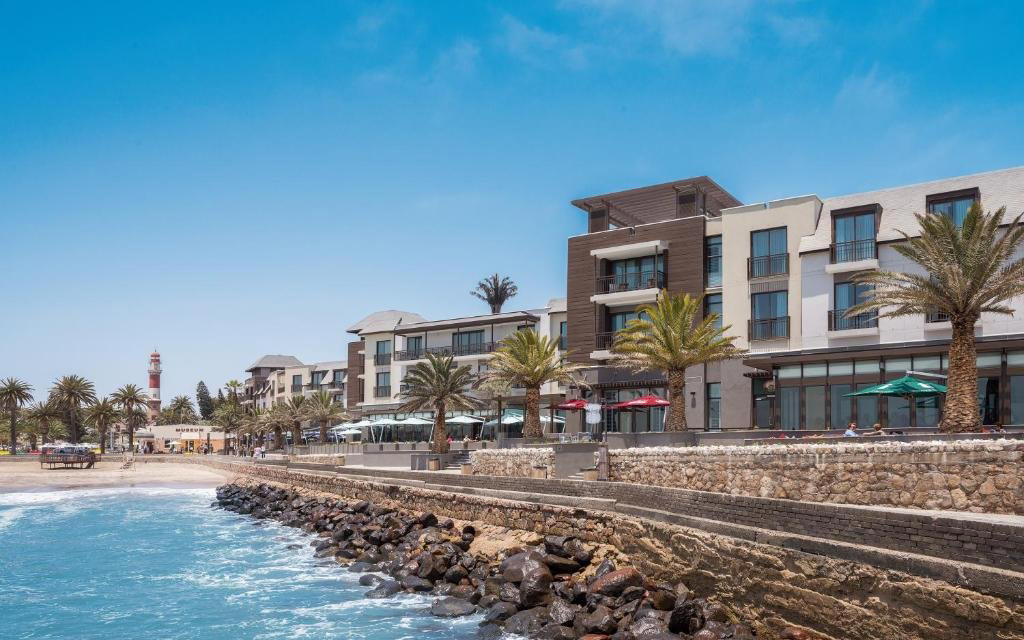
The Atlantic announces itself before the table does in Swakopmund: salt air, pale light, and the particular hush of a desert town that ends abruptly at the ocean. Café Mole sits within that coastal grammar. The appeal is not grand dining theatre; it is the everyday Namibian seaside pattern of coffee, casual plates, and a room calibrated to people moving between beach, promenade, and town.
That context matters because Swakopmund is not a single-note restaurant city. Its dining scene splits between German-influenced bakery culture, seafood-driven rooms, brewery-style social eating, and practical daytime cafés. Café Mole belongs to the café end of that range, a category where sourcing is judged less by ceremony than by whether the kitchen feels connected to the coast, the morning trade, and the produce routes that feed a remote Atlantic town.
Swakopmund's coastal café tradition is the real frame
In a city shaped by desert on one side and cold Benguela waters on the other, ingredient sourcing has a different weight from inland dining. Seafood rooms can lean into the Atlantic identity directly, while cafés tend to reflect the town’s hybrid habits: breakfast, light lunches, baked goods, coffee, and casual plates that work for travellers who are not planning a long formal meal. Café Mole is useful in that register, especially when the day is built around the waterfront rather than a reservation-led dinner.
The comparison set clarifies the choice. Ocean Cellar signals the seafood end of Swakopmund dining, while Brewer & Butcher points toward a more social, drinks-and-grill format. Farmhouse Deli sits closer to the daytime café and deli lane. The restaurant should be read beside those formats rather than against tasting-menu restaurants in larger capitals.
That distinction protects the reader from overexpectation. Swakopmund rewards diners who choose by occasion: seafood when the ocean is the subject, a brewery table when the evening is group-driven, a café when the day needs flexibility. The restaurant fits the last of those decisions. Its value is tied to location, ease, and the coastal routine, not to public award hardware or chef-led mythology.
What ingredient sourcing means on Namibia's Atlantic edge
Namibia’s coast has a practical food identity. The cold current supports a strong seafood culture, while the desert setting makes freshness, supply lines, and simple preparations matter more than decorative complexity. In Swakopmund, the credible plate often comes from restraint: let the coast do its work, keep the format relaxed, and avoid pretending the town is a European capital with a Namibian backdrop.
The restaurant’s public profile does not attach it to a named chef, award list, or declared cuisine category, so the smarter editorial read is categorical. This is a café-format address in a city where casual dining carries a large share of the visitor experience. For travellers comparing Swakopmund with Windhoek or the interior, that matters. The capital has broader urban dining range, visible in entries such as Ambo Delights Restaurant in Windhoek, while the coast tends to make setting and product feel more immediate.
Nearby and regional comparisons sharpen the map. Anchors @ The Jetty in Walvis Bay sits in another harbour-town context, where seafood and waterfront positioning carry the meal. Inland, EPAKO Restaurant in Omaruru is described through creative cooking, a different proposition from a coastal café stop. Gmundner Lodge in Dordabis District belongs to the lodge-dining conversation, where hospitality setting and destination travel shape expectations.
The wider EP Club index shows how format changes the reader’s decision. A sake bar such as Jōdo Saké Bar in Los Angeles, a compact Japanese snack specialist like Onigiri Time in Pasadena, -Grilled beef Sukiyaki- KAMAKURA TANUKIAN 鎌倉 たぬき庵 in Kamakura, ¡Salud! in Los Angeles, ¡Toma! in Liège, and ¿CóMO? Taperia in Vancouver all ask diners to judge by category first. The restaurant deserves the same discipline: assess it as a Swakopmund café, not as a trophy restaurant.
How to place it in a Swakopmund day
The sensible use case is daytime or early-evening flexibility in the coastal part of the city. For broader trip planning, the city reads better when restaurants, hotels, bars, wineries, and experiences are mapped together rather than treated as separate silos.
Use our full Swakopmund restaurants guide for the dining spread, then cross-check where to sleep through our full Swakopmund hotels guide. Drinking plans sit in our full Swakopmund bars guide, wine-related listings in our full Swakopmund wineries guide, and non-restaurant planning in our full Swakopmund experiences guide. The restaurant is strongest when treated as part of that coastal rhythm: a casual Swakopmund stop, not a formal culinary appointment.
Quick Comparison
Comparable venues by cuisine and price in the same metro.
| Venue | Cuisine | Price |
|---|---|---|
| Café Mole | This venue | Not listed |
| EPAKO Restaurant | Creative cooking | Creative cooking |
Continue exploring
More in Swakopmund
Restaurants in Swakopmund
Browse all →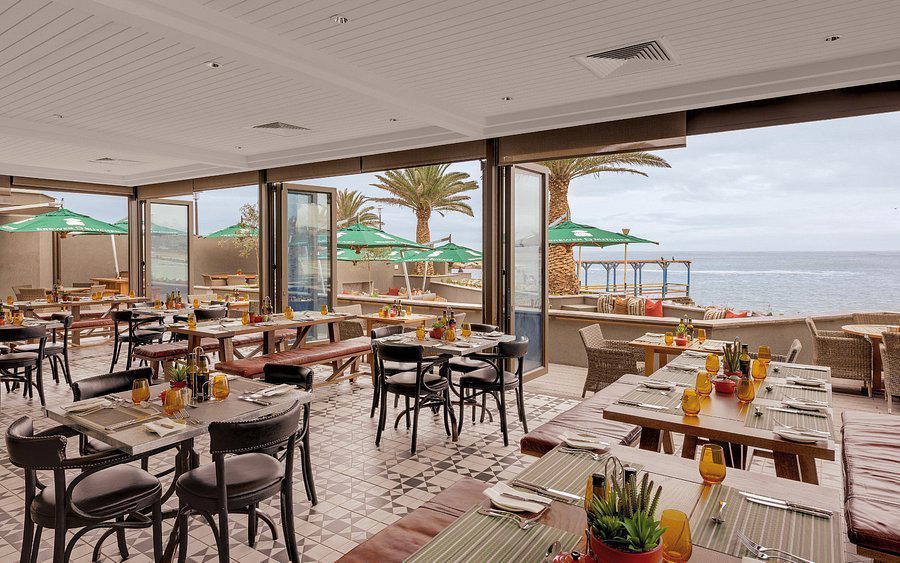
Bars in Swakopmund
Browse all →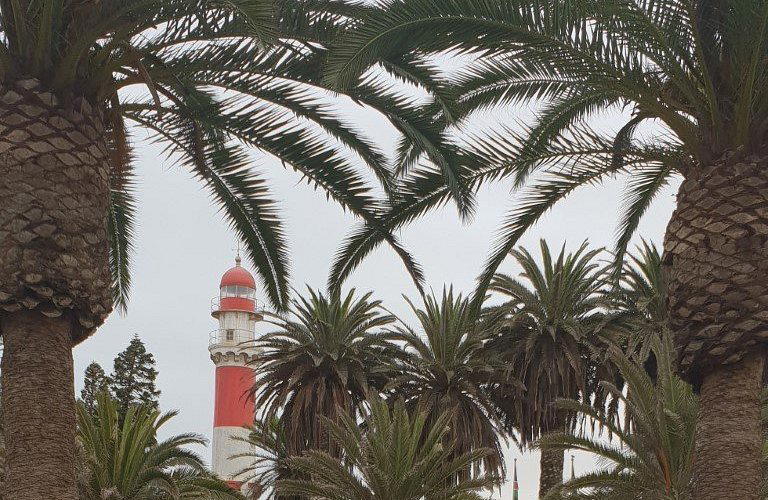
At a Glance
- Scenic
- Casual
- Quiet
- Family
- Solo
- Casual Hangout
- Brunch
- Waterfront
- Standalone
- Zero Proof
- Waterfront
Casual beachfront café atmosphere with ocean views, quick service, and a laid-back takeaway feel; reviews also describe it as calm and suitable for a relaxed solo visit.