Cafe Med
Cafe Med sits along Kirby Parkway in Germantown, a suburb that has quietly developed one of greater Memphis's more consistent dining corridors. The Mediterranean name signals a menu orientation toward the olive oil and herb traditions of the southern European coast, placing it in a segment of Memphis dining that runs leaner on red sauce and heavier on grilled proteins and vegetable-forward preparations. Booking details and current hours are best confirmed directly with the venue.
Pearl is the En Primeur Club membership app — saves, bookings, and concierge access live there. Same editors, same standards.
- Address
- 1817 Kirby Pkwy #7, Germantown, TN 38138
- Phone
- +19017559710
- Website
- cafemed1.com
- Directions
- Get directions
 Saves & bookings on Pearl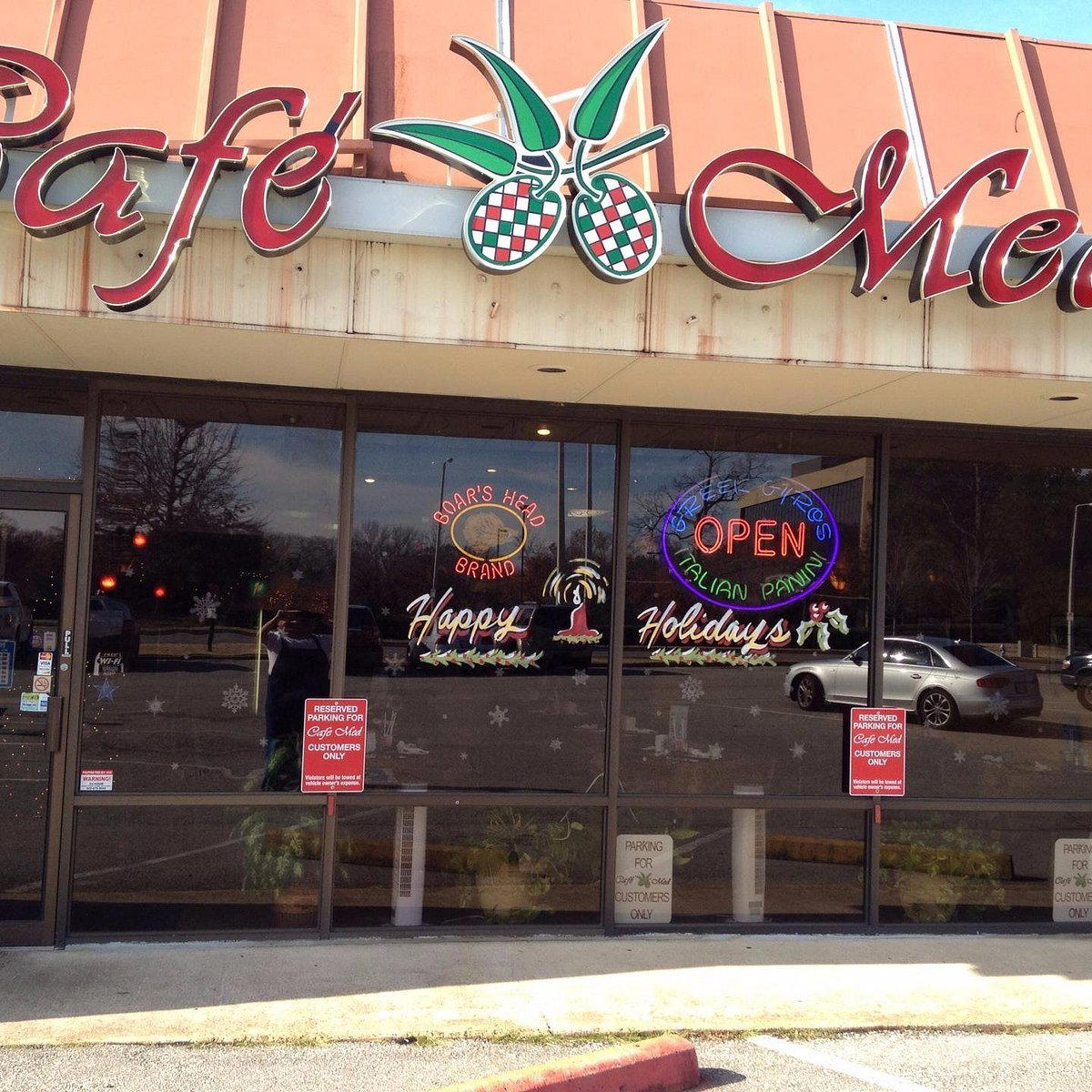
Germantown's Dining Corridor and Where Cafe Med Fits
Germantown, the prosperous suburban township that sits roughly twelve miles east of downtown Memphis, has built a dining identity that runs parallel to but distinct from the city's more celebrated barbecue and blues-adjacent restaurant culture. Cafe Med is an Authentic Mediterranean (Syrian-Greek) restaurant at 1817 Kirby Pkwy #7 in Germantown, Tennessee, priced around $15 per person. Kirby Parkway, the tree-lined commercial artery where Cafe Med operates from a low-profile strip address at 1817 Kirby Pkwy, anchors a cluster of restaurants that serve a residential audience with different expectations than the visitors flooding Beale Street. That demographic shapes what survives here: cooking that rewards repeat visits rather than spectacle, service that accommodates regulars, and wine programs that earn loyalty over time rather than chasing trend cycles.
The Mediterranean category in American suburban dining covers an enormous range, from fast-casual falafel counters to proper full-service rooms with serious cellar programs. Cafe Med's positioning within that range, given its Germantown address and longevity signals, suggests it occupies the full-service tier where wine and food work as a considered pair rather than as an afterthought to convenience. That tier is meaningful in a city where Andrew Michael Italian Kitchen represents a benchmark in Italian-American dining, and where Amerigo holds the middle ground on consistent Italian-leaning comfort. The restaurant sits in that conversation as the Mediterranean-specific alternative, distinct in its orientation even if the dining experience shares some structural DNA with its Italian-inflected neighbors.
The Wine Question in Mediterranean Dining
Mediterranean cuisine, read broadly as the culinary traditions of Spain, southern France, Italy, Greece, and the Levantine coast, has a natural affinity with a wine geography that American restaurant lists have historically underrepresented. The grapes of the region, Grenache and Mourvedre from the Rhone and Provence, Assyrtiko from Santorini, Vermentino from Sardinia and Corsica, Tempranillo and Garnacha from Rioja and Aragon, Aglianico and Fiano from southern Italy, make more coherent pairings with olive-oil-based cooking and grilled proteins than the Napa Cabernet and California Chardonnay defaults that dominate suburban American lists.
A Mediterranean-focused restaurant in the American suburbs faces a choice: stock what the neighborhood's wine vocabulary already recognizes, or use the cuisine as editorial cover to build a list that educates alongside the food. The more interesting operators choose the latter, treating the wine program as an extension of the menu's geographic argument. What the cuisine category implies, at minimum, is a reason to ask the question. On a well-curated Mediterranean list, the wine by the glass program alone can function as an informal tour through producers that never appear on the menus of comparably priced steakhouses.
The pairing logic in Mediterranean cooking is less forgiving of lazy list-building than a burger or pasta menu, because the flavors the food reaches toward, bright acidity, herbal bitterness, the fat of good olive oil, oceanic salinity, are flavors that specific wine grapes were essentially co-evolved to meet. When the list honors that, the meal works in a way that no amount of technical kitchen skill can replicate with the wrong bottle.
How Cafe Med Sits in the Memphis Dining Picture
Memphis dining, at its most discussed, revolves around a handful of deeply regionalized categories: dry-rubbed ribs, whole-hog barbecue, hot chicken in the tradition that B.B. King's Blues Club treats as cultural performance and that more focused operations reduce to a single product. The restaurant operates in deliberate contrast to that identity, which is part of what gives the Germantown suburban corridor its functional role in the city's overall dining ecology. The suburbs absorb the demand for cooking that isn't trying to be a Memphis landmark, and that freedom from landmark pressure sometimes produces the more reliable daily-use restaurants.
Within the suburban corridor, the restaurant draws comparison most naturally to restaurants like Babalu Tacos and Tapas, which serves a similarly broad Southern and Latin-inflected crowd looking for something other than the city's signature categories. The Mediterranean format, however, carries a different wine logic and a different produce orientation, one that tends toward grilled fish, legumes, roasted vegetables, and lamb preparations that the taco-and-tapas format doesn't address in the same way.
For diners who have exhausted the Italian-American comfort tier represented by Amerigo or who want something lighter and more herb-forward than the pizza formats at Aldo's Pizza Pies, the Mediterranean category offers a plausible next step. The cooking tradition lends itself to seasonality in a way that red-sauce Italian doesn't always, with summer menus that can lean heavily on tomatoes, eggplant, and peppers, and autumn menus that move toward squash, root vegetables, and slower braises.
Memphis in a Wider American Context
It is worth situating what Germantown's dining corridor represents against the broader American restaurant spectrum. Compared to the destination-tier operators that EP Club covers elsewhere, from Le Bernardin in New York City to The French Laundry in Napa or Smyth in Chicago, a suburban Memphis strip-mall address occupies an entirely different register. It is not competing with Blue Hill at Stone Barns in Tarrytown or Single Thread Farm in Healdsburg on the same axis of ambition or technical scope.
What it can compete on is reliability, neighborhood knowledge, and the kind of wine-and-food coherence that a cuisine-specific concept can build over years of serving the same community. That is a different kind of value proposition than the tasting-menu destinations at Atomix in New York City or Providence in Los Angeles, but it is a real one, and for residents of Germantown, it may be more practically relevant than any three-star pilgrimage.
Planning Your Visit
The restaurant is located at 1817 Kirby Pkwy, Suite 7, in Germantown, Tennessee, 38138. Given the strip-center format and suburban context, parking is direct. Current hours are Mon: 11 AM-3 PM; Tue-Sat: 11 AM-7 PM; Sun: Closed. The restaurant is walk-in friendly. The restaurant is priced at about $15 per person. For a broader orientation to the Memphis dining scene before you plan, the full Memphis restaurants guide maps the city's key categories and neighborhoods in more detail.
A Quick Peer Check
Comparable venues nearby, for context on price, style, and recognition.
| Venue | Cuisine | Price | Notes |
|---|---|---|---|
| Cafe MedThis venue — the venue you are viewing | Authentic Mediterranean (Syrian-Greek) | $$ | Not listed |
| Blues City Cafe | Memphis BBQ & Southern Soul | $$ | Beale Street |
| Aldo's Pizza Pies | New York-Style Pizza | $$ | Downtown Memphis / Midtown |
| Half Shell | Cajun-Creole Seafood | $$ | East Memphis |
| City Silo Table + Pantry | Clean-Eating Cafe | $$ | East Memphis |
| The Bar-B-Q Shop | Memphis Barbecue | $$ | Midtown |
At a Glance
- Cozy
- Intimate
- Casual Hangout
- Family
Current opening hours
- Monday
- 11 AM–3 PM
- Tuesday
- 11 AM–7 PM
- Wednesday
- 11 AM–7 PM
- Thursday
- 11 AM–7 PM
- Friday
- 11 AM–7 PM
- Saturday
- 11 AM–7 PM
- Sunday
- Closed
Hours can change for holidays and private events. Last verified .
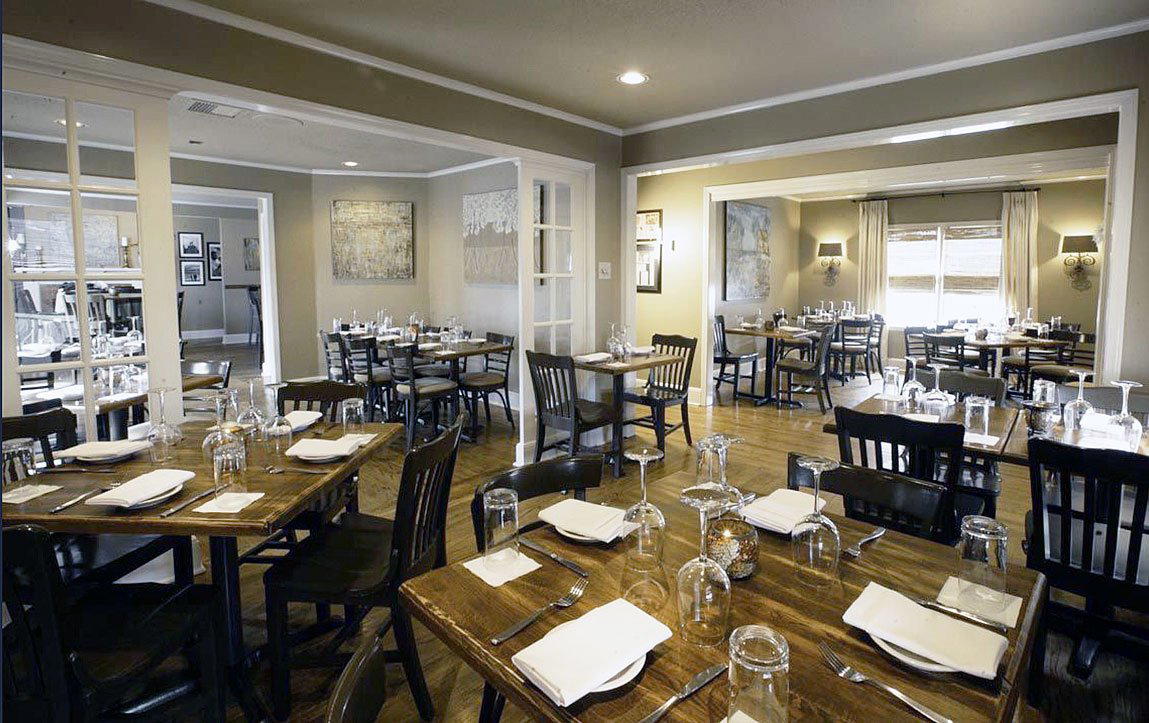
Cute, clean, and welcoming casual cafe with friendly family service and lovely artwork on the walls.