Wang's Mandarin House
Wang's Mandarin House on Park Avenue has been a fixture of Memphis Chinese dining for decades, occupying a residential corridor where neighborhood loyalty runs deep. The room operates on a scale that rewards regulars over first-timers, and the menu covers the broad range of American-Chinese and Mandarin staples that defined suburban Chinese dining across the mid-South. Booking details are best confirmed directly with the restaurant.

Pearl is the En Primeur Club membership app — saves, bookings, and concierge access live there. Same editors, same standards.
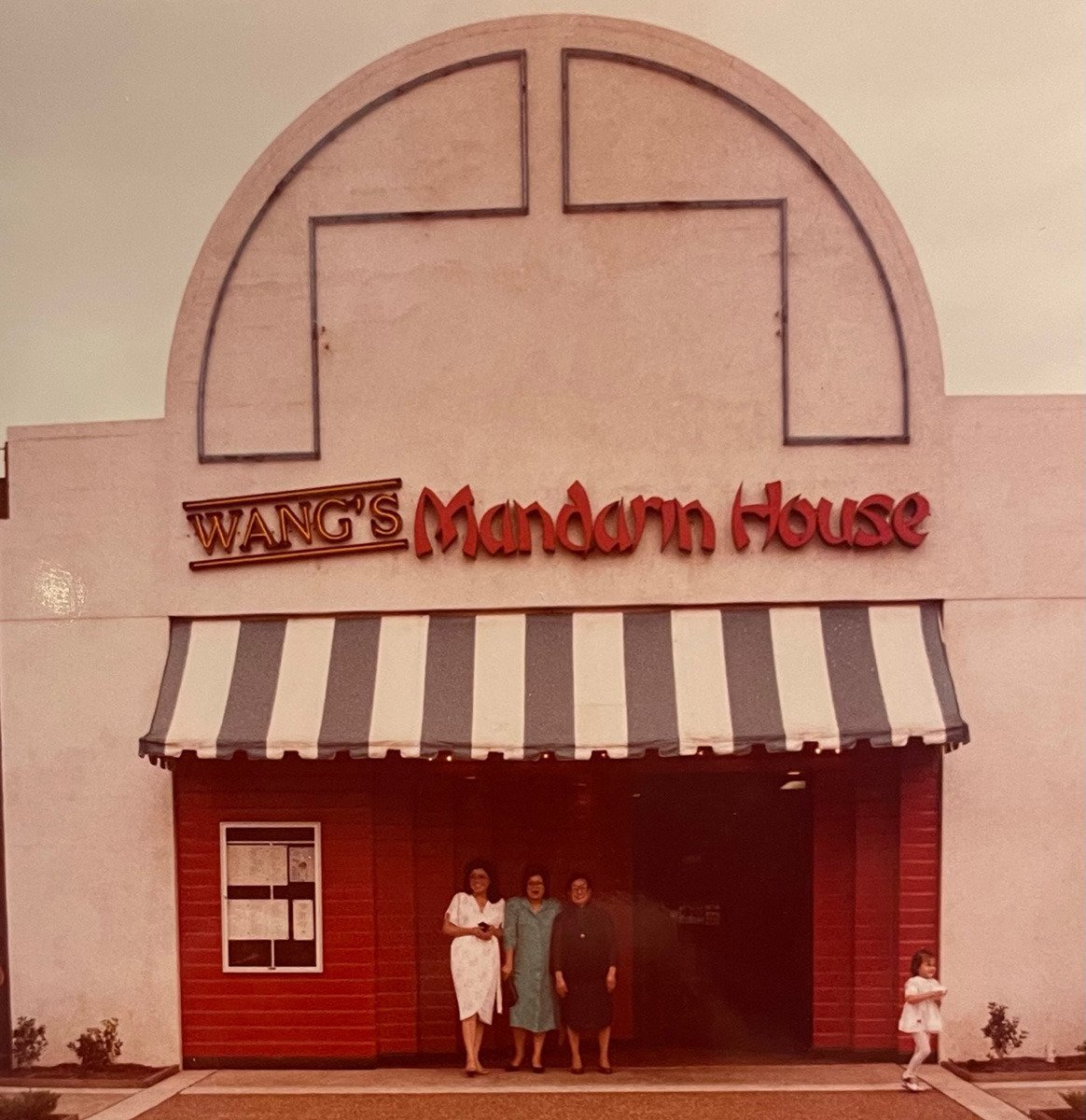
Chinese Dining in Memphis: Where the Tradition Holds
Memphis has never built its dining identity around Chinese cuisine the way cities like Houston or San Francisco have, which makes the restaurants that have lasted here worth examining on their own terms. The city's Chinese food scene is modest in scale but consistent in character: a handful of neighborhood institutions spread across the suburban corridors east of Downtown, serving communities that have been eating at the same tables for a generation or more. Wang's Mandarin House on Park Avenue belongs to that category. The address puts it squarely in the residential east Memphis corridor, away from the tourist density of Beale Street and the chef-driven dining that has defined neighborhoods closer to Midtown. For context on where this fits within the broader Memphis dining picture, see our full Memphis restaurants guide.
The Room and What It Signals
Chinese restaurants in American suburban contexts have historically operated on a specific social contract: familiar dishes executed to a reliable standard, rooms that prioritize comfort over spectacle, and a regulars culture that accumulates quietly over years. Wang's Mandarin House fits that model. The Park Avenue location sits in a commercial strip that serves the surrounding neighborhoods rather than drawing visitors from across the city. The physical environment is functional rather than designed — the kind of dining room where the emphasis falls on what arrives at the table rather than how the space photographs. That is not a criticism. Across American regional Chinese dining, some of the most technically consistent kitchens have operated in exactly this format, where the absence of atmosphere-building expenditure reflects a redirection of resources toward food quality and staff retention.
The Team Behind the Consistency
The editorial angle on Chinese American restaurants of this type is rarely about a single figure. The format that has sustained neighborhood Chinese restaurants for decades in cities across the American South depends on a specific kind of team dynamic: kitchen staff who have developed fluency with a broad menu over years, front-of-house personnel who know the regulars by name and order, and an implicit division of labor that keeps service moving without the scripted delivery common in higher-price-point formats. At venues of this type, the sommelier tier is typically absent, but the staff knowledge that substitutes for it — knowing which dishes run hotter, which preparations take longer, which combinations work, performs a comparable function for a different price bracket. That accumulated knowledge is what distinguishes a long-running neighborhood institution from a newer opening still calibrating its operation.
Across Memphis, the Chinese dining institutions that have held their ground share this characteristic. The team dynamic is less visible than at chef-driven venues like Andrew Michael, where front-of-house and kitchen collaboration is part of the explicit identity, but it is no less operational. The restaurant that has been on the same block for twenty-plus years has solved problems that newer openings are still encountering.
The Menu Context
American-Chinese cuisine in the Mandarin House tradition covers a range that includes both Americanized Chinese standards, dishes shaped by decades of adaptation to regional palates, and more traditionally framed preparations that reflect the cooking of northern China. That dual register is common to Chinese restaurants serving communities outside of the major coastal metro areas, where the customer base ranges from families whose relationship with Chinese food is entirely through the American canon to diners with more specific regional expectations. The practical effect is a menu wider than most kitchens of comparable size would attempt in other cuisine categories. Managing that breadth without degradation at the edges is itself a form of culinary discipline, and it is the characteristic most worth evaluating when visiting venues of this type.
Ordering strategy at a restaurant like this rewards return visits over single-occasion sampling. Regulars at long-running neighborhood Chinese restaurants consistently identify a narrower set of dishes that represent the kitchen at its most confident, preparations that have been refined through repetition rather than seasonal revision. The reliable approach is to ask the front-of-house directly what moves fastest and what the kitchen has been making longest.
Memphis in the Broader Context of American Dining
It is worth placing Wang's Mandarin House in the context of how American regional dining scenes handle Chinese cuisine. In cities with large Chinese-American populations, the scene is stratified across regional styles, price points, and authenticity registers. In mid-sized Southern cities, the picture is simpler but the restaurants that survive are those with genuine community function. The same pattern appears in cities across the South: Chinese restaurants that have operated in the same location for decades have done so not through critical attention but through a specific utility to their neighborhoods.
Memphis's dining attention has historically concentrated on barbecue, soul food, and more recently the chef-driven restaurants in the Cooper-Young and Midtown corridors. Venues like Alex's Tavern, Bardog Tavern, and Bayou draw a different kind of diner than the east Memphis residential corridor. The comparison is instructive: neighborhoods shape dining character, and east Memphis's Chinese restaurant culture reflects a community that values continuity over novelty. For reference on how program-focused hospitality teams operate at the higher end of the American spectrum, venues like Kumiko in Chicago, Jewel of the South in New Orleans, Julep in Houston, Bar Leather Apron in Honolulu, Superbueno in New York City, ABV in San Francisco, and The Parlour in Frankfurt illustrate how explicit team structure and beverage programming interact at the format's upper register. Wang's Mandarin House operates in a fundamentally different register, where those formal structures are replaced by institutional memory.
Planning Your Visit
Wang's Mandarin House is located at 6065 Park Avenue in the east Memphis residential corridor, a setting that functions leading for diners who are already in the area or are making a deliberate point of exploring the neighborhood's older dining institutions. Current hours, booking policy, and menu details are not published in a centralized format as of this writing; calling ahead is the practical approach. The price point for venues of this type and format in this market typically sits below the chef-driven dining tier, making it accessible for regular visits rather than occasion dining. No formal dress code applies. Given the neighborhood restaurant format, walk-ins are generally the operating norm, but confirming availability during peak dinner hours is advisable.
Frequently Asked Questions
What kind of setting is Wang's Mandarin House?
Wang's Mandarin House operates in the neighborhood restaurant format common to east Memphis's residential corridor on Park Avenue. It is not a destination venue oriented around chef recognition or awards, but rather a long-running community institution where the regulars culture and accumulated kitchen consistency are the primary draws. Price positioning places it in the accessible tier of Memphis dining.
at Wang's Mandarin House?
Without current verified menu data, specific dish recommendations would be unreliable. The operational logic of a Mandarin House format suggests the kitchen's most consistent output is in dishes that have been on the menu longest and that regulars return to repeatedly. Asking front-of-house staff directly about the kitchen's most-ordered preparations is the most reliable ordering approach for a first visit.
Is Wang's Mandarin House suitable for a group dinner in Memphis?
Chinese restaurants in the neighborhood institution format, particularly those operating on multi-table dining room layouts in suburban corridors, are generally well-suited to group dining. The broad menu typical of the Mandarin House tradition accommodates varied preferences across a table, which is part of what has sustained the format across American regional dining for decades. For confirmed private dining options or large-party arrangements, contacting the restaurant directly at the Park Avenue address is the appropriate step.
Price and Positioning
Comparable venues nearby, for context on price, style, and recognition.
| Venue | Cuisine | Price | Notes |
|---|---|---|---|
| Wang's Mandarin HouseThis venue — the venue you are viewing | Kirby, lounge | $10–20 | Not listed |
| Bayou | Not listed | $20–30 | Midtown, sports_bar |
| Hi Tone | Not listed | $20–30 | Crosstown, dive_bar |
| Brinsons | Downtown, lounge | Not listed | Not listed |
| Mulan Asian Bistro East | East Memphis, lounge | $20–30 | Not listed |
| Global Café | Not listed | $10–20 | Midtown, cocktail_bar |
Continue exploring
More in Memphis
Bars in Memphis
All bars in Memphis →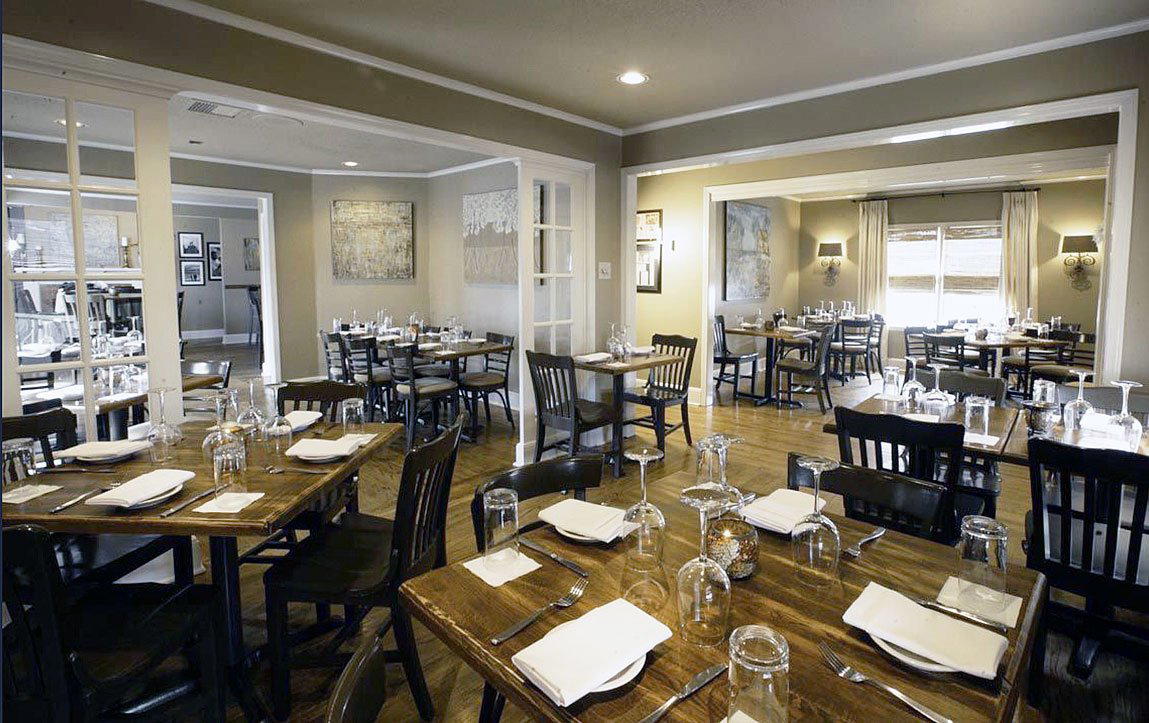


Wang's Mandarin House
The drinks
Signature drinks: Szechuan Cocktails.
Details
- Cozy
- Casual Hangout
- Group Outing
- Seated Bar
Current opening hours
- Monday
- 11 AM–9:30 PM
- Tuesday
- 11 AM–9:30 PM
- Wednesday
- 11 AM–9:30 PM
- Thursday
- 11 AM–9:30 PM
- Friday
- 11 AM–9:30 PM
- Saturday
- 4:30–9:30 PM
- Sunday
- 4:30–9:30 PM
Hours can change for holidays and private events. Last verified .
Welcoming and cozy atmosphere suitable for family dining and casual meals.