Café Kalawe
Café Kalawe sits on William Henry Road in Kaneohe, on Oahu's windward side, where the Ko'olau Mountains frame a quieter, greener version of Hawaiian dining. The café occupies a stretch of the island removed from Waikiki's density, placing it within a neighbourhood that trades tourist volume for local regulars and the kind of unhurried pace that defines windward O'ahu's food culture.
 Discover on Pearl
Pearl is the En Primeur Club membership app — saves, bookings, and concierge access live there. Same editors, same standards.
- Address
- 45-270 William Henry Rd, Kaneohe, HI 96744
- Phone
- +18082479527
- Website
- cafekalawe.com
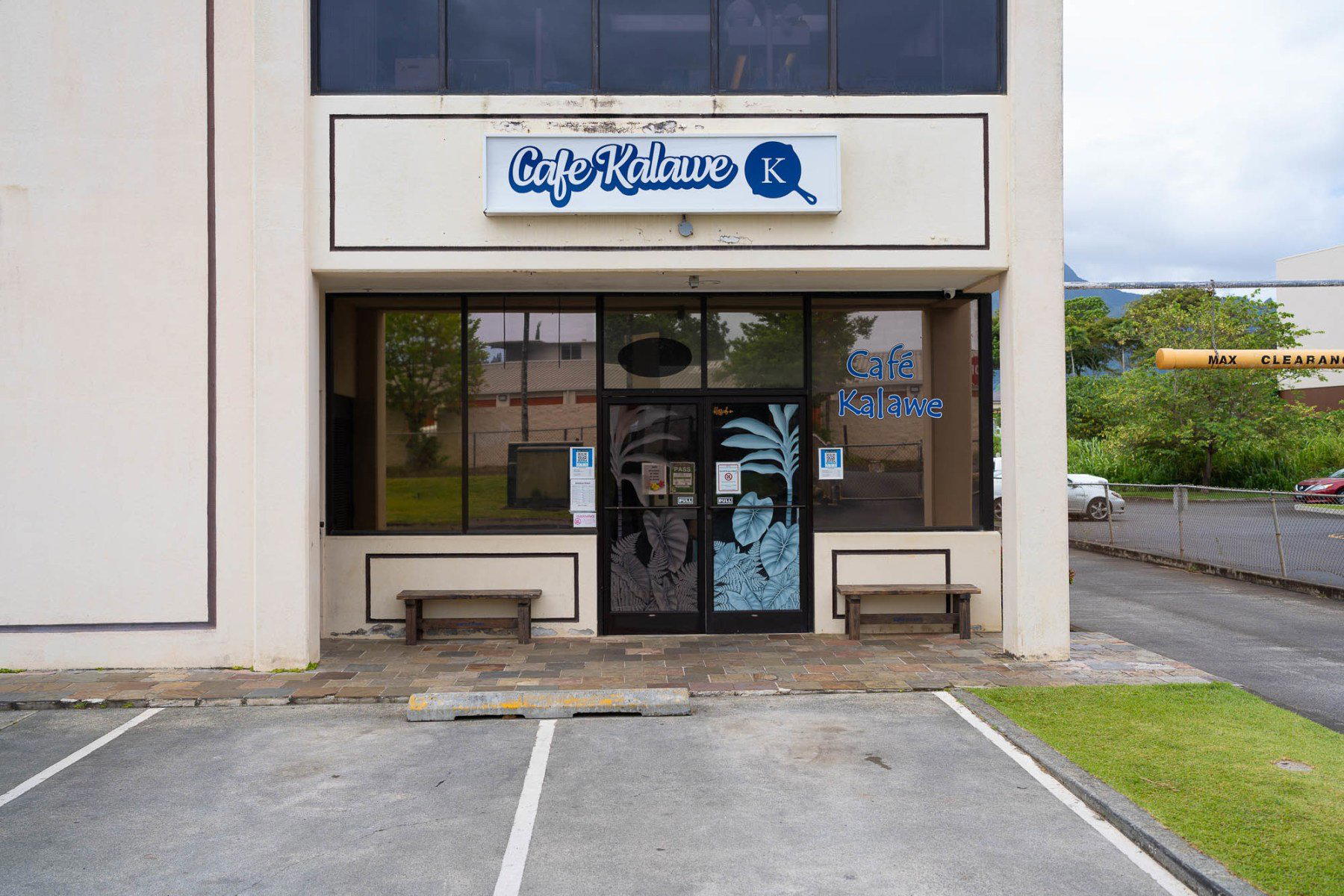
Windward O'ahu and the Other Side of Hawaiian Dining
Most visitors to O'ahu orientate around Honolulu and Waikiki, where the density of restaurants reflects the density of hotels. The windward side, separated from the urban core by the Ko'olau Range, operates on a different rhythm entirely. Kaneohe sits at the heart of this corridor, a town of working families, taro farmers, and long-established local institutions that have never needed to court the resort circuit. Dining here is less about spectacle and more about regularity: the same tables, the same faces, the same kitchen sending out food that earns its reputation through repetition rather than press coverage.
Café Kalawe, at 45-270 William Henry Road, is embedded in this windward fabric. Its address alone signals its orientation: this is a neighbourhood address, not a destination address engineered for visitors arriving by cab from a beachside hotel. For context on how Kaneohe's dining scene fits together, our full Kaneohe restaurants guide maps the broader picture, from casual plate lunch counters to the waterfront setting at Haleiwa Joe's.
The Cultural Weight of Hawaiian Café Culture
Hawaiian café culture draws from a layered history that no single cuisine can claim outright. The islands absorbed waves of culinary influence: Native Hawaiian traditions built around taro, fish, and imu-cooked pork; Japanese plantation-worker cooking that introduced bento formats and pickled vegetables; Portuguese baking that left its mark in malasadas and sweet bread; Filipino, Korean, and Chinese contributions that became standard in the plate lunch format. The result is a local food culture that is genuinely composite, where fusion is not a concept but a historical fact.
Cafés on the windward side of O'ahu tend to reflect this composite identity more honestly than their counterparts in resort zones, where menus are often adjusted toward continental expectations. A café in Kaneohe is more likely to serve rice alongside eggs at breakfast, offer spam musubi as a counter snack, and treat shave ice as a direct afternoon option rather than an Instagram prop. These are not novelty gestures; they are the inherited grammar of local eating.
This stands in instructive contrast to the direction taken by destination restaurants elsewhere in the United States, where tasting menus and tightly controlled formats have become the prestige signal. Places like Lazy Bear in San Francisco, Smyth in Chicago, or The French Laundry in Napa operate at a tier where the experience is the product. The windward Hawaiian café occupies an entirely different register: the experience is incidental, and the food is the point.
Kaneohe's Dining Geography
Kaneohe is not a dining destination in the way that Haleiwa or Kaimuki are discussed in food media. It has no concentration of chef-driven restaurants jostling for attention, and no neighbourhood equivalent of Honolulu's Chinatown revival. What it has is a steady infrastructure of local eating: family-run operations, quick-service counters, and neighbourhood cafés that sustain themselves on repeat custom rather than first-time visitors.
This model has its own integrity. The absence of the destination-dining apparatus, the PR campaigns, the curated social media presence, means that a café's survival depends entirely on whether the food is worth returning to. By that measure, longevity in a windward Kaneohe address is its own credential. Nearby, Teddy's Bigger Burgers demonstrates how a direct format can build genuine local loyalty without reaching for a higher price tier.
The comparison with destination dining elsewhere is worth holding in mind, not to diminish either register, but to clarify what each is doing. Le Bernardin in New York City and Providence in Los Angeles are operating within a framework where every element is curated toward a single high-investment dining event. Addison in San Diego and Blue Hill at Stone Barns in Tarrytown make the sourcing narrative a central part of the offer. A windward café makes no such promises. Its offer is straightforwardness and consistency, which in a different economy is equally demanding to maintain.
What the Windward Side Teaches About Local Eating
The Ko'olau Mountains catch the trade winds and produce rain on the windward side with a regularity that keeps the valley green year-round. This is not incidental to the food culture: the windward side of O'ahu has historically supported taro cultivation in ways that the drier leeward side cannot, and the agricultural character of the corridor feeds into a local food identity that is tied to the land in practical rather than promotional terms.
Dining in this environment tends toward generosity of portion and accessibility of price, two features that reflect the working-community character of the area. Kaneohe's cafés are not competing on the terms used by, say, Single Thread Farm in Healdsburg or Frasca Food and Wine in Boulder, where agricultural provenance and wine program depth are central selling points. They are competing on consistency, value, and the kind of familiarity that makes a regular out of a first-time visitor.
This is worth stating plainly for travellers who arrive on O'ahu with a tasting-menu itinerary and no plan for the windward side. Venues like Atomix in New York City, Emeril's in New Orleans, ITAMAE in Miami, and The Wolf's Tailor in Denver are built around a specific kind of intentional dining event. The windward Hawaiian café is built around something different: the ordinary meal, repeated well, in a place that knows its community.
Planning Your Visit to Café Kalawe
Café Kalawe is located at 45-270 William Henry Road in Kaneohe, on O'ahu's windward coast. Reaching Kaneohe from Honolulu typically means crossing the Ko'olau Range via the H-3 freeway or the Pali Highway, both of which deliver you into a noticeably different environment: quieter, greener, and oriented toward local rather than tourist traffic. A car is the practical choice for windward-side dining; bus service exists but adds significant time to the journey from central Honolulu.
Café Kalawe is open Mon 7 AM to 2 PM, Wed through Fri 7 AM to 8 PM, and Sat and Sun 7 AM to 2 PM; it is closed Tuesday. Arriving midweek and outside standard peak meal windows typically offers the smoothest experience at this type of operation.
Those extending their O'ahu itinerary toward the North Shore or into Honolulu proper will find further context in our restaurant coverage across the island.
- Chantilly Pancakes
- Chantilly Waffles
- Hapa Moco
- Koolaupoko Sandwich
- Kalbi Short Ribs & Eggs
- Teri Beef Plate
Price and Recognition
Comparable venues nearby, for context on price, style, and recognition.
| Venue | Cuisine | Price | Awards | Notes |
|---|---|---|---|---|
| Café KalaweThis venue — the venue you are viewing | $ | , | ||
| Haleiwa Joe's | $$ | , | Haiku Gardens, American Seafood with Hawaiian Influences | |
| Teddy's Bigger Burgers | Kaneohe, Hawaiian-Style Bigger Burgers | $$ | , | |
| Zippy's Kapahulu | $ | , | Kapahulu, Hawaiian Comfort Food & Local Plate Lunch | |
| Moke's Bread & Breakfast | $$ | , | Kailua, Hawaiian-Inspired American Breakfast | |
| Favorite Son at Romer Waikīkī at the Ambassador | $$ | , | Waikiki, American Comfort with Pizza and Local Influences |
At a Glance
- Hidden Gem
- Classic
- Cozy
- Rustic
- Family
- Casual Hangout
- Brunch
- Standalone
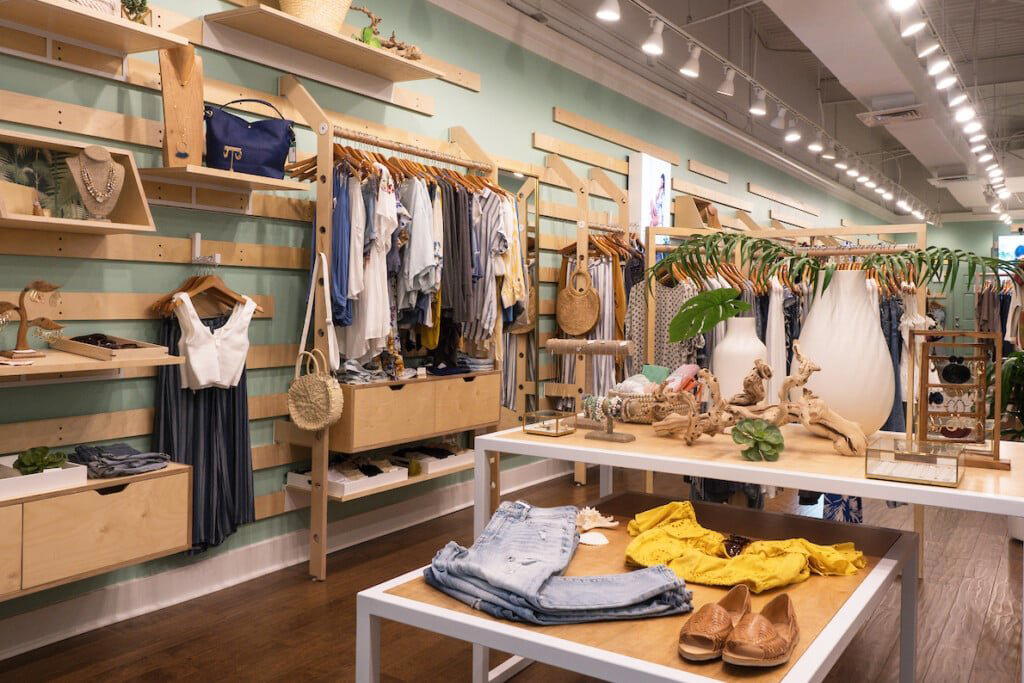
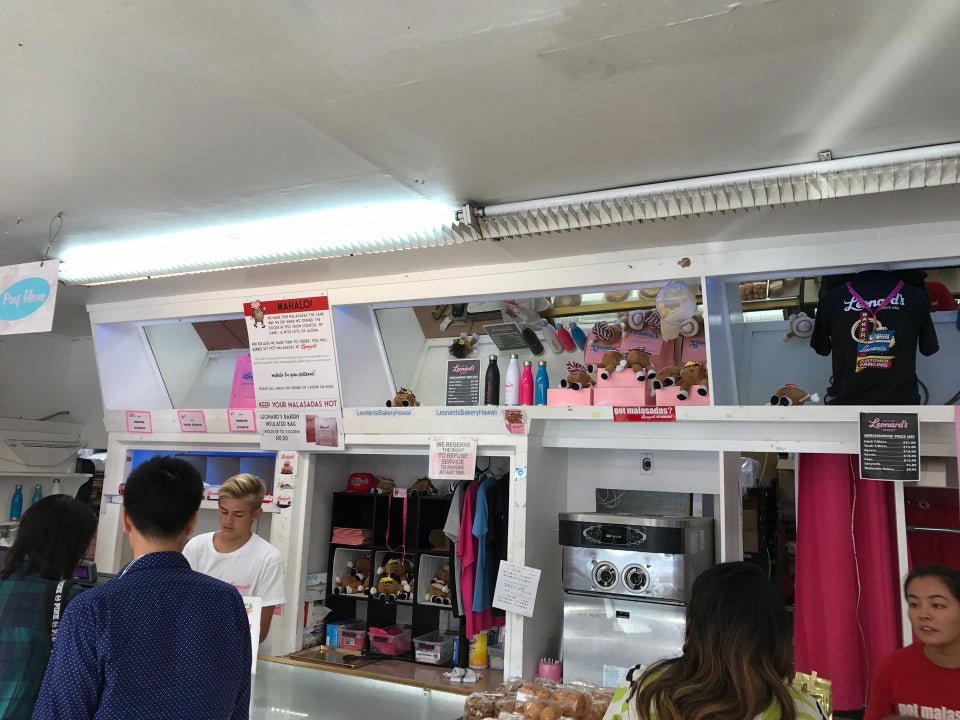
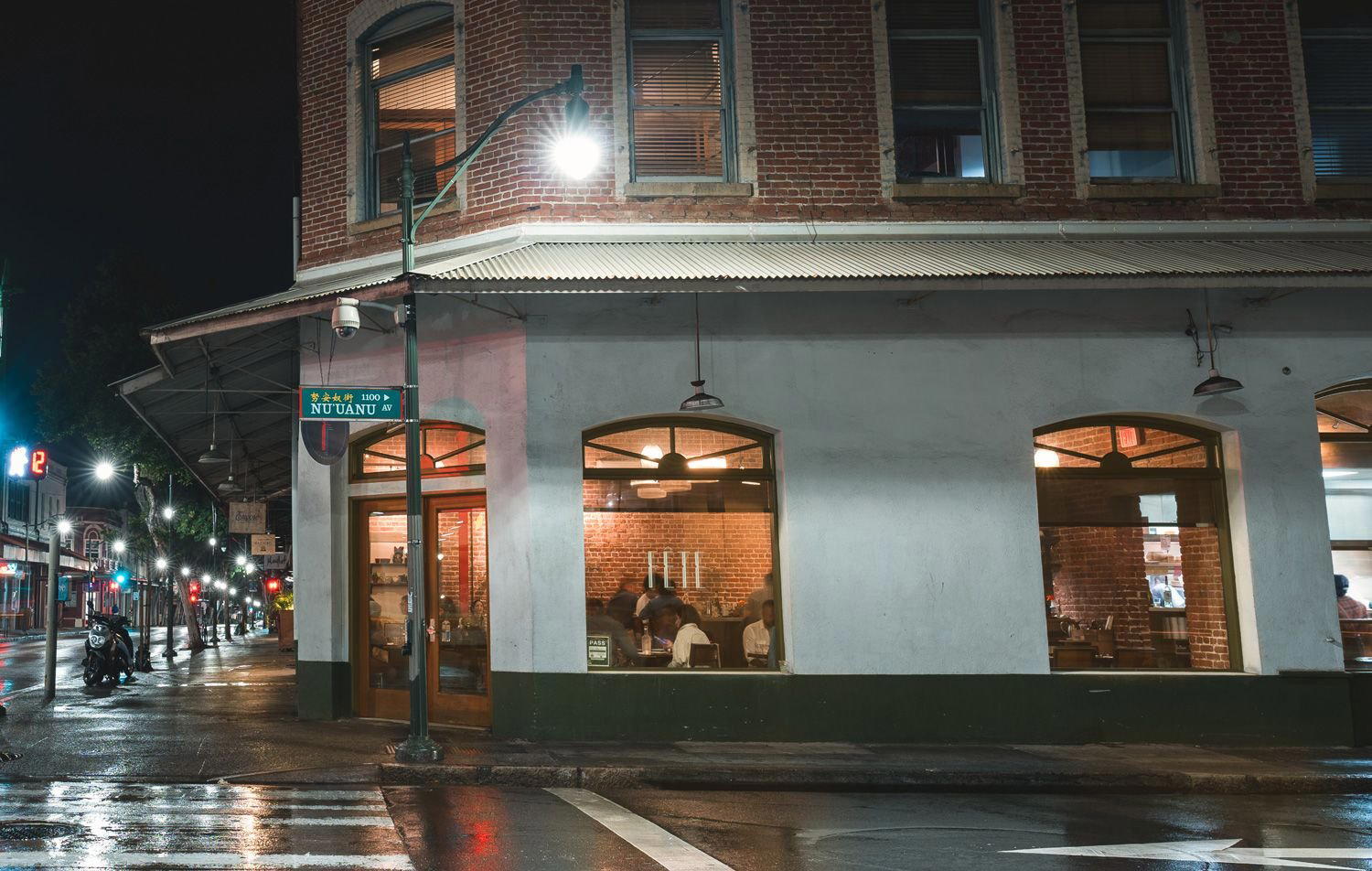
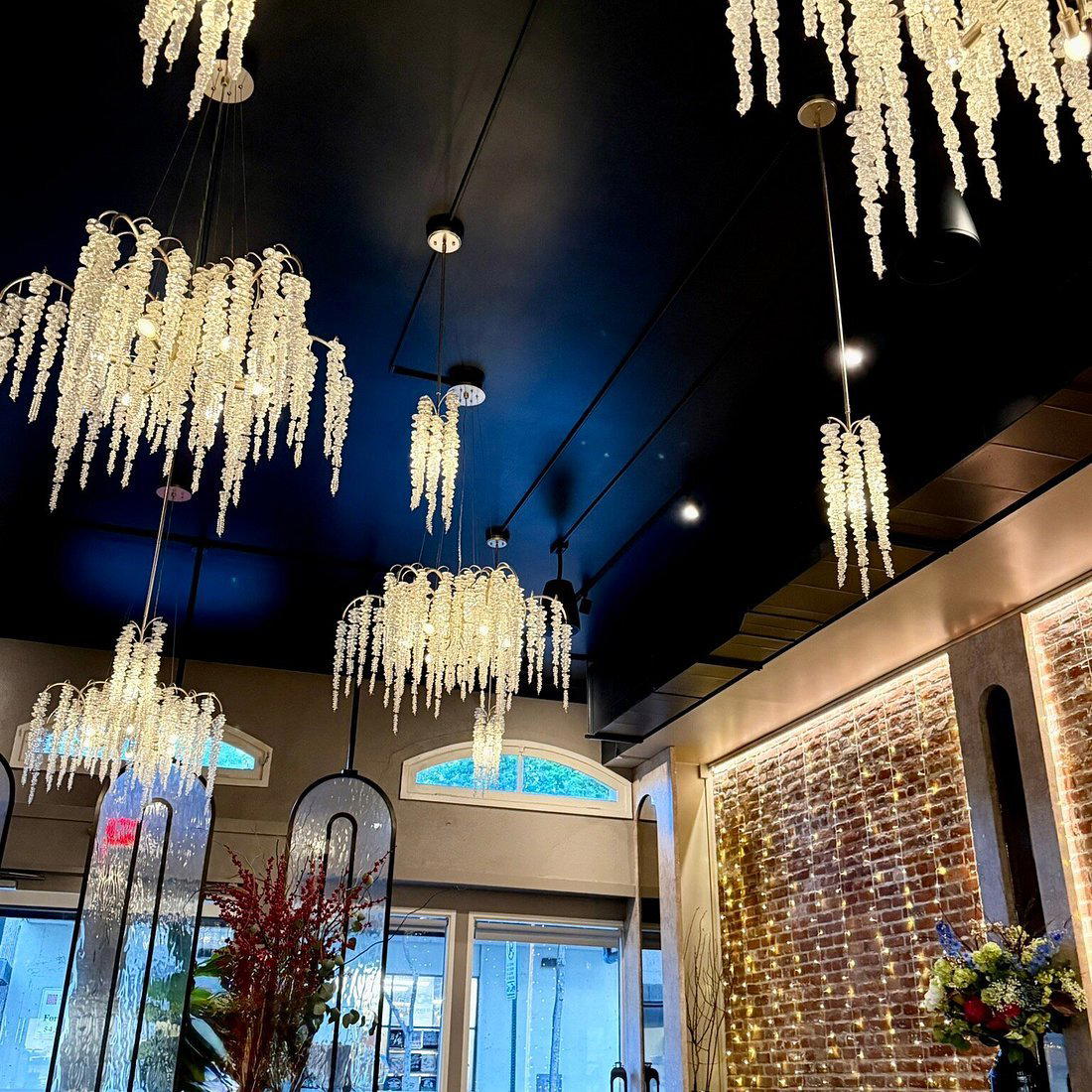
Warm, welcoming family atmosphere with vibrant Hawaiian-style culture; casual diner setting with homey, nostalgic charm.
- Chantilly Pancakes
- Chantilly Waffles
- Hapa Moco
- Koolaupoko Sandwich
- Kalbi Short Ribs & Eggs
- Teri Beef Plate